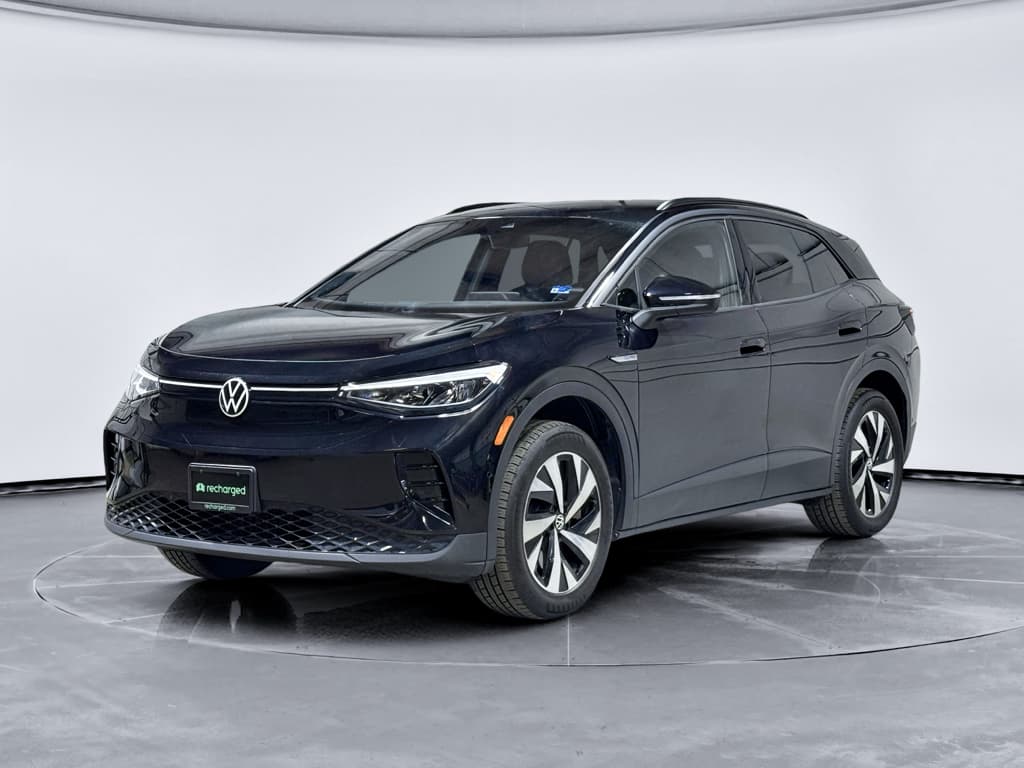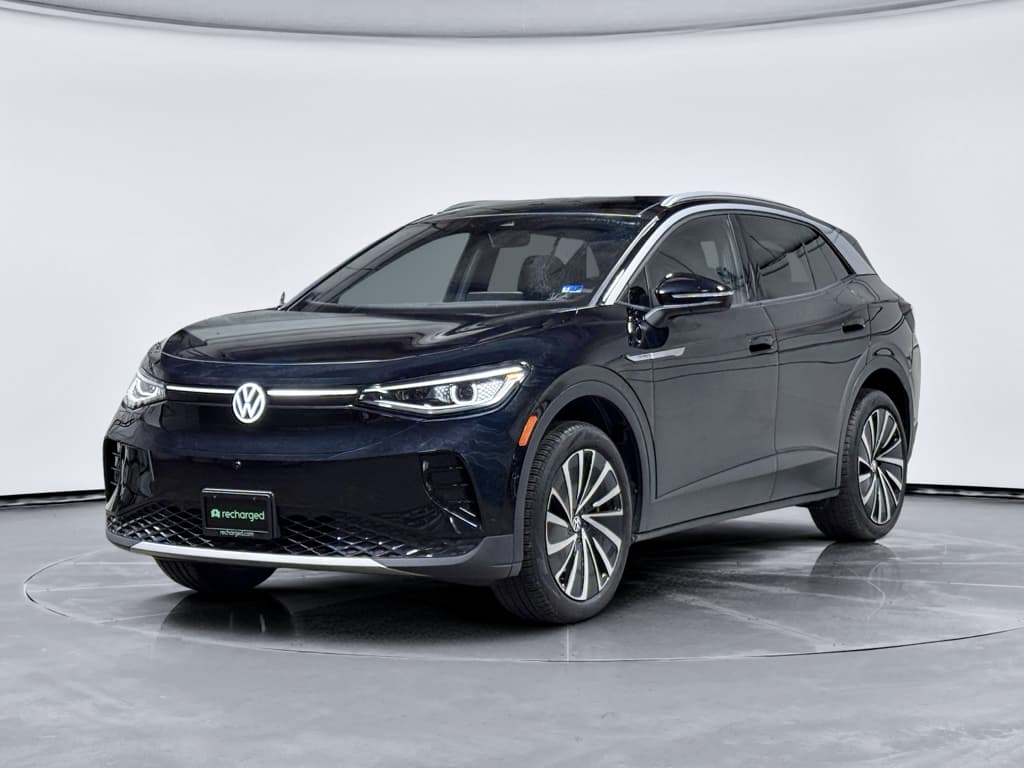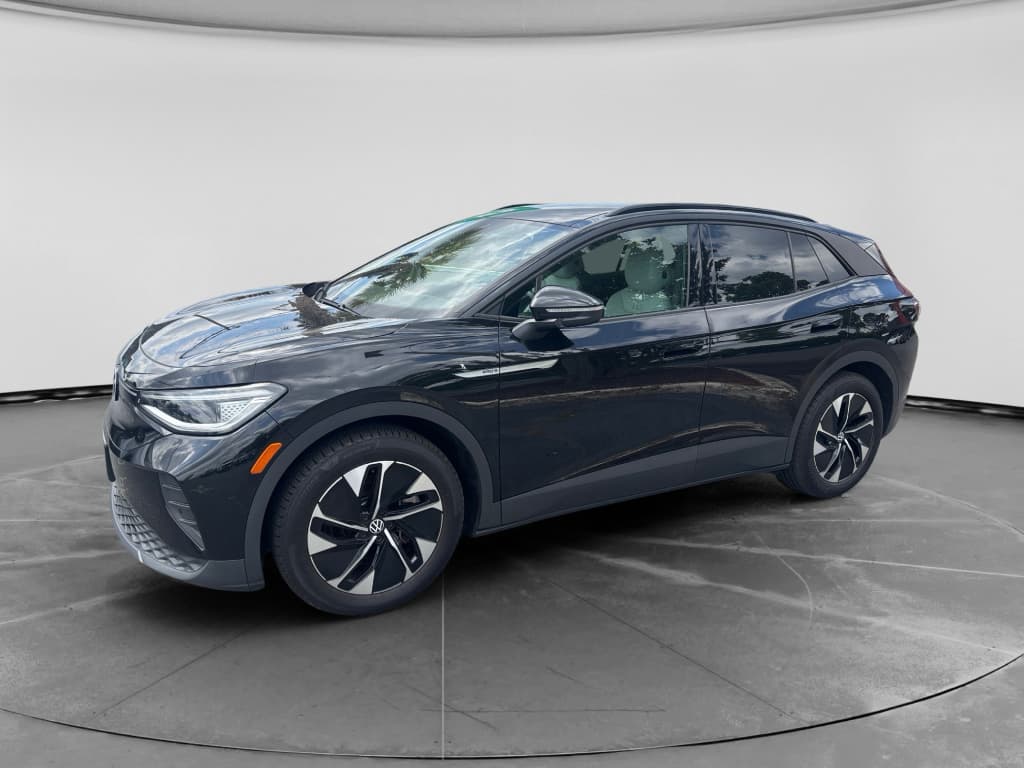
You don’t buy a Volkswagen ID.4 because you worship at the altar of 0–60. You buy it because you want a calm, comfortable electric crossover that can handle the grind: commutes, Costco, the occasional interstate slog. In 2026, the big question isn’t the brochure number, it’s Volkswagen ID.4 real world range: what will this thing actually do on a Tuesday in February at 75 mph with the heat on?
Why 2026 matters for ID.4 range
Volkswagen ID.4 range at a glance for 2026
Typical 2026 VW ID.4 real‑world range*
Important fine print
EPA vs. real‑world range on the Volkswagen ID.4
Volkswagen has steadily nudged the ID.4’s official numbers upward. Early U.S. models with the big battery were rated around 240–260 miles, while 2024+ 82‑kWh rear‑drive cars with the updated motor stretch to roughly 270–291 miles EPA, depending on trim. Smaller‑battery 62‑kWh cars sit closer to the 200‑mile mark on paper.
What the EPA number actually means
The EPA test is a gentle, mixed‑cycle lab procedure. It assumes warm batteries, modest speeds, and no kids demanding 74°F cabin heat. For most ID.4 owners, it’s an optimistic ceiling, not a likely outcome.
- City‑heavy driving can match or even beat EPA.
- Fast, long highway runs tend to fall 15–25% below.
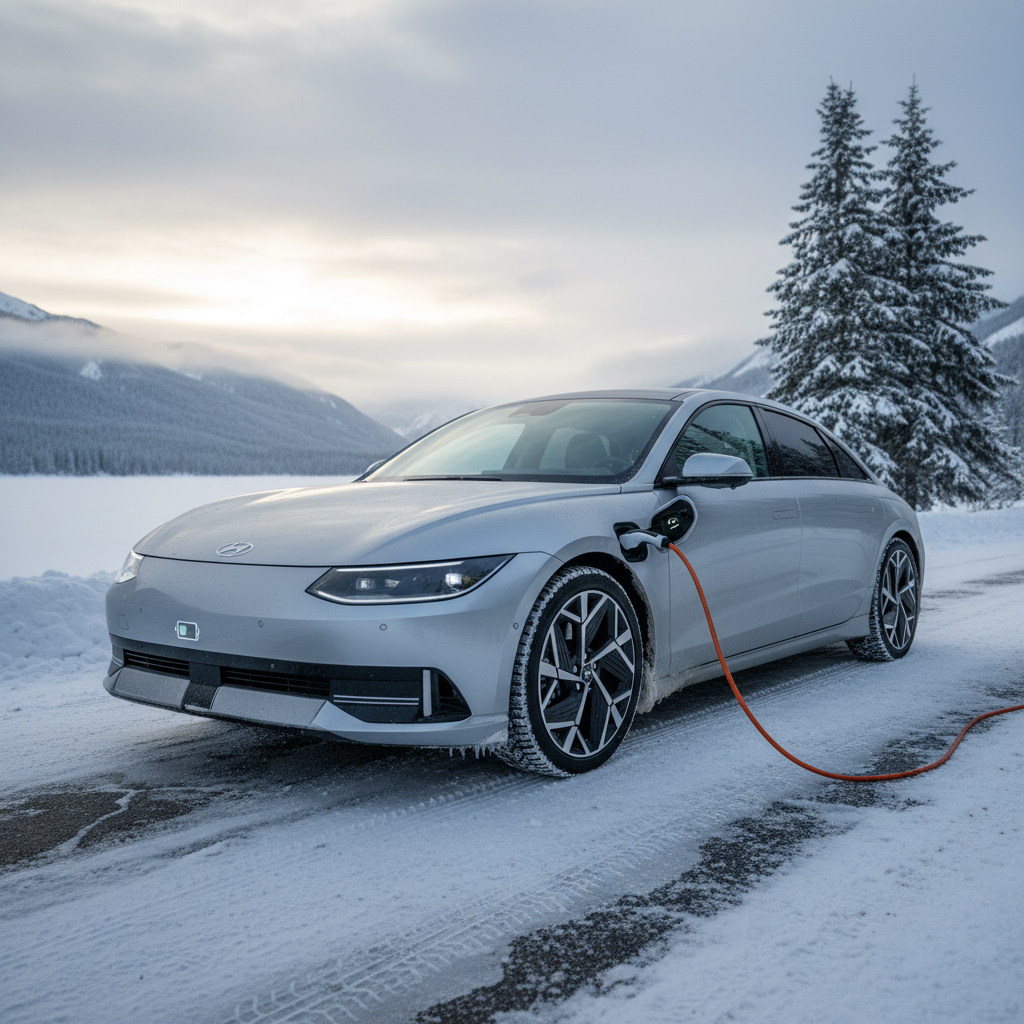
- Cold weather stacks extra losses on top.
A saner way to plan range
For 2026, a good thumb rule is to knock 20–25% off the EPA figure for realistic highway driving, and even more in deep winter. That’s the number you should use when you’re staring at a road‑trip map and wondering if the next charger is “too far.”
At Recharged’s 2025 ID.4 guide, we recommend planning road trips off a conservative estimate so you arrive calm instead of white‑knuckled.
Real‑world ID.4 range by battery size and drivetrain
By 2026 you’ll meet three main ID.4 flavors on the used market: the smaller 62‑ish kWh pack (sometimes called 52–62 kWh in earlier literature), the larger 77–82 kWh pack in rear‑wheel drive, and the same big pack with dual‑motor all‑wheel drive.
2026 Volkswagen ID.4: realistic range by configuration
Approximate real‑world range on a healthy battery, starting from 100%, in mild weather (around 70°F) at typical U.S. speeds.
| Model year & pack | Drive | EPA rating (approx.) | Real‑world highway @ 70–75 mph | Real‑world mixed driving |
|---|---|---|---|---|
| 2021–2023 ID.4 ~55–62 kWh | RWD | ~206–215 mi | 150–170 mi | 180–200 mi |
| 2021–2023 ID.4 77 kWh | RWD | ~240–260 mi | 180–210 mi | 210–230 mi |
| 2021–2023 ID.4 77 kWh | AWD | ~235–245 mi | 170–200 mi | 200–220 mi |
| 2024–2025 ID.4 82 kWh (new rear motor) | RWD | ~270–291 mi | 200–230 mi | 230–260 mi |
| 2024–2025 ID.4 82 kWh | AWD | ~250–270 mi | 190–220 mi | 215–240 mi |
Use these as planning numbers, not promises. Individual cars and conditions vary.
How to use this table when shopping
Highway range: what you’ll really see at 70–75 mph
Highway is where EV optimism goes to die, and the ID.4 is no exception. It’s bluff‑fronted and heavy; push it through the air at 75 mph and you can watch the watt‑hours evaporate. That’s why we obsess over VW ID.4 real world range on the highway in particular, it’s the use case that strands people.
- A 2024–2025 ID.4 82‑kWh RWD, in 70°F weather, steady 70–75 mph, typically returns 200–220 miles from 100% down to about 10%.
- Earlier 77‑kWh cars on the same drive live more in the 180–210 mile window.
- All‑wheel‑drive trims shave another 10–20 miles off, depending on wheels and tires.
- Strong headwinds, rain, or running 80+ mph can eat a further 10–15%.
The 0% you should never plan on
City, suburban, and commuting range
Here’s the good news: the ID.4 is a lot more flattering in town. Stop‑and‑go driving lets the regen work, and aerodynamic drag isn’t punishing you every second.
How the ID.4 behaves in everyday driving
Same car, same battery, different results depending on the route.
Short city hops
Lots of 3–10 mile trips with time to cool between drives can be inefficient in winter, but in mild weather, the ID.4 is very frugal around town.
Expect: Close to EPA or slightly better on warm days.
Suburban commuting
Think 45–60 mph arterials, lights, and a bit of freeway. This is the ID.4’s best real‑world scenario.
Expect: Often within 5–10% of EPA in 60–75°F weather.
Pure freeway slogs
Set the cruise at 75 mph and range drops. Aerodynamics are merciless, and you’re mostly out of stop‑and‑go regen territory.
Expect: 15–25% below EPA in mild weather, more in winter.
Where the ID.4 quietly shines
Winter range loss: how bad does it get?
Cold is the ID.4’s kryptonite, especially in earlier model years without a particularly aggressive battery‑warming strategy. Recharged’s own Volkswagen ID.4 winter range loss percentage breakdown, and countless owner logs, tell the same story: winter doesn’t nibble; it bites.
Typical winter range loss on the Volkswagen ID.4
Real‑world drop vs. mild‑weather range, assuming similar routes and driving style.
| Scenario | Temp range | Driving pattern | Typical reduction |
|---|---|---|---|
| Cold‑rain shoulder seasons | 35–45°F | Mixed city/highway, 30–60 min trips | 10–20% below mild‑weather range |
| Normal snow‑belt winter | 20–32°F | Commuter mix, cabin set to 70–72°F | 20–30% below mild‑weather range |
| Deep‑freeze days | 0–20°F | Short trips, lots of warm‑ups | 30–40% below mild‑weather range |
| Long winter highway run | 15–30°F | 70–75 mph, preconditioned, steady cruise | 20–30% below mild‑weather range |
Short, cold trips are the worst case. Long highway drives in cold weather often look a bit better than these numbers once everything is thoroughly warmed up.
Three winter habits that matter more than specs
Used ID.4s in 2026: battery health and degradation
A 2021 ID.4 is now a five‑year‑old car. The usual internet barstool speculation says the pack is ruined by then. Reality, at least so far, is kinder. Most owners with normal mileage report single‑digit to low‑teens percent loss after several years, assuming decent charging habits and no abuse.
What you’ll feel from degradation
On an original 77‑kWh ID.4, a 10% loss in usable capacity might turn a 210‑mile real‑world highway car into a 190‑mile one. Annoying? Maybe. Catastrophic? Not usually, unless your commute was already right on the ragged edge.
The sting is sharper on the smaller‑pack versions, where every kilowatt‑hour counts and the buffer is slimmer.
How Recharged measures battery health
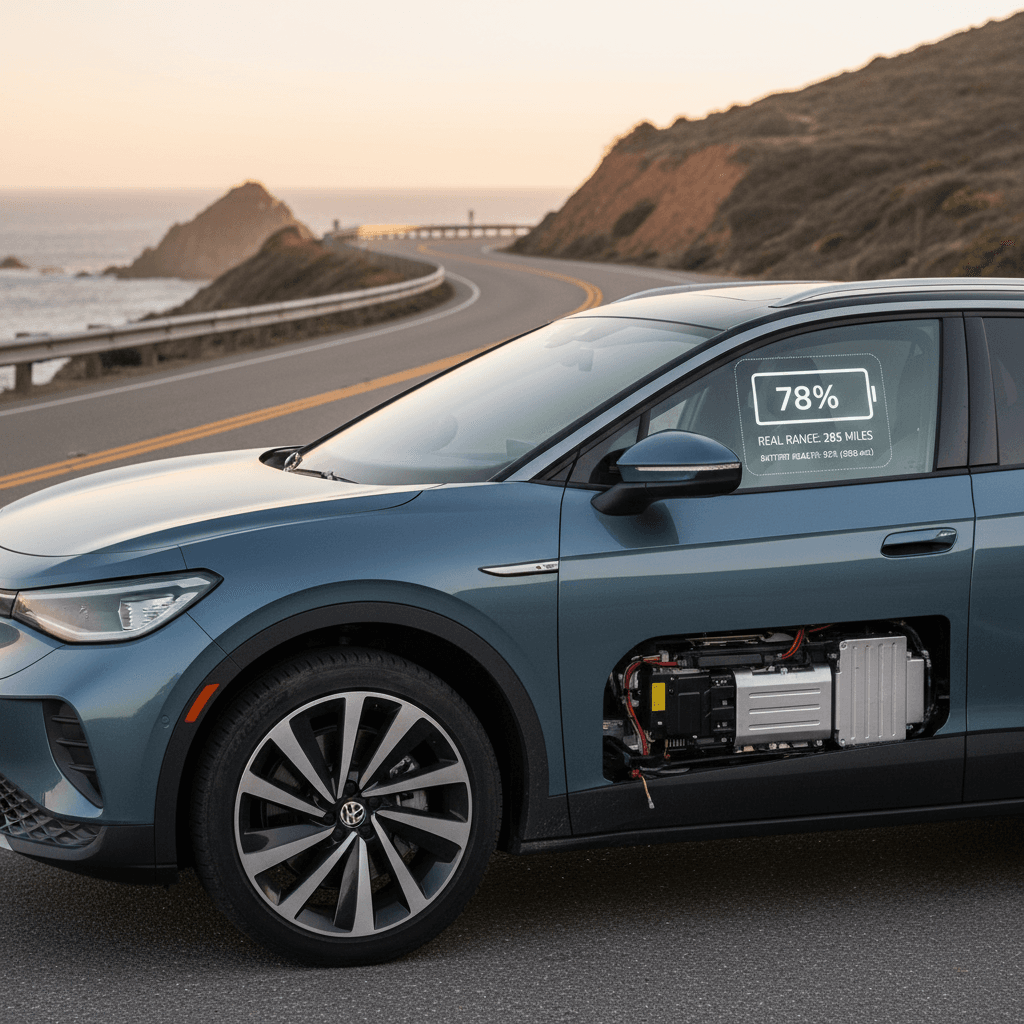
When you shop a used ID.4 at Recharged, you’re not guessing. Every car comes with a Recharged Score Report that includes a hardware‑based battery health diagnostic, so you can see how much usable capacity remains versus a new pack.
That means you can compare a 2021 Pro S and a 2024 82‑kWh RWD on actual remaining range potential, not just odometer and vibes.
Used VW ID.4: range questions to ask in 2026
1. What’s your real highway range?
Ask the seller how far they comfortably drive at 70–75 mph on a full charge before looking for a charger. Compare their answer to the ranges in this article; big gaps deserve follow‑up questions.
2. Has the car received the latest software updates?
VW has improved efficiency and charging behavior via software. Ask for service records showing up‑to‑date campaigns, especially on 2021–2022 cars.
3. How was the car typically charged?
Mostly DC fast charging and repeated 100% top‑offs are harder on the pack than home Level 2 charging with a reasonable charge limit (70–80%). Balanced use is what you want to hear.
4. Any range‑related warning lights or errors?
Battery or charging faults aren’t just an inconvenience; they can hint at underlying problems that will affect both range and resale value.
5. Can I see an independent battery health report?
If you’re not buying from a platform like Recharged that includes diagnostics, consider paying for a third‑party EV inspection that can read pack data before you commit.
Seven ways to stretch your Volkswagen ID.4 range
You can’t move the EPA sticker, but you can make your personal number much friendlier. The ID.4 responds well to a few simple habit changes, none of which require hypermiler sainthood.
Practical ID.4 range tips for 2026
Small changes, meaningful miles.
1. Slow down… a little
Each 5 mph above 70 is a quiet range tax. Dropping from 78 to 72 mph on the highway can add 20–30 miles to an 82‑kWh ID.4’s usable range without making your trip feel glacial.
2. Use eco routing when it makes sense
Navigation modes that favor steady speeds and avoid brutal stop‑and‑go can improve efficiency. On long trips, a slightly longer but smoother route often wins on energy.
3. Precondition while plugged in
On cold or very hot days, pre‑heat or pre‑cool the cabin while you’re still connected to home power. That way, those first crucial miles don’t carry the full cost of warming or chilling the cabin and pack.
4. Prefer seat heaters over cabin roasting
Heated seats and wheel sip electrons compared with blasting the HVAC. Set the cabin a few degrees cooler than you’d like and let the seat heaters pick up the slack.
5. Watch your tires and wheels
Oversized wheels, aggressive all‑terrains, or under‑inflated tires will quietly steal range. Stick close to factory sizes and keep pressures at spec, especially on AWD trims.
6. Charge smart, not always to 100%
For daily use, living between roughly 20% and 80% state of charge is easier on the pack and keeps your regenerative braking strong. Save 100% charges for road trips.
Let the network do some work
Is the ID.4’s real‑world range right for you?
Viewed coldly, the ID.4 is a competent, not class‑leading, range machine. Hyundai, Kia, and Tesla will generally go farther on a kilowatt‑hour. But that’s not the whole story. Range anxiety isn’t just a number; it’s how your daily life fits inside that number.
Great fit
- Your daily driving is under 70 miles and you can reliably charge at home or at work.
- You take a few road trips a year and are comfortable stopping every 2–3 hours to DC fast charge.
- You live in a moderate climate or can live with winter range dropping into the 150–200 mile zone on a big‑battery car.
Think twice, or buy strategically
- You routinely do 170+ mile interstate runs with no fast chargers along the way.
- You live in a harsh‑winter area, park outside, and can’t plug in overnight.
- Your schedule or health makes extra stops a serious problem.
In those cases, a bigger‑battery EV, a plug‑in hybrid, or a carefully chosen later‑model ID.4 with the 82‑kWh pack may be the safer bet.
If you’re shopping a new or used ID.4 in 2026, don’t get hypnotized by the EPA label. Look at your own routes, your weather, and how often you’re willing to stop. When you pair the right battery and drivetrain with realistic expectations, and verify battery health on a used example, the Volkswagen ID.4 delivers the kind of quiet, unhurried range that fits real lives rather than marketing copy. And if you’d like help finding that sweet‑spot car, Recharged’s experts and Recharged Score battery reports can take the guesswork out of your next ID.4.