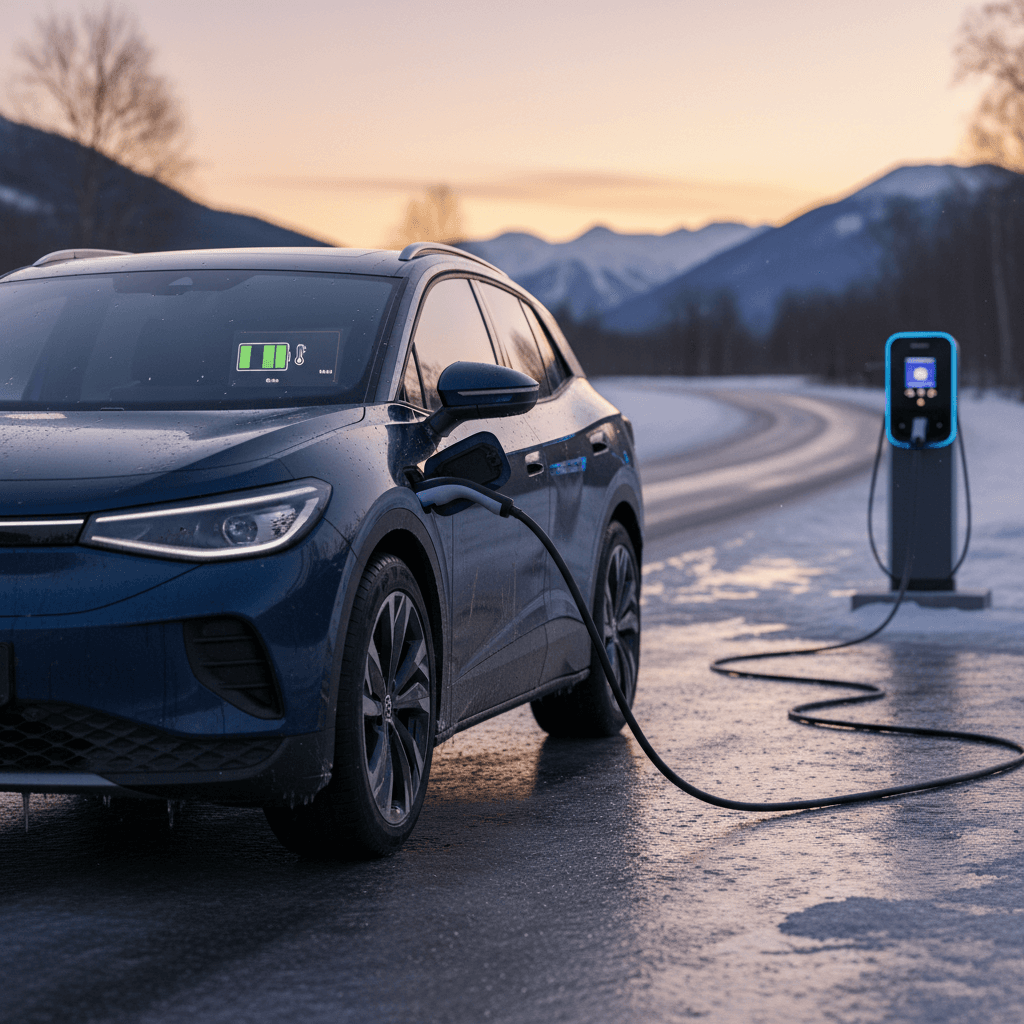
If you live with real winters, the question isn’t whether your Volkswagen ID.4 will lose range in the cold, it’s **how much**. Owners routinely report winter drops of 25–40%, and that “Volkswagen ID.4 winter range loss percentage” becomes very real the first time you watch the guess‑o‑meter plunge on a snowy morning.
Quick takeaway
Volkswagen ID.4 winter range at a glance
Typical Volkswagen ID.4 winter range impact
Those numbers are **not** a sign that your battery is failing. They’re mostly physics and HVAC load. The good news: with smart winter habits, you can often claw back 10–15 percentage points of that loss and make your ID.4 feel far more predictable in January than it did last year.
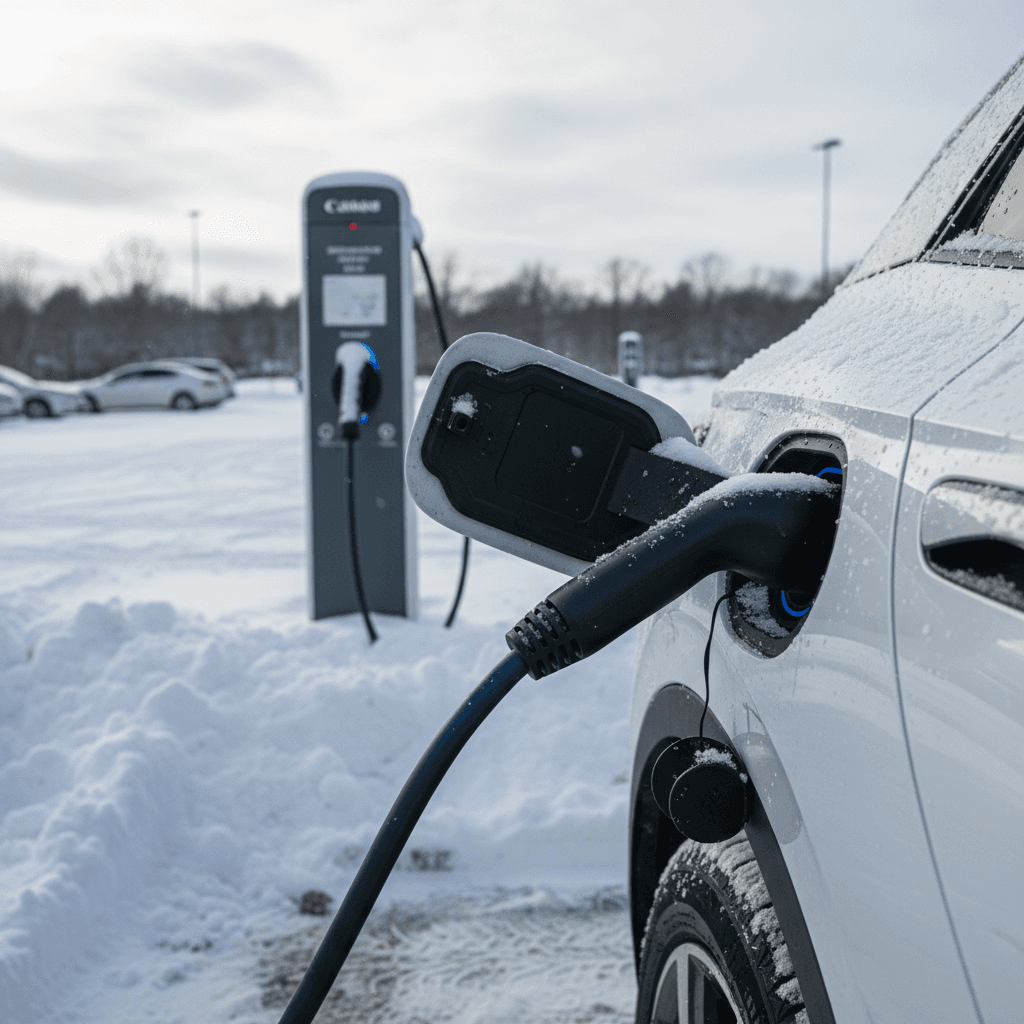
How much range does the Volkswagen ID.4 lose in winter?
There’s no single **Volkswagen ID.4 winter range loss percentage** that fits every driver. Temperature, speed, trip length, wheel and tire choice, and how you use the heater all matter. But looking across owner reports and independent tests, some clear patterns emerge.
Typical Volkswagen ID.4 winter range loss vs. EPA rating
Approximate winter range outcomes for common ID.4 battery/trim setups in North American conditions. These are **illustrative real-world bands**, not guarantees.
| Model / Battery | EPA rated range | Mild cold 32–45°F (~0–7°C) | Deep cold 10–25°F (~‑12–‑4°C) | Approx. loss % |
|---|---|---|---|---|
| ID.4 Pro / Pro S (82 kWh, RWD) | ~275–291 mi | ~210–230 mi | ~160–190 mi | About 20–40% |
| ID.4 AWD Pro / Pro S (82 kWh, AWD) | ~245–260 mi | ~190–210 mi | ~150–180 mi | About 20–40% |
| ID.4 Standard / Pure (62 kWh, RWD) | ~200–210 mi | ~150–165 mi | ~115–135 mi | About 20–40% |
Assumes healthy battery, all‑season tires, and mixed driving. Your actual numbers will vary based on speed, terrain and HVAC use.
These are directional, not promises
If you want a simple rule of thumb for planning: assume your ID.4 will deliver **about 60–75% of its EPA range** in typical winter use. That puts you in the right ballpark for most days, and you can refine from there as you learn your own routes.
Why the ID.4 loses range in cold weather
Cold‑weather range loss isn’t unique to Volkswagen, **all EVs** suffer in winter. But it helps to understand what’s happening inside your ID.4 so you can attack the biggest causes:
Four main culprits behind ID.4 winter range loss
Most of the extra energy goes to warmth and overcoming thick, cold air.
1. Colder, less efficient battery
Li‑ion batteries operate best in a moderate temperature band. When it’s cold, internal resistance rises. That means:
- Less usable energy at a given state of charge (SoC)
- Lower peak power and regen at low temperatures
- More energy spent just keeping the pack warm enough
2. Cabin heating & defrost
Unlike gas cars that use waste engine heat, your ID.4 creates cabin heat using electricity. On sub‑freezing days, the HVAC system can become the **single biggest energy draw** after motion itself.
Seat and steering‑wheel heaters are much more efficient than blasting hot air.
3. Aerodynamic penalties
Cold, dense air increases drag. At 65–75 mph, that extra resistance shows up quickly on your consumption display.
Add snow on the road and winter tires, and rolling resistance climbs too.
4. Driving pattern changes
Winter means more short trips, more stop‑and‑go, and more idling with the heat on while you clear the windshield.
Those short, cold starts are brutal on efficiency because the car keeps reheating the cabin and battery from scratch.
Think in kWh/100 mi, not just miles
City vs. highway: How winter hits ID.4 range differently
One of the stranger things new ID.4 owners notice in winter: **short city drives can be less efficient than steady highway runs**, even though that’s the opposite of what happens in summer.
Short city trips in the cold
- Each drive starts with a cold cabin and cold battery.
- The car spends a lot of energy reheating everything, then you shut it off.
- Average consumption can spike to 40–50 kWh/100 mi on 5–10 minute errands.
Result: The range estimator looks terrible, and your effective winter range can fall into the lower end of that 35–45% loss band.
Longer highway or mixed drives
- Once the battery and cabin are warmed up, the energy needed to maintain temperature drops.
- At moderate highway speeds (60–65 mph), many ID.4s settle into the 28–35 kWh/100 mi range in typical winter temps.
- That translates to something closer to 20–30% loss vs. EPA on the bigger battery packs.
Result: Longer trips can look surprisingly reasonable on consumption, even if the raw range estimate spooked you first thing in the morning.
Use the trip odometer as your truth
Heat pump, model year and trim: Why some ID.4s do better in winter
Not every ID.4 behaves the same way in the cold. Hardware differences, especially the **heat pump**, and some quiet efficiency tweaks over the years mean your winter experience can vary by model year and trim.
- Earlier U.S. ID.4s offered an optional heat pump on certain trims; later U.S. models shifted availability and, in some cases, dropped it altogether depending on configuration.
- A heat pump is more efficient than a simple resistive heater in many cool‑to‑cold conditions (roughly 20–50°F), which can trim winter consumption by several kWh/100 mi compared with using resistive heat alone.
- Below roughly 0°F, the efficiency advantage narrows, and all ID.4s rely more heavily on direct resistive heating to keep the cabin comfortable.
- Software updates over the last few years have adjusted how aggressively the car warms and manages the battery, which can nudge winter efficiency up or down in subtle ways.
How to tell if your ID.4 has a heat pump
Ready to find your next EV?
Browse VehiclesIf two ID.4s are otherwise identical but one has a heat pump and the other doesn’t, the heat‑pump car will usually show **noticeably better winter efficiency** in shoulder‑season temperatures where you’re using moderate cabin heat for long periods.
Winter range loss vs. long-term battery degradation
It’s easy to confuse **temporary winter range loss** with **permanent battery degradation**. They’re related but very different things, and if you’re evaluating a used Volkswagen ID.4, separating them matters for resale value and peace of mind.
Temporary winter loss vs. permanent degradation
Understand which problem you’re actually seeing.
Seasonal winter range loss
- Shows up when temperatures drop, improves again in spring.
- Primarily caused by cold battery chemistry and heavy HVAC use.
- Range can swing 20–40% between August and January.
- Does not mean your pack is dying.
Long-term battery degradation
- Slow, mostly one‑way decline in usable capacity over years.
- Measured best via a diagnostic state‑of‑health (SoH) test.
- Typical modern EV packs may lose a modest single‑digit percentage in the first few years.
- Separate from the temporary winter hit.
Where Recharged fits in
If your ID.4 seems to “lose” 30% range in January and then magically “gains” it back in May, the battery is probably fine. But if you’re seeing **consistently low range in all seasons**, that’s when a proper battery‑health check is worth your time, especially before you buy.
10 ways to cut winter range loss in your ID.4
You can’t beat physics, but you can absolutely **stack the deck in your favor**. Here are practical steps ID.4 owners use to claw back double‑digit percentage points of winter range.
Volkswagen ID.4 winter efficiency playbook
1. Precondition while plugged in
Use the climate‑timer or app (if available on your trim) to warm the battery and cabin **before** you leave, while the car is still on AC power. That front‑loads the energy cost so your drive starts with a warm pack and cabin.
2. Use seat and wheel heaters first
Heated seats and steering wheel use far less energy than blasting hot air. Keep the cabin temperature a couple of degrees lower and lean on seat heat to stay comfortable.
3. Dial back top speed
Above about 65 mph, cold‑air drag punishes efficiency. Dropping 5–10 mph on the highway can shave several kWh/100 mi off your usage and noticeably boost winter range.
4. Avoid repeated short cold starts
Group errands so the car stays warm once it’s up to temperature. Five separate 2‑mile trips on a 15°F day will burn far more energy than doing those errands in one loop.
5. Clear snow and ice off the car
Snow clinging to the hood, roof and wheel wells adds weight and wrecks aerodynamics. Brushing off as much as possible gives the ID.4’s slippery shape a chance to work.
6. Mind your tire setup and pressure
Dedicated winter tires improve traction but add rolling resistance. Make sure they’re properly inflated; cold air drops pressure and underinflation further hurts range.
7. Use Eco or less aggressive drive modes
If your ID.4 offers Eco or similar profiles, they can soften throttle response and HVAC aggressiveness, which nudges consumption in the right direction on longer winter drives.
8. Pre‑defrost windows instead of idling
Rather than idling in the driveway with max heat and defrost running, schedule preconditioning. It’s easier on your battery and more efficient overall.
9. Don’t obsess over 100% charges
For daily winter use, you rarely need to charge to 100%. Stopping around 80–90% for day‑to‑day driving keeps charging times reasonable and is easier on the pack long‑term.
10. Learn your personal kWh/100 mi number
Once you know your typical winter consumption, say 34 kWh/100 mi, you can quickly estimate usable trip range from your remaining battery percentage. That’s far more reliable than trusting the guess‑o‑meter alone.
Use a simple mental formula
Planning trips and commutes around winter range
Understanding that your ID.4 might only deliver **60–75% of its EPA range in winter** changes how you plan, but it doesn’t have to limit how you live. It just means building in **margin and flexibility**.
Sample ID.4 winter range planning scenarios
How to budget range for common winter driving patterns using conservative assumptions.
| Scenario | Assumed ID.4 variant | Temp & conditions | Planning target | Recommended buffer |
|---|---|---|---|---|
| Daily suburban commute (~40–50 mi round trip) | ID.4 Pro (82 kWh, RWD) | 25–35°F, mixed roads | Plan on ~180–200 mi usable | Keep SoC between ~20–85% |
| Weekend highway trip (~160 mi one way) | ID.4 AWD Pro | 20–30°F, 65–70 mph | Assume ~160–180 mi usable | Plan at least one DC fast‑charge stop |
| Short urban hops all day (~60 mi total) | ID.4 Standard (62 kWh) | 10–25°F, many cold starts | Assume ~115–130 mi usable | Top up mid‑day if SoC drops below ~35% |
These examples assume a healthy battery and typical mixed driving. Always leave extra buffer in deep cold or unfamiliar territory.
Don’t plan to the last mile
Used Volkswagen ID.4 buyers: Winter range checklist
If you’re shopping for a **used Volkswagen ID.4** in a cold‑weather state, winter performance shouldn’t be an afterthought. It should be part of your shopping list, right alongside price, mileage and options.
Winter-smart checklist for used ID.4 shoppers
1. Look up the official EPA range
Know the original EPA rating for the exact trim, battery and drivetrain you’re considering. It’s your baseline for estimating a 25–40% winter hit.
2. Confirm heat pump and equipment
If cold‑weather efficiency matters, verify whether the car has a heat pump or other winter‑friendly options like heated steering wheel and heated rear seats.
3. Ask about previous winter use
If you’re buying locally, ask the seller or dealer what range they actually saw in past winters on their common routes. Anecdotal, yes, but useful context.
4. Get an objective battery health report
A proper state‑of‑health test separates genuine battery wear from seasonal swings. On Recharged, the **Recharged Score** gives you battery diagnostics you can actually act on.
5. Inspect tires and wheels
Check whether the car includes a dedicated winter wheel‑and‑tire setup or just all‑seasons. Winter tires are great for traction but can chip away at range.
6. Factor range into your daily life
Map your real‑world routes, commutes, kids’ activities, weekend drives, against a conservative winter range estimate. If the numbers pencil out with comfortable buffer, you’re in good shape.
How Recharged simplifies the homework
FAQ: Volkswagen ID.4 winter range loss percentage
Common questions about Volkswagen ID.4 winter range
Bottom line: What to expect from ID.4 winter range
The **Volkswagen ID.4 winter range loss percentage** most owners feel isn’t a mystery number, it’s the sum of cold batteries, dense air and your daily routine. For most drivers in real winters, that means seeing **about 25–40% less range** than the EPA sticker suggests, especially on short, heater‑heavy trips.
The upside: once you learn your own consumption, lean on preconditioning and seat heaters, and plan trips around realistic numbers instead of wishful ones, the ID.4 settles into a predictable groove. That’s true whether you already own one or you’re weighing a **used ID.4** against other EVs.
If you’re shopping, pairing that understanding of winter behavior with a **battery‑health report like the Recharged Score** takes the guesswork out of used EV buying. You’ll know how the pack is holding up, what kind of winter range you can expect on your routes, and whether the price you’re seeing truly reflects the car in front of you.