Search for a “2025 Tesla Model Y range test” today and you’ll see impressive EPA numbers, bold claims on Tesla’s site, and a growing stack of independent tests. But if you’re trying to decide how far a Model Y will really go on your commute or a road trip, or whether a used one still has enough range for your life, you need more than lab figures. You need real‑world context.
Why range tests matter
2025 Tesla Model Y range at a glance
2025 Model Y range highlights
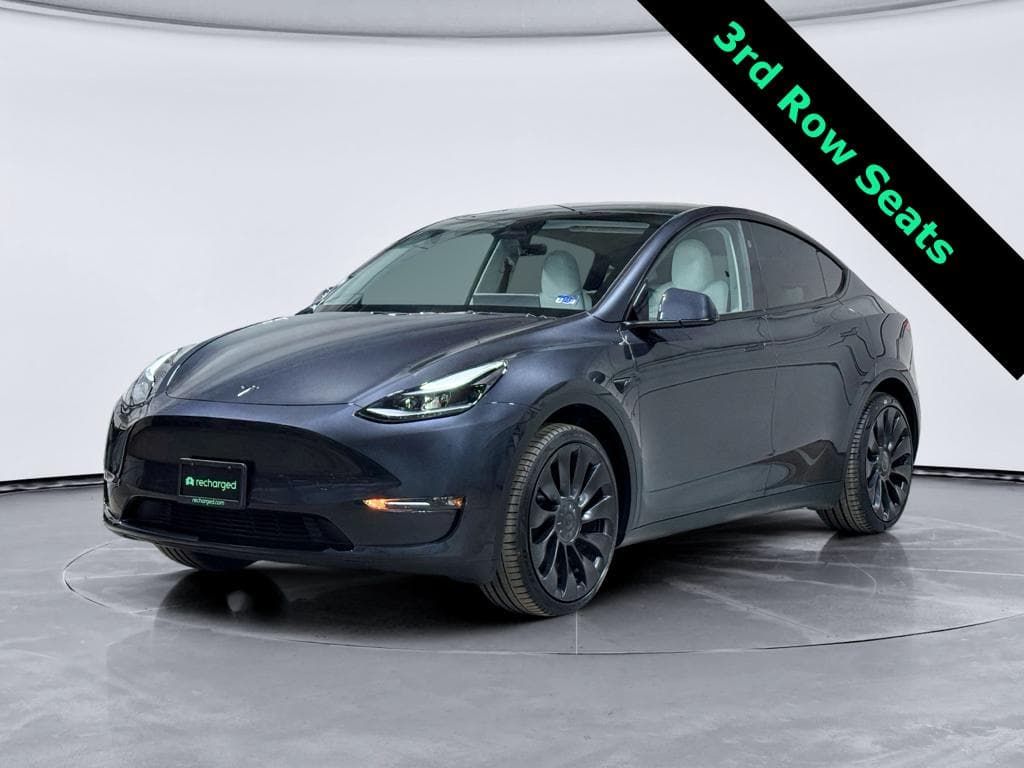
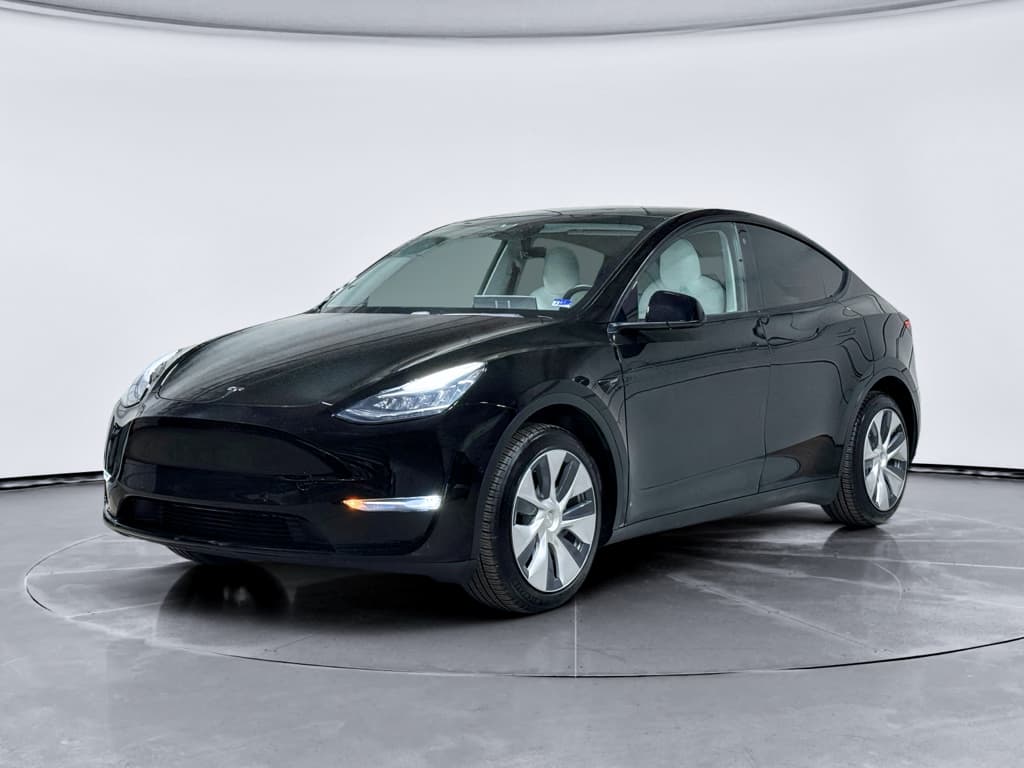
For 2025, Tesla continues to offer the Model Y with a mix of rear‑wheel‑drive and dual‑motor all‑wheel‑drive configurations. On paper, the Long Range Rear‑Wheel Drive is the range champ, with an EPA estimate of about 337 miles, while the dual‑motor Long Range AWD and Performance trims trade some efficiency for traction and speed.
2025 Tesla Model Y EPA range snapshot
Approximate EPA‑rated ranges for major 2025 Model Y variants in the U.S. market.
| Trim (2025 US) | Drivetrain | EPA range (mi) | Battery notes |
|---|---|---|---|
| Rear‑Wheel Drive | RWD | ~320 mi | LFP pack, favors frequent 100% charging |
| Long Range RWD | RWD | 337 mi | Higher‑capacity pack focused on efficiency |
| Long Range AWD | AWD | 311–327 mi | Dual‑motor; small range hit vs RWD |
| Performance AWD | AWD | ~277–303 mi | More power and larger wheels reduce range |
Actual availability and naming can vary by region; always check Tesla’s configurator for the latest figures.
EPA ratings are not guarantees
EPA vs real‑world range: what the tests show
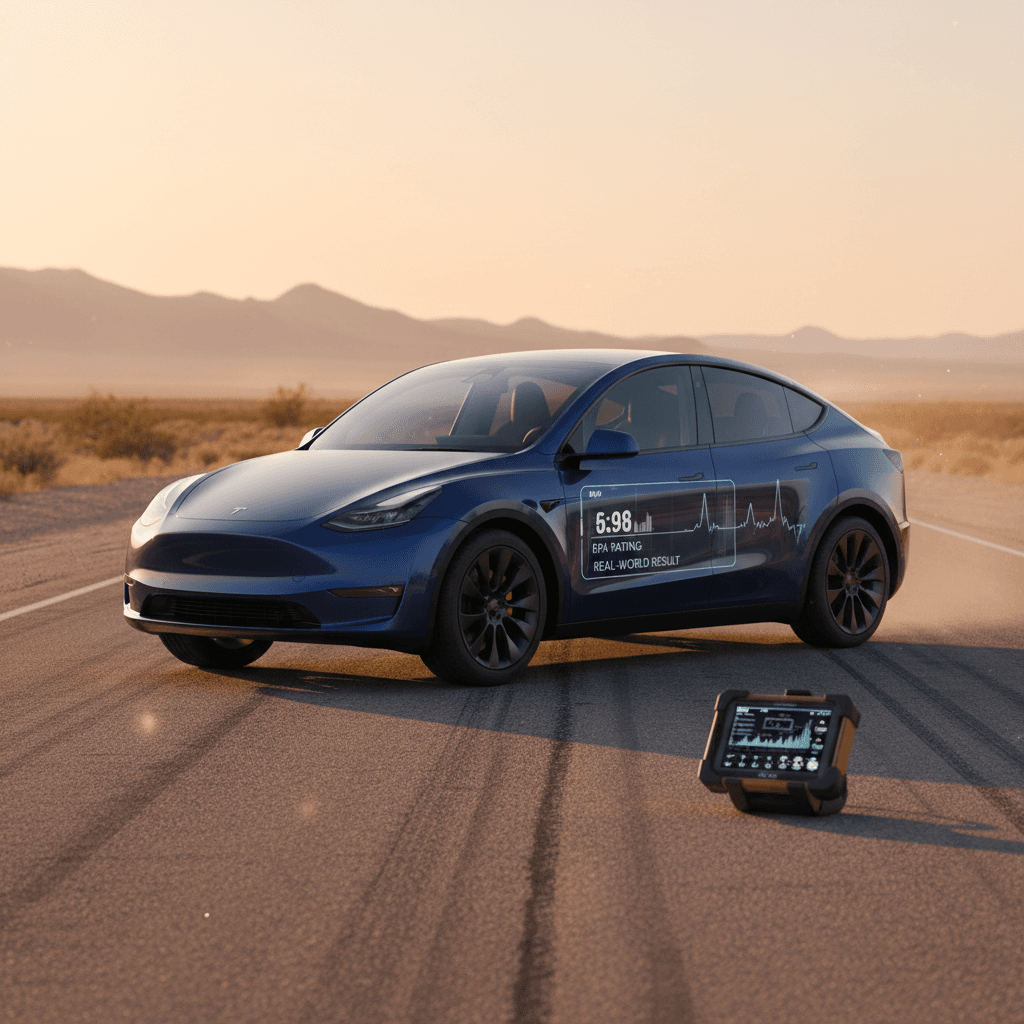
Independent testers have been putting the Model Y through increasingly rigorous range tests, typically a constant‑speed highway loop or mixed‑route drive until the battery is nearly depleted. Those numbers are often more realistic than a lab label if you’re trying to plan a road trip.
What independent range tests reveal
How far a Model Y really goes when you just set the cruise and drive.
Highway loop tests
Publications like Car and Driver have run earlier Model Y Long Range and Performance trims at a steady 75 mph. Their Long Range AWD managed about 220 miles, while a Performance car on bigger wheels actually did slightly better at around 230 miles in their specific test loop.
Those results were 20–30% below EPA ratings, roughly in line with what many owners see at interstate speeds.
Mixed‑driving evaluations
Owner reports and long‑term tests typically show 280–310 miles from a Long Range Model Y in mild weather with mixed city/highway driving.
Stop‑and‑go traffic actually helps EVs, because they recapture energy under braking and don’t waste power idling.
Cold‑weather testing
Cold snaps are the great equalizer. Third‑party tests and owner logs routinely show 20–30% range loss below freezing, especially on short trips where the cabin and battery never fully warm up.
Preconditioning in the Tesla app helps, but if you live in a northern climate, plan around this penalty.
How 2025 compares to earlier years
Highway range test scenarios for the 2025 Model Y
If you’re focused on road‑trip capability, highway behavior matters more than city numbers. Below is a simple way to think about what you’d likely see from a 2025 Model Y in representative highway scenarios, assuming a healthy battery and no extreme headwinds or elevation.
Scenario 1: Mild‑weather 70 mph cruise
- Trim: Long Range RWD or AWD
- Conditions: 65–75°F, flat-ish highway, light traffic
- Expected usable range: roughly 260–290 miles from 100% down to about 5–10% battery.
- Planning rule: Plan legs of 180–220 miles between fast chargers for a comfortable buffer.
Scenario 2: Cold‑weather 75 mph run
- Trim: Long Range AWD or Performance
- Conditions: Below freezing, heater on, winter tires
- Expected usable range: closer to 190–230 miles between charges.
- Planning rule: In winter, shorten legs to 140–180 miles and use Tesla’s Trip Planner to watch consumption in real time.
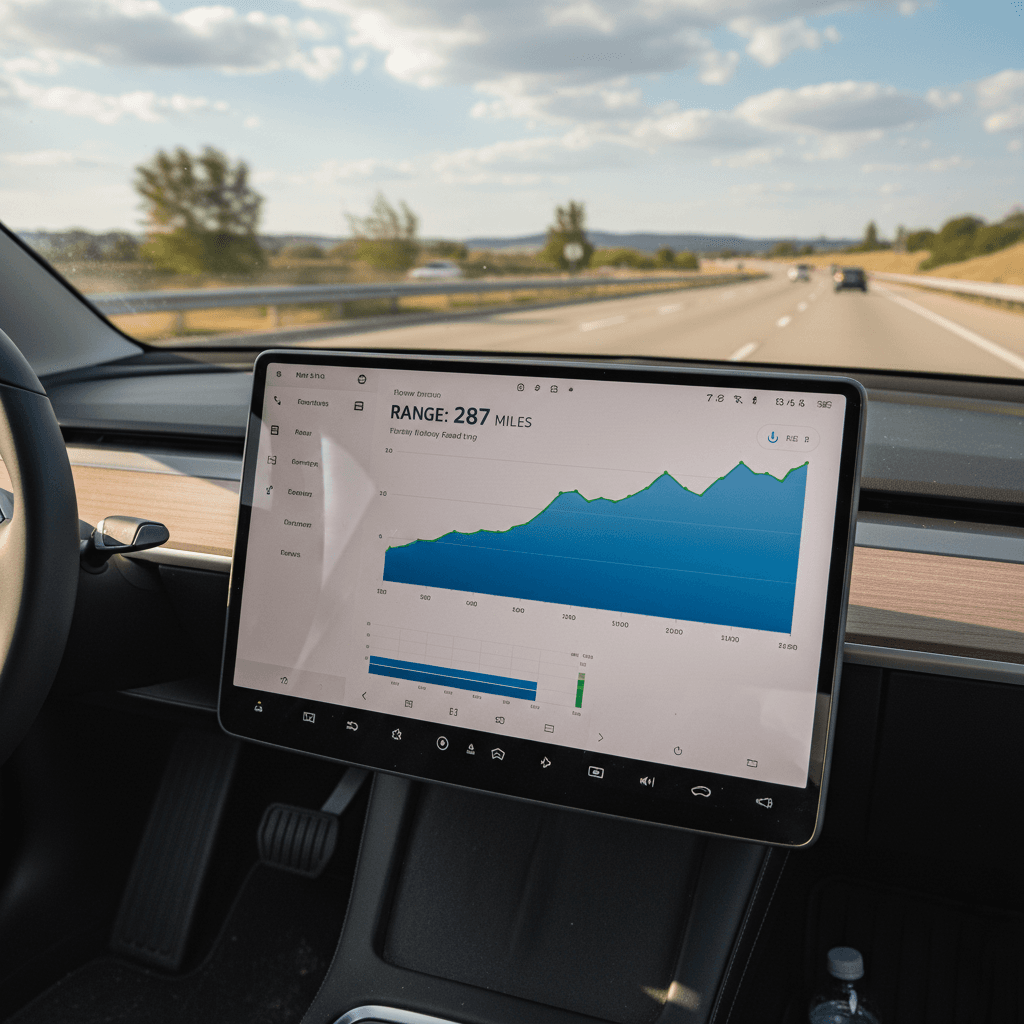
Use the car’s trip estimator
City and mixed driving: where the Model Y shines
Range tests that focus only on highway loops can undersell how efficient the Model Y is around town. With strong regenerative braking and no idling losses, it’s actually easier to match, or even exceed, EPA numbers in slower, stop‑and‑go driving than it is on a 75‑mph interstate.
- In urban use, many drivers see 3.5–4.0 miles per kWh, which can translate into 280–310 miles from a Long Range pack on a full charge.
- Short‑trip efficiency improves if you precondition while plugged in, so cabin heat and battery warming don’t eat into your driving energy.
- Smart use of Chill Mode and gentler acceleration can add a surprising 10–15% to your effective range over a full week of commuting.
Good news for commuters
How weather, speed and wheels change your range
The same 2025 Model Y can feel like a 330‑mile SUV one month and a 220‑mile SUV the next. Three variables explain most of that swing: temperature, speed, and hardware choices like wheels and tires.
Three biggest Model Y range killers
Understand these before you panic about range loss.
Cold weather
Below 20°F, energy goes into heating the cabin and keeping the battery in its optimal temperature window. Short trips suffer the most.
Plan on 20–30% less range on very cold days, even with preconditioning.
High speeds
Aerodynamic drag rises with the square of speed. That’s why the jump from 65 to 80 mph hurts more than it feels like it should.
Each extra 5 mph on the highway can shave several percentage points off range.
Wheels & tires
Performance trims and larger wheels look great but increase rolling resistance. Aggressive all‑season or winter tires do the same.
If maximizing range matters, prioritize the smallest aero‑optimized wheel Tesla offers.
Don’t diagnose battery health from one bad day
Battery tech and what changed for 2025
Behind every 2025 Tesla Model Y range test are quiet but important hardware choices. Tesla is shifting between LFP packs on entry trims and higher‑energy‑density packs (including 2170 and returning 4680 cells) on longer‑range versions, while refining aerodynamics and rolling resistance.
- LFP (Lithium Iron Phosphate) in many Rear‑Wheel‑Drive cars favors longevity and allows frequent 100% charges with less concern about wear, great for city drivers who regularly top off.
- Higher‑capacity packs in Long Range and Performance trims prioritize energy density and range, with Tesla recommending daily charging to around 80–90% for maximum life.
- Tesla’s 2025 “new Model Y” tweaks, lower‑friction drivetrain components, improved lubrication, and better tires, add roughly 5% more range from the same battery capacity, which shows up in both EPA labels and real‑world tests.
What this means when you’re buying used
Used Model Y range checklist for shoppers
If you’re cross‑shopping used 2021–2025 Model Ys, you’ve probably seen everything from 260‑mile to 330‑mile range claims. The trick is turning those numbers into something you can trust for the next five to ten years.
Range questions to answer before you buy a used Model Y
1. Confirm the exact trim and wheels
Range hinges on whether the car is RWD, Long Range AWD, or Performance, and whether it’s on 19‑, 20‑, or 21‑inch wheels. Ask the seller for the original window sticker or screenshot the spec page in the car.
2. Ask how the car was usually charged
Frequent DC fast charging and repeated 0–100% swings can accelerate degradation. A car mostly charged at home to 70–80% on Level 2 typically shows healthier long‑term range.
3. Check the displayed full‑charge estimate
Have the seller charge to 90–100% and share a photo of the projected range at that state of charge. Compare to the original EPA number for that trim to get a rough sense of loss.
4. Look for software‑limited or region‑specific cars
Some Model Ys have different range labels for different markets or have had range‑related software updates. A battery health scan is far more precise than relying on a guess from the dashboard.
5. Get a third‑party battery health test
Whenever possible, use a professional diagnostic like the <strong>Recharged Score battery health evaluation</strong> to see remaining capacity, fast‑charge history, and cell balance before you commit.
6. Match real‑world needs to real‑world range
Be honest about how far you drive. If your longest regular round trip is 140 miles, a car that can still deliver 220 miles on the highway in bad weather leaves you plenty of cushion.
How Recharged helps on the used side
Simple ways to maximize your Model Y’s range
Whether you’re driving a brand‑new 2025 Model Y or a three‑year‑old example, you can nudge any range test in your favor with a few simple habits. None require babying the car; they just play to how EVs actually work.
- Precondition the cabin and battery while plugged in so initial heating or cooling doesn’t eat into your driving energy.
- Use Chill Mode and smooth acceleration in daily driving; you’ll still be quicker than most traffic, and you’ll waste less energy in hard launches.
- Stick closer to 65–70 mph on the highway instead of 75–80 mph when you’re stretching a charge to the next Supercharger.
- Keep tires properly inflated and rotate them on schedule; under‑inflated or unevenly worn tires can cost you meaningful range.
- Avoid sitting at 0% or 100% state of charge for long periods, Tesla’s guidance around keeping the pack in the 20–80% band where possible still applies.
- When road‑tripping, trust the car’s built‑in Trip Planner but don’t be afraid to add an extra 10‑minute stop if weather or traffic turns against you.
Range anxiety fades the moment you can predict, with reasonable confidence, how your EV will behave on your worst day, not just its best.
FAQ: 2025 Tesla Model Y range tests
Frequently asked questions about 2025 Model Y range
A 2025 Tesla Model Y range test can look very different depending on who’s holding the keys, what the weather is doing, and how fast they drive. The pattern, though, is clear: EPA labels point to impressive capability, real‑world testing trims those numbers back to something more conservative, and smart planning plus good battery care closes much of the gap. If you’re shopping used, pair what you’ve learned here with a verified battery health report, like the Recharged Score that comes with every vehicle on Recharged, and you’ll know exactly how far your next Model Y will go before you ever leave the driveway.