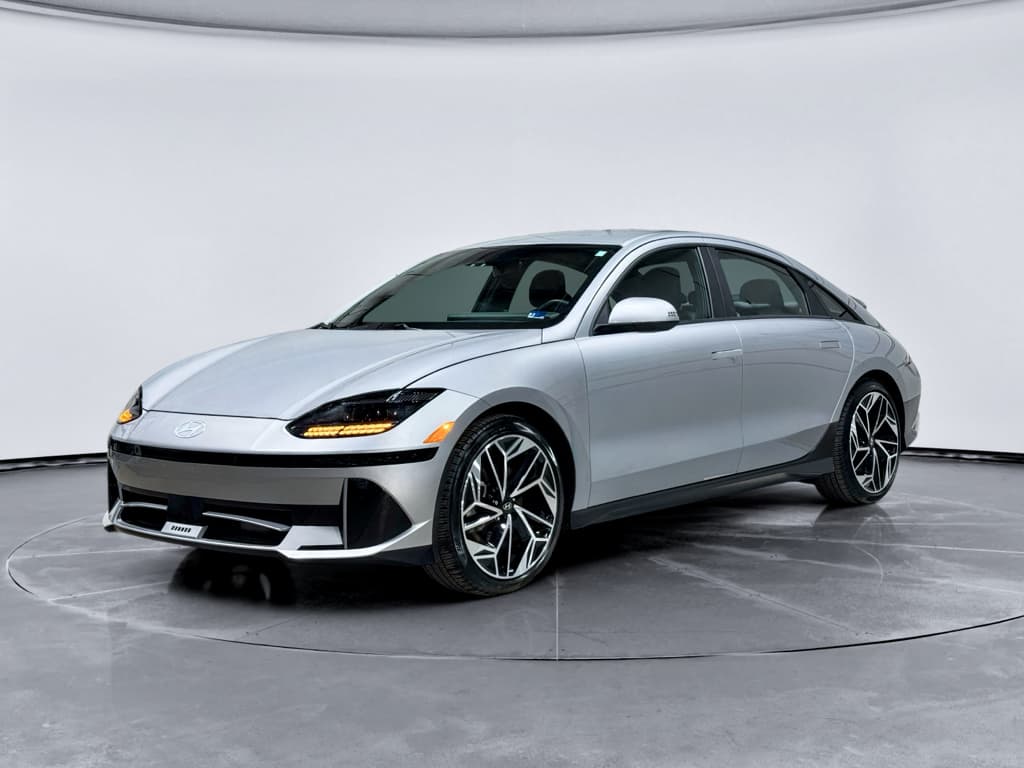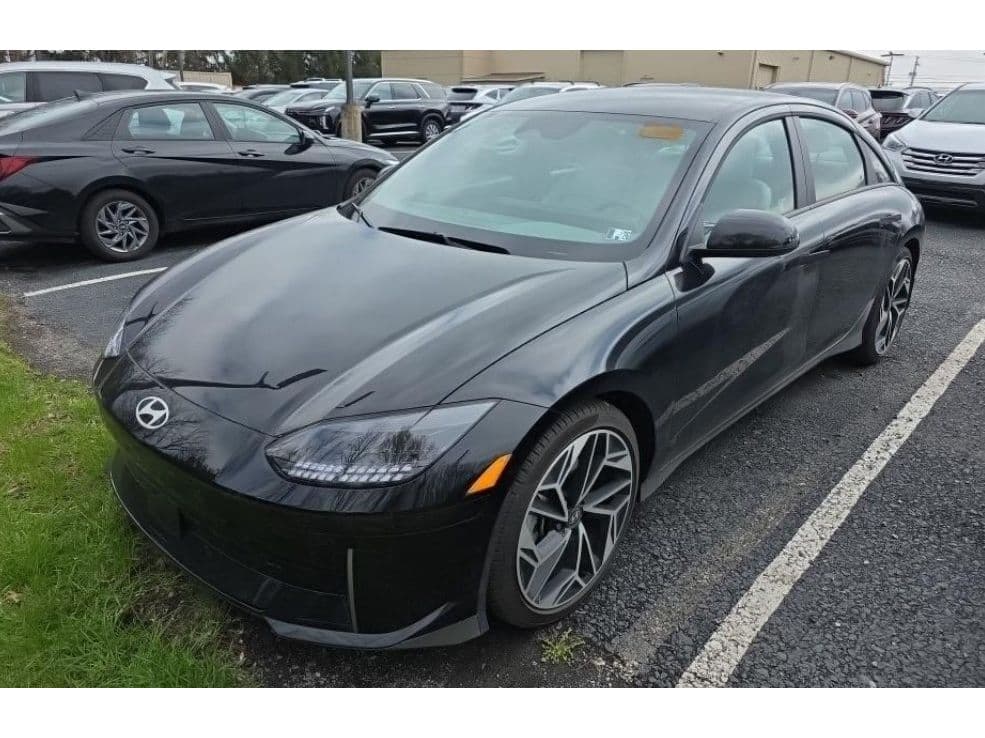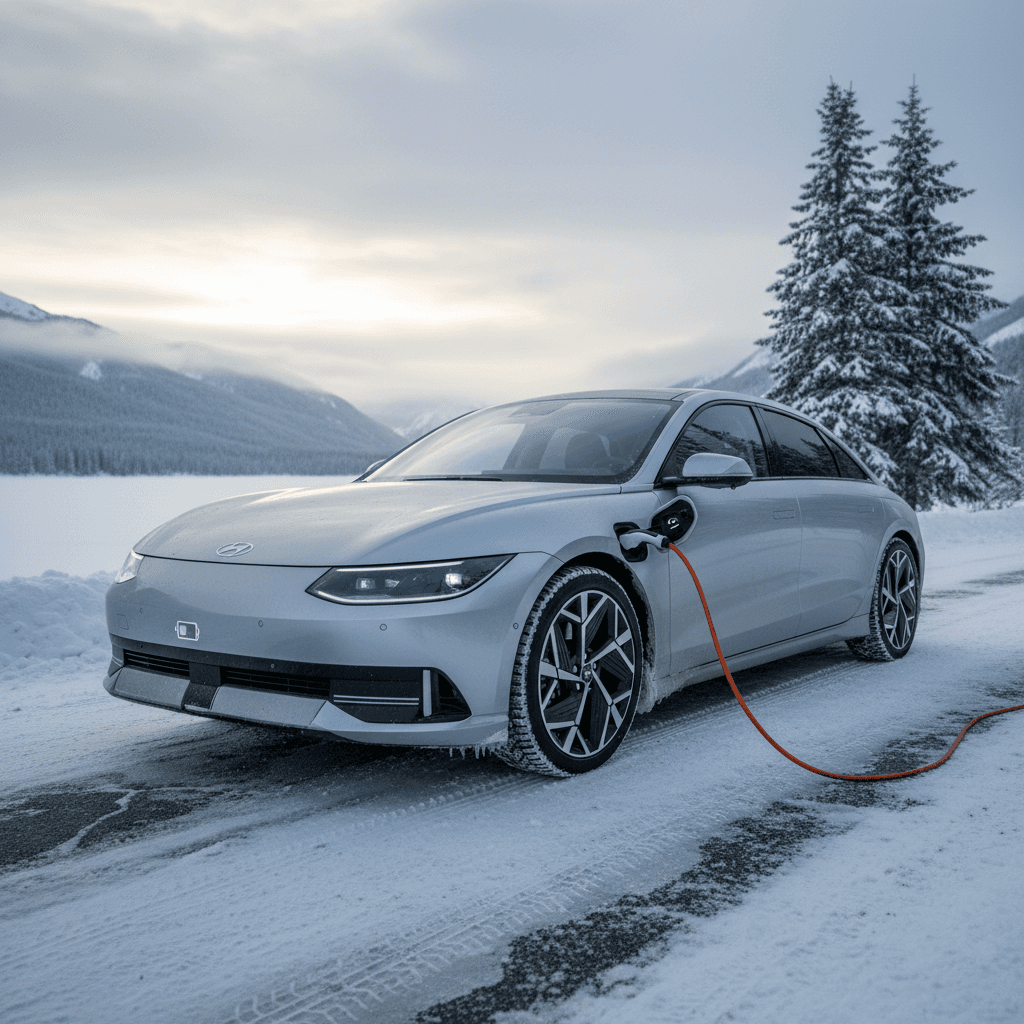
If you’re eyeing a Hyundai Ioniq 6, or you already have one, the big winter question comes fast: what happens to Hyundai Ioniq 6 range in cold weather? On paper, the Ioniq 6 offers excellent range, but snow, ice, and single‑digit temps can turn those glossy brochure numbers into something very different. Let’s talk about what owners actually see when the temperature drops, and what you can do to keep your Ioniq 6 from feeling like it’s dragging an anchor through slush.
Quick winter-range reality check
Ioniq 6 range basics and why winter is different
Before we get into parkas and preheating, it helps to know where the Hyundai Ioniq 6 starts from in ideal conditions. The long‑range rear‑wheel‑drive model is EPA‑rated around 361 miles, with other trims, like all‑wheel drive and larger wheels, coming in lower. Those numbers are based on standardized test cycles at moderate temperatures with careful driving. Winter driving is a very different story.
- Cold batteries can’t accept or deliver power as easily, so efficiency drops.
- Cabin heating, seat heaters, and defrost pull significant energy from the same battery that moves the car.
- Snowy or slushy roads add rolling resistance, forcing the car to work harder.
- Short, stop‑and‑go trips don’t give the battery time to warm up, so losses are worse.
The Ioniq 6 is built on Hyundai’s E‑GMP platform, which is known for strong efficiency and fast charging. That’s the good news. The less fun news is that the laws of physics don’t care how slippery your aero profile is: every EV loses range in winter, and the Ioniq 6 is no exception.
Typical winter impact on Hyundai Ioniq 6 range
How much Ioniq 6 range do you lose in cold weather?
Let’s talk numbers, because that’s what matters when you’re staring at a snowy highway and an emptying battery icon. Exact range depends on your trim, tires, speed, and how cold we’re talking, but there are some patterns Ioniq 6 drivers see over and over.
Typical Ioniq 6 winter range loss by temperature
Not lab data, think of this as a realistic planning baseline, not a promise.
Cool (40–55°F)
Light impact. You might see 5–15% less range than EPA numbers.
- Highway cruising still feels close to rated range.
- Short trips with lots of heat will show bigger swings.
Cold (20–35°F)
Moderate impact. Many drivers see roughly 20–30% less effective range.
- Plan that a 300‑mile trim may behave like ~210–240 miles.
- Preconditioning and heat‑pump trims help a lot.
Very cold (0–20°F)
Heavy impact. Range drops of 30–40% (sometimes more) are possible.
- Fast charging slows unless the battery is preheated.
- Snow, headwinds, and higher speeds can push things lower.
About those scary online stories
Real-world Ioniq 6 winter range scenarios
Range numbers feel abstract until you turn them into trips. So let’s walk through a few realistic scenarios for a long‑range Ioniq 6 in winter, assuming the battery is in good health and you’re driving sensibly, not hypermiling.
Sample Hyundai Ioniq 6 winter range scenarios
These are not official ratings, just ballpark expectations to help you plan.
| Scenario | Temp & Conditions | Driving Style | Approx. Usable Range |
|---|---|---|---|
| Daily commute (suburbs) | 30°F, clear roads | Mix of 35–55 mph, some lights | 230–260 miles |
| Highway road trip | 25°F, dry but cold | 70–75 mph, steady cruise | 200–230 miles |
| City errands, short hops | 20°F, frequent heat & defrost | Stop‑and‑go, 2–8 mile trips | Feels more like 160–200 miles |
| Snowy highway | 15°F, slush, light snow | 60–70 mph, winter tires | 180–210 miles |
Assumes long‑range battery, mostly stock wheels, and a healthy pack. Wind, elevation, snow depth, and driving style will nudge these numbers up or down.
Notice the pattern: speed and trip length are huge. Long, steady drives after the car has fully warmed up are where the Ioniq 6 looks its best in winter. A weekend of two‑mile grocery and school runs in frozen air, car sitting outside between each trip? That’s when you’ll swear the car is shrinking its battery behind your back.
What on the Ioniq 6 actually helps in winter: heat pump and more
Hyundai didn’t ignore winter when they designed the Ioniq 6. Some trims are better equipped than others, but the platform brings several tools to the fight against the cold.
Key Ioniq 6 features that shape winter range
Not every feature is on every trim, especially in earlier model years, check the spec sheet for the car you’re shopping.
Heat pump (vs. resistive heater)
A heat pump works like a reverse air conditioner, moving heat instead of just creating it. When equipped, it can use far less energy than a basic resistive heater, especially in the 20–40°F range.
In bitter cold (near 0°F), it still helps, but the advantage shrinks, and the car leans more on resistive heating.
Battery preconditioning
On trims with DC fast‑charging preconditioning, the Ioniq 6 can automatically warm the battery on the way to a fast charger.
- Improves charging speed in the cold.
- Reduces the time you spend waiting at a station.
Aero design & efficiency
The slippery body and efficient drivetrain mean the Ioniq 6 starts from a strong baseline. Even with winter penalties, it often beats similarly sized EVs on energy use.
Eco modes & climate controls
Eco and Eco+ driving modes, heated seats and steering wheel, and programmable climate controls all give you ways to stay comfortable without wasting range.
When you shop used, verify the spec
Driving habits that matter most in the cold
Hyundai did its job engineering the car. Now it’s your turn. How you drive, and how you use the climate controls, can be the difference between arriving relaxed and staring at the last 3% of your battery in a snowstorm.
Warm the car while it’s plugged in
Preheating is your best winter trick. Use the Ioniq 6’s app or in‑car scheduling to warm the cabin and, when equipped, the battery before you unplug.
- You burn grid energy instead of battery energy.
- The pack starts the drive warmer, improving efficiency.
- Windows are de‑iced and you’re not freezing for the first 10 minutes.
Choose your heat wisely
Blasting the HVAC like it’s a hair dryer is a fast way to watch range fall. The Ioniq 6’s heated seats and steering wheel use far less energy.
- Set the cabin temperature a bit lower (mid‑60s) and lean on seat/steering heat.
- Use the defroster as needed, but turn it down once the glass is clear.
- Slow down 5–10 mph on the highway; aero drag in cold, dense air is brutal on range.
- Avoid repeated short trips in deep cold when you can bundle errands together.
- Clear heavy snow off the car; carrying an igloo on the roof hurts efficiency.
- Check tire pressures regularly, cold air drops PSI, and underinflated tires waste energy.
A simple rule of thumb
Charging your Ioniq 6 in cold weather
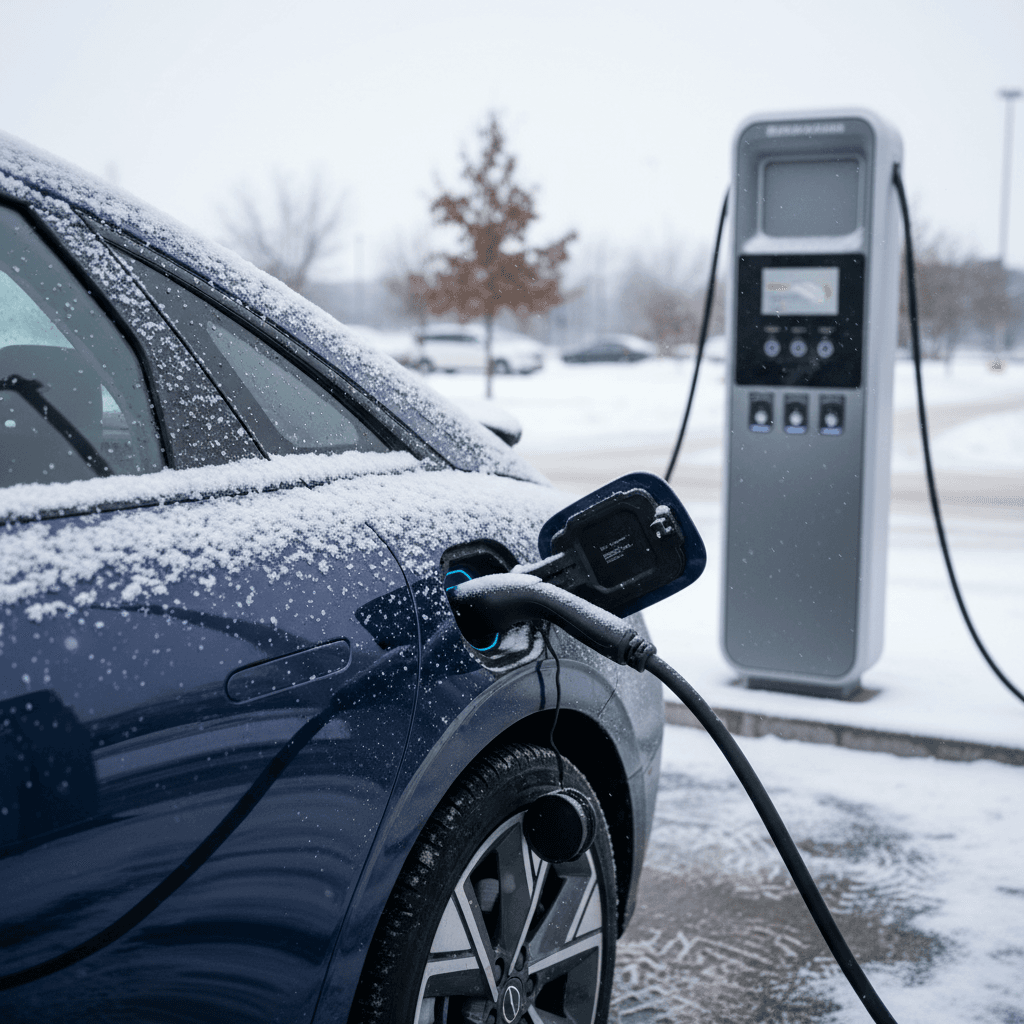
The Ioniq 6 is one of the quickest‑charging EVs on the market when conditions are right. In warm weather on a strong 800‑volt DC fast charger, you can see eye‑opening speeds. In deep cold, though, you’ll only see that potential if the battery has been properly warmed up.
Cold‑weather charging truths for the Ioniq 6
DC fast charging and home charging behave differently in winter.
DC fast charging
On a cold, soaked‑through battery, charge power can be much lower than the headline figure.
- Plan to arrive at fast chargers with 10–30% state of charge after at least 20–30 minutes of driving.
- Use built‑in preconditioning if your trim supports it and the station is set as your destination.
Home charging
At home, speed isn’t as critical, you’re parked for hours.
- A Level 2 charger (240V) is ideal, especially in winter.
- Use scheduled charging to finish shortly before you leave so the pack is slightly warm.
Don’t run it to the last mile
Cold weather can make the last 10–15% of charge behave unpredictably if the pack is icy and you suddenly hit a hill or headwind.
In winter, try to plan DC fast‑charging stops before you dip under ~15–20%.
Avoid fast‑charging a frozen battery
Protecting battery health in winter, especially on a used Ioniq 6
Cold weather is tough on comfort and range, but it’s actually heat, not cold, that ages lithium‑ion batteries faster. That said, winter has its own traps if you repeatedly deep‑discharge the pack or rely on fast charging to salvage every rushed, last‑minute drive.
Winter habits that are kind to your Ioniq 6’s battery
Stay out of the extremes when you can
Avoid parking at 0% or 100% for long periods in very hot or very cold weather. Day‑to‑day, living between about 20–80% is a good habit.
Reserve DC fast charging for trips
Use DC fast charging as a tool on road trips, not as your default winter refueling plan. Frequent high‑power fast charging on a cold pack is hard on long‑term health.
Precondition instead of flooring it
Let the car warm the pack with preconditioning or gentle driving before repeated hard acceleration in frigid temps. It’s better for both range and battery longevity.
Check battery health on a used Ioniq 6
If you’re shopping used, you want proof, not guesses. A structured battery health report, like the <strong>Recharged Score</strong> that comes with every vehicle bought and sold through Recharged, can show how the pack has held up and how much usable range you can actually expect.
How Recharged helps with winter worries
How the Ioniq 6 compares to other EVs in cold weather
So where does the Hyundai Ioniq 6 land in the winter‑range pecking order? The short answer: solidly above average when you look at efficiency and charging, provided you use its tools.
Versus compact crossovers
The Ioniq 6 is lower and sleeker than popular electric crossovers. That slippery shape pays off in better efficiency, which helps offset winter losses.
- On similar batteries, an Ioniq 6 can travel farther than a boxier SUV in the cold.
- You give up a bit of ground clearance and cargo height in exchange.
Versus other sedans
Against other long‑range EV sedans, the Ioniq 6’s winter story is competitive. Its fast‑charging hardware is a standout, particularly helpful when you do need to top up mid‑trip.
If you see complaints online, read carefully: driving speed, climate settings, and trip type often explain most of the difference between happy and unhappy owners.
Cold-weather checklist for Ioniq 6 owners
Pre‑winter prep for your Hyundai Ioniq 6
1. Confirm your equipment
Know exactly which Ioniq 6 you have: battery size, rear‑ or all‑wheel drive, whether it has a heat pump, and whether battery preconditioning is available. If you’re shopping used, ask the seller to verify this info in writing.
2. Set up preconditioning
Learn how to schedule departure times and cabin preheat from the app or infotainment system. Do a dry run on a cold morning before a big trip.
3. Check your tires & pressure
Cold weather drops PSI. Keep your tires at the recommended pressure, and consider proper winter tires if you regularly deal with snow and ice, they add some rolling resistance but give you control when it counts.
4. Build a personal range baseline
On your normal winter commute, reset a trip meter and watch your consumption over a week. You’ll quickly learn what “normal” looks like for your routes and temperatures.
5. Plan charging stops with margin
On winter road trips, aim to arrive at fast chargers with 15–25% battery and leave with enough cushion to handle detours, closed stations, or worse weather than forecast.
6. Keep an eye on battery health over time
Check in on range at 100% charge a few times per year in stable temperatures. If you buy through Recharged, compare your real‑world experience with the Recharged Score battery health snapshot to spot changes early.
Hyundai Ioniq 6 winter range FAQ
Common questions about Ioniq 6 range in cold weather
Is the Hyundai Ioniq 6 good for winter driving?
If you boil everything down, the Hyundai Ioniq 6 is as honest a winter companion as you let it be. Respect the cold, build in a margin, and learn how your specific car behaves, and it will quietly knock out winter commutes and road trips without demanding drama. Ignore the basics, and you’ll join the chorus of angry internet posts wondering where the last hundred miles went.
For current owners, the path is simple: precondition, drive smoothly, charge smart, and use the Ioniq 6’s efficiency to your advantage. If you’re shopping for a used one, make winter part of your checklist. Look for the right features, insist on a proper battery health report like the Recharged Score, and let someone else’s guesswork stay in their driveway instead of yours.