What problems did inspections catch by model?
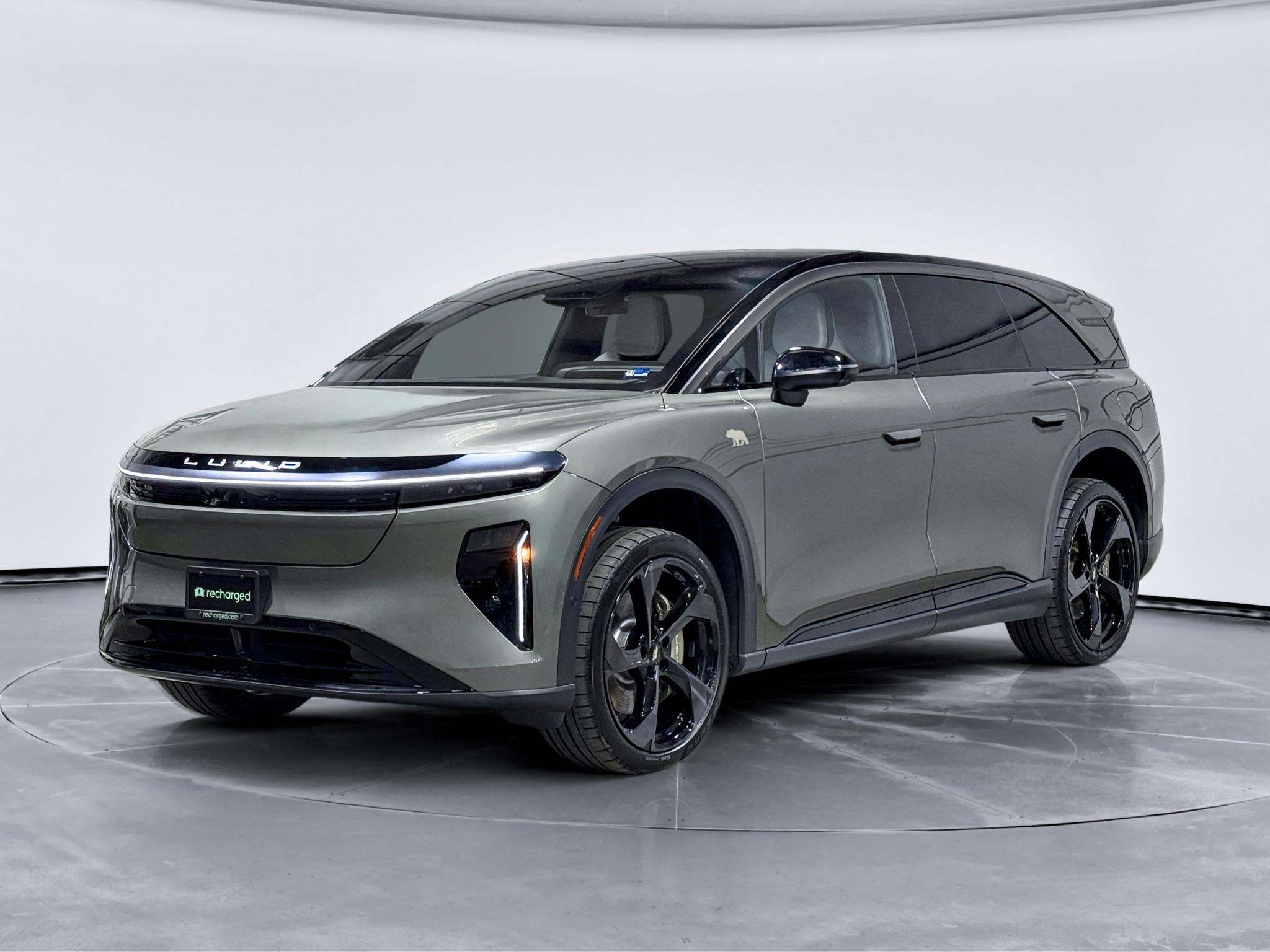
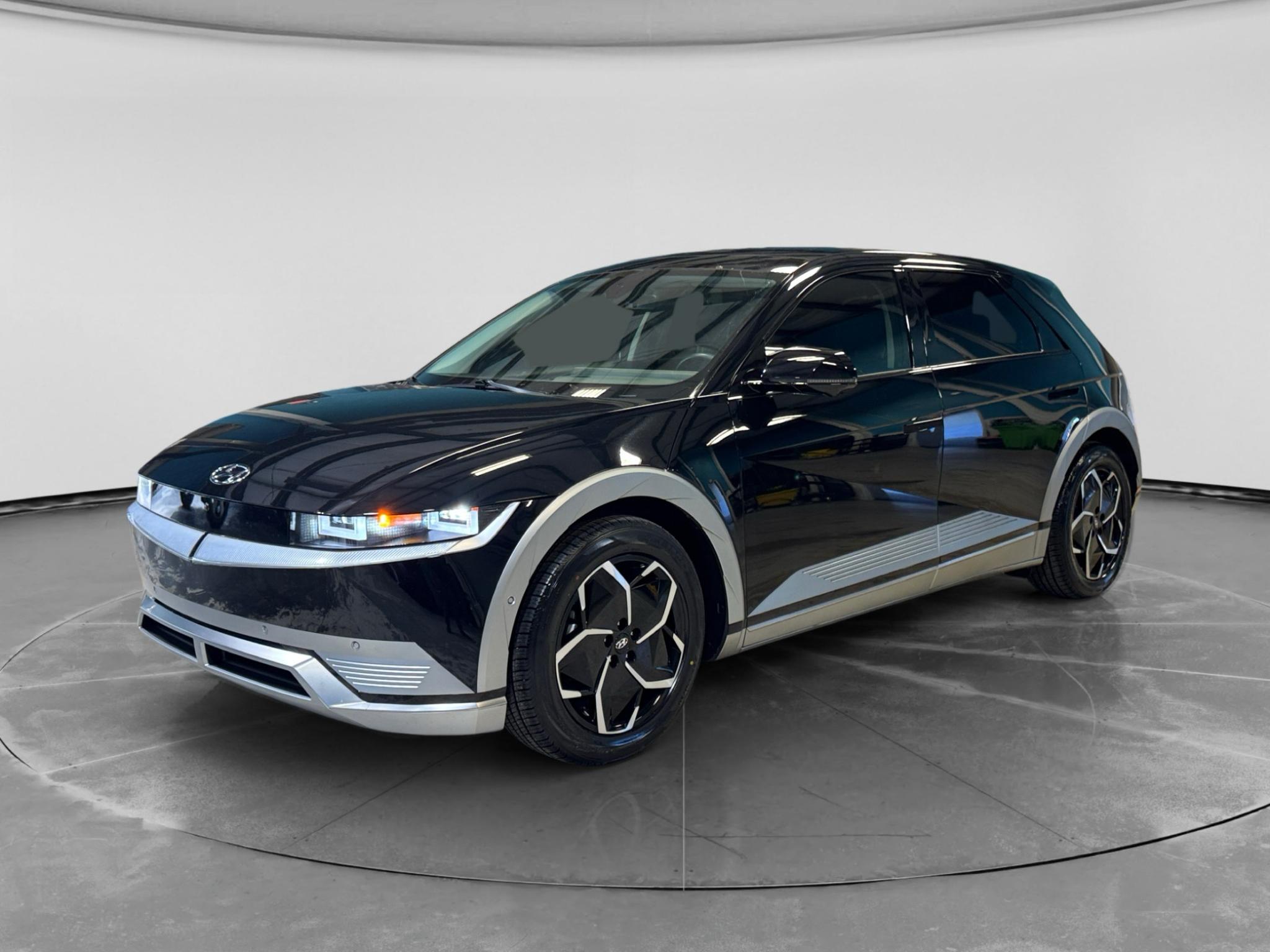
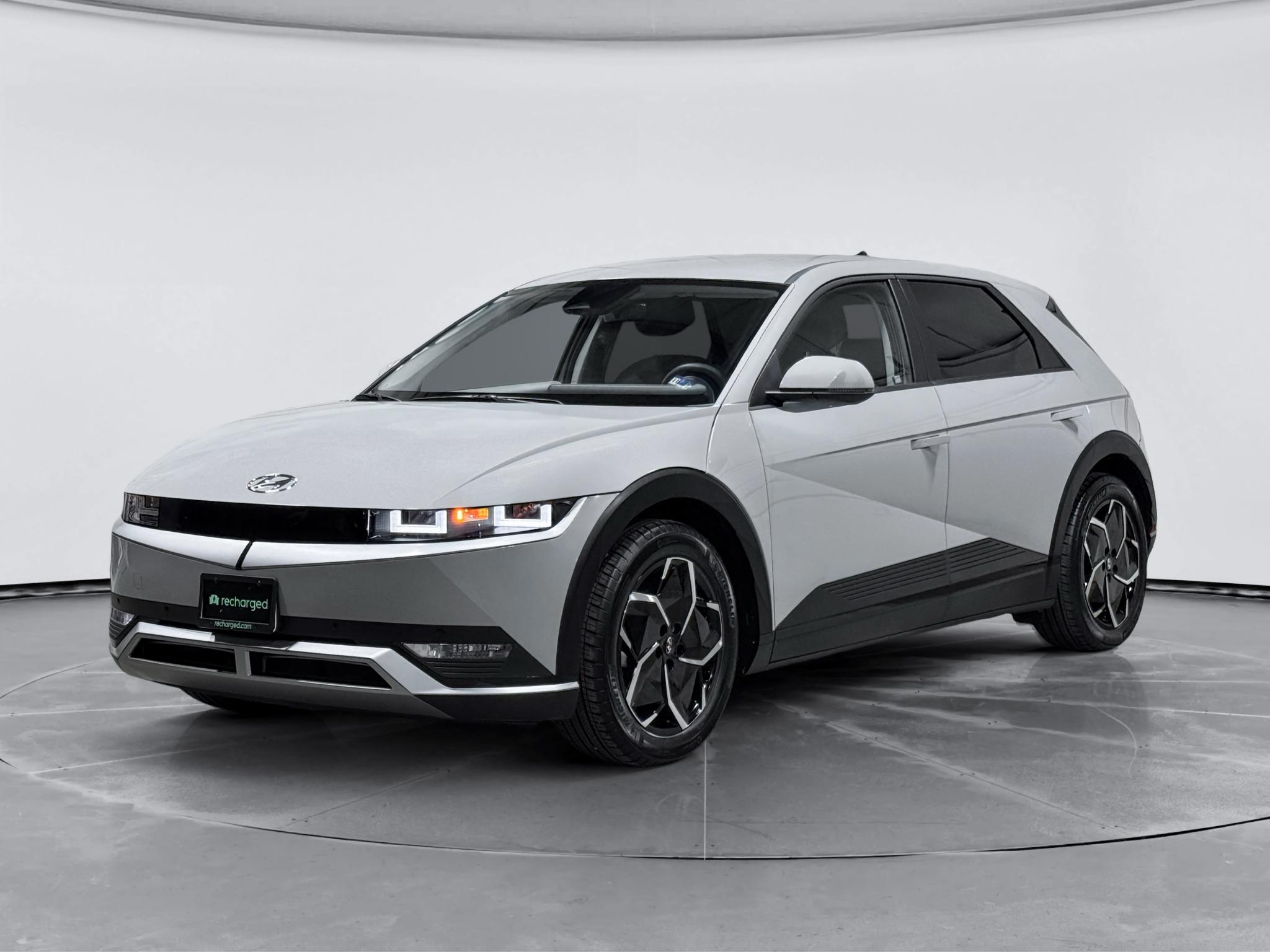
The most consequential findings were a severely weak battery in a Kia Niro EV and undisclosed hail damage across a Hyundai Ioniq 6 roof. Recharged also investigated a low-sitting Rivian R1S and documented wheel and paint concerns on a Lucid Air. These are individual inspection examples, not evidence that every vehicle of the same model has the problem. They show where a generic condition report or quick walkaround can fall short.
What Recharged found
Examples from individual vehicles inspected or evaluated by the Recharged team before sale or delivery.
| Model | Finding | How it was checked | Outcome |
|---|---|---|---|
| Hyundai Ioniq 6 | Roof hail damage | Reflective inspection screen | Returned to auction |
| Kia Niro EV | 30% state of health | Battery diagnostic test | Further evaluation opened |
| Rivian R1S | Low front suspension | Height and drive test | Concern cleared |
| Lucid Air | Wheel and paint flaws | Detailed video walkaround | Wheel repair planned |
Each finding applies to the inspected vehicle, not every example of that model.
A model name isn't a diagnosis
Battery health was the most serious catch
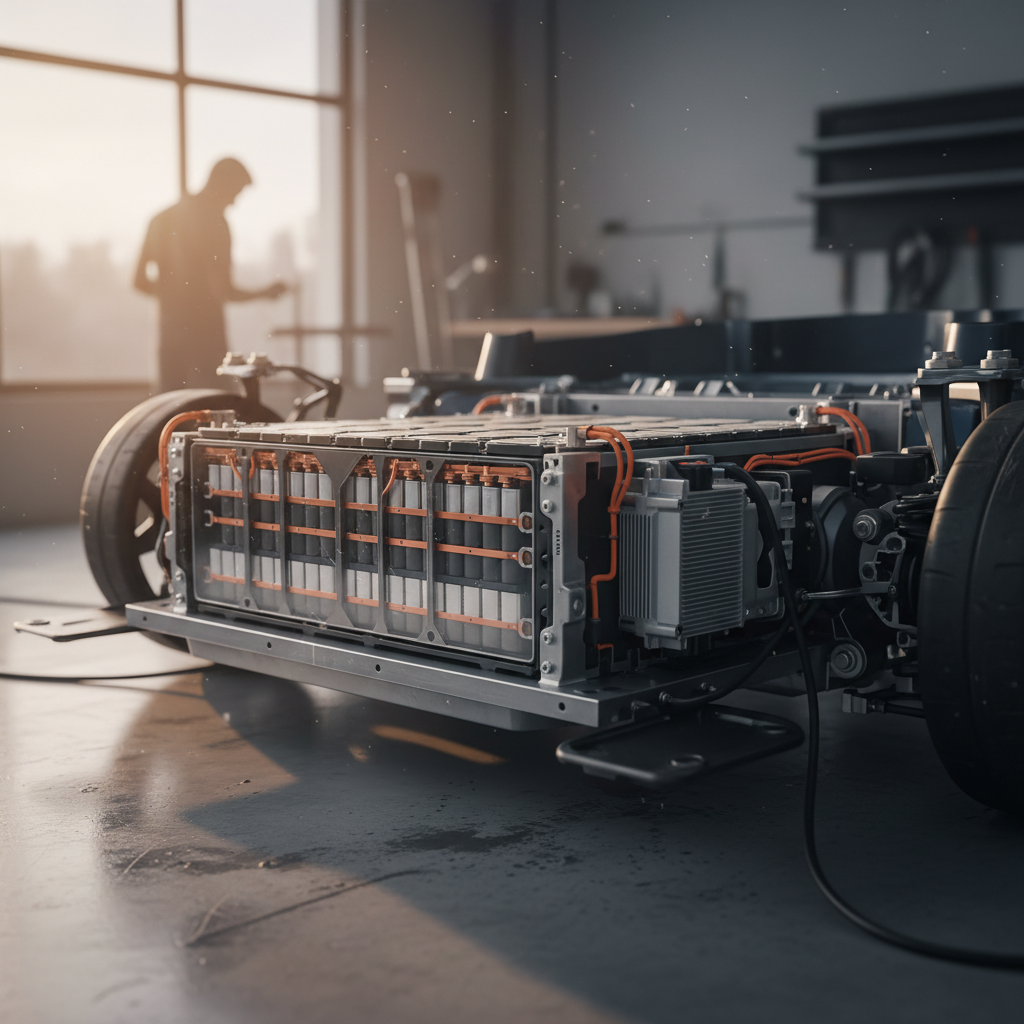
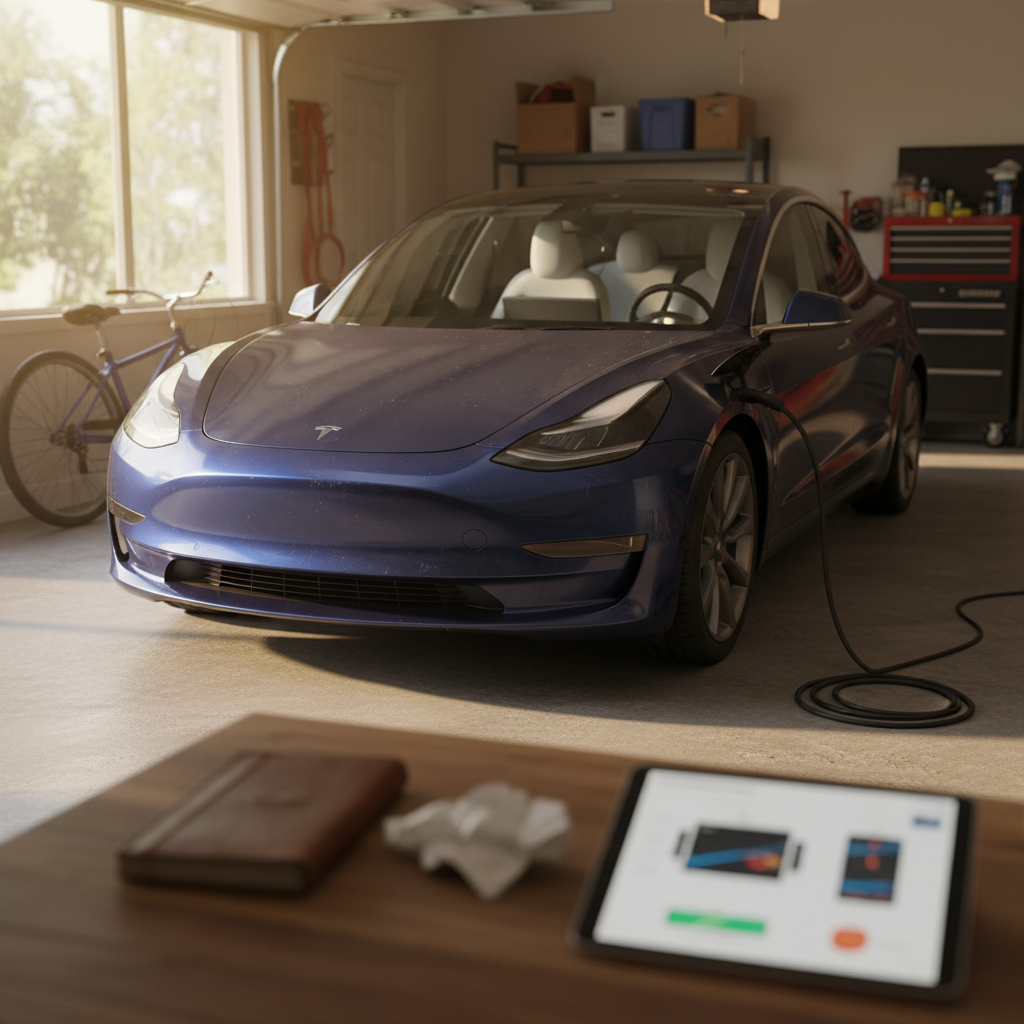
The most serious issue was a Kia Niro EV that tested at 30% battery state of health, meaning the diagnostic indicated dramatically reduced usable battery capacity. The vehicle arrived showing only 42 miles of estimated range at a 59% charge, even though its auction condition report called it extra clean and said nothing about battery condition. Recharged immediately opened an arbitration process and pursued a dealer evaluation; the vehicle would only be offered for sale if the issue was addressed and it cleared subsequent testing. If you're comparing vehicles, learn how to check used-EV battery health rather than treating mileage or exterior condition as a substitute.
We do a battery report on every vehicle that comes in the moment that it comes in.
Mileage still helps describe how much a vehicle has been driven, but it can't tell you how much usable battery capacity remains. Mechanical wear, tires, paint, glass, and interior damage can be inspected separately, while a traction-battery problem may be far more consequential. That's why the Recharged team advises buyers to prioritize verified battery condition when weighing mileage versus battery health.
A visible symptom is not always a defect
A suspicious symptom needs testing because it doesn't always confirm a failed component. One Rivian R1S appeared unusually low at the front even though its parking kneel mode was off, creating a reasonable concern about the adjustable suspension. The team changed the suspension height and moved the vehicle; it responded by raising itself, which cleared the immediate concern rather than confirming a repair need. That distinction matters because inspection should identify real defects without labeling normal or temporary behavior as a model-wide failure.

The Ioniq 6 demonstrated the opposite problem: a real defect that was difficult to see. Its matte exterior made dents across the roof hard to spot until the team used a reflective inspection screen to expose undisclosed hail damage. Because the condition didn't match the report, Recharged rejected the car and returned it to auction instead of placing it in inventory.
In cases where it’s not what we expected, we’ll send it back and get another one.
How Recharged inspects a used EV
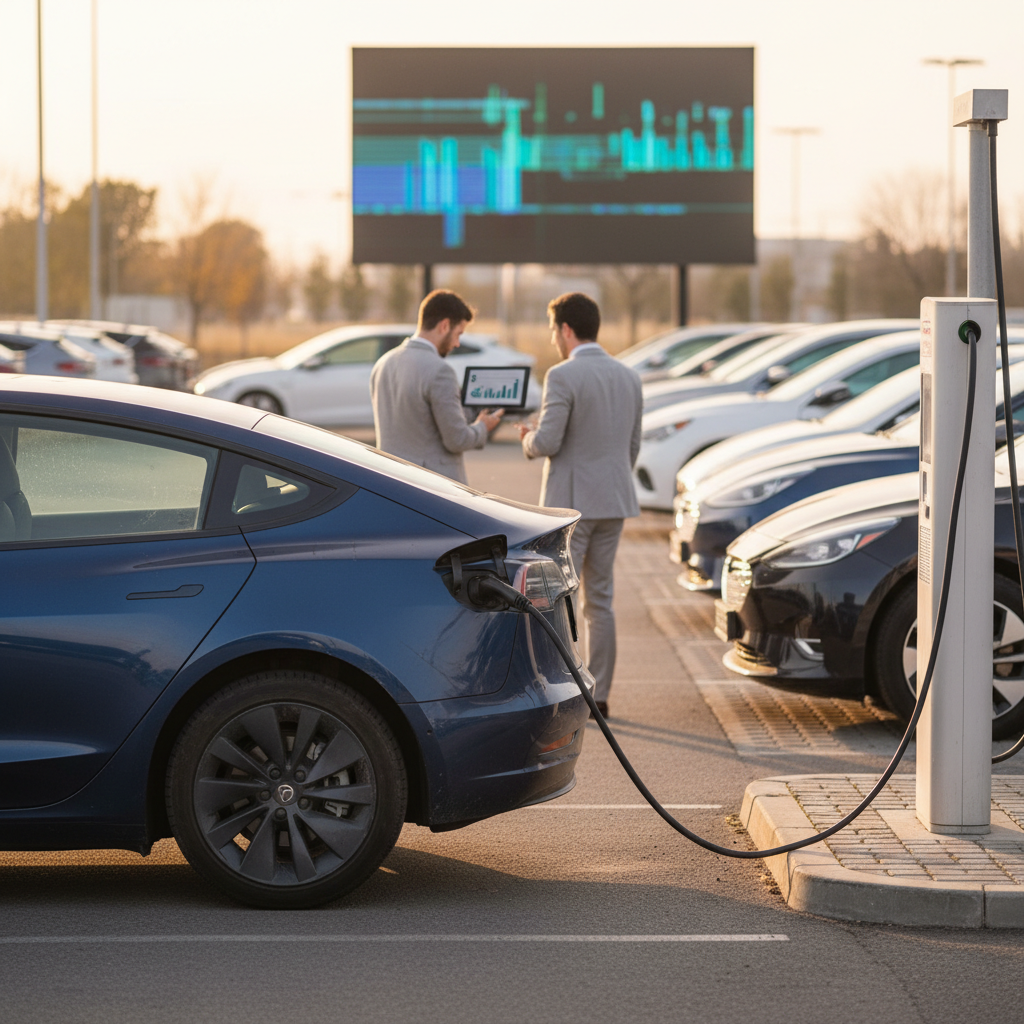
Recharged checks battery health as a vehicle arrives, then performs a complete mechanical and cosmetic inspection covering well over 150 components. The initial check identifies battery, mechanical, and visible-condition concerns early so parts or additional evaluation can be arranged. The vehicle then goes onto a lift for a fuller inspection, receives approved repairs and detailing, and is photographed to document its condition. The resulting Recharged Score Report gives you verified battery-health information alongside pricing and vehicle-condition guidance.
What happens before a vehicle is listed
Arrival battery test
The team checks for battery-health concerns as soon as the EV arrives.
Mechanical inspection
The EV goes on a lift for a detailed check covering its major systems and components.
Cosmetic review
Paint, body panels, glass, wheels, tires, and interior condition are documented.
Repair and reconditioning
Approved mechanical and cosmetic work is completed before final presentation.
Final documentation
Photography and vehicle information help buyers review condition before purchase.
Recharged data
Used EV prices at Recharged
$30,997
median list price
Current list prices for matching inventory at Recharged.
- Lowest
- $12,996
- Average
- $34,803
- Highest
- $146,998
Average Recharged Score on these listings
4.8 / 5
Range
3.7 – 5.0
Based on available listings
Recharged data
Recent EV sold prices
$27,297
median sold price
What buyers actually paid through Recharged, not list price.
- Lowest
- $500
- Average
- $29,901
- Highest
- $129,998
Monthly median sold price
Based on Recharged sales in the last 12 months
Every EV is battery-tested with a Recharged Score. Nationwide delivery.
What Recharged market data shows
Recharged data shows that inspected used EVs cover a broad price range, so verification matters at every budget. Across 417 EVs listed on Recharged at the time of the snapshot, asking prices ranged from $12,996 to $146,998, with an average of $34,803 and a median of $30,997. Among scored listings, the average Recharged Score was 4.79 out of 5. These are current listing prices and scores, not discounts or comparisons with another valuation source.
Recharged retail sales data provides additional market context: buyers paid a median retail price of $27,297 across 1,796 EVs sold during the trailing 12 months, while the average was $29,901. Those figures are final retail prices buyers paid, not estimated trade-in values or seller payouts. The takeaway is straightforward: whether an EV costs less or more than the median, its battery and physical condition still need vehicle-specific verification.
What should you verify before buying?
You should verify the battery, body, suspension, charging functions, and vehicle history rather than relying on appearance alone. Ask for diagnostic evidence and confirm what happens if the delivered vehicle differs from its description. A specialist used-EV inspection checklist can help you keep cosmetic flaws separate from costly battery or mechanical concerns.
Questions to ask about a specific used EV
Is battery health verified?
Request a battery-health report based on diagnostic testing, not just dashboard range or mileage.
Was the roof inspected closely?
Check for hail, dents, paintwork, and prior repair evidence under controlled lighting.
Does the suspension behave normally?
Test adjustable ride heights, listen for noise, and investigate uneven vehicle stance.
Are wheels and tires documented?
Look for curb rash, uneven tire wear, sidewall damage, and mismatched tires.
Do charging and connected features work?
Confirm the charge port, charging session, mobile connectivity, locks, cameras, and displays.
What happens if a defect appears?
Understand the seller's return, repair, warranty, and condition-disclosure policies before buying.
Instant offer, trade-in, or consignment. Pickup available.
Used-EV inspection FAQ
The inspection matters more than assumptions
A model's reputation can't tell you whether one specific used EV has a healthy battery, hidden body damage, or a genuine suspension fault. The examples Recharged encountered show why a buyer needs diagnostic testing, a detailed physical inspection, and clear condition documentation. Shop the vehicle in front of you, and favor sellers willing to verify what a conventional history or auction report can't show.