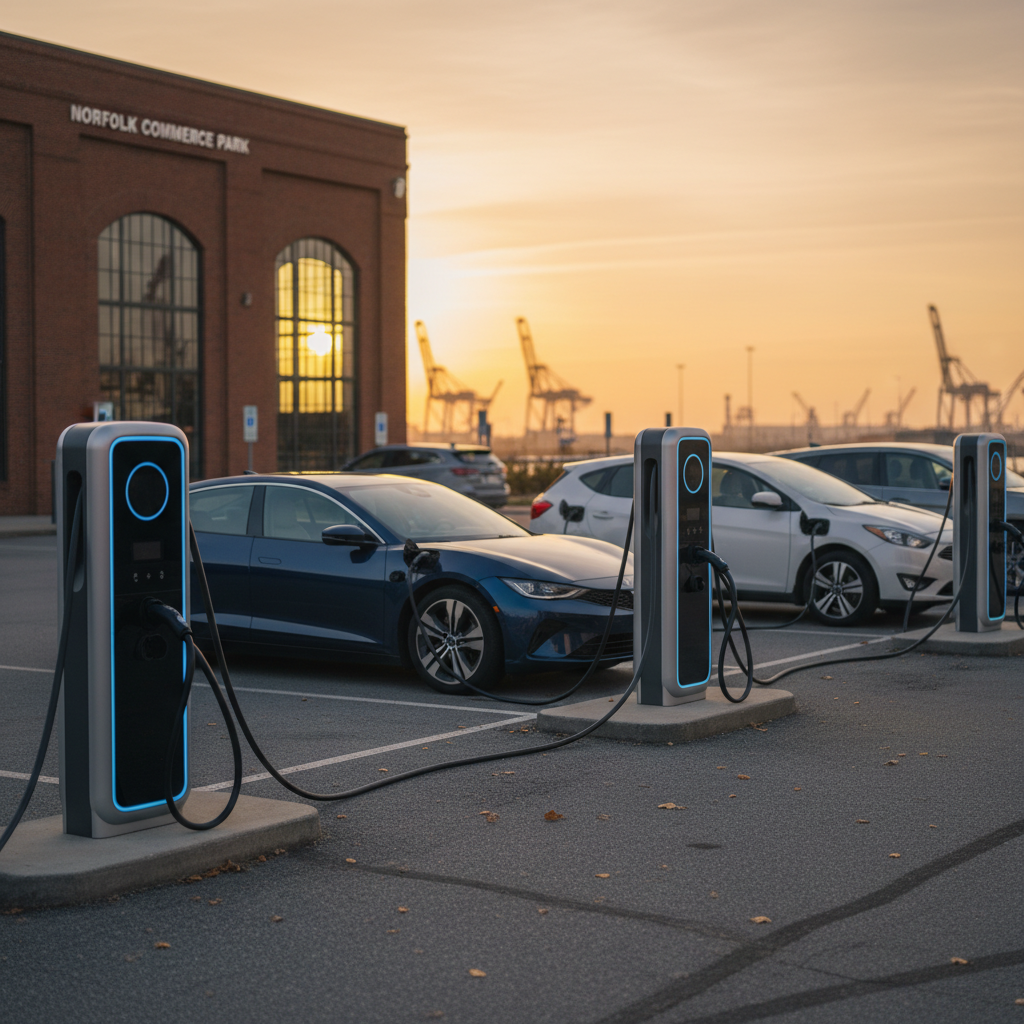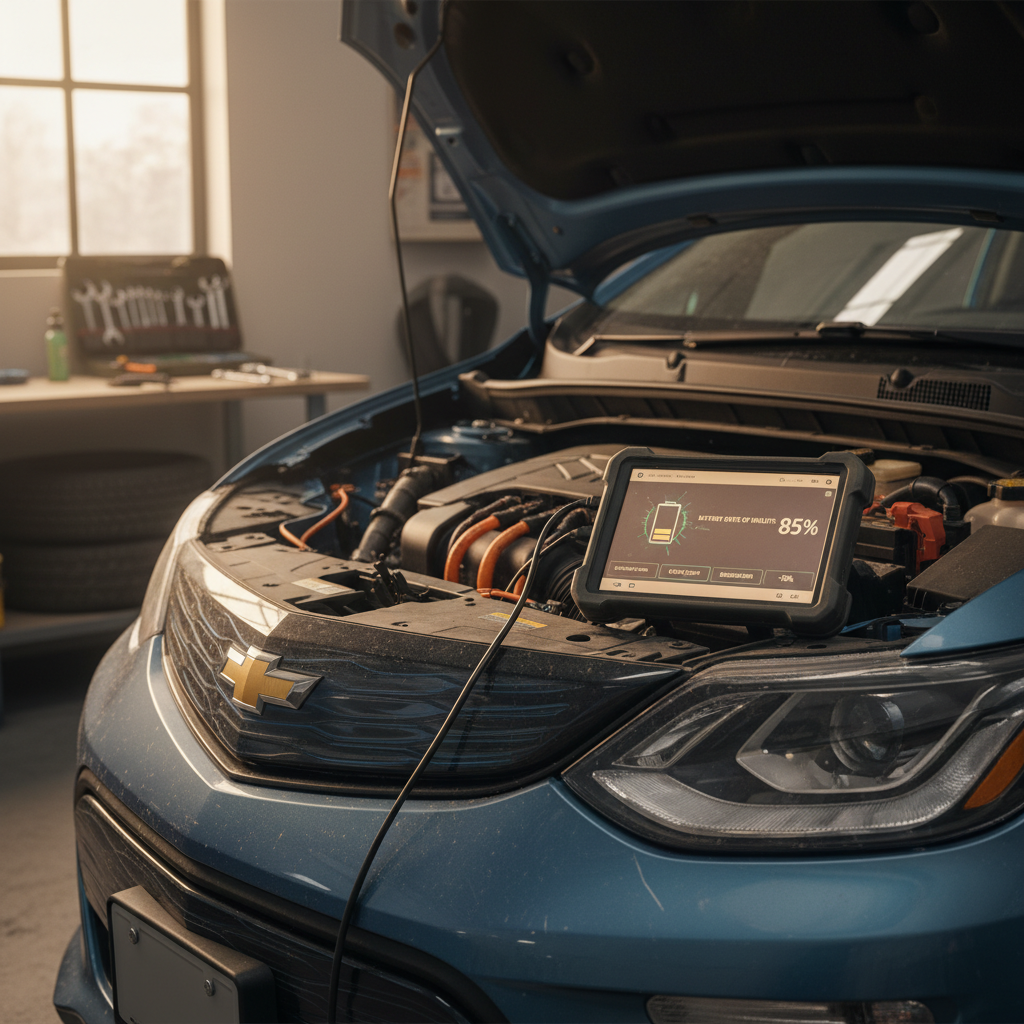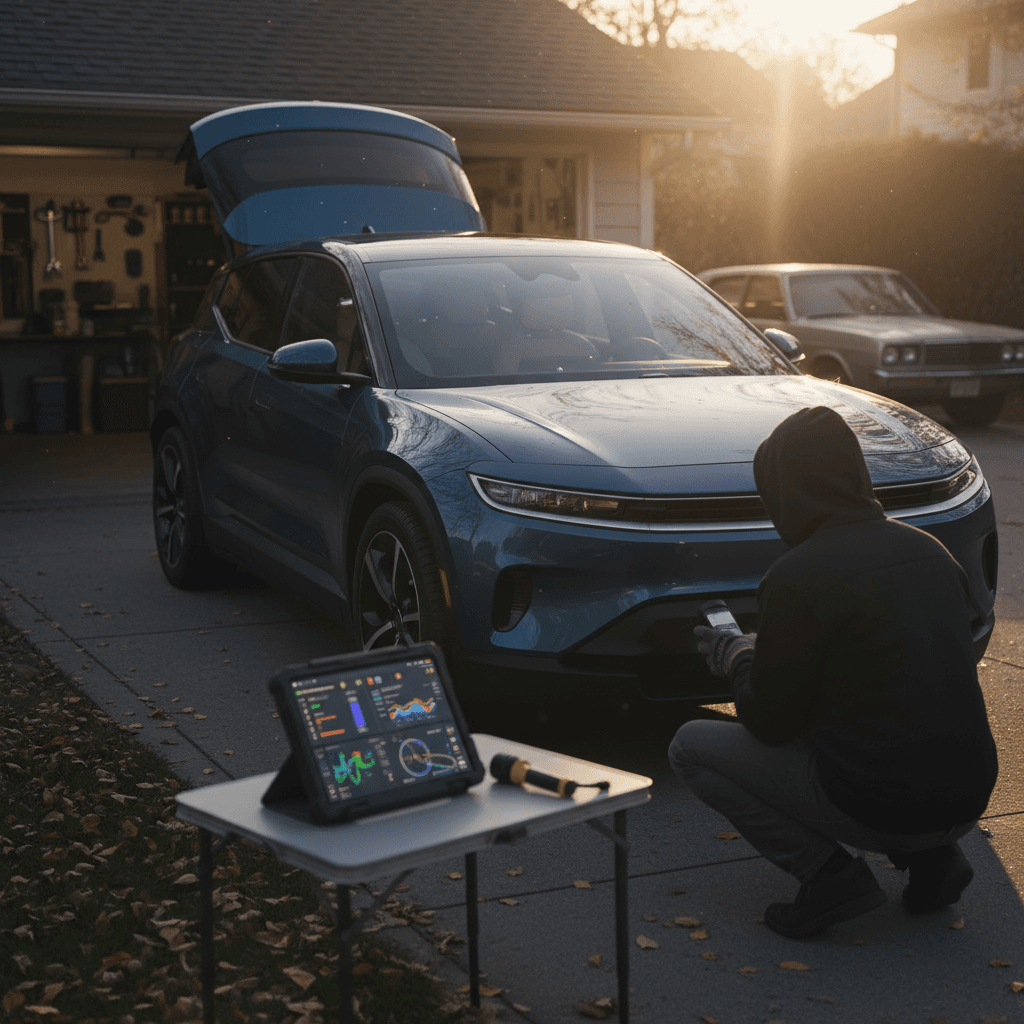
Shopping for a used electric car isn’t the same as kicking the tires on a gas sedan. The battery pack, charging hardware, and software all play a huge role in how the car drives, and what it will cost you over the next 5–10 years. This used EV inspection checklist walks you, step by step, through what to check before you buy so you can spot red flags early and avoid an expensive mistake.
Good news for used EV buyers
Why you need a used EV inspection checklist
Traditional used‑car checklists focus on engine noise, oil leaks, and transmission shifts. With EVs, the priorities shift: **battery health, real‑world range, and charging compatibility** move to the top of the list. Two electric cars that look identical on a lot can have very different battery health depending on how they were charged, where they lived, and how they were driven.
What’s different about inspecting a used EV
Key ways EV inspections differ from gas cars
Battery is most of the value
The high‑voltage battery can represent **30–50% of the car’s value**. A weak pack means less range, slower charging, and a costly replacement down the road.
Charging matters as much as miles
Fast‑charging habits, heat exposure, and storage at 100% or 0% state of charge all influence long‑term battery health more than mileage alone.
Software & data tell the story
OBD‑II apps, on‑screen battery reports, and services like Recharged’s Score Report give hard numbers you can’t get from a quick test drive.
Don’t rely on the dash range alone
Before you go: quick prep checklist
Pre‑visit prep for inspecting a used EV
1. Know the model’s reputation
Search for common issues on the specific EV you’re considering (for example, early Nissan Leaf heat‑related degradation or Chevy Bolt battery recalls). This helps you zero in on model‑specific red flags.
2. Gather simple tools
Bring a phone with EV apps installed, a tire tread gauge if you have one, a flashlight, and, if you’re comfortable, a Bluetooth OBD‑II dongle compatible with EV diagnostic apps.
3. Plan a real test drive route
Map a mixed route of city and highway driving of at least 20–30 minutes so you can observe range, regen braking, noise, and comfort under different conditions.
4. Ask the right questions up front
Before you visit, ask the seller about battery warranty status, charging habits (home vs. fast‑charging), accident history, and any high‑voltage repairs or recalls.
Use EV‑specific apps when possible
Step 1: Confirm battery warranty and recalls
Start your used EV inspection on paper before you ever pop the hood. In the U.S., EV batteries are federally required to be covered for **at least 8 years or 100,000 miles**, and many brands go further. Knowing what’s still covered, and what recalls have been addressed, protects you from worst‑case scenarios.
Typical OEM battery warranties (U.S.)
Always confirm details with the manufacturer for the specific year and trim.
| Brand (typical) | Battery warranty | Notes |
|---|---|---|
| Tesla | 8 yrs / 100k–150k miles* | Mileage limit varies by model; capacity retention threshold usually 70% |
| Hyundai / Kia | 10 yrs / 100k miles | Often transferable to second owners, confirm paperwork |
| Nissan Leaf | 8 yrs / 100k miles | Watch early, air‑cooled models closely in hot climates |
| GM (Bolt, Lyriq, etc.) | 8 yrs / 100k miles | Bolt had specific recall campaigns, verify completion |
| Ford, VW, others | 8 yrs / 100k miles | Most guarantee around 70% remaining capacity |
Most EV battery warranties guarantee around 70% capacity retention within the warranty term.
- Use the VIN to check open recalls on the manufacturer’s website or NHTSA.
- Ask for written proof of battery and powertrain warranty start date and any transfers.
- Confirm that any battery‑related recalls (for example, on certain Bolts) have documented repairs.
Red flag: no warranty information
Step 2: Check battery health and real‑world range
Battery health is the heart of any used EV inspection. You’re trying to answer two questions: **How much usable capacity is left today, and how has the pack been treated so far?** You don’t need lab equipment to get a solid picture, but you do need a process.
Battery health: what’s “normal” for a used EV?
Method 1: Simple range check
Ask the seller to charge the car to 100% before you arrive. Compare the displayed full‑charge range to the original EPA rating for that model year (you can look this up quickly on your phone).
- If the displayed range is ~10–15% lower than new, that’s usually normal for a several‑year‑old EV.
- Much larger gaps can indicate heavier‑than‑average wear, harsh climate exposure, or a pack that was frequently fast‑charged.
Remember that recent aggressive driving or cold weather will also lower the estimate, so treat this as an approximation.
Method 2: Battery health report or scan
For a more precise picture, request a **battery health report**. This can come from:
- The manufacturer’s service department or certified dealer
- An independent EV diagnostic service using OBD‑II and EV‑specific software
- A marketplace like Recharged, where every vehicle includes a Recharged Score battery health report
Look for a clear State of Health (SoH) percentage and notes on cell balance, temperature behavior, and DC fast‑charging history where available.
Battery SoH benchmarks
Step 3: Evaluate charging ports, cables, and hardware
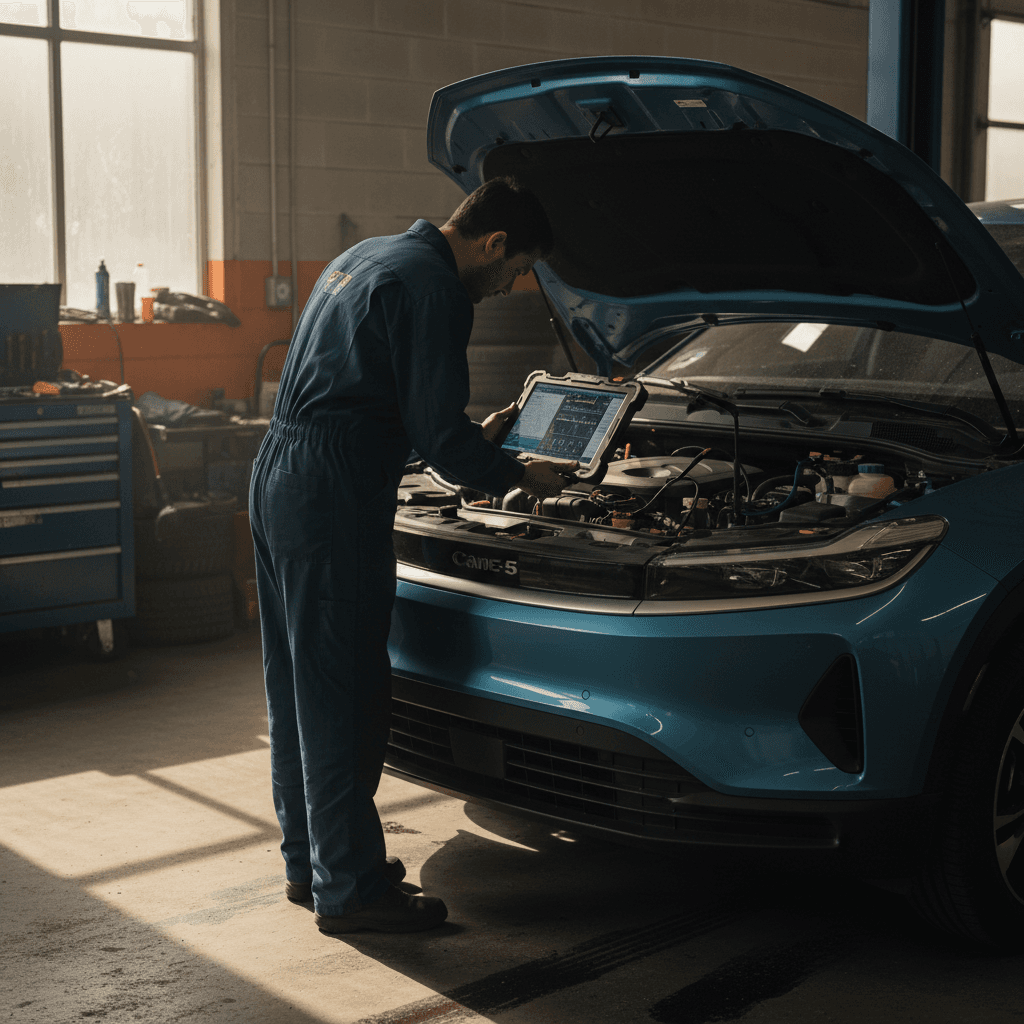
Next up: making sure the EV will actually fit your life when it comes to charging. That means confirming connector types, hardware condition, and how fast the car can charge on the networks you plan to use.
Charging & hardware inspection points
Confirm connector types
In North America, you’ll typically see CCS, CHAdeMO (older Leafs), or Tesla’s NACS. Make sure the car’s main DC fast‑charge connector matches the networks you plan to use, or that adapters are readily available and included.
Inspect the charge port
Open the charge door and look for bent pins, corrosion, cracked plastics, or loose charge doors. Gently wiggle the connector when plugged in, it should feel secure, not sloppy.
Check included charging cables
Verify that the portable Level 1 or Level 2 cable is present, undamaged, and properly rated. Replacing it can easily cost $200–$500, so treat missing hardware as a real line‑item in your negotiation.
Verify charging speed
Ask to see the car charging on Level 2 or DC fast charge if possible. Confirm it reaches the expected kilowatt rate for that model and doesn’t repeatedly stop and start or throw error messages.
Watch for orphaned standards
Step 4: Inspect EV‑specific mechanical and safety items
EVs don’t have oil leaks or timing belts, but the usual used‑car basics still apply, plus a few electric‑only considerations. Pay particular attention to anything that could hint at battery damage or poor maintenance.
- Undercarriage & battery enclosure: Look for dents, scrapes, or signs of impact around the battery pack area. Damage here is a serious concern and can be very expensive to fix.
- Suspension & tires: EVs are heavy. Uneven tire wear, worn bushings, or tired shocks may show up earlier than you expect, especially on big‑battery crossovers.
- Brakes: Because regenerative braking does much of the work, pads can last longer, but they can also seize if the car sat too long. During the test drive, listen for grinding, pulsation, or pull.
- Cooling system: Many EVs use liquid cooling for the battery, inverter, and motor. Look under the hood for low coolant levels or crusty residue around hose connections.
- High‑voltage warning lights: Turn the car fully on and watch the instrument cluster. Any persistent warnings about the electric drive system, battery, or charging are reason to pause and investigate.
Red flag: accident damage near the pack
Step 5: Review software, connectivity, and driver assists
Software can make or break the day‑to‑day experience of a used EV. From preconditioning to route‑based range estimates, you want to confirm the car still receives updates where applicable and that key features work as advertised.
Software and feature checks
Don’t skip the digital inspection, modern EVs are rolling computers.
Mobile app & connectivity
Pair your phone if possible. Confirm remote lock/unlock, charge status, and pre‑conditioning work. Lack of connectivity might indicate lapsed subscriptions or outdated hardware.
Navigation & charging integration
Test built‑in navigation, especially EV‑aware routing that shows charging stops. This is important if you plan road trips or rely on the car’s route planner.
ADAS & safety tech
Check that adaptive cruise, lane‑keeping, blind‑spot monitoring, and parking sensors work as expected. These systems can be costly to diagnose and repair if they’re glitchy.
Older EVs and software support
Step 6: Road‑test with an EV mindset
A test drive in a used EV is your chance to cross‑check everything you’ve seen on paper and screen. You’re listening for more than squeaks; you’re watching how the car uses and recovers energy, how it rides with a heavy battery, and whether any warnings appear under load.
What to watch on the test drive
Range vs. miles driven
Note the starting range and state of charge, then drive at least 15–20 miles. Does the range drop roughly in line with what you’d expect, or does it plummet faster than miles covered?
Regenerative braking behavior
Cycle through regen modes if available. You’re looking for smooth deceleration without vibration, odd noises, or unpredictable handoffs to friction brakes.
Noise and ride quality
With no engine noise to mask issues, hums, whines, or rattles stand out. Pay attention to tire roar at highway speeds and any clunks over bumps that could indicate suspension wear.
Thermal management
Run the cabin heater and A/C on the move. Watch for sudden big drops in predicted range and make sure the system cools and heats effectively without odd smells.
Printable used EV inspection checklist
Here’s a condensed, field‑ready used EV inspection checklist you can save to your phone or print and bring along. Use it alongside a vehicle history report and, ideally, a professional EV inspection if you’re spending serious money.
At‑a‑glance used EV inspection checklist
Use this table as a quick reference while you’re on the lot or at a private seller’s driveway.
| Category | What to check | Pass | Concern |
|---|---|---|---|
| Battery warranty | Written proof of remaining OEM battery warranty; recall completion | [ ] | [ ] |
| Battery health | SoH % from report or app; full‑charge range vs. original rating | [ ] | [ ] |
| Charging hardware | Connector type, port condition, included cables, real‑world charge test | [ ] | [ ] |
| Undercarriage & pack | No impact damage, corrosion, or missing shields near battery | [ ] | [ ] |
| Software & features | App connectivity, navigation, key driver assists functioning | [ ] | [ ] |
| Road test | Predictable range drop, smooth regen and braking, quiet ride | [ ] | [ ] |
If you tick several red‑flag boxes, slow down and get expert help before committing.
Pro move: pair this with a professional EV inspection
When to walk away vs. when it’s a good deal
Every used vehicle is a trade‑off between price, condition, and risk. The goal of an inspection isn’t to find a perfect car; it’s to understand what you’re buying and whether the discount fairly compensates for any compromises.
Signs you should walk away
- Battery SoH below ~70% with no clear path to replacement under warranty.
- Visible damage or previous repairs to the battery enclosure or floorpan.
- Multiple high‑voltage or charging error codes that the seller can’t explain.
- Out‑of‑date software with lost connectivity and no dealer support options.
- Seller refuses a pre‑purchase inspection or won’t share basic service records.
Signs it’s a fair, or great, buy
- Battery SoH in the mid‑80s or higher, with documented charging history.
- Active battery warranty with several years and tens of thousands of miles left.
- Clean underbody, solid suspension, and quiet, composed road manners.
- Healthy tires and brakes, plus intact charging cables and adapters.
- Transparent seller who’s comfortable with EV questions and inspections.
Price should track battery health
How Recharged makes used EV inspections easier
If this checklist feels like a lot to manage in a dealer parking lot or private driveway, you’re not alone. The used‑EV market is still young, and many traditional retailers aren’t set up to explain battery data in plain language. That’s exactly why Recharged exists.
Why consider buying your used EV through Recharged
Data, transparency, and EV‑specialist support built in.
Recharged Score battery report
Every vehicle listed with Recharged includes a Recharged Score Report with verified battery health, real‑world range insights, and fair‑market pricing benchmarks, so you don’t have to guess.
Fair pricing & financing
Transparent pricing, EV‑friendly financing options, and trade‑in or instant‑offer tools help you see the full picture of ownership costs, not just the monthly payment.
Nationwide EV‑savvy support
From our digital buying experience and Richmond, VA Experience Center to nationwide delivery and consignment services, Recharged is built around how people actually shop for used EVs today.
Even if you ultimately buy from a local seller, you can use this checklist, and what you learn from Recharged’s listings, to push for better documentation, fairer pricing, and more transparent battery health data wherever you shop.
Used EV inspection FAQ
Frequently asked questions about inspecting a used EV
A used EV can be one of the smartest buys on the market today, quiet, quick, cheap to run, and often backed by meaningful battery warranties. The key is approaching the purchase with an **EV‑specific inspection checklist**, not just a generic used‑car once‑over. Focus on battery health, charging, software, and a thoughtful road test, and you’ll quickly separate solid long‑term bets from problem children. And if you’d rather not decode all that alone, starting your search with vehicles that already come with a verified battery health report, like those on Recharged, can turn a complex decision into a confident one.