A model badge tells you how an EV was engineered, but it doesn’t diagnose the battery in the car you’re considering. Battery age, charging history, temperature exposure, software calibration, and individual pack condition can all affect the result. That’s why a credible comparison of EV battery health by model needs sufficiently large model-level samples, and why an inspection of the actual vehicle remains essential. Recharged uses verified battery diagnostics to replace assumptions with evidence.
What Recharged’s inspection data shows
Recharged’s inspection snapshot shows that remaining battery capacity has generally held up well across the used EVs tested. In 2,242 Recharged Score inspections, tested remaining capacity averaged 93.9% of original capacity, while the median was 94.9%. Results ranged from 63% to 100%, demonstrating that the fleet benchmark can’t guarantee the condition of an individual vehicle. Tested real-world range averaged 266 miles and had a 268-mile median, although those range figures reflect a mix of models, battery sizes, configurations, and vehicle conditions.
The key takeaway
Why a model ranking needs more context
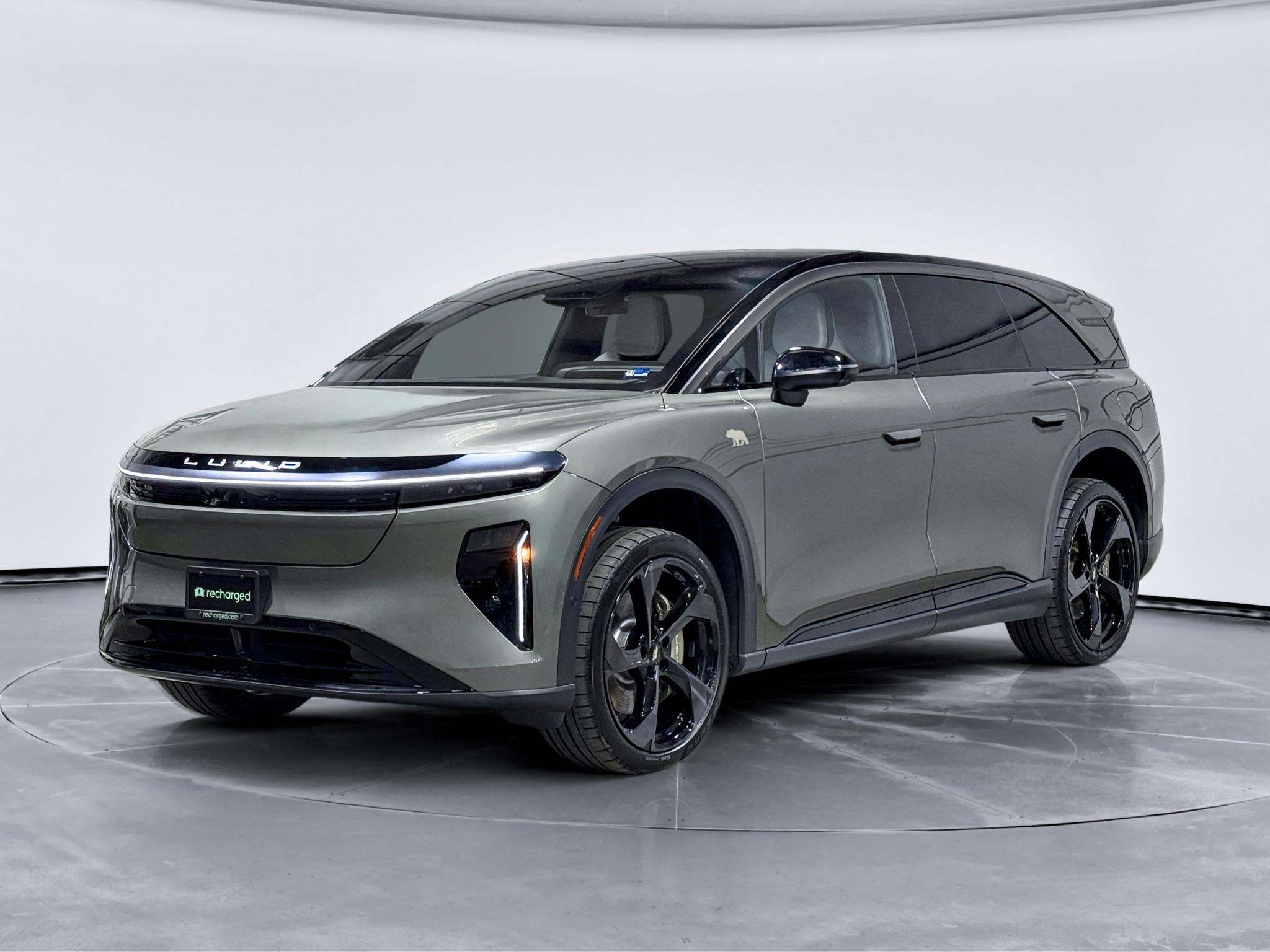
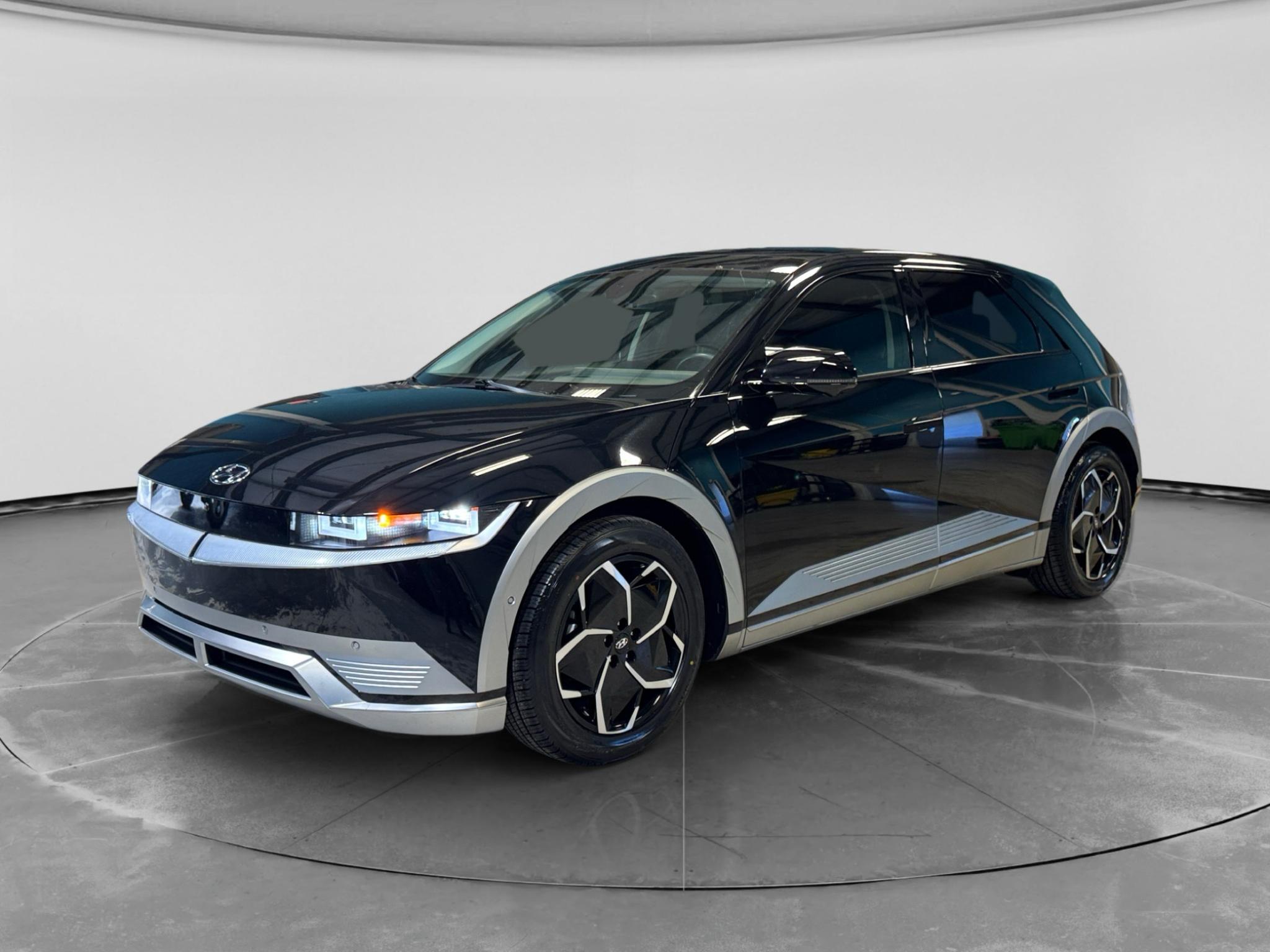
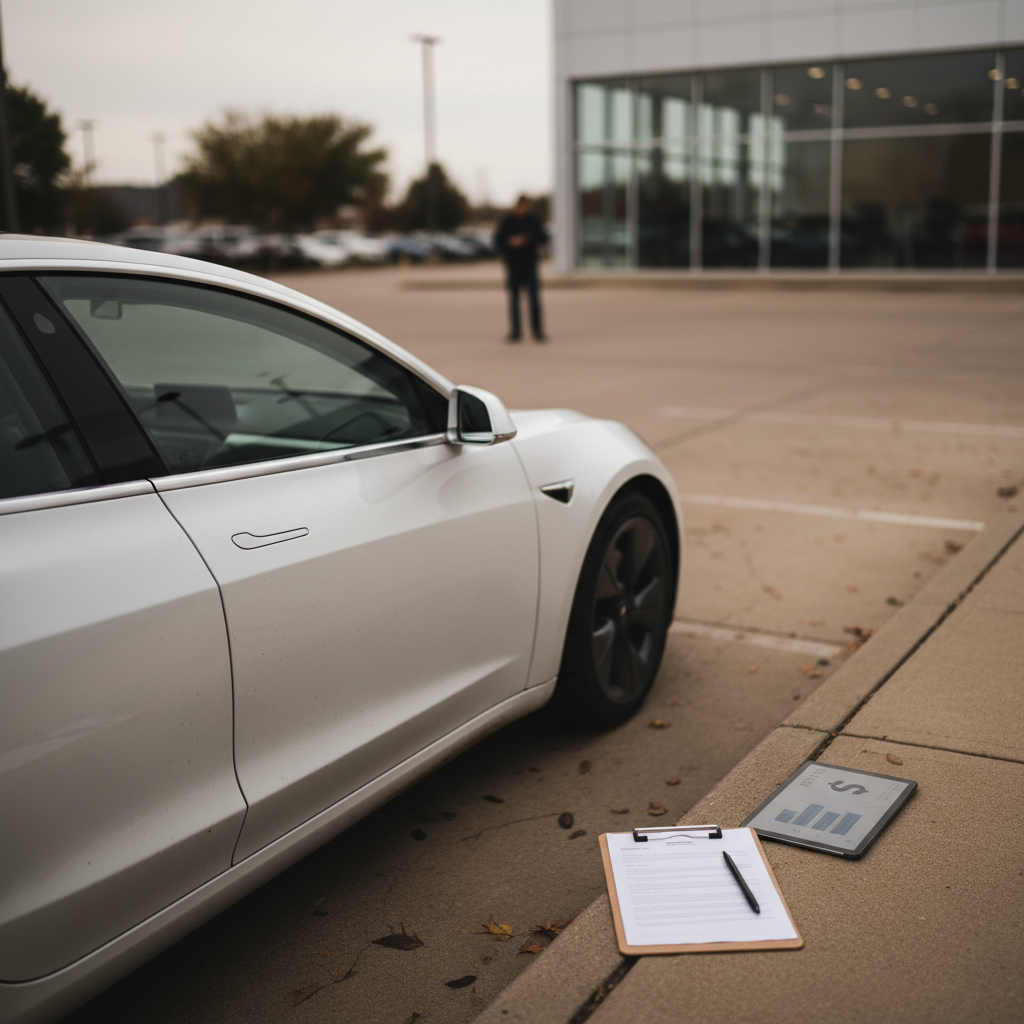
The available Recharged snapshot is a fleet-level view, so it shouldn’t be presented as a best-to-worst ranking of EV models. Model comparisons need enough inspected vehicles from comparable model years, battery configurations, mileage bands, and climates to avoid turning a few cars into a sweeping conclusion. For example, one 2023 Kia EV6 inspected during a Recharged testing demonstration showed 100% remaining capacity and 274 miles of tested real-world range after almost 9,000 miles. A separately inspected 2021 Tesla Model 3 showed 85% remaining capacity and 268 miles of tested real-world range; both are useful vehicle records, not averages for every EV6 or Model 3.
Don’t treat individual inspections as model averages
How Recharged battery inspections work
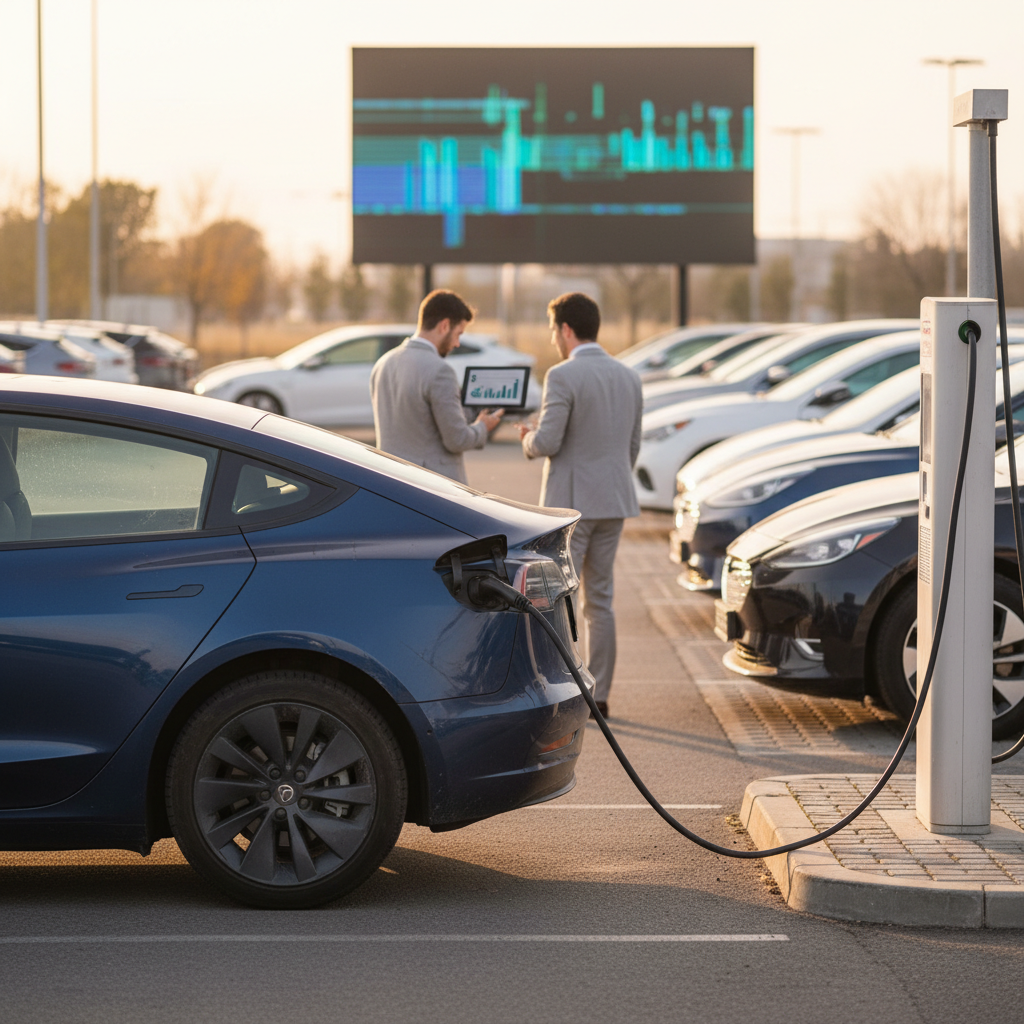
Recharged inspections extract battery information from the vehicle and turn it into evidence you can use before buying. Depending on the EV, technicians may connect through the OBD-II port, the vehicle’s onboard diagnostic connection, or use a model-specific access point. The assessment can report remaining battery capacity, tested real-world range, charging history data, and cell-voltage readings used to evaluate whether the pack is balanced. You can learn more about these measurements in the guide to checking EV battery health.
The battery assessment is one part of the broader Recharged Score Report. The report also considers vehicle history and market pricing, while providing information about charging, charge times, and remaining manufacturer warranty coverage when available. That wider context matters because battery health can’t tell you whether a car has accident history, worn tires, suspension problems, or unresolved alerts. It should be read alongside the mechanical and cosmetic inspection rather than as a substitute for them.
The Recharged Score Report is more than just a battery health test and more than just a number.

Recharged battery inspections
Used EV battery health
94%
average remaining battery capacity
- Lowest
- 63%
- Median
- 95%
- Highest
- 100%
Estimated range 266 mi on average · 100% passed cell balance
- Quick charges
- 18 avg
- Slow charges
- 65 avg
- Cell imbalance
- 7.3 mV avg
From Recharged battery inspections, not manufacturer estimates.
Recharged data
Used EV prices at Recharged
$30,997
median list price
Current list prices for matching inventory at Recharged.
- Lowest
- $12,996
- Average
- $34,803
- Highest
- $146,998
Average Recharged Score on these listings
4.8 / 5
Range
3.7 – 5.0
Based on available listings
Every EV is battery-tested with a Recharged Score. Nationwide delivery.
Displayed range is not battery health
A low dashboard range estimate doesn’t automatically mean an EV has suffered permanent battery degradation. Displayed range can respond to temperature, driving speed, cabin heating, recent energy use, terrain, tire pressure, and software calibration. Cold conditions can temporarily reduce battery performance and increase heating demand, so evaluate winter range with that context in mind; the cold-weather EV range guide explains how preconditioning and charging habits can help. Remaining capacity from a diagnostic test and tested real-world range are related measurements, but they aren’t interchangeable.
What to check on a used EV
You should evaluate the specific battery report, range needs, and warranty position before choosing a used EV. Start with verified remaining capacity, then check whether the tested range fits your normal driving with a reasonable buffer. Use the battery evidence alongside vehicle history and a complete mechanical inspection. For the broader purchase process, follow the used EV buying guide.
Used EV battery-health checklist
Verified remaining capacity
Look for tested capacity as a percentage of the battery’s original capacity, not an unsupported estimate based only on dashboard range.
Tested real-world range
Confirm that the inspected range can cover your routine trips, seasonal conditions, and charging access with room to spare.
Cell balance
Review cell-voltage readings when available. A balanced pack helps show that no measured portion of the battery is materially underperforming.
Charging and thermal alerts
Check for active battery, charging, or temperature-management warnings rather than relying only on a headline health percentage.
Warranty status
Verify the manufacturer’s remaining battery coverage for that model year and vehicle. Terms can vary by model, year, mileage, and failure condition.
Whole-vehicle condition
Pair the battery report with vehicle history and checks of tires, brakes, suspension, body, interior, glass, and charging equipment.
Battery health matters more than mileage alone
Battery health is more useful than mileage alone when you’re trying to understand an EV’s remaining range and its most consequential component. Mileage still matters because it reflects use and can help you evaluate tires, suspension, interior wear, and warranty coverage. But two EVs with similar odometer readings can have different remaining battery capacity, while a higher-mileage car may still have a healthy, balanced pack. Read the diagnostic result together with age, condition, service history, and the terms explained in the EV battery warranty guide.
If the question is, what matters more, miles or battery health? For us, the answer is always battery health.
Instant offer, trade-in, or consignment. Pickup available.
Frequently asked questions
The useful answer is vehicle-specific
The most useful conclusion is that Recharged-inspected EV batteries have retained strong capacity overall, while individual results still vary enough to make testing essential. Fleet averages can give you a benchmark, but they can’t replace a verified report for the car in front of you. Compare remaining capacity, tested real-world range, cell balance, warranty status, and whole-vehicle condition before deciding whether a used EV fits your needs.