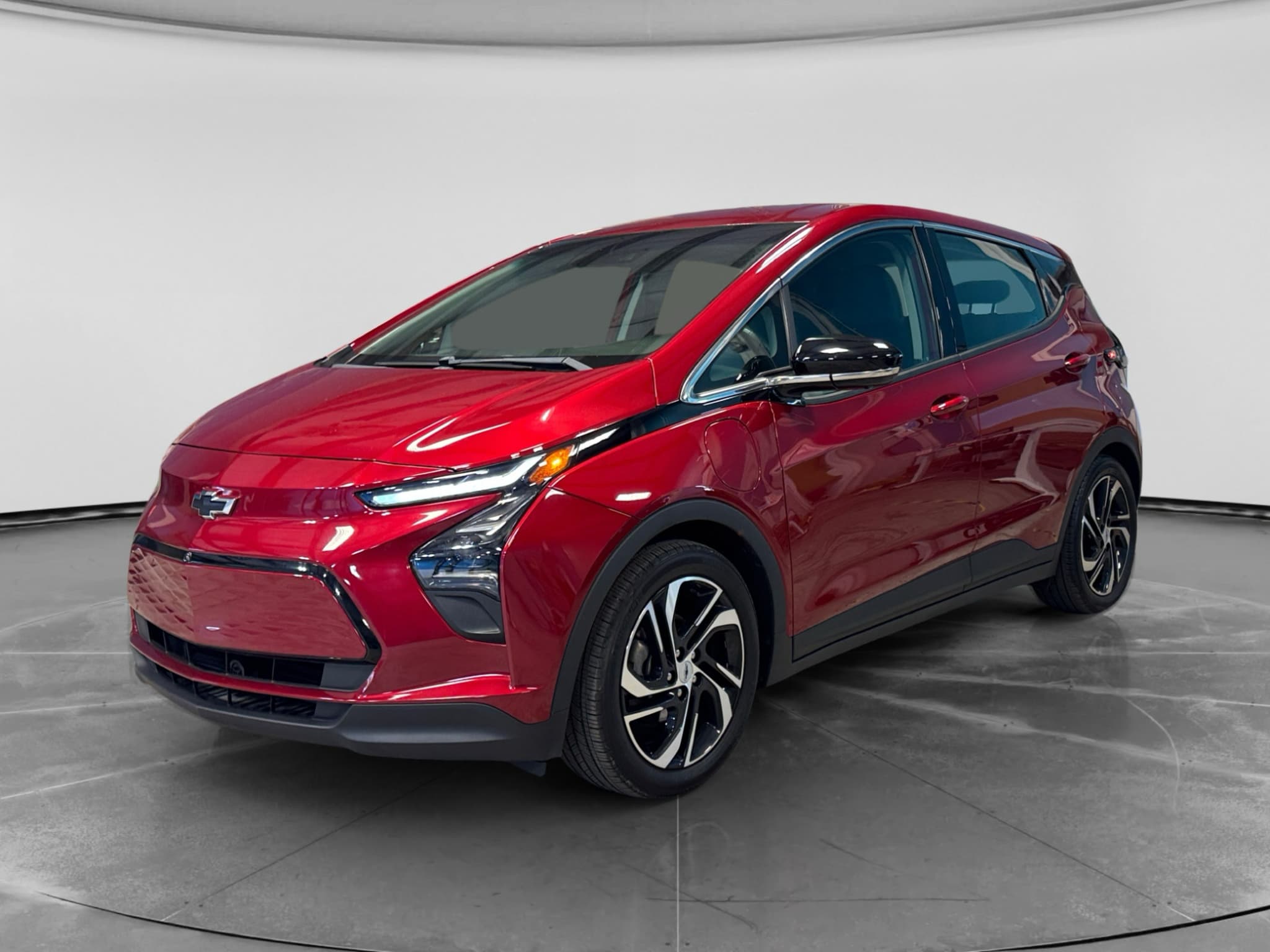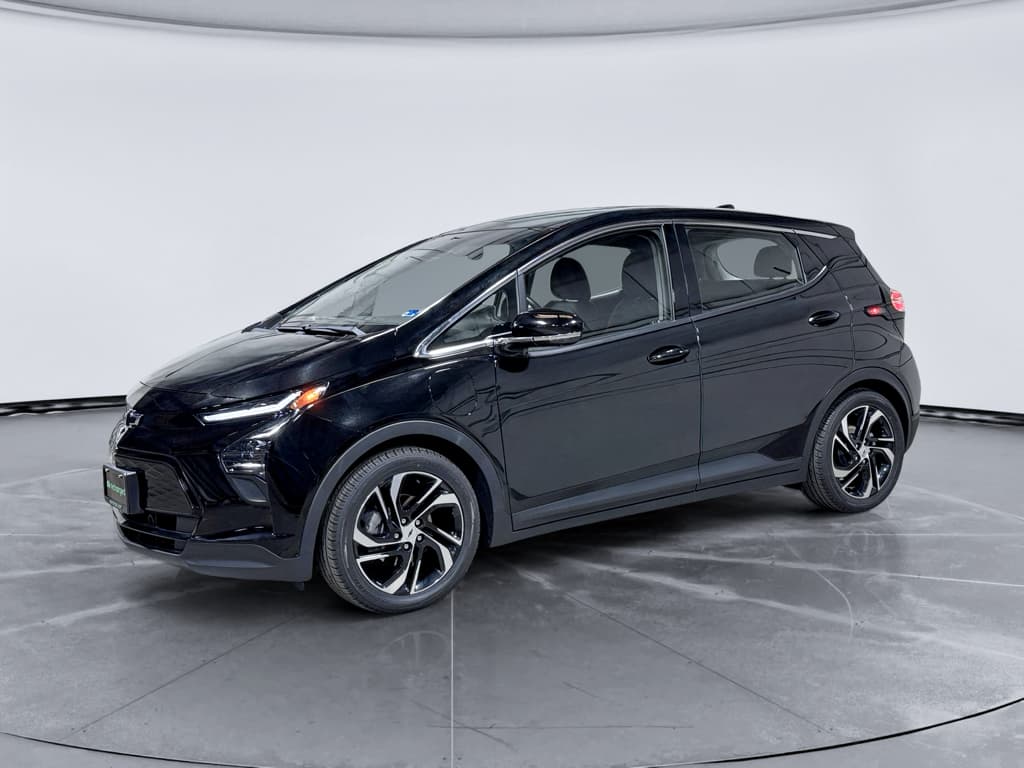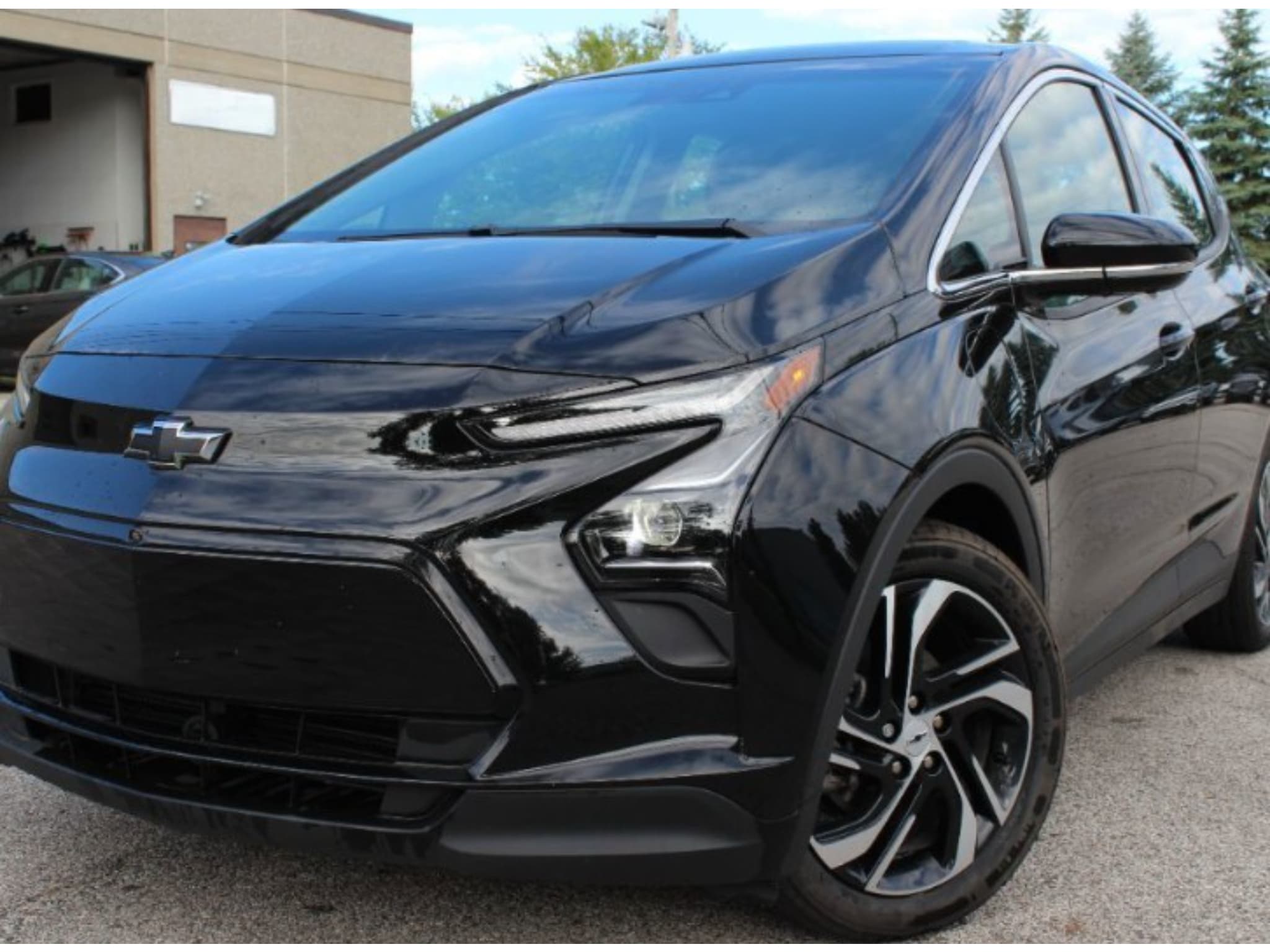
The Chevrolet Bolt EV makes a compelling argument with tested range, useful battery capacity, and approachable used pricing. But the badge and odometer don’t tell you enough: an individual car’s battery condition, recall status, charging hardware, and history should decide the purchase. This guide uses Recharged inspection and retail-sales data to show you what a sound example looks like, and what to check before money changes hands.
What Recharged battery data shows
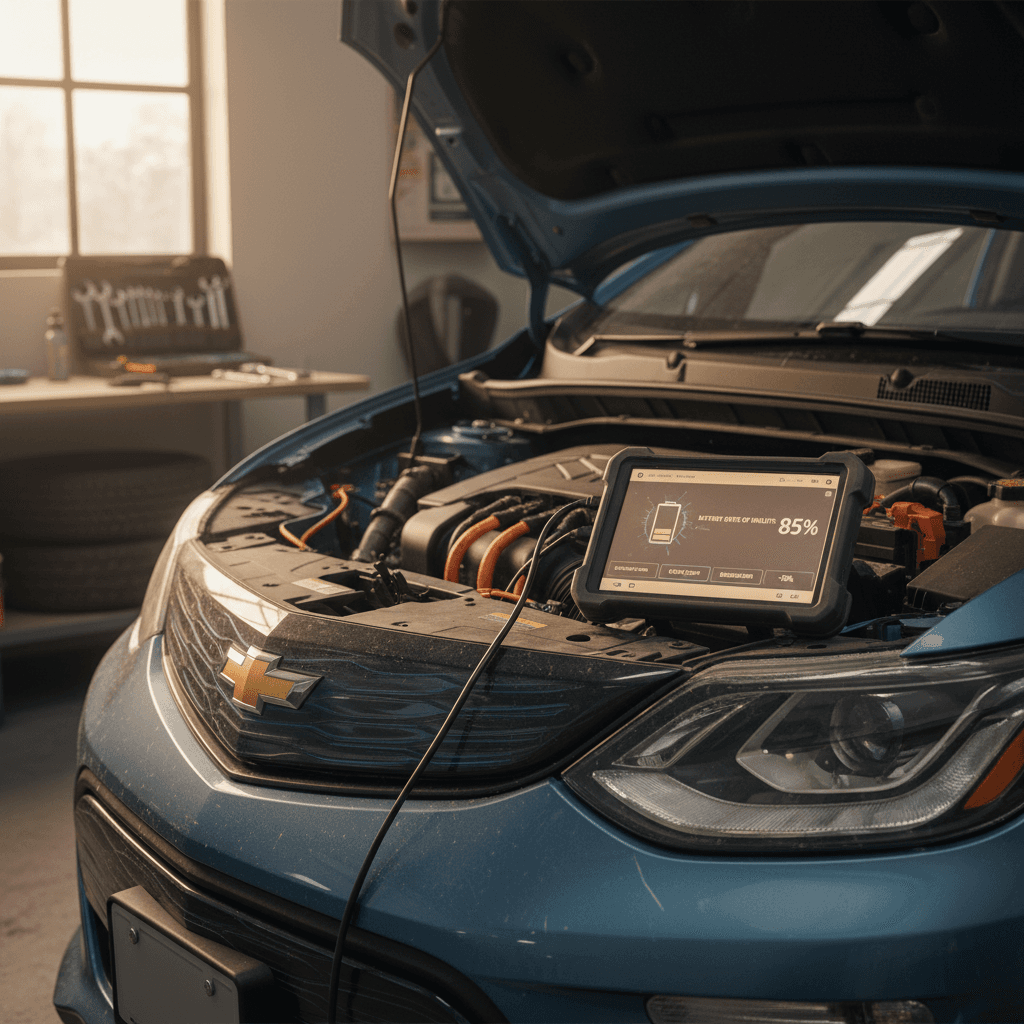
Recharged’s inspected Bolt EVs have generally retained strong battery capacity, although individual results still vary enough to make testing essential. Across 86 Recharged Score inspections, tested remaining capacity averaged 91.1% of original capacity, with results ranging from 84.2% to 99%. Tested real-world range averaged 234 miles and ran from 214 to 252 miles in the inspected sample.
Those figures are more useful than an age-based guess because they describe the battery in the inspected vehicle rather than a theoretical average. Remaining capacity measures how much energy the pack can hold compared with when it was new; tested range translates that condition into a more familiar driving estimate. The takeaway is simple: the sample looks encouraging, but you should still demand a battery report for the specific Bolt EV you’re considering. Learn what the measurements mean in the EV battery-health guide.

For a used Bolt EV, don’t settle for a dashboard range estimate and a quick test drive. We want shoppers to see tested remaining capacity and tested range for the actual car before deciding what it’s worth.
Recharged data
Used Chevrolet Bolt-EV battery health
91%
avg remaining capacity
From Recharged battery inspections, not manufacturer estimates.
- Lowest
- 84%
- Median
- 91%
- Highest
- 99%
- Est. range
- 234 mi avg
- Cell balance pass
- 98%
Average cell imbalance: 6.9 mV
Based on vehicles Recharged tested
Recharged data
Recent Chevrolet Bolt-EV sold prices
$15,888
median sold price
What buyers actually paid through Recharged, not list price.
- Lowest
- $9,997
- Average
- $15,758
- Highest
- $21,849
Monthly median sold price
Based on Recharged sales in the last 12 months
Every EV is battery-tested with a Recharged Score. Nationwide delivery.
How much should a used Bolt EV cost?
A useful retail benchmark is the $15,888 median price buyers paid for Bolt EVs sold by Recharged over the trailing 12 months. Across 49 retail sales, prices averaged $15,758 and ranged from $9,997 to $21,849. Those are completed retail sale prices, not advertised discounts or seller payouts, and the wide range makes the condition of the individual car especially important.
At the time of this snapshot, Recharged had five Bolt EVs listed from $16,998 to $24,274. Current listings and completed sales aren’t directly interchangeable because inventory mix, mileage, condition, equipment, and battery results can differ. Use the sold-price data as a market benchmark, then judge an asking price against the vehicle’s inspection, history, and included charging equipment rather than choosing the cheapest listing automatically.
Don’t count on a federal used-EV credit
What should you inspect before buying?
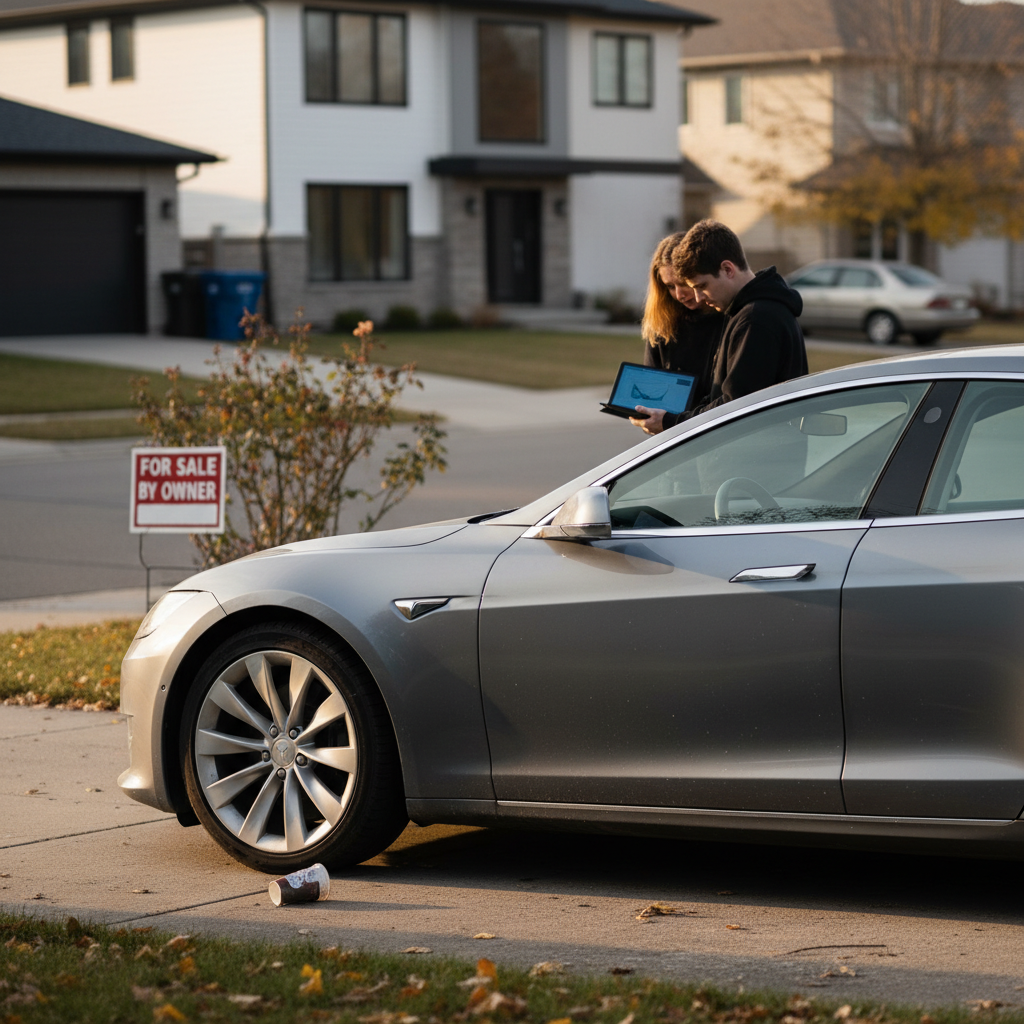
Start with a battery report and VIN-specific checks, then verify that the rest of the car works under real charging and driving conditions. A clean-looking cabin can’t confirm battery capacity, and a displayed range estimate isn’t a controlled diagnostic result. If you’re shopping remotely, request the documents and test results before discussing delivery or financing. For the broader process, use this used-EV inspection checklist.
Six checks that matter most
Review verified battery health
Look for tested remaining capacity and tested real-world range for the exact vehicle. Compare both with your daily driving needs and charging access.
Run the VIN
Confirm recall and service-campaign status using the vehicle identification number. Ask for documentation showing which work has been completed and what remains open.
Test the charging equipment
Plug the car into compatible charging equipment and confirm that charging starts normally. If public fast charging matters to you, verify the individual vehicle’s hardware and complete a compatible session when practical.
Inspect tires and brakes
Check tread depth, tire condition, brake feel, and visible corrosion. Immediate wear-item replacement changes the true purchase cost.
Operate every accessory
Test cabin heat, air conditioning, displays, cameras, windows, locks, lights, and both key fobs. Ask when the 12-volt battery was last inspected or replaced.
Check history and paperwork
Review title status, damage history, service records, ownership documents, and charging accessories. Make sure the paperwork matches the VIN on the car.
A sample average isn’t a vehicle guarantee
The Bolt EV works best for predictable driving
The Bolt EV is easiest to recommend when its tested range comfortably exceeds your routine and you have dependable charging. Recharged’s inspected sample returned 214 to 252 miles of tested real-world range, but you should build in breathing room instead of planning to use every available mile. Home charging can make ownership simpler, while drivers who depend on public stations should verify compatible charging options near home, work, and regular destinations using the home EV charging guide.
Pause if the purchase only works when the car reaches its best tested range in every condition. You should also slow down when the seller can’t provide battery diagnostics, VIN-specific recall information, charging accessories, or a clear title and service history. A lower asking price doesn’t compensate for uncertainty you can’t quantify.
Instant offer, trade-in, or consignment. Pickup available.
Used Chevrolet Bolt EV FAQ
The final verdict
A used Chevrolet Bolt EV is a smart prospect when the price fits the verified condition of the battery and the car passes the practical checks above. Recharged’s inspection results, 91.1% average tested remaining capacity and 234 miles of average tested real-world range, support the case, but the spread between individual vehicles means you should buy the report, not the reputation. Compare the specific car’s battery data, charging equipment, VIN status, history, and total purchase cost before you commit.