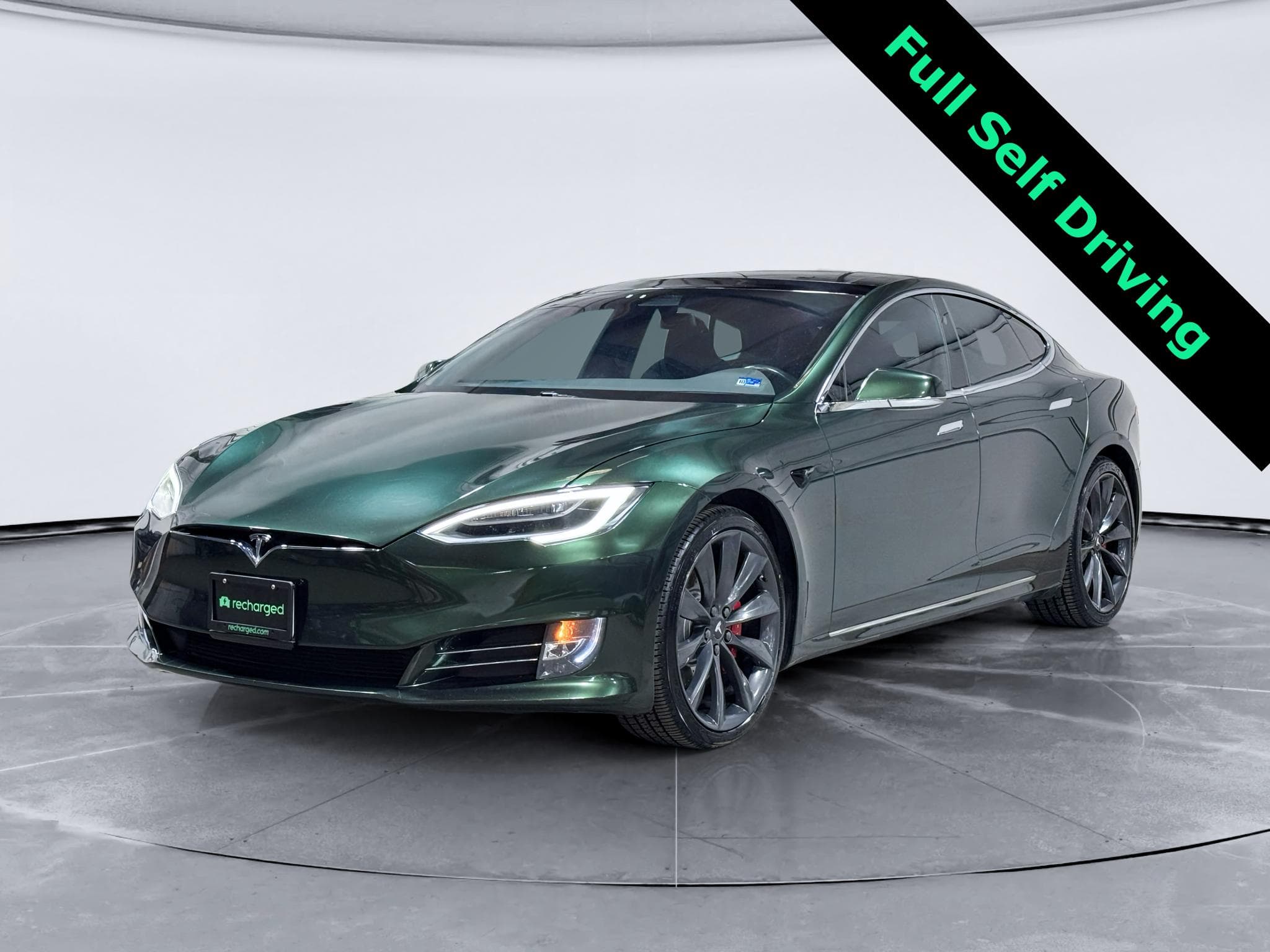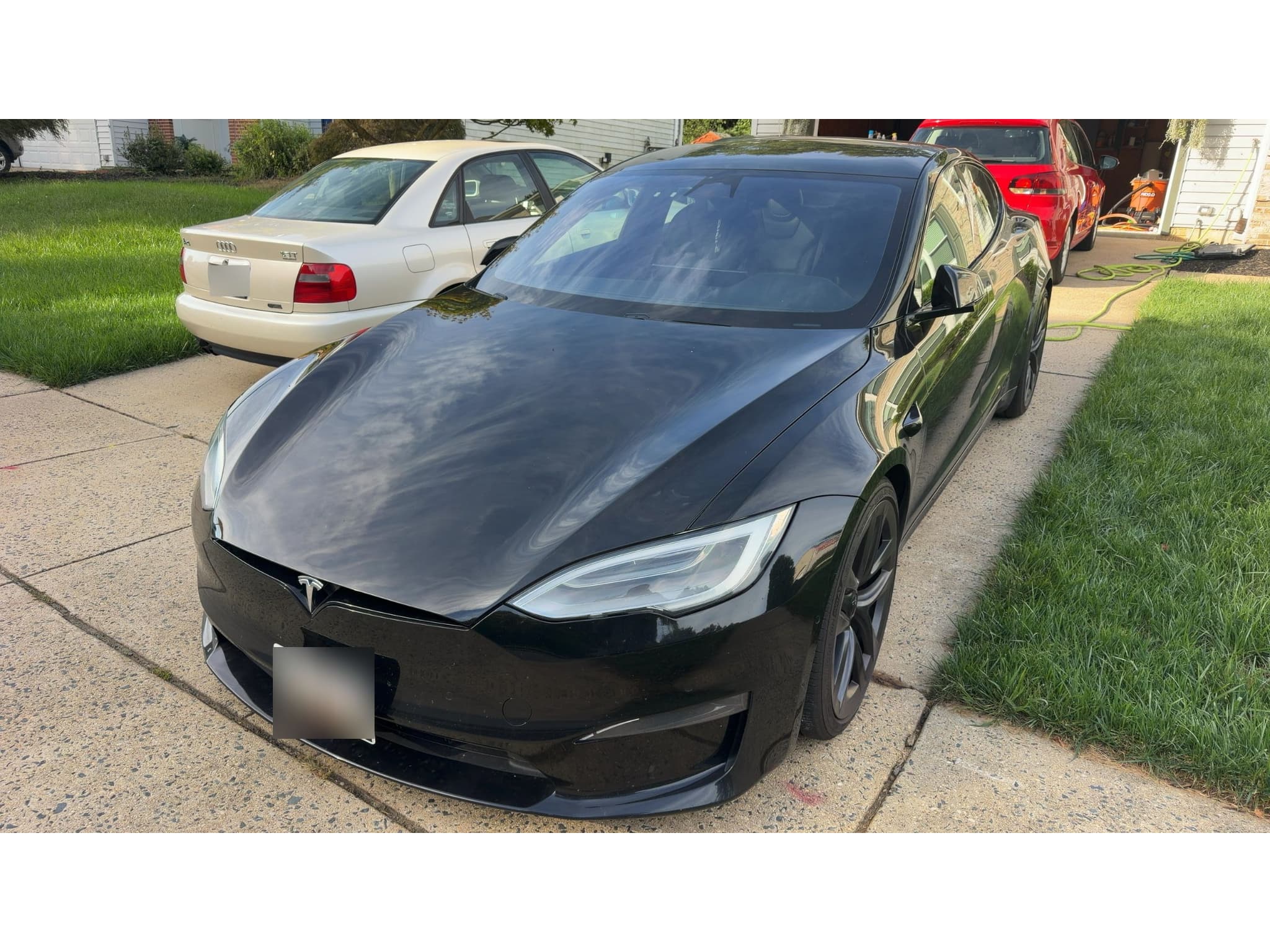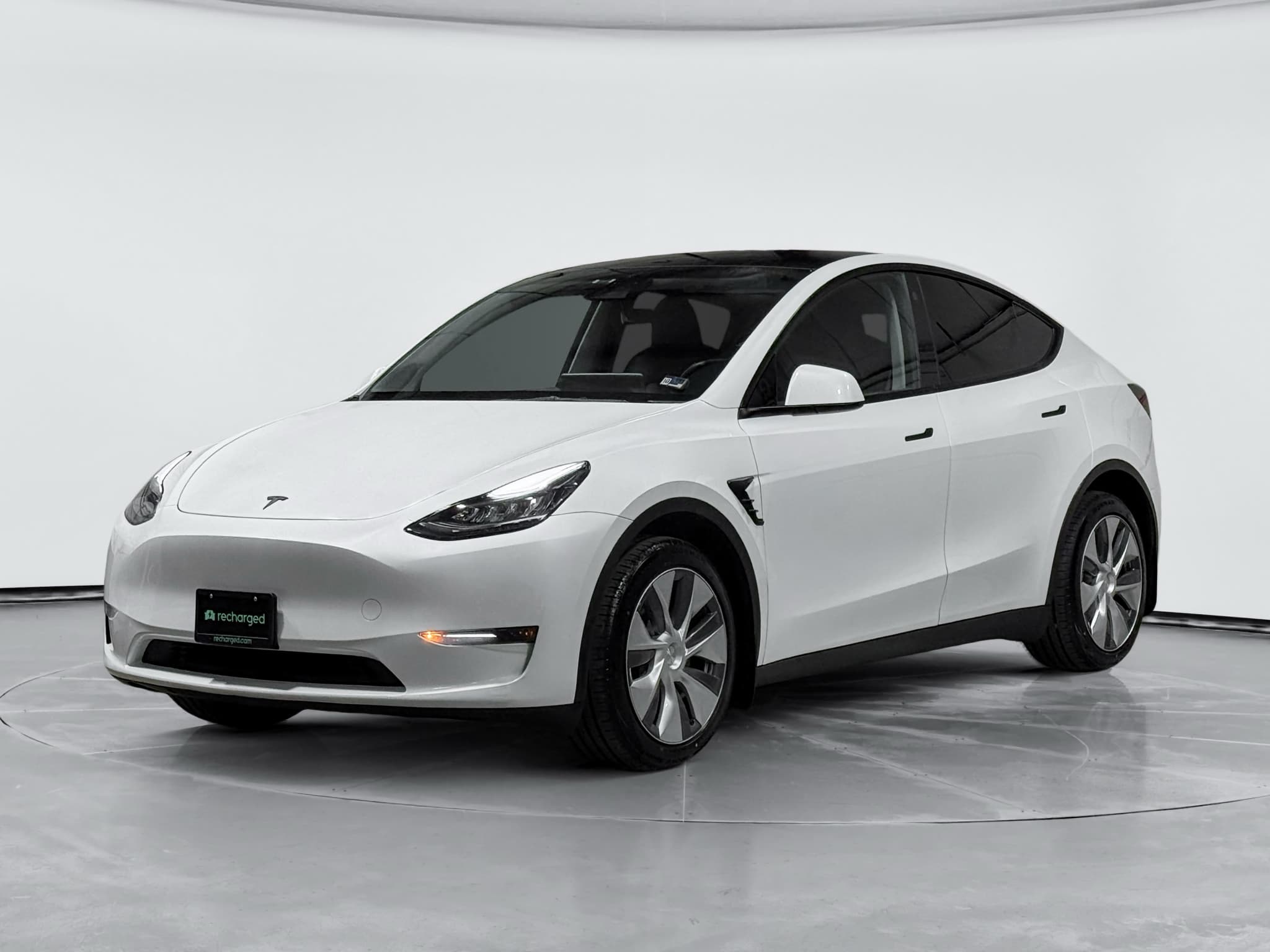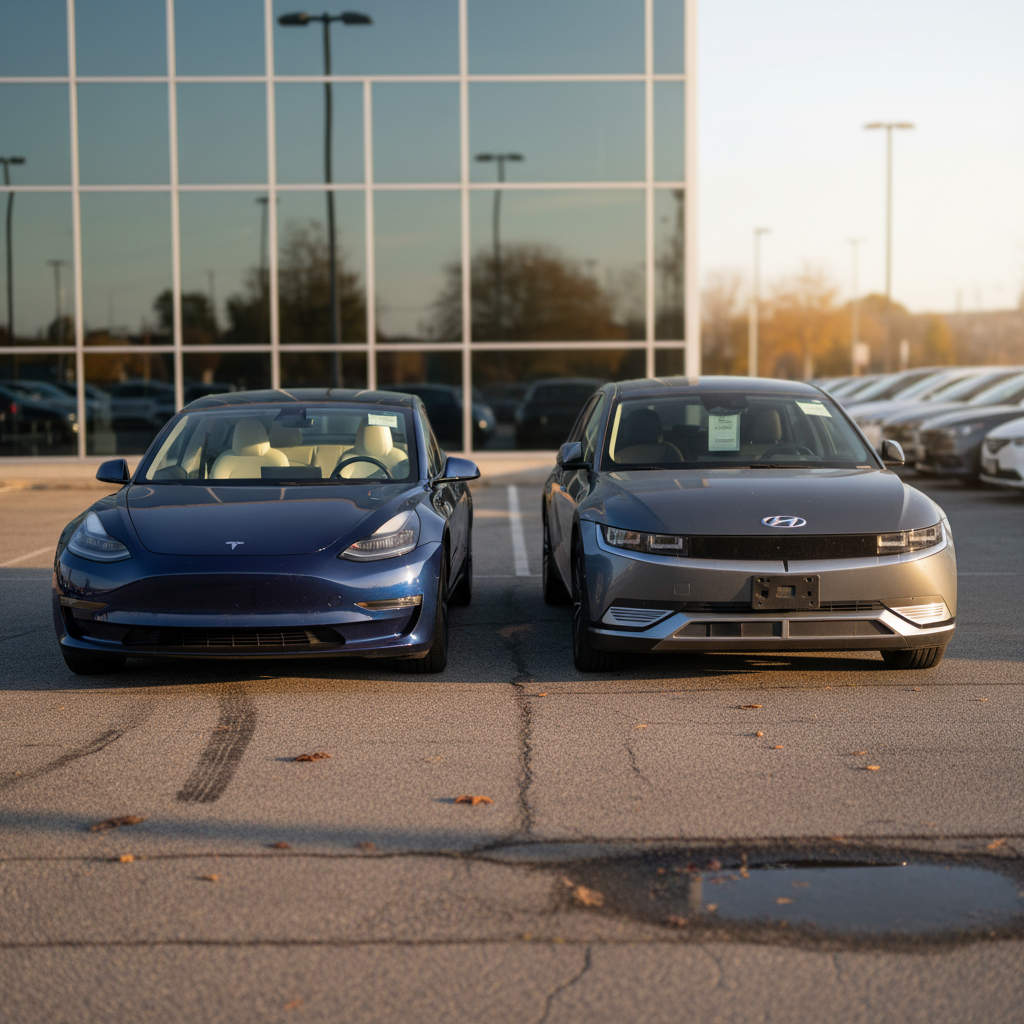
Compare your electric-car selling options
Choose your selling route according to whether you value speed, price potential, or convenience most. An EV specialist is usually the strongest starting point because electric cars require model-specific knowledge, while a private listing gives you more control over the asking price. A conventional trade-in can be convenient when you’re replacing the car at the same dealership, but convenience doesn’t necessarily produce the strongest EV valuation.
The table below compares the main routes without assuming that one choice fits every seller. Requesting more than one no-obligation offer can help you establish a realistic baseline before you accept a deal or create a private listing.
Ways to sell an electric car
Compare each route by its most important practical differences.
| Option | Best for | Typical speed | Main trade-off |
|---|---|---|---|
| Recharged | EV-specific support | Fast to medium (days to weeks) | Offer or consignment |
| Dealer trade-in | One-stop replacement | Usually fast | Limited EV expertise |
| National car buyer | Simple online process | Usually fast | Generalized valuation |
| Private-party sale | Asking-price control | Usually slower | More work and risk |
| Local consignment | Retail-market exposure | Usually slower | Fees and waiting |
Timelines vary with vehicle condition, title status, location, and the selling method selected.
Compare the same transaction
Why EV-specific valuation matters
EV-specific valuation matters because battery condition, charging capability, software features, equipment, and transferable vehicle benefits can affect buyer interest. A generic appraisal may focus mainly on age, mileage, accident history, and cosmetic condition without fully recognizing those details. Before seeking offers, review what determines an electric car’s value and gather evidence that supports your vehicle’s specification and condition.
The strongest EV offer starts with complete information. VIN, mileage, condition, accident history, title status, equipment, and EV-specific features all help the inventory team evaluate the right vehicle rather than a generic version of it.
What to prepare before requesting offers
VIN and mileage
Use the exact vehicle identification number and current odometer reading so the buyer can identify the model, configuration, and history.
Title or payoff details
Confirm whether you hold the title or still have a loan, then obtain an up-to-date payoff amount if needed.
Condition photos
Photograph every side, the cabin, wheels, glass, charging port, dashboard, and any visible damage in clear daylight.
Feature information
List charging equipment, driver-assistance software, included cables, keys, and any transferable vehicle benefits.
Battery information
Provide available battery-health or diagnostic records without treating the dashboard’s displayed range as a formal capacity test.
Verified battery information can reduce uncertainty for the next buyer, although battery condition is only one part of the appraisal. Battery state of health generally describes how much usable capacity remains compared with the battery when new; it isn’t the same as the estimated miles shown after charging. Learn more in the guide to EV battery health.

What Recharged’s market data shows
Recharged’s reviewed data shows active seller interest and a broad retail market for used EVs. The seller-demand snapshot contained 5,854 offer requests, signaling that Recharged is actively evaluating vehicles; it does not contain dollar amounts or predict what your offer will be. That request count was below the prior snapshot’s 7,732 requests, so it should not be interpreted as proof that overall demand is rising.
Across 1,796 EVs sold by Recharged during the trailing 12 months, buyers paid a median retail price of $27,297 and an average retail price of $29,901. These figures show the breadth and price level of the vehicles sold through Recharged, but they are not estimates of your car’s value. The mix includes different makes, models, ages, mileages, and conditions, so your appraisal must be vehicle-specific.
Retail price is not seller payout
The takeaway is that broad market data can provide context, but it cannot replace an appraisal tied to your VIN, condition, mileage, battery information, and title status. If you’re trying to set expectations first, use a vehicle-specific EV valuation process rather than applying the fleet-wide median to your car.
Recharged data
Selling to Recharged
We're actively buying EVs
Final purchase amounts are set after inspection and review.
Based on Recharged purchase offers
Recharged data
Recent EV sold prices
$27,297
median sold price
What buyers actually paid through Recharged, not list price.
- Lowest
- $500
- Average
- $29,901
- Highest
- $129,998
Monthly median sold price
Based on Recharged sales in the last 12 months
Instant offer, trade-in, or consignment. Pickup available.
How selling through Recharged works
You can sell through Recharged by requesting an instant offer or choosing consignment when retail exposure better matches your priorities. The instant-offer route is designed for a direct transaction, while consignment allows Recharged to prepare and market the vehicle before it sells. Because the two paths work differently, Recharged’s overall selling speed is best described as fast to medium, days to weeks.
- Enter your license plate or VIN and provide the requested vehicle details.
- Complete the digital condition inspection with accurate photos and disclosures.
- Review and accept offer.
- Provide title, registration, identification, and loan-payoff information as applicable.
- Review the final paperwork, payment method, and vehicle drop-off or pick-up arrangements before signing.
If speed is the priority, start with the instant-offer route. Once the inspection and paperwork are complete, payment and pickup can move quickly; consignment is better suited to sellers willing to allow more time for retail-market exposure.
A quoted online amount can change if the submitted details don’t match the car’s actual condition, equipment, history, or title status. Disclose damage and warning lights before the inspection, and don’t assume accessories or software automatically increase the offer. For a fuller preparation guide, see how to sell an electric car.
Every EV is battery-tested with a Recharged Score. Nationwide delivery.
Frequently asked questions
The best place depends on your priority
The best place to sell is an EV specialist when you want knowledgeable valuation with a streamlined process, while a private sale is more appropriate when control over the asking price outweighs convenience. Start with a vehicle-specific offer, compare the net proceeds and obligations of each route, and verify payment and pickup terms before transferring the title. If you’re also replacing the vehicle, compare trading in versus selling separately before combining both transactions.