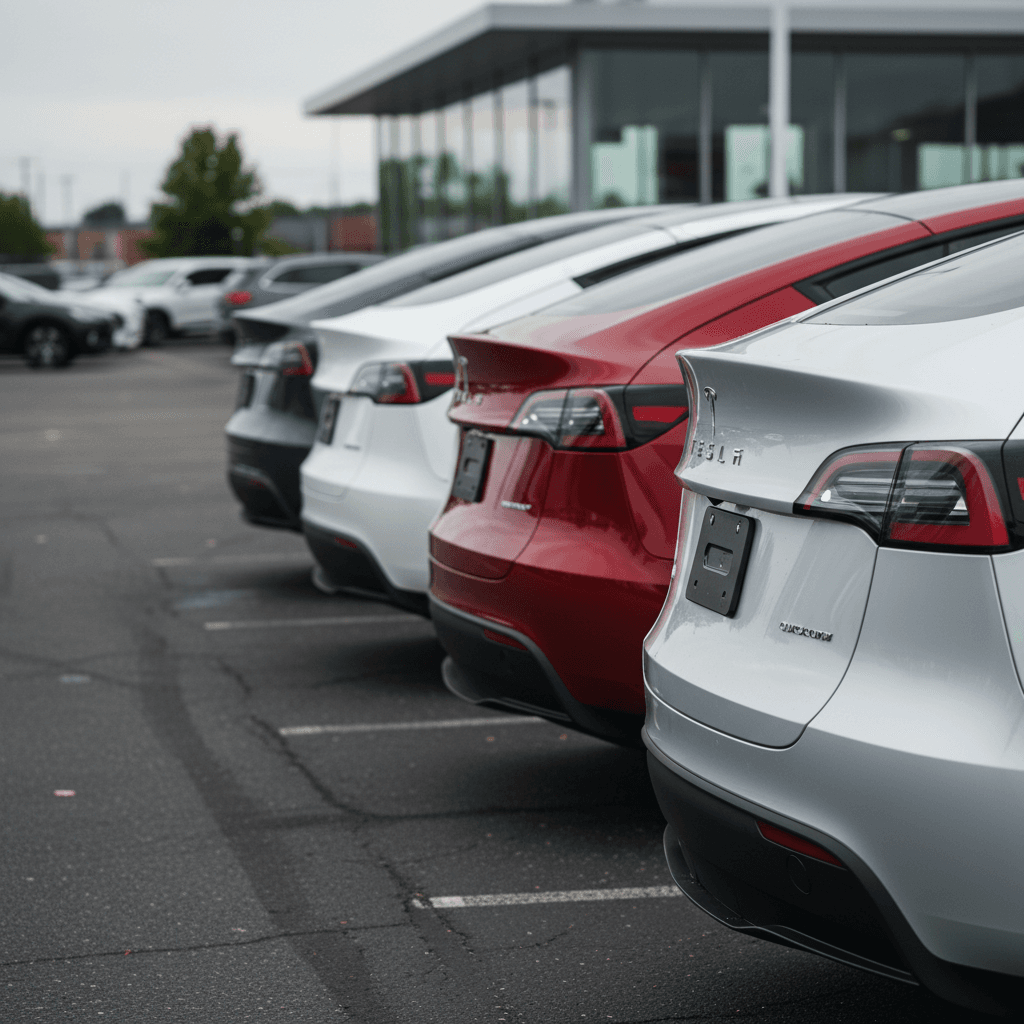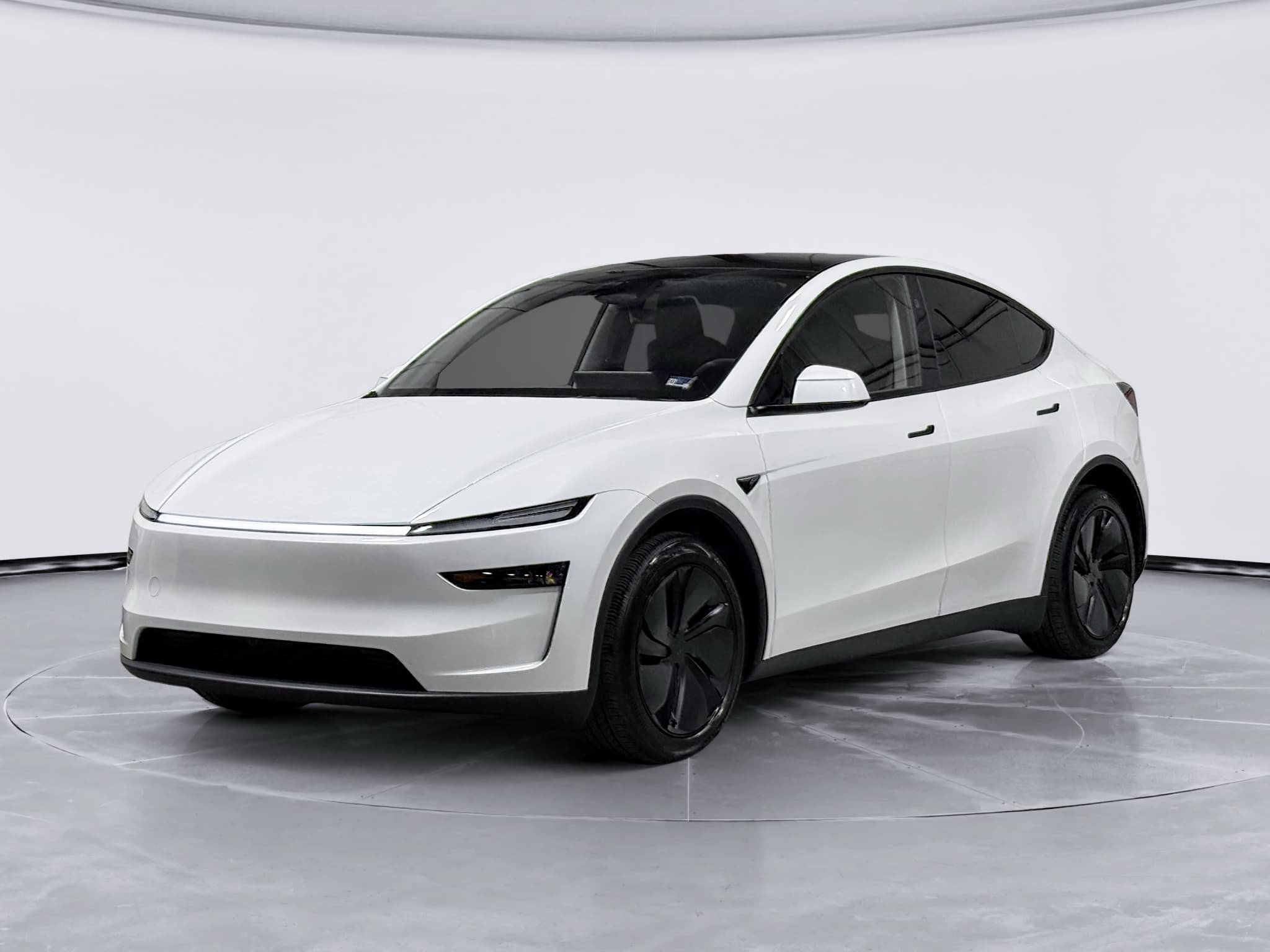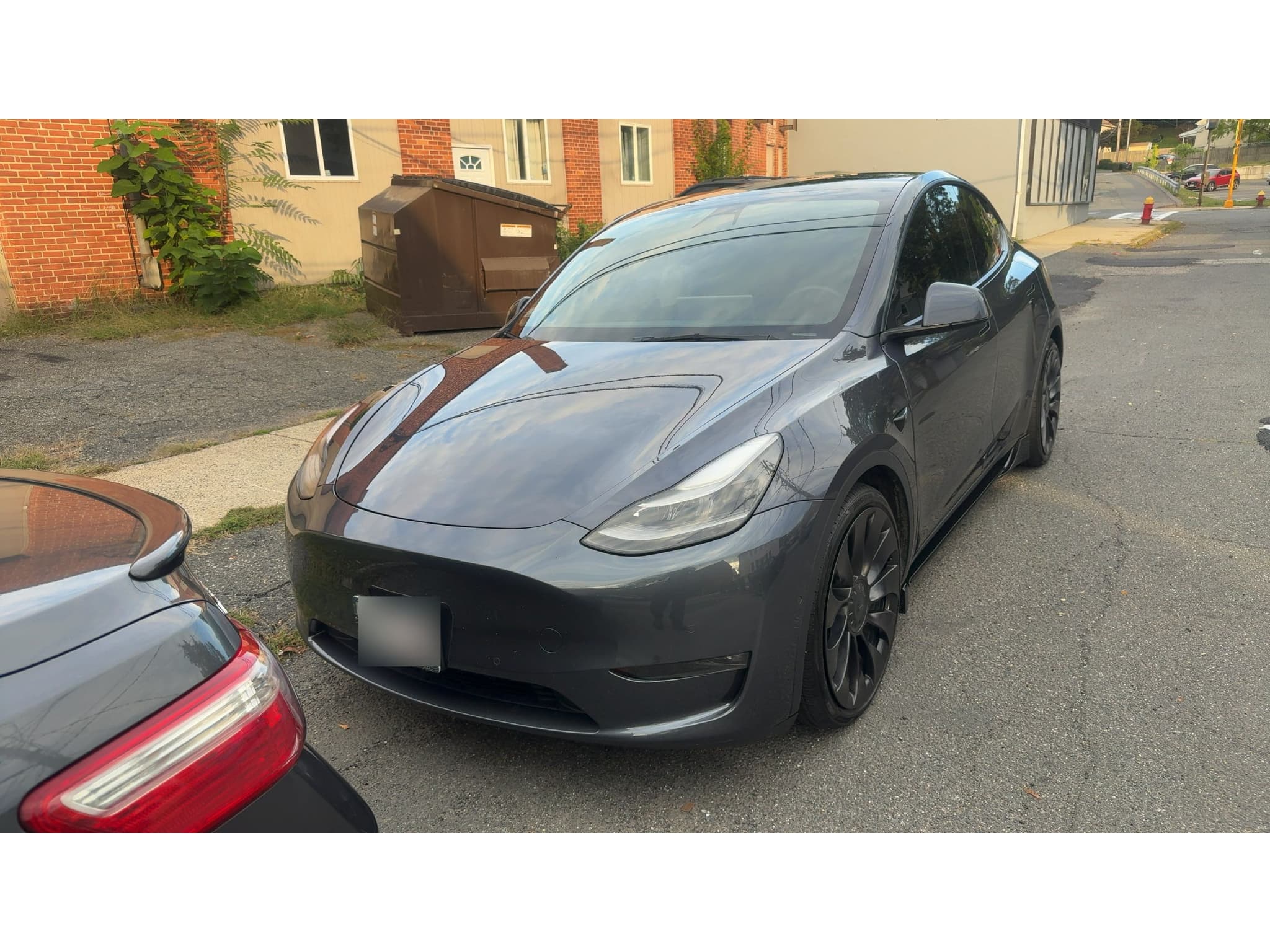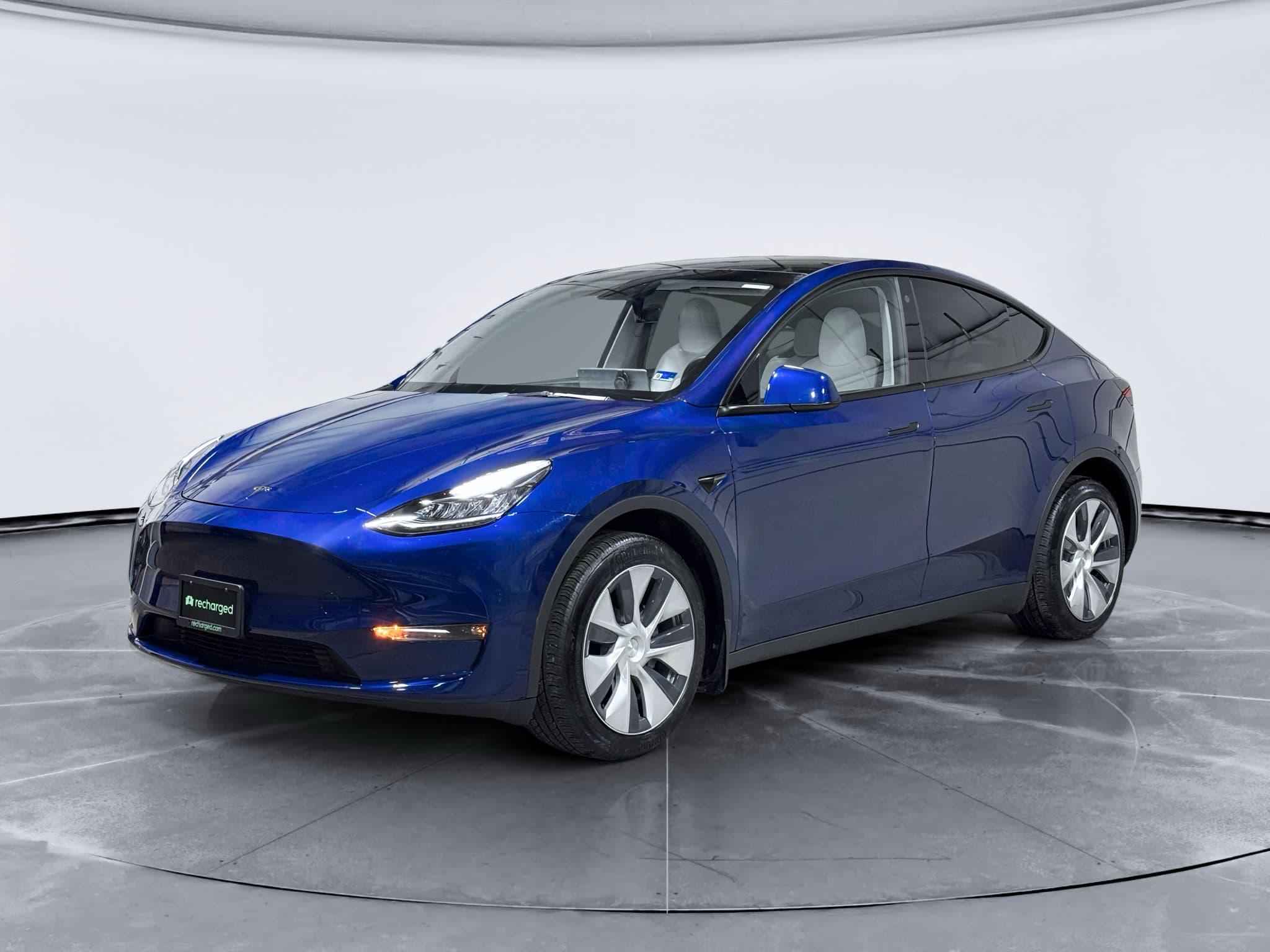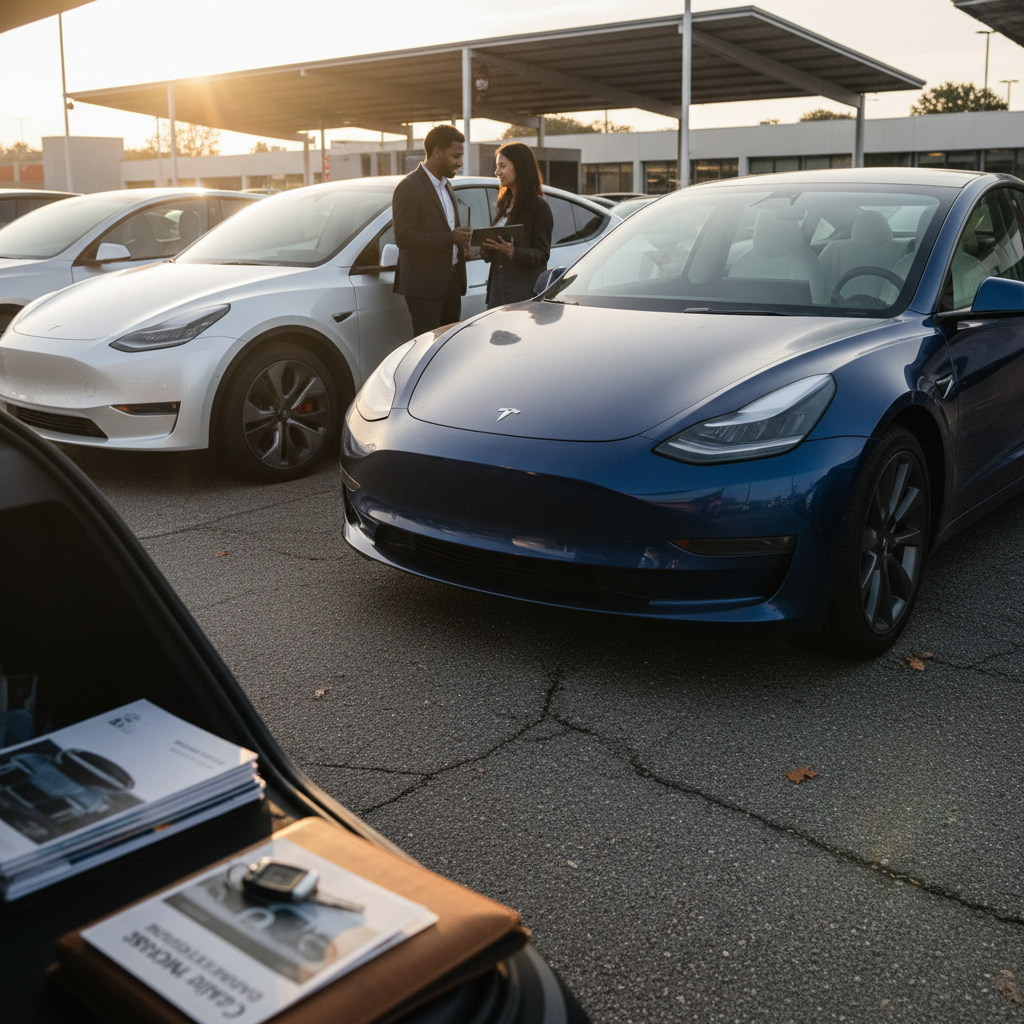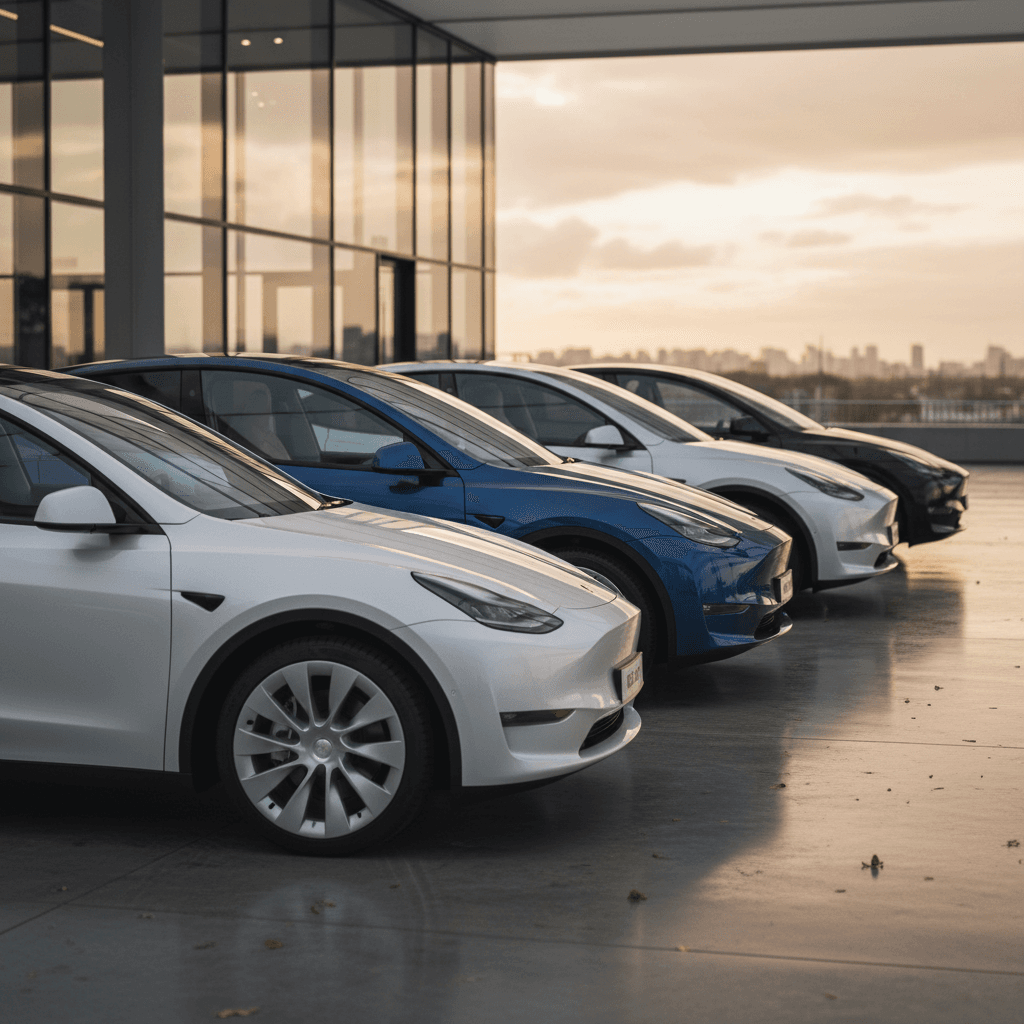
You can tell a lot about a Tesla Model Y owner from the paint. Stealth Grey says "I know exactly what I bought." Ultra Red says "I’d like strangers to have opinions." Pearl White says "I read the lease agreement." If you’re trying to pick from the **most popular Tesla Model Y colors**, or decode what those colors mean in the used market, this guide will walk you through the real tradeoffs in price, availability, and resale.
Quick context: 2026 Model Y color palette
Model Y color lineup in 2026 at a glance
Today’s Tesla Model Y color landscape
Tesla has always run a minimalist paint strategy. Compared with legacy luxury brands offering twelve ways to say "blue," the Model Y palette is a tight little jazz combo. That’s good news for you in the used market: fewer colors means clearer patterns in what sells quickly, what gets discounted, and what commands a premium.
Current and recent Tesla Model Y colors
The key paints you’ll encounter in the U.S. used market, roughly 2020–2026.
| Color | Type | Status (US) | Typical new-car upcharge | Vibe |
|---|---|---|---|---|
| Stealth Grey | Metallic/solid grey | Current, standard on many 2024+ cars | $0 (included) | Understated, techy, blends in traffic |
| Pearl White Multi-Coat | Tri-coat white | Current, common since launch | Usually $0–$1,000 depending on year | Clean, modern, "Tesla default" |
| Solid Black | Solid black | Current, paid option | Often ~$1,000–$1,500 | Formal, high-maintenance |
| Ultra Red | Multi-coat red | Current, premium | Roughly $2,000–$2,600 | Loud, sporty, extroverted |
| Quicksilver | High-end silver/grey | Current on refreshed Y, limited | Roughly $2,000–$2,600 | Sophisticated, European, rare |
| Deep Blue Metallic | Metallic blue | Phasing out in NA | Similar to other premium paints | Cool-toned, more niche |
| Midnight Silver Metallic | Metallic grey | Discontinued, replaced by Stealth Grey | Formerly $0 on some years | Classic Tesla grey, very common 2020–2023 |
| Cosmic/Glacier-type silvers & blues | Metallic | Market/trim specific, limited | Premium paint | Special-run / regional flavors |
Names and availability shift over time, but this is the short list that really matters for most buyers.
Which Tesla Model Y colors are most popular?
Tesla doesn’t publish color take-rate data, but between configurator defaults, factory options, and what’s now filling U.S. used-car lots, a clear ranking emerges. It also mirrors broader car-color data, where **white, black, grey and silver account for about four out of every five vehicles built** worldwide.
- Stealth Grey / Midnight Silver Metallic – by far the dominant "I am a crossover" shade on recent Model Ys, especially 2024+ where Stealth Grey is the free color.
- Pearl White Multi-Coat – historically the no-cost paint and still hugely popular, especially on early 2020–2023 cars and fleet vehicles.
- Solid Black – not as common as white or grey, but plentiful enough that you’ll always see a few in any used inventory.
- Midnight Silver Metallic (older cars) – on 2020–2023 examples this was often the free paint, so used volumes are high even if it’s now replaced by Stealth Grey.
- Deep Blue Metallic – less common, but not unicorn-rare; you’ll see a smattering in most larger markets.
- Ultra Red & Quicksilver – premium, newer, and rarer; you’ll see them in numbers mostly in 2024+ inventory.
- Regionals like Cosmic/Glacier-style colors – effectively collector’s items in the U.S. for now.
Reading the used lot like a poll
Color-by-color breakdown: pros, cons, and personality
Stealth Grey / Midnight Silver Metallic
Most common overall, especially on 2024+ cars. Stealth Grey replaced Midnight Silver Metallic in 2024, but the mood is the same: restrained, slightly upscale, and very on-brand for Silicon Valley anonymity.
- Pros: Ages well, hides dirt and swirl marks, easy to match if you ever repair a panel, reads expensive without screaming.
- Cons: You’ll never find your car in a crowded Supercharger field. Resale is solid but rarely gets a color-driven premium, there’s just too much supply.
- Best for: Daily-driver duty, company cars, anyone who wants to blend in but still look like they did the math.
Pearl White Multi-Coat
This is the **default mental image** people have of a Model Y: white paint, black glass roof, dark trim. For several years it was the no-cost color in many markets, which is why so many used examples are white.
- Pros: Stays visually clean longer than black, high contrast with the dark glass and trim, good perceived value, and widely loved in the mainstream market.
- Cons: More visible panel misalignment, shows road grime in winter climates, and in the wrong light can look a bit refrigerator-appliance.
- Best for: Resale-conscious buyers, rideshare / fleet use, and anyone who wants the “canonical” Tesla look.
Solid Black
Every car brand’s most honest color. It looks stunning clean and tragic three minutes later. On the Model Y, black lowers the visual center of gravity, shrinking the car and giving it a more premium, almost Germanic silhouette.
- Pros: Sleek, formal, and pairs beautifully with the minimalist interior. Looks great with larger wheels and dark tint.
- Cons: Shows every wash mark, pollen grain, and parking-lot insult. In hot climates, cabin temps rise faster. Expect to work for your aesthetics.
- Best for: Enthusiasts who enjoy detailing, urban buyers who park indoors, people who like their tech a little sinister.
Deep Blue Metallic
Blue is where the Model Y stops apologizing and starts expressing a personality. **Deep Blue Metallic** is rich but not cartoonish, closer to German premium blues than econobox "electric blue."
- Pros: Stands out without tanking resale, doesn’t show dirt as brutally as black, and feels less fleet-spec than grey or white.
- Cons: Smaller production volume means fewer choices in the used market. Some buyers find the shade conservative rather than playful.
- Best for: Private owners planning to keep the car, buyers in cloudy climates where the metallic really earns its keep.
Ultra Red (and older Multi-Coat Red)
Tesla’s red has always carried a price tag, and a certain extroversion. **Ultra Red**, which replaced earlier Multi-Coat Red on the Model Y, is deeper and more saturated, and on the road it might as well have sirens.
- Pros: Rare, visually dramatic, reads as the "expensive one" to most onlookers. Historically, red has held value well on some Teslas because supply is lower.
- Cons: Highest paint cost when new, easier to spot minor repairs, and not everyone wants their family car to look like a performance crossover.
- Best for: Drivers who enjoy attention, Performance trim shoppers, and anyone who never wants to lose their car in a parking structure again.
Quicksilver, Cosmic Silver & other premium greys
Quicksilver (and region-specific silvers like Cosmic Silver or glacier-style paints) are Tesla’s nod to European taste. They’re more complex, more reflective, and typically more expensive.
- Pros: Gorgeous in natural light, feel rarer than standard greys, and telegraph “I paid extra” to those in the know.
- Cons: Limited availability in North America, paint repairs can be trickier to match, and there’s not yet long-term resale data for these shades.
- Best for: Design-conscious buyers, shoppers hunting a late-model used Y that doesn’t look like every other Uber at the airport.

New vs. used Model Y colors: what’s actually on the market
If you’re buying new, your palette is whatever Tesla feels like building this quarter. If you’re buying used, which is where Recharged lives, the color story gets more interesting. Production changes, regional packages, and trim-specific limits all shape what you’ll actually find when you start filtering for paint.
How color availability differs: new vs. used Model Y
Understanding the pipeline helps you set realistic expectations before you fall in love with Ultra Red on Instagram.
New 2026+ Model Y
Expect a tightly curated set of colors, especially on value-oriented trims like the Standard / RWD and lower-priced AWD versions where Tesla limits options to keep production simple.
- Stealth Grey as the common default
- Pearl White, Solid Black as paid options
- Ultra Red and Quicksilver available on higher or launch trims
2020–2023 Used Inventory
This is where the volume is. Early Model Y years were built in enormous numbers with Pearl White and Midnight Silver as the budget-friendly choices.
- Sea of white and grey cars
- Noticeable but modest numbers of black
- Fewer blue and red cars, sometimes priced stronger
Special & Regional Colors
China and Europe saw additional paints (Cosmic Silver, Glacier-like blues, Midnight Cherry Red). A few will trickle into U.S. inventories via imports or relocations, but don’t plan a buying strategy around them.
If you see one in the wild, that’s a story car, not the norm.
Standard trims, standard colors
How color affects price, depreciation, and days-on-market
Color does not move a Model Y’s price the way battery health, mileage, and Autopilot options do. But it absolutely **nudges** what a given car will bring, how long it sits, and how many buyers swipe right when your listing shows up on their phone.
Five ways color quietly changes your Model Y’s value story
1. Upfront paint cost vs. used-market reality
On a new car, Ultra Red or Quicksilver can add thousands. On a three-year-old used Model Y, that full premium doesn’t survive. You may see a few hundred to maybe a thousand dollars of retained value in prime-condition examples, but the rest has vaporized into “curb appeal.”
2. Supply and demand by shade
Because greys and whites dominate production, they’re everywhere in the used market. That keeps prices competitive, and gives shoppers leverage. Rarer colors (blue, red, premium silver) can command firmer pricing simply because fewer show up with your mileage and options mix.
3. Regional preferences
In sunbelt states, white and light silver are easier to sell thanks to heat and glare. In snowbelt regions, some buyers avoid white because dirty slush hides nothing. Local taste matters when you go to **trade in or get an instant offer**.
4. Perceived condition
Black and dark blue accentuate scratches, swirls, and mismatched panels. A tired black Model Y will photograph worse than a tired grey one, even if the paint meter tells the same story. That impacts interest and negotiation dynamics.
5. Fleet vs. personal-use optics
White and grey have a whiff of rideshare and company-car about them now. That’s not necessarily bad, but buyers looking for a "special" car sometimes over-index toward red, blue, or premium silver and will pay a touch more to get out of fleet-town.
Best Tesla Model Y colors if you care about resale
Because the Model Y is still a relatively young nameplate, long-term color/resale statistics are thin. But looking at broader Tesla and EV data, plus how cars behave at auction and in retail channels, we can make some educated calls.
Color picks through a resale lens
If you know you’ll sell or trade your Model Y in the next 3–7 years, these shades are the safest bets.
Pearl White Multi-Coat
The safest long-game play. White remains one of the most popular car colors globally, and Tesla’s Pearl White has essentially become the brand uniform.
On the used side, white Model Ys don’t always bring more money than grey twins, but they almost never bring less and tend to move quickly if the car is otherwise well-specced.
Stealth Grey / Midnight Silver
The other easy choice. Neutrals have broad appeal, work on every trim and wheel combo, and don’t scare off conservative buyers.
Because supply is huge, these cars compete on condition and pricing, not color rare-ness, good news if you want to buy right now, neutral news when you go to sell.
Selective upside: Red & Blue
Historically, red Teslas hold value relatively well because they’re less common, and blue isn’t far behind. With Model Y still maturing, we’re already seeing some strong money for clean Ultra Red and Deep Blue cars, especially in Performance trim.
If you’re buying used, expect to pay a modest premium vs. an equivalent grey or white car.
Where Recharged’s battery-first lens comes in
Choosing the right Model Y color for you
The right color is part math, part personality test. The Model Y is a profoundly rational object, massive interior volume, low running costs, a kind of brutalist efficiency. Your color is the one chance to inject taste into what is otherwise an algorithm. Here’s how to make a choice you won’t resent in three winters.
Color decision checklist for Tesla Model Y shoppers
1. How long will you keep it?
If you’re planning to hold the car for 6–8 years, buy what makes you happy every time you walk up to it. If you’re flipping in 2–3 years, lean toward Pearl White or Stealth Grey, broad appeal, minimal drama.
2. Where does the car live?
Street-parked in a dense city? Greys and silvers hide the inevitable nicks. Garage-parked in Phoenix? White or silver will be more forgiving in the sun than black or Ultra Red.
3. How much do you like washing cars?
If you don’t enjoy detailing, be honest. Black and dark blue are harsh bosses; white and mid-grey are merciful. The Model Y has a lot of vertical sheetmetal, it’s a big canvas for water spots.
4. Are you picky about panel gaps and blemishes?
Teslas have improved, but not to Toyota levels of body precision. White and silver will make alignment quirks more obvious; darker greys and blues do a better job of disguising the odd shadow line.
5. Do you care about standing out?
If you hate driving the same spec as every rideshare in town, skip white and mid-grey and look for Deep Blue, Ultra Red, or a premium silver. On Recharged, use filters to zero in on those paints and compare battery health side by side.
Shopping used? Start with condition, not color.
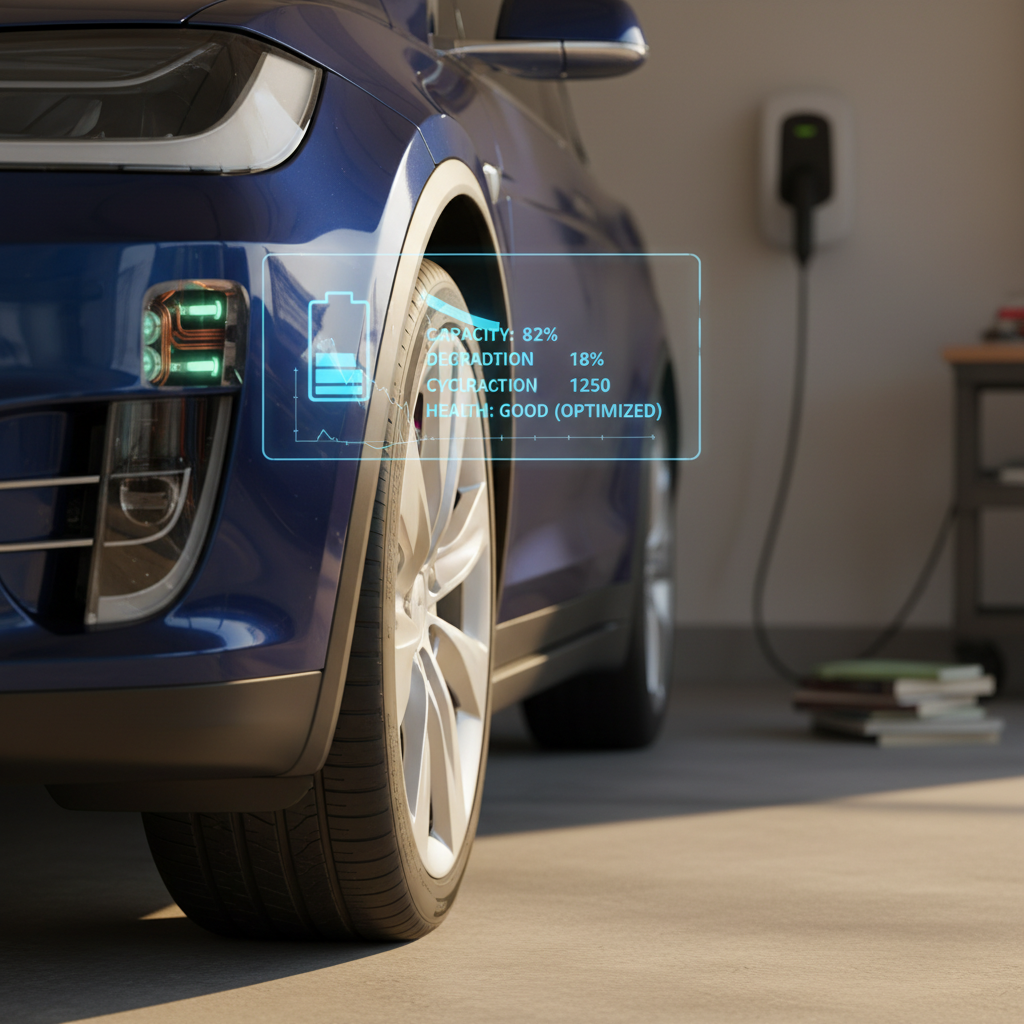
In the used EV world, a healthy battery, clean history, and transparent pricing are worth far more than a rare paint color. A grey Model Y with a strong Recharged Score will be a better long-term companion than a red one with a tired pack and lots of DC-fast-charging abuse.
On Recharged, you can see verified battery diagnostics, charging behavior, and pricing analysis on every car, then narrow by color once you’ve found the right mechanical story.
Already own a Model Y? Thinking about selling?
If you’re sitting on an Ultra Red or Deep Blue car in great condition, you may see stronger offers than neighbors in grey or white, especially if your mileage is low and tires are fresh.
You can request an instant offer or explore consignment with Recharged, where our team factors color into pricing alongside battery health, options, and market demand to help you list at the right number the first time.
Frequently asked questions about Tesla Model Y colors
Model Y color FAQs
Bottom line: which Model Y colors are worth chasing?
If you approach the Tesla Model Y like an appliance, the answer is simple: buy **Pearl White** or **Stealth Grey**, make sure the battery is healthy, and forget about it. Those are the most popular colors for good reason, they’re cheap (or free) when new, they always look appropriate, and they’re easy to resell. If you approach the Model Y as an object you’ll live with for years, then the right color is the one that makes you glance back at it in the parking lot.
In a used market as deep as the Model Y’s, you can afford to be choosy. Use tools like the Recharged Score Report to lock in battery health and fair pricing first, then filter for the paints that fit your climate, your tolerance for car-washing, and your appetite for attention. The good news: whether you land on anonymous grey or billboard red, there’s a Model Y out there that fits both your spreadsheet and your mirror.