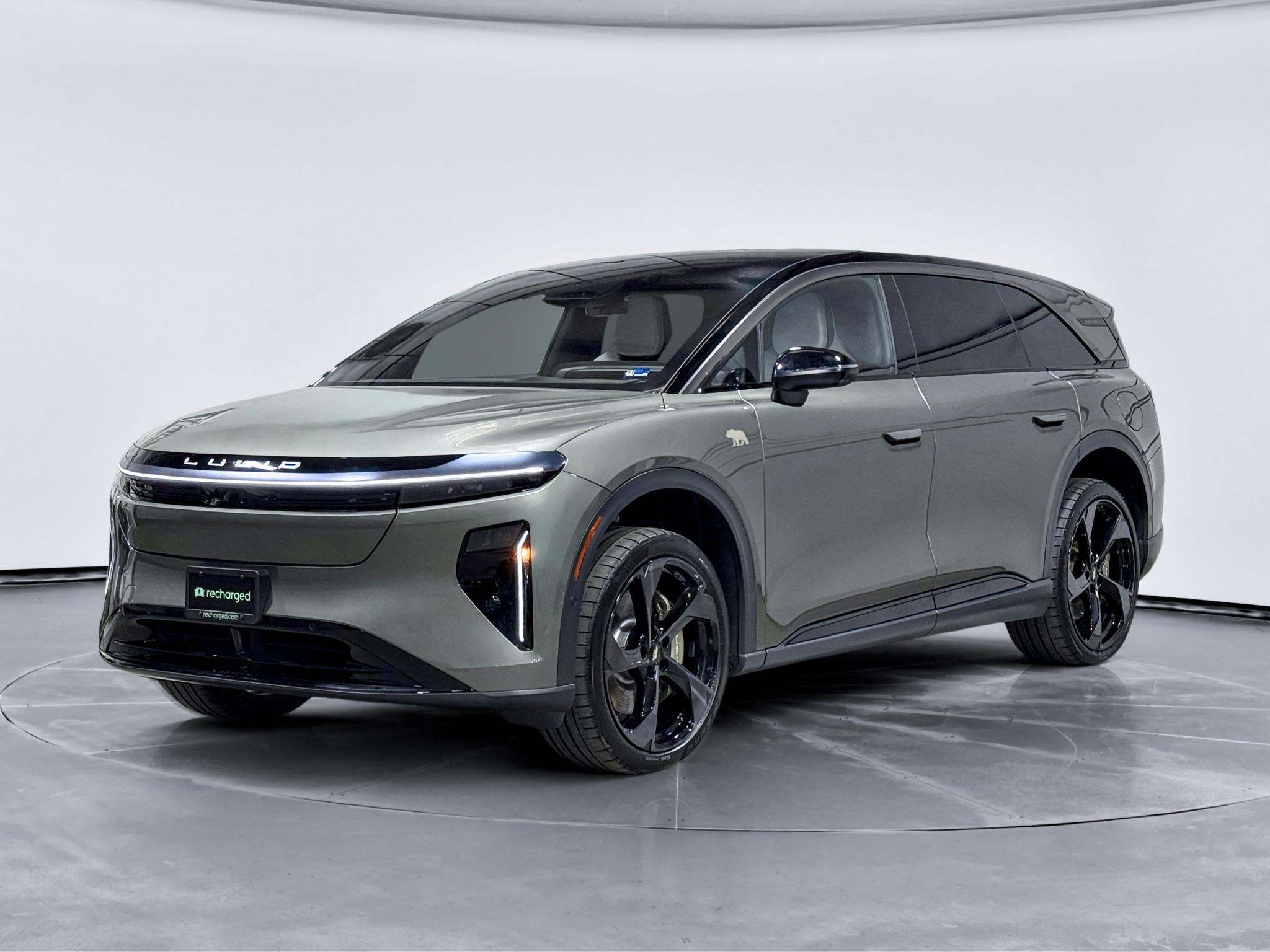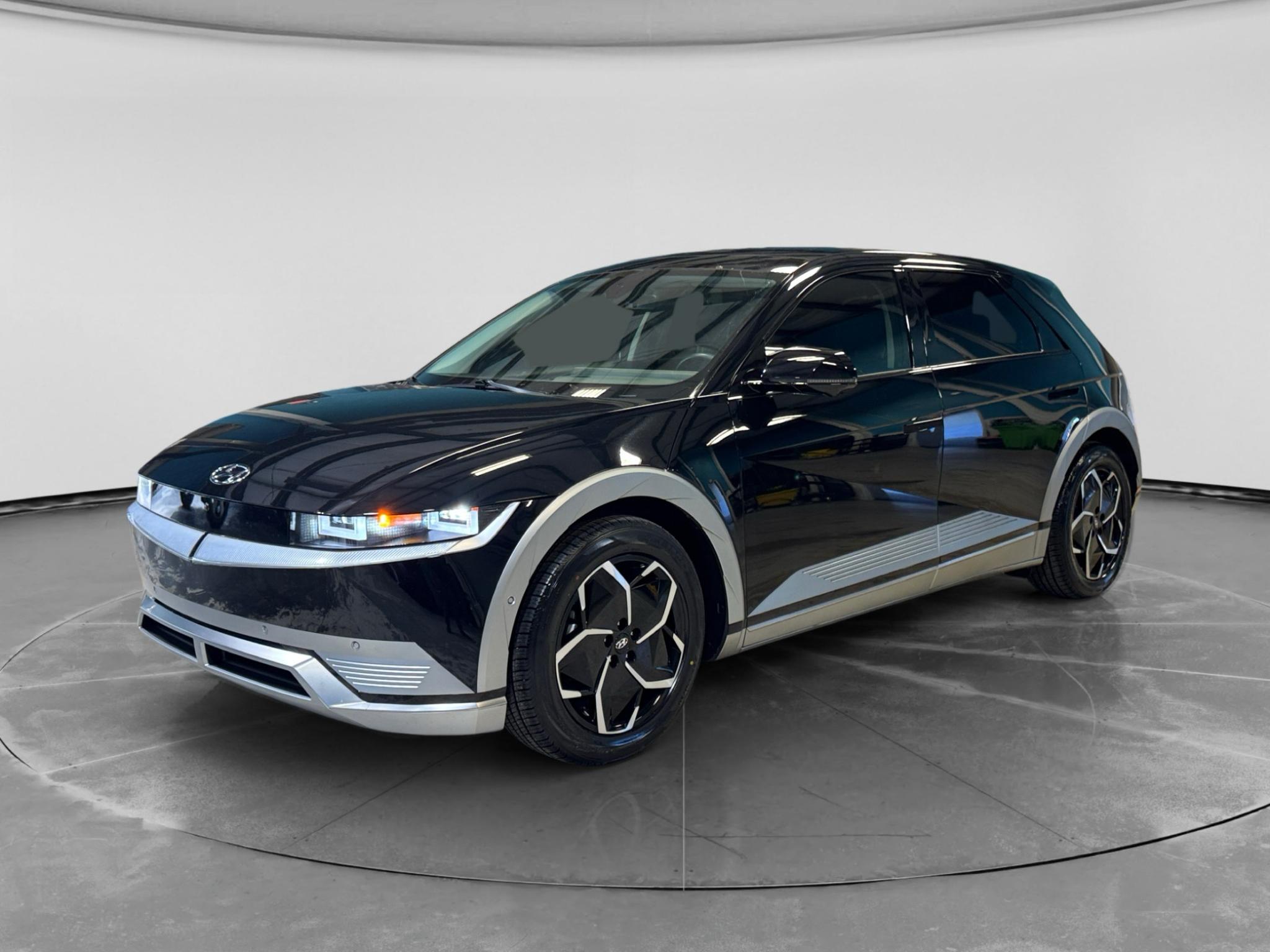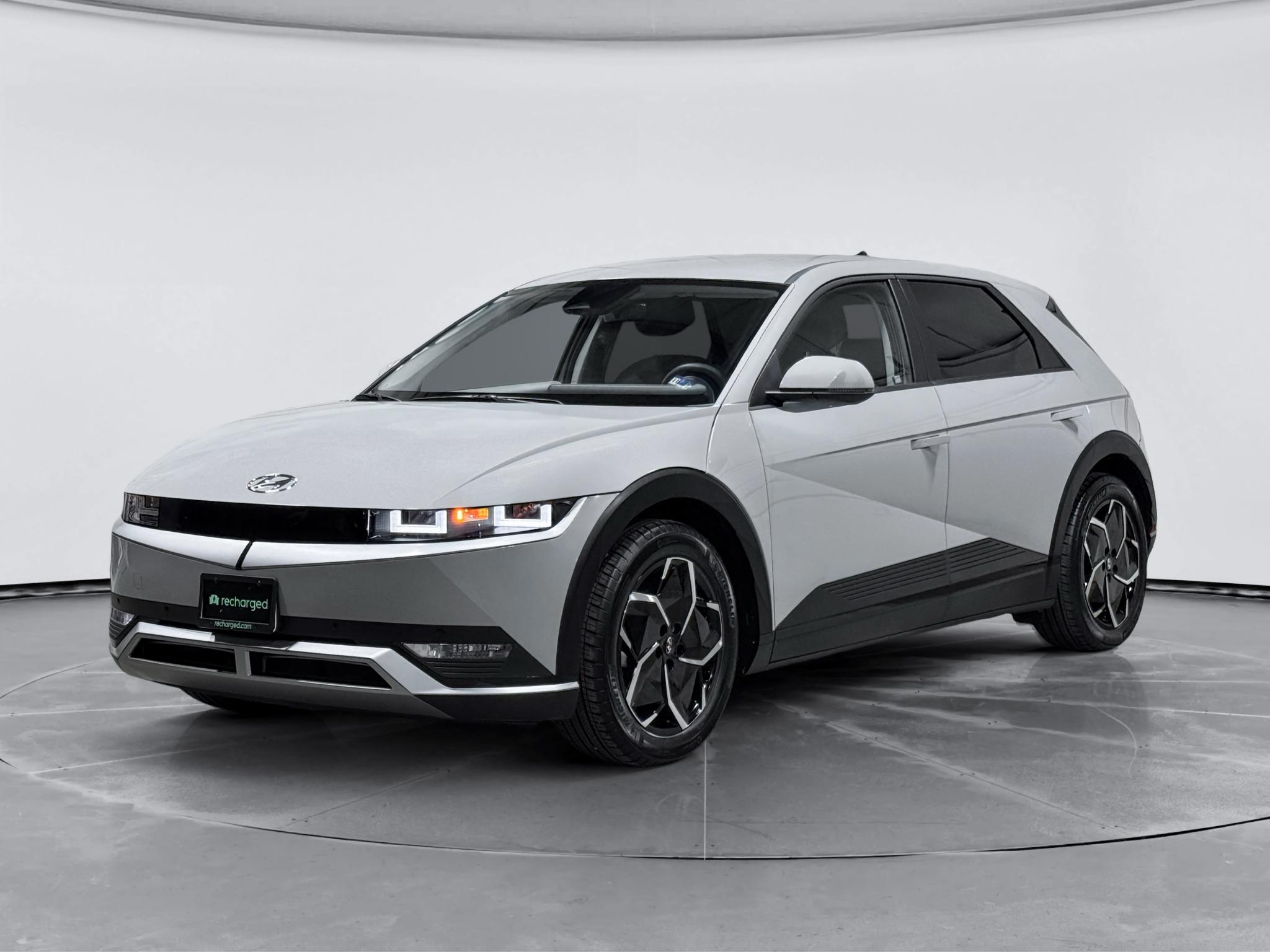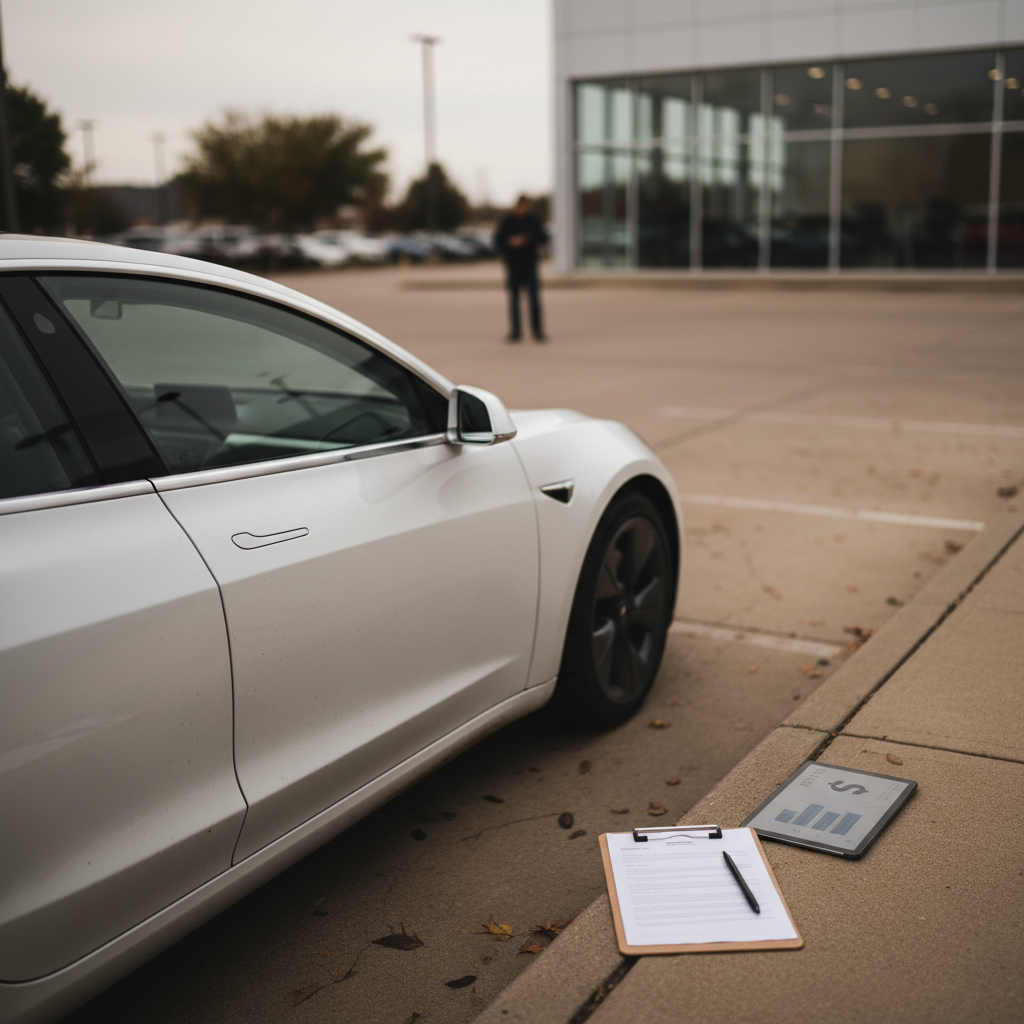
There’s no universally best place to sell an electric car because each route optimizes for something different. A dealer reduces friction when you’re buying another vehicle, Carvana provides a standardized online process, and a private buyer may pay more if you can handle the work and risk. An EV specialist adds another option: an instant purchase for convenience or consignment when you’re willing to wait for greater retail exposure. The right decision starts with comparing net proceeds, not simply accepting the first headline offer.
Dealer, Carvana, private sale, and Recharged compared
The best route depends on whether you value payout potential, speed, or convenience most. Get written offers based on the same mileage, condition, equipment, and payoff information so the comparison is fair. If an offer changes after inspection, ask the buyer to identify the condition or equipment issue that caused the adjustment.
Your four selling paths
Compare the practical strengths and trade-offs before requesting offers.
| Option | Best for | Speed | Main trade-off | EV expertise |
|---|---|---|---|---|
| Dealer trade-in | One-stop transaction | Fast | Value may be conservative | Varies |
| Carvana | Standardized online sale | Fast | Automated offer may vary | Generalist |
| Private sale | Highest gross potential | Slow or uncertain | Time, risk, paperwork | Buyer-dependent |
| Recharged | EV-specific valuation | Fast to medium (days to weeks) | Instant offer or consignment | EV specialist |
Speed varies with vehicle condition, title status, location, and the selling method selected.
A dealer trade-in is most compelling when convenience outweighs the possibility of a stronger separate offer. Carvana serves a similar convenience-first buyer but separates the sale from your next purchase. Private sale offers the most pricing control, while Recharged lets you compare an EV-specialist instant offer with a consignment path that can take longer.
Which option is most likely to pay the most?
A private sale usually has the highest gross-price potential, but it doesn’t automatically produce the highest net result. You may need to prepare the EV, answer inquiries, arrange test drives, verify payment, complete title documents, and manage a lender payoff. Any repair, detailing, listing, transportation, or transaction cost should be subtracted before you compare the private-sale figure with an instant offer.
Dealer and Carvana offers are built around resale risk, inspection findings, transportation, preparation, and the buyer’s expected margin. A dealership that doesn’t specialize in EVs may also value unfamiliar battery, software, charging, or equipment details cautiously. That doesn’t mean its offer will always be low, but it does mean you should compare it with an online buyer and an EV specialist before signing over the vehicle.
It really helps us to get your vehicle out to people who are EV enthusiasts, because we specialize in EVs and nothing but EVs.
Separate the sale from the purchase
What Recharged’s market data shows
Recharged’s current data shows active seller and buyer activity across a broad mix of used EVs. The seller-demand snapshot logged 5,854 offer requests, compared with 7,732 in the prior comparison period; this indicates Recharged is actively evaluating vehicles, not what any individual EV will be offered. Model, mileage, condition, battery health, equipment, title history, location, and current inventory needs still determine an actual offer.
Across 1,796 EVs sold by Recharged during the trailing 12 months, buyers paid an average retail price of $29,901 and a median retail price of $27,297. These are final prices paid by retail buyers across the fleet, not seller payouts, discounts, or estimates for your particular EV. A Recharged instant offer or trade-in will land below retail, typically by several thousand dollars, because the vehicle still has to be transported, inspected, prepared, marketed, supported, and resold.
Monthly median retail prices in the same Recharged data ranged from $23,928 to $30,998. Because the data covers a changing mix of makes, models, ages, mileage, and condition, that movement shouldn’t be treated as an appreciation rate for your EV. The useful takeaway is that a broad market average can establish context, but an offer must be based on the specific vehicle in front of the buyer.
Recharged data
Selling to Recharged
We're actively buying EVs
Final purchase amounts are set after inspection and review.
Based on Recharged purchase offers
Recharged data
Recent EV sold prices
$27,297
median sold price
What buyers actually paid through Recharged, not list price.
- Lowest
- $500
- Average
- $29,901
- Highest
- $129,998
Monthly median sold price
Based on Recharged sales in the last 12 months
Instant offer, trade-in, or consignment. Pickup available.
Battery documentation can reduce uncertainty
Verified battery information can help an EV specialist or informed private buyer distinguish your car from an otherwise similar listing. Battery health describes how much usable capacity remains relative to the pack’s expected condition, but it isn’t the same as the range shown on the dashboard. Recharged uses a Recharged Score Report with verified battery health as part of making used-EV condition more transparent; learn more in our battery-health guide.
Documentation doesn’t guarantee a higher offer, but missing information can create uncertainty that a buyer prices conservatively. Gather service records, charging equipment, adapters, both keys, original accessories, and records for major battery or drivetrain work. Also disclose warning lights, charging problems, accident repairs, tire wear, cosmetic damage, and software features accurately so the offer is less likely to change after inspection.
Can you sell an EV that still has a loan?
Yes, you can sell an EV with an outstanding loan, but the lender must be paid and the title released through an agreed process. First obtain a current payoff statement and compare it with the accepted offer; if the payoff is higher, you’ll need to cover the difference, while positive equity is paid to you after the transaction is settled. A dealer or professional buyer may coordinate directly with the lender, whereas a private sale usually requires more coordination among you, the buyer, and the lienholder.
When we finalize this, I’ll make the payoff on the car. That ensures the title comes directly to me, and I’ll wire you the difference.
Before handing over the EV, confirm in writing who sends the payoff, who receives the title, when any equity is paid, and who takes possession. Don’t rely on a dashboard payoff estimate or an old loan statement because the lender’s current figure controls the transaction. For a fuller walkthrough, see how to sell an EV with a loan.
How to compare EV offers correctly
The safest way to compare offers is to standardize the vehicle information and calculate what you’ll actually receive. Complete each appraisal close together so mileage, condition, and market conditions remain comparable. Then read the inspection, pickup, payoff, expiration, and payment terms rather than ranking buyers by the largest initial number alone.
Your EV selling checklist
Document the exact vehicle
Use the VIN, current mileage, equipment, color, keys, charging accessories, and accurate condition details for every quote.
Get the loan payoff
Request a current payoff statement and confirm whether the buyer will pay the lender directly.
Collect multiple written offers
Compare a dealer, Carvana, and an EV specialist before deciding whether a private listing is worth the extra work.
Calculate net proceeds
Subtract payoff, repairs, preparation, transport, listing costs, consignment fees, and any other transaction expenses.
Check adjustment terms
Find out whether the quote is firm, what the inspection covers, when it expires, and what can reduce it.
Protect your accounts
After payment and handoff are confirmed, remove personal data, keys, charging accounts, apps, and connected services.
If you’re considering a private sale, compare its expected net proceeds with the best firm professional offer, not with an optimistic asking price. Decide in advance how much extra money would justify screening buyers, arranging drives, handling payment, and waiting for the right person. You can also review the factors that determine what an EV is worth before setting a price.
Every EV is battery-tested with a Recharged Score. Nationwide delivery.
Frequently asked questions
Choose based on net value, not one headline number
Choose a private sale when the added payout potential clearly compensates you for the time and transaction risk; choose Carvana when a standardized online process matters most; and choose a dealer when you want to combine the sale with your next purchase. Before committing, add an EV-specialist offer so battery condition, charging equipment, software, and model-specific demand can be evaluated by a buyer familiar with them. The winning option is the one that leaves you with the best combination of net proceeds, certainty, and acceptable effort.