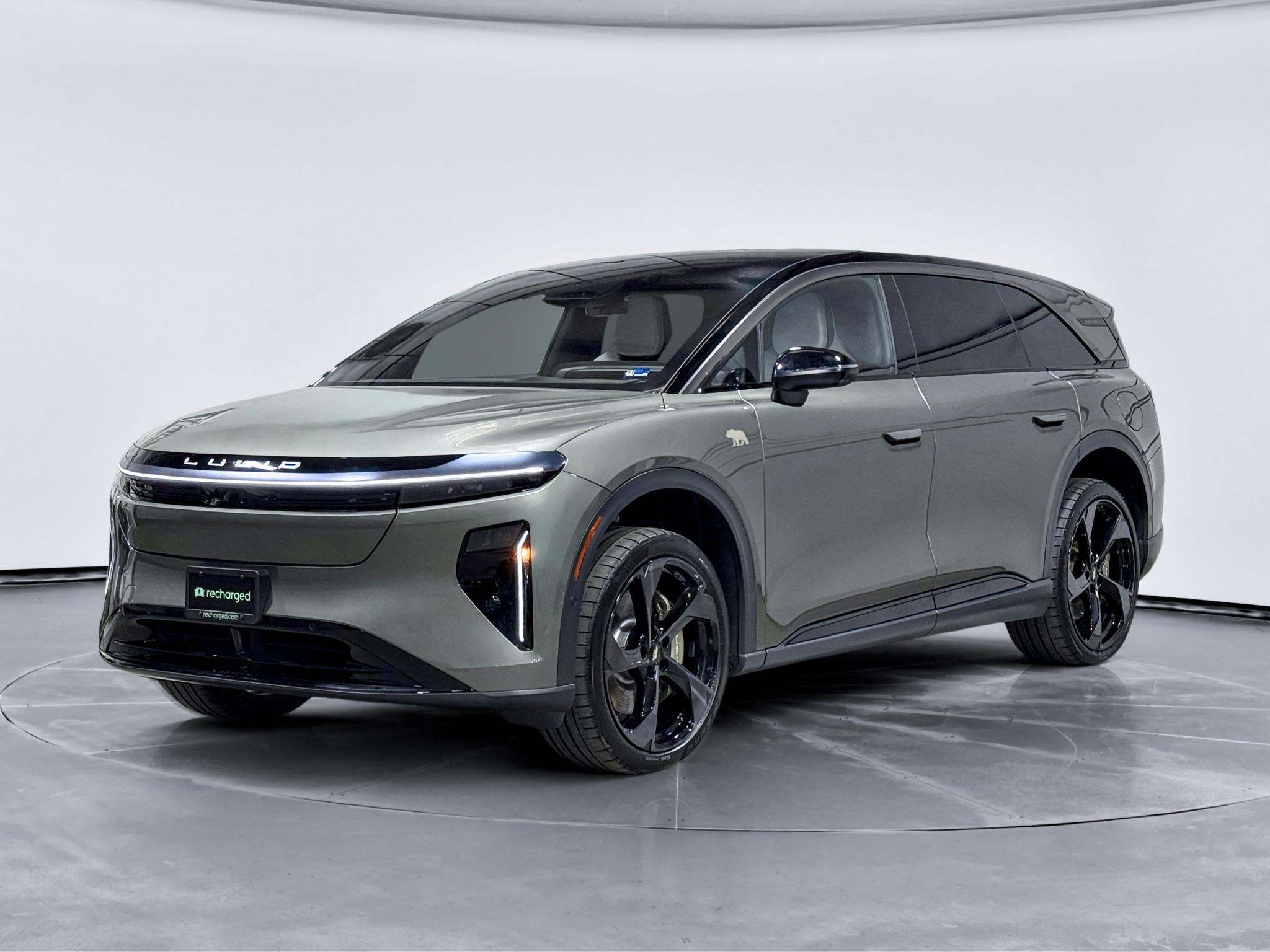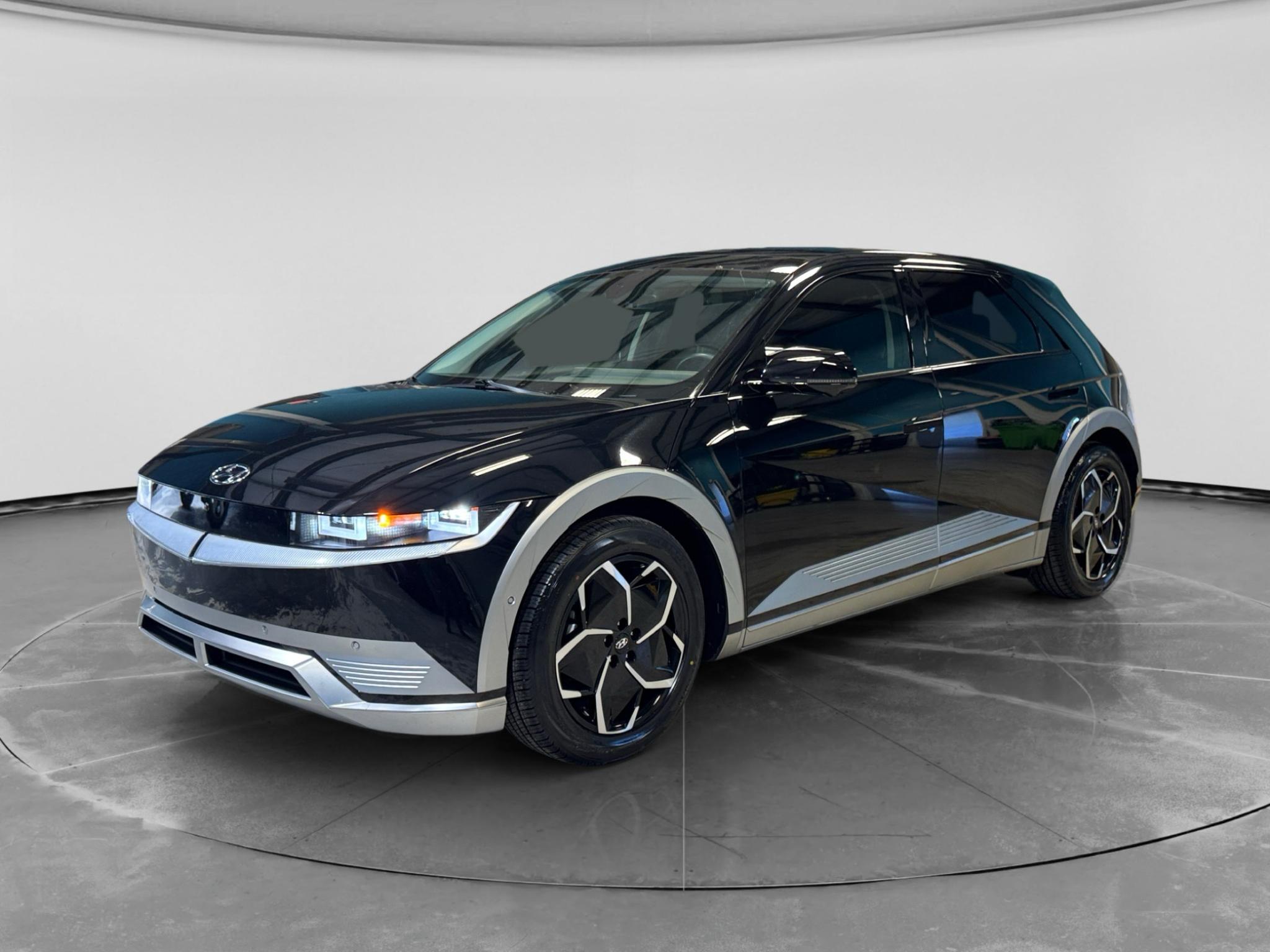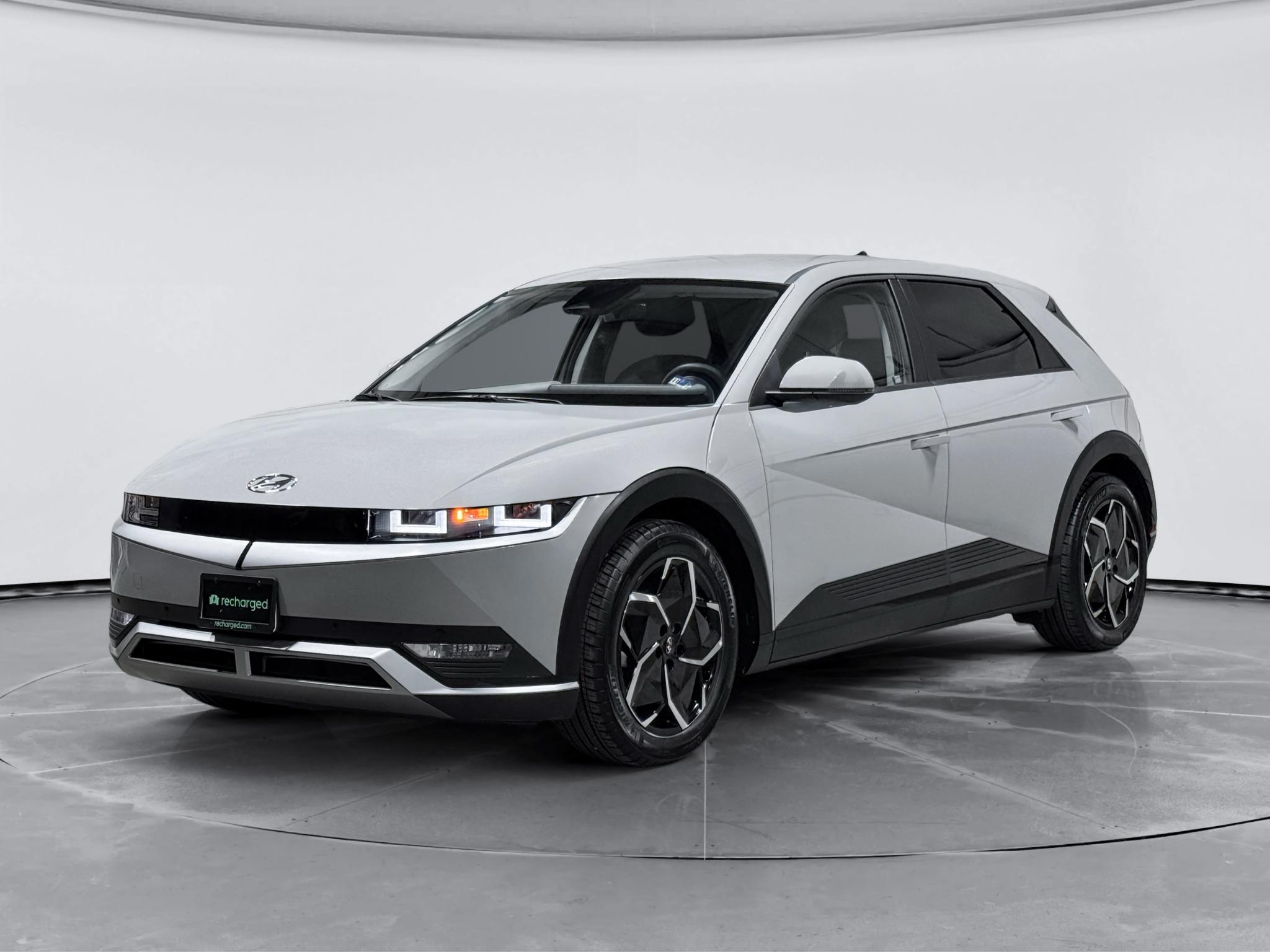
The model badge alone won’t tell you how long a charging stop will take. A car’s peak rate matters, but so do battery temperature, state of charge, charger capability, software limits, and whether the vehicle preconditioned its battery before arrival. More importantly for a used-EV buyer, charging speed and battery condition need to be evaluated separately rather than treating any history of DC fast charging as proof of damage.
What did we observe by model?
Recharged’s available road observations show a large difference between Level 2 charging and a preconditioned DC fast-charging stop, even on the same Tesla Cybertruck. These aren’t controlled laboratory tests or manufacturer peak-rate specifications, so the results should be read as real trip examples, not a complete charging leaderboard. Level 2 is the higher-powered home or workplace charging commonly used for longer sessions, while DC fast charging is designed for shorter stops during travel.
Recharged charging observations
Real-world examples from Recharged road use and battery inspections. Displayed miles per hour indicate estimated range being added, not electrical charging power in kilowatts.
| Model | Test scenario | Observed result | Battery context |
|---|---|---|---|
| Tesla Cybertruck | Level 2 at work | ~160 miles, 7+ hours | No diagnostic attached |
| Tesla Cybertruck | Preconditioned DC fast charge | >530 displayed mi/hr | Rate later slowed |
| Kia EV6 | Battery inspection only | Speed not measured | 100% tested capacity |
Observed results depend on the vehicle, charger, battery temperature, and starting charge level.
Miles per hour isn’t charging power
During the Cybertruck trip, the battery began preconditioning roughly an hour and a half before the stop. The vehicle arrived with about 30 miles of displayed range, initially showed more than 530 miles per hour being added, and estimated 10 minutes before the driver could continue the trip. After the rate tapered, the display showed just over 330 miles per hour and roughly 20 minutes remaining to reach the selected 80% limit.
It’s fast, it won’t disrupt my day, and it keeps this thing on the road.
What Recharged’s battery tests show
Recharged’s inspections show that the used-EV batteries tested generally retained a high share of their original capacity. Across 2,242 Recharged Score battery inspections, average tested remaining capacity was 93.9% and the median was 94.9%; individual results ranged from 63% to 100%. Tested real-world range averaged 266 miles, with a 268-mile median, although the fleet includes different models, battery sizes, ages, and operating histories.
The correct conclusion is that fast charging didn’t automatically produce a weak battery in the vehicles Recharged inspected. It would be incorrect, however, to use the fleet average as proof that frequent fast charging has zero effect: the snapshot doesn’t isolate charging behavior from age, mileage, climate, battery chemistry, thermal management, or storage habits. That is why a direct diagnostic is more useful than assumptions about the previous owner’s charging routine.
One inspected 2023 Kia EV6 illustrates the distinction. With almost 9,000 miles, its 77-kWh pack tested at 100% remaining capacity, produced an estimated 274 miles of range, and showed that fast charging accounted for 7% of its recorded charging history. It was a single healthy example, not proof that every EV6 or every fast-charged battery will produce the same result, but it shows why the actual diagnostic matters.
We show battery state of health and the cell-voltage readings so you can understand whether the pack is well balanced and healthy.
Recharged battery inspections
Used EV battery health
94%
average remaining battery capacity
- Lowest
- 63%
- Median
- 95%
- Highest
- 100%
Estimated range 266 mi on average · 100% passed cell balance
- Quick charges
- 18 avg
- Slow charges
- 65 avg
- Cell imbalance
- 7.3 mV avg
From Recharged battery inspections, not manufacturer estimates.
Recharged data
Used EV prices at Recharged
$30,997
median list price
Current list prices for matching inventory at Recharged.
- Lowest
- $12,996
- Average
- $34,803
- Highest
- $146,998
Average Recharged Score on these listings
4.8 / 5
Range
3.7 – 5.0
Based on available listings
Every EV is battery-tested with a Recharged Score. Nationwide delivery.
Why charging speed changes during a session
Charging speed changes because the vehicle and charger continuously manage how much power the battery can safely accept. The fastest portion commonly occurs after arrival with a warm battery and a relatively low state of charge; as the battery fills, the vehicle reduces power to control heat and protect the pack. That reduction is called the charging taper, and it explains why the Cybertruck’s displayed range-addition rate fell during the stop.
- Battery temperature: A cold or excessively hot pack may accept less power.
- Preconditioning: Supported vehicles can warm or cool the battery before a planned fast-charging stop.
- State of charge: A battery generally can’t maintain its highest charging rate as it approaches full.
- Charger capability: The station must be able to deliver the power the vehicle requests.
- Vehicle limits: Battery chemistry, pack voltage, thermal management, and software determine the acceptable rate.
- Displayed range: Miles added per hour also depend on the vehicle’s estimated energy consumption, so they aren’t ideal for comparing different models.
For a fair model comparison, look beyond an advertised peak rate and ask how long the vehicle takes to move between useful charge levels under similar conditions. A brief peak tells you less about a road-trip stop than the full charging curve, the way power rises, holds, and tapers through the session. See how DC fast charging works and our guide to EV charging levels for the terms that matter.
How to evaluate a fast-charged used EV
You should evaluate a fast-charged used EV by testing its present battery condition, not by rejecting it solely because it visited DC chargers. Charging history can provide context, but verified remaining capacity, estimated range, and cell balance provide more direct evidence about the pack you’re buying. Recharged includes those findings in its Recharged Score Report.
Used-EV battery and charging checklist
Verify remaining capacity
Compare tested capacity with the battery’s original capacity rather than relying only on the dashboard range estimate.
Review estimated range
Use a diagnostic estimate and consider whether it suits your normal driving and charging access.
Check cell balance
Large voltage differences between cells can reveal a concern that an overall range figure may not show.
Ask about charging behavior
Charging history adds useful context, but it shouldn’t replace a direct battery-health inspection.
Test the charging equipment
Confirm that the vehicle accepts the charging types you expect to use and that its port and cables operate normally.
Plan your routine
Decide whether home Level 2 charging, workplace charging, or public DC fast charging will cover your typical use.
A battery report also helps you compare two similar used EVs on evidence instead of age or odometer mileage alone. For more detail, read how to check used-EV battery health and the broader used-EV buying checklist.
Instant offer, trade-in, or consignment. Pickup available.
EV charging speed and battery FAQ
The practical takeaway
Charging speed is a system result, not a single number permanently attached to a model. The charger, battery temperature, starting charge level, route planning, and charging taper all affect the stop you experience. When buying used, prioritize verified capacity and cell-condition data: Recharged’s inspection results show that many tested batteries remained healthy, while also showing why you should judge each vehicle individually.