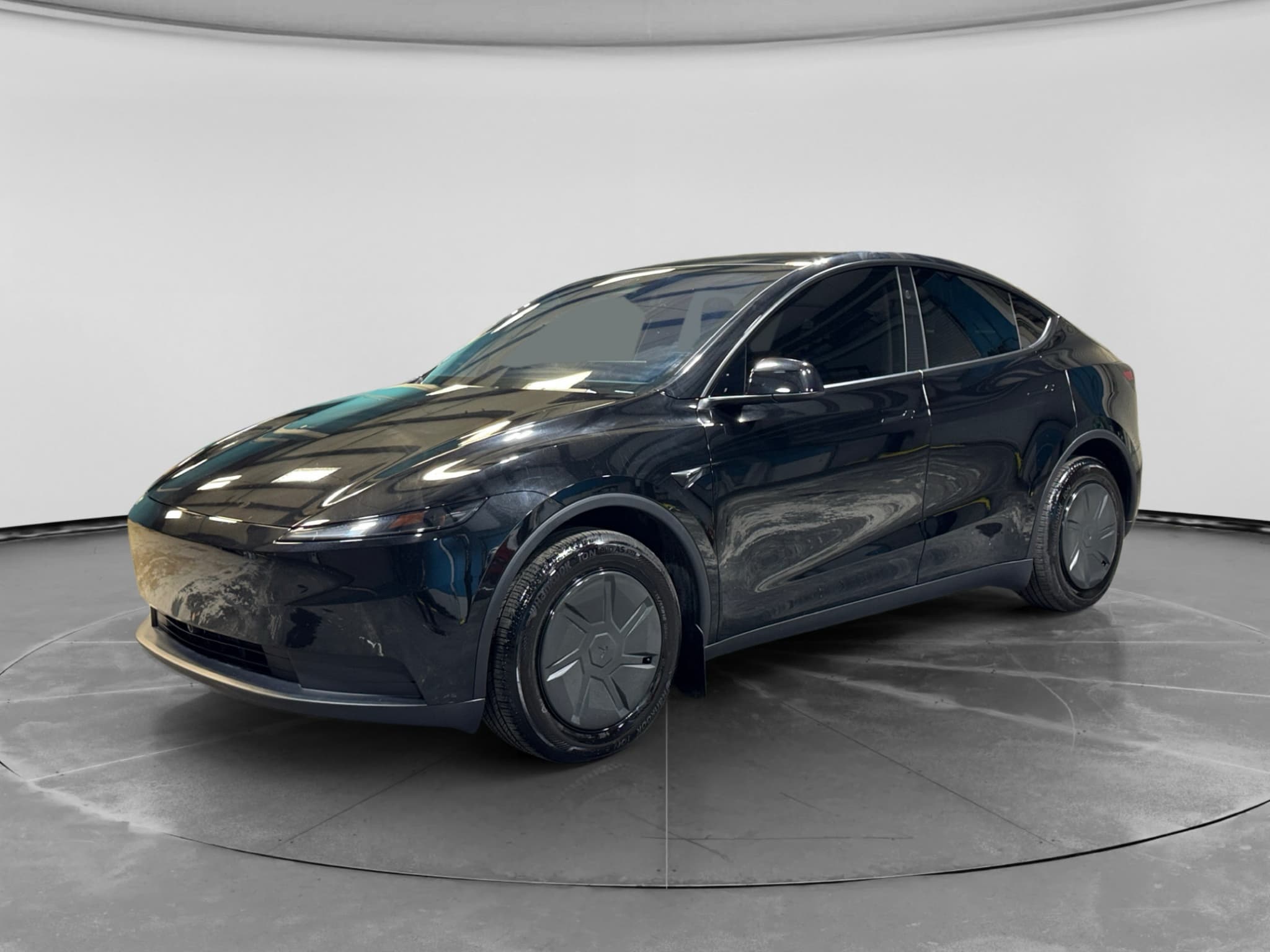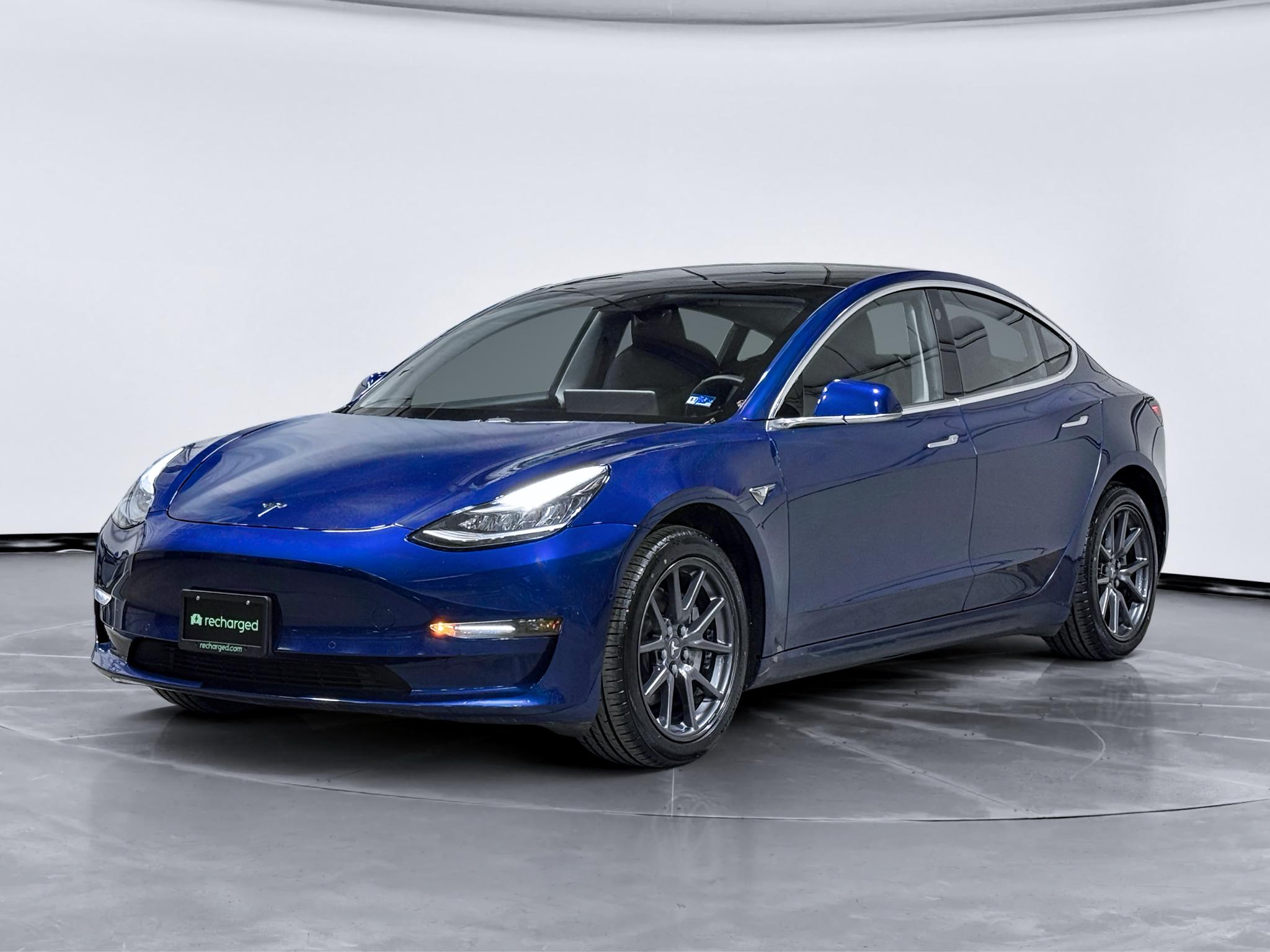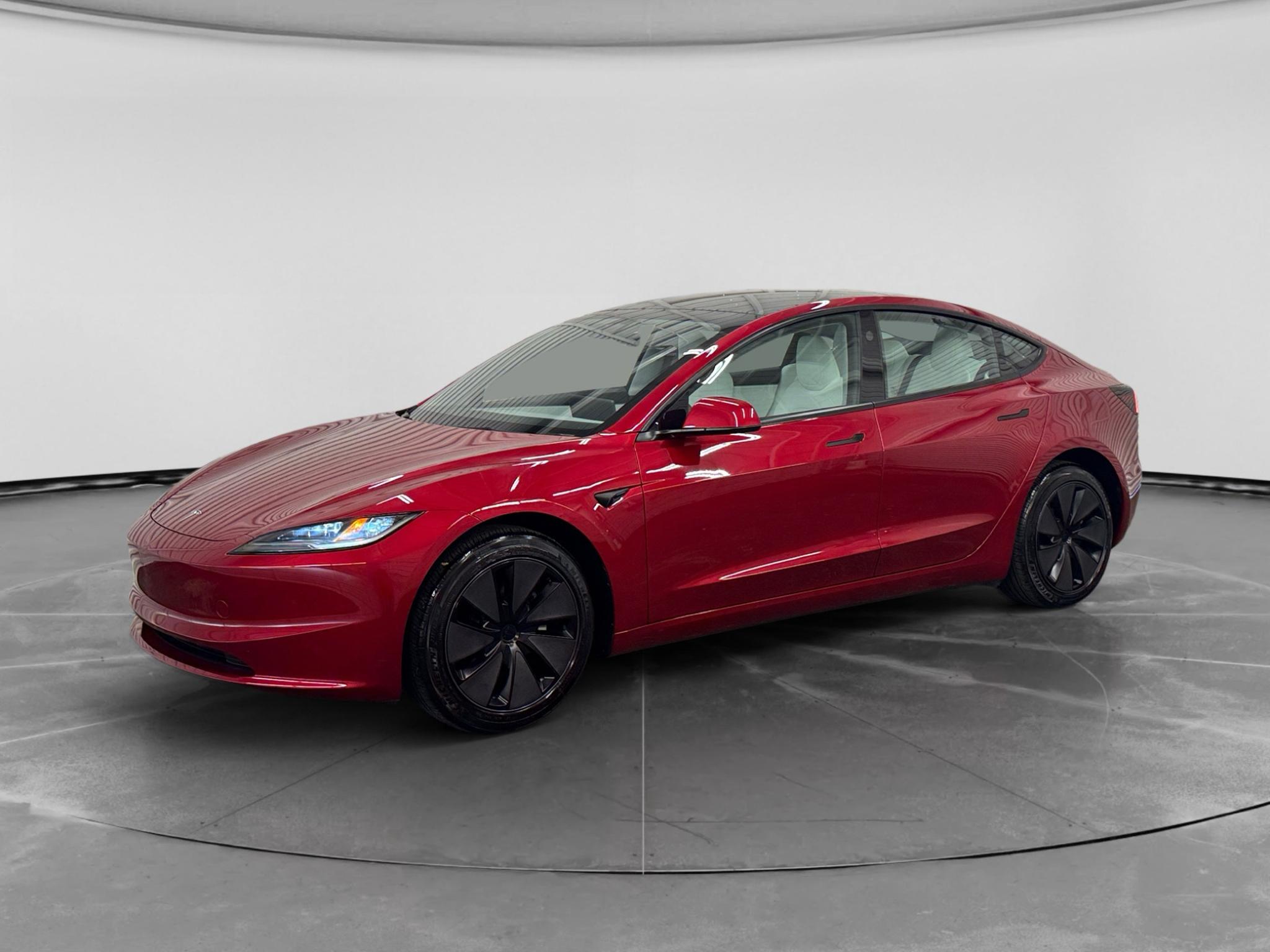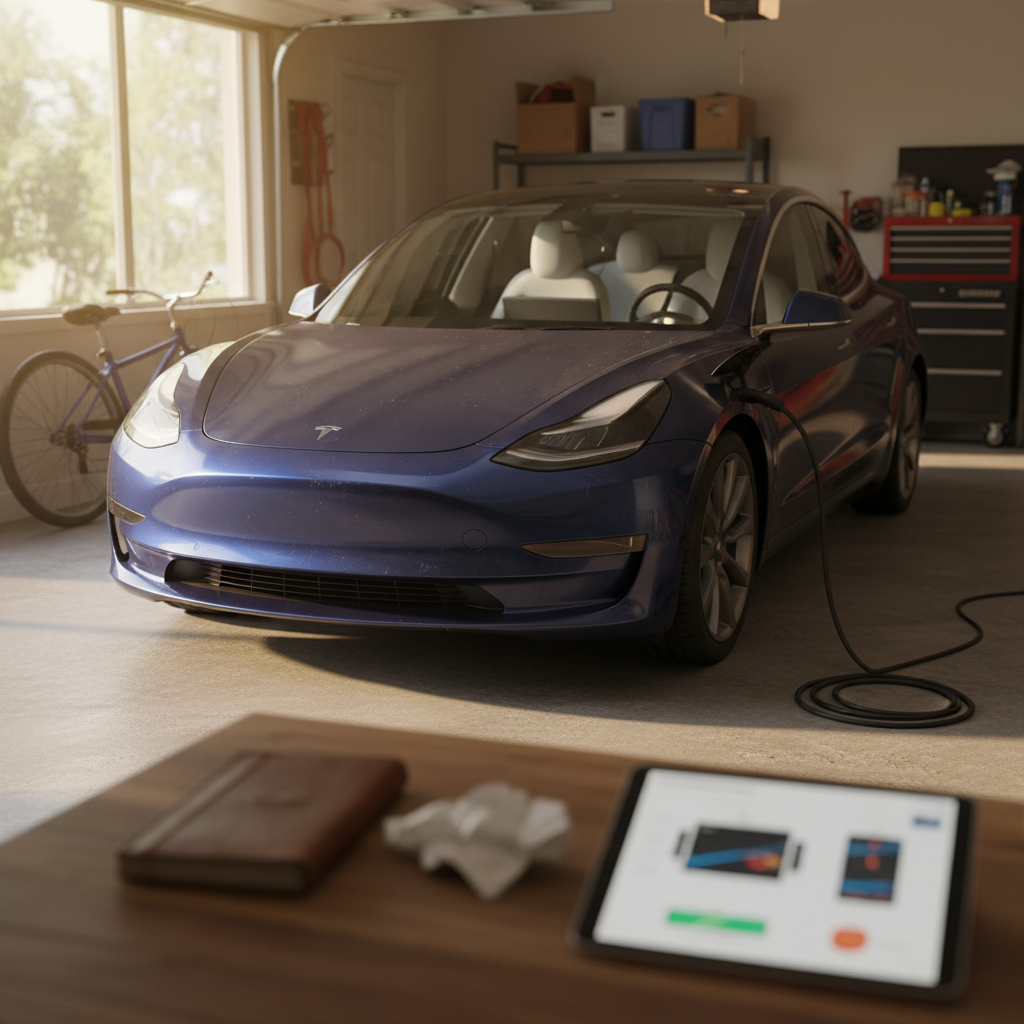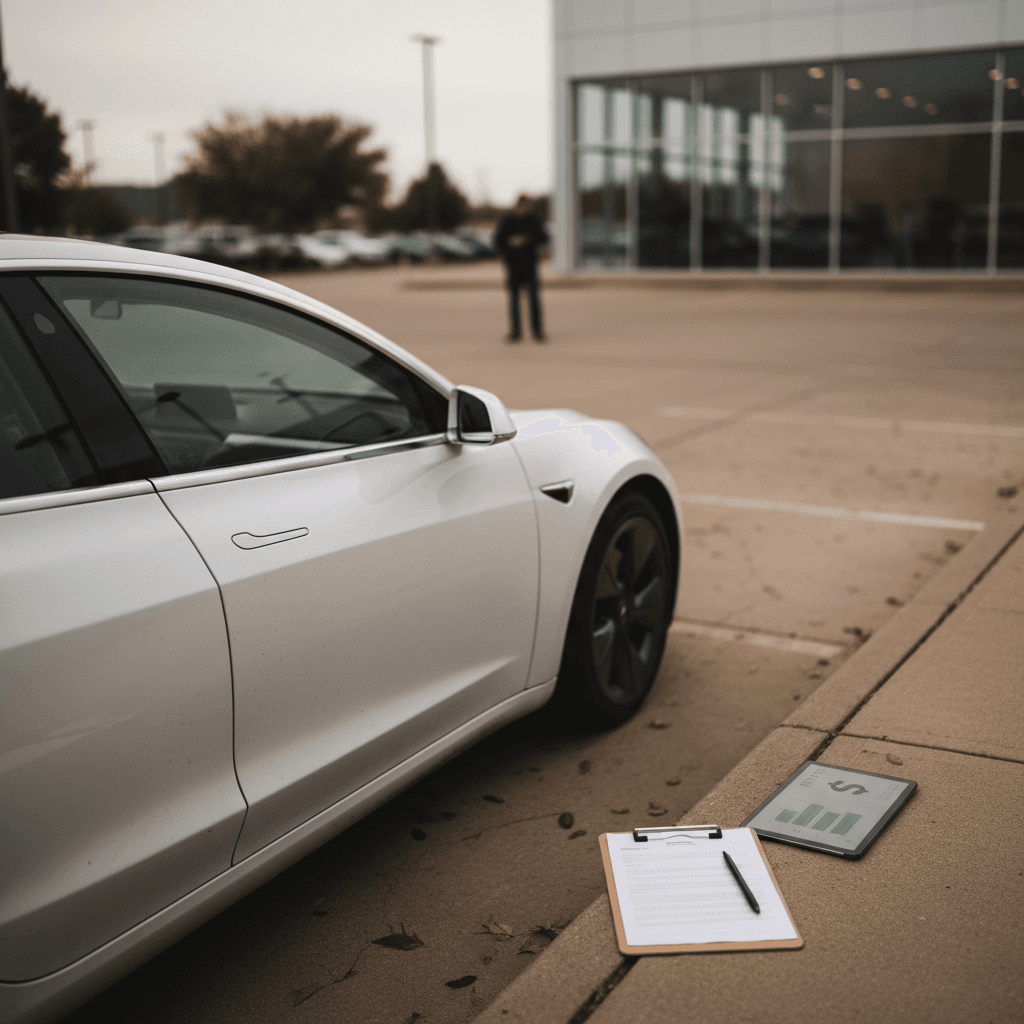
There isn’t a universal Tesla trade-in price
A Tesla trade-in value must be calculated for the individual vehicle, not copied from a generic model-year chart. Two Teslas with the same badge and model year can receive different offers because of mileage, accident history, cosmetic condition, tires, equipment, battery health and whether paid software remains with the car. Your loan balance doesn’t change the vehicle’s market value, but it does determine how much equity you receive, or how much negative equity must be resolved, when you trade.
Start with the exact VIN, odometer reading and configuration, then document the car honestly. An EV-focused appraisal should also distinguish between equipment included with the vehicle and a feature you plan to transfer or remove. If you’re preparing to sell rather than trade, see how to sell an electric car without overlooking the title, payoff or account-transfer steps.
How model and model year set the baseline
Your Tesla’s model and model year establish its comparison group, but they don’t produce a final trade-in number by themselves. A newer model year will generally begin from a different market position than an older example, yet exceptional mileage and condition can narrow that difference. Don’t assume that moving one model year forward creates a fixed dollar increase; current supply, configuration and vehicle-specific details still control the offer.
Details that matter for each Tesla model
Use this as a submission checklist, not a price chart. Recharged’s supplied data is fleet-level, so assigning unsupported dollar values to individual Tesla model years would be misleading.
| Tesla model | Year details | Verify for value | Inspect closely |
|---|---|---|---|
| Model 3 | Year and configuration | FSD and equipment | Wheels, paint, tires |
| Model Y | Year and seating | FSD and equipment | Bumpers, sensors, tires |
| Model S | Year and drivetrain | Charging benefit status | Glass, paint, tires |
| Model X | Year and seating | Software and equipment | Glass, paint, tires |
An accurate appraisal requires the VIN, model year and vehicle-specific details.
For any model, state whether Full Self-Driving capability, commonly shortened to FSD, will remain with the vehicle. Recharged’s valuation conversations also verify seating, drivetrain, color combination, accident repairs and any charging benefit a seller believes is attached to the car. These details should be confirmed rather than assumed from the model name or the seller’s original purchase price.

What Recharged market data shows
Recharged’s sales data shows why a broad market benchmark isn’t the same as your Tesla’s trade-in value. Across 1,796 EVs Recharged sold during the trailing 12 months, buyers paid a median retail price of $27,297 and an average retail price of $29,901. Monthly fleet-wide median retail prices ranged from $23,928 to $30,998 during that period, partly reflecting changes in the vehicles sold each month rather than a guaranteed rise or fall in the value of one Tesla.
Retail price is not seller payout
Recharged’s latest seller-demand snapshot also contained 5,854 offer requests, compared with 7,732 in the prior period. That confirms active valuation activity, but it contains no dollar amounts and cannot be used to infer what a particular Model 3, Model Y, Model S or Model X is worth. The takeaway: use broad market data as a reasonableness check, then use a current appraisal for the actual decision.
Recharged data
Selling to Recharged
We're actively buying EVs
Final purchase amounts are set after inspection and review.
Based on Recharged purchase offers
Recharged data
Recent EV sold prices
$27,297
median sold price
What buyers actually paid through Recharged, not list price.
- Lowest
- $500
- Average
- $29,901
- Highest
- $129,998
Monthly median sold price
Based on Recharged sales in the last 12 months
Instant offer, trade-in, or consignment. Pickup available.
What changes your Tesla trade-in offer?
Mileage, condition, history and included equipment usually explain why offers differ among otherwise similar Teslas. Recharged’s inventory team checks these points directly because incomplete information can lead to a conservative preliminary number. Supplying accurate photos and records gives the appraiser enough evidence to refine the offer instead of pricing around uncertainty.
Tesla valuation factors to document
Mileage and model year
Provide the current odometer reading, VIN and exact model year rather than relying on registration timing alone.
Accident and repair history
Describe even minor incidents and identify replaced parts, paintwork and completed sensor calibration when applicable.
Paint, glass, wheels and tires
Photograph chips, scratches, curb damage, windshield flaws and remaining tire condition in clear lighting.
Configuration and seating
Confirm drivetrain, seating configuration, interior and exterior colors, and other installed equipment.
Software and charging features
State whether FSD or another paid feature remains with the Tesla, will be transferred or requires verification.
Battery health
A verified battery assessment can give the next buyer more confidence than an unsupported range estimate.
Title and payoff
Tell the buyer whether you hold the title or have an active loan that must be paid during the transaction.
Location and pickup
Share the vehicle’s location so transportation and handoff arrangements can be included in the transaction plan.
You don’t have to deliver it. I’ll come get it.
Pickup, payoff coordination and feature-transfer timing are part of the transaction, not reasons to guess at the vehicle’s value. Recharged can arrange nationwide delivery or pickup and guide you through a fully digital sale. If you want to understand the EV-specific part of the appraisal first, read about Tesla battery health and how verified diagnostics differ from a dashboard range estimate.
How to get the strongest defensible offer
The strongest defensible offer starts with complete, verifiable information and a clear description of what transfers with the vehicle. Clean the Tesla enough to expose its real condition, take current photos from every side and disclose damage before the physical inspection. Don’t hide flaws; an undisclosed issue is more likely to reduce a conditional offer later than an accurately documented issue is to prevent a fair initial appraisal.
- Gather the VIN, current mileage, title or payoff details, service records and both key cards.
- Photograph the exterior, interior, wheels, glass, tires, odometer and software screen in good light.
- List the exact configuration and clarify whether paid software or charging benefits remain with the vehicle.
- Request competing offers within the same short period so each buyer is responding to similar market conditions.
- Compare the net amount, pickup requirements, payment timing and conditions, not just the headline offer.
- Ask whether an instant sale, trade or consignment path best matches your timing and replacement-vehicle plans.
Recharged offers an immediate purchase path as well as consignment for sellers who can wait and want to pursue a potentially higher net amount. Taken together, those selling paths are fast to medium (days to weeks): an instant offer prioritizes certainty and speed, while consignment depends on finding the retail buyer. If you’re replacing the Tesla with another EV, compare the separate purchase price and trade value rather than focusing only on the monthly payment; the EV trade-in value guide explains that calculation.
Protect your personal data before handoff
You should remove personal information from the Tesla only after preserving anything needed to complete the sale and coordinating the handoff. Recharged regularly receives vehicles that still show a prior owner’s saved addresses, navigation history, connected phones or account information. The essential steps are to perform the Tesla factory reset, remove or transfer the vehicle through the Tesla app and confirm that your ownership information is no longer accessible.
Number 1 thing to do is do a factory reset.
Coordinate the reset with the buyer
Every EV is battery-tested with a Recharged Score. Nationwide delivery.
Tesla trade-in value FAQ
The bottom line
The right Tesla trade-in value is a current, vehicle-specific number, not a generic promise attached to a model and model year. Use the model year to establish the baseline, then document mileage, condition, repairs, configuration, battery health and the transfer status of paid features. A transparent EV-specialist appraisal gives you a clearer basis for comparing a trade, direct sale or consignment without confusing retail asking prices with the amount you’ll actually receive.