The cheapest listing can be a false economy
The lowest advertised price can be a false economy when the EV has inadequate range, uncertain battery condition, or repair needs you haven't priced. Start by deciding how far you drive, where you'll charge, and which features you actually need. Then compare only vehicles that meet those requirements and follow a complete used EV buying guide. A slightly higher purchase price can represent better value when it buys verified battery health and enough practical range.
For most shoppers, the battery-verified approach offers the best balance of price and risk. A rock-bottom listing may still work for an expert buyer or a short local route, but it deserves more scrutiny rather than less. Use the approaches below to decide what “cheapest” should mean for you.
Four ways to shop on a budget
Compare buying approaches before sorting listings by price alone.
| Buying approach | Best for | Main trade-off | Verdict |
|---|---|---|---|
| Lowest sticker price | Strict upfront budget | Condition uncertainty | Inspect carefully |
| Battery-verified value | Most used-EV shoppers | Not always cheapest | Best overall |
| More usable range | Frequent highway driving | Higher purchase price | Pay for fit |
| Needs repair | Experienced DIY buyers | Uncertain total cost | Highest risk |
The best approach balances purchase price, battery condition, and driving needs.
Don't budget around a federal EV credit
What Recharged price and battery data shows
Recharged data shows that price alone doesn't define a sound used-EV purchase. Across 1,796 EVs sold at retail by Recharged over the trailing 12 months, buyers paid an average of $29,901 and a median of $27,297. Monthly median retail prices ranged from $23,928 in February 2026 to $30,998 in September 2026, demonstrating why there isn't one permanently “cheapest” model or price point. Separately, 2,242 Recharged Score inspections produced average verified remaining battery capacity of 93.9% and a median of 94.9%. The takeaway is straightforward: shop current inventory, but use tested battery condition, not price sorting alone, to identify the stronger bargain.
The price starts the conversation, but the battery report and range fit should finish it. A cheap EV that can't handle your normal week isn't a bargain.
Recharged data
Used EV battery health
94%
avg remaining capacity
From Recharged battery inspections, not manufacturer estimates.
- Lowest
- 63%
- Median
- 95%
- Highest
- 100%
- Est. range
- 266 mi avg
- Cell balance pass
- 100%
- Quick charges
- 18 avg
- Slow charges
- 65 avg
Average cell imbalance: 7.3 mV
Based on vehicles Recharged tested
Recharged data
Recent EV sold prices
$27,297
median sold price
What buyers actually paid through Recharged, not list price.
- Lowest
- $500
- Average
- $29,901
- Highest
- $129,998
Monthly median sold price
Based on Recharged sales in the last 12 months
Every EV is battery-tested with a Recharged Score. Nationwide delivery.
How should you set a realistic budget?
Set your budget around the complete car-and-charging plan, not just the amount shown in the listing. Confirm your likely financing terms, insurance cost, charging access, and any immediate maintenance before deciding what you can afford. If you'll charge at home, review the differences between standard outlet charging and a faster home Level 2 setup; Level 2 uses a dedicated higher-voltage circuit to replenish an EV more quickly.
Check these items before you buy
Define your daily range
Estimate a demanding normal day, not merely your average commute, and leave room for detours and seasonal changes.
Verify battery condition
Request tested remaining capacity and estimated real-world range rather than relying only on the dashboard display.
Review charging access
Confirm whether you can charge at home, at work, or reliably near the routes you drive most often.
Inspect the complete vehicle
Use a used EV inspection checklist to review tires, brakes, charging equipment, warning lights, body condition, and electronics.
Calculate the out-the-door cost
Include taxes, registration, financing charges, transportation, and any charging equipment in your comparison.
Match the car to the job
Don't pay for range, cabin space, or performance you won't use, but don't underbuy on an essential requirement.
Put battery health ahead of price
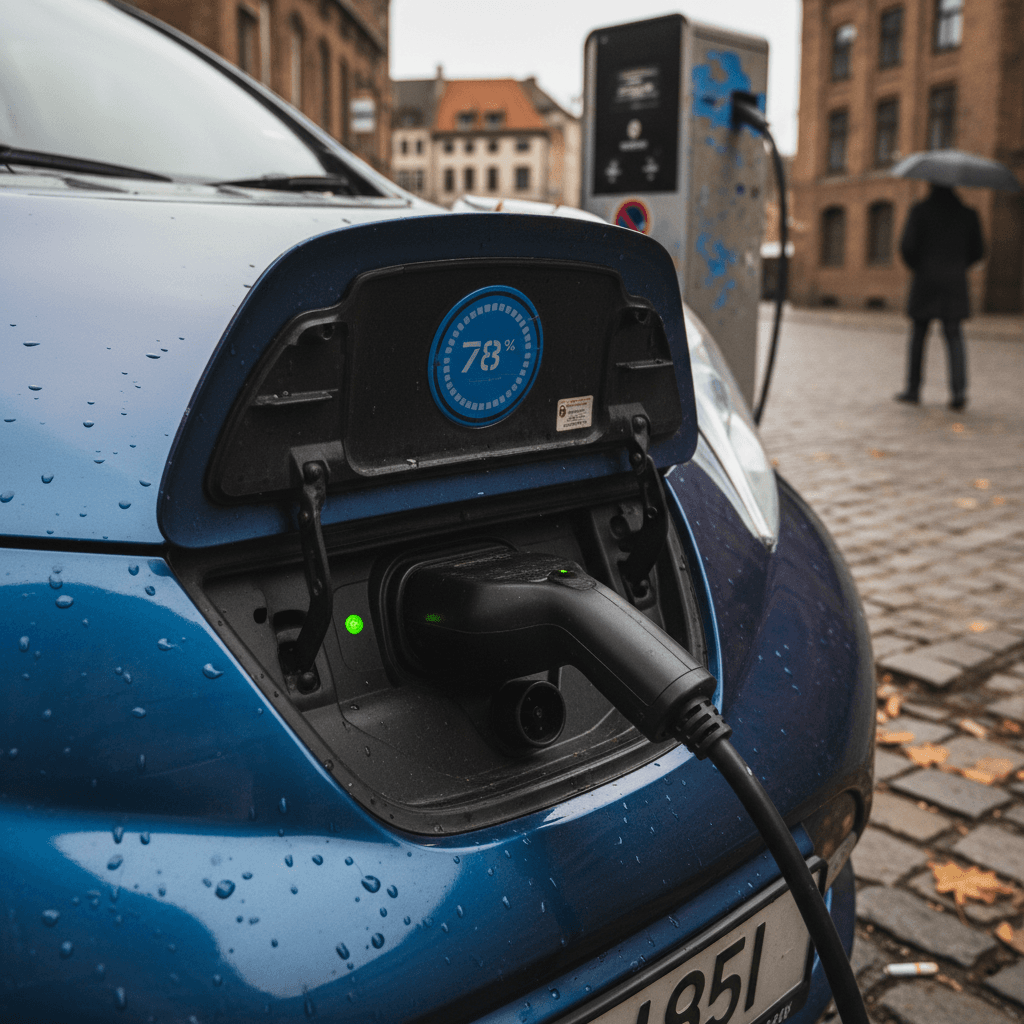
Battery health should outrank a small price difference because it helps determine how much useful driving range the EV can still provide. Remaining battery capacity is the tested percentage of the battery's original energy-storage ability, with a higher result indicating more capacity remains. Pair that figure with tested real-world range and your own driving pattern rather than applying one universal cutoff to every car. Recharged explains the test results and other factors in its guide to used EV battery health.
Treat range as a personal requirement
Instant offer, trade-in, or consignment. Pickup available.
Cheapest used EV FAQ
The best bargain fits your life
The best low-cost used EV is the least expensive inspected vehicle that meets your real range, space, and charging needs. Compare out-the-door prices only after filtering for verified battery health and acceptable condition. That approach may not produce the smallest number on the listings page, but it gives you a much better chance of buying genuine value.