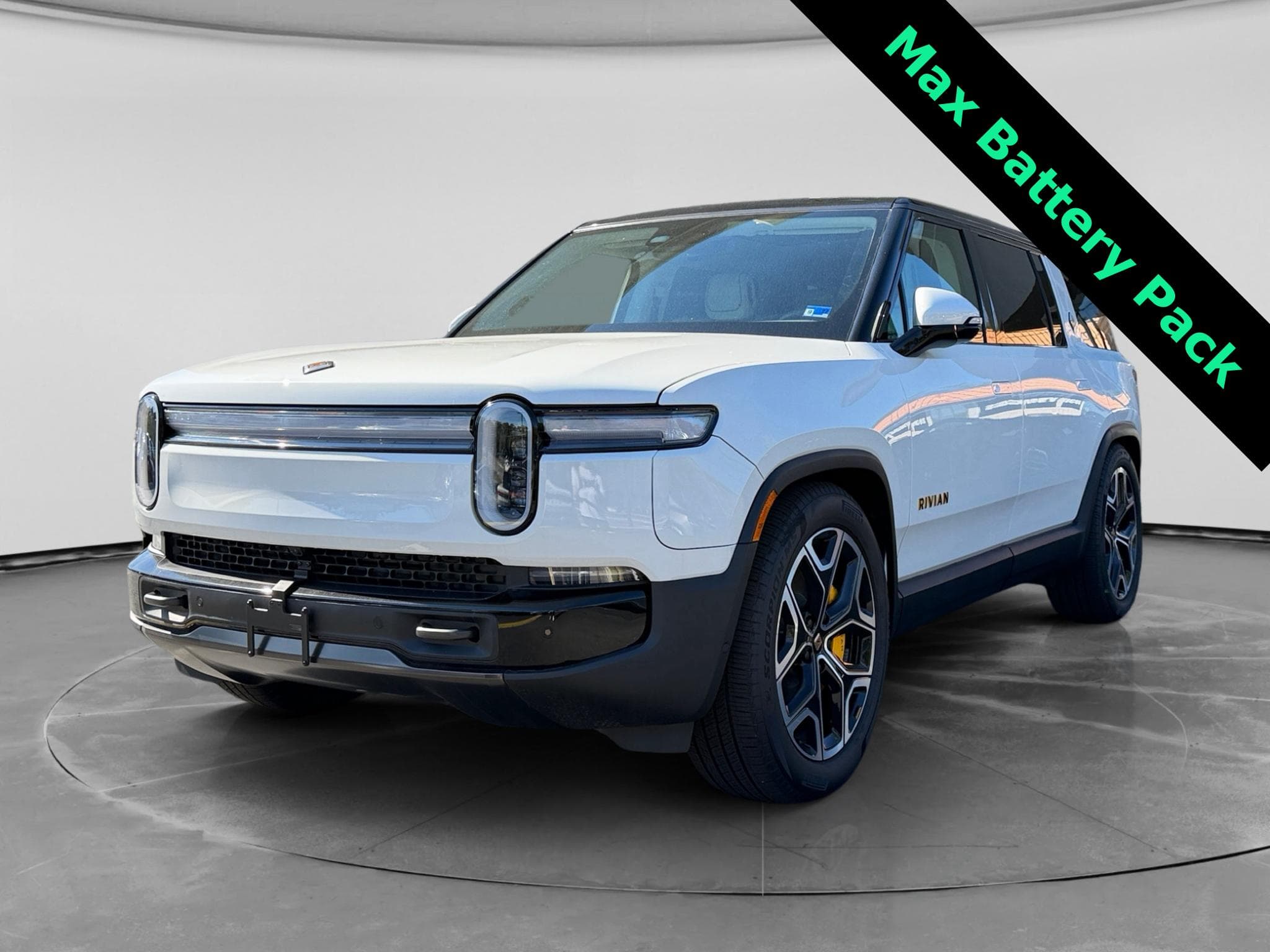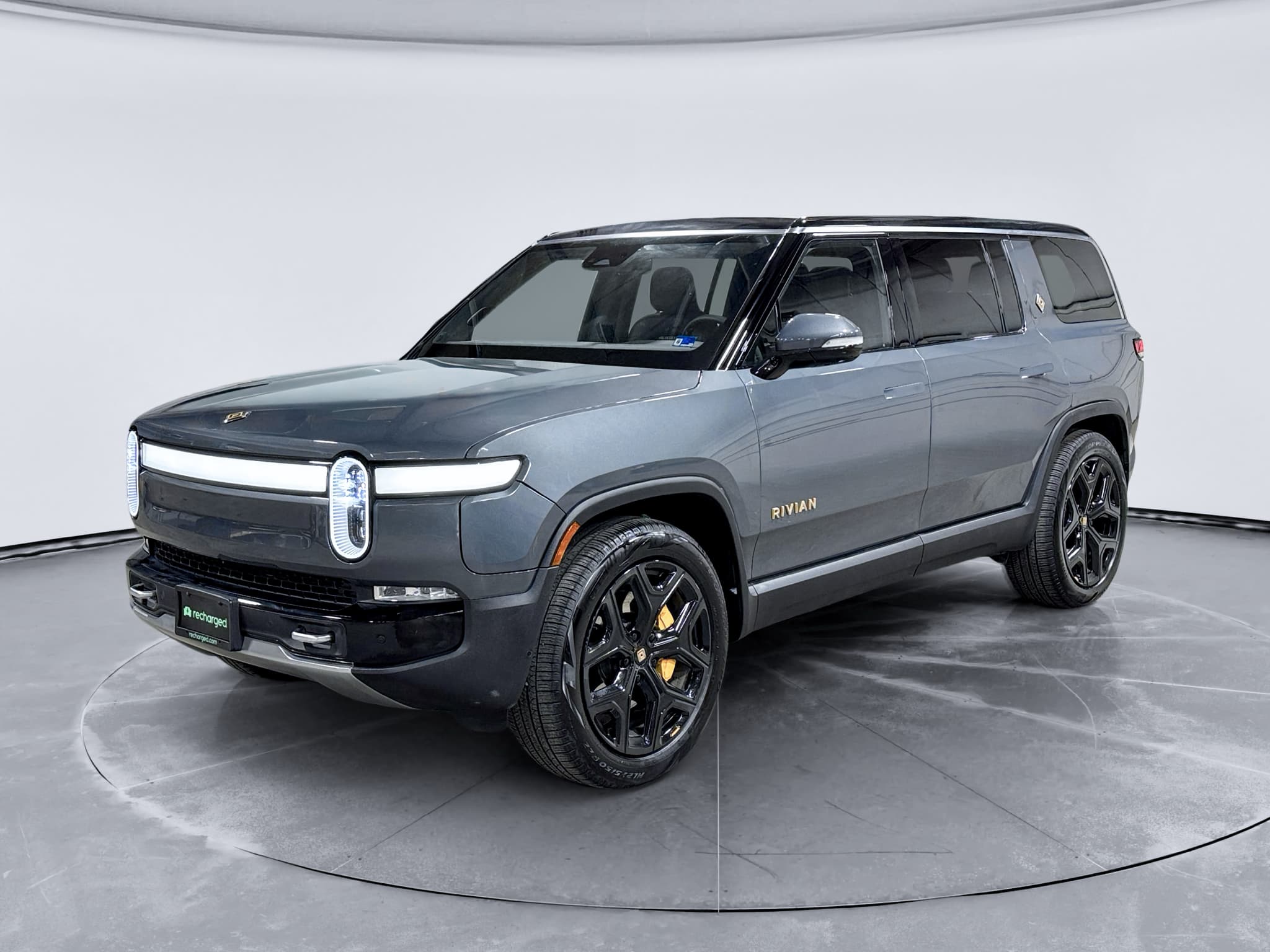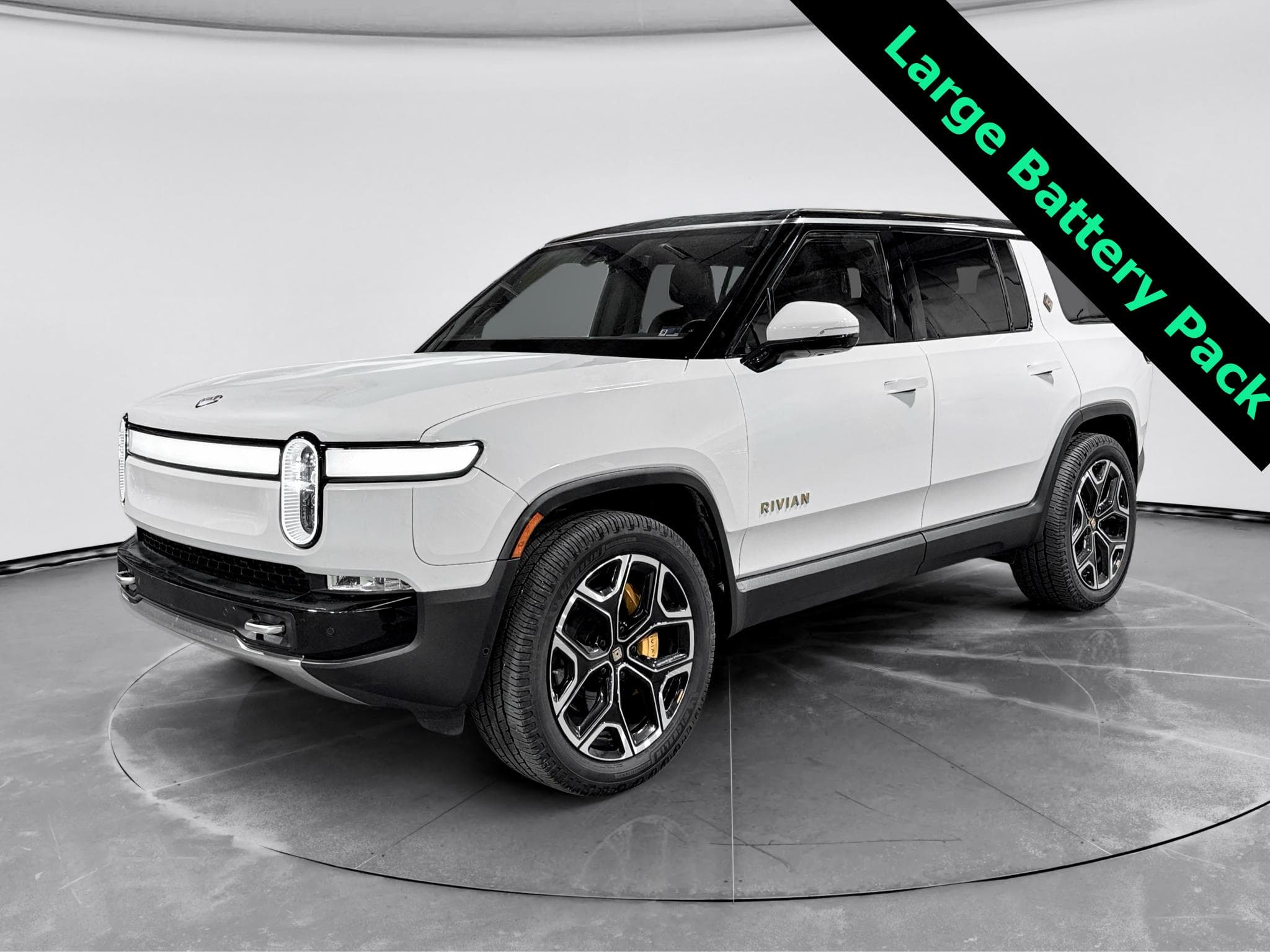
A used Rivian R1S combines three-row seating, substantial cargo flexibility, all-wheel-drive capability, and strong EV performance. The challenge is that two examples from the same model year can have very different battery packs, motors, wheels, options, histories, and asking prices. Choose the generation first, then judge the individual SUV using its documentation, condition, and a verified battery report.
The 2025 R1S is the best overall choice
The 2025 model year is the strongest all-around used choice because it gives you access to the Gen 2 R1S without requiring you to buy new. Recharged has already handled used 2025 Gen 2 examples, including highly equipped vehicles with dual-motor and larger-battery configurations. Earlier R1S model years can still be smart purchases when their lower asking price, equipment, and condition outweigh the appeal of the newer generation.
Use the following model-year comparison as a starting point rather than a substitute for inspecting the vehicle. A well-kept earlier R1S with clear records can be preferable to a more expensive 2025 vehicle with the wrong wheels, battery, interior, or equipment for your needs. If you’re comparing other body styles as well, review the Rivian R1T versus R1S before narrowing your search.
Used Rivian R1S model-year comparison
The best choice depends on whether you prioritize price, later Gen 1 production, or access to Gen 2.
| Model years | Best for | Main appeal | Check closely |
|---|---|---|---|
| 2022–2023 | Value-focused buyers | Earlier used availability | History and condition |
| 2024 | Late Gen 1 shoppers | Newer Gen 1 choice | Price versus Gen 2 |
| 2025 | Best overall | Used Gen 2 access | Configuration and price |
Model year is only one part of a used R1S evaluation.
Confirm the generation
What Recharged’s R1S data shows
Recharged’s latest snapshot shows that used R1S pricing varies widely with age, configuration, equipment, and condition. Among 15 matching R1S vehicles listed on Recharged, asking prices ran from $55,997 to $98,998, with an average of $68,464 and a median of $61,998. These are current listing prices, not discounts from another valuation source, and they shouldn’t be treated as prices for a particular model year or trim.
Battery condition also needs to be measured rather than assumed from the model year. Across 2,242 Recharged Score battery inspections covering the broader EV fleet, tested remaining capacity averaged 93.9% of original capacity, with a 94.9% median. Those figures aren’t R1S-specific, but they demonstrate why a standardized battery diagnostic can reveal more than age or odometer mileage alone. The takeaway is straightforward: use the model year to narrow your search, then use verified battery health to select the actual vehicle.
The model year tells you which generation you’re considering, but the battery report, equipment, records, and physical condition tell you whether that particular R1S is worth buying.
Recharged data
Used EV battery health
94%
avg remaining capacity
From Recharged battery inspections, not manufacturer estimates.
- Lowest
- 63%
- Median
- 95%
- Highest
- 100%
- Est. range
- 266 mi avg
- Cell balance pass
- 100%
- Quick charges
- 18 avg
- Slow charges
- 65 avg
Average cell imbalance: 7.3 mV
Based on vehicles Recharged tested
Recharged data
Used Rivian R1s prices at Recharged
$61,998
median list price
Current list prices for matching inventory at Recharged.
- Lowest
- $55,997
- Average
- $68,464
- Highest
- $98,998
Based on available listings
Every EV is battery-tested with a Recharged Score. Nationwide delivery.
Configuration can matter more than the badge
The right battery, motor, wheel, and interior combination can matter more to daily ownership than moving up one model year. In one 2025 Gen 2 R1S featured by the Recharged team, the Dual Max and All-Terrain configuration combined two-motor all-wheel drive, the larger battery option, reinforced underbody equipment, enhanced suspension, and 20-inch all-terrain wheels. That particular vehicle was described as offering more than 400 miles of range and a roughly 10%–80% charging session in about 30 minutes; those figures apply to that configuration and shouldn’t be assumed for every R1S.

Start with how you’ll actually use the SUV. Larger wheels and all-terrain tires may suit off-pavement travel, while another wheel-and-tire setup may be a better match for routine highway driving. Battery size becomes more important when you frequently take long trips, tow, or can’t charge reliably at home; if you’re planning home charging, consult the Level 2 home charging guide before delivery.
A rare or highly equipped R1S isn’t automatically the right one. Make sure the interior, battery, motor setup, wheels, and major packages fit your needs before you let scarcity make the decision for you.
What should you inspect before buying?
You should inspect the battery, tires, underbody, electronics, charging equipment, and service history before buying any used R1S. A large electric SUV can hide meaningful ownership costs in worn tires, wheel damage, missing accessories, or unresolved service needs even when it drives well. Use a comprehensive used-EV test-drive checklist and review the following items before placing a nonrefundable deposit.
Used R1S buying checklist
Verify battery health
Request tested remaining capacity and estimated real-world range from a standardized diagnostic.
Confirm the exact configuration
Match the battery, motor setup, wheels, interior, and packages to the window sticker or build records.
Inspect wheels and tires
Check tread depth, even wear, sidewall damage, wheel condition, and tire replacement needs.
Examine the underbody
Look for damage or repairs, particularly on vehicles equipped or used for off-pavement travel.
Test charging
Confirm the charge port, included charging equipment, and the fast-charging setup you expect to use.
Review records and functions
Check service documentation and test displays, cameras, seats, climate controls, driver-assistance functions, and mobile connectivity.
Battery percentage needs context
Set the budget around the specific vehicle
Your budget should account for the specific R1S rather than relying on a single model-wide price estimate. Recharged’s current listing range shows how strongly battery size, motor configuration, packages, age, and condition can influence asking prices. Compare like-for-like vehicles, review the total amount financed, and leave room for insurance, home-charging installation, tires, registration, and delivery.
Don’t build the purchase case around a federal EV tax credit. Federal new- and used-EV tax credits ended for vehicles acquired after September 30, 2025, so a current R1S purchase shouldn’t be advertised or budgeted with that federal savings. Focus instead on the actual transaction price, financing terms, verified condition, and any applicable local programs you independently confirm.
Instant offer, trade-in, or consignment. Pickup available.
Frequently asked questions
The bottom line
The 2025 Gen 2 R1S is the best used model year for most buyers, especially if you want the newer generation and can find the right configuration at a sensible price. A 2022–2024 example can still be the better purchase when it has strong battery health, complete records, desirable equipment, and a meaningful price advantage. Compare equivalent vehicles and insist on a verified battery report such as the Recharged Score before committing.