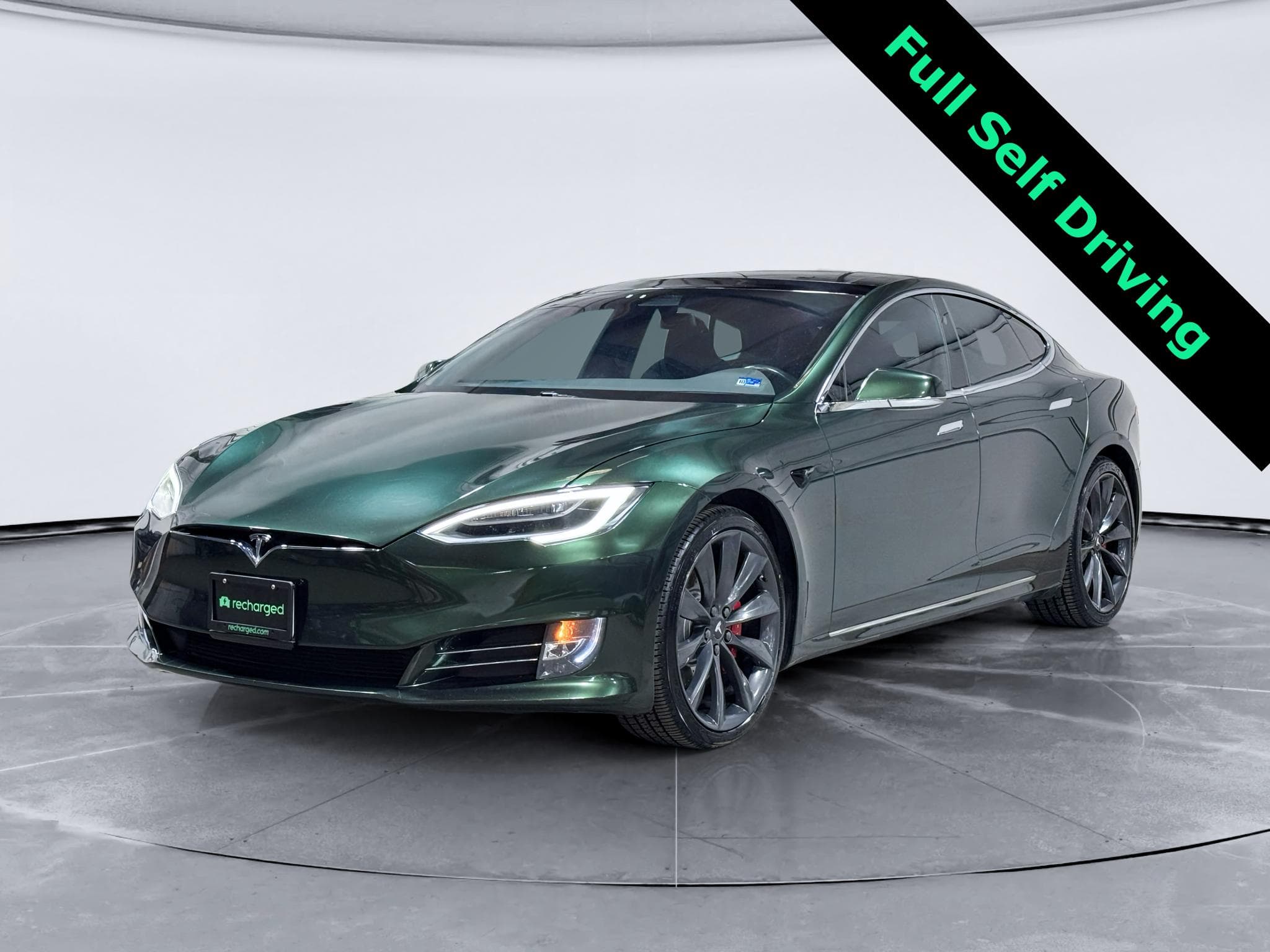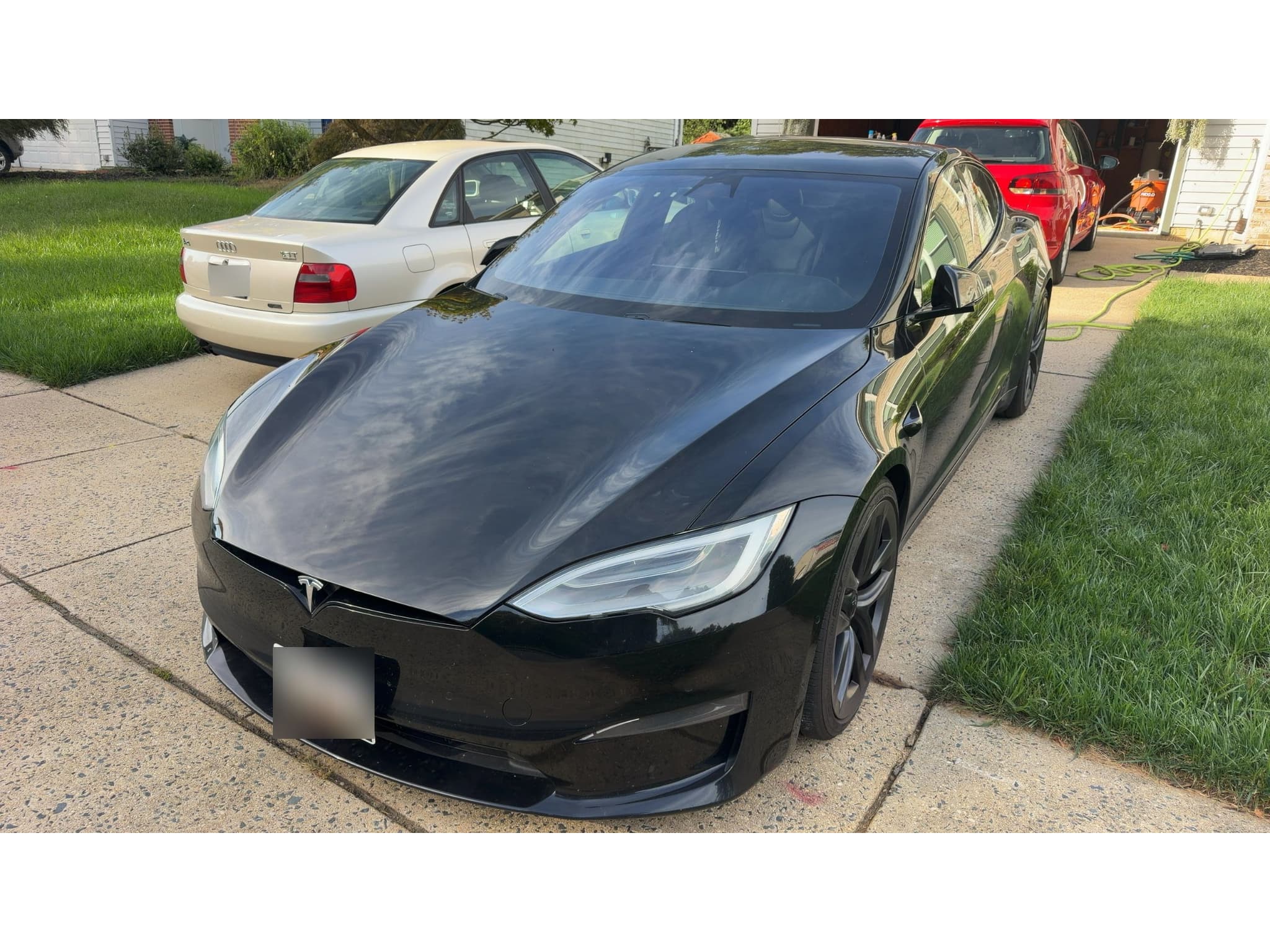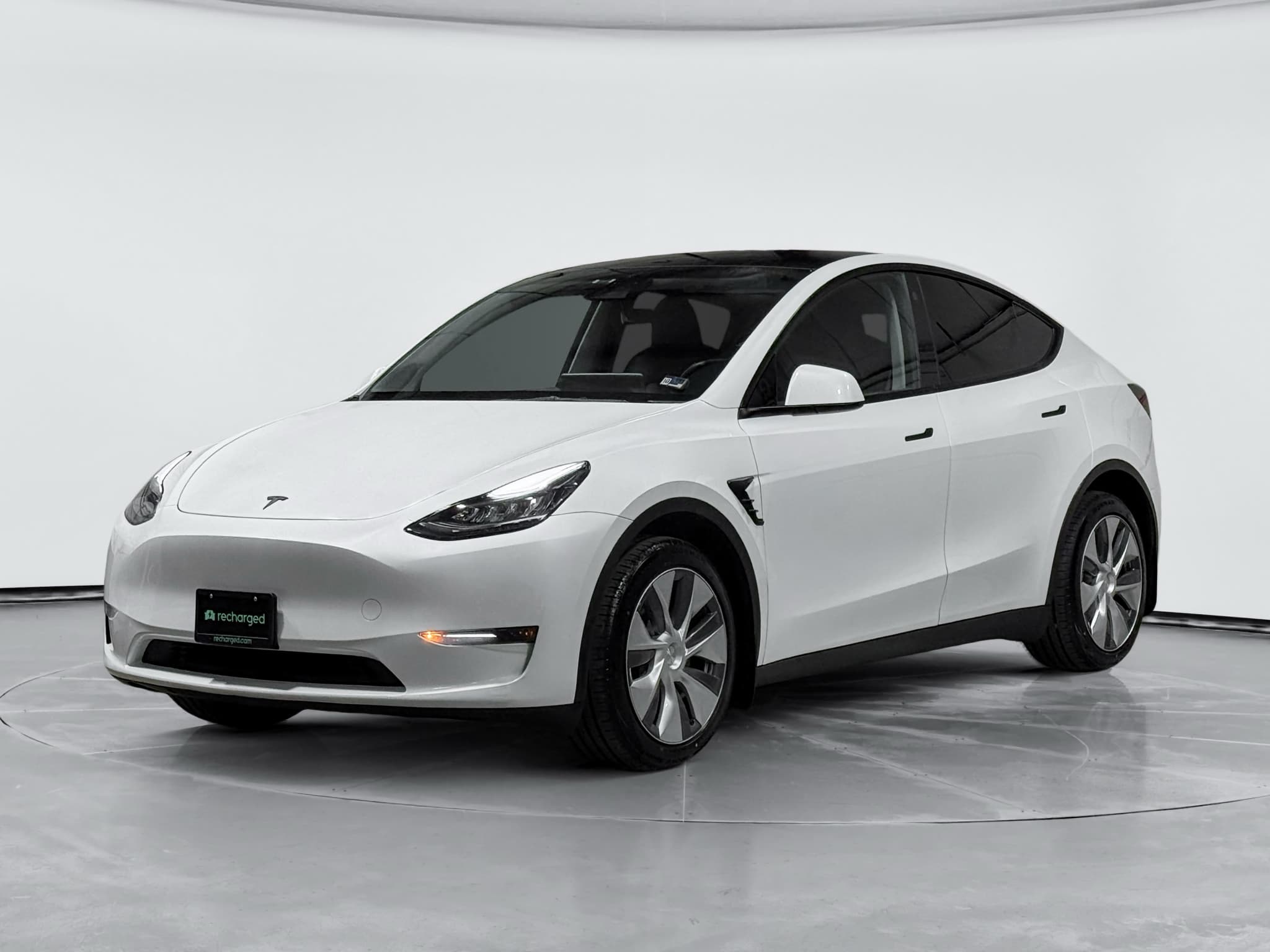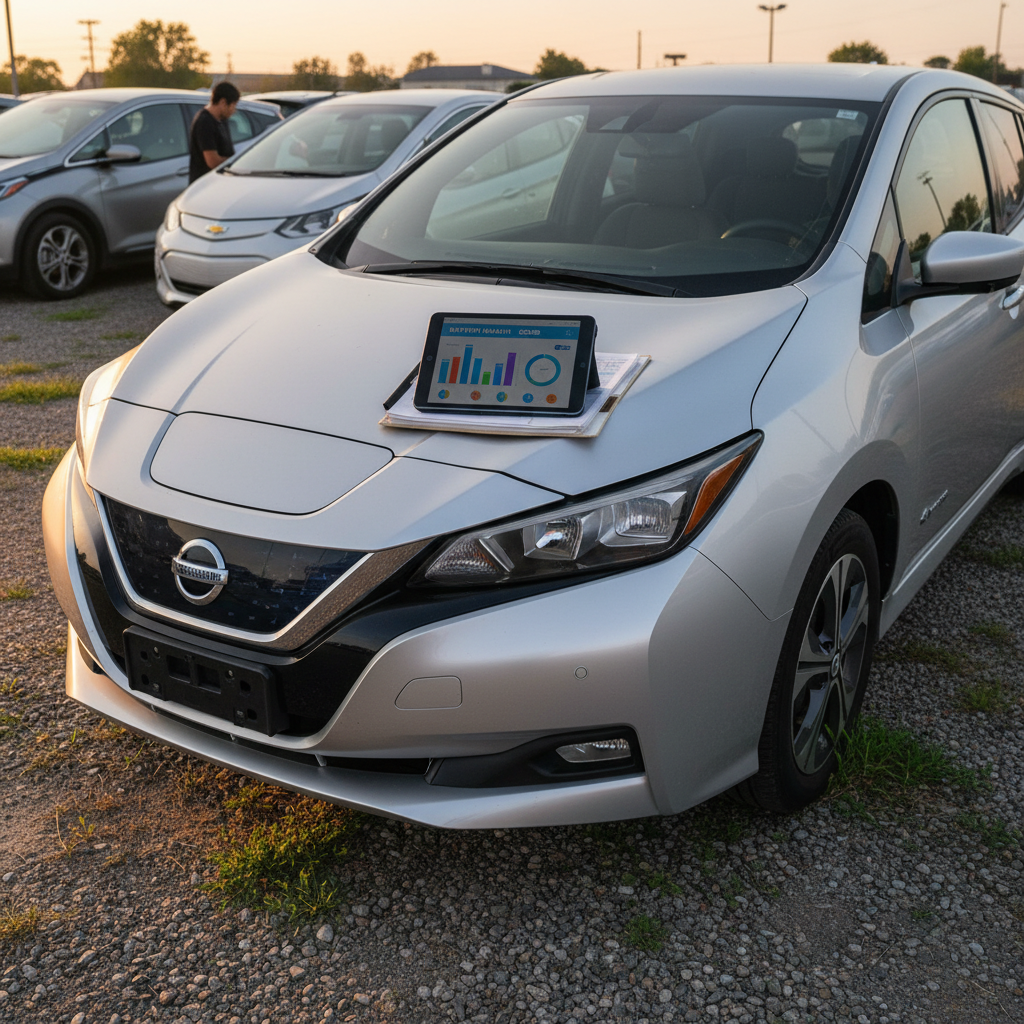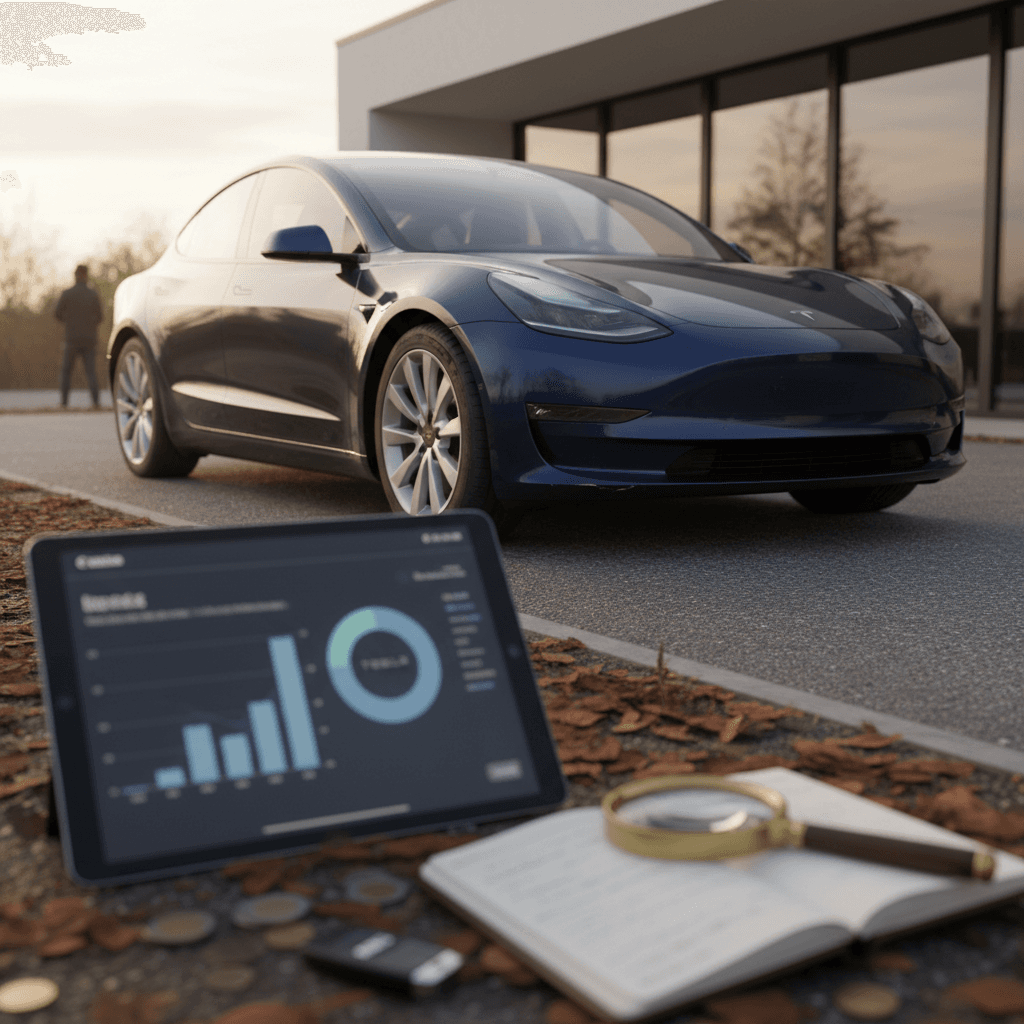
A useful 2026 Tesla valuation starts with the live retail market, but it cannot end there. An online average does not know your Tesla's exact model, model year, mileage, drivetrain, condition, battery health, title history, software, or modifications. It also may blur the important difference between a retail asking price and the amount you would receive from a dealer, trade-in, or instant offer. If selling is your goal, compare the final net amount and convenience rather than relying on one headline estimate.
What Recharged's market data says
Recharged's current used-Tesla listing snapshot puts the median asking price at $30,997. Across 417 live listings, the average asking price is $34,803, while the full range runs from $12,996 to $146,998. That wide spread reflects major differences among Tesla models, model years, configurations, mileage, and condition; it should not be treated as a price range for one specific car.
Asking price is not your payout
The takeaway is that $30,997 is a useful market benchmark, not an automatic valuation. An older, high-mileage Tesla may sit below it, while a newer or more expensive model can sit far above it. Your vehicle's details and a current inspection are what turn the benchmark into a credible offer.
Recharged data
Used EV battery health
94%
avg remaining capacity
From Recharged battery inspections, not manufacturer estimates.
- Lowest
- 63%
- Median
- 95%
- Highest
- 100%
- Est. range
- 266 mi avg
- Cell balance pass
- 100%
- Quick charges
- 18 avg
- Slow charges
- 65 avg
Average cell imbalance: 7.3 mV
Based on vehicles Recharged tested
Recharged data
Used EV prices at Recharged
$30,997
median list price
Current list prices for matching inventory at Recharged.
- Lowest
- $12,996
- Average
- $34,803
- Highest
- $146,998
Average Recharged Score on these listings
4.8 / 5
Range
3.7 – 5.0
Based on available listings
Every EV is battery-tested with a Recharged Score. Nationwide delivery.
What changes a used Tesla's value?
Your Tesla's model, age, mileage, configuration, condition, history, and battery health are the main inputs that move its valuation. Even cars with the same badge can differ materially: redesigned Model 3 vehicles, for example, have changes such as revised suspension, acoustic glass, ventilated seats, a rear display, and updated cabin controls. Buyers may value those differences, so a broad model average is less useful than a comparison with genuinely similar vehicles. A Model 3 and Model Y comparison can also help clarify how body style and use case shape demand.
Details to check before requesting an offer
Exact vehicle identity
Confirm the model, model year, drivetrain, seating configuration, and factory equipment using the VIN and vehicle screen.
Mileage and physical condition
Record the odometer and disclose paint damage, wheel rash, glass chips, tire wear, interior wear, and missing equipment.
Battery condition
Use a diagnostic report that measures remaining capacity instead of treating dashboard range as a complete battery assessment.
Title and damage history
Disclose title status, reported accidents, repairs, flood exposure, and any unresolved mechanical or warning-light concerns.
Software and charging equipment
Document currently enabled software and included mobile connectors or adapters, but verify transferability before assigning extra value.
Current comparable listings
Compare your Tesla with the same model, similar age, mileage, drivetrain, and condition, not simply the highest asking price online.
Battery health can separate similar Teslas
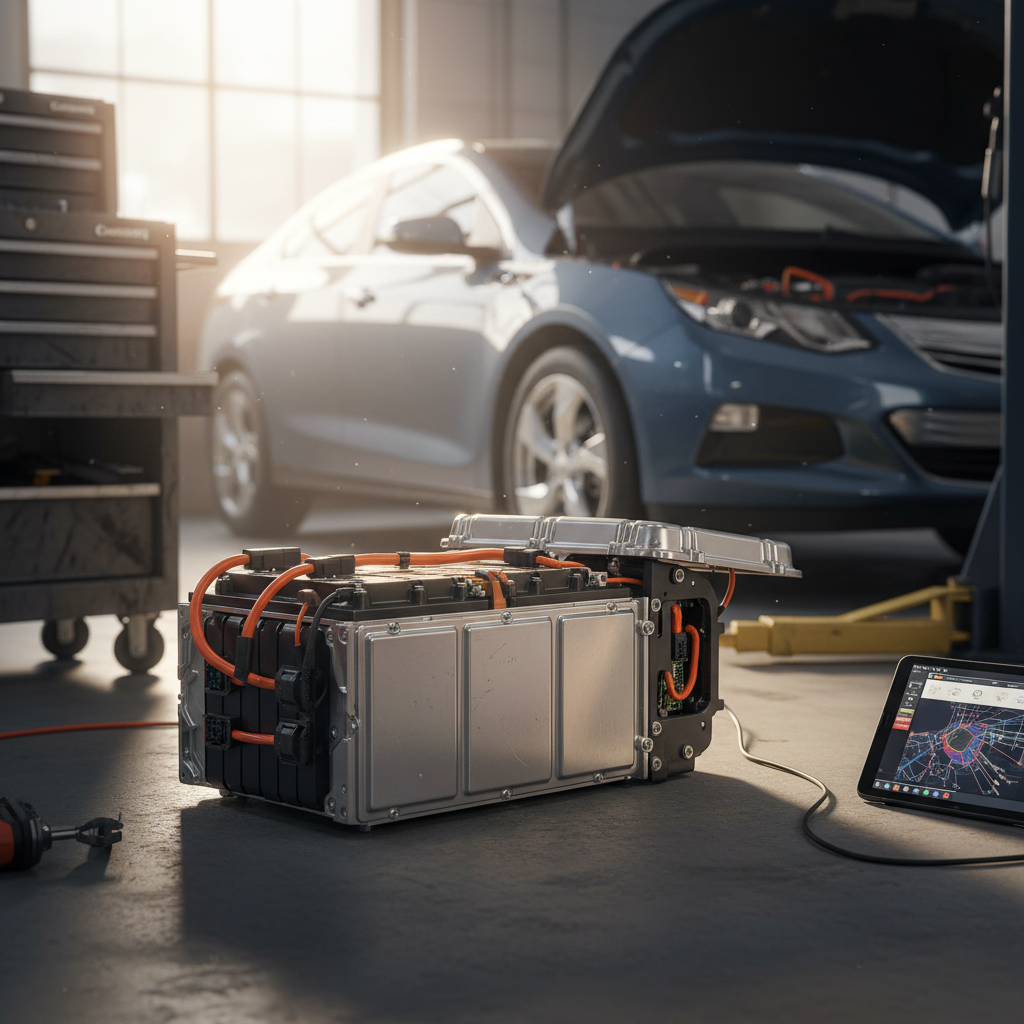
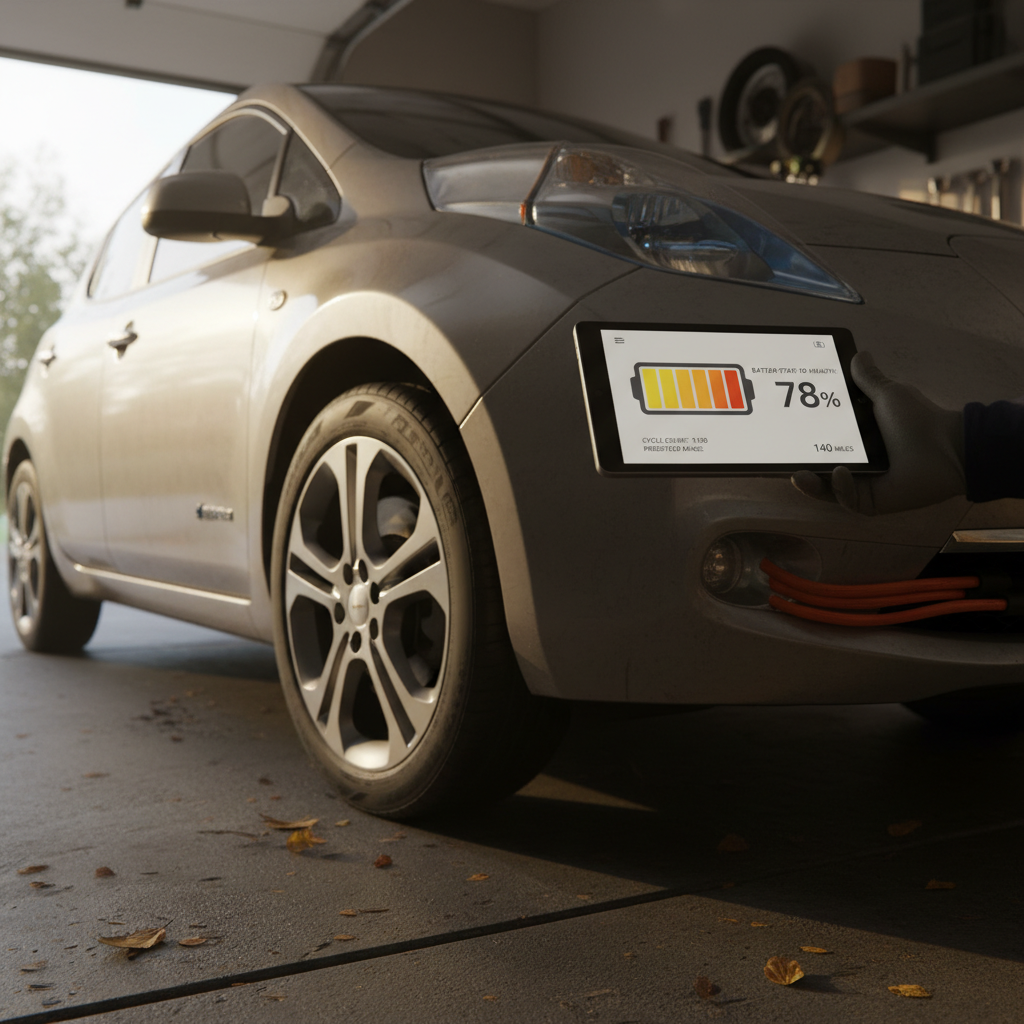
Verified battery health gives buyers and sellers stronger evidence than mileage alone. Across 2,242 Recharged Score battery diagnostics in this Tesla valuation dataset, tested remaining capacity averaged 93.9% of original capacity, with a 94.9% median. Those fleet-wide figures show that strong capacity retention is possible, but they do not establish the health of your individual vehicle; only a vehicle-specific test can do that. Learn more about how used-EV battery health is measured before comparing reports.
When we value a Tesla, the battery report and current market matter more than a single online average. Two cars with similar mileage can still deserve different offers once condition, configuration, and battery health are verified.
Do modifications increase resale value?
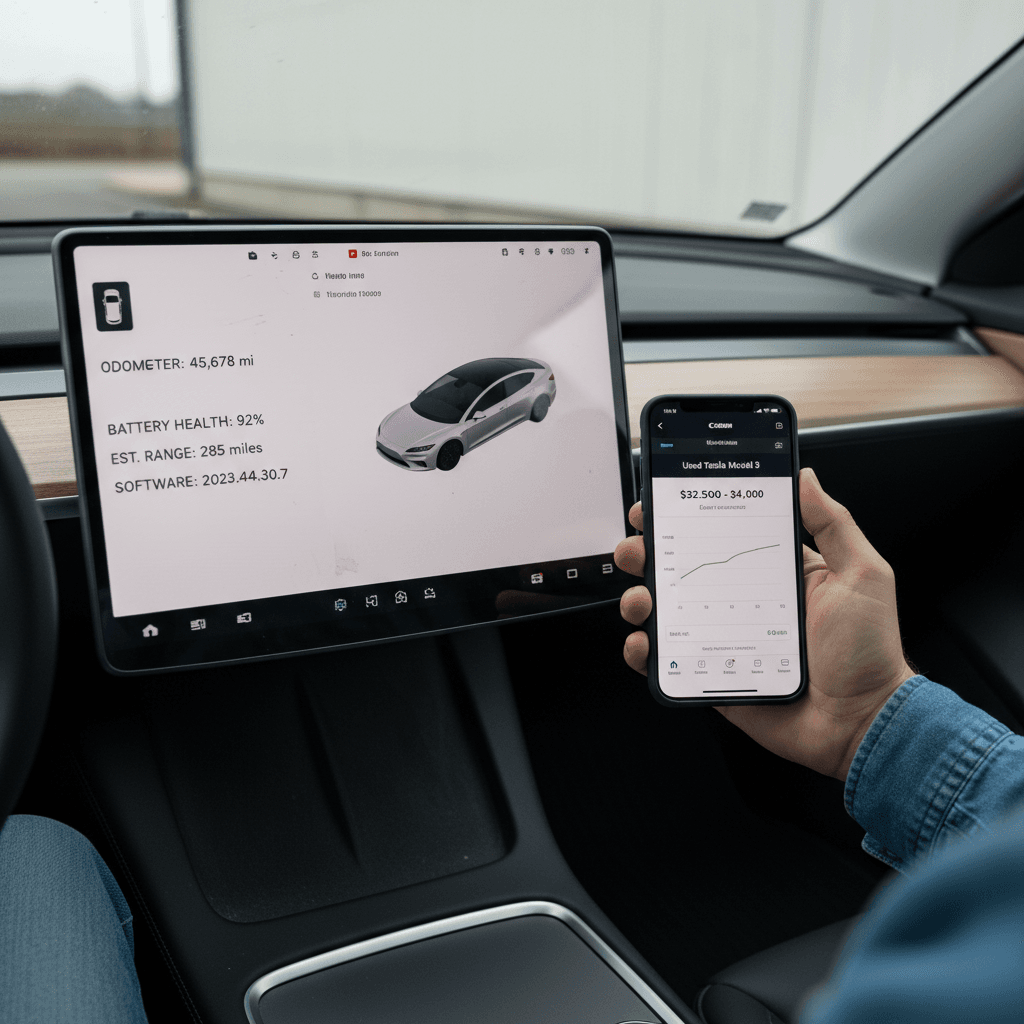
Modifications do not automatically increase a used Tesla's resale value, even when they were expensive. A matte wrap, oversized wheels, spoiler, console cover, or nonstandard floor mats may attract one buyer while narrowing the pool of others. Keep receipts, disclose permanent changes, and retain factory parts when possible, but do not assume you will recover the amount spent. Cosmetic condition beneath a wrap and the quality of the installation can matter more than the original modification cost.
A wrap, larger wheels, or interior accessories may make a Tesla stand out, but the money spent customizing it does not automatically come back in resale value. We price the car buyers are likely to want, not the modification receipts.
Choose the right way to sell
The best selling route depends on whether you prioritize speed, support, convenience, or control over the process. Recharged offers an instant-offer path as well as consignment, while trade-ins and private sales involve different workloads and transaction structures. Compare the net amount after any fees, loan payoff, transportation, or required repairs rather than comparing one advertised figure.
Ways to sell a used Tesla
Use the same vehicle details when requesting each valuation so the results are comparable.
| Selling route | Best for | Typical speed | Watch for |
|---|---|---|---|
| Recharged offer or consignment | EV-specialist support | Fast to medium (days to weeks) | Offer below retail |
| Tesla trade-in | Brand convenience | Varies | Compare net terms |
| Other dealer trade-in | One-stop vehicle swap | Varies | EV expertise differs |
| Private sale | Maximum seller control | Varies | More seller work |
Selling speed and process vary by vehicle, documentation, location, and chosen route.
A dealer offer can reasonably be lower than a private-party asking price because the transactions are not equivalent. The dealer handles evaluation, paperwork, reconditioning, resale exposure, and buyer support; a private seller takes on more of that work and risk. Review how to sell an electric car before deciding which balance fits you.
How do you get an accurate Tesla valuation?
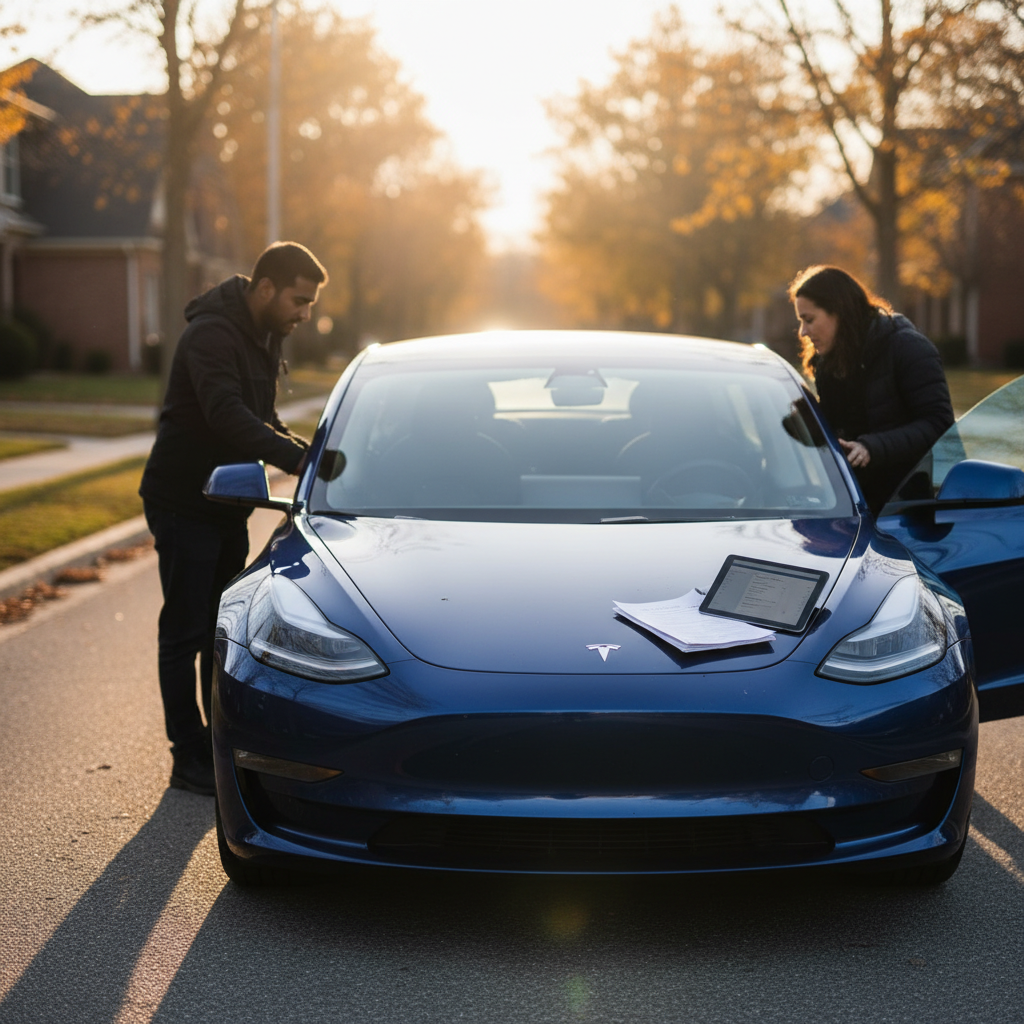
The most accurate Tesla valuation comes from submitting complete vehicle information and allowing its condition and battery to be verified. A VIN-based estimate can narrow the range, but undisclosed damage, incorrect mileage, missing equipment, or an unusual configuration can change the final number. Follow the same process for every offer so you are comparing equivalent proposals.
- Gather the VIN, exact mileage, registration or title information, loan-payoff details, and service records.
- Photograph every exterior panel, each wheel, the glass, both seating rows, cargo areas, charging port, and vehicle display.
- Disclose warning messages, accident repairs, title issues, tire wear, modifications, missing keys, and charging accessories.
- Request a verified battery-health assessment rather than estimating health from the displayed range alone.
- Compare the net payout, timing, inspection terms, transportation requirements, and whether the offer can change after an in-person review.
Use one accurate description everywhere
Instant offer, trade-in, or consignment. Pickup available.
Used Tesla value FAQ
The bottom line
A live median asking price of $30,997 gives you a starting point, but your used Tesla's real value depends on the exact vehicle and the selling route. Verify its battery health, document condition honestly, compare it only with similar Teslas, and separate retail pricing from the amount a seller actually receives. A complete inspection and current offer provide a more defensible answer than a generic online estimate.