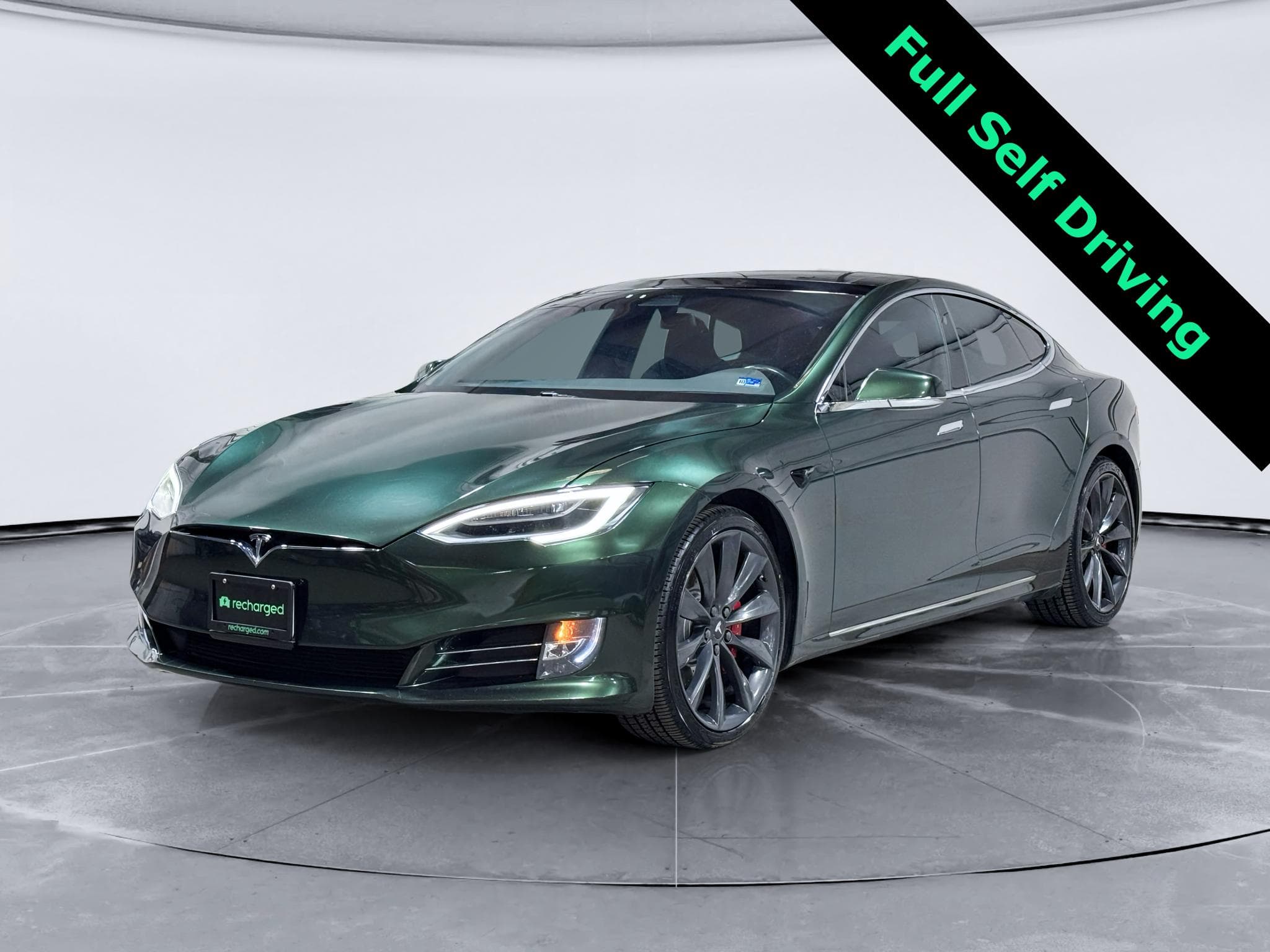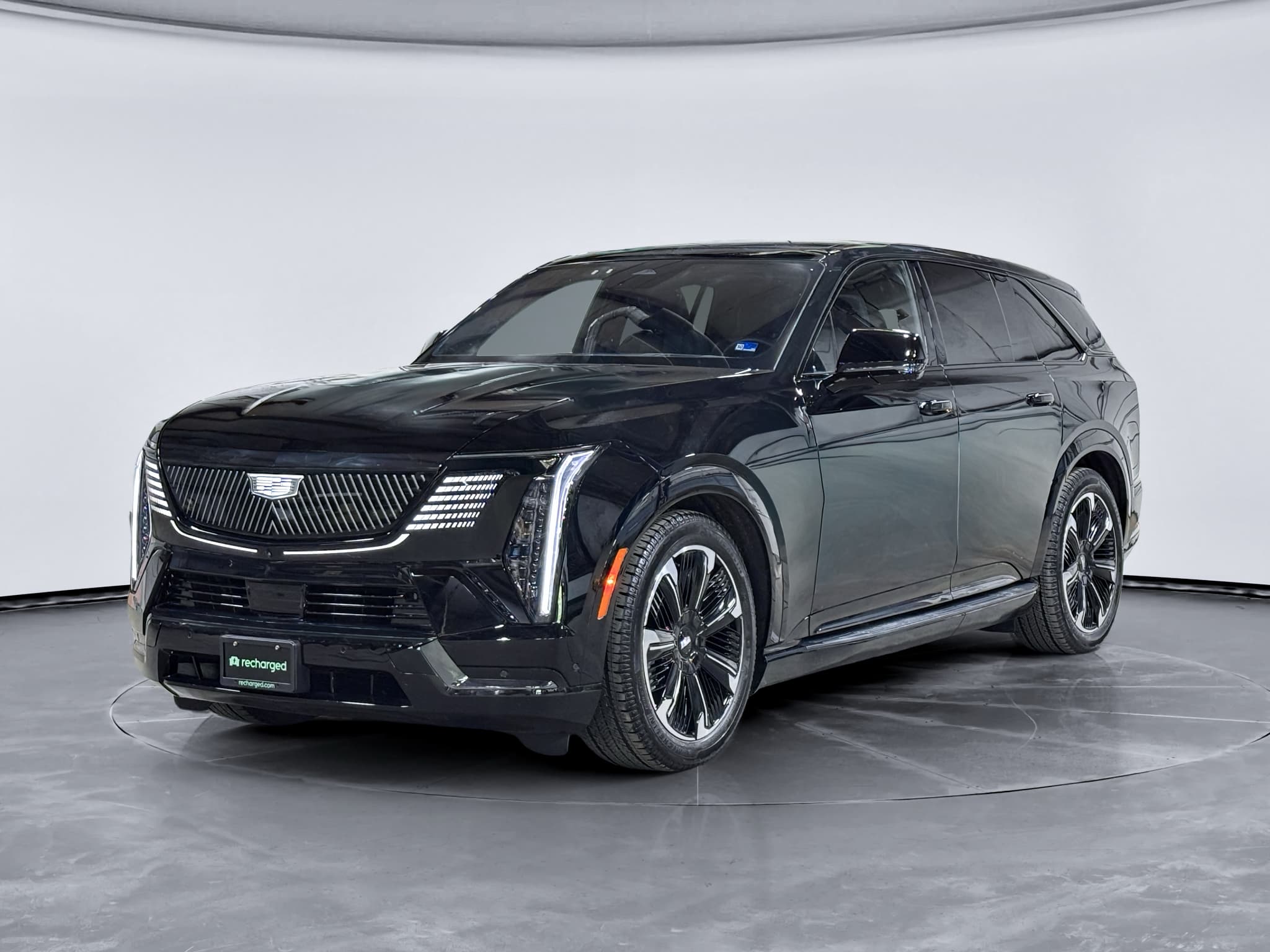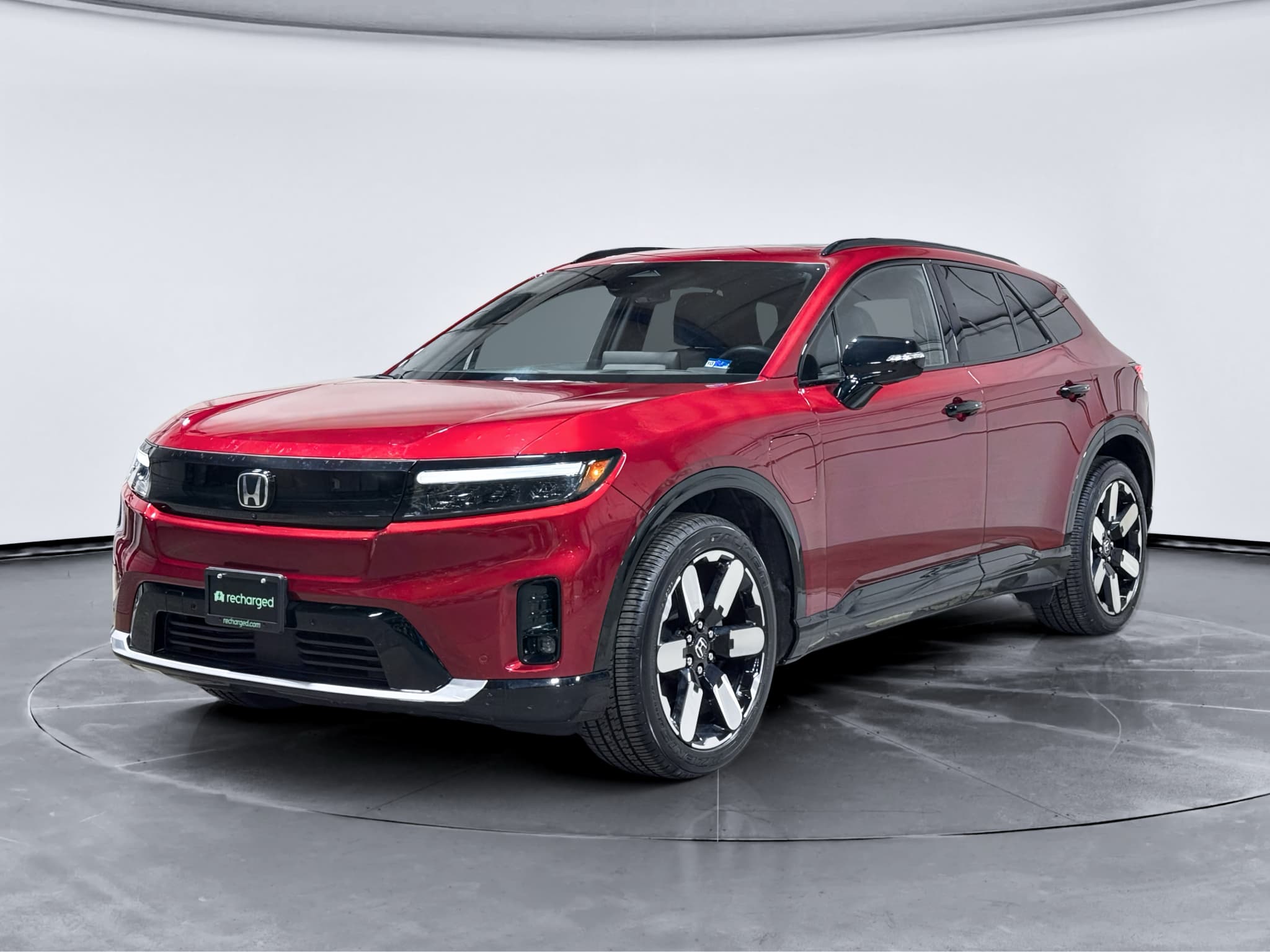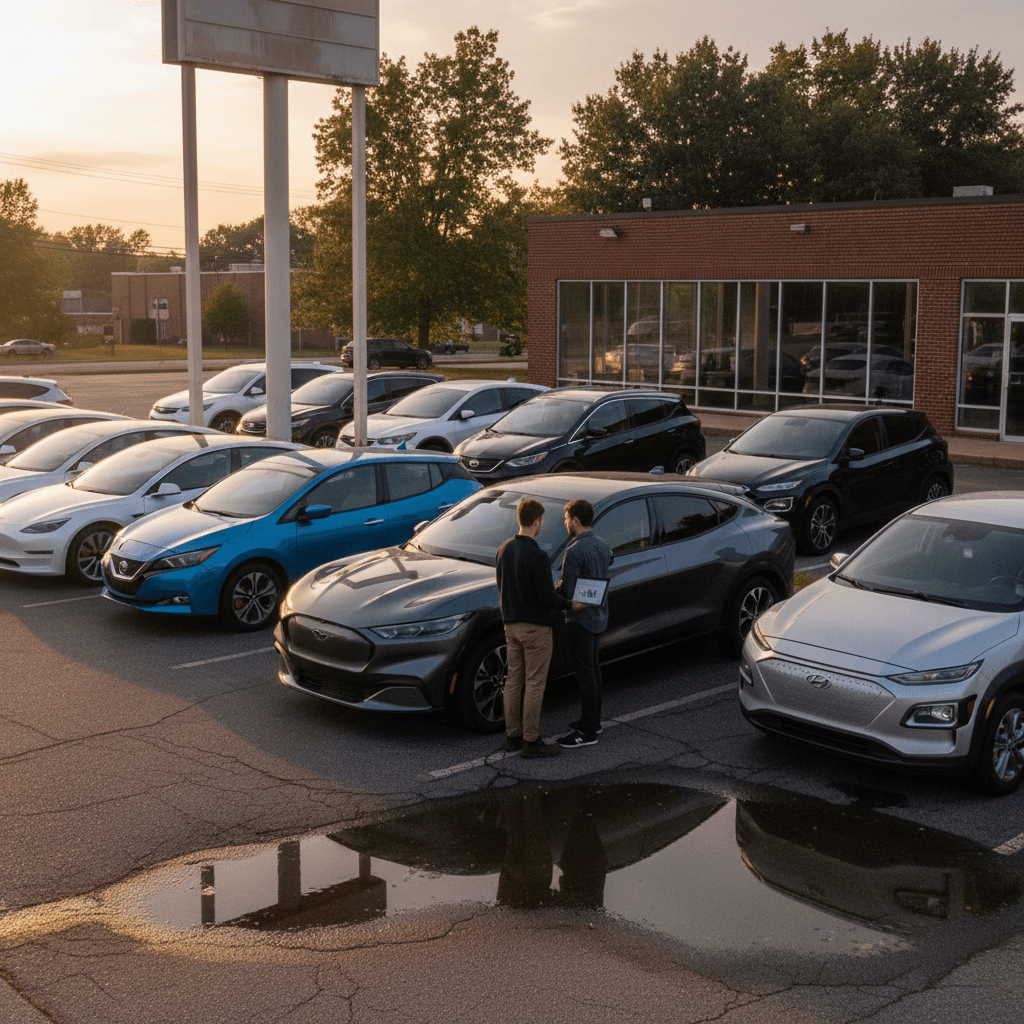
Buying a used electric vehicle requires more than checking mileage, tires, and accident history. You also need to understand the traction battery, the large battery that powers the vehicle, along with tested range, charging compatibility, and the price of comparable EVs. A dealer specializing in electric vehicles can make those factors easier to evaluate before you commit.
An EV specialist answers EV-specific questions
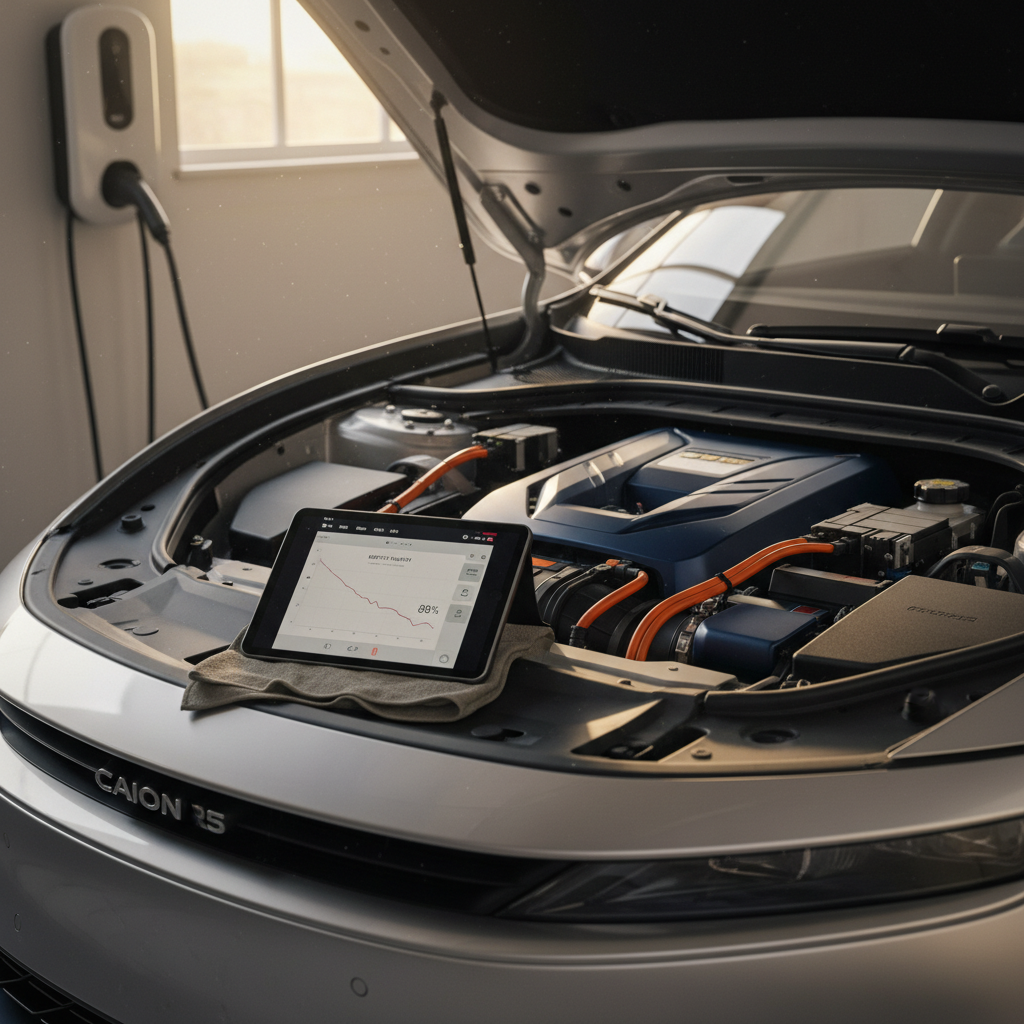
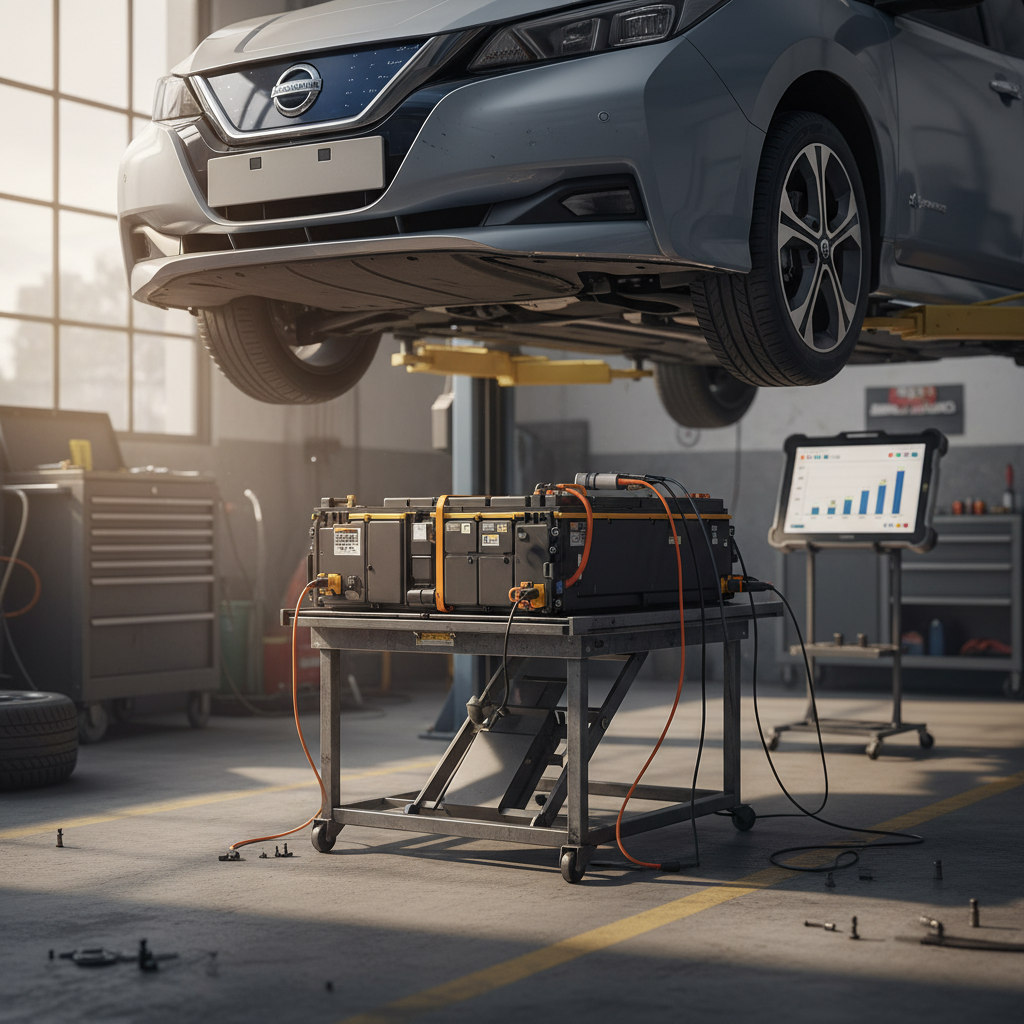
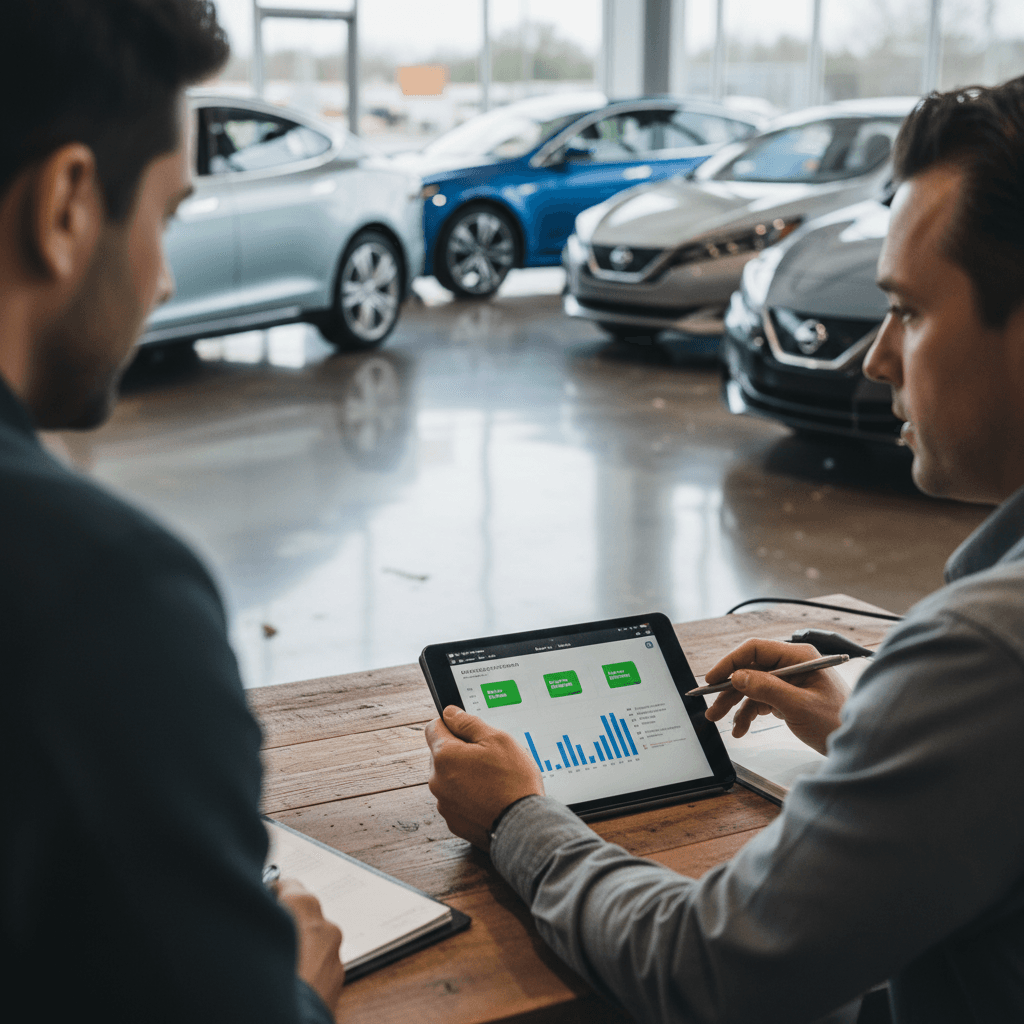
An EV specialist is most useful when it replaces assumptions with vehicle-specific evidence. Recharged includes a Recharged Score Report with verified battery health, fair-market pricing information, and expert-guided support, helping you understand what you’re buying rather than relying only on the dashboard’s displayed range. If battery terminology is new to you, start with this guide to used-EV battery health.
That specialization also matters when you compare charging ports, expected daily range, home-charging needs, and financing. The right vehicle isn’t simply the EV with the largest advertised range; it’s the one whose tested condition, charging setup, space, and total cost fit the way you actually drive.
What Recharged data says about battery health and prices
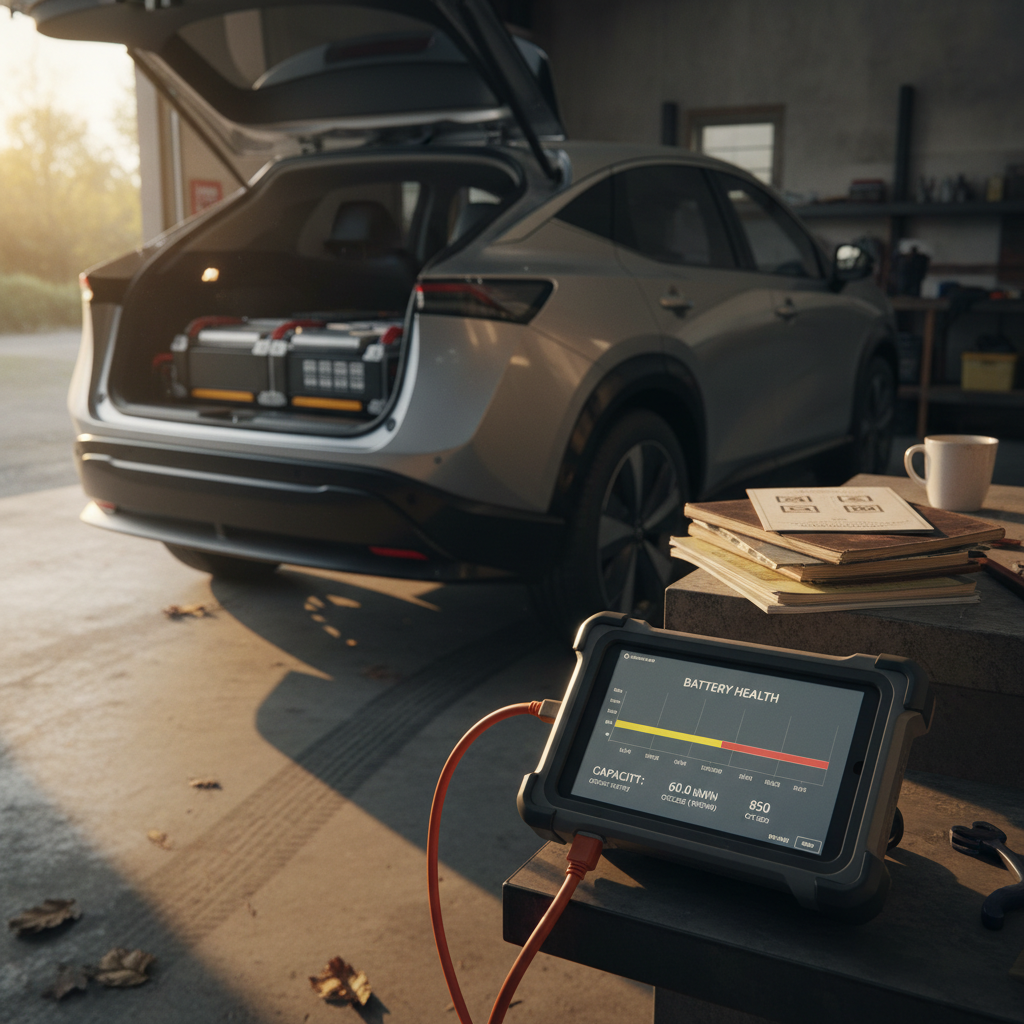
Recharged inspection and listing data shows that shoppers can find strong remaining battery capacity across a broad range of used-EV prices. In 2,242 Recharged Score inspections, tested remaining capacity averaged 93.9% of the battery’s original capacity, while the median was 94.9%. Median tested real-world range was 268 miles, although an individual vehicle’s result can vary substantially by model, battery size, condition, temperature, and configuration.
In Recharged’s September 22, 2026 snapshot of 417 current listings, the median asking price was $30,997. Asking prices ran from $12,996 to $146,998, reflecting a mix that stretches from more affordable everyday EVs to substantially more expensive vehicles. These are current listing prices, not claimed discounts against another pricing guide.
The practical takeaway is to compare the price and battery report together. A lower asking price can be attractive, but it should still be weighed against tested battery capacity, real-world range, vehicle history, equipment, and charging compatibility.
Recharged data
Used EV battery health
94%
avg remaining capacity
From Recharged battery inspections, not manufacturer estimates.
- Lowest
- 63%
- Median
- 95%
- Highest
- 100%
- Est. range
- 266 mi avg
- Cell balance pass
- 100%
- Quick charges
- 18 avg
- Slow charges
- 65 avg
Average cell imbalance: 7.3 mV
Based on vehicles Recharged tested
Recharged data
Used EV prices at Recharged
$30,997
median list price
Current list prices for matching inventory at Recharged.
- Lowest
- $12,996
- Average
- $34,803
- Highest
- $146,998
Average Recharged Score on these listings
4.8 / 5
Range
3.7 – 5.0
Based on available listings
Every EV is battery-tested with a Recharged Score. Nationwide delivery.
What can you do at the Richmond Experience Center?
The Richmond Experience Center gives you a local place to get EV-specific guidance while retaining the convenience of a digital buying process. You’ll find Recharged at 8410 W Broad St, Richmond, VA 23294, and you can call (804) 390-5910. Recharged also provides financing, trade-in support, instant-offer or consignment paths for a vehicle you’re replacing, and nationwide delivery; review the broader process in the used electric-car buying guide.
The Broad Street location is designed around questions conventional used-car shopping can leave unanswered. You can discuss how much range you need, whether your home can support charging, how to interpret the Recharged Score Report, and which vehicle characteristics matter for your commute or household.
A used EV should be evaluated as an EV, not just as another used car. We want shoppers to see the battery evidence and understand how it affects range, charging, and value before they decide.
How to compare Richmond used-EV sellers
Compare sellers by the evidence and support they provide, not merely by how many cars appear in an online search. The deciding factors are usually battery-health transparency, EV-specific guidance, financing or trade-in convenience, and the help available after you identify a promising vehicle.
Richmond used-EV shopping paths
Use these distinctions to decide where to begin your search.
| Shopping path | Best for | What to verify | Convenience |
|---|---|---|---|
| Recharged Richmond | EV-specific guidance | Score and battery report | Center plus digital |
| Franchise dealer | Brand-focused shopping | Battery diagnostics included | Location dependent |
| General used dealer | Mixed vehicle selection | EV expertise available | Location dependent |
| Private seller | Direct owner contact | Independent inspection | Buyer coordinates process |
Services and documentation can vary by seller and individual vehicle.
A private seller or general used-car dealer may still have the right vehicle, but you’ll need to verify what documentation is included. Ask whether battery capacity was actually tested, whether the displayed range is merely a dashboard estimate, and who can explain the vehicle’s charging hardware and software history.
What should you verify before buying?
Verify the battery, tested range, charging equipment, total price, and ownership fit before signing. This keeps an appealing price or long feature list from overshadowing the factors that determine how convenient the EV will be in daily use. If you expect to borrow, compare the vehicle and financing terms together using this used-EV financing guide.
Your used-EV dealer checklist
Request battery evidence
Look for tested remaining capacity and real-world range tied to the individual vehicle.
Match range to your routine
Leave room for weather, highway driving, detours, and charging availability.
Confirm the charging port
Identify the vehicle’s fast-charging connector and any adapter requirements.
Plan home charging
Determine whether a standard outlet or Level 2 installation fits your driving needs.
Compare the complete deal
Review vehicle price, financing, trade-in value, delivery, fees, and included support.
Don’t budget for an expired federal credit
Richmond has practical public fast-charging access
Richmond-area public charging gives used-EV shoppers several fast-charging options, but connector compatibility still matters. Reviewed charging-station data for the area within 25 miles of the Richmond center identifies 36 CCS stations, 215 DC fast-charging ports, and 11 NACS stations. CCS is the Combined Charging System connector found on many EVs, while NACS is the connector design associated with Tesla and increasingly used by other automakers.
A DC fast charger adds energy much faster than typical home equipment, while Level 2 refers to the common 240-volt setup used for routine overnight charging. Before choosing a vehicle, confirm which public networks and connectors it can use natively, whether an adapter is supported, and how you’ll charge at home. The EV home-charging guide explains the basic equipment choices.
Instant offer, trade-in, or consignment. Pickup available.
Richmond used-EV dealer FAQs
Start with the battery evidence
The best place to begin is a dealer that can show you what the battery test means and how the vehicle fits your driving. Recharged combines a local Broad Street Experience Center with verified battery diagnostics, current market pricing, financing, trade-ins, digital purchasing, and nationwide delivery. Compare individual vehicles by their condition and Recharged Score Report, then choose the EV that works for your range, charging access, and budget.