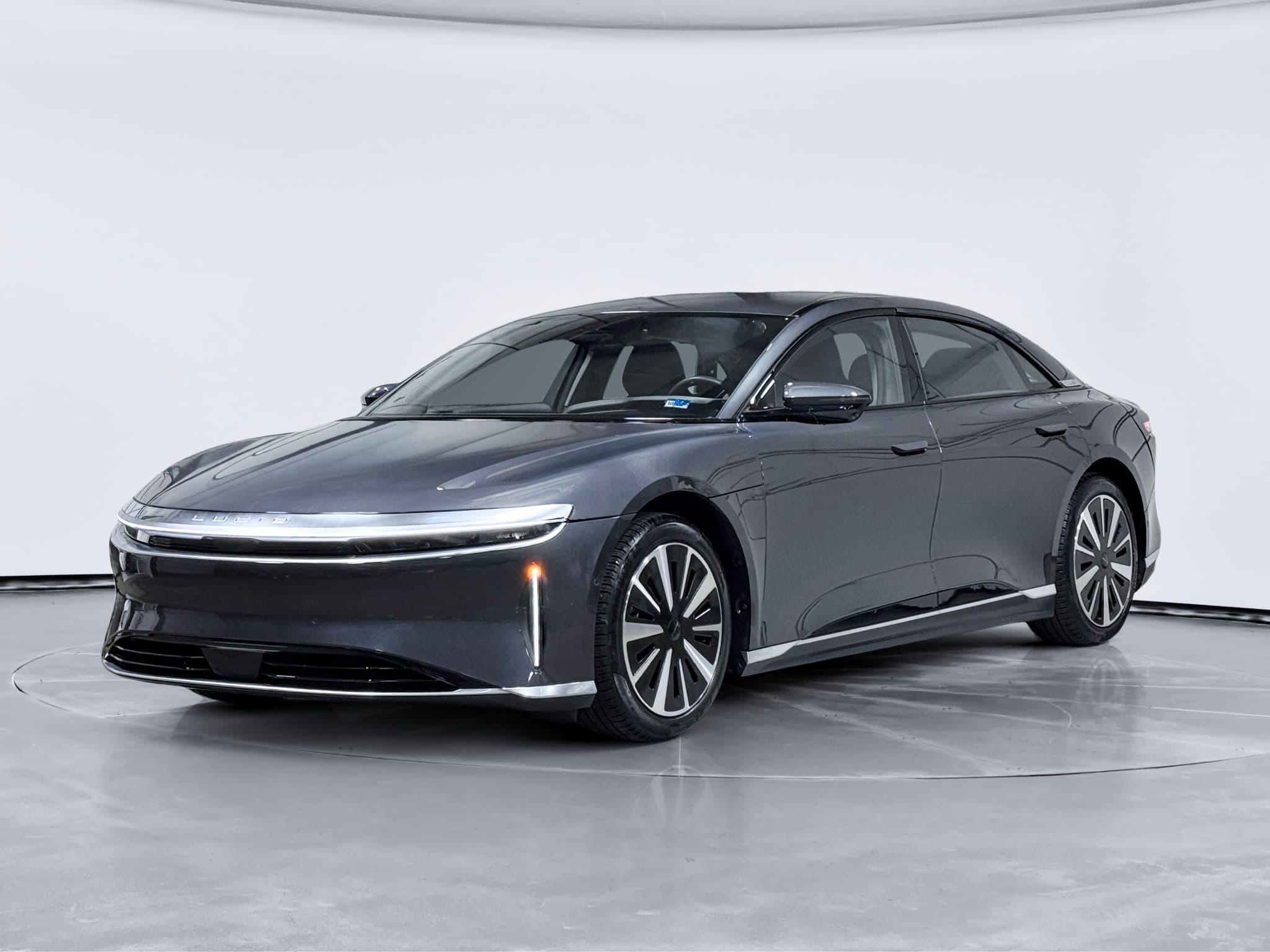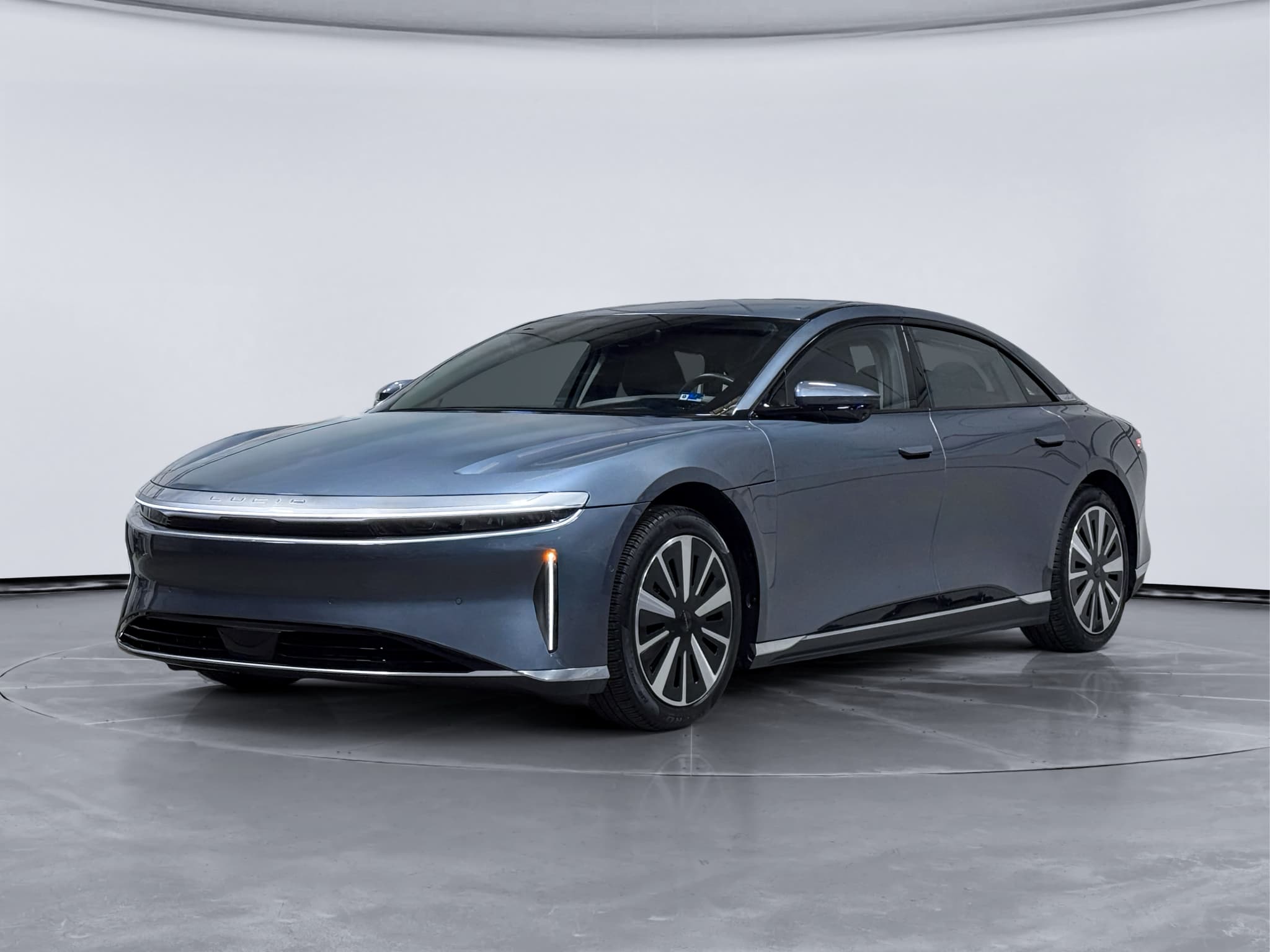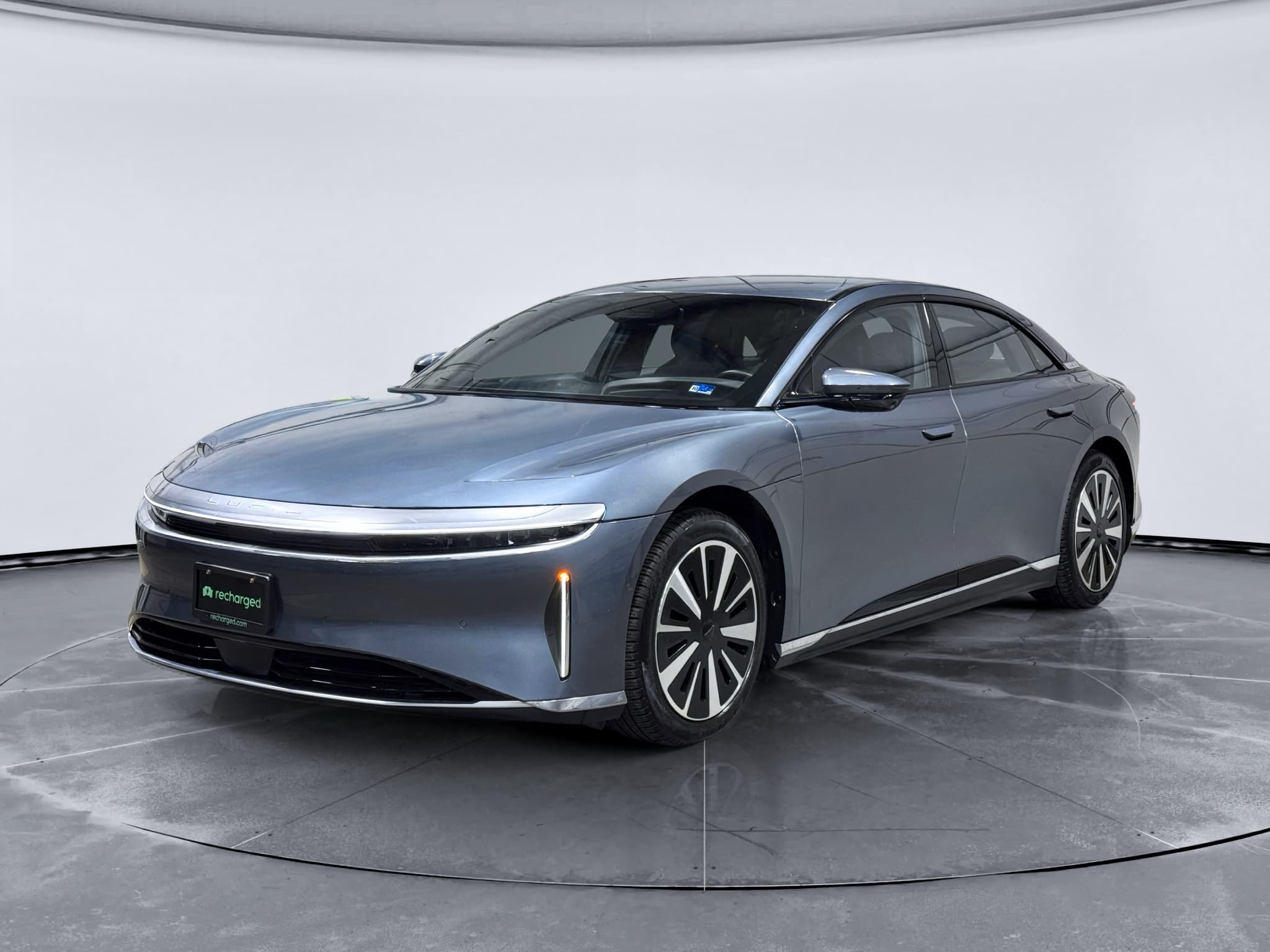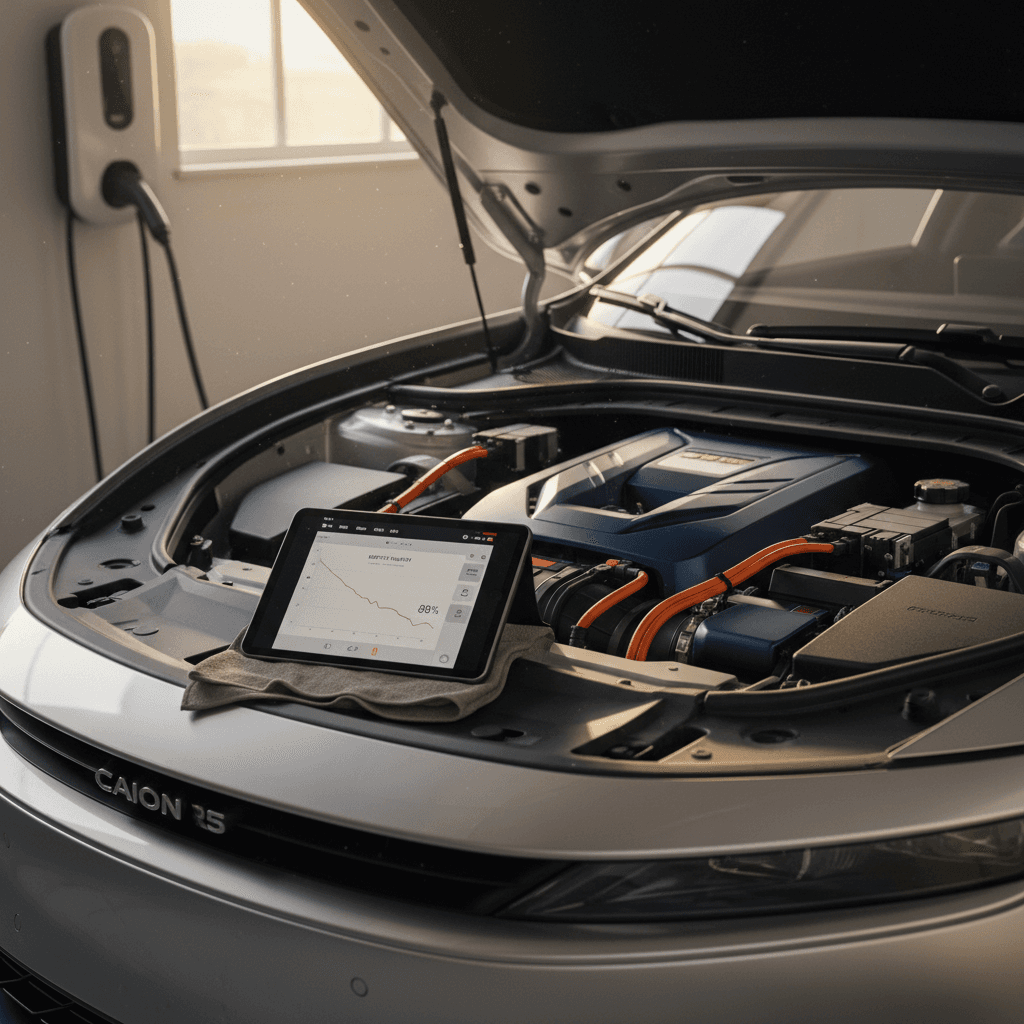
The Lucid Air puts an unusually large amount of its appeal into the battery: long-distance usefulness, effortless power, and the sense that interstate travel need not resemble an endurance test. That makes battery condition central to a used Air, not merely another inspection item. The right question is not whether lithium-ion batteries age, because they do; it is whether the specific Air you're considering still has enough verified capacity and stable performance for your driving.
What does battery degradation actually mean?
Battery degradation is the gradual decline in the energy a pack can store and deliver compared with when it was new. Capacity is measured in kilowatt-hours (kWh), meaning the amount of electrical energy available, while battery-health diagnostics often express remaining capacity as a percentage of the original figure. A lower full-charge range estimate may accompany degradation, but the dashboard estimate alone cannot measure it reliably. For a broader explanation, see Recharged's guide to EV battery degradation.
Degradation also isn't a simple odometer for the battery. Vehicle age, temperature exposure, charging habits, storage at very high or low charge, software behavior, and repair history can all shape the result. Two used Air sedans with similar mileage can therefore deserve different valuations once their batteries are tested.
What Recharged data shows, and doesn't
Recharged's inspection data offers a useful EV-fleet benchmark, but it does not establish a Lucid Air-specific degradation rate. Across 2,242 EVs with Recharged Score battery diagnostics, tested remaining capacity averaged 93.9% of original capacity, while the median was 94.9%. Those are results from the broader inspected fleet, not 2,242 Lucid Air sedans, so they should be used as context rather than a promise about an individual car.
Recharged also had six matching Lucid Air listings in the current snapshot, with asking prices from $40,998 to $57,998. The average asking price was $47,831 and the median was $46,998, but this live listing set did not contain scored battery-health statistics that connect those prices to tested capacity. In other words, the listings show where the available cars were priced, not how quickly an Air battery typically degrades.
The useful takeaway
A luxury EV can look pristine and still leave its most expensive component unanswered. We want the battery diagnostic beside the condition report, because that is what turns an attractive used car into an informed decision.
Recharged data
Used EV battery health
94%
avg remaining capacity
From Recharged battery inspections, not manufacturer estimates.
- Lowest
- 63%
- Median
- 95%
- Highest
- 100%
- Est. range
- 266 mi avg
- Cell balance pass
- 100%
- Quick charges
- 18 avg
- Slow charges
- 65 avg
Average cell imbalance: 7.3 mV
Based on vehicles Recharged tested
Recharged data
Used Lucid Air prices at Recharged
$46,998
median list price
Current list prices for matching inventory at Recharged.
- Lowest
- $40,998
- Average
- $47,831
- Highest
- $57,998
Based on available listings
Every EV is battery-tested with a Recharged Score. Nationwide delivery.
How should you evaluate a used Lucid Air?
You should evaluate a used Lucid Air with a measured capacity test, charging check, and complete condition review. Start with tested remaining capacity rather than the optimistic or pessimistic number currently displayed on the dashboard. Then consider whether the result provides enough practical range for your commute, road trips, weather, and preferred charging buffer. Recharged's EV battery-health guide explains why a verified diagnostic is more meaningful than mileage alone.
The evidence hierarchy for a used Air
These checks answer different questions; none should be treated as a complete diagnosis by itself.
| Check | What it reveals | Main limitation | Buyer action |
|---|---|---|---|
| Capacity diagnostic | Remaining usable capacity | Needs model context | Match to range needs |
| Cell-balance reading | Pack consistency | Single-time snapshot | Investigate irregular results |
| Dashboard range | Predicted driving distance | Weather-sensitive estimate | Don't use alone |
| DC charging test | Fast-charge behavior | Charger affects results | Check session stability |
| Service records | Repairs and updates | Records may be incomplete | Verify unresolved concerns |
Use measured battery condition alongside charging, service, and physical inspection results.
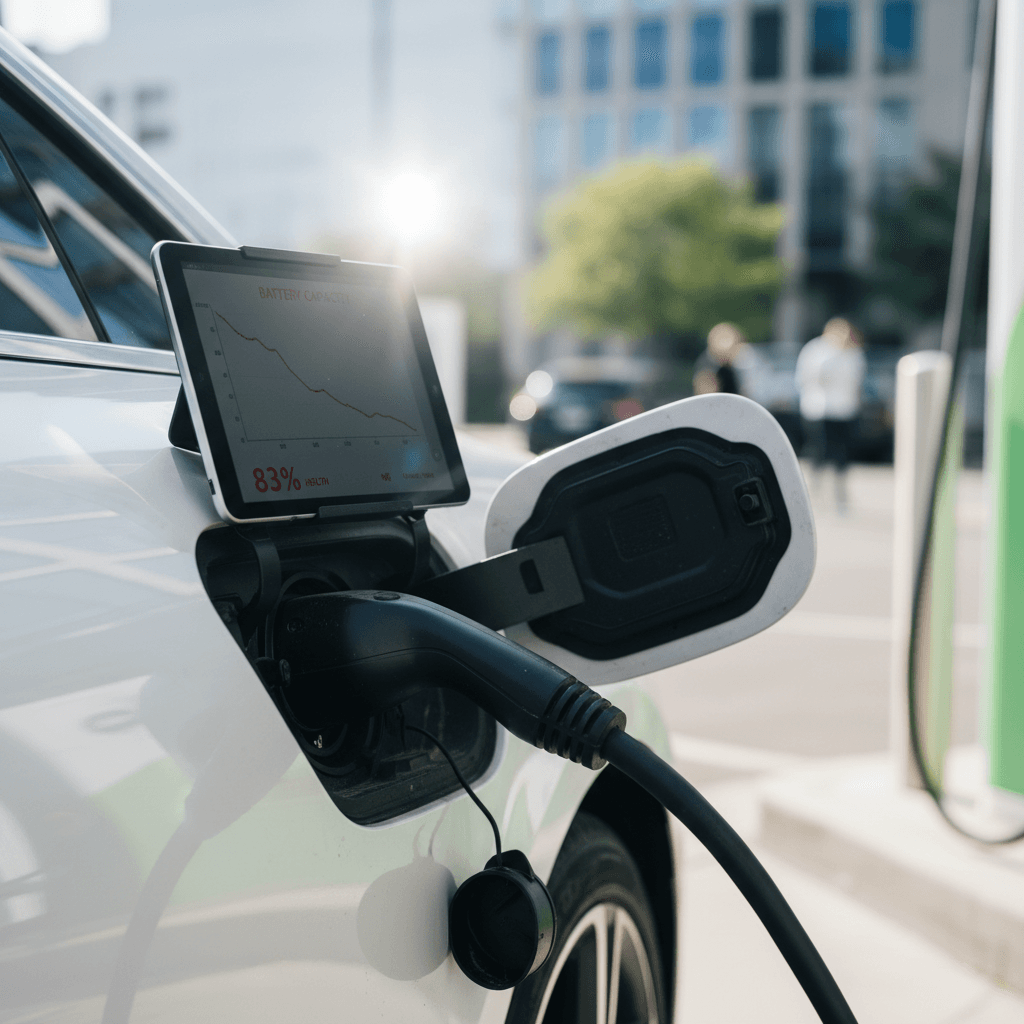
Physical condition still matters because a battery report does not inspect wheels, tires, paint, glass, cabin wear, or previous repairs. During a Recharged team review of a Lucid Air trade, the team checked every wheel, tire wear, glass, body lines, paint finish, interior condition, odor, and the car's exact configuration. That breadth is the right model for any used-EV inspection: verify the high-voltage battery, but don't let its complexity distract you from the rest of the car.
Range loss isn't always battery degradation
A disappointing range estimate does not automatically mean that the battery has permanently lost the same proportion of capacity. The displayed figure is a prediction based on variables that can change from one trip or driver to the next. Cold or hot weather, sustained highway speed, cabin heating or cooling, wind, elevation, tire pressure, wheel and tire choices, and recent driving style can all alter energy consumption without proving permanent capacity loss.
- Compare like with like: use similar weather, speed, route, and climate settings.
- Check energy consumption as well as the distance driven from a known charge level.
- Confirm tire pressure and inspect for unsuitable or badly worn tires.
- Allow the vehicle's estimate to recalibrate after a change in driver or usage.
- Use a battery diagnostic when the range change is persistent or unexplained.
Charging speed is another imperfect proxy. Direct-current (DC) fast charging can vary with battery temperature, starting charge, charger output, site congestion, and the vehicle's protective charging curve. If a session is slow, rule out those variables before treating it as evidence of pack damage; Recharged's EV charging guide explains the differences among home and public charging methods.
For long trips, the Lucid Air is one of the EVs our team reaches for because of its range, comfort, space, and performance. On a used example, preserving that road-trip advantage starts with confirming the battery rather than assuming it.
What makes a used Lucid Air a smart purchase?
A used Lucid Air makes sense when its verified battery capacity, condition, configuration, and asking price align with how you will actually use it. A less-than-perfect capacity result need not disqualify the car if the remaining practical range comfortably exceeds your needs and the price reflects its condition. Conversely, a beautiful cabin and an imposing range estimate should not persuade you to skip a battery test.
Ask for the diagnostic method and inspection date, then determine whether the report applies to the car's current condition. Review service documentation and charging behavior, test every major cabin function, and identify the precise configuration rather than relying on appearance or a vague listing title. Finally, compare the total proposition, not just the lowest sticker price, because tires, cosmetic repairs, unresolved faults, delivery, and financing can change what initially looks like a bargain.
Before committing to the car
Instant offer, trade-in, or consignment. Pickup available.
Lucid Air battery degradation FAQ
The verdict: verify the battery, then buy the car
A used Lucid Air can be a persuasive long-distance luxury EV, but its battery health should be measured rather than presumed. Recharged's broader inspection fleet shows strong average and median remaining capacity, yet that benchmark cannot establish a Lucid-specific degradation pattern. Choose the individual Air whose verified battery condition, range, physical inspection, and price work together, because the car you own will be one vehicle, not an average.