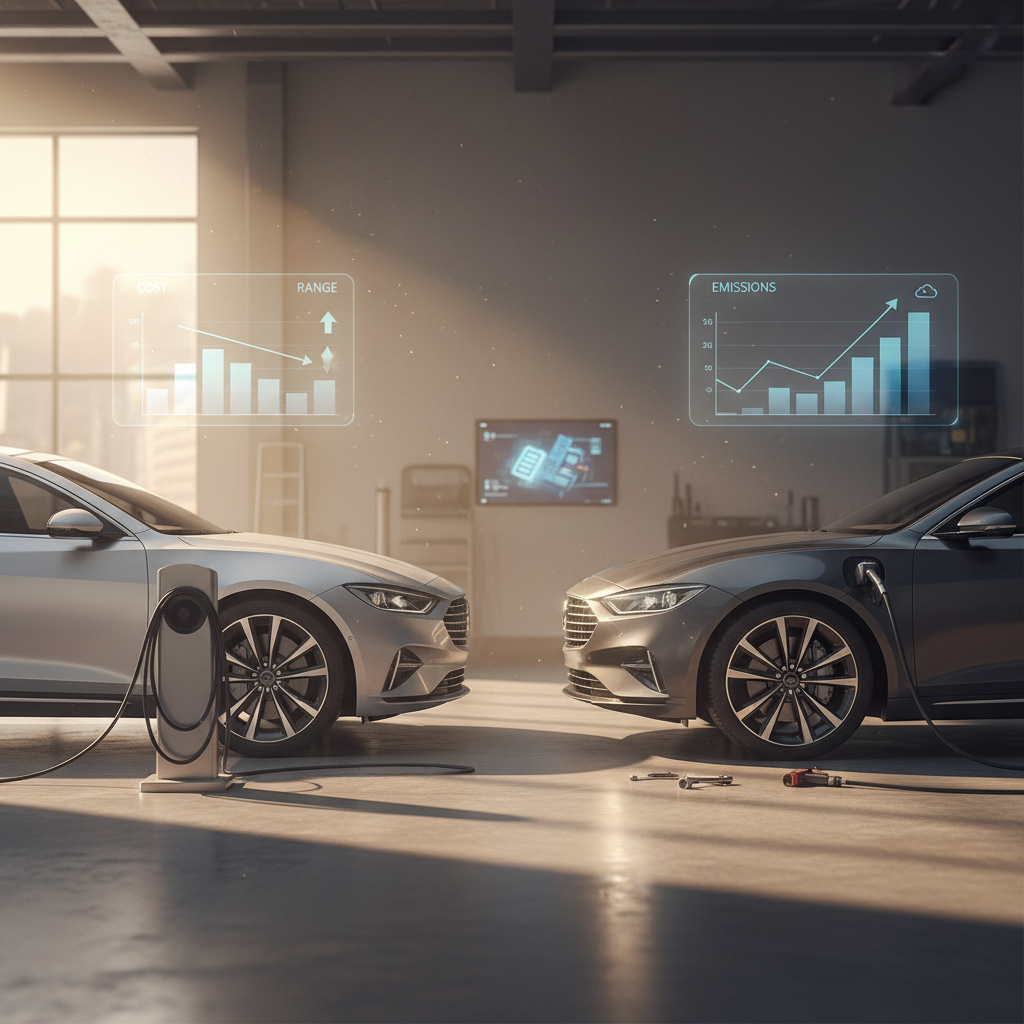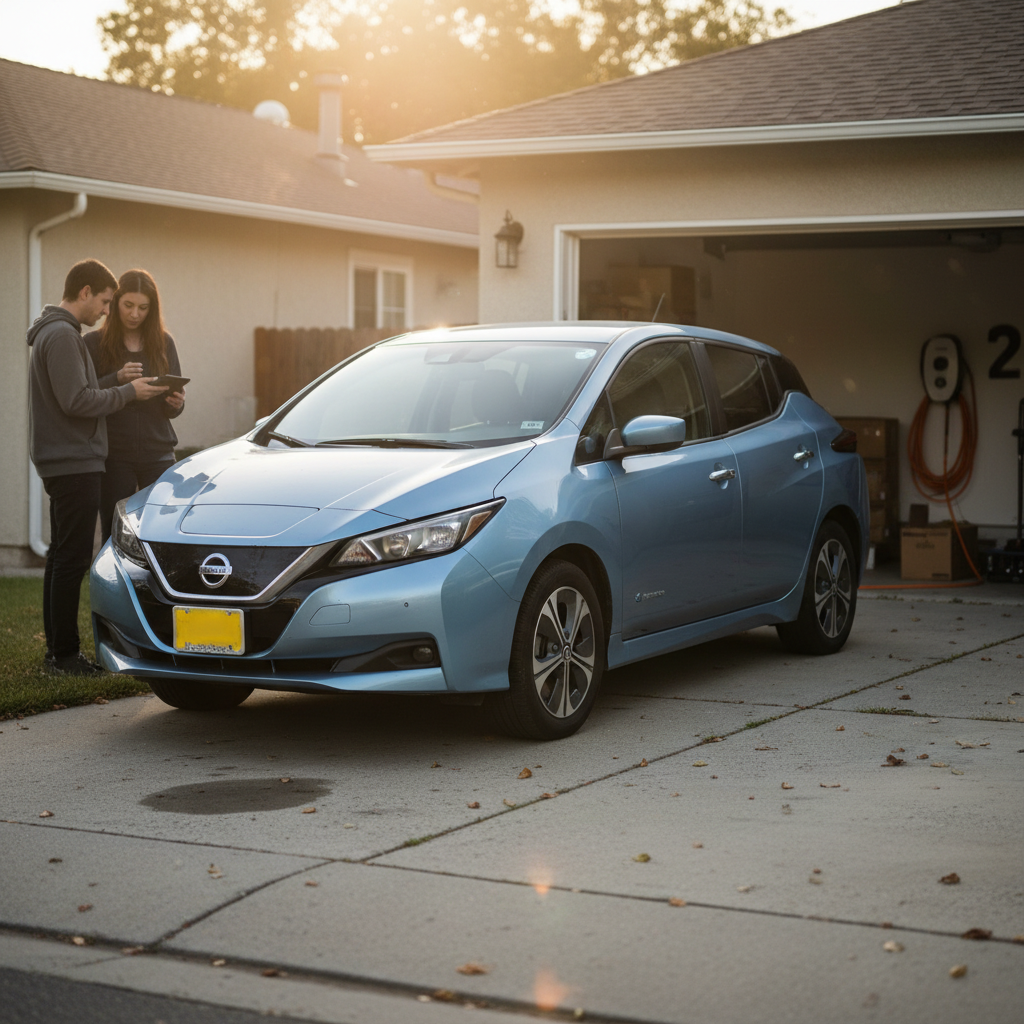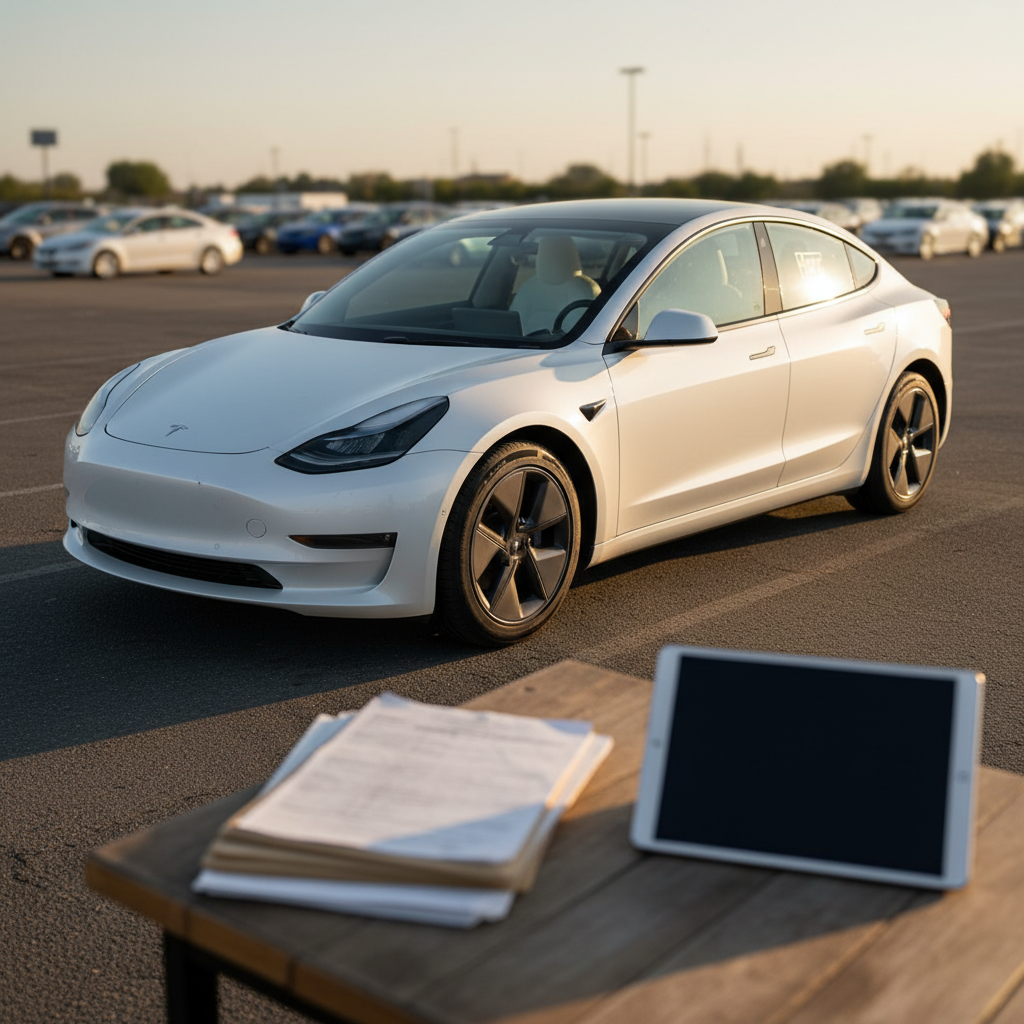
A useful EV maintenance budget starts with the specific car, not a generic industry average. Electric cars eliminate oil changes and many engine-related service items, but they still consume tires, filters, wiper blades, fluids, suspension parts, and occasionally patience. Your annual total will be shaped by mileage, road conditions, labor rates, warranty coverage, and which scheduled services are due that year.
What does annual EV maintenance include?
Annual EV maintenance usually consists of wear items, inspections, and model-specific scheduled service. Some costs arrive every year, while tires, brakes, and fluid services may come in larger but less frequent bills. For a useful annual estimate, spread those occasional expenses across the years you expect to own the car and keep unexpected repairs in a separate reserve.
Where your EV maintenance money goes
These are the main categories to include when building a vehicle-specific annual budget.
| Cost bucket | Typical cadence | What changes it | Budget treatment |
|---|---|---|---|
| Tires | Wear-based | Torque, weight, alignment | Annualized replacement fund |
| Filters and wipers | Condition or schedule | Climate, parking | Routine annual budget |
| Brake system | Inspection-based | Regeneration, corrosion | Service reserve |
| Fluids and cooling | Manufacturer schedule | Model, age | Scheduled-year allocation |
| Unplanned repairs | Unpredictable | Model-specific hardware | Separate repair reserve |
Service timing and requirements vary by vehicle; follow the maintenance schedule for your exact model.
Charging electricity, registration, insurance, loan payments, and depreciation are ownership costs, but they are not maintenance. Keeping those categories separate makes comparisons more honest. It also prevents an expensive insurance premium or public-charging habit from being mistaken for a mechanical problem.
Recharged battery-health data changes the risk
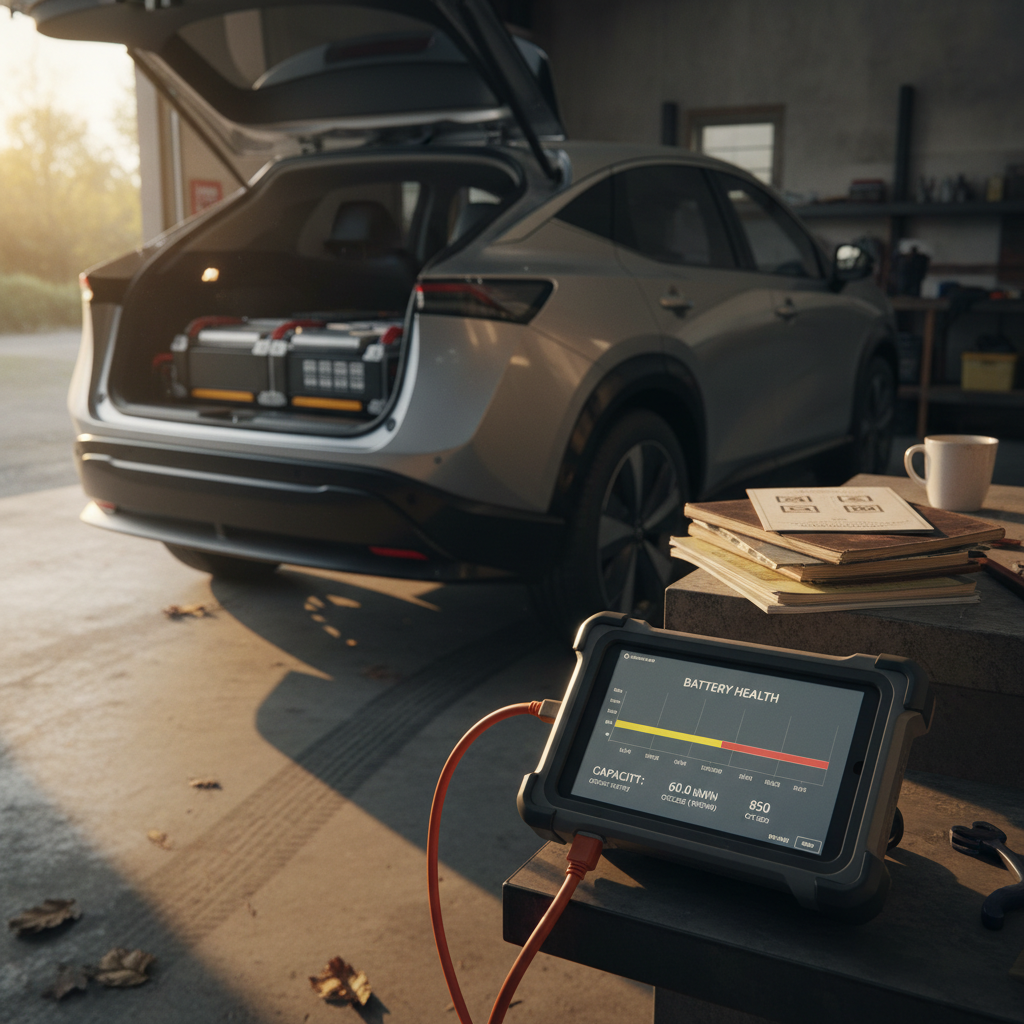
Battery replacement should not be treated as a routine annual maintenance charge, but battery condition should be verified before you buy. In 2,242 Recharged Score inspections, tested remaining battery capacity averaged 93.9% of original, with a median of 94.9%. That does not guarantee the condition of any individual EV; it shows why an actual diagnostic is more useful than assuming every older battery is headed for immediate replacement.

Battery replacement is the number shoppers fear most, but it is not an annual service item. We inspect the battery that is actually in the car because verified condition is more useful than an assumption based only on age or mileage.
The takeaway is practical: inspect the costly component rather than padding every annual budget as though a battery failure were inevitable. Every used EV sold by Recharged includes a Recharged Score Report with verified battery-health information. You can learn what those results mean in our guide to checking electric-car battery health.
Recharged data
Used EV battery health
94%
avg remaining capacity
From Recharged battery inspections, not manufacturer estimates.
- Lowest
- 63%
- Median
- 95%
- Highest
- 100%
- Est. range
- 266 mi avg
- Cell balance pass
- 100%
- Quick charges
- 18 avg
- Slow charges
- 65 avg
Average cell imbalance: 7.3 mV
Based on vehicles Recharged tested
Recharged data
Recent EV sold prices
$27,297
median sold price
What buyers actually paid through Recharged, not list price.
- Lowest
- $500
- Average
- $29,901
- Highest
- $129,998
Monthly median sold price
Based on Recharged sales in the last 12 months
Every EV is battery-tested with a Recharged Score. Nationwide delivery.
Why tires may be the biggest wear item
Tires can become the most noticeable recurring expense because an EV's immediate torque, vehicle weight, alignment, and your driving style all affect wear. That does not mean every EV destroys tires; smooth acceleration, correct pressure, regular rotation, and proper alignment can make a meaningful difference. Check the correct tire size and replacement price before buying, particularly when a vehicle has large wheels or specialized tires.
Brake wear can be less frequent because regenerative braking uses the electric motor to slow the car while recovering energy. Mechanical brakes still require inspection, however, and light use can allow corrosion or sticking components to go unnoticed. Tire and brake condition should therefore be part of any used-EV buying checklist, even when the battery report looks excellent.
Price the exact tire before you buy
Scheduled maintenance and repairs are different budgets
Scheduled maintenance is predictable from the owner's manual, while repairs depend on age, design, warranty coverage, and plain chance. Software updates may be remote, but physical hardware, including charging doors, powered covers, cameras, sensors, seals, and suspension parts, can still require workshop attention. A low scheduled-service burden does not make an EV immune to model-specific faults or recalls.
Our Cybertruck experience was a useful reminder that fewer routine powertrain service items do not mean there is nothing to fix. Its tonneau-cover slat needed repair, while separate cantrail work was handled through a recall, two issues outside a normal maintenance schedule.
Recall work and warranty-covered repairs should not automatically be counted as owner-paid maintenance, but they can still consume time. Before buying, check open recalls, remaining warranty coverage, service history, and access to qualified local repair facilities. If a feature is complex, powered, and exposed to weather, inspect it rather than assuming its electric operation makes it maintenance-free.
How can you estimate your annual cost?
The best estimate comes from the exact vehicle's service schedule, current condition, and local replacement prices. Do this before purchase so a worn set of tires or overdue fluid service does not become your first ownership surprise. For a used EV, pair the maintenance history with an independent condition inspection and a verified battery diagnostic.
- Find the manufacturer's maintenance schedule for the exact model, model year, drivetrain, and mileage.
- List the services due during your next year of driving, including inspections, filters, fluids, and any time-based requirements.
- Inspect tire tread, age, size, and alignment, then price a matching replacement set locally.
- Review brake condition, suspension wear, warning lights, powered accessories, charging hardware, and open recalls.
- Annualize occasional wear items by dividing their expected replacement cost across the period you reasonably expect to use them.
- Add a separate repair reserve based on vehicle age, warranty coverage, service history, and the complexity of its equipment.
Use a three-part estimate
When shopping used, do not compare maintenance needs from listing photos alone. Recharged combines fair market pricing with a Recharged Score Report and EV-specialist guidance, helping you separate battery condition from ordinary wear. Our guide to the total cost of owning an electric car can help you place maintenance alongside the other expenses.
Instant offer, trade-in, or consignment. Pickup available.
Electric car maintenance cost FAQs
The useful number is vehicle-specific
The useful annual maintenance number is the one built for the EV you actually plan to own. Start with its scheduled service, annualize foreseeable wear items, verify battery health, and hold a separate reserve for repairs. That approach is less tidy than a universal average, but it is far more likely to match the bills that reach your driveway.