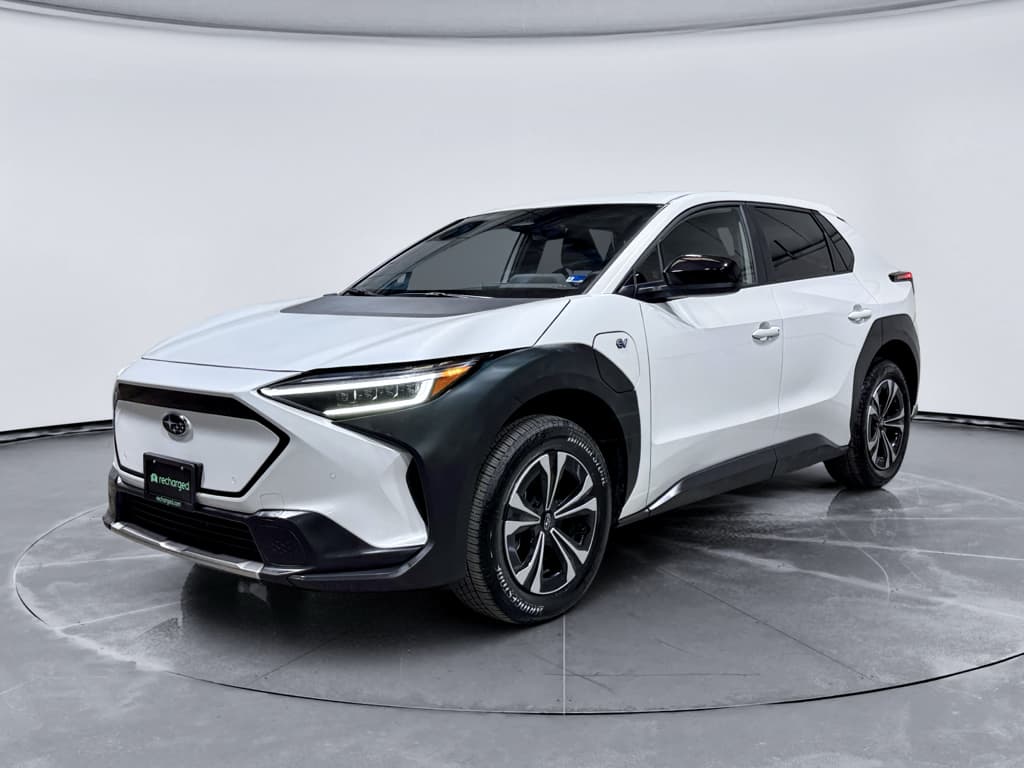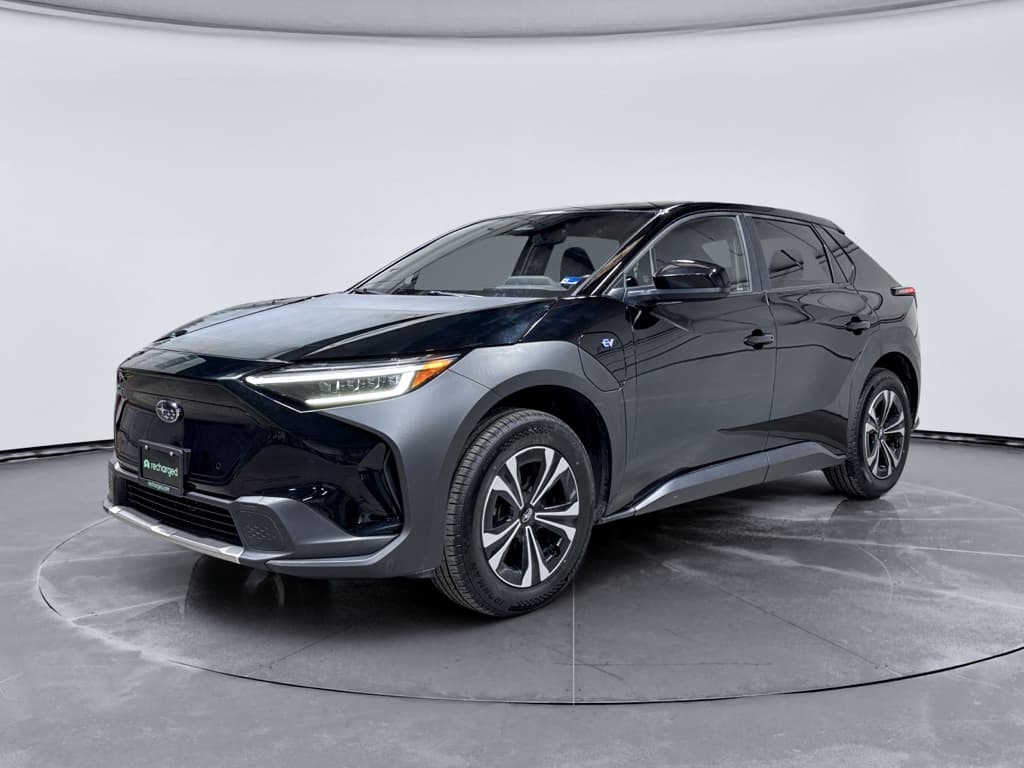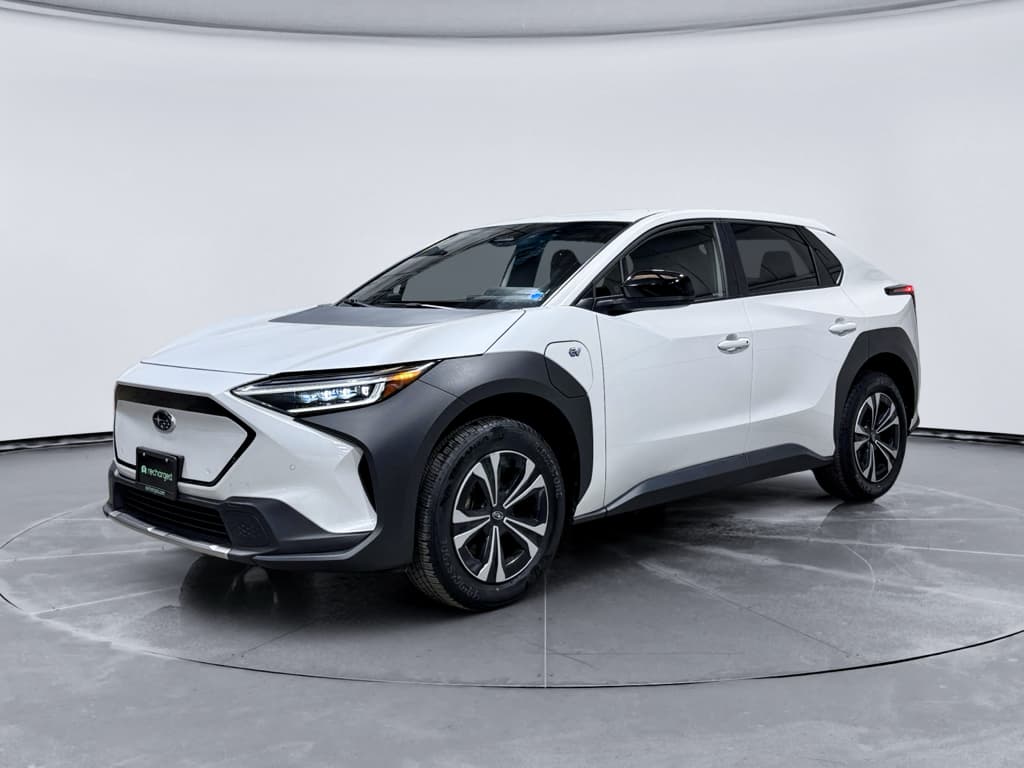
If you’re looking up a Subaru Solterra charging speed test, you’re probably trying to answer one question: is this EV fast enough to charge for my real life, daily commuting, weekend getaways, maybe the occasional cross‑country trip? On paper the numbers look decent, but real‑world charging behavior, software limits, and cold‑weather performance tell a more nuanced story.
Why Solterra charging speed matters
Solterra charging at a glance
Subaru Solterra charging specs snapshot
Those are the headline figures, but they don’t tell you what actually happens when you plug into an Electrify America, ChargePoint, or Tesla Supercharger (via NACS on the 2026 model). To make sense of the Solterra charging curve, we need to look at both specs and real‑world tests.
How fast does the Solterra really charge?
Subaru quotes a maximum DC fast‑charge rate around 100 kW for the first‑generation Solterra (2023–2024), paired with a roughly 72.8 kWh battery pack. Independent testing has found that from 10–90% state of charge, the average DC rate is closer to the high‑60 kW range, with a 10–90% session taking just under 50 minutes when everything goes right. That translates to about 35–40 minutes for a realistic 10–80% window.
For 2024, Subaru added improved battery conditioning. The company itself says the 2024 Solterra can go from 10% to 80% in about 35 minutes on a capable DC fast charger, roughly twice as quick as the 2023 car under similar conditions. The big step change arrives for the 2026 Solterra, which gets a larger battery, better thermal management, and a revised charging system. Subaru is now targeting 10–80% in under 35 minutes on a 150 kW charger, while also switching the car in North America to the NACS (Tesla‑style) charge port for access to a larger Supercharger footprint.
Rule of thumb for Solterra fast charging
2023 vs 2024 vs 2026 Solterra charging speeds
The phrase “Subaru Solterra charging speed test” can mean very different things depending on which model year you’re talking about. Subaru has quietly but meaningfully improved charging performance with each update.
Subaru Solterra charging specs by model year (high level)
How DC fast‑charging performance and hardware evolved from the first Solterra to the 2026 refresh.
| Model year | Battery (approx usable) | Peak DC rating | Typical 10–80% time* | Charge port | Notable updates |
|---|---|---|---|---|---|
| 2023 | ~65 kWh usable | Up to 100 kW | ~45–60 min | CCS | First year; conservative charging curve, especially in cold weather. |
| 2024 | ~65 kWh usable | Up to 100 kW | ~35–40 min | CCS | Improved battery conditioning; Subaru claims ~35 min 10–80% and much better cold‑weather performance. |
| 2026 | ~70+ kWh usable | Target up to ~150 kW | Under 35 min | NACS (Tesla style) | Larger battery, faster AC/DC charging, NACS port for Supercharger access, better thermal management. |
Exact charge time will vary with temperature, charger quality, and starting/ending state of charge, but this gives you the right ballpark for planning.
Cold‑weather gains in 2024+
DC fast charging speed test results
Let’s walk through what a realistic Subaru Solterra fast‑charging session actually looks like in the wild, then compare that to what you’d experience in a newer 2024 or 2026 model.
Real‑world Solterra DC fast‑charging behavior
What owners and instrumented tests are seeing on the road
2023 Solterra, 10–90% on CCS
Independent testing on early cars found an average rate of roughly ~67 kW from 10–90%, taking about 48 minutes to complete the session when the charger and battery were cooperating.
Peak power briefly touches ~100 kW but the car tapers fairly quickly as state of charge rises.
“Good day” owner experience
Many owners report seeing 70–80 kW for much of a charge when arriving with a warm battery and low state of charge (under ~30%). In those scenarios, adding ~150–180 miles in 30–40 minutes is typical.
“Bad day” charger + software limits
Other Solterra drivers describe frustrating sessions where power drops into the single‑digits after multiple DC fast charges in one day, or when the pack is too cold. Subaru uses conservative limits to protect the battery, but that can make long‑haul days feel slow.
DC fast‑charge limits per day
The 2024 and 2026 updates don’t magically turn the Solterra into a charging champion like a Hyundai Ioniq 5, but they bring it into the realm of “good enough” for most owners. The key shift is more consistent power, holding higher kW for longer, and better performance in winter, which is exactly where many early Solterra owners saw the worst results.
Level 2 home and work charging speeds
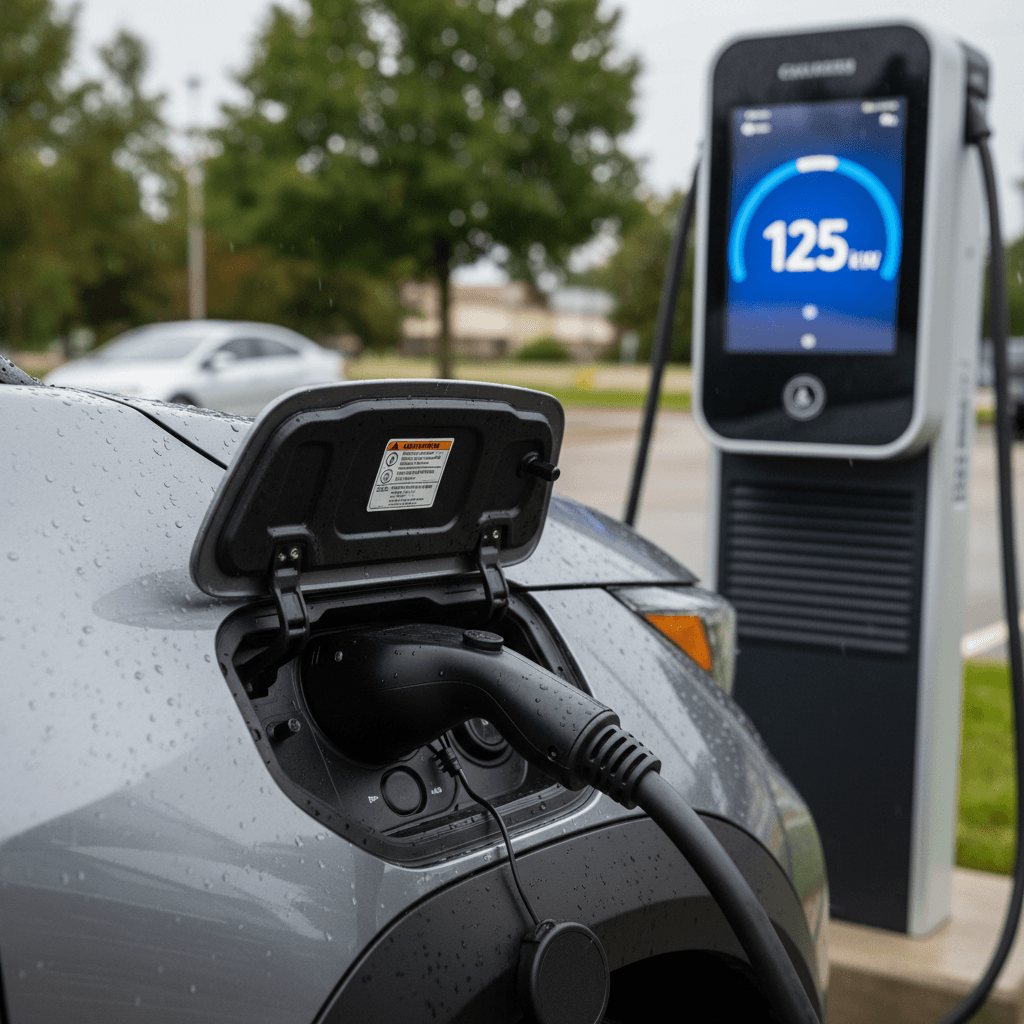
Not every “charging speed test” needs to happen on a highway in front of a giant DC fast charger. For most Solterra owners, Level 2 charging at home or work will cover 80–90% of all energy needs, and Subaru’s choices here matter just as much as peak road‑trip performance.
Onboard charger & typical times
- Early US Solterras ship with a 6.6 kW onboard AC charger.
- On a 240V, 32A Level 2 station, a full charge from empty to 100% takes roughly 10–11 hours.
- In daily use, most people are refilling 30–60% overnight, which takes 4–7 hours.
In later updates and in other markets, Subaru is moving toward 11 kW AC, which would cut those times nearly in half if your home circuit supports it.
Miles of range per hour
- On 6.6 kW AC, you’re typically adding around 20–25 miles of range per hour of charging.
- A 10–80% top‑up (roughly 45–50 kWh) will usually fit easily into a single night.
- If you have workplace charging, you may only need to plug in at home 1–2 nights per week.
The practical takeaway: even with a relatively modest AC charger, the Solterra is well‑suited to owners who can plug in regularly where they park.
Match your home charger to your Solterra
Cold weather and repeat fast charging
If you live in the upper Midwest, New England, or the Rockies, cold‑weather charging may matter more than peak summer performance. This is where Solterra owners have seen the widest spread in their own charging speed tests.
How cold and repeat sessions affect Solterra charging
Why your fourth winter fast charge of the day may feel painfully slow
Cold battery, cold charger
When the pack is cold, the Solterra’s software aggressively limits power to protect longevity. Without preconditioning, you can see dramatically lower kW than the spec suggests, sometimes to the point where a DC fast charger feels like a slow Level 2.
Multiple DC fast charges in a day
Owners have documented that after several high‑power sessions in 24 hours, the Solterra may throttle DC speed to protect the pack from heat and wear. That’s good for battery life but bad for cannonball‑style road trips.
Tips to improve Solterra charging speed in tough conditions
1. Arrive with a low state of charge
Try to reach the DC fast charger with 10–25% remaining. The lower the state of charge, the more likely the Solterra is to pull close to its peak kW before tapering.
2. Warm the battery before plugging in
Use navigation to route to the charger (if your software supports preconditioning) and drive the last 10–20 minutes at highway speed so the pack is warm when you arrive.
3. Avoid back‑to‑back 100% charges
Charging above roughly 80% is slower in any EV, and repeatedly pushing to 100% on DC can stress the pack. For trips, it’s faster to add 10–70% a bit more often than to sit at 90–100% waiting for the last few kWh.
4. Be prepared for the “slow” session
If you’re stacking three or more long DC sessions in one day, budget extra time for the last charge. That’s a good window for a longer meal, kids’ play break, or even an overnight stop if you can swing it.
Don’t rely on DC fast charging for daily use
Planning road trips in a Solterra
So what does all this mean if you’re trying to plan, say, a 1,000‑mile family trip in a Subaru Solterra? The answer depends both on which model year you have and which charging networks you can access.
Solterra road‑trip charging scenarios
How 2023 vs 2026 hardware and networks change the experience
2023–2024 Solterra on CCS
Best for: Moderate road trips, 200–300 miles in a day, especially in milder climates.
- Plan stops ~130–160 miles apart.
- Expect ~45–60 minutes at each DC stop, less if you arrive low and leave at ~70%.
- Use multiple networks (EA, ChargePoint, EVgo) to give yourself redundancy.
2026 Solterra with NACS
Best for: Long multi‑day trips where Supercharger access fills in gaps.
- NACS port lets you use many Tesla Superchargers without an external adapter.
- Subaru targets <35 min 10–80% on a 150 kW stall.
- Superchargers typically offer better uptime and easier use than some third‑party CCS sites.
Outdoors & off‑grid use
Best for: Weekend cabin runs or camping trips within a couple hundred miles.
- Take advantage of the Solterra’s efficiency on slower rural roads.
- Top up at a DC fast charger before heading into remote areas.
- Know where the last reliable charger is on your route, especially in winter.
Good news if you don’t road‑trip constantly
Charging tips if you’re buying a used Solterra
A lot of shoppers land on a Subaru Solterra charging speed test article because they’re comparing a used Solterra to alternatives like a used Tesla Model Y or Hyundai Ioniq 5. Charging behavior is one of the biggest differentiators, and it’s exactly the kind of thing that doesn’t show up in a traditional used‑car listing.
Questions to ask the seller
- Model year & software level: Confirm whether it’s a 2023 or 2024 car, and whether major charging‑related software updates have been applied.
- DC fast‑charging history: Ask how often they used DC vs Level 2. Heavy DC use isn’t an automatic deal‑breaker, but it’s a factor in long‑term battery health.
- Home charging setup: Find out whether they used a 240V Level 2, 120V wall outlet, or mostly public charging. That gives you a sense of how you’ll want to set things up.
How Recharged can simplify this
At Recharged, every used EV we list, Solterra included, comes with a Recharged Score battery health report. That report gives you an objective look at pack condition and charging behavior, so you’re not guessing how prior owners treated the battery.
Our EV specialists can also help you compare charging basics across different models and figure out whether a Solterra’s charging profile fits your real‑world routes.
Test‑drive the charging, not just the car
FAQ: Subaru Solterra charging speed
Frequently asked questions about Solterra charging speed
Bottom line: Is the Solterra fast enough for you?
Taken as a whole, the Subaru Solterra charging speed tests we’ve seen, from instrumented reviews to day‑in‑the‑life owner stories, paint a clear picture. This is not the fastest‑charging EV in its class, but it’s also not the laggard some early anecdotes might suggest, especially once you factor in the 2024 and 2026 updates. If you can charge at home and only rely on DC fast charging for occasional trips, the Solterra’s mix of capability, comfort, and charging performance is more than adequate.
If, on the other hand, you’re planning relentless long‑haul days where every minute at the charger matters, you may want to compare its charging curve directly against other EVs. That’s exactly the kind of apples‑to‑apples comparison our team at Recharged can help with as you shop used EVs: from verified battery health via the Recharged Score to transparent pricing and nationwide delivery, we’re built to make sure the EV you pick can keep up with the way you really drive.