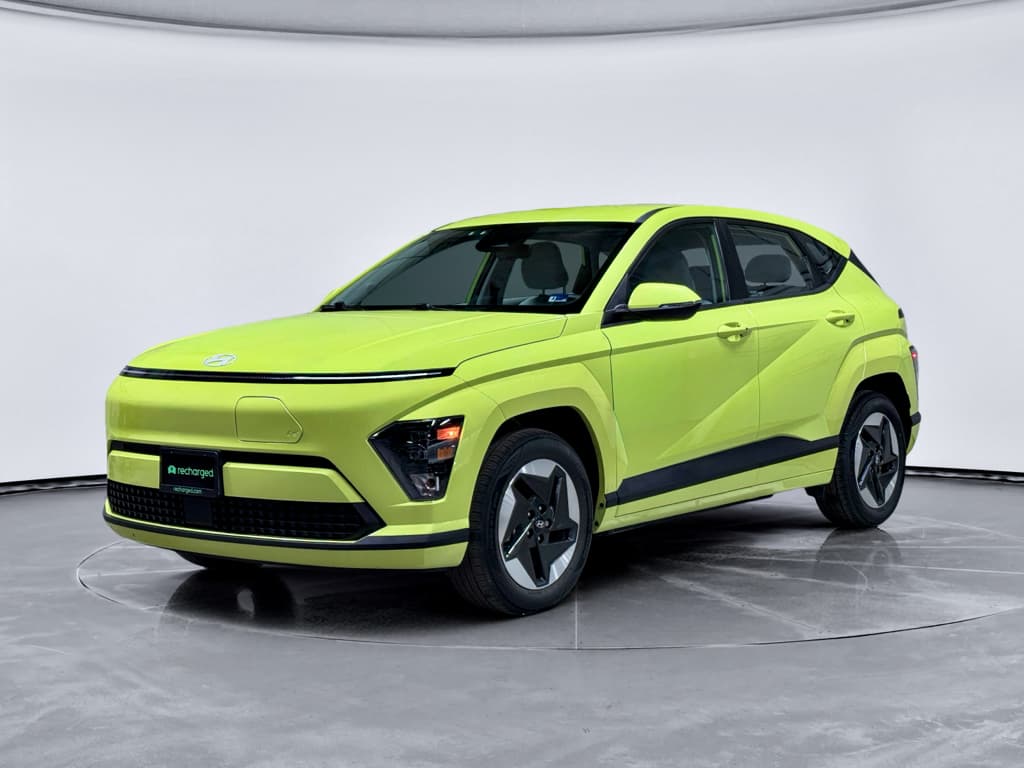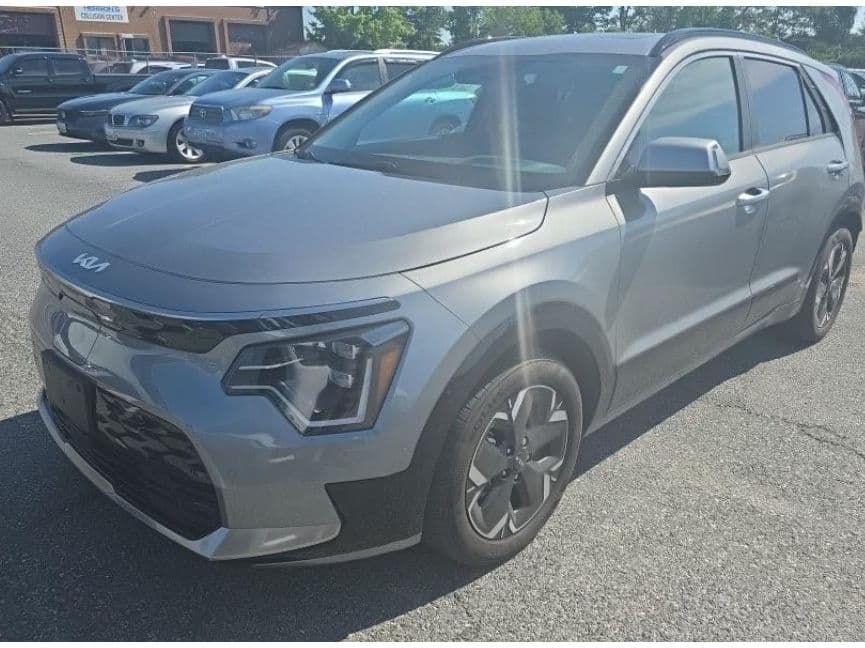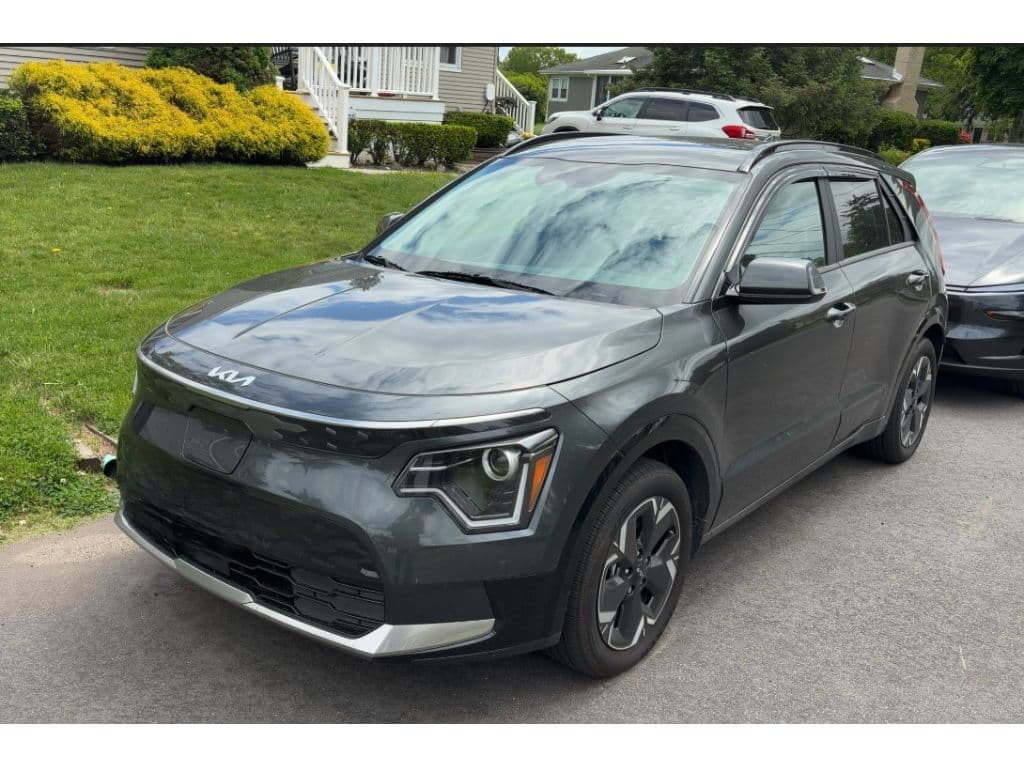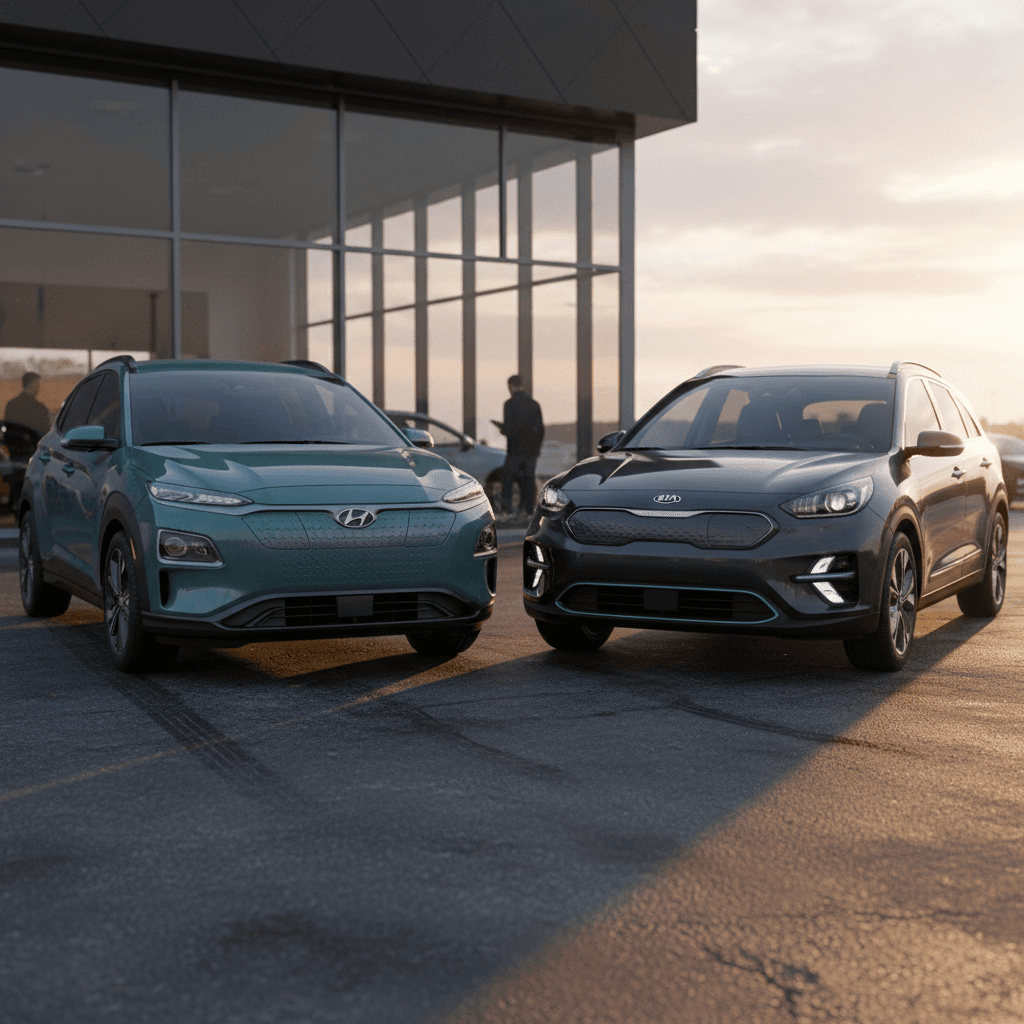
If you’re cross-shopping small electric crossovers, the **Hyundai Kona Electric vs Kia Niro EV** question comes up fast. They share a parent company, similar batteries, and front‑wheel‑drive layouts, but they don’t drive, charge, or fit into your life in quite the same way. This guide breaks down the differences so you can decide which one is actually better for *you* in 2026.
Platform cousins, not twins
Hyundai Kona Electric vs Kia Niro EV: quick take
Kona Electric: best for efficiency and value
- Typically cheaper on the used market than an equivalent Niro EV.
- Outstanding real‑world efficiency; recent tests have seen over 4.0 mi/kWh.
- Smaller footprint that’s easier to park in cities.
- Earlier generations have slower DC fast charging than many rivals, which matters on road trips.
Niro EV: best for space and comfort
- More rear-seat space and cargo room, especially in second‑gen models.
- Slightly softer, more comfort‑oriented ride.
- Similar battery size and range to Kona Electric in many years.
- Usually priced higher than Kona Electric when new and used.
Headline verdict
Key specs: Kona Electric vs Niro EV side by side
Core specs for recent U.S. models
These specs summarize typical U.S.‑market configurations you’ll see for 2022–2025 Kona Electric and 2023–2024 Niro EV. Exact numbers vary slightly by trim and wheel size, but this is the right ballpark for shopping and comparison.
| Spec | Hyundai Kona Electric (64–64.8 kWh) | Kia Niro EV (64.8 kWh) |
|---|---|---|
| Battery capacity (gross) | ~64–64.8 kWh | 64.8 kWh |
| EPA range (recent U.S. models) | ~230–258 miles, depending on year/trim | ~239–253 miles, depending on year/trim |
| Motor output | 201 hp, FWD | 201 hp, FWD |
| 0–60 mph (approximate) | ~6.8–7.5 seconds | ~7.5–7.8 seconds |
| Max DC fast‑charge power (claim) | Up to ~100 kW on newer gen; older cars closer to 70–75 kW | Around 85–100 kW depending on year |
| On‑board AC charger | Up to 10.4 kW (newer gens) | Around 11 kW (newer gens) |
| Overall length | Smaller; more subcompact | Larger; closer to compact SUV |
| Cargo space (rear seats up) | Less than Niro, tight for big strollers | More than Kona, better for family gear |
Always check the specific model year and trim before you buy, numbers here are representative, not VIN‑exact.
Why numbers don’t always match your VIN
Range and efficiency: which goes farther on a charge?
Both the Hyundai Kona Electric and Kia Niro EV use roughly a 64–64.8 kWh battery in their long‑range versions, and their official EPA ranges cluster in the low‑to‑mid‑200‑mile band. In practice, the Kona Electric has built a reputation as one of the **most efficient real‑world EVs**, routinely delivering over 4 mi/kWh when driven reasonably. That means many owners can see close to, or even above, 250 miles on a full charge in mild weather from the earlier 258‑mile‑rated cars and around the mid‑200s on the newer 230‑mile‑rated generation.
The Niro EV isn’t far behind. With the same 64.8 kWh battery and similar power output, you’ll typically see real‑world range that’s very close to Kona Electric: think low‑ to mid‑200‑mile highway legs in fair weather, and more in slower suburban use. The difference is that the Niro’s bigger body and taller profile make it a bit less slippery, so if you drive both the same way, the Kona Electric usually ekes out a few extra miles per kWh.
Typical real‑world range expectations
How to think about range when shopping used
Charging speed and road-trip usability
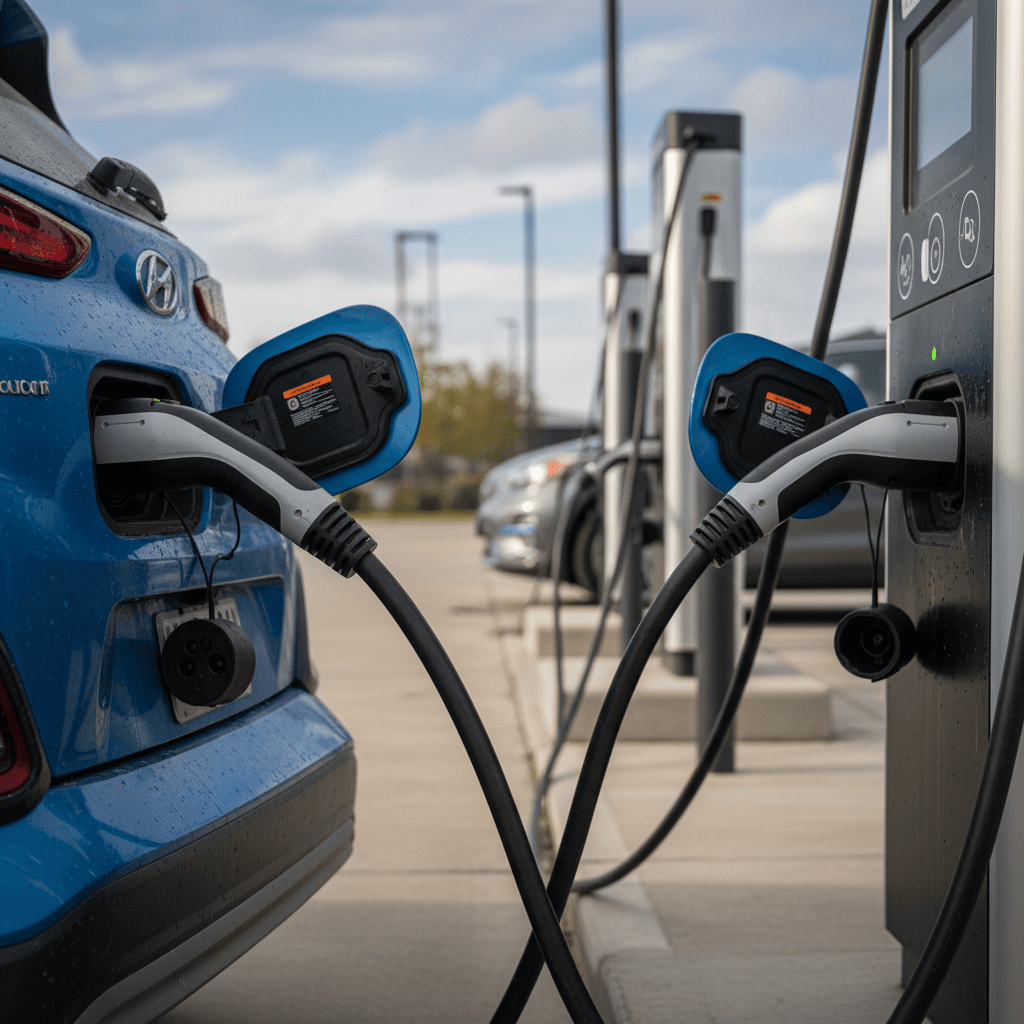
Where the two cousins diverge more meaningfully is DC fast charging. Earlier Kona Electric and Niro EV models both top out roughly in the 70–80 kW range on a 150 kW or 350 kW DC fast charger, and they don’t always hold peak power for long. You’re usually looking at **30–45 minutes** to go from about 10% to 80% if the battery is warm and the station is behaving. Newer‑generation Kona Electrics claim higher peak power, around 100 kW, but real‑world owners still report fairly modest averages over an entire charging session.
In practice, **neither** of these cars is a DC‑charging rock star like a dedicated long‑range highway EV. For the occasional road trip, they’re fine: plan on restroom and snack stops every 2–3 hours and you’ll be caught up. For weekly long‑distance driving, you’ll need extra patience compared with something on a newer 800‑volt platform. Between the two, the Niro EV and newer Kona Electric generations are broadly similar; the difference you feel on a trip will come more from charger reliability and preconditioning than the nameplate.
How to get the best DC fast‑charging experience
Arrive with a warm battery
You’ll see the quickest charging if you spend the 20–30 minutes before a stop actually driving. Long downhill coasting or sitting overnight at a cold charger will slow both Kona and Niro fast‑charge speeds.
Stay in the sweet‑spot SOC window
Both cars charge fastest from roughly 10–60%. Going all the way to 100% dramatically slows things down and is usually unnecessary on the road.
Use reliable networks
Most Kona Electric and Niro EV owners rely on CCS public networks. Apps from Electrify America, EVgo, and others can show live status for chargers so you don’t roll up to a dead station.
Learn your car’s curve
Take a single 10–80% session and watch how fast the car charges at each stage. That one experiment will help you plan real‑world stops much better than brochure numbers.
Watch the connector standard on newer cars
Interior space, comfort, and practicality
The biggest day‑to‑day difference between the Hyundai Kona Electric and Kia Niro EV is **how much space you and your stuff get**. The Kona Electric rides on a smaller footprint and was always aimed at the subcompact crossover market. That makes it easy to maneuver and park, but rear‑seat room and cargo space are on the tight side, fine for kids or shorter adults, but not ideal if you regularly carry tall passengers or bulky strollers.
The Niro EV, by contrast, is closer to a true compact crossover in packaging. You feel that in the **rear legroom, headroom, and cargo bay**. If you’re doing airport runs, kid carpools, or Costco hauls, the Niro generally makes life easier. The tradeoff is that it feels more like a traditional family crossover and less like the slightly sportier, hatchback‑ish Kona.
Practicality: where each EV shines
Both are usable daily, but fit different lifestyles slightly better.
Best for people: Kia Niro EV
- More generous rear‑seat space, three across is still tight, but easier than in Kona.
- Wider cargo opening and more volume for luggage, dog crates, or strollers.
- Ride is tuned a little softer, which many passengers prefer.
Best for tight cities: Hyundai Kona Electric
- Shorter overall length, easier to parallel‑park and thread through garages.
- Turning circle and visibility work well for urban driving.
- Still has usable hatchback cargo room, just not as much as Niro.
Driving experience and tech features
Because they share similar motors and front‑wheel‑drive layouts, the Hyundai Kona Electric and Kia Niro EV feel broadly familiar from behind the wheel: instant torque off the line, smooth one‑pedal driving when you dial up regen, and quiet operation in town. The **Kona Electric usually feels a bit more eager**, it’s lighter and a touch more playful in the way it changes direction, especially in the earlier, smaller‑bodied generation and in sportier trims on the latest model.
The Niro EV tends to lean more comfort‑first: slightly softer suspension tuning, more relaxed steering feel, and an overall impression of being a calm commuter or family car. If you care a lot about carving freeway ramps, the Kona Electric will probably make you smile more. If you mostly slog through traffic and value a quiet, cushy ride, the Niro EV may be more your speed.
- Both models offer modern driver‑assistance suites like adaptive cruise control and lane‑keeping in many trims.
- Later model years move to **wider infotainment screens** and more polished UI; earlier cars have simpler but still functional layouts.
- Wireless Apple CarPlay/Android Auto support varies by year and trim, always confirm on the specific car you’re considering.
- Heat pump availability and steering‑wheel/seat heaters make a big difference in cold‑weather comfort and efficiency.
Test the regen and driver aids on a test drive
Pricing, incentives, and ownership costs
When new, the Kona Electric has generally undercut the Niro EV on MSRP in the U.S., and that pattern **carries over into the used market**. On average, a comparable‑year Kona Electric will cost less than a Niro EV with similar miles and equipment. That makes the Kona Electric one of the stronger value plays among used EV crossovers, especially if you don’t need maximum rear‑seat room.
Ownership costs for both are low compared with gas crossovers: very little routine maintenance, no oil changes, and competitive warranty coverage on the high‑voltage battery. Electricity cost per mile is similar, because both are efficient. Insurance can vary by region and trim, so it’s worth getting quotes on both if you’re undecided.
Cost factors to compare before you decide
Look beyond the sticker price, total cost of ownership matters.
Purchase price
On the used market, you’ll often see lower asking prices for Kona Electric than for a similar‑year Niro EV. That gap can easily be a few thousand dollars, which matters if you’re payment‑sensitive.
Charging and maintenance
Electricity and maintenance costs are broadly similar between the two. Your home electricity rate and driving habits will matter more than badge choice here.
Incentives and tax benefits
Used‑EV incentives at the federal or state level (when available) usually apply equally to both, as long as the car and your income meet the criteria. Always check the latest rules before you buy.
How Recharged can help on the money side
Buying used: model years, batteries, and what to watch for
Because both models have been on the market for several years, most shoppers in 2026 are looking at the **used** Kona Electric or Niro EV landscape. That’s where understanding generation changes and battery health really matters. Early cars gave these nameplates their identity; newer generations sharpened the styling, tech, and sometimes range or charging performance.
Used Kona Electric vs Niro EV: inspection checklist
1. Check battery health & DC fast‑charge history
On any used EV, the high‑voltage battery is the most valuable component. Tools like the <strong>Recharged Score</strong> can show remaining capacity, charge behavior, and whether the car has been fast‑charged heavily, which can affect long‑term performance.
2. Verify connector type and charging equipment
Most used Kona Electric and Niro EV models in the U.S. use CCS1. Make sure the car comes with its <strong>Level 1 or Level 2 home charging cable</strong>, and factor in the cost of an upgraded home charger if it doesn’t.
3. Inspect tires and brakes
Instant torque and regen can be hard on tires if the previous owner drove aggressively. Uneven wear or mismatched tires can be a negotiation point. Brake rotors on EVs can rust from disuse, check for pulsing or noise on the test drive.
4. Test all software and infotainment
Pair your phone, test CarPlay/Android Auto, and run navigation. Some early cars may have had infotainment updates, ask if they’ve been done and whether over‑the‑air updates are available or dealer‑only.
5. Look for warranty coverage remaining
Hyundai and Kia typically offer long warranties on the battery and electric drivetrain. A car with <strong>years of battery warranty left</strong> can be worth a price premium versus one that’s just aged out.
6. Drive both back‑to‑back if you can
Specs don’t tell you how a car feels. If you’re truly torn, try to arrange same‑day test drives of a Kona Electric and Niro EV with similar miles, you’ll quickly feel which matches your priorities.
Don’t ignore software and recall history
Which is better for you? Real-world buyer profiles
Match the EV to your life, not the spec sheet
Urban commuter or first‑time EV buyer
Daily driving under 60–80 miles, mostly city or suburban.
Home or workplace Level 2 charging available.
Parking is tight or you live in a dense area.
You want strong value and low monthly payment.
<strong>Better fit:</strong> Hyundai Kona Electric, especially earlier generations at attractive used prices.
Young family or frequent carpooler
Regularly carry two or three passengers in the back.
Need space for strollers, sports gear, or luggage.
Mostly regional trips with occasional road‑trip duty.
Comfort and quiet matter more than sporty feel.
<strong>Better fit:</strong> Kia Niro EV, thanks to more usable rear space and cargo room.
Efficiency nerd or high‑mileage driver
You care about energy use and cost per mile.
Drive longer commutes or log big annual mileage.
Can plan charging stops strategically on road trips.
Don’t need a large footprint but appreciate range.
<strong>Better fit:</strong> Kona Electric, which tends to be among the most efficient EVs tested.
Value seeker on a budget
Shopping used with a hard price ceiling.
Flexible on color and exact trim, focused on condition.
Want as new a battery as possible for the money.
Open to cars shipped from other regions if the value is right.
<strong>Better fit:</strong> Often Kona Electric, but a well‑priced Niro EV with great battery health can also be a smart buy, compare both on Recharged with their Recharged Scores.
FAQ: Hyundai Kona Electric vs Kia Niro EV
Frequently asked questions
Bottom line: Kona Electric vs Niro EV verdict
So, **Hyundai Kona Electric vs Kia Niro EV, which is better?** For most shoppers, the Kona Electric wins on efficiency and value, especially in the used market. It’s compact, easy to live with in the city, and sips electrons. The Niro EV counters with more space, a softer ride, and a slightly more family‑friendly personality, which can absolutely be worth paying more for if you routinely haul people and gear.
If you’re still on the fence, try to drive both and then let your use case decide: tighter budget and urban commuting usually point to **Kona Electric**; young families and space‑hungry lifestyles usually point to **Niro EV**. Either way, focusing on **battery health, charging behavior, and total cost of ownership** will matter more than a few miles of EPA range difference. And if you’d like a clearer picture of those details before you commit, shopping for a used Kona Electric or Niro EV through Recharged gets you expert EV support, a Recharged Score battery report, financing options, and delivery to your driveway, so you can pick the right crossover with confidence.