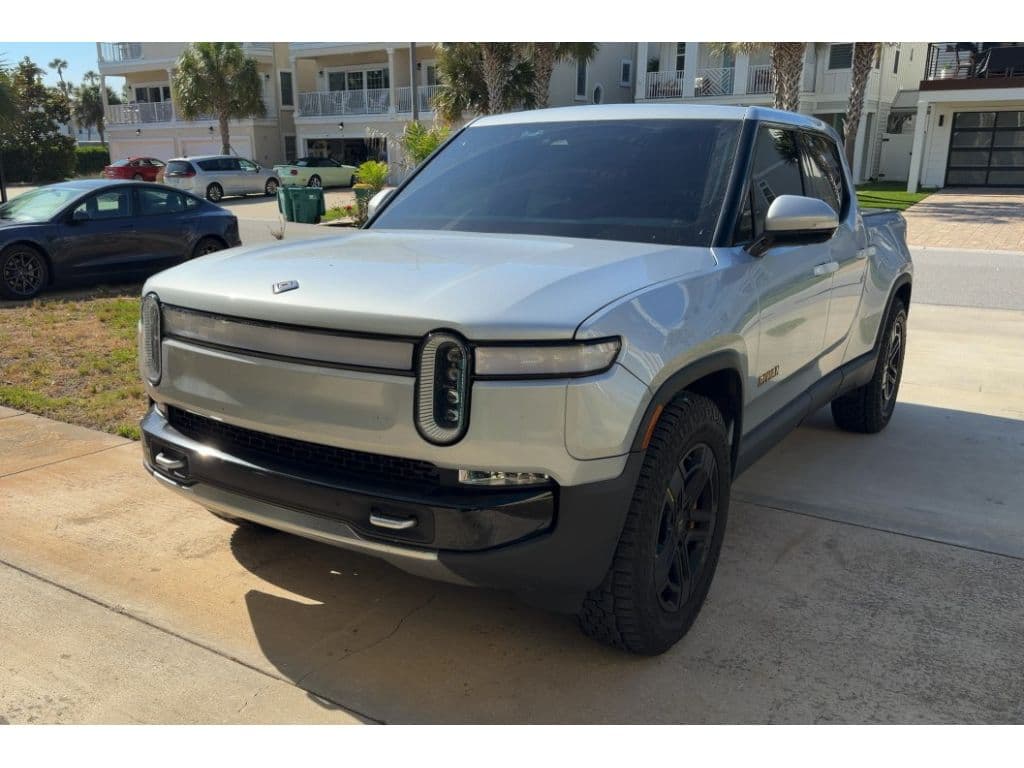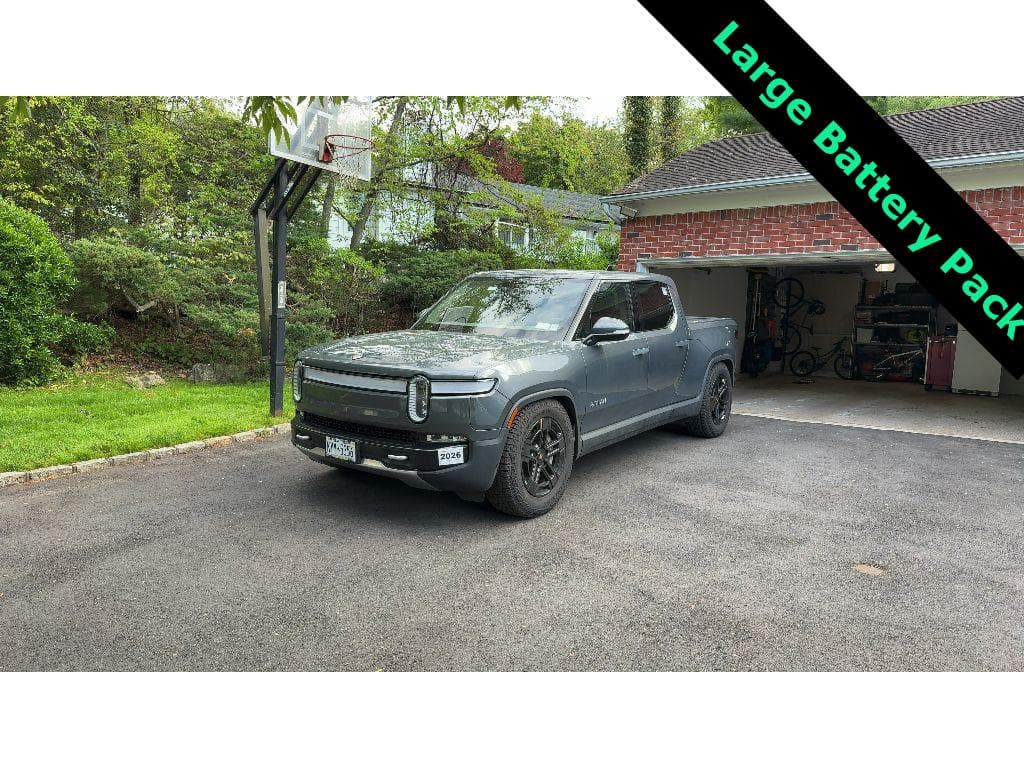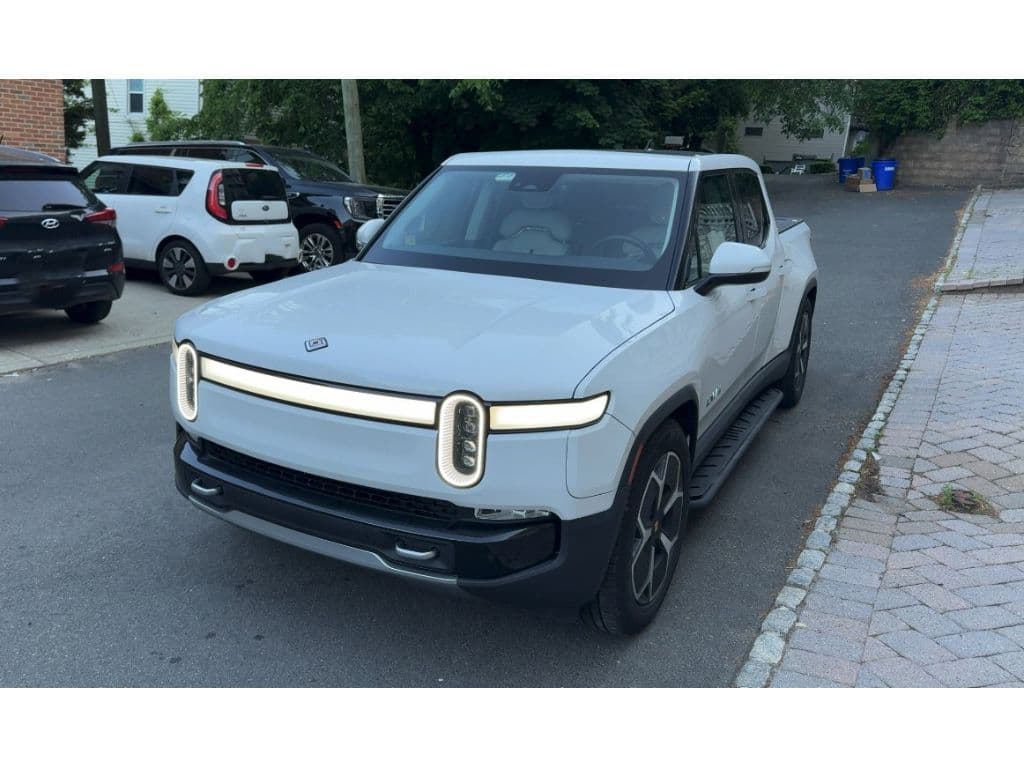
If you own, or are eyeing, a Rivian R1T, you’ve probably heard that electric trucks take a big hit on resale. The truth is more nuanced. The Rivian R1T depreciation rate is higher than a comparable gas pickup, but it’s actually holding value better than many EVs and some rival electric trucks. Understanding how fast it loses value, and why, will help you decide whether to buy new, go used, or sell now.
Quick take
Rivian R1T depreciation rate at a glance
Rivian R1T depreciation snapshot (2022–2025 data)
Depreciation isn’t just a number on paper; it’s one of the biggest costs you’ll face with any new vehicle. For an $80,000 electric truck, a seemingly small percentage swing translates into five figures. With the R1T, the early data paints a picture of rapid early depreciation, followed by a slower slide as the market stabilizes and Rivian’s brand matures.
How fast does a Rivian R1T depreciate? Key numbers
Let’s walk through what real-world data and forecasts say about the Rivian R1T depreciation rate over the first decade of ownership. These are broad market averages; the exact number for your truck will depend on trim, options, mileage, condition, battery health, and market timing.
Estimated Rivian R1T depreciation timeline
Approximate retained value vs. original MSRP for a well‑kept Rivian R1T in the U.S. market, based on recent used listings, pricing indices, and third‑party forecasts.
| Age of truck | Approx. retained value | Approx. depreciation | What this often looks like in dollars |
|---|---|---|---|
| Year 1 | ~80–85% | 15–20% | A $75,000–$80,000 R1T selling in the low-to-mid $60,000s. |
| Year 2 | ~70–72% | ~28–30% | Analyses of early R1Ts show about a 29–32% drop within two years. |
| Year 3 | ~60–65% | ~35–40% | Launch Edition trucks around three years old sometimes list at roughly 60–65% of MSRP. |
| Year 5 | ~40–45% | ~55–60% | Forecasts suggest many R1Ts may be worth in the low-to-mid $30,000s after five years, depending on trim. |
| Year 10 | ~30–35% | ~65–70% | Long‑term EV forecasts point to roughly one‑third of original value if the battery remains healthy. |
These are directional estimates to illustrate the curve, not guaranteed resale values for any individual truck.
Depreciation is an average, not a promise
The headline: the R1T suffers a big value hit in the first 2–3 years, then levels out. That’s typical of EVs today, but the R1T still retains value a bit better than some rivals thanks to its capability, unique design, and strong enthusiast demand.
Why Rivian R1T depreciation looks steep right now
1. Aggressive EV price cuts and incentives
Throughout 2024 and 2025, price cuts on new EVs, richer lease deals, and the on‑again, off‑again federal EV tax credits reset consumers’ idea of what an electric truck should cost. When new prices drop, used prices have to follow, even if the truck itself hasn’t changed.
2. Early‑adopter premiums fading
Early R1T buyers paid top dollar and were willing to accept long waits and first‑gen quirks. As production improved and more trucks hit the market, that early‑adopter premium evaporated. Today’s buyers shop R1T side‑by‑side with Ford’s F‑150 Lightning, Tesla’s Cybertruck, and upcoming competitors, which pressures resale.
Add in softer overall EV demand in 2025 and you get a used market where a three‑year‑old R1T can sell for tens of thousands less than its original sticker, even when mileage is modest. For original owners, that stings. For used buyers, it can be exactly the opening you’ve been waiting for.
EVs vs gas trucks: different curves
7 factors that shape your R1T’s resale value
What actually moves the needle on R1T resale
Focus on what you can control and shop smart around what you can’t.
Mileage & usage
Like any truck, an R1T with 15,000 miles will bring more than one with 70,000. Heavy towing and off‑road use also show up in suspension wear, tires, and cosmetic damage, which can drag down offers.
Battery health
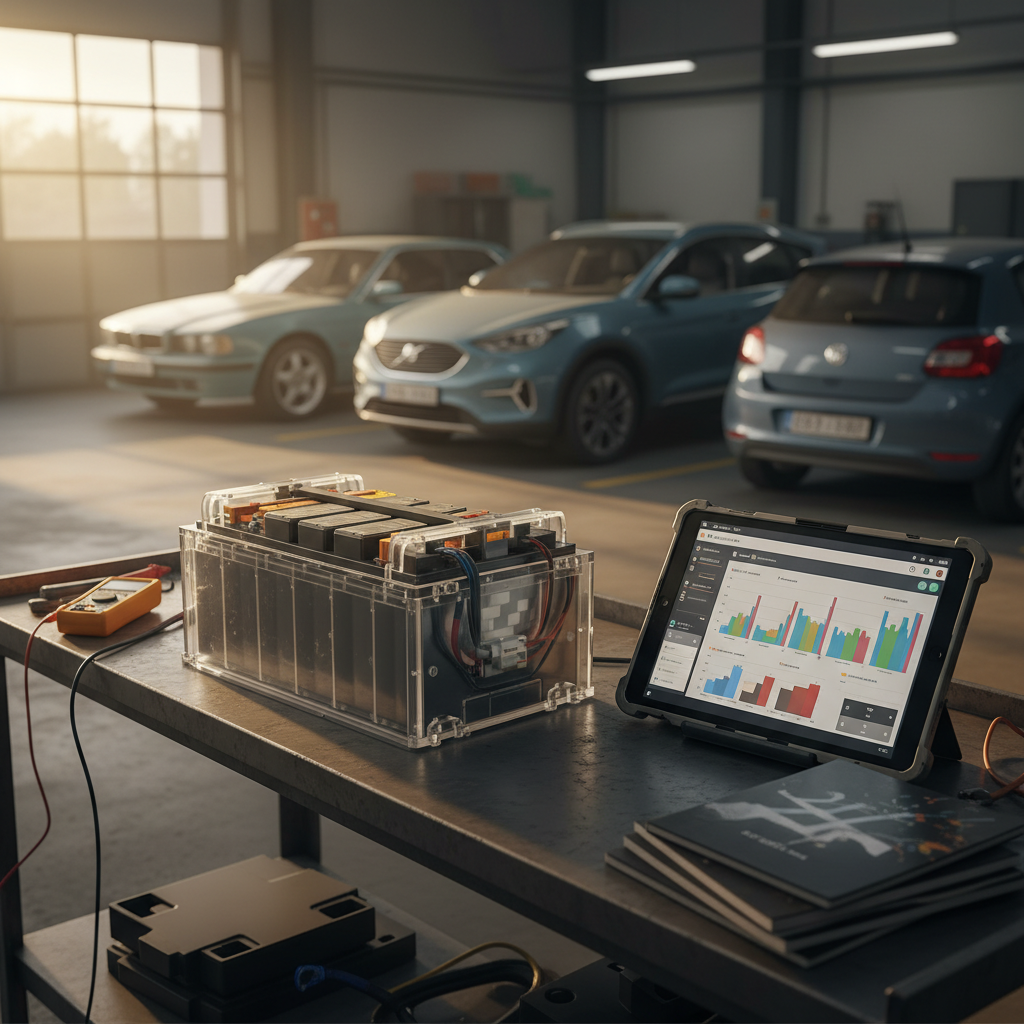
For EV shoppers, the big unknown is: how healthy is the battery? A strong state‑of‑health report can add serious confidence, and value, to a used R1T.
Condition & maintenance
Up‑to‑date software, documented service, and a clean interior matter more on a premium EV. Curb rash, cracked glass, and worn tires can easily knock four figures off trade‑in values.
Region & climate
EV‑friendly regions with robust charging (West Coast, parts of the Northeast) often see stronger R1T demand than areas with sparse infrastructure. Harsh winters and salted roads can also affect underbody condition.
Trim, options & color
Adventure or higher trims, desirable paint colors, larger battery packs, and Quad‑Motor setups tend to be easier to resell. Unusual color/option combos can take longer to move or require bigger discounts.
Market timing
New‑model announcements, tax‑credit rule changes, and aggressive lease deals can all push used prices down in the short term. If you can, avoid selling right after a major price cut or incentive change.
Why diagnostics matter more for EVs
Rivian R1T depreciation vs other electric trucks
To put the Rivian R1T depreciation rate in context, it helps to look at what’s happening with other electric pickups. Early data from resale trackers suggests that all EV trucks are depreciating faster than equivalent gas models, but there are meaningful differences model‑to‑model.
How the R1T stacks up against rival electric trucks
High‑level view of estimated value retention for popular electric pickups based on recent analyses and forecasts.
| Model | Est. 3‑year retained value | Est. 5‑year retained value | Depreciation takeaways |
|---|---|---|---|
| Rivian R1T | ~60–65% | ~40–45% | Big early drop, then stabilizes; demand from adventure and performance buyers supports mid‑term value. |
| Ford F‑150 Lightning | ~50–55% | ~44% | Hit hard by price cuts and incentives; still benefits from F‑150 name but faces intense competition. |
| Chevy Silverado EV | ~50% | ~39% | Smaller data set, but early expectations point to fairly steep long‑term depreciation. |
| Tesla Cybertruck | ~60–65% | ~50–55% | Initial hype propped up values; recent trade‑ins show sharp early drops from six‑figure prices. |
Numbers are rounded estimates meant for comparison, not precise pricing for any specific vehicle.
Looked at this way, the Rivian R1T is not the worst offender. In fact, its resale performance is mid‑pack or slightly better among EV trucks, even if that’s cold comfort to someone watching $25,000 of value evaporate in a few years.
Good news for used buyers
Battery health, warranties, and the Recharged advantage
On any EV, but especially on a six‑figure truck, the battery pack is the asset. It’s also the single biggest wild card in resale value. Two R1Ts that look identical on a website can have very different battery health profiles based on charging habits, climate, and usage.
That’s why Recharged bakes objective battery health into every vehicle we list. Our Recharged Score Report combines verified battery diagnostics with fair‑market pricing, so you’re not guessing whether the discount you see on a used R1T reflects normal depreciation, or a truck whose battery has had a hard life.
How Recharged helps you shop depreciation‑sensitive EVs
Especially important on high‑dollar trucks like the Rivian R1T.
Recharged Score battery diagnostics
Every EV on Recharged, including R1Ts, comes with a Recharged Score Report that details battery health, charge history indicators, and other inspection points that influence long‑term value.
Fair market pricing & guidance
Our pricing tools look at current used EV markets, incentives, and depreciation curves so you can see whether that R1T is priced in line with real‑world data, and how it compares to similar trucks.
Ready to find your next EV?
Browse VehiclesThinking of selling your R1T?
Strategies to reduce your R1T depreciation hit
You can’t eliminate depreciation on a new EV truck, but you can manage it. Whether you already own a Rivian R1T or are planning a purchase, these tactics can soften the blow.
Practical ways to protect your R1T’s value
1. Consider buying nearly new instead of brand‑new
Let the first owner absorb the steepest 1–2‑year drop. A low‑mileage 1–3‑year‑old R1T can cost tens of thousands less than new while still carrying substantial factory warranty coverage.
2. Keep mileage and wear in check
Limit unnecessary miles, especially high‑load towing if you don’t need it. Fix curb rash, replace cracked glass, and address cosmetic issues before it’s time to sell; it’s cheaper to correct them yourself than to accept a big deduction at trade‑in.
3. Maintain healthy charging habits
Avoid frequent 100% fast‑charges and deep discharges when you don’t need the full pack. Parking in a garage and minimizing extreme heat exposure can help slow long‑term battery degradation, which supports better resale.
4. Stay current on software and service
Keep your Rivian’s software up to date and follow the recommended service schedule. Document tire rotations, brake service, and any warranty work; buyers and dealers pay more for well‑documented trucks.
5. Time your sale around the market
If you can, avoid selling immediately after a major price cut or when new EV incentives shift in favor of new trucks. When a hot competitor launches or incentives get pulled back, used prices can wobble for a few months.
6. Sell where EV trucks are in demand
If you live in an area with weak EV adoption, it may be worth listing your R1T through a platform with nationwide reach and delivery, like Recharged, so you can tap into stronger demand regions without handling logistics yourself.
The costliest move: over‑equipping a niche build
Is now a good time to buy a used Rivian R1T?
For the right buyer, the answer is often yes. The same depreciation that frustrates early adopters has pushed many used R1T prices into the $50,000s, or even high $40,000s for higher‑mileage trucks, versus original stickers in the $70,000–$90,000 range. That’s a substantial discount for a truck that still feels exceptionally modern.
Why depreciation is your friend as a used buyer
- Big discounts, plenty of life left: Many used R1Ts still have years of battery and drivetrain warranty coverage.
- Software keeps them current: Over‑the‑air updates improve features and fix bugs, so a 2022 truck doesn’t feel outdated.
- Lower effective cost of ownership: Because the biggest hit has already happened, a carefully chosen used R1T can have a slower depreciation curve going forward.
What to watch out for
- Battery health uncertainty: Always ask for diagnostics, not just a range estimate on the dash.
- Heavy‑use history: Look for signs of frequent towing, off‑roading, or commercial use.
- Out‑of‑sync pricing: Some sellers still price as if early‑adopter premiums exist. Compare against current market data before committing.
How Recharged fits in
FAQ: Rivian R1T depreciation rate & resale value
Frequently asked questions about Rivian R1T depreciation
Bottom line: Who wins and loses with R1T depreciation?
Depreciation on the Rivian R1T is real and, for first owners, it’s painful: many trucks have shed 30% or more of their value within just a few years. But that same curve creates an opening for savvy used buyers, especially those who value Rivian’s blend of performance, utility, and design and are comfortable owning an EV long term.
If you’re buying, the smartest play is often a lightly used R1T with verified battery health and transparent pricing, exactly the kind of truck Recharged was built to surface. If you’re selling, your best defense is documentation: strong battery diagnostics, meticulous maintenance records, and realistic pricing supported by current market data. Either way, understanding the Rivian R1T depreciation rate turns what feels like a moving target into a manageable piece of the ownership puzzle.