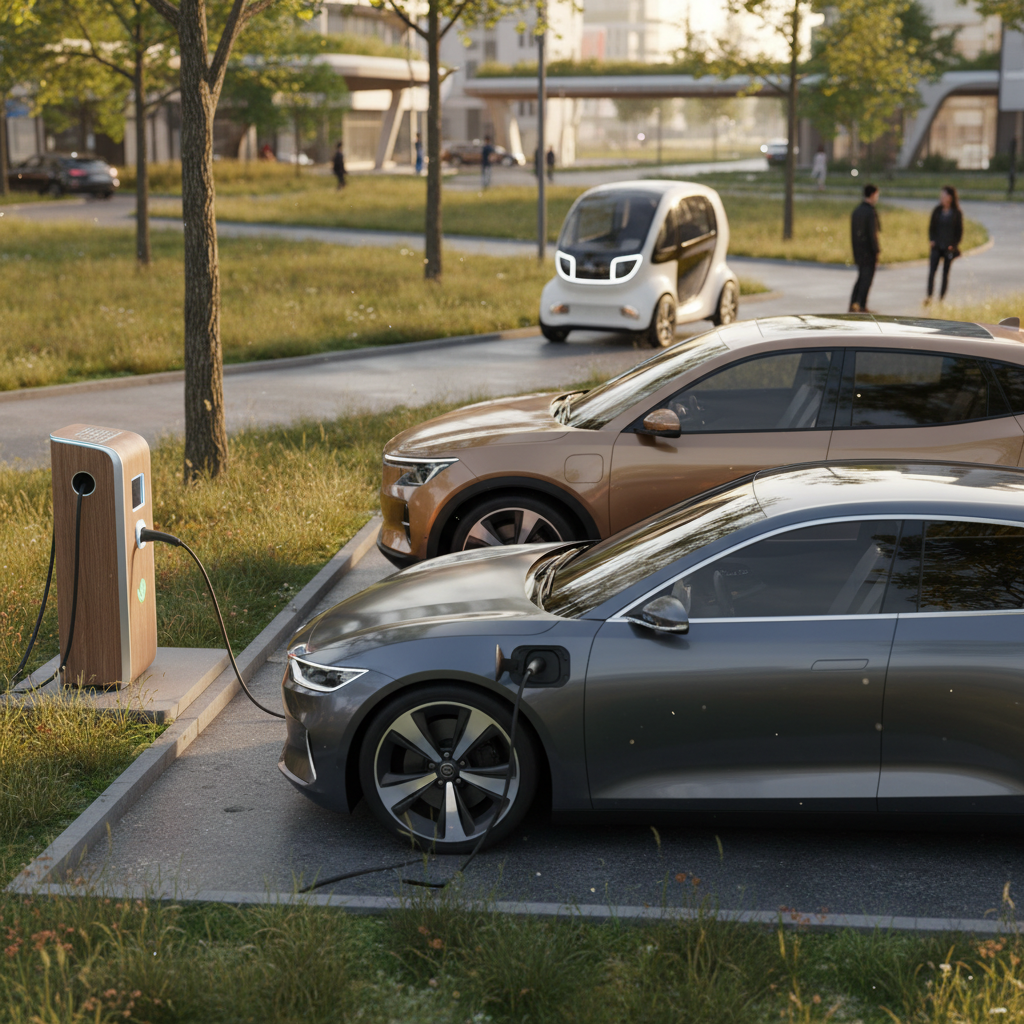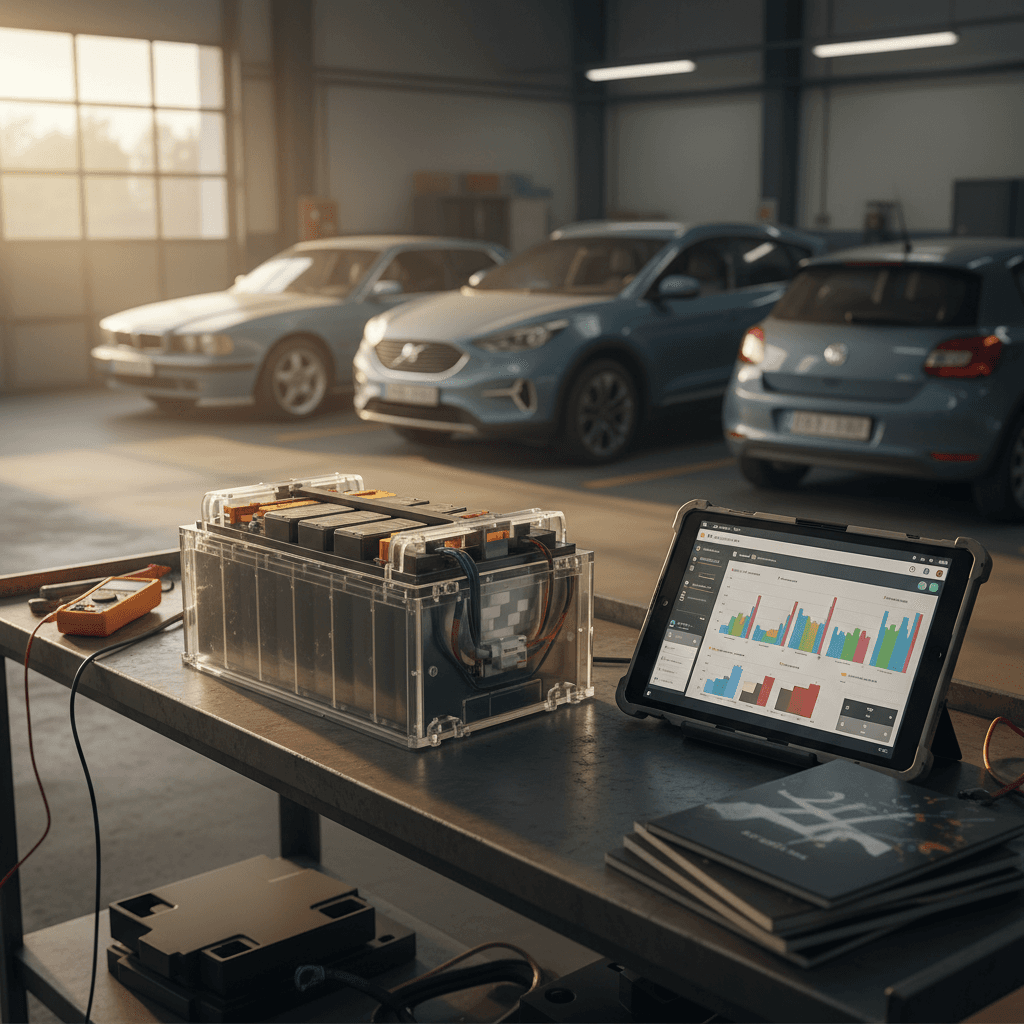
If you’re shopping for the best used electric cars in 2026, you’re in the sweet spot. Lease returns, early adopters trading up, and maturing battery tech mean you can now buy a used EV with real range, modern safety tech, and a price that finally undercuts comparable gas cars. The trick is knowing which models age gracefully, and which ones lose too much range, value, or charging convenience along the way.
Why this ranking is different
Why used EVs make more sense in 2026
The used EV market, circa 2026
Two things changed the used‑EV game between 2022 and 2026. First, Americans finally bought EVs in serious numbers, so there’s inventory. Second, real‑world battery data started to catch up with the early fears. We now know that most modern packs from mainstream brands hold up far better than the internet horror stories suggested, especially when owners used DC fast charging in moderation and kept software up to date.
Where Recharged fits in
How we ranked the best used electric cars
This isn’t a list of the fanciest EVs ever built. It’s a list of the best used electric cars ranked for 2026 buyers who care about range, charging, reliability so far, and value. We focused on models you’ll actually find in U.S. used listings and prioritized 2019–2024 model years, where pricing and battery tech are in the sweet spot.
Ranking criteria for 2026 used EV buyers
What mattered most when we stacked these EVs against each other
Real‑world usable range
We prioritized EVs that still deliver at least 180–200 miles of realistic range in typical highway driving for common trims, more for road‑trip‑oriented picks.
Battery & reliability track record
We looked at known degradation patterns, warranty coverage, and early reliability reports, favoring models with stable packs and no widespread high‑voltage failures.
Charging experience
Fast‑charging speed, network compatibility, and plug type matter now that Tesla’s NACS connector is becoming standard. We favor EVs that make road trips less of a science project.
Value & depreciation
A great used EV should feel like a deal. We weighed typical 2026 used pricing against original MSRP and what you’re actually getting in range and features.
Everyday practicality
Cargo space, comfort, cabin noise, and driver‑assist tech all count. A used EV still has to be a good car, not just a good battery on wheels.
Owner‑friendliness
We favored EVs that are easy to live with: intuitive interfaces, broad service networks, and fewer "gotchas" around tires, brakes, or quirky features.
A note on availability
Best used electric cars ranked for 2026: Top 12
Ranks 1–4: Range and everyday value heroes
Best used electric cars 2026 – Top 4 picks
Approximate numbers assume typical 2021–2023 U.S. models in mainstream trims. Real pricing varies by mileage, condition, tax credits, and region.
| Rank | Model & key years | Typical 2026 used price* | Original EPA range (approx.) | Our quick take |
|---|---|---|---|---|
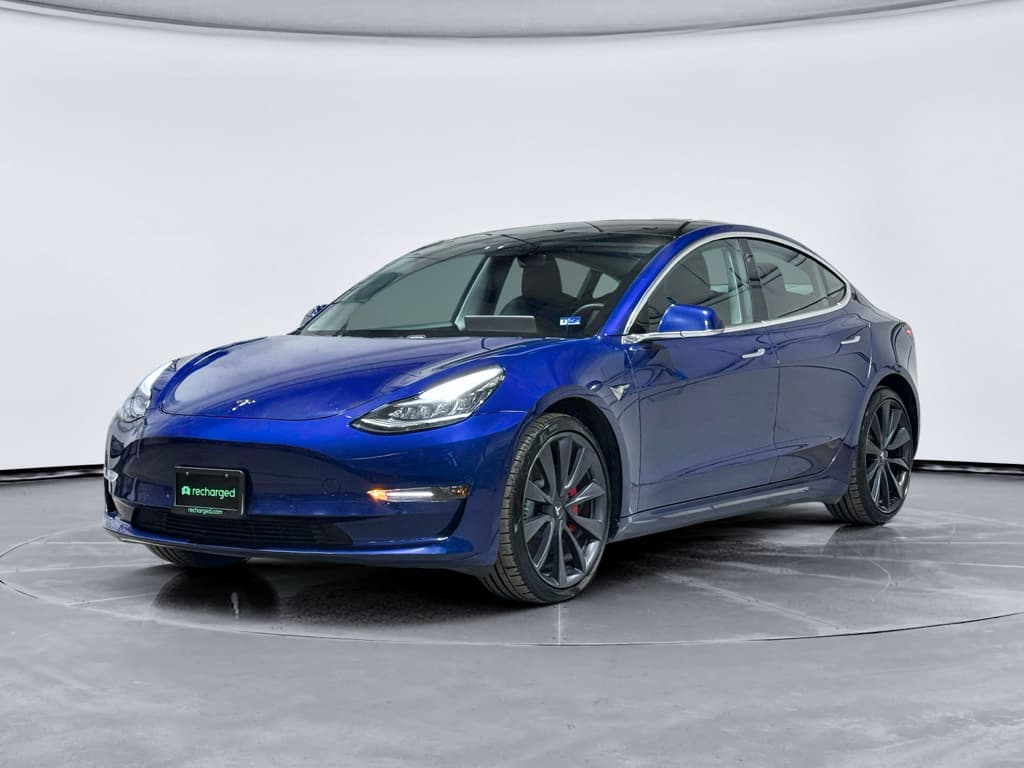
| 1 | Tesla Model 3 (2019–2023) | $22,000–$33,000 | 240–358 miles | Still the benchmark used EV: strong range, robust charging network, and proven battery longevity when cared for. |
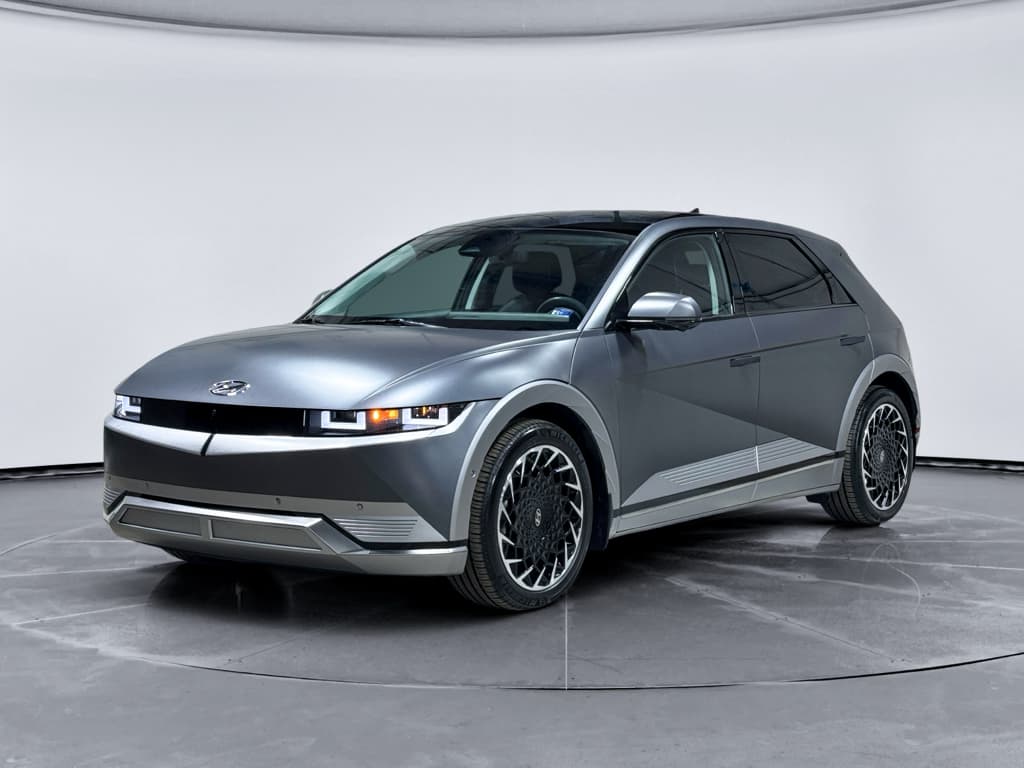
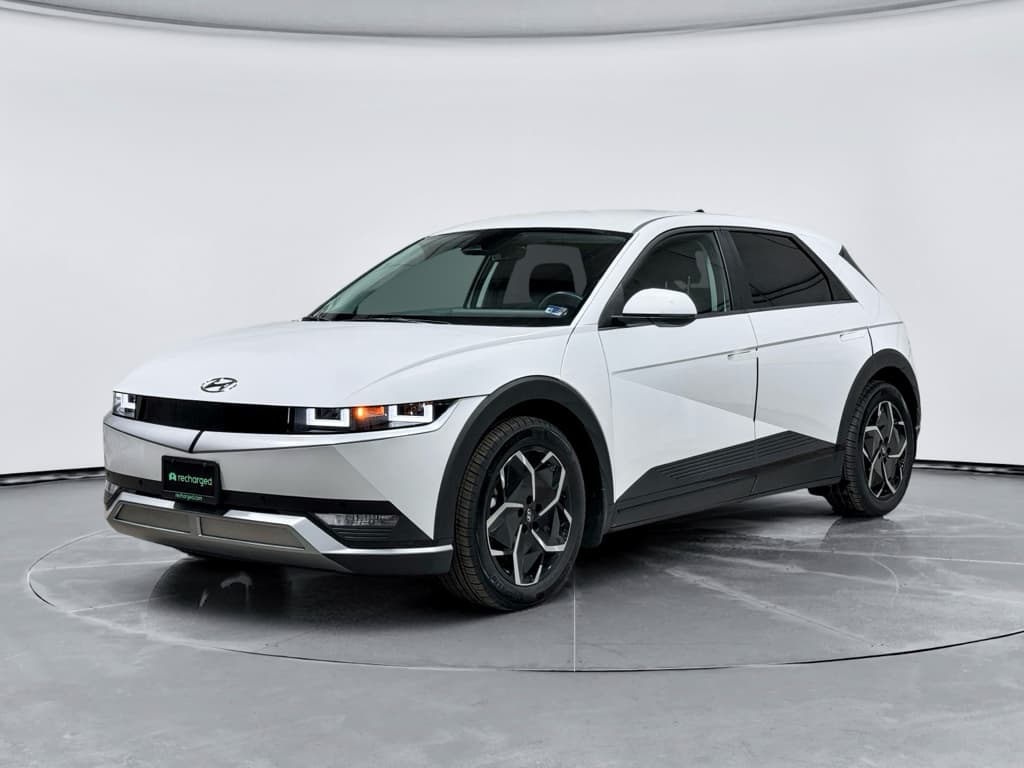
| 2 | Hyundai Ioniq 5 (2022–2024) | $28,000–$38,000 | 220–303 miles | Super‑fast charging, comfortable ride, and a roomy cabin make it one of the best all‑around used EVs. |
| 3 | Kia EV6 (2022–2024) | $28,000–$40,000 | 232–310 miles | Sportier sibling to the Ioniq 5 with similar ultra‑fast charging and a bit more driver appeal. |
| 4 | Chevrolet Bolt EV/EUV (2020–2023) | $14,000–$23,000 | 247–259 miles | The budget champ: impressive range per dollar and city‑friendly size, if you’re okay without DC ultra‑fast speeds. |
All range figures are EPA‑rated when new; expect modest real‑world and age‑related variation.
If you want the safest bets in the used‑EV world, start here. A well‑bought Model 3 or Ioniq 5 can comfortably handle daily commuting and long‑distance runs, while a Bolt gives you big range numbers on a small‑car budget. Just be sure that whatever you’re buying comes with a clear, independently verified picture of battery health, not just what the dash display claims.
#1 Tesla Model 3 (2019–2023)
The Model 3 dominates used listings for a reason. Even earlier Long Range models commonly deliver well over 250 miles of real‑world range when healthy, and Tesla’s Supercharger network remains the gold standard for reliability and coverage.
- Best years: 2020–2022 Long Range and Performance; 2021+ for updated interior and build refinements.
- Why it ranks #1: Excellent range, strong efficiency, consistent battery durability so far, and unmatched charging convenience.
- Watch for: Tire wear, suspension clunks on higher‑mileage cars, and paint or trim issues. Battery health should be confirmed with more than a guess from the state‑of‑charge display.
#2 Hyundai Ioniq 5 (2022–2024)
The Ioniq 5 arrived with 800‑volt architecture and DC fast‑charging speeds that rival or beat many Teslas. In the real world, that means short, efficient charging stops and less time babysitting kilowatts.
- Sweet spot: 2022–2023 dual‑motor SE/SEL trims for value; rear‑drive models maximize range.
- Why it ranks so high: Family‑friendly interior, smooth ride, and excellent reliability data so far, all wrapped in a package that finally feels "normal" to drive and own.
- Watch for: Check for completed software updates and any recalls; verify fast‑charge performance if possible on a test drive.
#3 Kia EV6 (2022–2024)
If the Ioniq 5 is the family SUV, the EV6 is the same powertrain in a sharper suit. It shares the same quick‑charge backbone and similar range, but with a more athletic driving feel and a slightly tighter cabin.
- Best fit: Drivers who want EV performance and road‑tripping ability without giving up practicality.
- Highlights: Strong crash‑test scores, solid driver‑assist tech, and available all‑wheel drive.
- Watch for: Low‑profile tires on GT‑Line and performance variants; curb rash and ride harshness can show up sooner.
#4 Chevrolet Bolt EV/EUV (2020–2023)
The Bolt spent years as the quiet workhorse of the EV world. A big battery in a small, efficient hatchback turns into outstanding range per dollar on the used market, especially after Chevy’s aggressive new‑car discounting and the end of production in 2023.
- Best years: 2020–2023, focusing on post‑battery‑recall packs or verified replacements.
- Why it’s a bargain: Often the cheapest way to get ~250 miles of range, modern infotainment, and a tight city footprint.
- Watch for: Confirmation that recall work and pack replacements were correctly completed, plus a current battery health report before you commit.
Bolt battery recall caution
Ranks 5–8: Family haulers and electric SUVs
Best used electric SUVs & crossovers for 2026
These models prioritize space, comfort, and all‑weather confidence, with enough range to handle real family duty.
| Rank | Model & key years | Typical 2026 used price* | Original EPA range (approx.) | Why it’s on the list |
|---|---|---|---|---|
| 5 | Tesla Model Y (2020–2023) | $30,000–$42,000 | 244–330 miles | America’s best‑selling EV becomes a versatile used buy with strong range and a vast charging network. |
| 6 | Ford Mustang Mach‑E (2021–2023) | $25,000–$36,000 | 211–312 miles | Fun to drive, practical for families, and widely available off‑lease in 2026. |
| 7 | Volkswagen ID.4 (2021–2023) | $23,000–$32,000 | 245–275 miles | Comfort‑oriented crossover with a relaxed ride and improving software, great for suburban families. |
| 8 | Cadillac Lyriq (2023–2024) | $42,000–$55,000 | 308–314 miles | Luxury SUV with strong range and rapidly growing sales, now becoming accessible in the used market. |
Approximate pricing for typical 2021–2024 examples with average mileage.
If you need space for kids, dogs, or home‑improvement runs, these are the used EVs that feel like they can replace a family crossover or SUV, not just a commuter car. The Model Y and Lyriq stretch furthest on the highway; the Mach‑E and ID.4 lean into comfort and personality.
#5 Tesla Model Y (2020–2023)
The Model Y took the Model 3 formula and gave it the ride height and cargo space Americans love. As a used buy, it’s the Swiss Army knife: big range, quick acceleration, and access to Superchargers plus the growing universe of NACS‑compatible public chargers.
- Best years: 2021–2023 Long Range models for the best mix of price, refinement, and range.
- Consider: The optional third row is tight; treat it as occasional‑use only.
- Watch for: Panel alignment, interior squeaks, and evidence of heavy towing which can stress driveline components.
#6 Ford Mustang Mach‑E (2021–2023)
Ignore the pony badge; this is a practical electric crossover with a fun streak. Steering is quick, the cabin is comfortable, and used prices in 2026 are often more tempting than comparable Teslas.
- Sweet spot: 2022–2023 extended‑range battery in Premium or California Route 1 trims.
- Why families like it: Good cargo space, comfortable seats, and a familiar Ford dealer network.
- Watch for: Early‑build software quirks and recalls, verify updates were performed and make sure DC fast‑charging works properly on a test stop.
#7 Volkswagen ID.4 (2021–2023)
The ID.4 is the slow burn of this list, never flashy, rarely thrilling, but easy to live with. It’s one of the more relaxed‑riding EV crossovers, with a quiet cabin and enough range for daily suburban life.
- Best fit: Drivers who value comfort and calm over track‑day specs.
- Upside: Often priced attractively compared with Korean and Tesla rivals, especially in 2021–2022 trims.
- Watch for: Early infotainment lag and software bugs; make sure firmware is current and everything from the backup camera to the driver‑assist systems behaves as expected.
#8 Cadillac Lyriq (2023–2024)
The Lyriq is the poster child for how quickly luxury EVs can depreciate. Early six‑figure MSRPs are giving way to far more approachable used prices in 2026, yet you’re still getting a big battery, handsome design, and a refined highway ride.
- Best years: 2023–2024 rear‑wheel‑drive models for maximum range; dual‑motor for strong all‑weather performance.
- Why it’s compelling: One of the most comfortable long‑distance cruisers on this list, with room for adults and luggage.
- Watch for: Early‑production quirks and ensuring dealer‑performed software and hardware updates are complete.
Ranks 9–12: Budget buys and city specialists
Best affordable and city‑friendly used EVs
Shorter‑range EVs and compact models that shine in urban or second‑car duty, often at eye‑opening prices in 2026.
| Rank | Model & key years | Typical 2026 used price* | Original EPA range (approx.) | Best for |
|---|---|---|---|---|
| 9 | Nissan Leaf Plus (2019–2022) | $11,000–$18,000 | 215–226 miles | Affordability with acceptable range, as long as you understand its older CHAdeMO fast‑charge standard. |
| 10 | Hyundai Kona Electric (2019–2022) | $15,000–$22,000 | 258 miles | Compact crossover footprint with excellent efficiency and range for the size. |
| 11 | Audi Q4 e‑tron (2022–2024) | $32,000–$42,000 | 236–265 miles | Premium feel and quiet ride at a discount to new‑car luxury EV prices. |
| 12 | Mercedes‑Benz EQS (2022–2023) | $45,000–$60,000 | 305–350 miles | Flagship luxury sedan with massive depreciation; incredible comfort if you want a bargain limousine. |
These EVs can make fantastic commuter or around‑town cars when their limitations fit your lifestyle.
The last four picks are all about fit. If you rarely leave town and park in a tight garage, the Leaf Plus or Kona Electric stretches every dollar. If you want a luxury experience without a luxury sticker, the Q4 e‑tron and EQS are where brand‑new dreams meet used‑EV reality.
Battery health: what really matters on a used EV
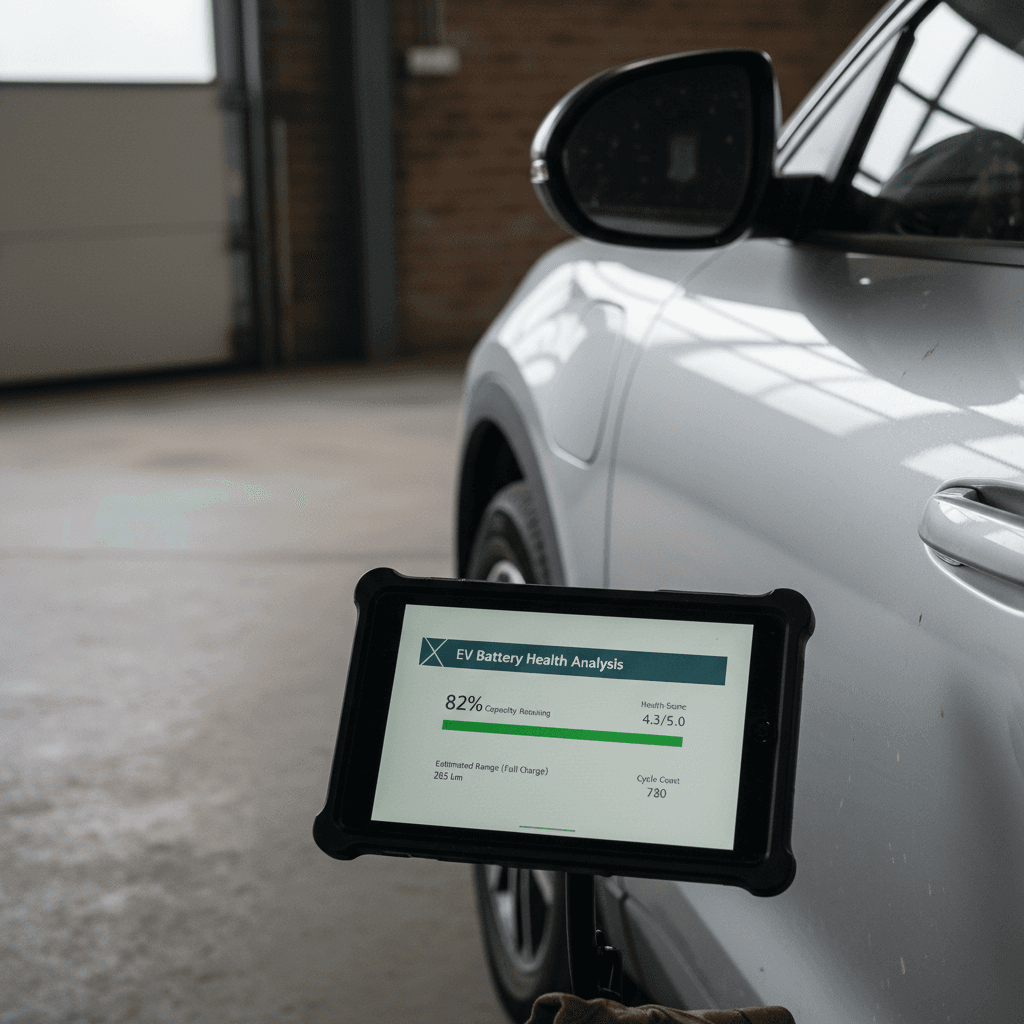
With gas cars, you’re trained to obsess over mileage and oil‑change stickers. With used EVs, the star of the show is battery state of health, how much usable capacity the pack still has versus when it rolled out of the factory. The catch is that the number your dash shows doesn’t always tell the whole truth, and different brands estimate health in different ways.
Key battery‑health factors for used EVs
Don’t buy a used EV in 2026 without understanding these three things
Capacity vs. original
The single most important metric: what percentage of the original usable capacity remains. An EV that’s still at 90–95% after several years is generally doing very well.
Fast‑charge history
Occasional DC fast charging is fine; constant, high‑power sessions on a hot battery can accelerate wear. A good report looks for signs of unusually heavy fast‑charge use.
Climate & storage
Long stretches parked in extreme heat or always charged to 100% can stress a pack. Cars from milder climates with garage parking often show measurably better health.
Why independent testing matters
- Aim for packs that still show at least mid‑80s percent capacity unless the price is exceptional.
- Favor EVs with active liquid battery cooling (most modern Teslas, Hyundai/Kia, GM Ultium, many Fords and VWs).
- Ask for documentation of software updates, recalls, and any battery‑related service.
- Use a verified battery report as your tie‑breaker when two cars look identical on paper.
Pricing sweet spots by model year
Used EV pricing has been on a roller coaster. After 2022’s spike and 2023–2024’s correction, 2026 is the year where depreciation starts to look almost "normal." Some model‑year windows stand out as especially smart buys when you’re ranking the best used electric cars for value.
Used EV pricing sweet spots in 2026
Typical U.S. market patterns for mainstream trims with average mileage; local markets and incentives may vary.
| Model | Model‑year sweet spot | Why those years work | What to avoid |
|---|---|---|---|
| Tesla Model 3 | 2020–2022 | Enough depreciation baked in, but still within most of the 8‑year battery warranty and with updated interiors/software. | Earlier high‑mileage 2018–2019 cars at tempting prices but noticeably reduced range. |
| Hyundai Ioniq 5 / Kia EV6 | 2022–2023 | Early depreciation plus strong tech; plentiful off‑lease cars in 2026. | Very early builds without key software updates or with unresolved recalls. |
| Chevy Bolt EV/EUV | 2021–2023 | Post‑recall packs and aggressive original pricing translate into standout value now. | Pre‑recall cars without clear documentation of pack replacement. |
| Ford Mustang Mach‑E | 2021–2022 | First wave of off‑lease vehicles; plenty of inventory pushes prices down. | Cars with incomplete software or charging‑system updates. |
| Nissan Leaf Plus | 2019–2021 | Deep discounts with still‑useful range if your driving is mostly local. | Older 40‑kWh Leafs with limited range and more degradation in hot climates. |
Always cross‑check with live listings and, ideally, a fair‑market‑value report like the one baked into each Recharged Score.
Leverage depreciation without getting burned
Charging and road‑trip readiness
Range numbers sell cars, but charging is what makes you love, or hate, living with one. In 2026, the landscape is shifting fast as many automakers adopt Tesla’s NACS plug and open access to Superchargers. Some used EVs are already well‑positioned; others may need adapters or careful planning.
Charging questions to ask about any used EV
Your answers may bump a car up or down your personal ranking
Can it use Superchargers?
Many non‑Tesla EVs built from 2025 onward will ship with NACS ports, and some 2022–2024 cars will use adapters. If you road‑trip often, prioritize models that already have, or are guaranteed to get, easy Supercharger access.
How fast does it DC fast‑charge?
Peak numbers (150 kW, 250 kW, etc.) are just part of the story. Look for cars known to hold strong charging speeds from 10–80%, like Ioniq 5, EV6, and many Teslas.
What about home charging?
Most EVs can fully recharge overnight on a Level 2 240‑volt charger. Make sure you have a plan for home or reliable workplace charging, especially if you buy a shorter‑range model like a Leaf.
CHAdeMO and orphaned standards
Checklist: How to test‑drive a used EV like a pro
11 steps to vetting a used EV in 2026
1. Pull a battery health report
Before you even schedule the drive, ask for documented battery state of health. On Recharged, that’s part of the Recharged Score, so you’re not guessing based on a rough range estimate on the dash.
2. Check remaining factory warranty
Confirm both the <strong>bumper‑to‑bumper</strong> and <strong>battery</strong> warranties by VIN and in writing. Many 3‑ to 5‑year‑old EVs still have years of coverage left on the pack.
3. Start with a cold car
Arrive when the battery is at a normal state of charge and temperature. Sudden drops in indicated range on the first few miles can hint at pack imbalance or software issues.
4. Verify charging hardware
Inspect the charge port for damage, test the included home‑charging cable, and if possible, plug into a Level 2 station to ensure the car charges normally without error messages.
5. Do a brief DC fast‑charge test
On road‑trip‑oriented models, a 10–60% fast‑charge session can reveal whether the car hits expected power levels and maintains them, or immediately throttles back.
6. Listen for drivetrain noises
Electric motors are quiet, so whines, clunks, or vibrations stand out. Pay attention under strong acceleration and regenerative braking.
7. Test all driver‑assist features
Try adaptive cruise, lane‑keep assist, parking sensors, cameras, and automated parking (if equipped). These systems are expensive to fix and essential to daily comfort.
8. Inspect the tires and brakes
EVs are heavy and torque‑rich; they chew through tires and can stress suspension components. Uneven wear may hint at alignment issues or curb impacts.
9. Scan for software and recall status
Ask the seller to show the software version screen. Confirm that all open recalls, especially battery or charging‑related ones, have been completed.
10. Check charging and trip‑planner navigation
On cars with built‑in route planning, enter a mock road trip. The way it identifies chargers and estimates arrival charge tells you a lot about daily usability.
11. Get an independent inspection if you’re unsure
Just like with a gas car, a third‑party inspection, ideally from an EV‑savvy technician, can save you from surprises, especially on luxury models packed with complex tech.
FAQ: Best used EVs ranked 2026
Frequently asked questions about the best used electric cars in 2026
Bottom line: which used EV should you buy in 2026?
The best used electric cars ranked for 2026 fall into clear lanes. If you want a do‑it‑all EV that can crush commutes and road trips, start your search with the Tesla Model 3, Hyundai Ioniq 5, or Kia EV6. If you need a family hauler, slide up to a Tesla Model Y, Ford Mustang Mach‑E, VW ID.4, or Cadillac Lyriq. Budget‑minded commuters should give serious thought to the Chevy Bolt, Nissan Leaf Plus, and Hyundai Kona Electric.
No matter which way you lean, the same three rules apply: buy the healthiest battery you can afford, make sure the charging experience fits your life, and let real‑world range, not brochure numbers, guide your expectations. With the right homework, a used EV bought in 2026 can feel like the smartest car decision you’ve made in years.
Ready to shop smarter?
Ready to find your next EV?
Browse Vehicles