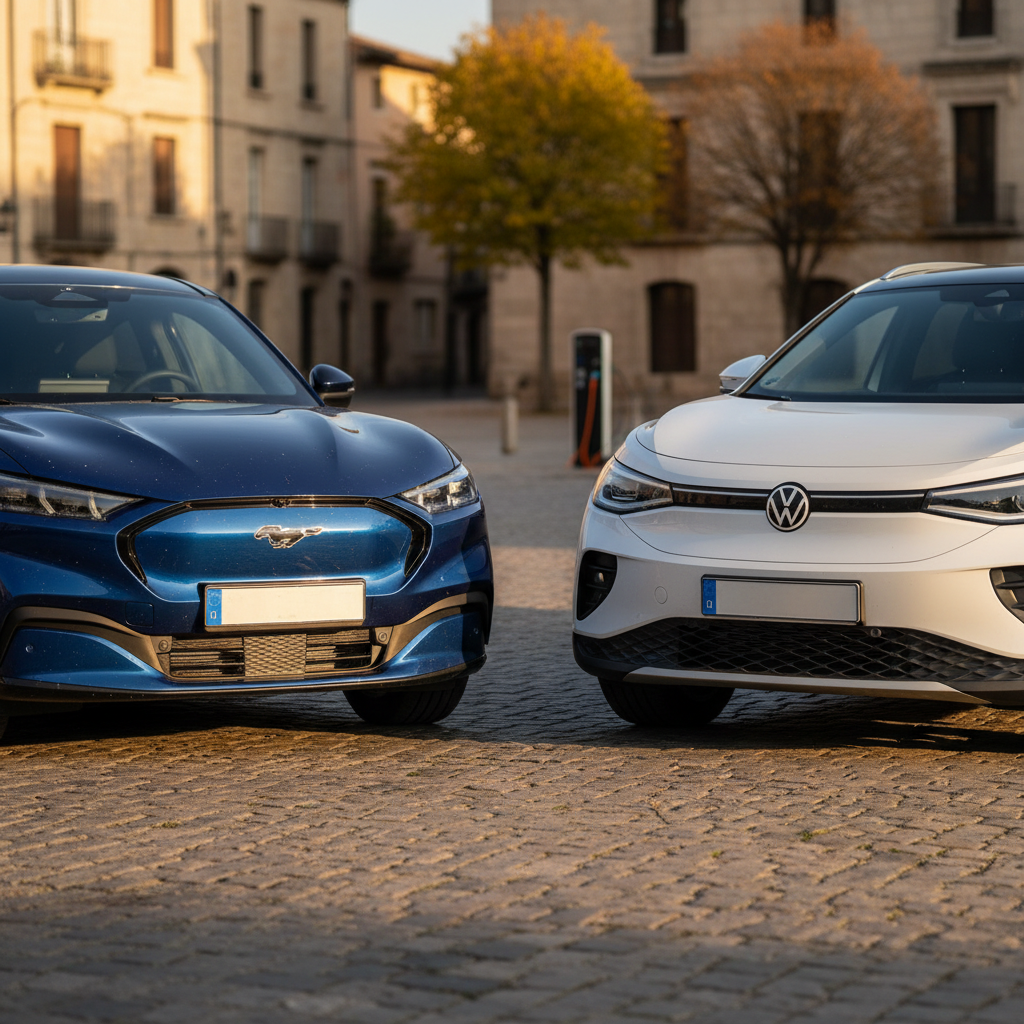
When people talk about a rechargeable car battery today, they might mean the small 12‑volt battery that starts a gas car, or the massive lithium‑ion pack that powers an electric vehicle for hundreds of miles. The stakes are very different, especially if you’re thinking about buying a used EV. Let’s untangle the tech, the lifespans, the real‑world costs, and how to shop smart so you don’t get surprised by a battery bill down the road.
Why this matters now
What “rechargeable car battery” really means in 2025
The phrase rechargeable car battery gets used for three different things, and it’s worth separating them because their jobs, costs, and lifespans aren’t the same.
- 12‑volt starter battery – Found in almost every car (gas, hybrid, and EV). It powers lights, computers, locks, and in a gas car it cranks the engine. It’s rechargeable via the alternator or DC‑DC converter, but usually lasts only 3–5 years.
- Hybrid traction battery – In conventional hybrids (like early Prius models), a relatively small high‑voltage battery assists the gas engine. It’s still a rechargeable car battery, but it doesn’t power the car on electricity alone for long distances.
- Full EV battery pack – The large lithium‑ion (or lithium iron phosphate) pack in a battery‑electric vehicle. This is the “big” rechargeable car battery that determines range and most of the car’s value.
In this guide we’ll focus mostly on the full EV battery pack, because that’s what shoppers worry about, and what matters most when you’re considering a used electric car from a marketplace like Recharged.
The main types of rechargeable car batteries
Common rechargeable car battery chemistries
You don’t have to be a chemist, but knowing the basics helps you predict lifespan and behavior.
Lithium‑ion (NMC/NCA)
The most common EV chemistry. High energy density and strong performance in cold weather.
- Typical life: ~150,000–250,000 miles
- Seen in many Teslas, GM, Hyundai, VW, and others
- Degrades gradually over time and fast charging
Lithium iron phosphate (LFP)
Lower energy density but extremely durable and happy at high states of charge.
- Typical life: ~300,000–500,000 miles
- Popular in some Tesla, Ford, and Rivian trims
- Great for frequent daily charging and ride‑share duty
Advanced chemistries
Newer lithium manganese‑rich and solid‑state designs are coming later this decade.
- Targets: higher range & lower cost
- Some trucks/SUVs aiming at 400‑mile range
- Still early days in real‑world data
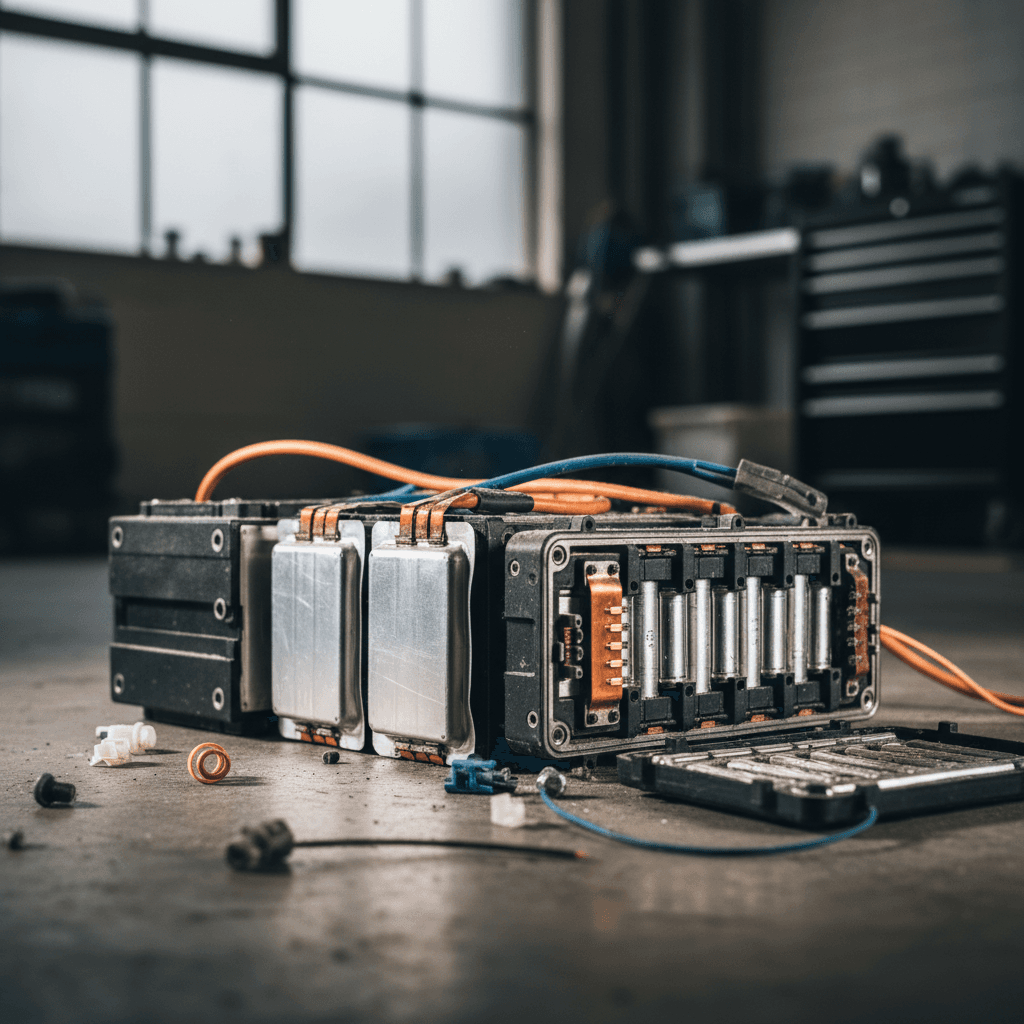
A quick way to tell what you have
How long do rechargeable car batteries really last?
Rechargeable car battery lifespan at a glance
For the big pack in a modern EV, a rechargeable car battery is no longer a 5‑year throwaway part. With reasonable care, today’s packs are designed for at least 15–20 years of life, and real‑world testing keeps showing that they’re hitting those targets, and sometimes exceeding them.
On the road, that usually looks like this: after four or five years and around 100,000 miles, many EVs still hold 90% or more of their original battery capacity. You’ll see a bit less rated range on the dash than when the car was new, but not the dramatic fall‑off many people imagine.
Heat is the silent battery killer
Battery degradation and what “70% health” actually means
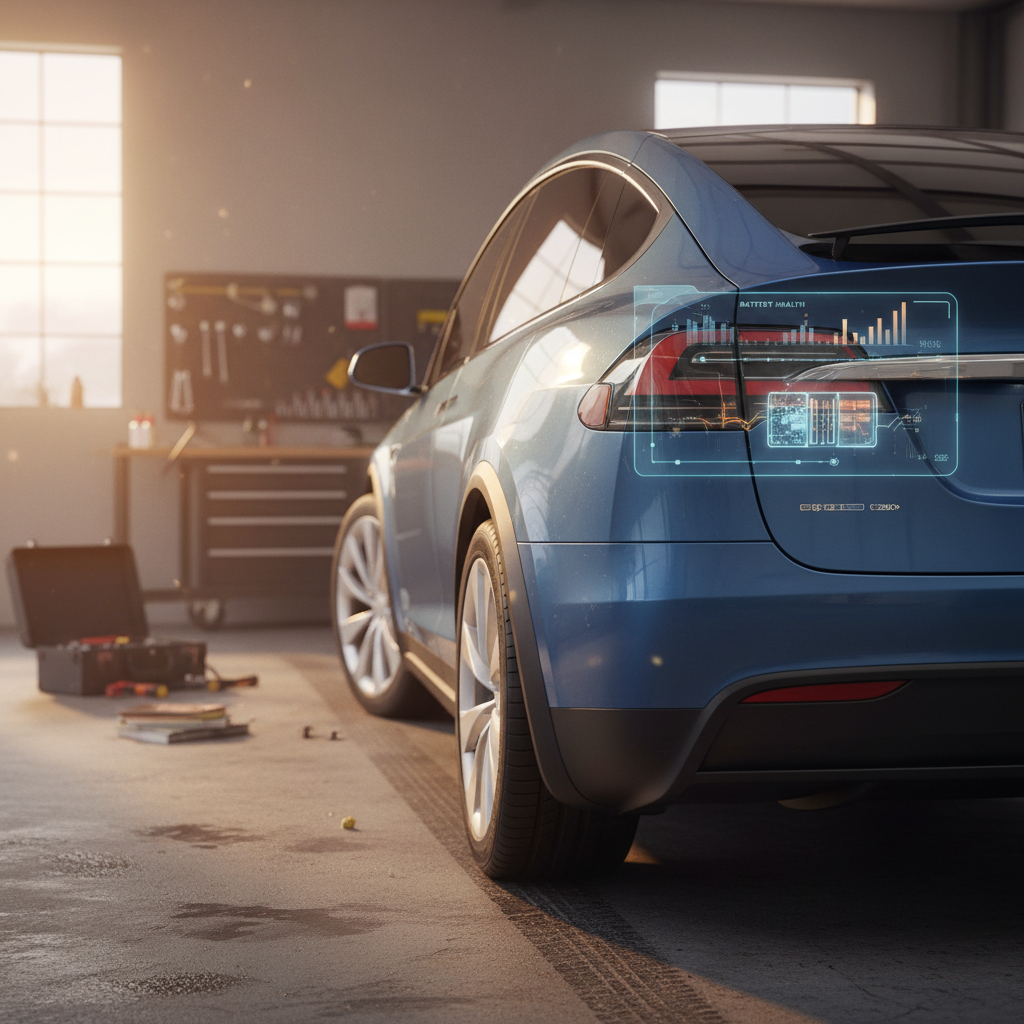
Battery health is where the term rechargeable car battery becomes concrete, especially when you’re looking at a used EV and trying to decide if it’s a good buy. Degradation doesn’t mean the car suddenly dies one day; it means the usable capacity of the pack slowly shrinks over time.
- 100% health – How the car left the factory. You rarely see this after the first year or two, because some early loss is normal.
- 90–95% health – Common for 3–5‑year‑old EVs. You might lose 10–20 miles of range on a 250‑mile car; most owners barely notice.
- 80–85% health – Still very usable, especially if your daily driving is modest. This is where some warranties consider the pack “aged but acceptable.”
- 70% health – Often the threshold where manufacturers say the battery has reached the end of its warranted life. The car will still drive; you just have less range than new.
Warranty language decoded
In practice, most modern EV packs retain well over 80% capacity by the time their warranty expires, especially when they’ve been charged mostly at home and not driven in extreme climates.
Replacement costs, warranties, and when to worry
Let’s address the elephant in the garage: replacing a full rechargeable car battery pack in an EV is expensive. Fortunately, it’s also rare for the first owner, and still uncommon for many second owners, thanks to long warranties and better chemistry.
Typical battery replacement cost ranges (U.S., out of warranty)
Real‑world averages vary by shop and region, but these ballpark figures show why you want to know the state of a pack before you buy.
| Vehicle type / battery | Typical replacement range | Notes |
|---|---|---|
| 12‑volt starter battery | $150–$400 | Common lead‑acid or AGM; most drivers replace every 3–5 years. |
| Small EV pack (24–40 kWh) | $4,000–$12,000 | Examples: earlier Nissan Leaf sizes; costs rise with larger packs. |
| Mainstream EV pack (60–80 kWh) | $10,000–$18,000 | Examples: Chevy Bolt, many compact–midsize EVs. |
| Large EV pack (80+ kWh) | $15,000–$20,000+ | Examples: long‑range sedans and SUVs; price depends heavily on brand. |
These are general ranges for full pack replacements, parts plus labor, if you’re outside of warranty.
Don’t guess on replacement cost
The good news: for most owners, a full EV battery replacement is something they never pay for. Either the pack stays healthy well beyond their ownership, or severe early degradation is handled under warranty.
- Most EVs in the U.S. include 8–10 years / 100,000–150,000 miles of high‑voltage battery coverage.
- Many real‑world EVs show only modest degradation by the time that warranty ends.
- As battery production scales up and chemistries improve, replacement pack costs are trending downward over time.
How to care for your rechargeable car battery
The nice thing about a modern rechargeable car battery is that it doesn’t demand perfection. You don’t have to baby it, just avoid a few extremes and build a couple of good habits into your routine.
Everyday habits that help your EV battery last
1. Don’t live at 0% or 100%
It’s fine to occasionally run the pack low or charge to full for a road trip. Just avoid leaving the car parked for days at 0–5% or at 100%. Keeping your typical daily charge window around 20–80% is an easy rule of thumb.
2. Prefer home Level 2 charging
Level 3 DC fast charging is a great tool, but heavy reliance on it can speed up degradation. If you can, make overnight Level 2 charging at home your default and save fast charging for trips.
3. Keep the battery cool when possible
Heat is harder on chemistry than cold. Park in a garage or shade when you can, and try not to fast‑charge repeatedly on a very hot day unless you have to.
4. Use scheduled charging
Most EVs let you delay charging so it finishes just before you leave in the morning. That keeps the pack from sitting at a high state of charge for hours and can save you money if your utility has off‑peak rates.
5. Update the car’s software
Automakers constantly tune battery management systems. Keeping your EV’s software up to date can improve efficiency, charging behavior, and sometimes even available range.
6. Watch for sudden changes
Range will wiggle with weather and driving style. What you’re watching for is a sudden, unexplained drop in displayed range or state of health. That’s when it’s time for a diagnostic scan and possibly a warranty conversation.
The car is already protecting the battery
Buying a used EV: making battery health non‑mysterious
If you’re shopping for a used EV, the rechargeable car battery is the single most important component in the car, and the hardest to evaluate just by kicking the tires. Range on the dash is only part of the story; you want a deeper look at the pack’s true health.
Questions to ask the seller
- How has the car been charged? Mostly at home, mostly fast‑charged, or a mix?
- What’s the typical daily mileage? Light use can sometimes mean fewer cycles, but the calendar still matters.
- Has the battery ever been serviced or replaced? If so, ask to see paperwork.
- Is there remaining high‑voltage battery warranty? Note the in‑service date and mileage.
What a proper battery report shows
- Current state of health as a percentage of original capacity.
- Estimated remaining usable life based on age, mileage, and chemistry.
- Any fault codes or history that suggest prior issues.
- Charging patterns that might accelerate degradation.
At Recharged, every vehicle comes with a Recharged Score Report that includes verified battery diagnostics, so you’re not guessing about the most expensive part of the car.
Use battery health to your advantage
12‑volt vs full EV battery: quick comparison
Because both are technically rechargeable car batteries, people often confuse the little 12‑volt under the hood with the big pack under the floor. Here’s how they differ when you’re budgeting and planning maintenance.
12‑volt battery vs full EV traction battery
Two very different batteries, two very different jobs.
| Feature | 12‑volt battery | EV traction battery |
|---|---|---|
| Primary job | Power accessories, locks, computers, start engine (or boot EV systems) | Propel the vehicle and store driving energy |
| Chemistry | Lead‑acid or AGM (sometimes lithium 12‑V) | Various lithium‑ion chemistries (NMC, NCA, LFP, etc.) |
| Typical lifespan | 3–5 years | 15–20 years (often the life of the car) |
| Replacement cost | $150–$400 | $4,000–$20,000+ out of warranty |
| Symptoms when weak | Slow cranking, warning lights, car won’t “wake up” | Reduced range, warnings, potential limits on power or fast charging |
| Warranty coverage | Typically 3–4 years | Typically 8–10 years / 100k–150k miles |
Knowing which battery is failing saves you a lot of confusion, and possibly a tow bill.
When an EV “won’t start,” it might just be the 12‑volt
Frequently asked questions about rechargeable car batteries
Rechargeable car battery FAQ
The bottom line: rechargeable car batteries are built to last
A generation ago, a rechargeable car battery meant a 12‑volt lump that would tap out every few winters. Today, it can mean a carefully managed, long‑life lithium‑ion pack that carries a car 250 miles at a stretch and quietly lasts 15–20 years. Yes, replacement is expensive if it ever becomes necessary, but the engineering, warranties, and real‑world data all point in the same direction: for most drivers, the pack outlasts their ownership.
If you’re stepping into EV ownership for the first time, or considering a used EV, the key is information. Understand what affects battery life, build a few good charging habits, and insist on transparent battery health data when you buy. That’s exactly what Recharged’s Recharged Score Report is designed to deliver: verified battery diagnostics, fair pricing, and expert EV guidance so your next car’s most important component is one you can confidently trust.