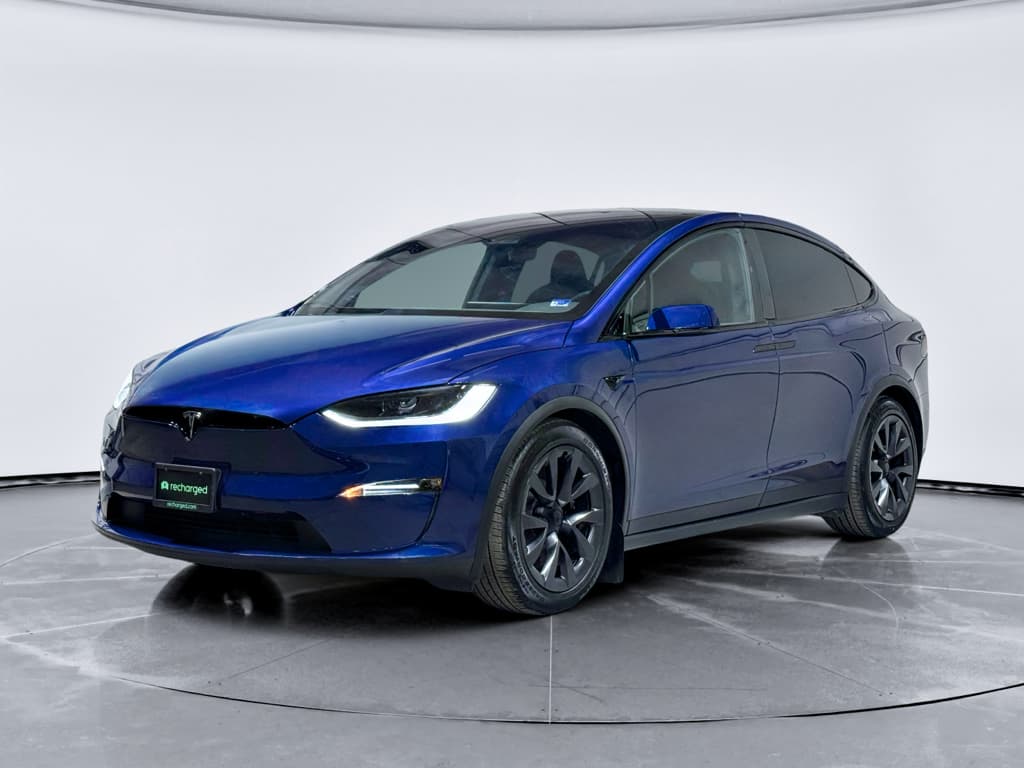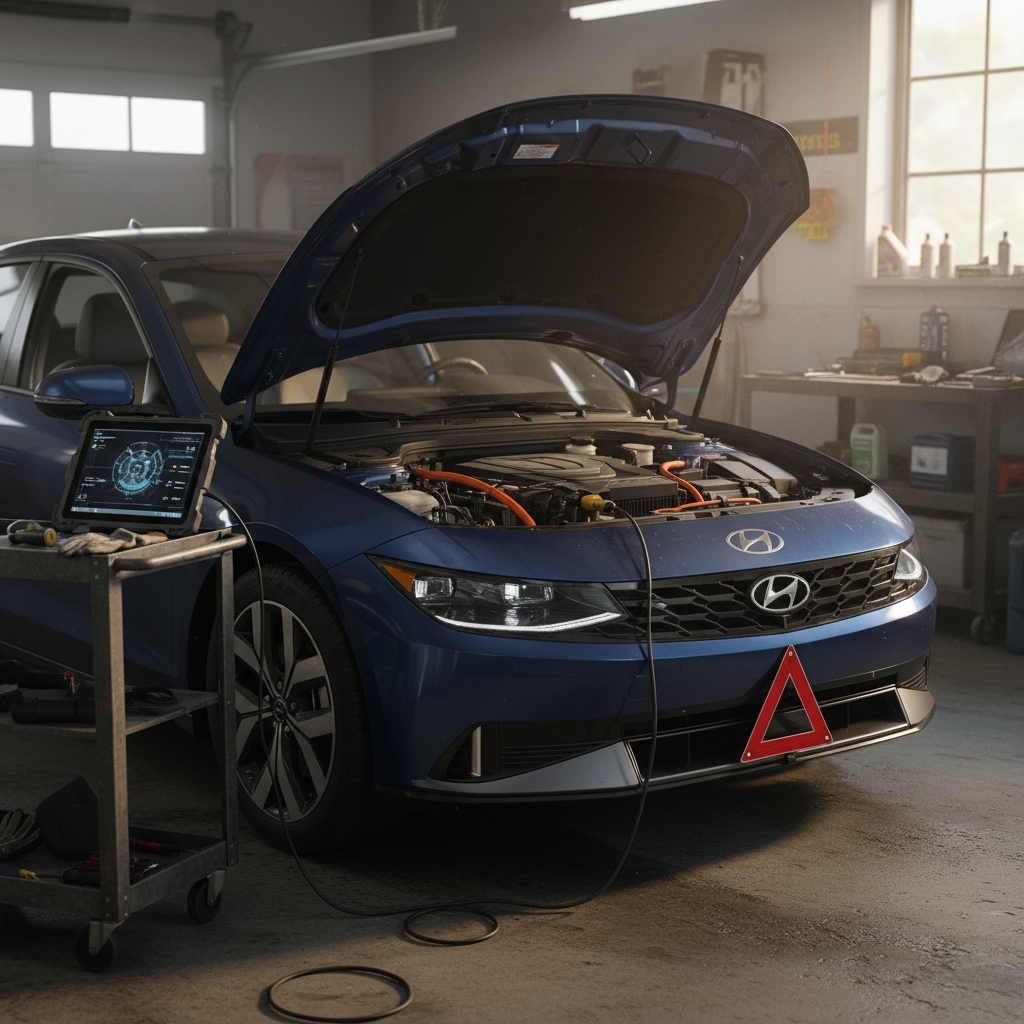
If you’re considering a Tesla Model X, you’re also buying a very expensive high‑voltage battery pack. Understanding the **Tesla Model X battery warranty details** isn’t just a legal nicety, it’s central to what your SUV will cost you to own, especially if you’re shopping used.
Key fact in one line
How the Tesla Model X battery warranty works
- Duration: 8 years from the original in‑service date
- Mileage cap: 150,000 miles, whichever comes first
- Capacity guarantee: Tesla promises at least 70% of the battery’s original usable capacity over the warranty period
Model X battery warranty at a glance
This battery warranty sits on top of the separate 4‑year/50,000‑mile Basic Vehicle Limited Warranty that covers most other components. Once that basic coverage expires, the battery and drive unit protection continues on its own until you hit either eight years or 150,000 miles.
Remember the start date
What the Model X battery warranty actually covers
Tesla’s battery warranty isn’t just for catastrophic failures. It covers defects in materials or workmanship in the high‑voltage battery and the drive unit, plus a few important edge cases. In practical terms, Tesla may repair or replace the pack (or modules within it) if there’s a covered problem.
Covered under the Model X Battery & Drive Unit Limited Warranty
What Tesla generally treats as warranty issues (subject to their inspection and terms)
Manufacturing defects
Internal cell flaws, welding or bonding problems, or other manufacturing defects that cause loss of function or safety issues.
Battery electronics & contactors
Failures in the high‑voltage junction box, contactors, battery management electronics, and related components inside the pack.
Drive unit failures
Issues with the electric motor(s), inverter, and integrated gear reduction assembly that prevent normal driving.
Battery fire from defects or driver error
Recent versions of the warranty explicitly cover damage from a battery fire, even if triggered by driver error, as long as it wasn’t already totaled before the fire.
Excessive capacity loss
If usable capacity drops below about 70% of original during the 8‑year/150k‑mile period, Tesla may repair or replace the pack.
Internal leaks & isolation faults
High‑voltage insulation problems or internal coolant leaks that compromise safety or render the pack unusable.
In all of these situations, Tesla will first diagnose whether the issue is due to a defect or to outside damage or misuse. If it’s a defect and you’re within the time and mileage limits, repairs or replacements are typically done at no cost, aside from any applicable service fees Tesla may charge for unrelated work.
Good news for used buyers
What isn’t covered: common warranty misunderstandings
A battery warranty is not a blanket promise that the pack will behave like new forever. Tesla’s documents carve out several categories that are not covered, or are only covered in specific situations.
- Normal degradation above 70%: If your Model X still has ~75–80% of its original range after eight years, that’s considered normal wear and tear, not a warranty failure.
- Damage from impact or flooding: Collision damage, deep water, or road debris impacts to the battery case are typically excluded and may be an insurance claim instead.
- Owner‑caused damage: Unauthorized modifications, opening the pack, or tampering with high‑voltage components can void coverage for related failures.
- Improper lifting or jack use: Crushing the battery tray with a jack in the wrong spot is a surprisingly common way to create expensive, non‑warranty damage.
- Third‑party chargers/adapters that cause damage: Tesla increasingly specifies that damage linked to non‑approved bi‑directional chargers or adapters may not be covered.
Range loss vs. warranty failure
New vs. used Model X: how the battery warranty transfers
Whether you’re buying a new Model X from Tesla or a used one through a marketplace like Recharged, the high‑voltage battery coverage always traces back to that original in‑service date. Here’s how it breaks down:
Model X battery warranty for new vs. used buyers
How much Battery & Drive Unit coverage you can expect depending on how you buy a Model X.
| Scenario | What you’re buying | Typical remaining battery warranty | What else to watch |
|---|---|---|---|
| Brand‑new Model X | New from Tesla in 2026 | Full 8 years/150,000 miles from your delivery date | Basic 4‑year/50k warranty overlaps the first half of that period. |
| Lightly used 2‑year‑old Model X | Used with ~25,000–30,000 miles | About 6 years or ~120,000–125,000 miles of battery coverage left | Check for any prior battery repairs and confirm Supercharging usage history if possible. |
| 5‑year‑old high‑mileage Model X | Used with ~95,000 miles | Only ~3 years or ~55,000 miles left, whichever comes first | You’re buying closer to the end of coverage, battery health data becomes vital. |
| Older early‑production Model X | 7–8 years old, 100k–140k miles | Coverage may be nearly exhausted or already expired | Don’t assume any factory battery coverage remains; verify before you commit. |
Remember: these are typical scenarios. Always verify the exact in‑service date and mileage.
Tesla allows the Battery & Drive Unit warranty to transfer as long as the new owner properly updates ownership in Tesla’s systems. When you buy through Tesla directly, that happens automatically. When you buy through a private party or non‑Tesla dealer, it’s critical to complete the ownership transfer so Tesla recognizes you as the owner.
How Recharged handles transfers
Battery degradation: what 70% capacity retention really means
Tesla’s promise of at least 70% battery capacity over the 8‑year/150,000‑mile period is often misunderstood. It doesn’t mean your battery will drop straight to 70% at year eight. Real‑world data suggests most Tesla packs do substantially better than that, especially in the larger Model S/X battery family.
1. The legal floor
Tesla’s warranty language sets 70% usable capacity as the minimum acceptable level during the warranty. If your Model X falls below that threshold while still under 8 years/150,000 miles, Tesla may repair or replace the pack.
This is essentially a safety net, not a prediction. It protects you from unusually rapid degradation or defective packs.
2. Typical real‑world performance
Owner data and independent analyses have shown that many Model S/X vehicles retain roughly ~85–90% capacity after 200,000 miles when treated reasonably well. That’s far above the 70% floor, even beyond the warranty window.
What matters most is how the car was used: frequent DC fast charging, very high mileage in hot climates, and repeated 100% charging can accelerate wear.
Usage matters more than age
How to check remaining battery warranty on a Model X
Before you buy, or if you already own a Model X and aren’t sure what’s left, take a few minutes to confirm your battery coverage. It’s simple detective work that can save you thousands of dollars down the line.
Step‑by‑step: verify remaining Model X battery coverage
1. Find the in‑service date
Ask the seller for the original purchase agreement or look in the Tesla mobile app under the vehicle details. This date, not the model year, starts the 8‑year clock.
2. Record the current odometer reading
Coverage ends at <strong>150,000 miles</strong>. Subtract the current mileage from 150,000 to estimate how much mileage coverage remains, assuming you’re still within 8 years.
3. Confirm ownership in the Tesla app
If you already own the SUV, make sure the car appears in your Tesla account with your name on it. If you’re buying, complete the ownership transfer promptly after purchase.
4. Check for previous battery repairs
Ask for service records. Prior pack replacements can be good (a newer pack) but may also have different warranty terms, Tesla documentation will spell this out.
5. Request a battery health report
If you’re shopping through <strong>Recharged</strong>, you’ll get a <strong>Recharged Score battery health report</strong> that uses diagnostics and historical data to give you a clear, data‑driven picture of the pack’s condition.
6. Call Tesla if anything is unclear
If dates or terms don’t line up, contact Tesla Service with the VIN. They can confirm the official warranty start date and any exceptions for that vehicle.
Used Model X buyer’s checklist: warranty and battery health
When you’re buying a used Tesla, the two biggest unknowns are warranty runway and actual battery health. Here’s how to combine both into a smart decision.
Two sides of the same story: paperwork vs. real‑world health
You need both to feel confident in a used Model X purchase.
Paper warranty: what’s left on the clock?
- How many years remain until 8 years from in‑service?
- How many miles remain until 150,000?
- Any notes about prior pack replacements or Tesla goodwill repairs?
If you’re inside 3 years/50,000 miles of the warranty ending, assume you may own the car beyond the factory safety net.
Battery health: how strong is the pack today?
- Estimated usable capacity vs. original
- Charging history (home vs. fast charging)
- Thermal history (extreme hot/cold climate use)
This is where a professional battery health report is worth its weight in gold.
How Recharged reduces your guesswork
Ready to find your next EV?
Browse VehiclesTesla Model X battery warranty vs. extended coverage
Tesla’s factory Battery & Drive Unit warranty for the Model X is already one of the more generous in the market. Still, many shoppers ask about extended warranty options, especially on older luxury SUVs with complex features.
Factory battery warranty (all modern Model X)
- 8 years/150,000 miles for battery & drive unit
- 70% minimum capacity retention promise
- Transferable to subsequent owners
- No extra cost, built into the vehicle price
For most owners, this offers a strong balance of risk protection and real‑world battery longevity.
Other coverage options
Tesla has historically offered Extended Service Agreements (ESAs) on certain Model X years, but terms and eligibility change over time and typically do not extend battery coverage beyond the original 8‑year/150,000‑mile limit.
For true post‑warranty protection, some owners look at third‑party service contracts. Those plans may include limited EV component coverage but often exclude high‑voltage batteries or cap payouts. Read the fine print carefully.
Don’t assume you can extend battery coverage
FAQ: Tesla Model X battery warranty details
Frequently asked questions about Model X battery coverage
Bottom line: is a used Model X battery a big risk?
When you understand the Tesla Model X battery warranty details, the picture looks a lot less scary. You’re getting 8 years or 150,000 miles of coverage with a 70% capacity guarantee, and real‑world data suggests many packs retain far more than that. The real risk comes from buying blind, without knowing how much warranty is left or how the battery was treated.
If you confirm the in‑service date, verify the mileage, and pair that with a solid battery health assessment, a used Model X can be a smart long‑term play rather than a gamble. That’s exactly why Recharged bakes battery diagnostics, clear warranty information, fair pricing, and expert EV guidance into every transaction, so you can enjoy the Model X experience without constantly worrying about what’s happening under the floor.