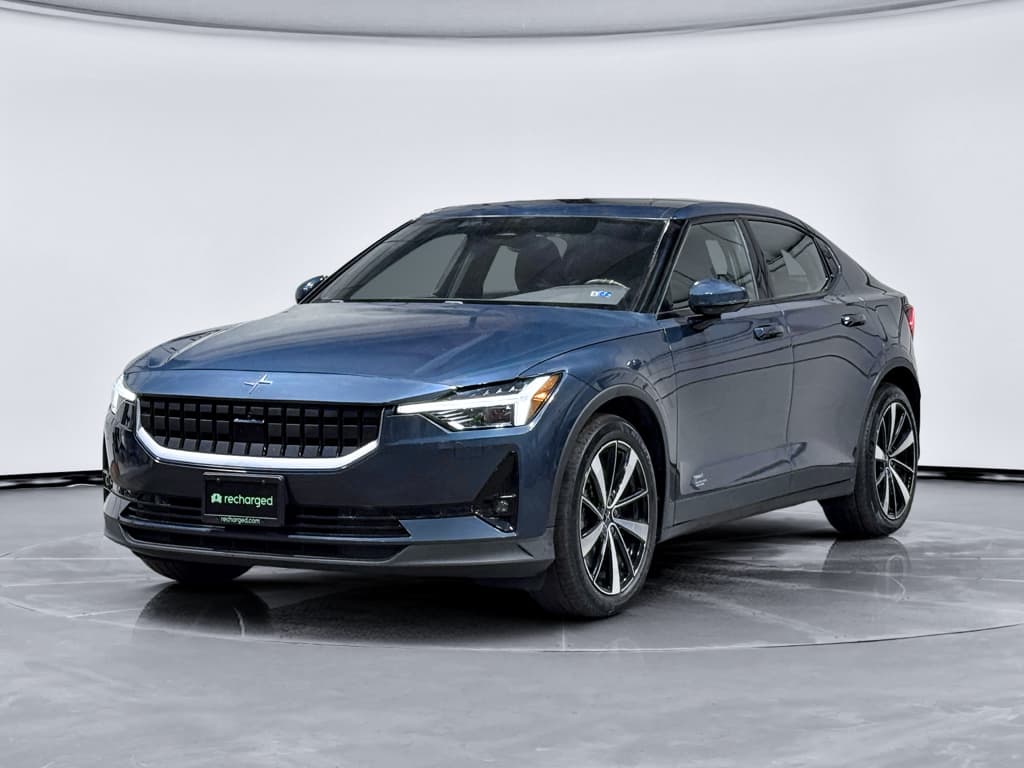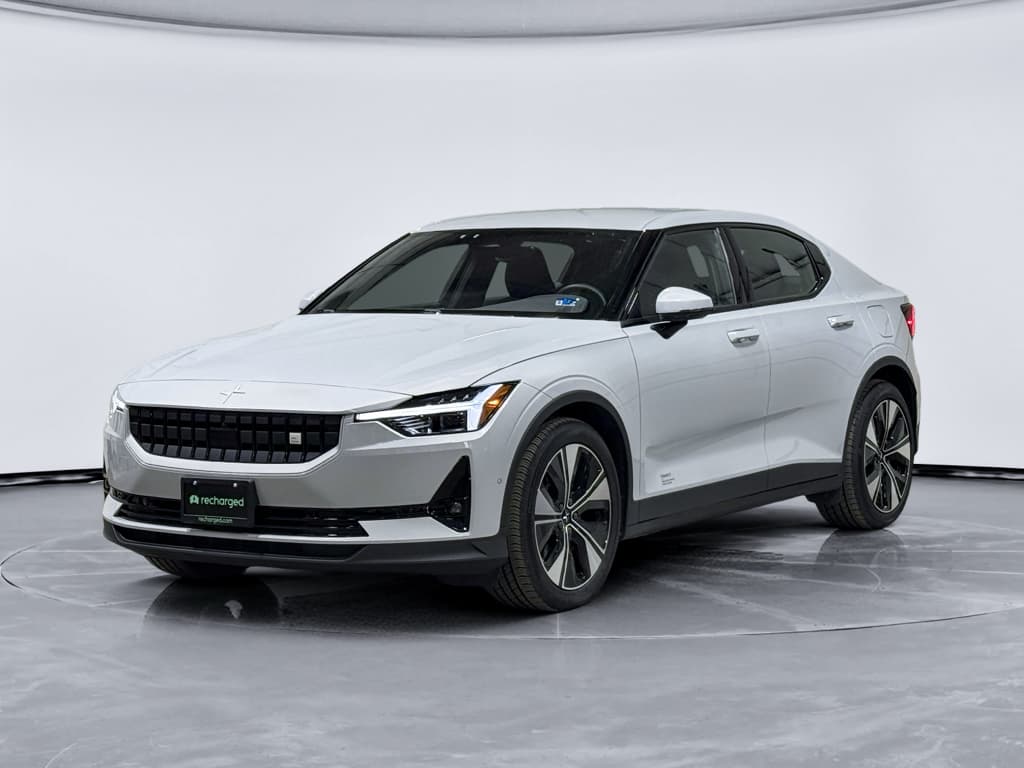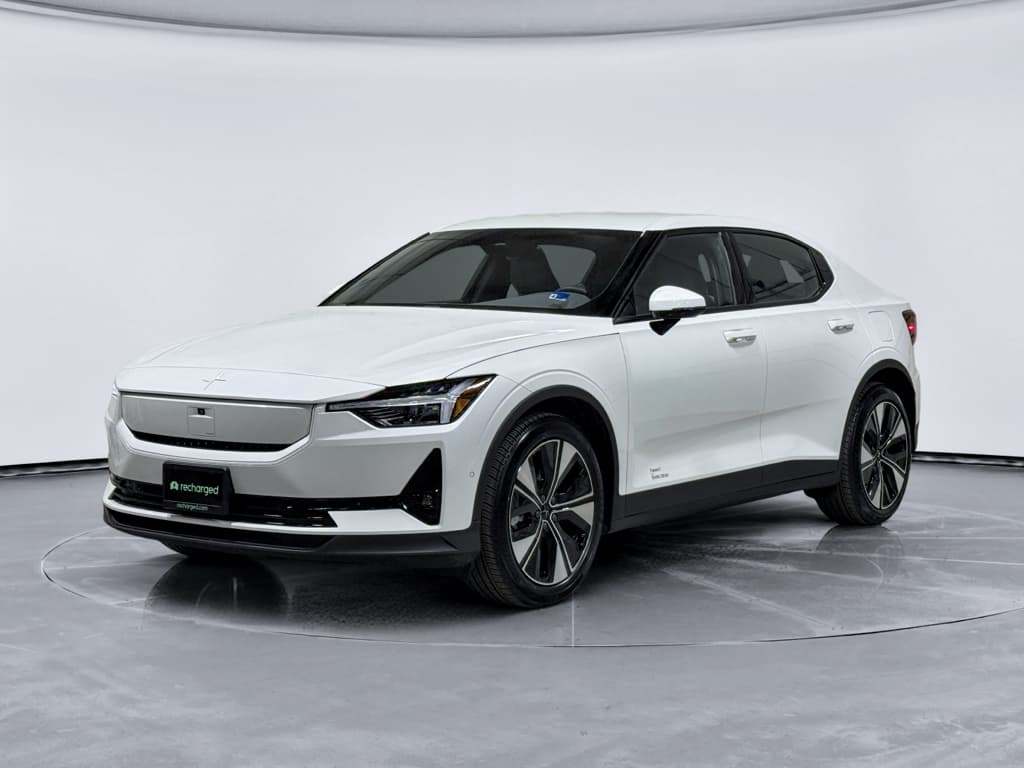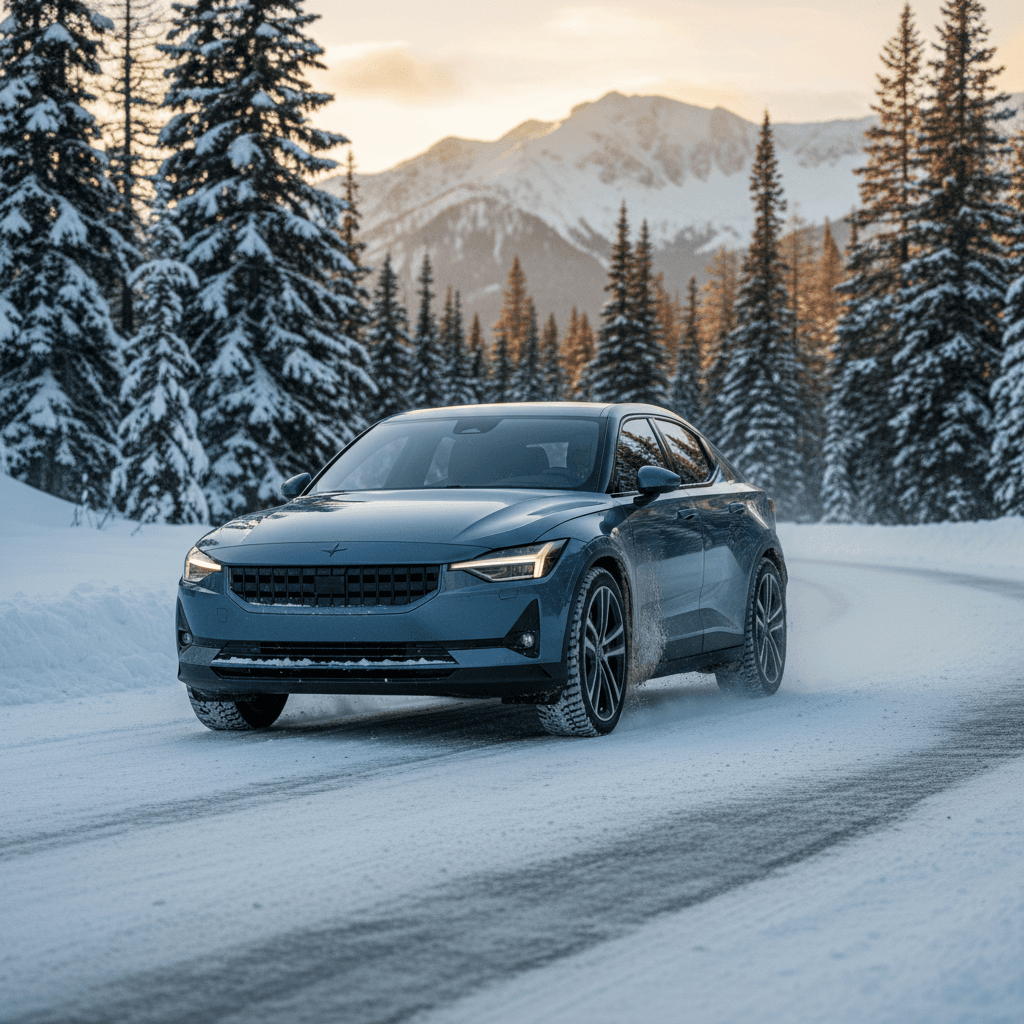
If you live where roads stay white for months, you’re probably wondering whether the Polestar 2 is truly good in snow and on ice, or if it’s just another stylish EV tuned for mild climates. The answer is encouraging: engineered and tested in Sweden, the Polestar 2 can be an excellent winter car when it’s set up correctly, especially with the right tires and drivetrain.
Quick answer
Polestar 2 in Snow and Ice: Big Picture
Polestar designs and tests its cars in Scandinavia, and the brand openly leans into that heritage. In Polestar’s own winter driving guides, they emphasize that the cars are engineered for harsh winter conditions and validated on snow and ice test tracks north of the Arctic Circle. That shows up in the Polestar 2’s chassis tuning and the behavior of its traction and stability systems in low‑grip scenarios.
Polestar 2: Winter‑Relevant Specs at a Glance
On plowed or partially packed roads, the Polestar 2 is calm and predictable. Where it struggles is the same place nearly every passenger EV does: deep, unplowed snow that exceeds its modest ground clearance. If you’re regularly punching through rutted, unplowed backroads, you may want more clearance. But for typical winter commuting, ski trips on maintained highways, and urban slush, it’s a very solid platform.
Not a snowplow
Drivetrain, Weight, and Traction: What Helps in Snow
When you talk about an EV being “good in snow,” you’re really talking about three things: where and how it puts power down, how it manages that power when grip disappears, and how its weight is distributed. The Polestar 2 checks most of the right boxes.
Why the Polestar 2 Feels Confident on Snow and Ice
Key engineering traits that show up in bad weather
Low center of gravity
Instant, precise torque control
Smart stability systems
Dual‑motor AWD
The Long Range Dual Motor versions are the obvious winter heroes. With power at both axles and sophisticated traction logic, they’re the best choice if you regularly see steep hills, unplowed side streets, or icy highway on‑ramps. In owner reports, dual‑motor cars on proper winter tires feel at least as capable as traditional AWD wagons and crossovers from brands like Subaru and Volvo.
Single‑motor RWD or FWD
Depending on model year, single‑motor Polestar 2s are either front‑ or rear‑wheel drive. With decent all‑season or winter tires, they still behave predictably in winter, but you’ll notice more wheelspin starting on slick hills and less confidence in deep slush than in the dual‑motor cars. If you live in a mild‑winter climate and prioritize efficiency, a single‑motor car can still be a good fit.
Think more about tires than torque
Which Polestar 2 Version Is Best for Winter?
If your search query is literally “Polestar 2 best for snow and ice,” you’re probably trying to decide whether a specific configuration will work for your climate. Here’s how the main variants stack up for winter use.
Polestar 2 Trims Ranked for Winter Use
All versions can be driven safely in winter with the right tires; this table compares how well each configuration handles typical snow and ice.
| Configuration | Winter capability | Best for | Main watch‑outs |
|---|---|---|---|
| Long Range Dual Motor (no Performance Pack) | Excellent | Frequent snow, mountain driving, ski trips | Ground clearance still limited; range loss in cold like any EV. |
| Long Range Dual Motor Performance Pack / BST | Very good but sportier | Enthusiasts who want winter grip and sharp handling | Performance summer tires are unsafe in cold; budget for a full winter wheel‑tire set. |
| Long Range Single Motor RWD | Good with proper tires | Moderate winters, mostly plowed roads | More tail‑happy on throttle; traction relies heavily on rear tires. |
| Earlier Single Motor FWD (where offered) | Good with proper tires | Urban/commuter in light‑to‑moderate snow | Can struggle more on steep, unplowed hills vs AWD dual‑motor. |
Assumes good‑quality winter or all‑weather tires with the three‑peak mountain snowflake (3PMSF) symbol.
Avoid summer tires in real winter
Tires: The Single Biggest Factor in Snow and Ice
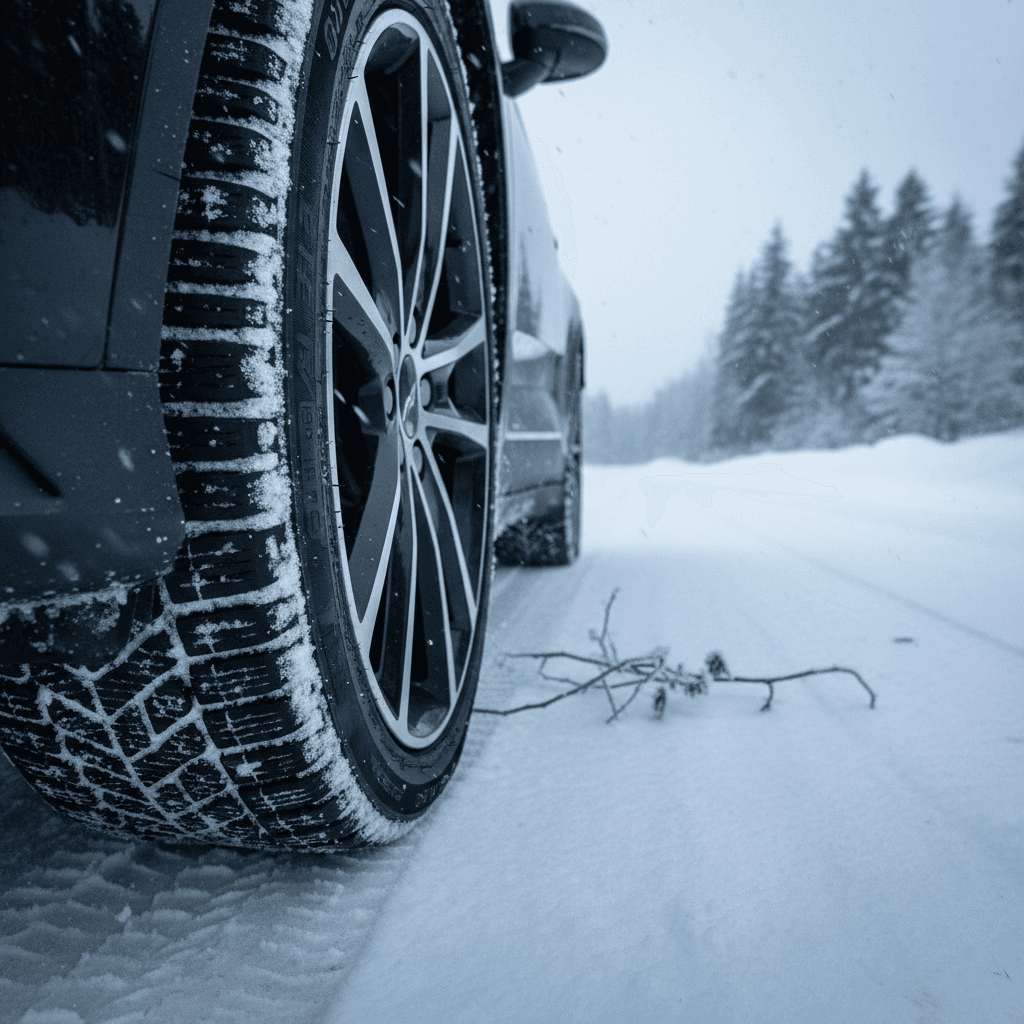
Polestar’s own manuals are blunt: for good roadholding on icy or snow‑covered roads, they recommend winter tires on all four wheels, even if the car has AWD and stability control. That’s not marketing; it’s physics. Cold‑weather rubber compounds stay soft when temperatures plunge, and aggressive tread patterns bite into snow and evacuate slush in ways summer or basic all‑season tires simply can’t.
Picking the Right Tire Setup for Your Polestar 2
Match your tires to your climate, not your Instagram feed
Full winter tires
All‑weather / 3PMSF all‑season
Summer performance tires
Winter Tire Checklist for Polestar 2 Owners
1. Look for the 3PMSF symbol
For real winter traction, choose tires with the three‑peak mountain snowflake (3PMSF) symbol, not just M+S. This indicates they’ve passed standardized snow‑traction testing.
2. Size and load rating that match
Stick close to the OEM sizes and load ratings listed on the door jamb or in the manual. Downsizing wheel diameter (for example, from 20" to 19") with taller sidewalls can improve comfort and winter grip.
3. Consider a dedicated winter wheel set
Owning a separate set of wheels with mounted winter tires makes seasonal swaps faster and protects your factory wheels from pothole and salt damage.
4. Replace old or worn tires early
Even the best winter tire turns mediocre when tread depth drops below roughly 4 mm. Age matters too, rubber hardens after about six years.
What about chains or socks?
Range Loss and Charging Behavior in the Cold
Snow and ice aren’t just about grip, they also change how far you can drive and how the Polestar 2 charges. Like every EV, the Polestar 2 loses range in cold weather because the battery chemistry is less efficient and you’re running cabin heat almost constantly. Owners in northern climates commonly see 20–40% less real‑world range on the coldest days, depending on speed, wind, and heater use.
- Plan charging stops more conservatively in winter; don’t assume EPA range numbers will hold at 10°F and 70 mph.
- Use preconditioning via the Polestar app or built‑in timers to warm the cabin and battery while plugged in, this shifts energy use off the road and improves both comfort and DC‑fast‑charge speeds.
- Expect DC fast charging to be slower if you arrive at the charger with a cold battery; preconditioning on the way to a charger helps here too.
- Heated seats and steering wheel use much less energy than blasting cabin air heat, so lean on them when you can.
Cold‑weather range expectations
Best Polestar 2 Settings for Snow and Ice
Polestar’s winter driving recommendations are refreshingly straightforward: let the stability systems do their job, dial back aggressive one‑pedal regen, and focus on smooth inputs. A few minutes in the settings menu can noticeably change how the car feels on slick roads.
Polestar 2 Settings to Adjust When Roads Turn Slick
Simple tweaks that make the car calmer and more predictable in low grip
One‑Pedal Drive: Low or Off
ESC Sport Mode: Only for specific situations
Driving Technique Tips for Polestar 2 Owners
1. Smooth on throttle and steering
Instant EV torque makes it easy to spin wheels. Roll into the accelerator gently, especially from a stop on inclines. On ice, treat the throttle like a dimmer switch, not an on/off button.
2. Look and plan further ahead
Regenerative braking is strong even at Low, so anticipate slow‑downs early to avoid abrupt weight shifts that can overwhelm front‑tire grip on snow.
3. Practice in a safe, empty lot
Find an empty, snow‑covered parking lot and spend 10–15 minutes feeling how the car behaves under braking, gentle slides, and quick avoidance maneuvers. This builds a mental model of the car’s limits before you reach them in traffic.
4. Keep cameras and sensors clear
Snow and slush can cover rear lights, radar, and cameras surprisingly fast. Build a habit of wiping them off when you stop to fast charge or refuel your coffee.
Don’t over‑trust driver aids
Real‑World Owner Experiences in Snow and Ice
Beyond spec sheets and manuals, what matters most is how the Polestar 2 feels to owners living with winter. Feedback from drivers in Canada, Scandinavia, the northern U.S., and Alpine regions tends to converge on a few themes.
Common Owner Takeaways From Winter Polestar 2 Driving
Patterns that show up across different climates and driving styles
“Amazing with proper winter tires”
Hill climbing impresses people
Summer tires are the weak link
The Polestar 2 is by far the best car I’ve driven on snow and ice… Even when I was trying to get it to break traction it still felt controllable.
That kind of feedback doesn’t mean the Polestar 2 is magic, it just reflects a modern EV chassis tuned by engineers who live with months of snow every year. If you give the car the tools it needs (tires, driver attention, proper settings), it returns the favor with calm, predictable behavior when things get slick.
Buying a Used Polestar 2 for Winter Driving
If you’re shopping the used market, you might be trying to decide whether a Polestar 2 is a smart pick for your snowy commute or mountain weekends. It absolutely can be, but the details matter. This is where a transparent used‑EV marketplace like Recharged can help you separate solid winter candidates from cars that might disappoint when the temperature drops.
Used Polestar 2 Winter Readiness Checklist
1. Confirm drivetrain and model year
Double‑check whether you’re looking at a dual‑motor or single‑motor car, and whether that single motor powers the front or rear axle. Dual‑motor is ideal for harsh winters, but a well‑tired RWD or FWD car can still work if you stick to plowed roads.
2. Inspect current tires and wheels
Look at the tire sidewalls for size, brand, model, and 3PMSF markings. Ask when they were installed and how many miles they’ve seen. If a used Polestar 2 comes with both summer and winter wheel‑tire sets, that’s a tangible value add.
3. Ask for a battery health report
Cold weather exaggerates weak batteries. A verified <strong>battery‑health diagnostic</strong>, like the Recharged Score Report included with every vehicle on <a href="/">Recharged</a>, helps you understand real usable capacity before you depend on it for winter road trips.
4. Test driver aids in poor visibility
On a test drive, pay attention to how Pilot Assist, lane‑keeping, and other aids behave in rain, sleet, or at least on wet roads. You want smooth, predictable interventions, not constant false alarms.
5. Factor in wheel and tire budget
If the car only has 20" summer performance tires, budget for a second wheel‑tire set dedicated to winter. Recharged’s financing options can help you roll that cost into your monthly payment instead of paying out of pocket on day one.
How Recharged helps winter shoppers
Ready to find your next EV?
Browse VehiclesPolestar 2 Winter Driving FAQ
Frequently Asked Questions: Polestar 2 in Snow and Ice
Bottom Line: Is the Polestar 2 Good for Snow and Ice?
If you’re asking whether the Polestar 2 is one of the best EVs for snow and ice, the answer is that it’s absolutely in the top tier, provided you pair it with the right tires and realistic expectations around ground clearance and range. Dual‑motor AWD models on true winter or high‑end all‑weather tires are comfortable, predictable, and confidence‑inspiring in genuine winter conditions, from icy urban streets to snow‑covered mountain passes.
For drivers cross‑shopping used EVs, that makes the Polestar 2 a compelling alternative to more common options, especially if you appreciate Scandinavian chassis tuning and clean design. If you’re ready to explore winter‑ready options, you can browse used Polestar 2 listings on Recharged, review each car’s Recharged Score Report, and get expert EV guidance plus nationwide delivery, so your next winter commute can be a little calmer, and a lot more electric.