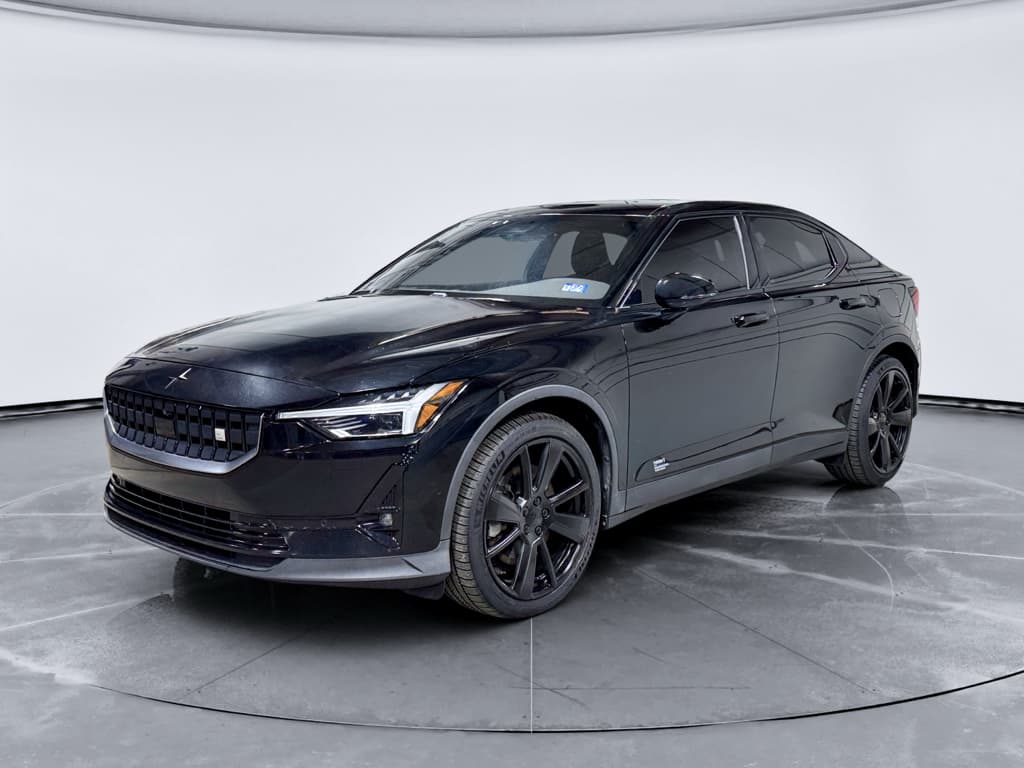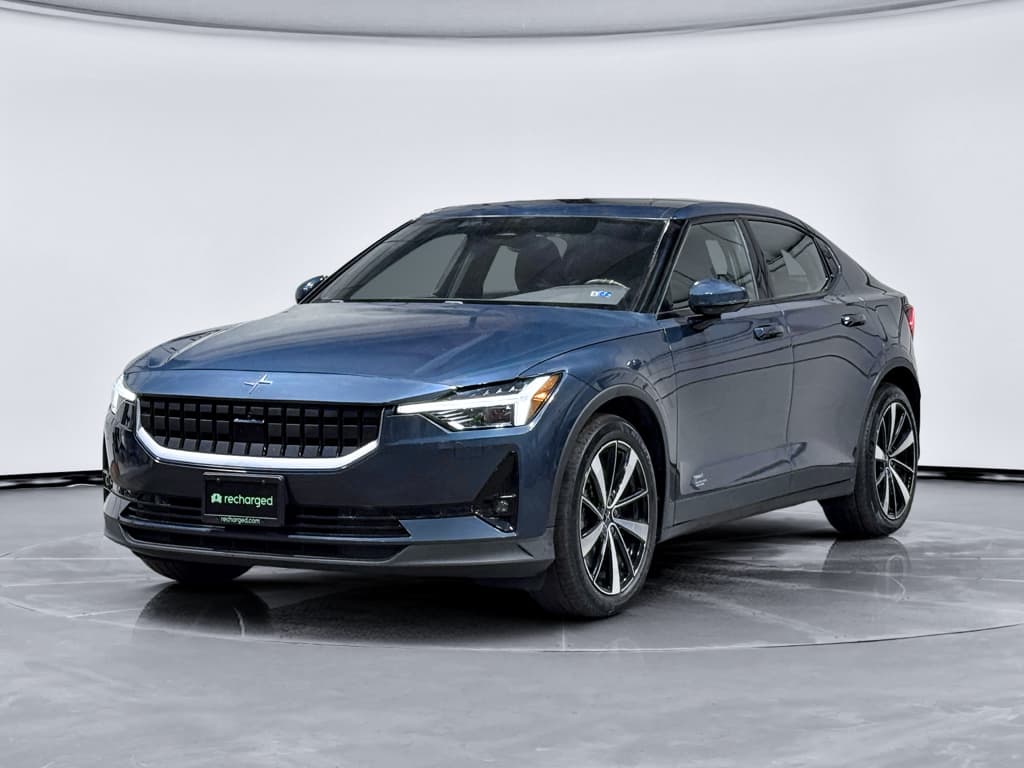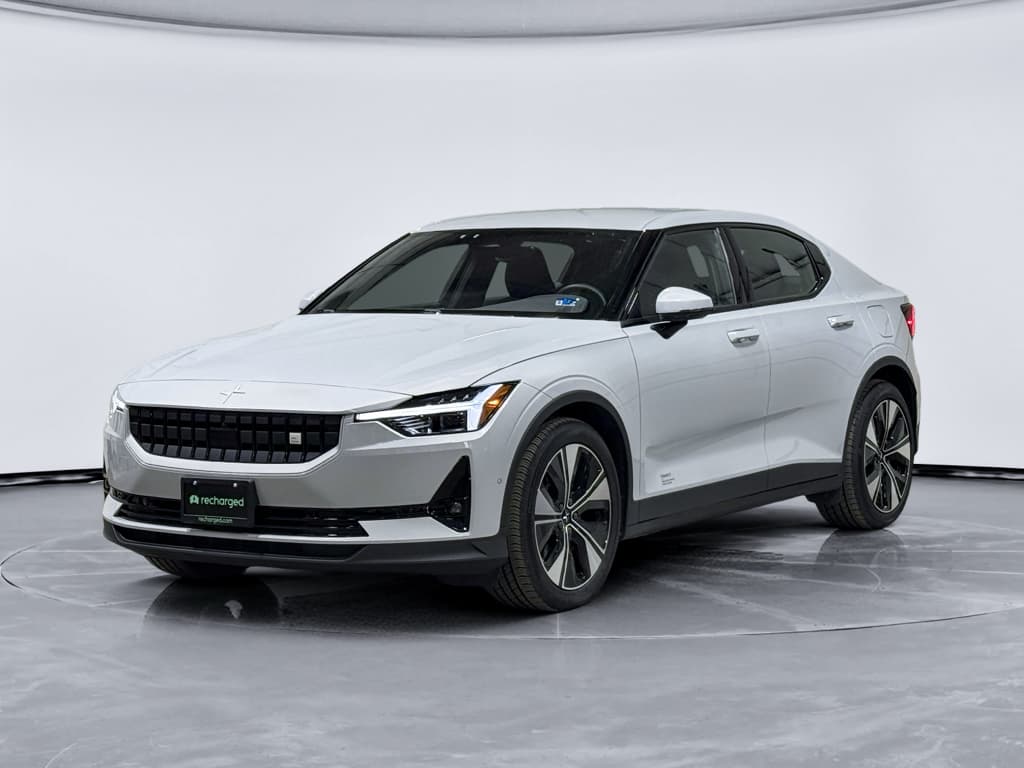
If you’re looking at a Polestar 2, new or used, the high‑voltage battery is the most expensive component in the car. Understanding the Polestar 2 battery warranty details isn’t just paperwork; it’s the difference between years of worry‑free driving and a five‑figure surprise repair bill.
Quick snapshot
Polestar 2 battery warranty overview
Polestar structures its coverage similarly to other premium EV brands, but it separates the high‑voltage battery warranty from the standard new‑vehicle warranty. For U.S. buyers, you’re typically looking at three distinct pieces of coverage:
- New Vehicle Limited Warranty: roughly 4 years / 50,000 miles for the car itself (bumper‑to‑bumper).
- High‑Voltage Battery Warranty: 8 years / 100,000 miles against defects and excessive capacity loss.
- California & CARB battery warranty overlay: extended emissions‑style protection for the high‑voltage battery in California and other CARB states, often up to 10 years / 150,000 miles for certain components.
Always check your booklet
Core battery warranty terms: years, miles, capacity
Key Polestar 2 battery warranty numbers
How long the high‑voltage battery is protected, and against what
Time limit
8 years from the in‑service date (original registration) of the Polestar 2, assuming normal use and maintenance.
Mileage limit
100,000 miles in most U.S. markets for the high‑voltage battery. Whichever comes first, time or mileage, ends base coverage.
Capacity guarantee
Polestar’s battery warranty is designed around a 70% minimum usable capacity threshold. If the pack falls materially below that level within the warranty window (and it’s not due to abuse or damage), the brand may repair or replace it.
California and other CARB states layer an additional 10‑year / 150,000‑mile high‑voltage battery obligation on top of the federal baseline for emissions‑related components. In practical terms, that often means Polestar must support the battery for longer in those states, but the exact remedy (repair vs. replacement) and the definition of a warrantable failure still depend on the fine print.
Polestar 2 battery & warranty at a glance
What the Polestar 2 battery warranty actually covers
At a high level, the Polestar 2 battery warranty is meant to cover defects in materials or workmanship that affect the high‑voltage pack or its immediate hardware. In plain English, if the battery or its integrated components fail prematurely under normal use, Polestar is on the hook.
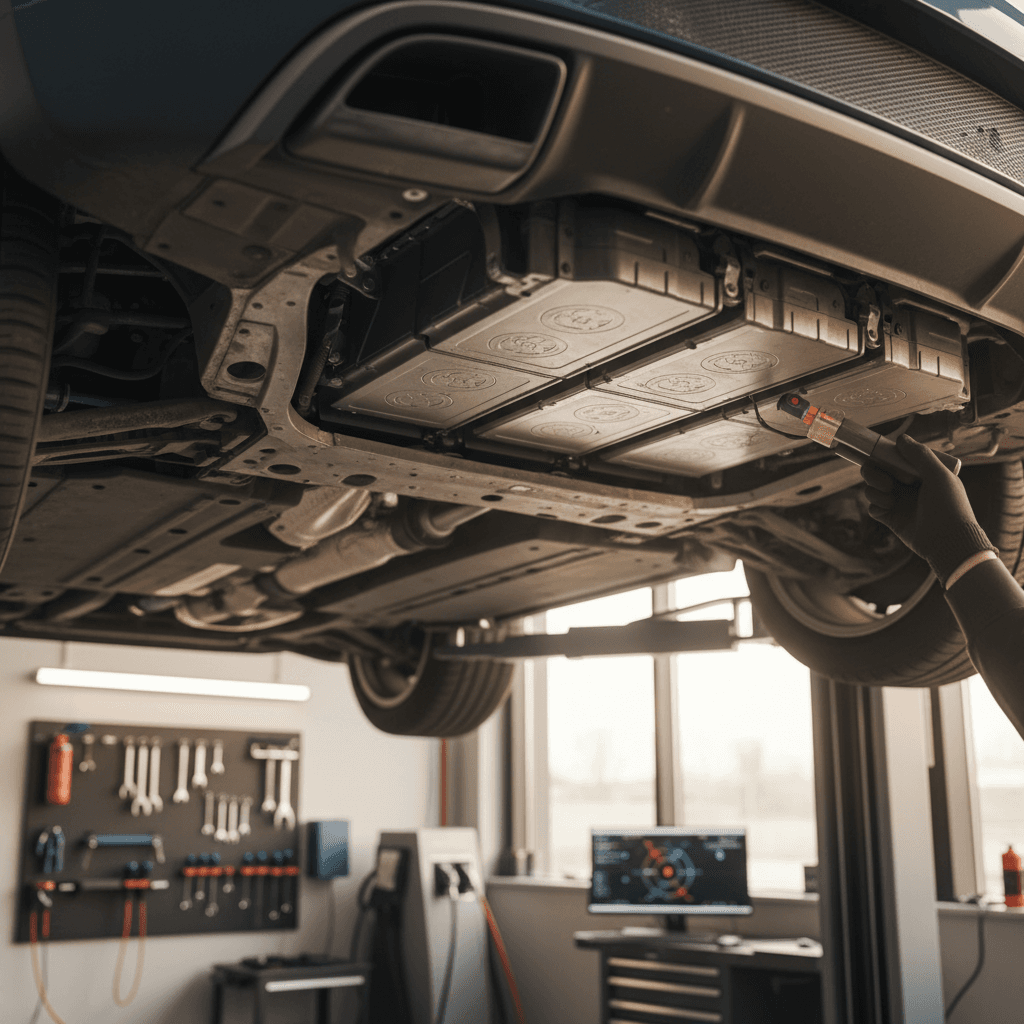
- Manufacturing defects in the lithium‑ion battery pack modules and cells.
- Defects in battery pack electronics such as the battery management system (BMS), contactors, or integrated high‑voltage wiring that are part of the pack assembly.
- Abnormal or excessive capacity loss early in the vehicle’s life, once it’s clear the pack isn’t aging as designed.
- Required labor for diagnostics, repair, or replacement when Polestar authorizes a warranty claim.
- Any software updates or re‑programming needed to remedy a battery defect, when initiated by Polestar as part of a warranty repair.
Transferable to used buyers
Repair vs. full replacement
Automakers rarely swap entire battery packs unless they have to. If a module or electronics board fails, Polestar may choose to repair or replace individual components instead of installing a brand‑new pack.
From your perspective, what matters is that the work restores the pack to a condition that meets warranty specs for safety, performance, and capacity.
How a capacity claim usually starts
If you believe your Polestar 2 has lost range faster than expected, a dealer or authorized service partner will typically:
- Pull logs from the BMS and run diagnostics.
- Measure usable capacity under controlled conditions.
- Compare results against factory targets for age and mileage.
Only when measurements show unusual degradation will a capacity‑related warranty claim move forward.
What isn’t covered: common exclusions and fine print
This is where things get more nuanced. The Polestar 2 battery warranty is strong on paper, but, like every EV warranty, it doesn’t cover every scenario. Here are the big carve‑outs most owners miss:
Polestar 2 battery warranty exclusions you should know
Normal, gradual degradation
All lithium‑ion batteries lose capacity over time. The warranty doesn’t cover normal, gradual range loss that stays within Polestar’s expected degradation curve, even if you personally feel the drop is steep.
Owner misuse or abuse
Damage from racing, off‑roading, repeated operation at 0% state of charge, or ignoring warning lights can void coverage. Subjecting the car to extreme temperatures for long periods can also be used as evidence of abuse.
Accident or impact damage
If the battery is damaged in a collision, flood, or other external event, that’s an insurance claim, not a warranty issue. The same goes for punctures and underbody strikes.
Unauthorized repairs or modifications
DIY high‑voltage work, non‑approved battery cooling modifications, or tinkering with the BMS can all jeopardize battery coverage. High‑voltage work needs to happen at an authorized facility.
Improper charging equipment
Using damaged cables, non‑compliant adapters, or charging equipment that doesn’t meet local standards can be grounds for denial if it’s linked to a failure.
Neglecting scheduled service
The pack itself is maintenance‑free, but skipping required vehicle inspections or ignoring software updates can complicate any warranty conversations later.
Don’t ignore warning messages
Real‑world Polestar 2 battery life and degradation
So how does the Polestar 2 battery hold up in actual use? Early fleet and owner data suggest it’s aging slightly better than average for modern EVs, with a comfortable buffer above the 70% warranty floor in the first years of ownership.
- Independent analyses of thousands of Polestar 2s have shown median capacity retention still above 90% after around 40,000 miles of mixed use.
- At roughly 80,000 miles, many packs are still hovering in the high‑80s for remaining capacity, which is solid compared with rival models in the same cohort.
- Highway‑heavy driving, consistent DC fast charging, and hot‑climate use do accelerate degradation, but most owners aren’t seeing catastrophic declines unless multiple risk factors stack up.
Climate matters
Why battery warranty details matter for used Polestar 2 buyers
For many shoppers, the Polestar 2 only starts to pencil out once depreciation has taken the first hit. That’s when the battery warranty suddenly becomes critical: it’s effectively an insurance policy on the most expensive part of the car.
Battery warranty: the used‑Polestar 2 safety net
How coverage shapes risk and resale value
Lower downside risk
If the pack experiences a rare but serious defect, the remaining factory battery warranty shields you from a repair bill that can easily exceed the vehicle’s resale value.
Stronger resale value
Polestar 2s with significant battery warranty remaining simply sell better. They’re easier to finance and more attractive to buyers worried about long‑term range.
Transparent history matters
Service records and diagnostic reports help verify that the battery has been used and maintained within Polestar’s operating assumptions, critical support if you ever need to file a claim.
CARB state advantage
Cars first sold in California or other CARB states may carry longer high‑voltage obligations. That can give late‑model used buyers extra peace of mind.
This is exactly why a used‑focused marketplace like Recharged invests in battery‑specific diagnostics. A Recharged Score Report doesn’t just guess at range, it verifies battery health, highlights remaining factory warranty, and helps you understand how much useful life is realistically left in the pack.
How to check remaining battery warranty on a Polestar 2
You don’t need to be an insider to understand what’s left on a Polestar 2’s battery warranty, but you do need to be methodical. Here’s a simple process to follow before you sign anything:
Step‑by‑step: verifying a Polestar 2’s battery warranty
1. Confirm the in‑service date
Ask for the original purchase or registration date, or grab it from the Polestar Warranty/Status booklet. The 8‑year clock starts here, not when you buy the car used.
2. Record current mileage
Snap a photo of the odometer. The remaining battery warranty is the lesser of 8 years from in‑service or 100,000 miles (higher limits may apply in CARB states).
3. Check market and state of first registration
A Polestar 2 first sold in California or another CARB state may have additional high‑voltage battery obligations under emissions law. Ask the seller where the car was originally delivered.
4. Review service and software history
Look for documentation of regular services and software updates. Long gaps in service records, or repeated skipped updates, can complicate future claims.
5. Ask for a recent battery health report
Dealers and specialized used‑EV retailers like Recharged can run diagnostic scans showing usable capacity and DC fast‑charging history. That’s far more reliable than anecdotal range claims.
6. Call Polestar or an authorized service partner
With the VIN in hand, a Polestar representative can typically confirm remaining warranty and flag any existing campaigns or restrictions tied to the vehicle.
Leverage specialist help
Protecting your warranty, and your battery health
Polestar’s high‑voltage pack is engineered to last the life of the vehicle, but your habits still matter. They affect both how quickly the battery degrades and how easily you can get help if something goes wrong.
- Keep the car plugged in during extreme heat or cold so the thermal management system can work properly.
- Avoid sitting at 0% or 100% state of charge for long stretches; day‑to‑day, aim for the recommended charge window in the center display.
- Use DC fast charging when you need it, but rely on AC Level 2 at home or work for most charging sessions.
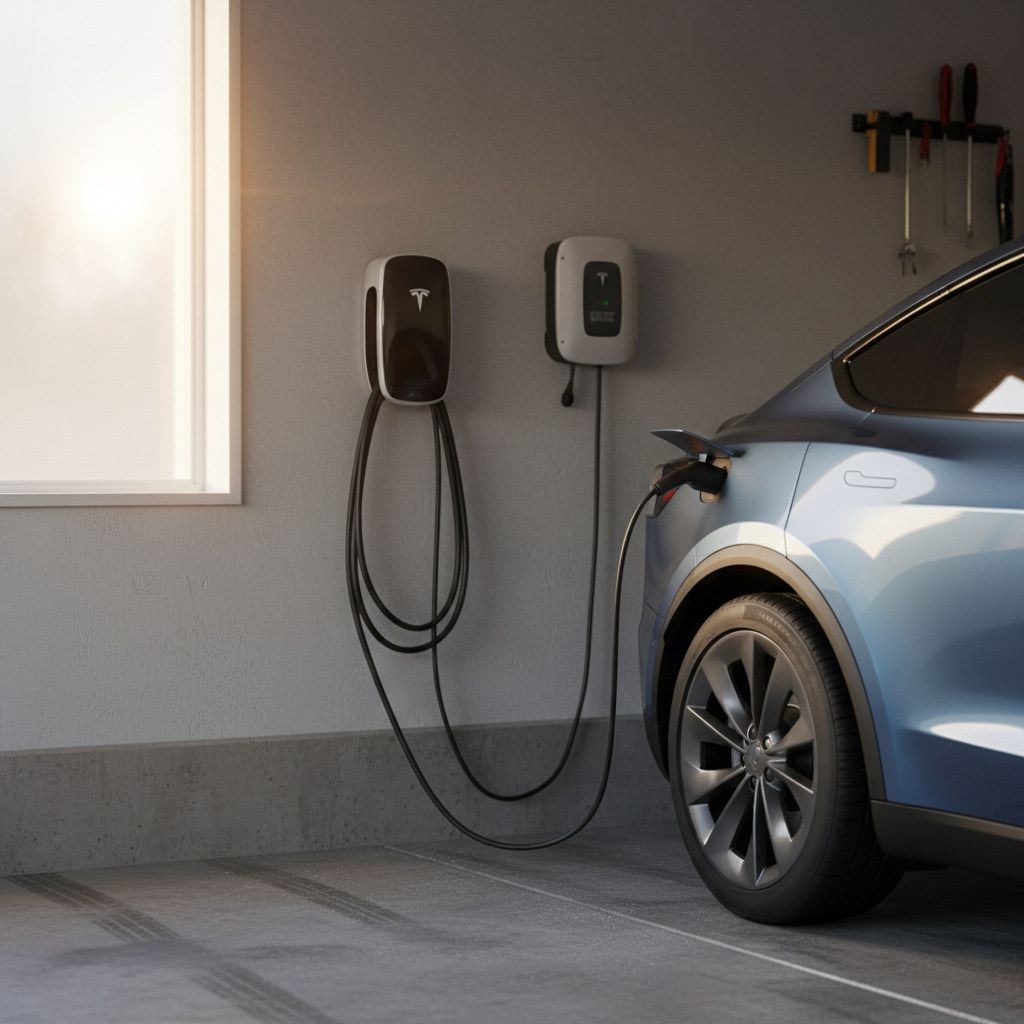
- Install home charging using a qualified electrician and equipment that meets local standards, improper installs are a fast track to warranty headaches.
- Stay current on software updates and follow the service schedule in the Status and Warranty booklet, even if the car “feels fine.”
Home charging and liability
Polestar 2 battery warranty vs other EV brands
From an EV‑market perspective, the Polestar 2 lands squarely in the mainstream on battery coverage. It doesn’t set new benchmarks, but it competes directly with other premium players.
How Polestar 2 battery coverage stacks up
Approximate factory high‑voltage battery warranties for popular EVs in the U.S. Always confirm current terms with each manufacturer.
| Model | Battery Warranty | Capacity Guarantee | Notable Twist |
|---|---|---|---|
| Polestar 2 | 8 yrs / 100k mi | ≈70% | CARB states add extended high‑voltage obligations. |
| Tesla Model Y | 8 yrs / 120k–130k mi (trim‑dependent) | ≈70% | Slightly longer mileage limits on some trims. |
| Hyundai Ioniq 5 | 10 yrs / 100k mi | ≈70% | Longer time limit but similar mileage cap. |
| Ford Mustang Mach‑E | 8 yrs / 100k mi | ≈70% | Comparable to Polestar in both term and metric. |
| Volkswagen ID.4 | 8 yrs / 100k mi | ≈70% | Similar coverage, strict on abuse and modifications. |
Comparison is for informational purposes only and may vary by model year and state.
Bottom line on competitiveness
FAQ: Polestar 2 battery warranty details
Frequently asked questions about the Polestar 2 battery warranty
Bottom line: is the Polestar 2 battery warranty strong enough?
Viewed against the broader EV market, the Polestar 2 offers a robust, competitive battery warranty: 8 years / 100,000 miles with a 70% capacity target and extended obligations in CARB states. That won’t eliminate every worry, no warranty can, but it does put meaningful guardrails around the biggest financial risk in EV ownership.
If you’re shopping used, the smart move is to treat the battery like you would an engine on a conventional car: insist on documentation, verify remaining warranty, and lean on data instead of guesses. That’s where a marketplace built specifically for used EVs, like Recharged, can tilt the odds in your favor by pairing each Polestar 2 with a transparent Recharged Score Report, fair market pricing, and EV‑savvy guidance from start to finish.