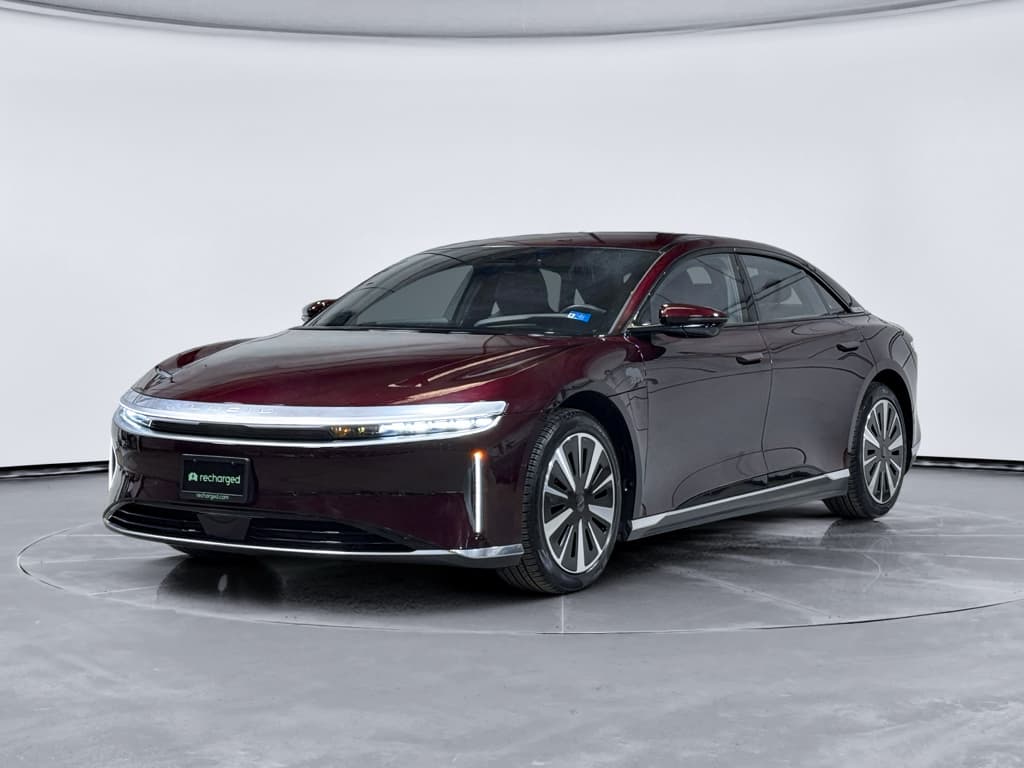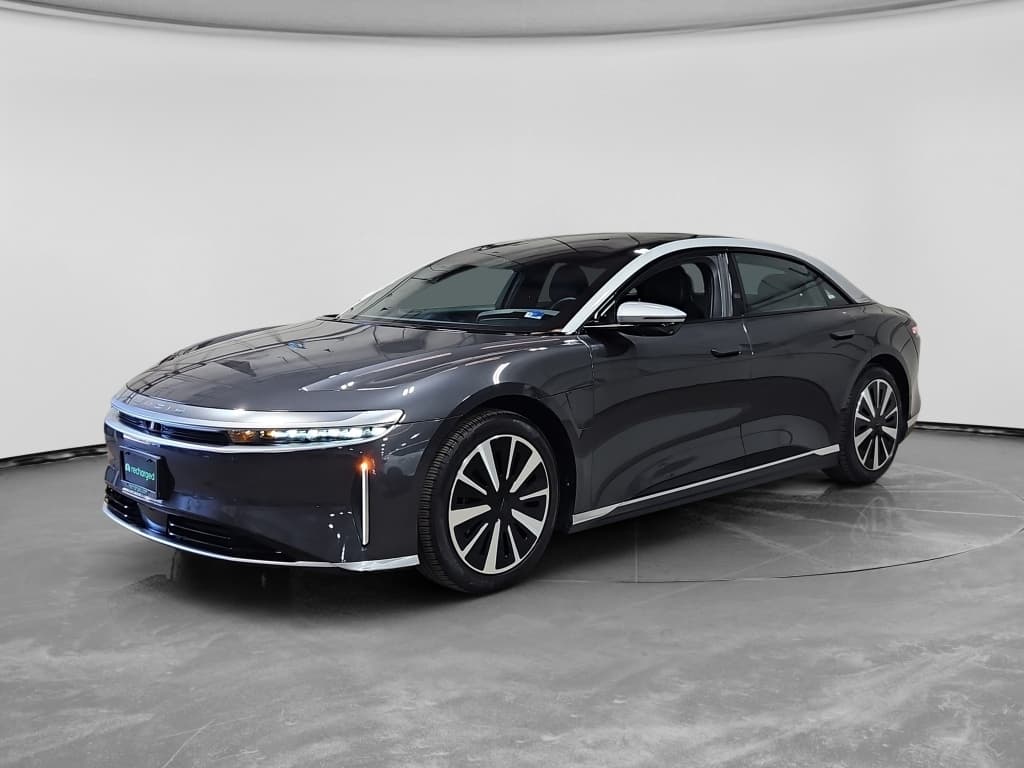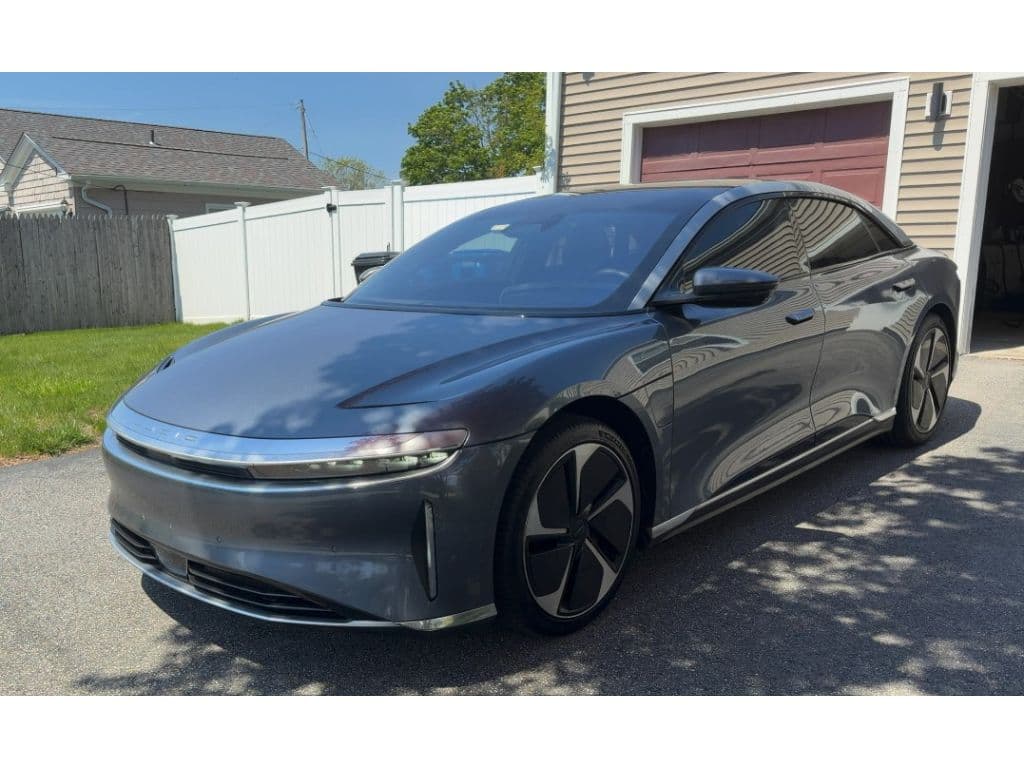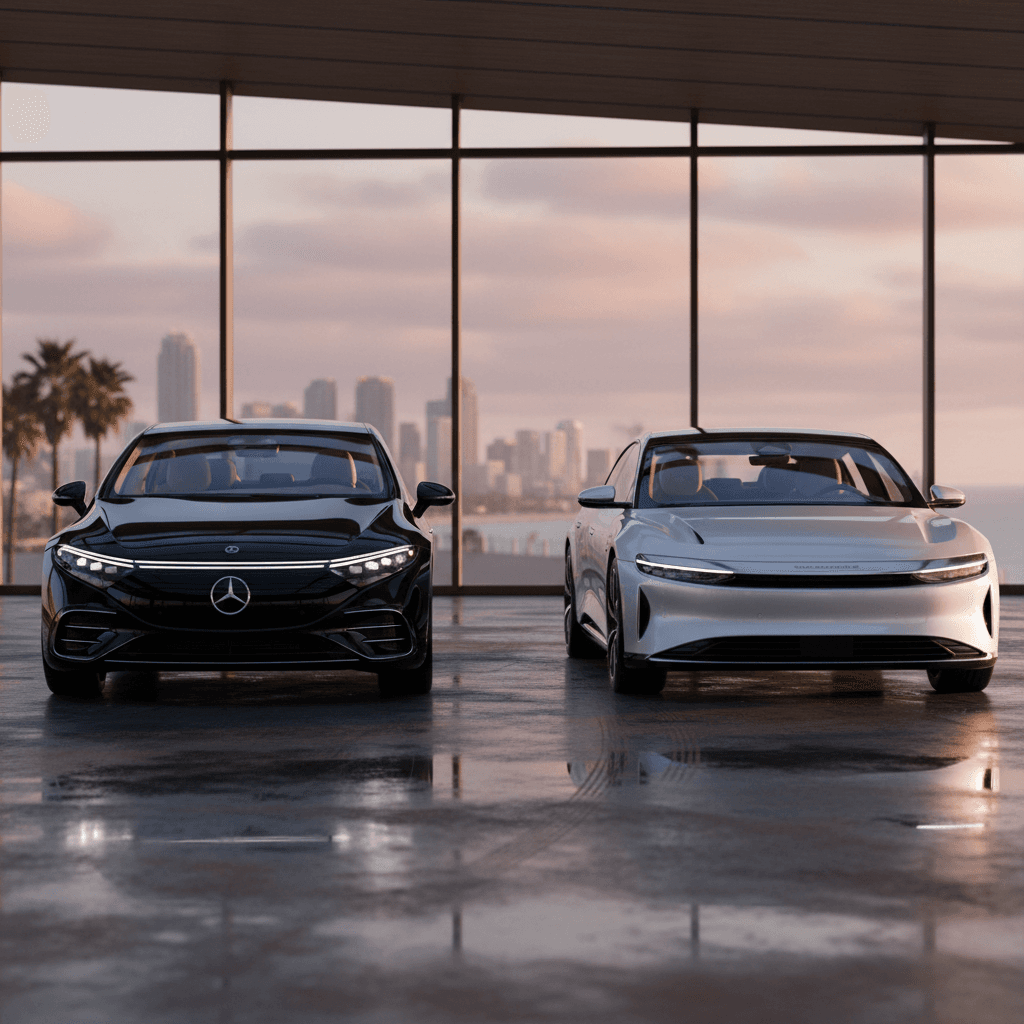
If you’re cross-shopping the Mercedes EQS vs Lucid Air, you’re already looking at the sharp end of the luxury EV market. Both are big, plush electric sedans with six‑figure MSRPs when new, but they go about the job very differently. One leans into old‑school S‑Class comfort, the other into bleeding‑edge efficiency and performance. Here’s how they stack up, and what really matters if you’re thinking new or used.
Flagship EVs, Very Different Playbooks
Mercedes EQS vs Lucid Air: Who Is Each For?
Mercedes EQS: The Rolling Lounge
If you want something that feels like an electric S‑Class, the EQS is closer to that brief. You get an ultra‑quiet cabin, a pillowy ride, and a brand ecosystem that includes nationwide dealer support and concierge‑style service. It’s the more traditional choice: less drama, more comfort, a familiar luxury nameplate on the hood.
- Best for: Chauffeur duty, relaxed commuting, buyers who value dealership access and a long Mercedes history.
- Key strengths: Superb ride isolation, beautiful materials, strong dealer network.
Lucid Air: The Tech Statement
The Lucid Air is the efficiency and performance outlier. Even base and mid‑level trims deliver exceptional range and strong acceleration, and higher trims push into supercar territory while still getting class‑leading miles per kWh. The design is sleeker, the cabin airier, and the brand positioning is closer to a Silicon Valley startup than a German luxury institution.
- Best for: Road‑trip addicts, early adopters, drivers who care about range and sharp dynamics.
- Key strengths: Class‑leading range, strong performance, distinctive design.
Headline Numbers: Mercedes EQS vs Lucid Air (Typical US Specs)
Range and Efficiency: Lucid Air Stretches the Miles
If range is your top priority, the Lucid Air has a clear edge. Across trims, it was engineered as a hyper‑efficient long‑range EV, and that shows up not just in headline EPA numbers but in real‑world reports.
Approximate Range: Mercedes EQS vs Lucid Air
Representative EPA‑rated ranges for common sedan trims in the U.S. Actual numbers vary with wheels, options, and model year, but the pattern is consistent: Lucid leads on range.
| Model / Trim | Drivetrain | Approx. EPA Range (mi) | Character |
|---|---|---|---|
| Mercedes EQS 450+ | RWD | ~340–350 | Comfort‑biased, smooth and quiet |
| Mercedes EQS 450 4MATIC | AWD | ~330–340 | More traction, small range penalty |
| Mercedes EQS 580 4MATIC | AWD | ~320–330 | Stronger performance, less range |
| Lucid Air Pure (RWD, 19" wheels) | RWD | ~400–420 | Outstanding efficiency at the entry point |
| Lucid Air Touring (AWD) | AWD | ~380–410 | Balanced performance and long legs |
| Lucid Air Grand Touring | AWD | ~430–500+ | Among the longest‑range EVs on sale |
Use this as a directional comparison, not a build‑sheet for a specific car, always verify the exact range for the VIN you’re considering.
Think in Miles Per kWh, Not Just Range
In everyday use, the EQS will cover any reasonable commute and most weekend trips with ease. But if your lifestyle involves frequent highway drives, mountain passes, or cold‑weather road trips, the Lucid’s efficiency cushion is reassuring. You’re less dependent on finding a DC fast charger at the perfect spot on your route.
Performance and Driving Character
Mercedes EQS: Quiet, Quick Enough, and Relaxed
Even in base 450+ form, the EQS is brisk. Step up to the 580 or AMG versions, and you’re in genuine high‑performance territory. But Mercedes tunes the car for serenity first, soft air suspension, light steering, and an emphasis on isolation over feedback.
- Instant torque and smooth power delivery.
- Excellent cabin quietness, especially at freeway speeds.
- Steering and braking feel are tuned more for comfort than sport.
If you’re coming out of an S‑Class or E‑Class, the driving manners will feel familiar, just quieter and smoother.
Lucid Air: Sports Sedan Energy
The Lucid Air, especially in Touring and Grand Touring form, feels more connected and responsive. Power builds harder, the chassis is more buttoned down, and the low‑slung body encourages faster driving.
- Even the Air Pure offers strong acceleration, roughly mid‑4‑second 0–60 mph capability.
- Higher trims deliver super‑EV performance while still beating most rivals on range.
- Steering and body control are firmer than the EQS without being harsh.
Drivers who care about engagement and precision tend to gravitate toward the Lucid; those who want a rolling Zen pod usually prefer the EQS.
Check Wheel Size Before You Judge Performance
Charging Experience and Networks
On paper, the EQS and Lucid Air charge at broadly similar DC fast‑charging speeds. In practice, the experience comes down to where you charge and which networks you can use.
Charging the EQS vs Lucid Air
Similar peak speeds, different ecosystems and priorities
Mercedes EQS Charging
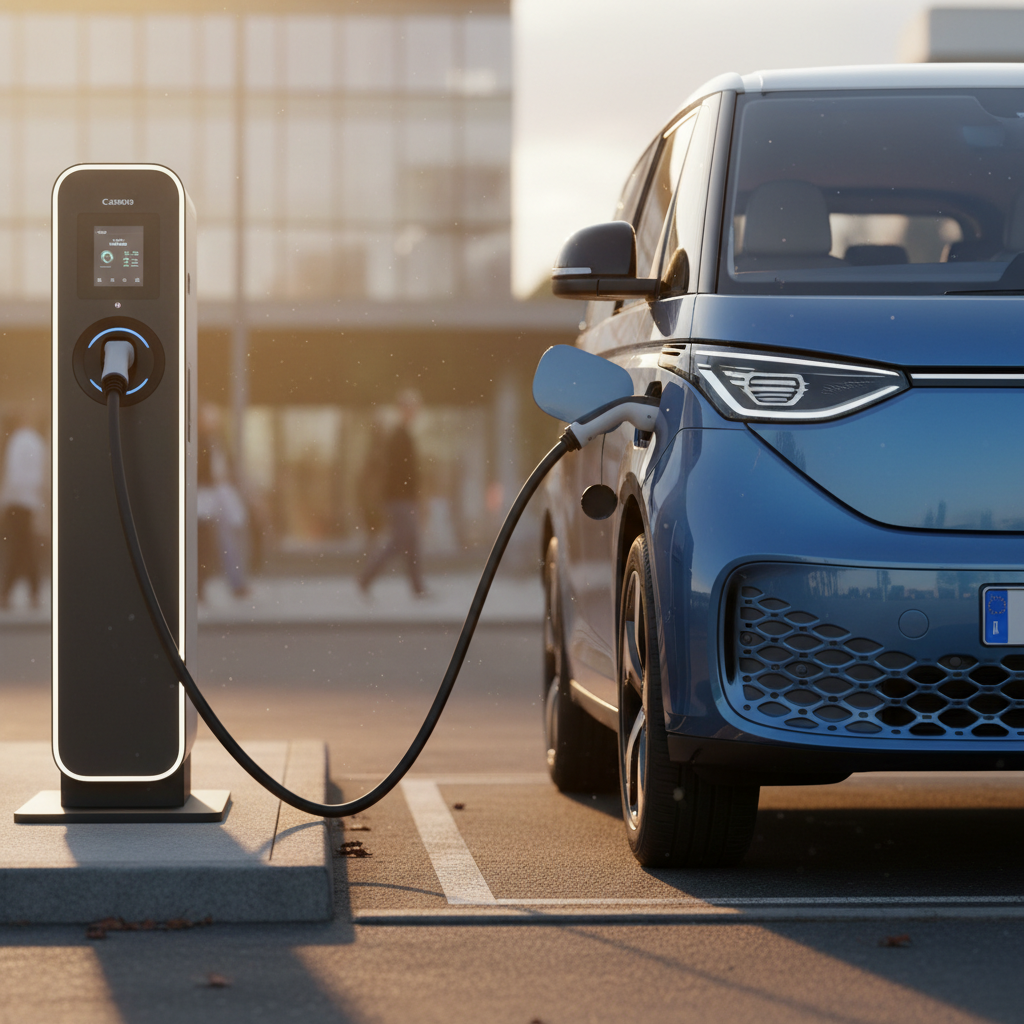
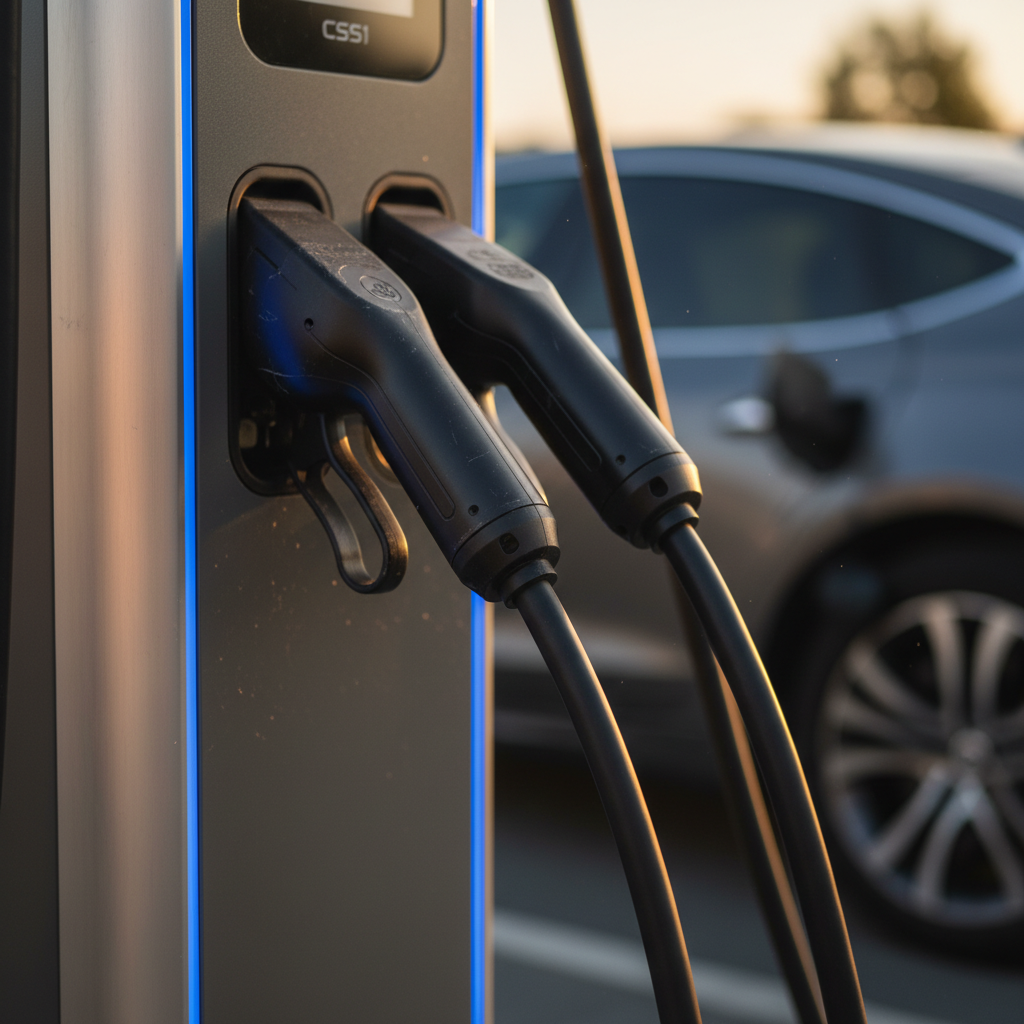
The EQS uses the CCS standard for fast charging. That gives you access to almost every major U.S. public network today: Electrify America, EVgo, ChargePoint, and many regional players.
- Competitive DC fast‑charge rates for a large luxury sedan.
- MercedesMe Charge can simplify billing and session management.
- Home charging at 9.6 kW AC (approx.) is well‑suited to overnight top‑ups.
Lucid Air Charging
The Lucid Air can also fast charge at very high rates on CCS, and its efficiency means you add a lot of miles quickly, even if peak kW numbers are similar to rivals.
- Very strong 10–80% fast‑charge times in independent testing.
- Excellent highway range per minute of charging.
- Lucid’s navigation can plan charging stops intelligently along a route.
Network Access & Future‑proofing
Both brands are in the process of embracing the North American Charging Standard (NACS), which opens the door to Tesla Supercharger access. As support rolls out over the next couple of model years, both EQS and Air owners should gain easier access to high‑reliability chargers, especially on road‑trip corridors.
For a used purchase, verify whether the specific car you’re considering includes NACS access hardware or relies on an adapter, and what the brand’s timeline is for full Tesla network support.
Home Charging Matters More Than Peak kW
Interior Space, Comfort, and Tech
Cabin Layout and Space
The EQS rides on a dedicated EV platform, but its cab‑forward, teardrop body creates some packaging compromises. Despite its length, rear headroom and cargo flexibility can feel tighter than you’d expect, and there’s no traditional front trunk.
The Lucid Air’s design emphasizes interior volume with a big glass canopy and more squared‑off roofline over the rear passengers. Many shoppers cross‑shopping both are surprised to find the Lucid feels airier and roomier, especially in the back seat.
Comfort and Materials
Mercedes still knows how to do traditional luxury. The EQS offers gorgeous leather, ambient lighting, optional executive rear seating, and the kind of sound isolation that encourages quiet phone calls and naps on long drives.
The Lucid Air’s materials and build quality are strong, but the vibe is more modern‑minimalist than old‑world plush. Seats are comfortable, but the car’s character skews toward tech‑chic rather than cigar‑lounge opulence.
Infotainment and Driver Tech
Screens everywhere, but very different philosophies
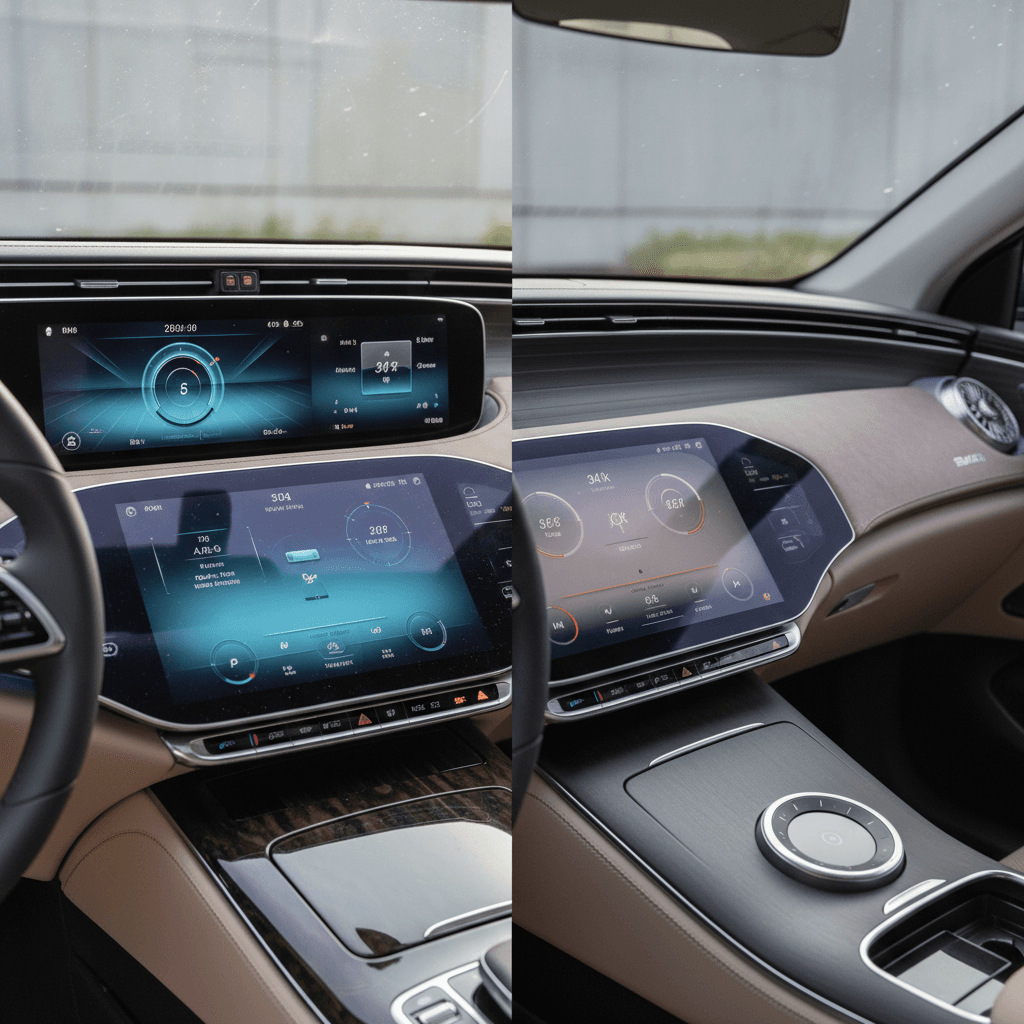
Mercedes EQS Hyperscreen
Available models offer the massive "Hyperscreen", three displays under a single pane of glass stretching almost pillar to pillar.
- Visually stunning, integrates navigation, climate, and vehicle controls.
- Can feel menu‑heavy; takes time to learn.
- MBUX voice assistant is helpful once you know key phrases.
Lucid Air Interface
Lucid uses a large central screen with a secondary lower "Pilot Panel" plus a digital gauge cluster.
- More minimalist, with a focus on key driving information.
- Software has improved via over‑the‑air updates, but is still evolving.
- Strong built‑in trip planning and energy‑use displays.
Driver Assistance
Both cars offer advanced driver‑assist suites, adaptive cruise, lane‑keeping, automatic lane changes on some trims, and active safety features.
Mercedes has the longer track record in ADAS tuning, while Lucid leans on high‑resolution sensors and ongoing software development. On a test drive, evaluate how natural each system feels in your traffic, not just the feature list.
Pricing, Trims, and Options
Comparing list prices between the Mercedes EQS and Lucid Air is tricky because both lineups have evolved quickly. MSRPs have moved, trims have been added or dropped, and incentives change frequently. But some patterns are clear.
Typical Trim Walk: EQS vs Lucid Air
1. Mercedes EQS 450 / 450+
The entry point into the EQS sedan lineup. Rear‑wheel‑drive 450+ variants emphasize maximum range, while 450 4MATIC adds all‑wheel drive. Well equipped out of the box, with long options lists that can push prices up quickly when new.
2. Mercedes EQS 580 and AMG EQS
Higher‑output dual‑motor versions with significant power bumps, more standard equipment, and sportier visual cues. They command higher prices when new but can be compelling used buys given today’s depreciation curves.
3. Lucid Air Pure
The most affordable Lucid Air, but still a legitimate long‑range luxury EV. Rear‑wheel‑drive variants can deliver roughly 400+ miles of EPA range with strong real‑world efficiency. A smart sweet spot if you care about miles per charge more than 0–60 bragging rights.
4. Lucid Air Touring
Adds all‑wheel drive and more power, along with extra features. Often the best blend of performance, efficiency, and equipment for many buyers, especially in the used market once the first owner absorbs early depreciation.
5. Lucid Air Grand Touring and Beyond
The high‑end Air trims push range and performance envelopes simultaneously, with big batteries, powerful dual motors, and luxury options. Think flagship pricing, flagship capability, and potentially strong used values if supply remains limited relative to demand.
Why Many Shoppers End Up Used
Ready to find your next EV?
Browse VehiclesOwnership Costs, Depreciation, and the Used Market
Here’s where the comparison gets interesting for value‑focused buyers. New‑car pricing is one story; used‑market behavior is another. And right now, the Mercedes EQS and Lucid Air are moving very differently in the secondary market.
Mercedes EQS: Heavy Early Depreciation
Early EQS sedans have seen some of the steepest price drops in the luxury EV space. In the used market, it’s not unusual to find a three‑year‑old EQS with a transaction price that’s less than half of its original MSRP. That’s painful if you bought new, but extremely attractive if you’re shopping used.
The upside: you can step into a very well‑equipped EQS 450+ or 580 for the price of a new mid‑range mainstream EV. The caution: make sure you understand warranty coverage, software update status, and battery health on any specific car you’re considering.
Lucid Air: Smaller Sample, Tighter Market
The Lucid Air has been built in much smaller volumes, and the brand is still young. That combination generally means used supply is thinner and resale values are more volatile. Some trims have seen price cuts and aggressive lease deals, while others hold value better due to limited production and strong range performance.
If you’re hunting a used Air, you’ll want to pay close attention to build dates, software revisions, and service history, as updates have meaningfully improved the product over time.
Battery Health Is the Make‑or‑Break Factor
Mercedes EQS vs Lucid Air: Which Is Better for You?
There’s no single “winner” in the Mercedes EQS vs Lucid Air matchup; there’s the car that best fits your habits, risk tolerance, and priorities. Use the guideposts below to clarify your thinking before you test‑drive both.
Quick Match: Which Luxury EV Fits Your Priorities?
Use these scenarios as starting points, not hard rules.
Choose the Mercedes EQS if…
- You prioritize comfort, quiet, and brand familiarity over ultimate range or lap times.
- You want a strong dealer network for service, loaners, and support.
- You’re value‑hunting in the used market and like the idea of letting the first owner eat most of the depreciation.
- You prefer a softer, more traditional luxury ride and cabin experience.
Choose the Lucid Air if…
- You want class‑leading range and efficiency for frequent road trips.
- You prefer a modern, startup‑style brand experience and are comfortable with a younger service network.
- You enjoy sharper handling and stronger acceleration, even at lower trims.
- You’re willing to do a little more homework on build dates, software updates, and charging capabilities.
Test‑Drive Checklist: What to Compare Directly
1. Highway Ride and Noise
Drive each car at 65–75 mph on the same stretch of road. Listen for wind and tire noise, test lane‑keeping and adaptive cruise, and see which cabin feels more relaxing over time.
2. Seating Position and Visibility
Adjust the driver’s seat and steering wheel, then check sightlines, blind spots, and how natural it feels to place the car in a lane or parking spot. The EQS and Air have very different rooflines and glass areas.
3. Infotainment Usability
Try changing navigation destinations, adjusting climate, and using voice commands in both cars. Decide which interface you’d prefer to live with every day, not just which screen looks bigger in photos.
4. Real‑World Efficiency Snapshot
Reset trip meters on similar loops in each car and note energy consumption (mi/kWh). It won’t be lab‑grade data, but it will give you a feel for how each responds to your typical driving.
5. Charging Experience
If possible, start a DC fast‑charging session in each car. Pay attention to how easy it is to find stations, start a session, and monitor charge speed. The app experience matters just as much as peak kW claims.
6. Dealer or Service Experience
If you’re leaning EQS, visit a Mercedes store and ask about EV‑trained techs, loaner policies, and software updates. For Lucid, understand where you’d get service and whether mobile service is available in your area.
How Recharged Fits Into Your Decision
Whether you land on the Mercedes EQS or the Lucid Air, the used market is where many of the smartest deals live right now. That’s especially true for EQS sedans that have taken a big initial depreciation hit, and for Lucid Air models where early buyers paid for the bleeding edge.
At Recharged, every EV, EQS, Air, or anything else, comes with a Recharged Score Report. That means verified battery health, transparent fair‑market pricing, and an expert team that lives and breathes electric vehicles. You can finance, handle your trade‑in, and arrange nationwide delivery in a fully digital experience, or visit our Experience Center in Richmond, VA if you want to see and feel a vehicle in person.
What Recharged Brings to the Table
Frequently Asked Questions: Mercedes EQS vs Lucid Air
Mercedes EQS vs Lucid Air: Common Questions
When you line up the Mercedes EQS vs Lucid Air, the spec sheets tell only part of the story. The EQS is the comfort king with steep early depreciation that makes it a surprising used‑market bargain. The Lucid Air is the range and efficiency benchmark with a sharper driving edge and a younger ecosystem. Your best move is to test‑drive both, compare how they fit your life, and then shop the used market with battery‑health data in hand. That’s where Recharged can turn a complicated luxury EV decision into a confident, transparent purchase.