Battery chemistry affects how an electric car balances range, weight, cost, charging habits, and long-term durability. But the chemistry label alone cannot tell you whether a particular used EV has a healthy battery. Your best choice depends on how you drive, and your buying decision should include a verified used-EV battery-health check.
The key differences between LFP and NMC
LFP emphasizes durability and stability, while NMC emphasizes energy density. LFP stands for lithium iron phosphate; NMC stands for nickel manganese cobalt. Both are lithium-ion chemistries, but their different cathode materials give automakers different ways to balance battery size, vehicle weight, driving range, performance, and cost.
LFP packs generally tolerate frequent high states of charge well and are comparatively resistant to heat-related stress. Their lower energy density can require a larger or heavier pack to store the same amount of energy, so they often appear in EVs designed around value and everyday usability. They also avoid the nickel and cobalt used in NMC cathodes.
NMC packs store more energy for a given amount of battery weight and space, making them useful in EVs that prioritize range or performance. The trade-off is greater sensitivity to prolonged heat and long periods at a very high state of charge. Battery-management software and thermal systems can reduce those stresses, so the complete vehicle design matters as much as the chemistry.
Match the chemistry to how you drive
LFP is often the practical choice for routine commuting, while NMC often fits drivers prioritizing maximum range. This table condenses the deciding factors without treating either chemistry as universally superior.
LFP vs. NMC by driver priority
Choose based on your driving and charging needs, then verify the individual battery's condition.
| Your priority | Better fit | Main advantage | Watch for |
|---|---|---|---|
| Daily durability | LFP | Cycle-friendly design | Lower energy density |
| Maximum range | NMC | Higher energy density | High-charge storage |
| Cold-weather driving | NMC often | Stronger cold behavior | Vehicle systems vary |
| Used-EV value | Either | Condition decides | Verify capacity |
Vehicle design and tested battery health can matter more than chemistry alone.
Charging habits and weather still matter
You should follow the automaker's charging guidance for your exact battery rather than applying one rule to every EV. Some LFP-equipped vehicles recommend charging to 100% periodically so the battery-management system can calibrate its estimate accurately. Many NMC-equipped vehicles recommend a lower everyday limit when you don't need the car's full range, especially if it will remain parked for an extended period.
Check the guidance for your exact car
Cold weather temporarily reduces the useful range of either chemistry because the battery operates less efficiently and the cabin needs energy for heat and defrosting. Parking in a garage, preconditioning while plugged in, maintaining tire pressure, and using heated seats or a heated steering wheel can reduce the impact. See Recharged's guide to electric-car range in cold weather for practical winter-driving steps.
What Recharged battery-health data shows
Recharged's inspection data shows why tested condition deserves more attention than the chemistry label by itself. Across 2,242 Recharged Score inspections, tested remaining battery capacity averaged 93.9%, with a median of 94.9%. Tested real-world range averaged 266 miles, with a median of 268 miles.
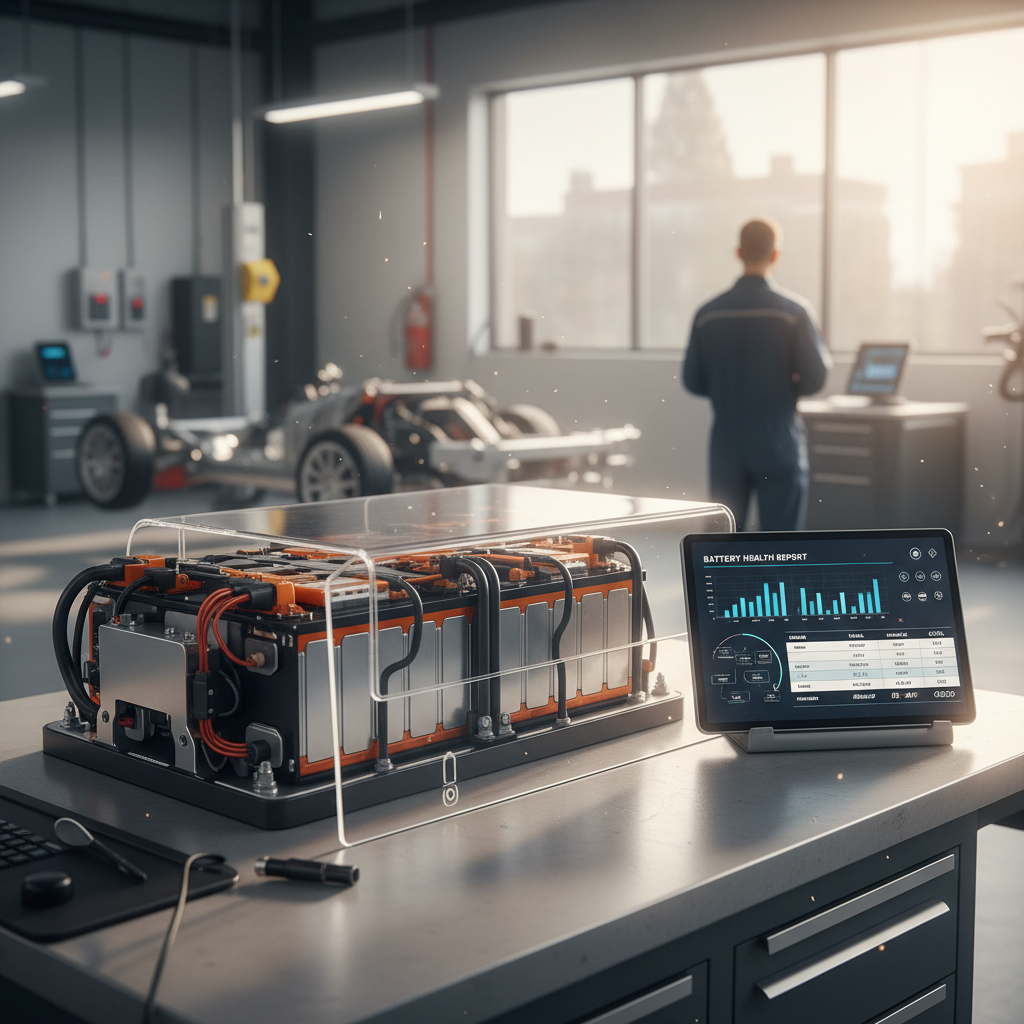
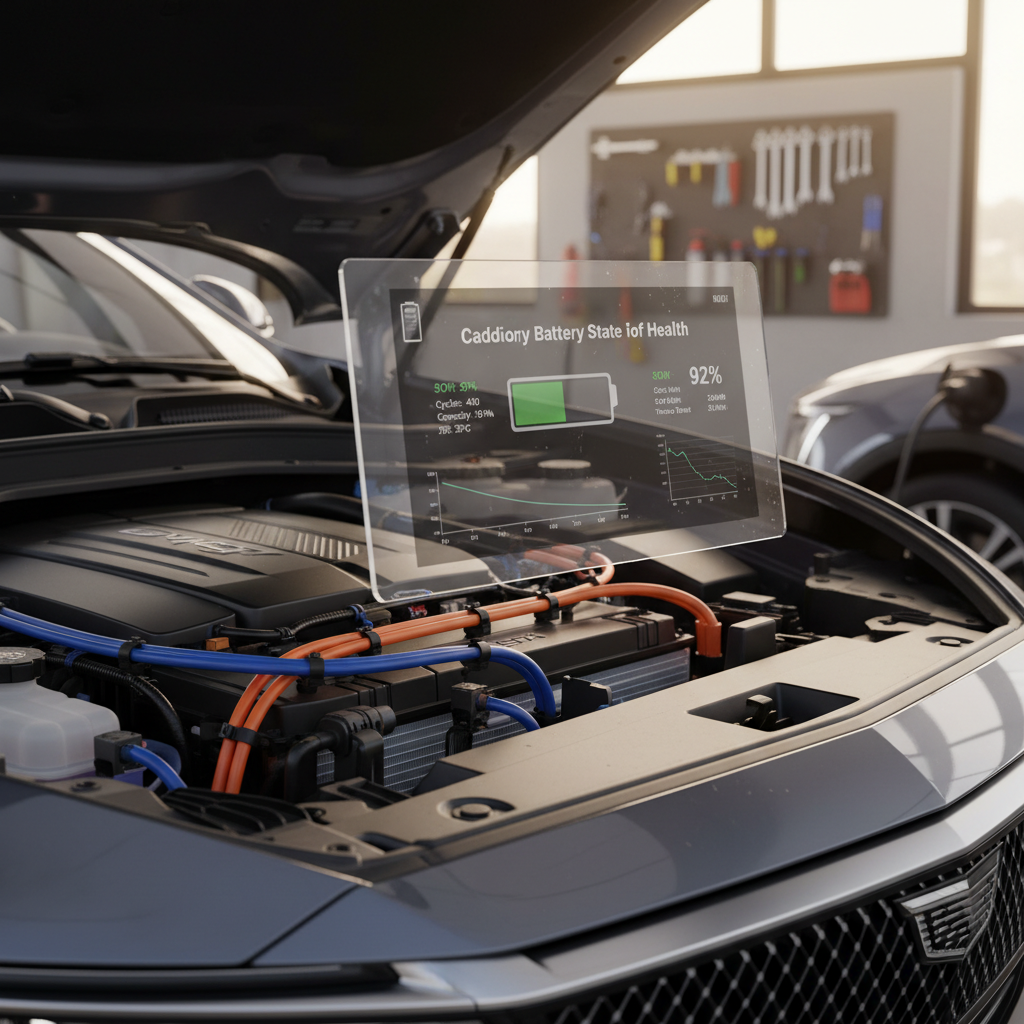
Those are fleet-wide results, not a chemistry-controlled LFP-versus-NMC comparison, so they shouldn't be used to declare one chemistry the winner. They demonstrate something more useful for a shopper: battery condition can be measured rather than guessed from mileage, age, or chemistry. A Recharged Score Report pairs battery diagnostics with vehicle and market information to help you evaluate the EV in front of you.
Chemistry tells you how a battery was designed. A verified battery-health test tells you how that particular used EV has actually aged.
Recharged data
Used EV battery health
94%
avg remaining capacity
From Recharged battery inspections, not manufacturer estimates.
- Lowest
- 63%
- Median
- 95%
- Highest
- 100%
- Est. range
- 266 mi avg
- Cell balance pass
- 100%
- Quick charges
- 18 avg
- Slow charges
- 65 avg
Average cell imbalance: 7.3 mV
Based on vehicles Recharged tested
Recharged data
Used EV prices at Recharged
$30,997
median list price
Current list prices for matching inventory at Recharged.
- Lowest
- $12,996
- Average
- $34,803
- Highest
- $146,998
Average Recharged Score on these listings
4.8 / 5
Range
3.7 – 5.0
Based on available listings
Every EV is battery-tested with a Recharged Score. Nationwide delivery.
How to check a used EV battery
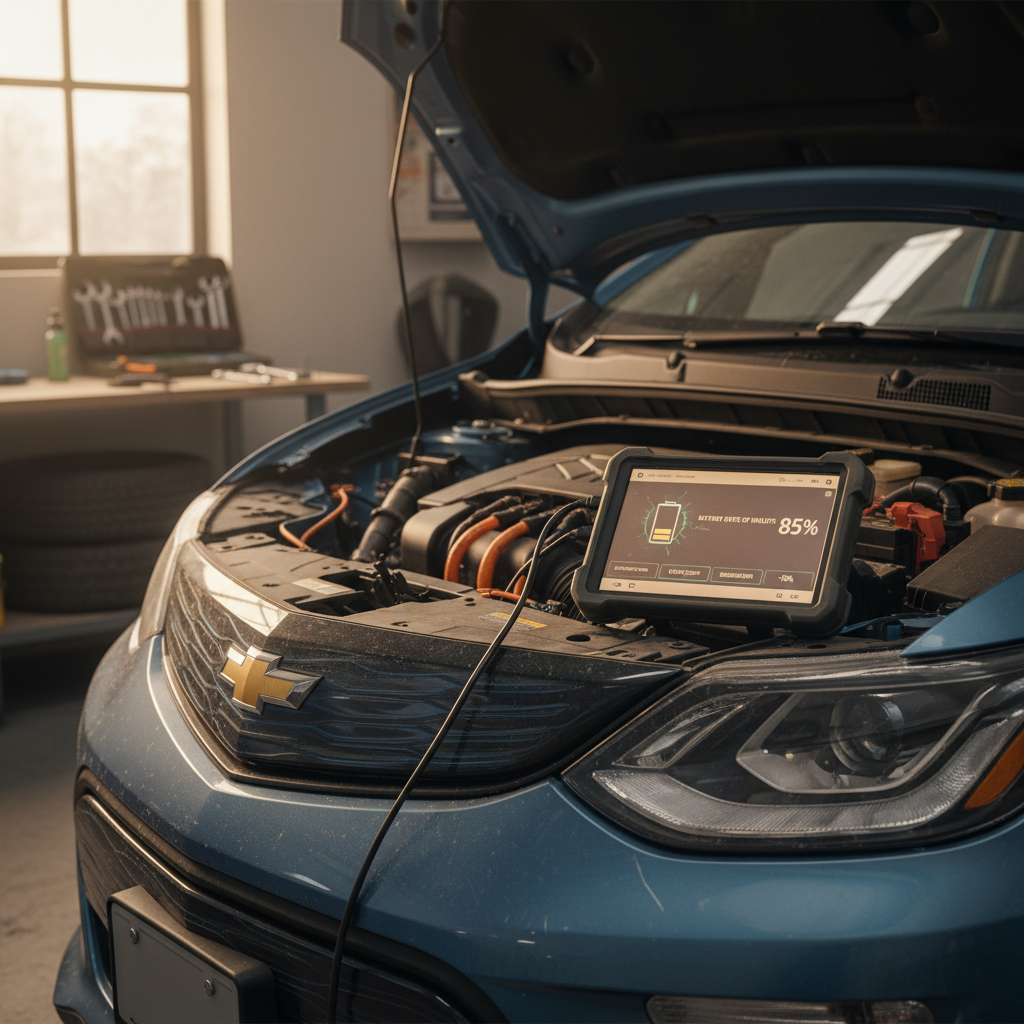
Verify the battery's identity and tested capacity before deciding whether an LFP or NMC used EV is a good buy. A displayed range estimate can change with weather, recent driving, wheel size, and climate-control use, so it isn't a substitute for a diagnostic report. Use the following checks alongside a thorough used electric-car inspection.
Used-EV battery checklist
Confirm the chemistry
Use VIN-specific records or official vehicle documentation rather than assuming from the model name.
Review remaining capacity
Look for tested capacity as a percentage of the battery's original usable capacity.
Separate range from health
Treat the dashboard estimate as a forecast influenced by conditions, not a direct capacity test.
Check charging guidance
Confirm the manufacturer's recommended daily limit and any calibration instructions.
Review alerts and service history
Look for battery, charging, or thermal-system warnings and verify that relevant repairs were completed.
Consider your routine
Match usable range, home charging, climate, and road-trip needs to the individual vehicle.
Instant offer, trade-in, or consignment. Pickup available.
LFP and NMC battery FAQ
The bottom line
Choose LFP for durability, charging flexibility, and value; choose NMC when range, lower pack weight, or performance takes priority. For a used EV, don't let that rule replace a vehicle-specific battery inspection. Confirm the chemistry, review the automaker's charging instructions, and rely on tested remaining capacity to understand what you're actually buying.