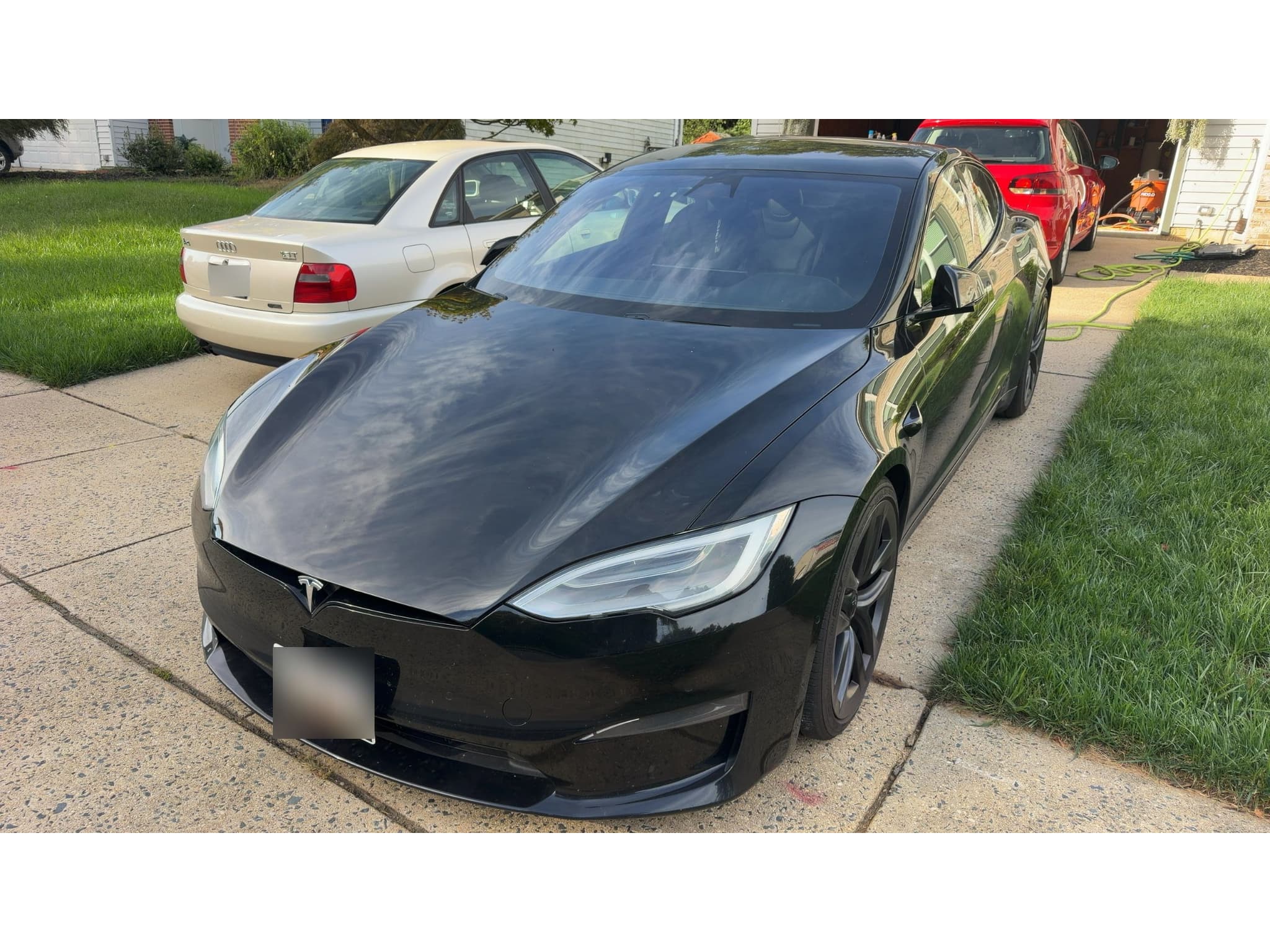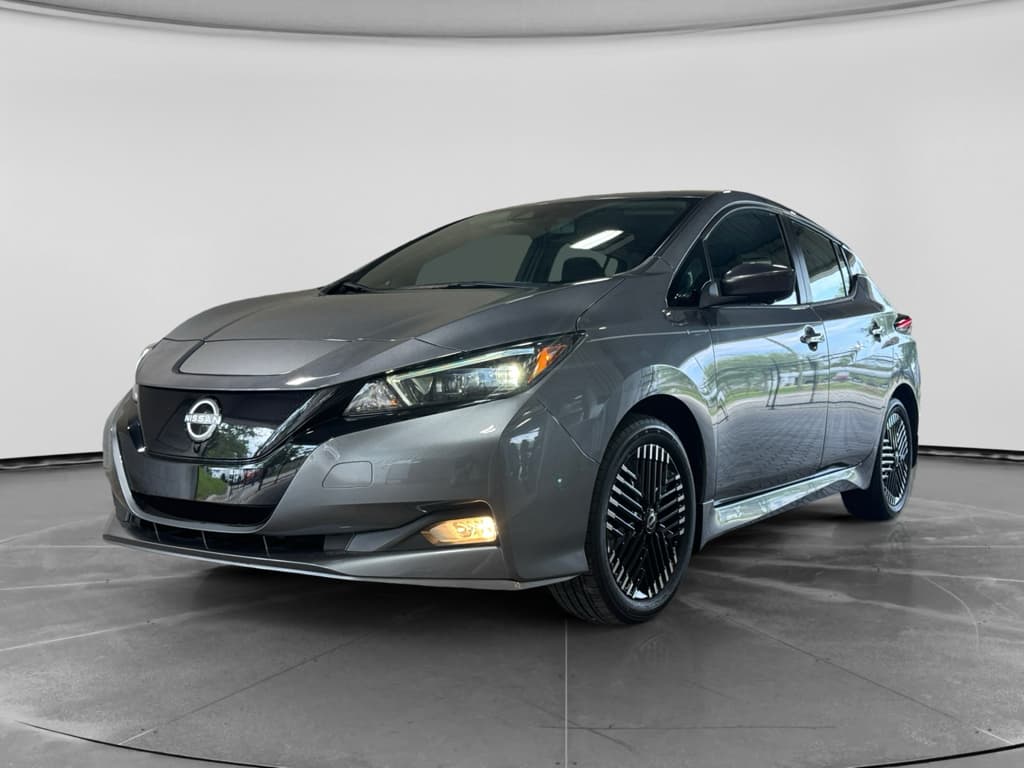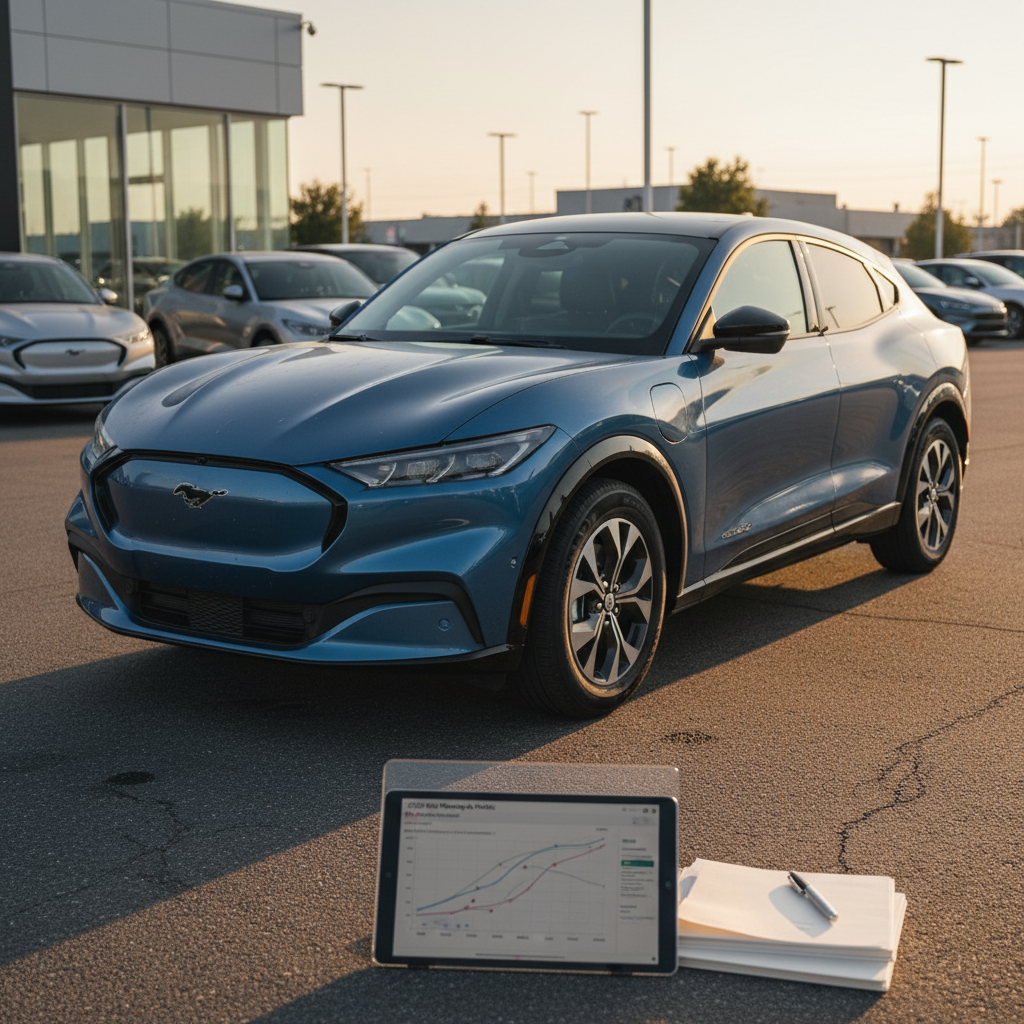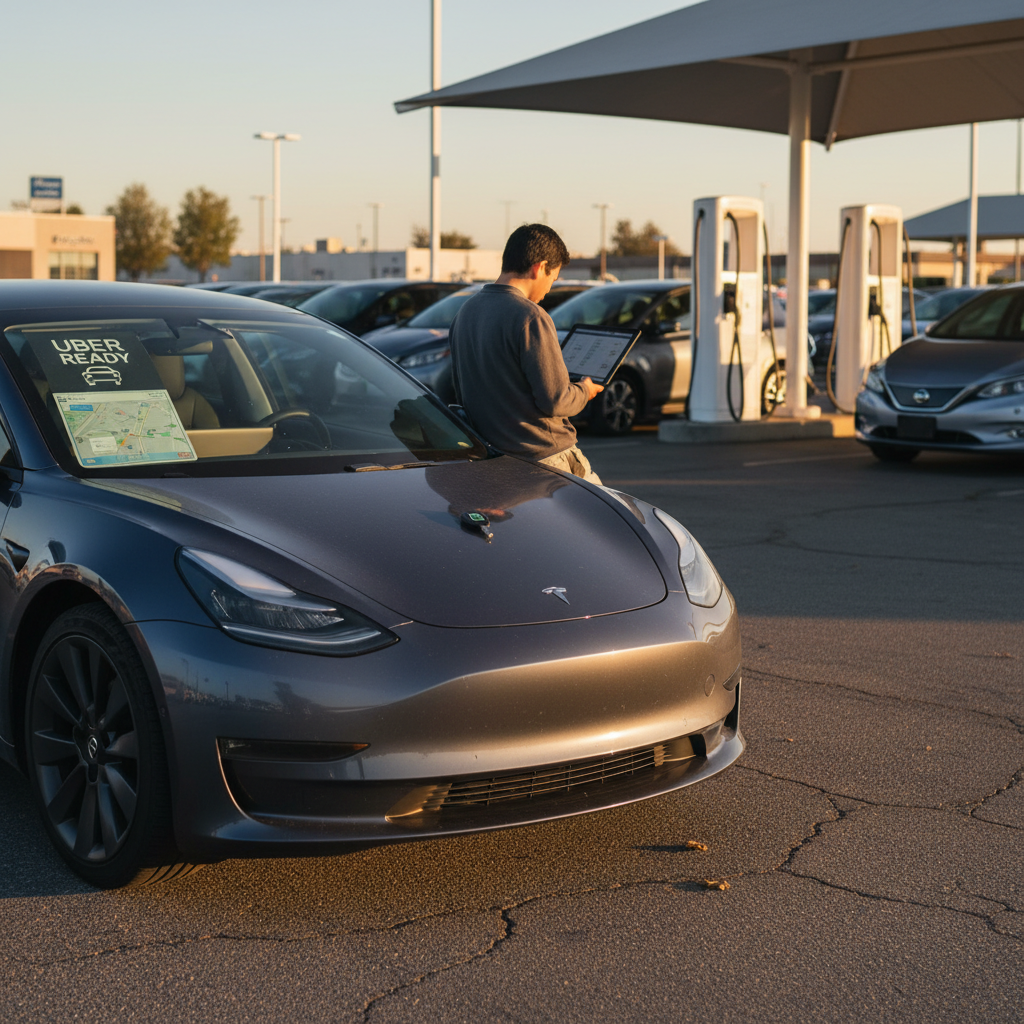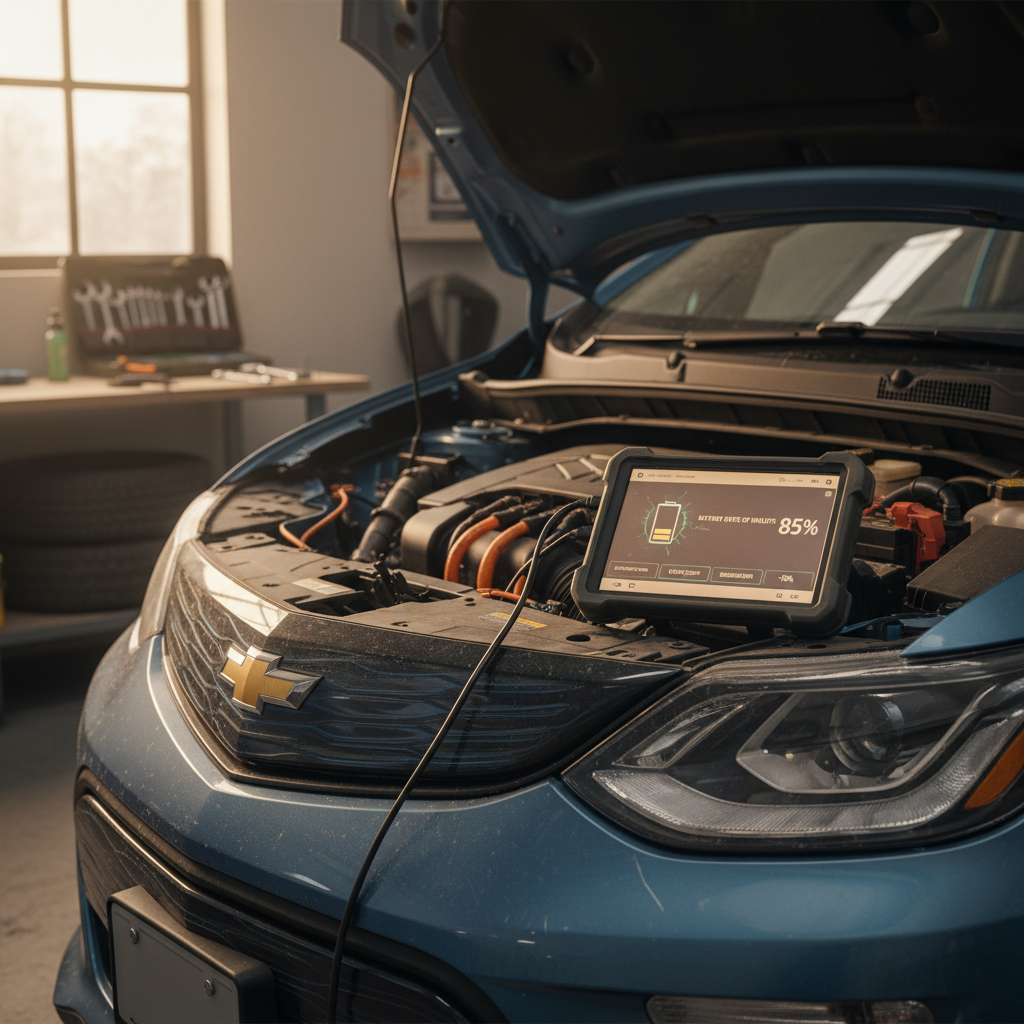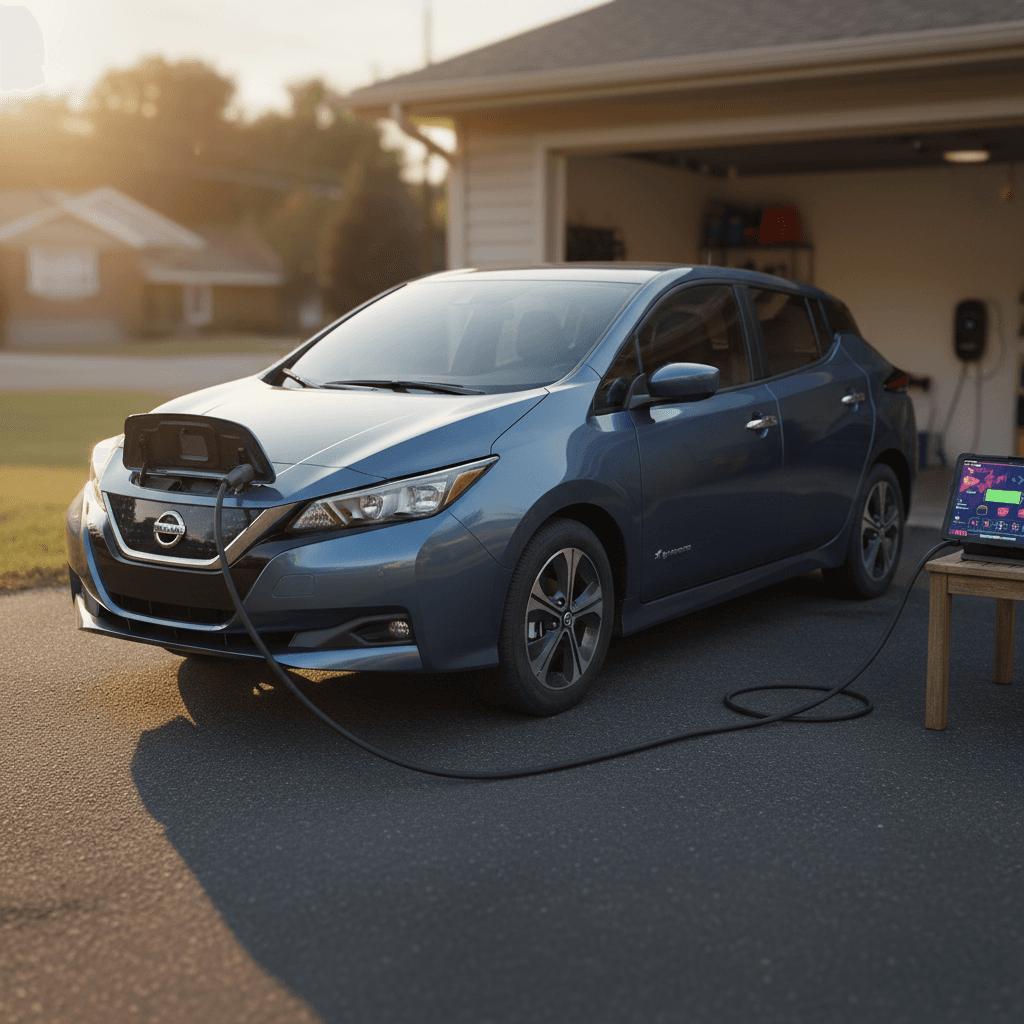
The least reliable used electric car is often a poorly documented or damaged example of an otherwise reasonable model. Model-wide “avoid” lists can miss differences in model year, software status, repair history, charging performance, and battery condition. Before buying, compare the specific car’s diagnostic evidence with its price and intended use. Start with a used EV inspection checklist, not its reputation alone.
The car matters more than the badge
The individual car matters more than the badge because EV reliability depends on several systems that can be tested before purchase. A healthy high-voltage battery doesn’t excuse unresolved warning lights, failed charging hardware, collision damage, or unavailable replacement parts. Likewise, high mileage doesn’t automatically make an EV unreliable when its diagnostics, charging behavior, and records are sound.
These are the used-EV profiles worth avoiding or approaching cautiously. They apply across brands and price ranges, so use them to evaluate any model you’re considering.
Used-EV risk patterns that justify walking away
A low price is not enough to offset an unknown or potentially costly fault.
| Risk pattern | Why it matters | What to verify | Verdict |
|---|---|---|---|
| Low tested battery capacity | Less usable range | Independent battery report | Price carefully or avoid |
| Charging test failure | Limits practical use | AC and DC charging | Avoid until repaired |
| Active warning lights | Fault may be unresolved | Full diagnostic scan | Avoid until diagnosed |
| Open recall or campaign | Required work incomplete | VIN-specific status | Resolve before purchase |
| Missing repair records | History is unclear | Invoices and vehicle history | Proceed cautiously |
| Water or structural damage | Complex electrical risk | EV-specialist inspection | Usually avoid |
Judge the specific vehicle by verified condition, not model reputation alone.
A cleared dashboard is not a clean diagnostic report
What Recharged’s condition data shows
Recharged’s inspection data shows why broad model blacklists can mislead shoppers. Across 2,242 Recharged Score inspections, tested remaining battery capacity averaged 93.9% of original capacity, with a 94.9% median. Individual results ranged from 63% to 100%, a spread wide enough to make vehicle-specific testing essential.
Price isn’t a substitute for that testing. Among 417 EVs listed on Recharged at the time of this snapshot, asking prices ranged from $12,996 to $146,998, with a median of $30,997. Those are current listing prices, not proof that a particular vehicle is mechanically dependable or suitable for your driving.
The takeaway is straightforward: inspect the exact EV you plan to buy. Recharged includes a Recharged Score Report with verified battery health so you can evaluate condition instead of relying only on mileage, asking price, or a model’s online reputation.
We don’t treat an odometer reading or model badge as a battery report. The diagnostic result, charging behavior, and repair history have to support one another before a used EV earns confidence.
Recharged data
Used EV battery health
94%
avg remaining capacity
From Recharged battery inspections, not manufacturer estimates.
- Lowest
- 63%
- Median
- 95%
- Highest
- 100%
- Est. range
- 266 mi avg
- Cell balance pass
- 100%
- Quick charges
- 18 avg
- Slow charges
- 65 avg
Average cell imbalance: 7.3 mV
Based on vehicles Recharged tested
Recharged data
Used EV prices at Recharged
$30,997
median list price
Current list prices for matching inventory at Recharged.
- Lowest
- $12,996
- Average
- $34,803
- Highest
- $146,998
Average Recharged Score on these listings
4.8 / 5
Range
3.7 – 5.0
Based on available listings
Every EV is battery-tested with a Recharged Score. Nationwide delivery.
How should you inspect a used EV?
A proper used-EV inspection should test the battery, charging equipment, onboard electronics, and conventional vehicle components. Don’t limit the process to a short road test or a dashboard range estimate, which can change with temperature and recent driving. For more preparation, review how to check used-EV battery health before visiting the seller.
Complete these checks before you buy
Request a battery diagnostic
Look for tested remaining capacity and estimated real-world range, not only the dashboard’s projected miles.
Test both charging methods
Confirm normal alternating-current home or public charging and direct-current fast charging when the car supports it.
Scan every control module
Check for active, stored, and pending faults affecting the battery, charging, cooling, safety, or driver-assistance systems.
Verify recalls by VIN
Use the vehicle identification number to confirm that required recall repairs and applicable service campaigns are complete.
Review repair documentation
Match service invoices with the vehicle-history report and ask for details about battery, charging, collision, or water-related work.
Test ordinary vehicle systems
Inspect the tires, brakes, suspension, climate control, cameras, sensors, displays, locks, and charging-port door.
During the charging test, remember that a kilowatt (kW) measures charging power, while a kilowatt-hour (kWh) measures stored energy. Fast-charging power changes with battery temperature and state of charge, so one momentary reading isn’t a complete diagnosis. Look instead for repeated interruptions, error messages, abnormal noises, or behavior that conflicts with the vehicle’s documented capabilities; see EV charging speeds explained for additional context.
Battery health and reliability are not the same
Battery health and overall reliability measure different things. Remaining capacity indicates how much energy the battery can still hold relative to when it was new, while reliability also covers charging hardware, cooling equipment, computers, displays, sensors, suspension, climate control, and other systems. A car can have strong battery capacity but still need an expensive non-battery repair.
Your acceptable battery result also depends on your needs. A lower-capacity vehicle may still work for short local trips if its tested range is sufficient and its price reflects the condition, but it may be a poor choice for frequent highway travel. Use a report that pairs capacity with tested range, then compare both with your routine and access to charging; this used-EV battery degradation guide explains the distinction.
Instant offer, trade-in, or consignment. Pickup available.
Frequently asked questions
The bottom line
Avoid a used electric car when the evidence points to unresolved faults, uncertain history, charging problems, significant damage, or battery performance that doesn’t meet your needs. Don’t reject, or approve, a vehicle solely because its model appears on somebody’s reliability list. The safest buying decision combines a verified battery report, complete diagnostic scan, charging test, recall check, records review, and an EV-specialist inspection.