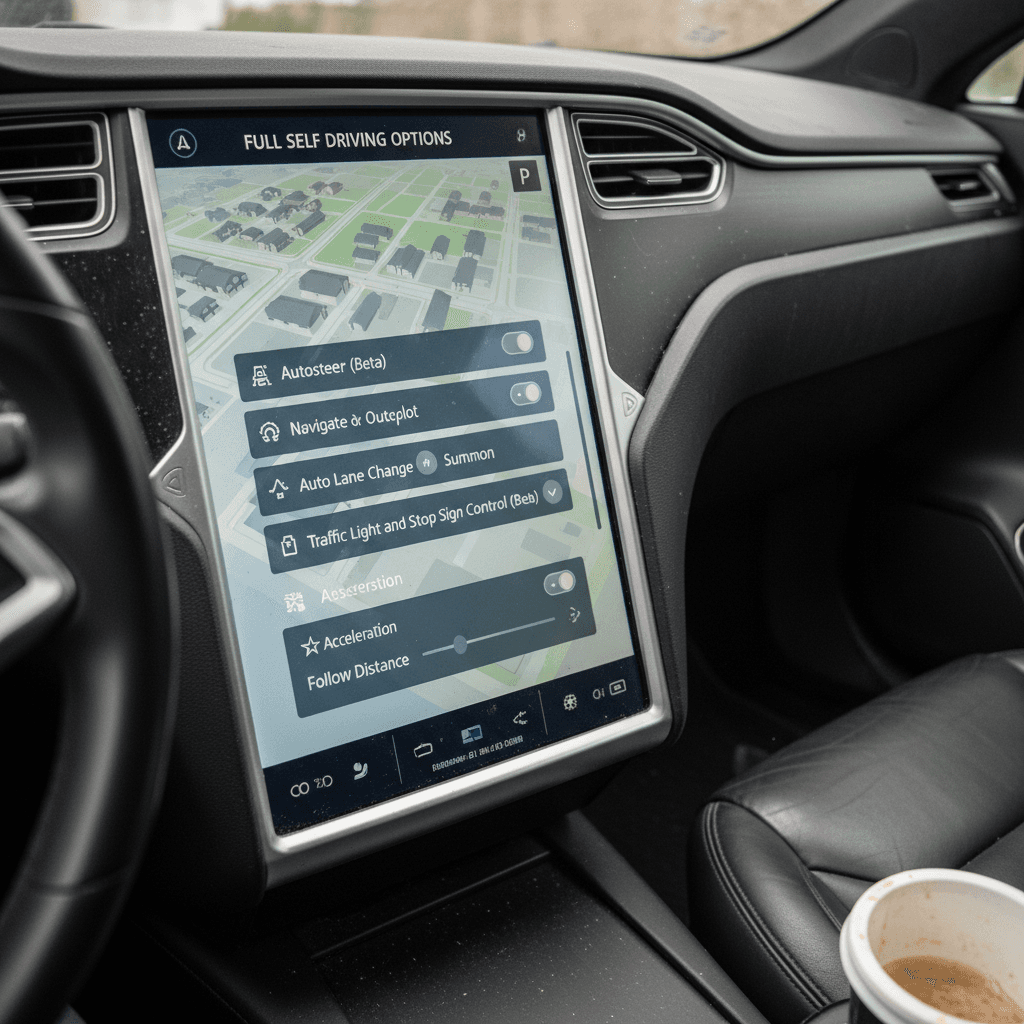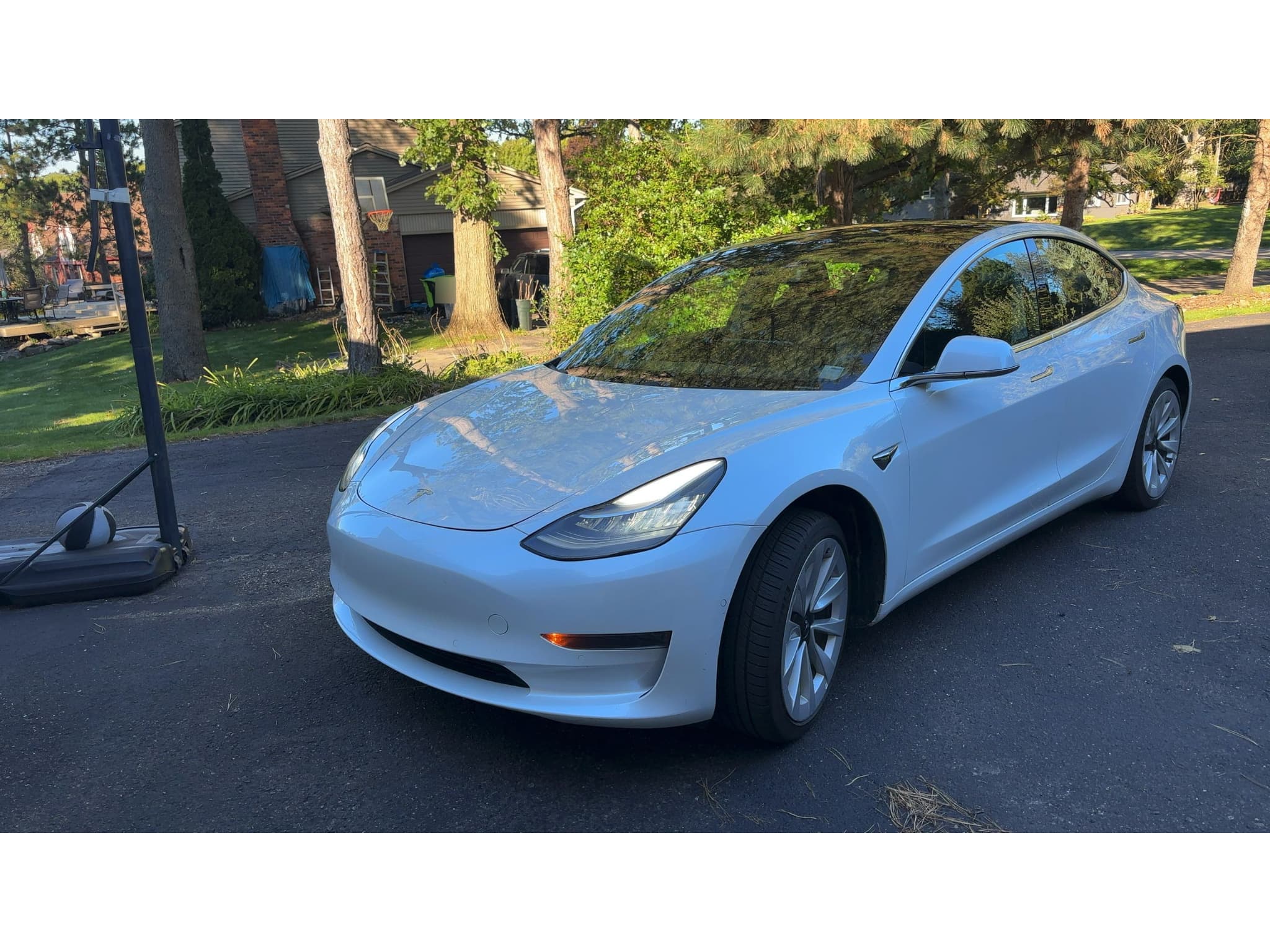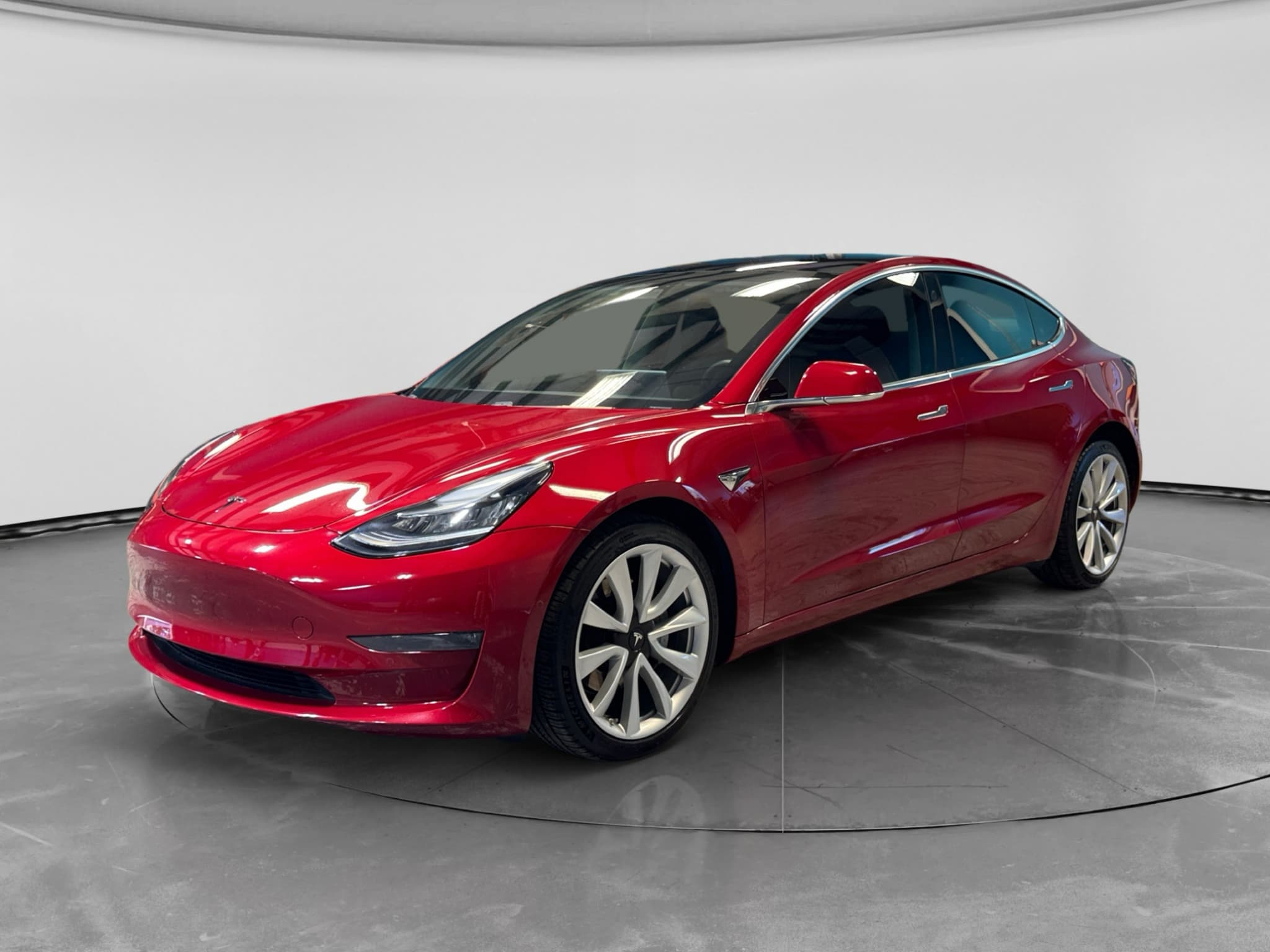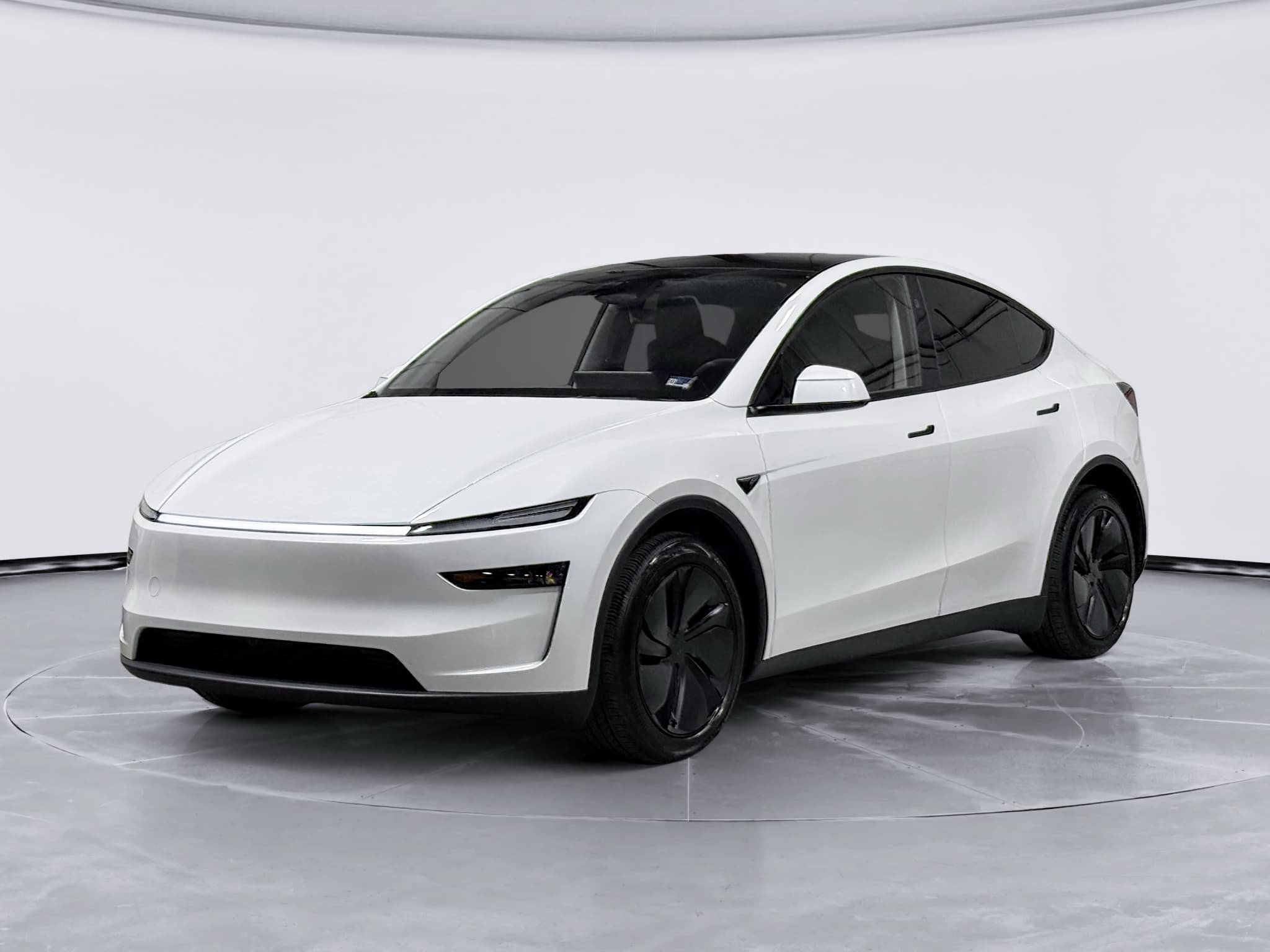
If you’re shopping the used market, you’ve probably seen ads that say a car has **Tesla Full Self-Driving (FSD)** and wondered: *does a used Tesla really come with FSD, or will it disappear the moment I transfer ownership?* In 2026, that’s a crucial question, because Tesla has shifted hard toward subscriptions and tightened the rules.
Key context for 2026 shoppers
Quick answer: does a used Tesla come with FSD?
In 2026, a used Tesla **might** come with FSD, but you can’t assume it will – and you definitely can’t assume it will stay forever.
- If the original owner **bought FSD outright in the past** and Tesla hasn’t removed it, that license is typically tied to the car’s VIN and can follow the car to you.
- If the car only ever had **FSD by subscription**, that subscription does **not** transfer. You’ll have to start your own subscription after you take ownership.
- Tesla has reportedly begun **stripping FSD from many vehicles it resells itself**, and newer package terms make FSD access effectively **for the original owner only**, wiped once the title changes hands.
- A growing share of used Teslas will be **FSD‑eligible hardware-wise**, but will require you to pay for FSD separately if you want it.
Don’t rely on the listing alone
How FSD used to work vs. what changed
The old model: FSD as a VIN-tied option
For most of the 2010s and early 2020s, if someone paid for FSD as a one-time option, it was treated much like a built-in feature. The FSD “entitlement” was linked to the **vehicle’s VIN**, not just the owner’s account. If that car changed hands via private sale or a non-Tesla dealer, the new owner usually kept FSD automatically once the title and Tesla account were transferred.
Because of that, Teslas with paid FSD historically commanded a **meaningful premium** in the used market.
The new model: subscriptions and limited transfers
By early 2026, Tesla made two big shifts:
- Stopped selling new FSD licenses as a **one-time purchase** and moved to a **subscription-only** model in the U.S.
- Updated language in marketing and package terms to say FSD only stays on a car **while the original buyer owns it**, especially for newer high-end trims and packages.
On top of that, Tesla has quietly **stopped selling most of its own pre-owned cars with permanent FSD included**, instead offering only short FSD trials. That undercuts the idea that FSD is a permanent, transferable asset in every case.
Limited-time FSD transfer promos
What actually transfers on a used Tesla in 2026
Think of FSD as a license, not a part
When you buy a used Tesla, three different questions matter:
- **Is the car’s hardware FSD-capable?** Most 2019+ cars with Autopilot hardware (HW3 or newer) are technically compatible, but older cars may need upgrades that Tesla might not offer forever.
- **Does the VIN currently have an active, paid FSD entitlement?** If so, that may transfer when ownership changes – unless Tesla has applied new, non-transferable terms for that specific build or package.
- **How is FSD being provided?** If it’s only active because the prior owner had a subscription or a temporary trial, that access will end and you’ll have to start your own subscription.
Where FSD usually won’t transfer
Common purchase scenarios and what happens to FSD
Used Tesla FSD outcomes by scenario
Use this table to set your expectations before you negotiate or buy.
| Scenario | Who you buy from | FSD status before sale | What you should expect |
|---|---|---|---|
| 1. Classic paid FSD, private sale | Individual owner | FSD was purchased outright years ago and shows as active in the car and account | High chance FSD stays with the car when ownership transfers, but verify after your account is updated. |
| 2. Paid FSD, non-Tesla dealer | Independent used-car dealer | Dealer claims car has FSD based on a build sheet or screenshot | It may still be active, but Tesla isn’t obligated to keep it. Check in person, get it in writing, and confirm after transfer. |
| 3. Tesla Certified Pre-Owned with FSD trial | Tesla | Listing says Autopilot plus free FSD trial | Assume permanent FSD has been **removed**. You’ll enjoy a short trial, then need a subscription. |
| 4. Car with FSD subscription only | Any seller | Seller was paying monthly for FSD but never bought it outright | Subscription will stop with them. You must start your own FSD subscription if you want it. |
| 5. Newer “original-owner-only” FSD license | Original buyer of a 2026+ Tesla with new terms | Fine print says FSD only applies while they own the car | Once the title transfers, FSD is wiped and you’ll need to subscribe from scratch. |
These are typical outcomes in 2026; Tesla can change policies at any time, so always verify with the seller and through your Tesla account.
Always test FSD *after* the transfer
How to tell if a used Tesla really has FSD
Because FSD has become a moving target, you need to verify it the same way you’d verify battery health or accident history: by checking data, not just trusting a salesperson.
Step-by-step: verify FSD on a used Tesla
1. Decode the listing language
“Full Self-Driving capability” on a window sticker may only mean **hardware capable of FSD**, not that FSD is currently active or included for life. Phrases like “FSD trial” or “subscription available” are giveaways that you’re not getting a permanent license.
2. Sit in the car and open the Autopilot menu
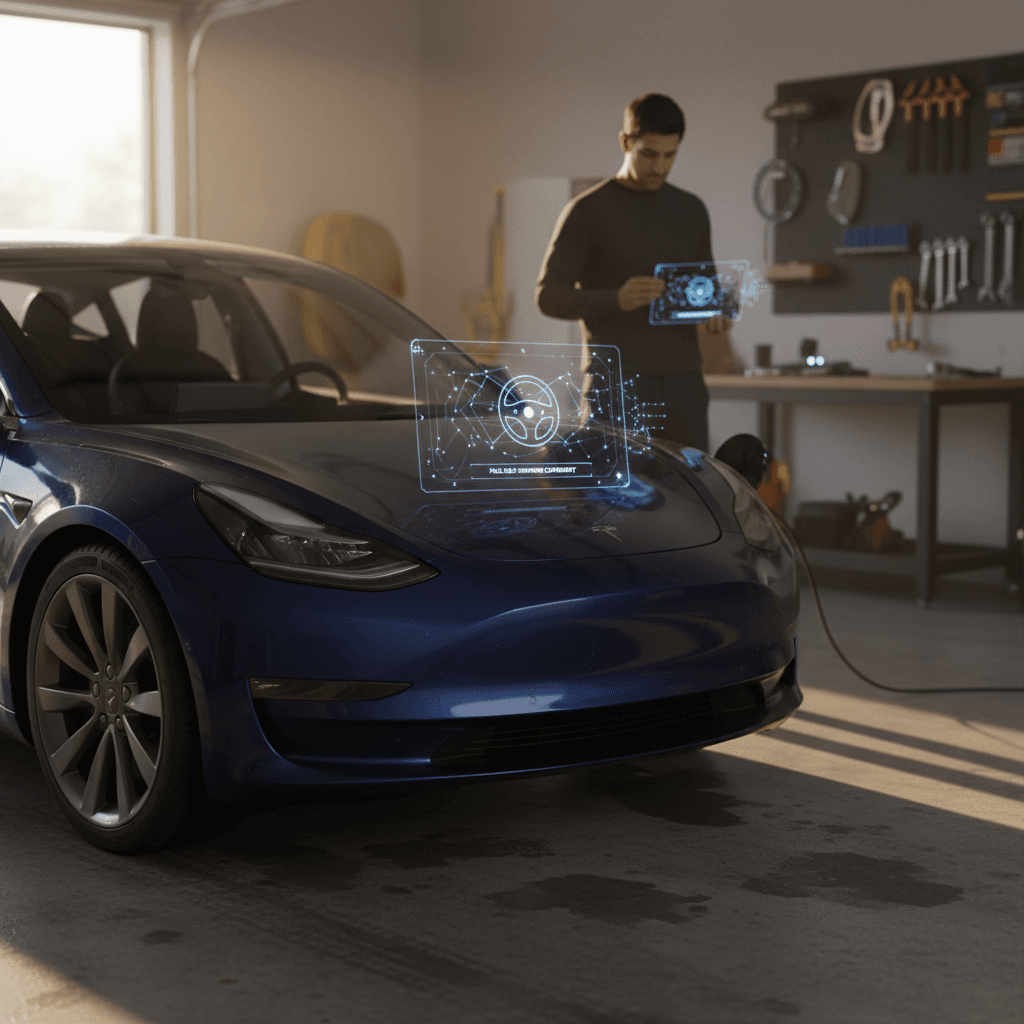
On the center screen, go to <strong>Controls → Autopilot</strong>. Look for a line that explicitly references <strong>Full Self-Driving (Supervised)</strong>. If you only see basic Autopilot or Enhanced Autopilot, FSD is not active.
3. Ask the seller for a Tesla account screenshot
A legitimate seller who claims the car “has FSD” should be willing to show a current screenshot from their Tesla app or account showing FSD as an active feature on that VIN, not just a historical invoice from years ago.
4. Clarify whether it’s a purchase or a subscription
Ask directly: “Did you buy FSD outright, or are you paying monthly?” If they’re on a subscription, assume you’ll need your own FSD subscription once you take over.
5. Put FSD status in the purchase paperwork
If FSD is a key part of why you’re paying a premium, make sure the sales agreement says so explicitly (for example, “Vehicle to include Full Self-Driving functionality active at time of delivery”). This gives you leverage if it disappears immediately.
6. Recheck after ownership transfer
After you add the car to your Tesla account and the title work clears, log into the app and the car again. If FSD is missing, contact Tesla support with your bill of sale, and be prepared that they may decline to reinstate it under newer policy terms.

FSD “ownership” vs. subscription on used Teslas
In 2026, you should think of FSD the way you think of **streaming services**, not a leather seat or a sunroof. You’re really dealing with two models:
Two ways FSD shows up on a used Tesla
Which one you’re getting dramatically changes the car’s value – and your monthly costs.
Legacy “owned” FSD license
What it is: A one-time FSD purchase that was tied to the VIN under Tesla’s older rules.
- More common on cars from earlier in the 2020s.
- May still transfer to you on private or third-party sales.
- Increasingly rare on Tesla’s own used inventory.
If you can confirm one of these and Tesla doesn’t strip it, the car can be worth a meaningful premium over a similar Tesla without FSD.
Subscription-only FSD
What it is: FSD access that depends on an active monthly payment, typically around $99/month in the U.S.
- Subscription does not transfer between owners.
- You’ll decide after purchase whether the features justify the monthly cost.
- Most newer Teslas are moving into this bucket.
Treat this like any other subscription. It’s convenient, but it shouldn’t drive your decision to buy a specific used car at a big premium.
Good news for used buyers
How FSD affects used Tesla value now
A few years ago, sellers often advertised FSD as an **“appreciating asset”** that made their used car far more valuable. The reality in 2026 is more complicated – and, in many cases, far less rosy for sellers.
When FSD truly adds value
- The car has a **documented, transferable FSD purchase** that’s survived one or more ownership transfers.
- You personally want FSD and will actually use features like Navigate on Autopilot and automatic lane changes.
- The price premium over a similar non-FSD Tesla is **meaningfully less** than what you’d spend subscribing over your ownership period.
In these cases, paying a bit more for an FSD-equipped car can make sense, especially if you plan to keep it for many years.
When FSD shouldn’t drive the price
- The seller can’t prove FSD is active beyond old paperwork.
- The listing only promises an FSD **trial** or mentions subscription.
- The car is older, and you’re more concerned about **battery health** and basic reliability than the latest driver-assist tricks.
In those situations, let FSD be a nice-to-have, not the centerpiece of the deal.
Be skeptical of big FSD premiums
Shopping tips if you care about FSD on a used Tesla
FSD can be fun tech, but it shouldn’t overshadow the fundamentals: battery health, pricing, and how the car was used. Here’s how to balance all of that when you shop.
Smart shopping checklist: used Teslas & FSD
1. Prioritize battery health first
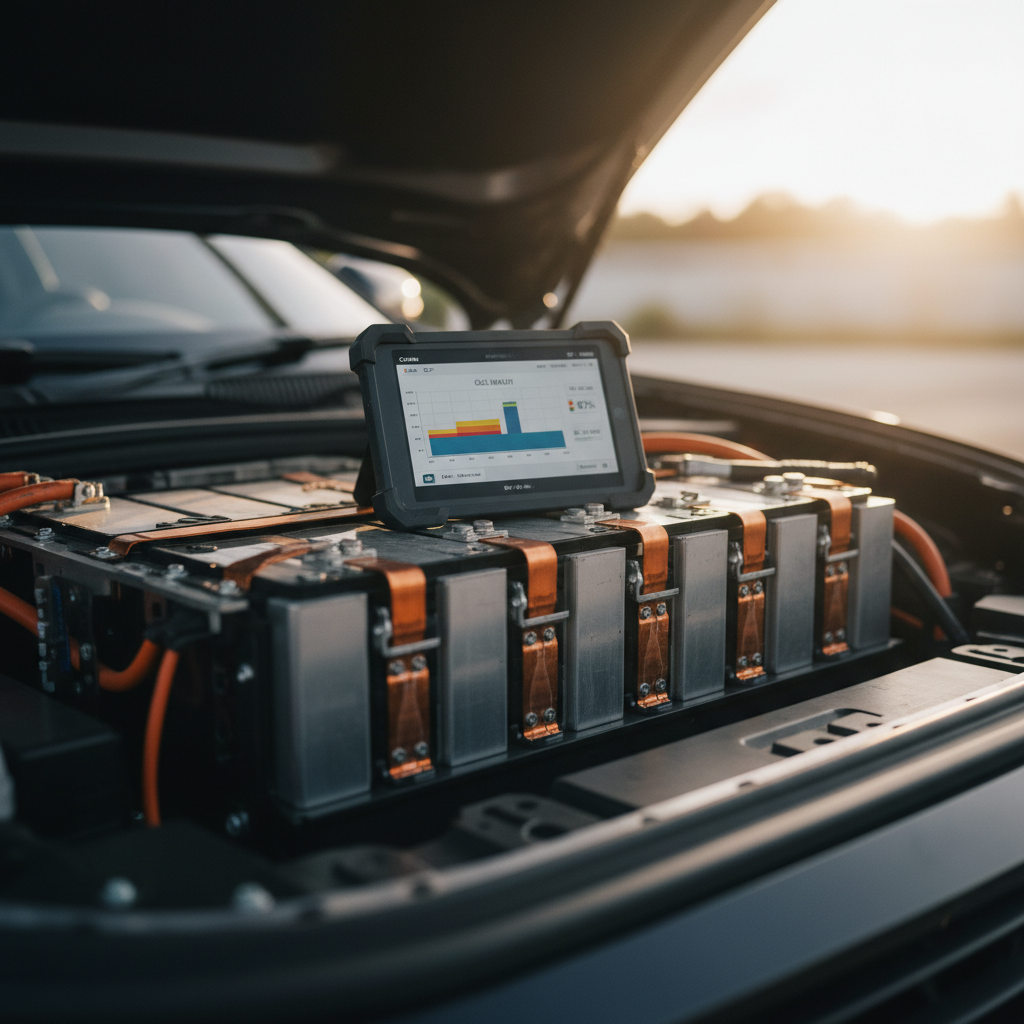
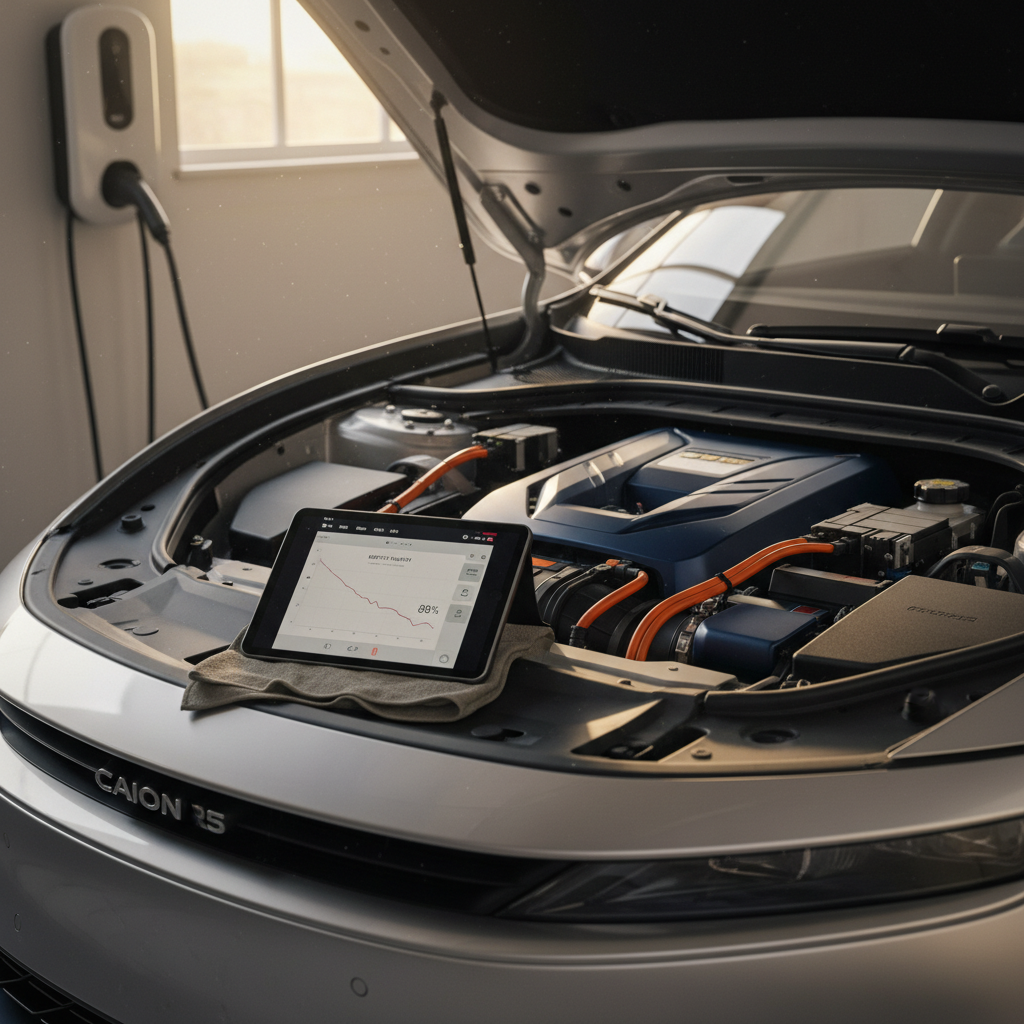
A Tesla’s battery pack is usually the single most expensive component. A car with solid battery health and no FSD is often a better buy than a tired pack with questionable FSD status. Tools like the <strong>Recharged Score</strong> give you a transparent battery-health snapshot before you commit.
2. Decide how much FSD is really worth to you
Ask yourself how often you actually drive in conditions where FSD shines. If most of your miles are short commutes or city errands, you may find you’re happier with basic Autopilot and the money you didn’t spend chasing FSD.
3. Compare premium vs. subscription math
If a seller wants a $4,000 premium because of FSD, but the subscription is around $99/month, that markup equals more than three years of subscription. Are you sure you’ll keep the car that long – and use FSD that much?
4. Be extra careful with Tesla CPO cars
When buying used directly from Tesla, assume any permanent FSD was removed unless the paperwork says otherwise. Treat FSD trials as marketing, not as long-term value.
5. Get everything in writing
If FSD is part of your decision, it should be part of the contract. Have the seller specify whether the car comes with an <strong>active, permanent FSD license</strong> at delivery, and what happens if it disappears within days of transfer.
6. Leave yourself an out
If you’re buying from a dealer, push for a short return window or inspection period. That gives you time to verify FSD status, battery health, and overall condition – and to walk away if reality doesn’t match the ad.
How Recharged handles FSD on used Teslas
Because FSD policies keep changing, buyers deserve plain-English answers. At Recharged, the focus is on making used EV ownership – Teslas included – simple and transparent.
What you can expect from Recharged on FSD
No fine print surprises – especially on expensive software options.
Verified battery & hardware
Every Tesla on Recharged comes with a Recharged Score Report that includes verified battery health and key hardware details. You’ll know whether the car is FSD-capable from a hardware perspective before you fall in love with the listing.
Clear FSD disclosure
Listings spell out whether the car has basic Autopilot, Enhanced Autopilot, or any active FSD access at the time of sale – and whether ongoing access would require your own subscription.
Guided, end-to-end support
Recharged’s EV specialists can walk you through FSD trade-offs, financing, trade-in options, and even nationwide delivery, so you’re not left guessing how software features affect the total deal.
Ask the hard questions – we’ll answer them
FAQ: used Teslas and FSD
Frequently asked questions about used Teslas and FSD
Bottom line: focus on the car first, FSD second
In 2026, the safest way to think about Full Self-Driving on a used Tesla is this: **it’s a software license that may or may not come with the car, and Tesla’s rules can change.** Hardware capability, battery health, price, and how the car fits your life all matter more than whatever someone wrote in an old FSD ad.
If you happen to find a used Tesla with a clearly documented, transferable FSD license at a fair premium, that can be a worthwhile bonus. If you don’t, you can still enjoy a great EV and add FSD later via subscription if and when it makes sense for you. And if you’d like help sorting through those trade-offs, Recharged can pair **transparent battery diagnostics, fair pricing, financing, trade‑in options, and EV‑specialist guidance** so you can buy the right car first – and worry about the software subscriptions on your own terms.