Pairing **home solar and an EV** is one of the most powerful ways to cut your ongoing energy and transportation costs. Your roof generates clean electricity; your car turns that electricity into miles. Done right, the combo can offset a big chunk of your utility bill and most, sometimes all, of what you used to spend on gas.
Why this combo is getting more attractive
Why combining home solar and an EV matters
- Transportation is usually your **second‑largest household expense** after housing; electricity is often third. Tackling both together moves the needle on your overall budget.
- EVs turn electricity into motion far more efficiently than gas cars turn gasoline into motion, so every kWh you generate is worth a lot of miles.
- Solar and EVs both benefit from **federal and sometimes state incentives**, improving their payback when you plan them together instead of as separate projects.
- If you size and schedule things wisely, solar can help **cushion you against future rate hikes**, especially in states with fast‑rising utility prices.
Think in “household energy budget,” not separate projects
How home solar and EV charging work together
The basic flow
- Solar panels on your roof produce DC electricity when the sun is out.
- An inverter converts that DC power to AC for your home and EV charger.
- Your home uses what it needs in real time; any extra flows to the grid or into a battery (if you have one).
- Your **Level 2 charger** pulls from the same electrical panel as the rest of your house.
Solar vs. grid electricity for your EV
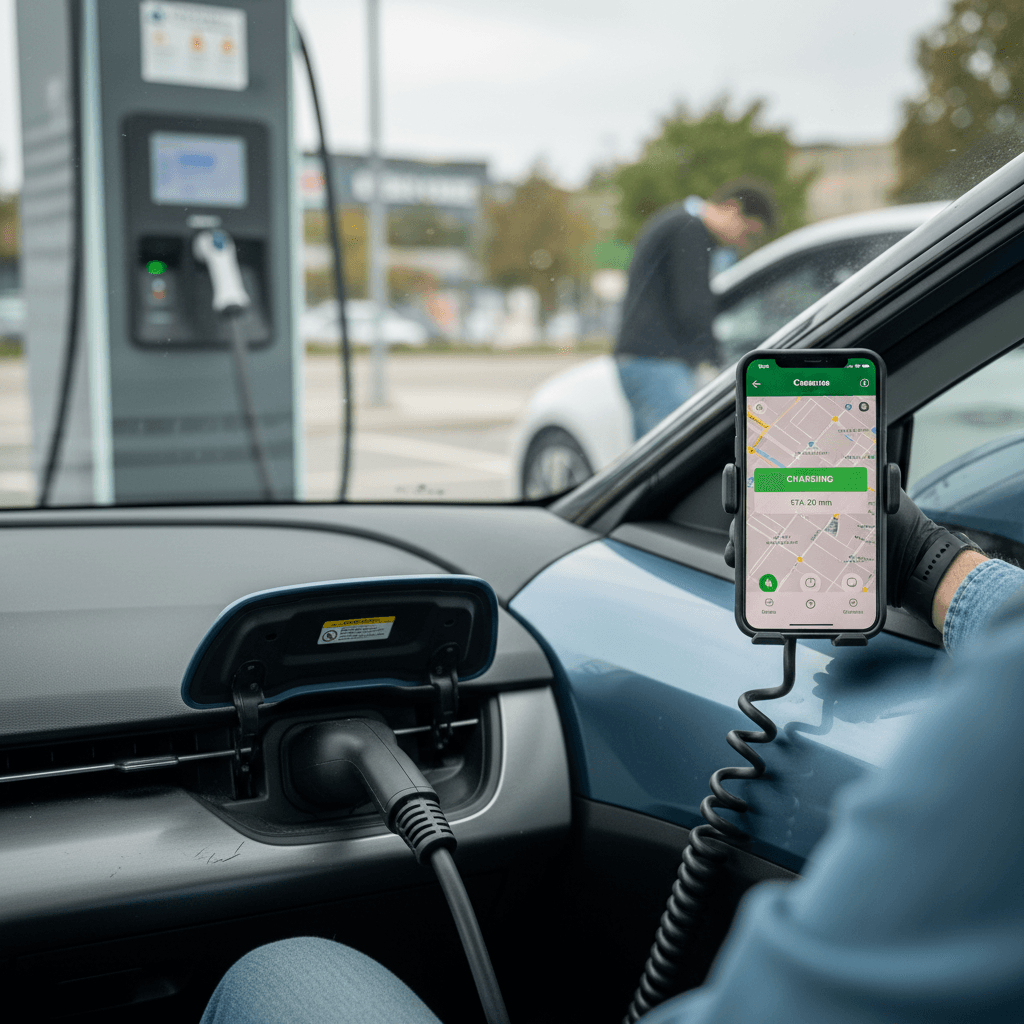
When your EV is plugged in during sunny hours, much of the power can come directly from your panels, effectively giving you **“homegrown” miles.** At night, your car pulls from the grid, but earlier solar production may have already reduced your net usage for the day via net metering or bill credits.
In both cases, your EV benefits from solar because the system reduces what you buy from the utility across the month.
Key numbers you need: electricity, fuel, and solar costs
Average U.S. costs that shape your savings
Every market is different, but those ballpark figures show the pattern: **grid power and gasoline keep getting more expensive**, while solar has become a predictable, one‑time capital cost that can deliver low‑cost electricity for 20–30 years.
Local prices matter
Three main ways home solar cuts EV charging costs
How solar multiplies your EV savings
It’s not just about free daytime charging
1. Lower kWh cost overall
A rooftop solar system effectively locks in part of your electricity at a fixed cost. Over 20+ years, your solar kWhs can be much cheaper than what you’d otherwise pay the utility, especially as utility rates climb.
2. Time‑of‑use arbitrage
If your utility charges more at peak hours, you can schedule your EV to charge when rates are low, while solar offsets your higher‑priced daytime usage. That reduces the **blended cost per kWh** behind every mile you drive.
3. Maximizing each kWh’s impact
Because EVs are so efficient, one solar kWh can often move your car 3–4 miles. That means a modest‑sized array can generate **thousands of electric miles per year** on top of running your home.
Rule of thumb: miles from each kW of solar
Sample savings scenarios: solar-only, EV-only, and both
Let’s walk through simplified examples so you can see how **home solar and an EV combined savings** stack up versus doing just one or the other. We’ll assume U.S. averages and round the math for clarity. Use these as direction, not gospel.
Scenario comparison: annual energy and fuel costs
Approximate yearly costs for a typical household driving 12,000 miles per year
| Scenario | Electricity for home | Fuel/charging for car | Combined annual energy + fuel |
|---|---|---|---|
| No solar, gas car | $1,500 | $1,680 | $3,180 |
| Solar only, gas car | $600 (net after solar) | $1,680 | $2,280 |
| No solar, EV only | $1,800 (home + EV) | $650 (all kWh from grid) | $2,450 |
| Solar + EV | $800 (home net after solar) | $300 (effective solar + off‑peak) | $1,100 |
Assumes 25 mpg gas car at $3.50/gal, EV at 0.30 kWh/mi, grid power at 18¢/kWh, solar LCOE (levelized cost of energy) around 8–10¢/kWh.
In this simplified case, **solar alone cuts about $900/year**, EV alone cuts around **$730/year**, and doing both together cuts your combined electricity + fuel spend by roughly **$2,000 per year** compared with sticking to a gas car and no solar.
Why the “both” column isn’t just the sum of the parts
Factors that increase or shrink your combined savings
What makes home solar + EV a home run
High local electricity rates
If you’re paying 25–40¢/kWh, each solar kWh you produce and each EV mile you drive instead of burning gas is worth more. Households in high‑cost states usually see **shorter solar payback and stronger EV fuel savings**.
You drive more than ~10,000 miles per year
The more you drive, the more fuel you displace. If you’re at 15,000–20,000 miles per year and can do most charging at home, your EV fuel savings can be dramatic, especially when powered partly by solar.
Good solar roof and incentives
A sunny, unshaded roof plus incentives (like the 30% federal tax credit on solar and possible state/local rebates) improve your solar economics and leave more room in your budget for an EV payment or home charger.
Time‑of‑use or EV‑friendly rates
Utilities that offer discounted off‑peak or EV‑specific rates let you **stack savings**, solar shaves off higher daytime usage, and your EV drinks cheaper kWh at night.
Ability to charge mostly at home
If you rely heavily on expensive DC fast charging, your cost per mile climbs. The best combined savings happen when **80–90% of your charging is at home**, where you control the rate plan and benefit from solar.
What can hurt the economics
Financing, incentives, and payback timelines
Solar and EVs are capital‑intensive but **operationally cheap**. The trick is to match financing with the savings timeline so you’re not underwater on cash flow.
How the money typically flows
Think in terms of upfront vs. ongoing costs
Solar panels
- Typical residential systems land around $15,000–$30,000 before incentives for many U.S. homes.
- The 30% federal tax credit can cut that significantly if you have enough tax liability.
- Low‑interest solar loans often spread payments over 10–20 years, aiming for monthly payments at or below your avoided utility costs.
Electric vehicle
- EVs can cost more upfront than comparable gas cars, but **fuel and maintenance are lower**.
- State and local rebates or HOV lane access can add value.
- Financing the car separately from solar gives you flexibility in timing and vehicle choice, especially if you consider a high‑quality used EV.
Watch the cash‑flow crossover point
Planning your home solar system for an EV
If you already own or are planning to buy an EV, it’s smart to let that influence how you size and configure your solar system. Here’s how to approach it.
Design steps for a solar‑plus‑EV home
1. Estimate your EV’s annual kWh use
Multiply your typical annual miles by your car’s consumption. For example: 12,000 miles × 0.30 kWh/mi = 3,600 kWh/year. That’s on top of your household usage today.
2. Add EV charging to your solar sizing target
Share your EV mileage estimate with your solar installer and ask for a design that **covers a portion or all of that extra load**, depending on your roof space and budget.
3. Decide on Level 1 vs. Level 2 charging
Level 1 (120V) is slow but cheap, often just a standard outlet. Level 2 (240V) typically adds 20–40 miles of range per hour and pairs well with solar. For most households, a dedicated Level 2 circuit is the sweet spot.
4. Consider load management and panel capacity
Adding a Level 2 charger means more amperage. Your electrician may recommend a panel upgrade or smart load management. Build this into your solar‑plus‑EV budget early rather than discovering it mid‑project.
5. Look at storage and backup options
A home battery isn’t required to benefit from solar + EV, but it can keep lights (and possibly your EV charger) running during outages and help you avoid peak rates. It’s useful in high‑outage or high‑TOU‑rate markets.
Don’t oversize blindly
How buying a used EV changes the math
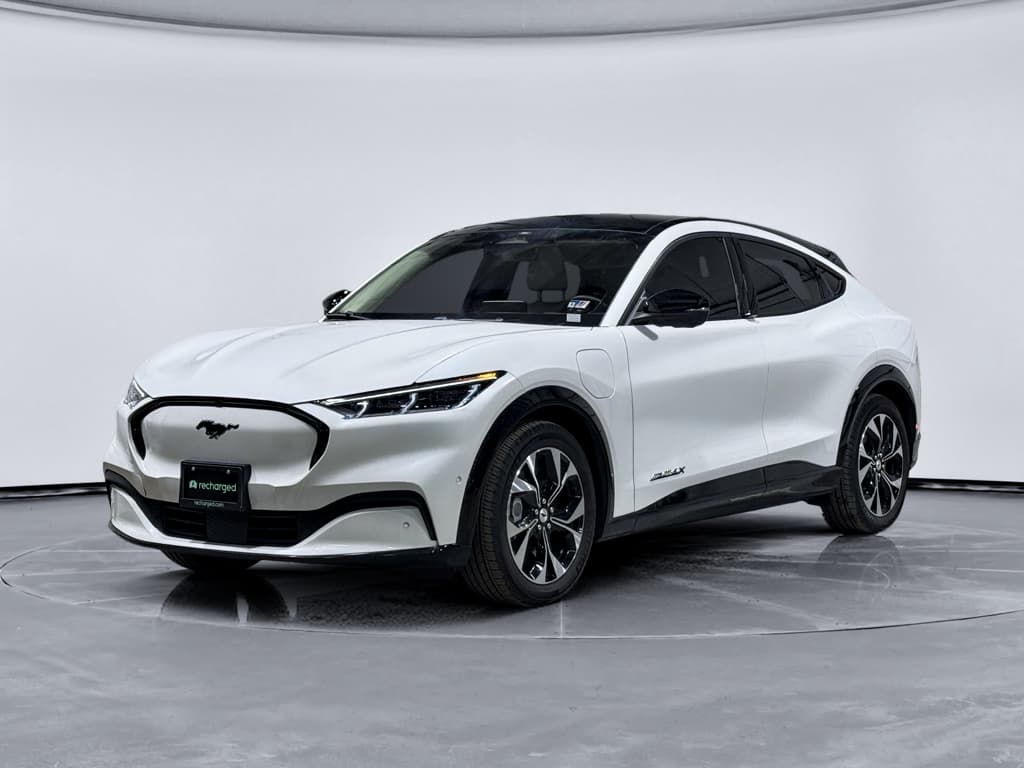
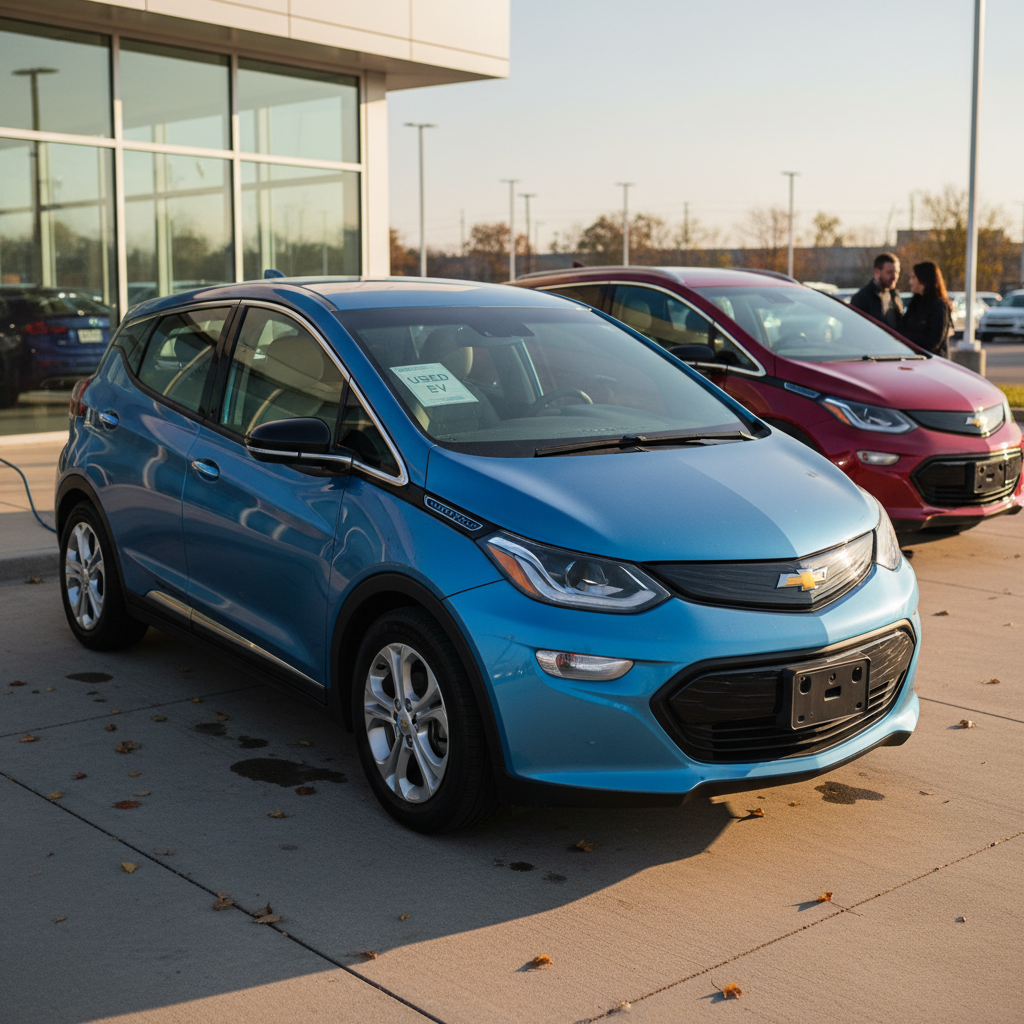
A big reason people hesitate on solar plus an EV is the combined sticker price. That’s where a **high‑quality used EV** can be a game‑changer: you keep the long‑term fuel savings, but reduce the upfront hit.
Lower purchase price, same fuel savings
If you can buy a used EV for several thousand dollars less than new, your loan payment may be similar to, or even below, what you used to spend on gas each month. When you then layer on solar that reduces your electricity costs, you’re attacking both sides of the budget at once.
At Recharged, every used EV comes with a Recharged Score Report that includes verified battery health and fair market pricing, so you understand how much useful life and range you’re getting for your dollar.
Confidence about battery health
Battery condition is the heart of any used EV. A healthy pack means reliable range and more years of cheap electric miles ahead, exactly what you want if you’re planning solar around your driving.
Recharged’s battery diagnostics help you match your **real‑world range needs** with the right vehicle, so those solar‑powered miles actually fit your daily routine.
Combine smart car shopping with smart energy upgrades
Ready to find your next EV?
Browse VehiclesFrequently asked questions about home solar and EV savings
Home solar + EV savings: FAQs
Is combining home solar and an EV worth it?
For many households, the answer is yes, especially if you live in a state with rising electricity prices, drive a moderate‑to‑high number of miles each year, and have a decent roof for solar. Home solar and an EV aren’t just two separate upgrades; together, they form a **single, long‑term strategy to shrink your energy budget** and gain more control over future price hikes.
The smartest path is to run the numbers using your actual bills and mileage, then explore options on both sides of the equation: a solar design sized with your EV in mind, and an EV, potentially a **high‑quality used model from Recharged**, whose battery health and range match your daily life. When your roof and your driveway are working together, the savings can be substantial, predictable, and surprisingly satisfying every time you plug in at home.