Start with the selling route that fits your priorities
The right route depends on whether you value speed, convenience, or maximum price potential most. An EV specialist can evaluate Tesla-specific equipment and coordinate details such as a loan payoff, vehicle pickup, and software-transfer timing. Tesla’s trade-in may be convenient if you’re buying another Tesla, while a private sale may expose the car to more buyers but requires more work. Compare the complete transaction, not merely the largest number on a screen.
These are the main ways to sell, without pretending they produce identical results. If you’re deciding between an offer and handling the sale yourself, the broader guide to selling an electric car explains the paperwork and handoff in more detail.
Ways to sell a Tesla
Compare convenience, timing, and the central trade-off of each route.
| Option | Best for | Typical speed | Main trade-off |
|---|---|---|---|
| Recharged offer or consignment | EV-specific support | Fast to medium (days to weeks) | Below retail or longer process |
| Tesla trade-in | One-transaction convenience | Fast | Single-buyer bid |
| Private sale | Higher-price potential | Variable | More seller work |
| General dealership | Local convenience | Fast | Less EV specialization |
No route guarantees the highest net amount; verify each offer’s terms and deductions.
Compare net proceeds, not asking prices
What determines your Tesla’s value?
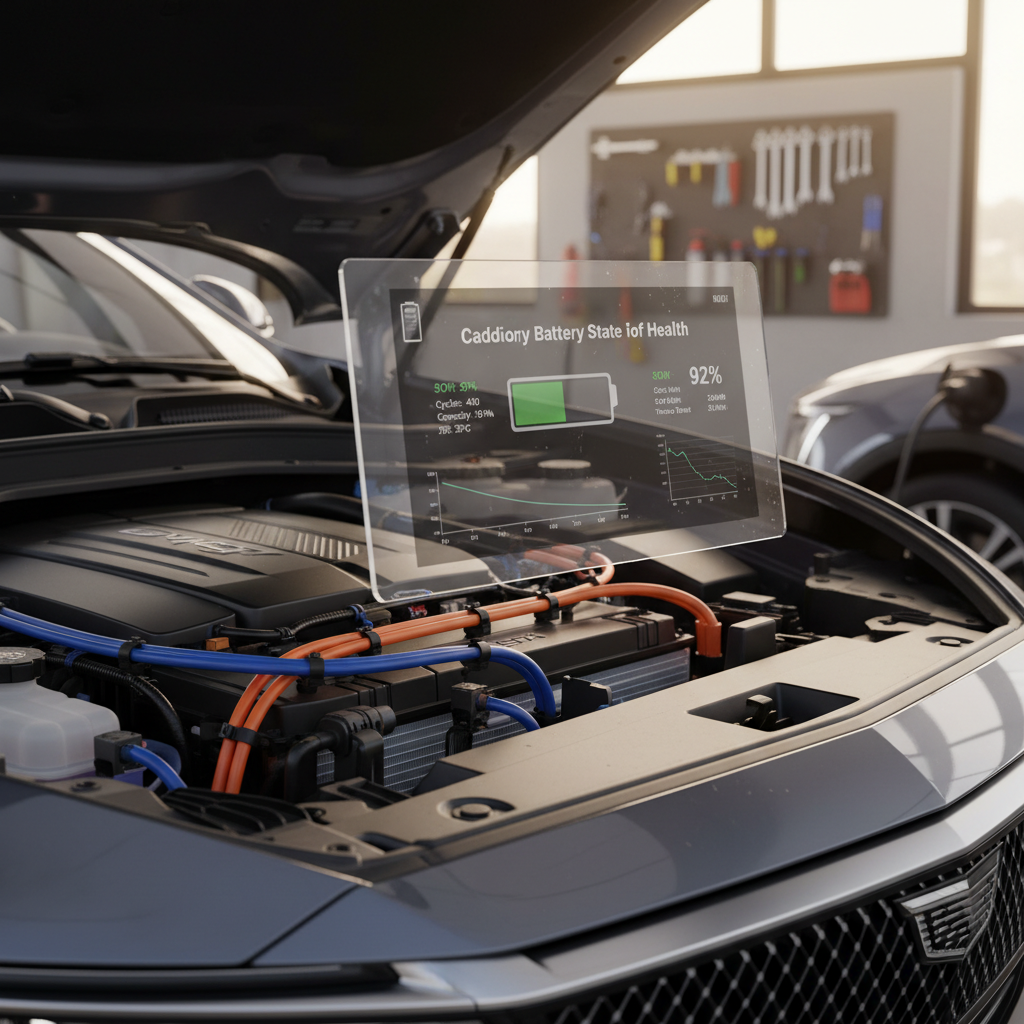
Your Tesla’s value comes from its configuration, mileage, physical condition, history, ownership status, and verified equipment. Recharged’s inventory team also asks about items that ordinary appraisal forms can miss, including Full Self-Driving status, seating configuration, Acceleration Boost, charging benefits, glass, tires, repaired damage, and whether there’s a loan payoff. These details don’t automatically add a fixed amount, and software or charging benefits should never be described as included until their eligibility and transfer status are confirmed. For the battery side of the appraisal, see how Tesla battery health affects a used EV.
Information to gather before requesting an offer
Exact vehicle details
Confirm the model, model year, mileage, seating configuration, exterior color, and interior color.
Condition evidence
Photograph every side, the cabin, wheels, glass, tires, and any scratches, dents, warning messages, or repaired areas.
History records
Disclose accidents, repairs, replacement panels, sensor recalibration, title issues, and service documentation.
Software and benefits
State what the car currently shows for Full Self-Driving, Acceleration Boost, connectivity, and charging benefits without assuming transferability.
Title or payoff
Know whether you hold the title or still have a loan, and obtain current lender information when a payoff is required.
A more accurate offer starts with a complete description. Condition, repaired damage, equipment, payoff status, and software-transfer plans can all change how the transaction has to be structured.
What Recharged’s market data shows
Recharged’s own data shows active seller interest and a broad used-EV retail market, but it does not replace a Tesla-specific appraisal. A reviewed seller-demand snapshot includes 5,854 offer requests across Recharged’s marketplace and signals that Recharged is actively buying vehicles. That count contains no offer prices and should not be interpreted as a dollar estimate for your Tesla.
Across 1,796 EVs sold by Recharged during the trailing 12 months, buyers paid a median retail price of $27,297 and an average retail price of $29,901. Those are fleet-wide retail sale prices, not Tesla-only values and not seller payouts. A Recharged offer or trade-in will land below retail, typically by several thousand dollars, because the retail price must account for inspection, preparation, risk, operations, and resale support.
The useful takeaway is that a retail listing is market context, not a check waiting for you. Your actual offer has to reflect the specific Tesla, its verified condition, current buyer demand, and the cost of bringing it to retail-ready condition. If you’re comparing an offer with a trade, review the practical differences between trading in and selling separately.
Recharged data
Selling to Recharged
We're actively buying EVs
Final purchase amounts are set after inspection and review.
Based on Recharged purchase offers
Recharged data
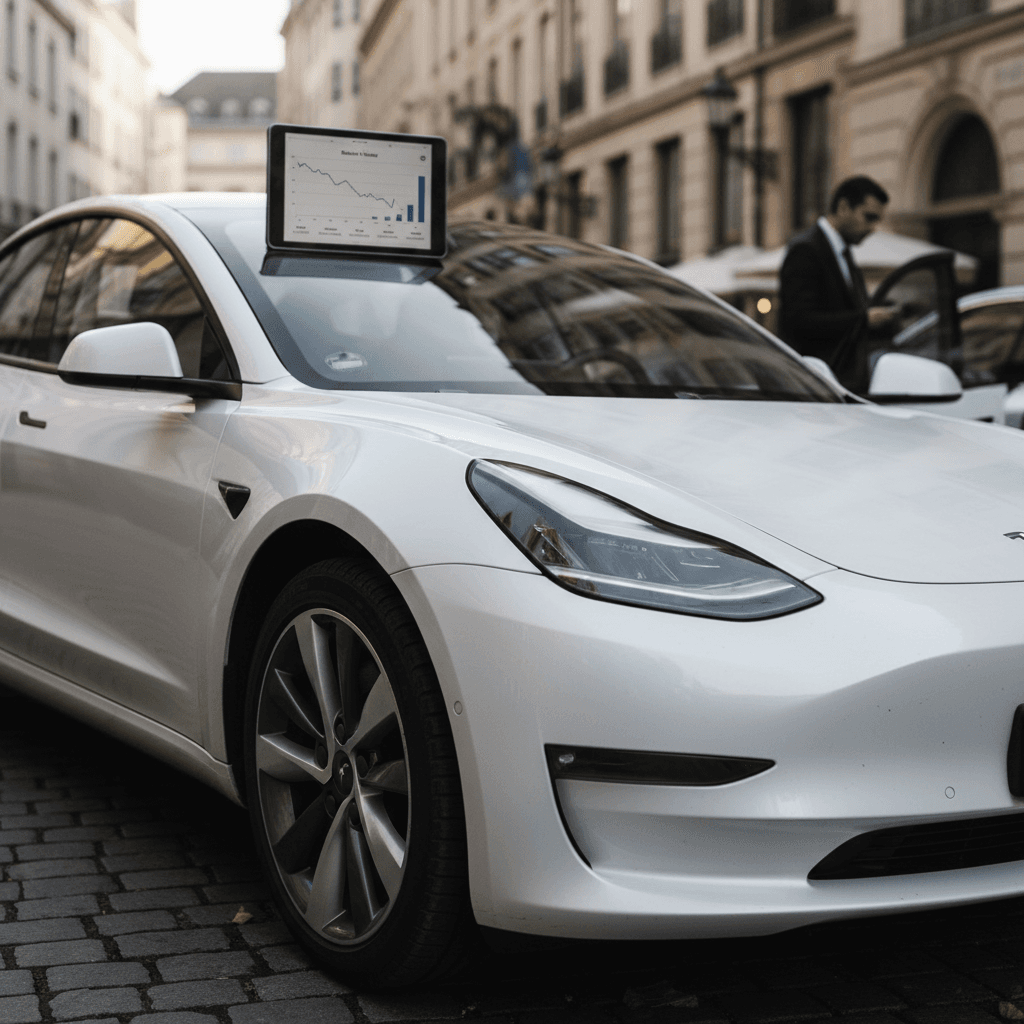
Recent EV sold prices
$27,297
median sold price
What buyers actually paid through Recharged, not list price.
- Lowest
- $500
- Average
- $29,901
- Highest
- $129,998
Monthly median sold price
Based on Recharged sales in the last 12 months
Instant offer, trade-in, or consignment. Pickup available.
How do you prepare and sell your Tesla?
Prepare the car by documenting it accurately, resolving ownership details, and coordinating the digital handoff before pickup. The strongest submissions show the vehicle as it is rather than hiding flaws that will appear during inspection. Recharged can help coordinate a payoff, bill of sale, payment, and pickup, including transactions in which the seller is not near Richmond. Keep copies of every signed document and confirmation.
- Remove personal belongings and photograph the car before it leaves your possession.
- Submit the VIN, mileage, configuration, condition photos, history, and software details requested by the buyer.
- If the Tesla is financed, provide lender and payoff information so the buyer can explain how the balance will be handled.
- Review the written offer for inspection conditions, pickup arrangements, payment method, and anything that could change the amount.
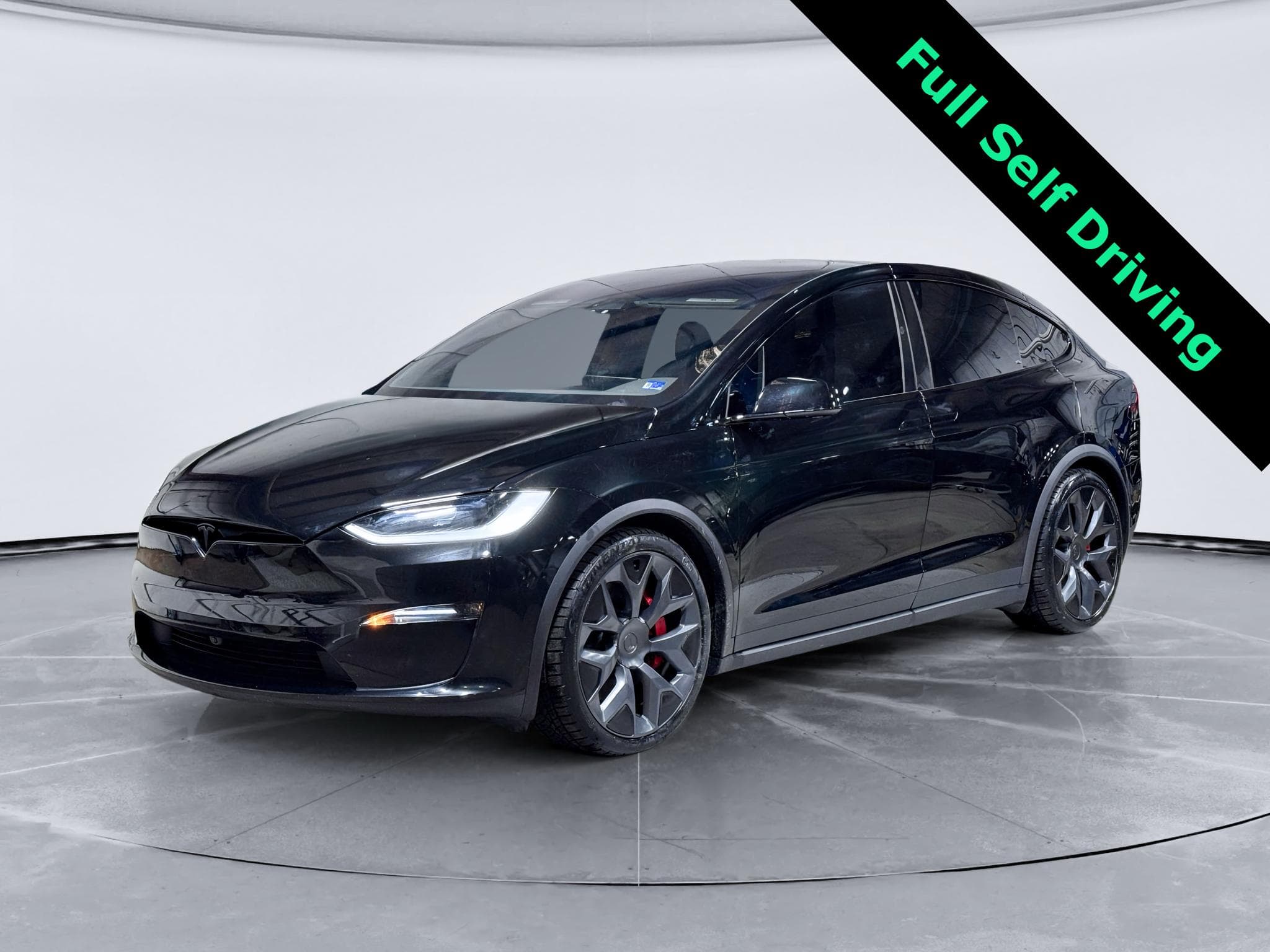
- Coordinate any Full Self-Driving transfer plan before the handoff; do not assume a feature stays with the vehicle or follows your account.
- Complete account removal, access changes, and personal-data cleanup only on the agreed schedule so they do not interfere with inspection or transfer.
- Confirm payment and retain the bill of sale, payoff records, pickup receipt, and other transaction documents.
Coordinate Full Self-Driving timing
When a Tesla has a payoff or a planned software transfer, the cleanest sale is the one where everyone agrees on the order: documents, payment, transfer, and pickup.
Avoid the mistakes that weaken an offer
The biggest mistakes are incomplete disclosures, unrealistic comparisons, and poorly timed account changes. An unreported accident or missing equipment may lead to a revised offer when the car is inspected, even if the omission was accidental. Comparing a wholesale offer with an optimistic retail advertisement also creates a false impression of lost value. Give every buyer the same accurate information so you can compare bids on equal terms.
- Don’t describe repaired damage as “nothing” when the appraisal asks for accident and repair history.
- Don’t assume Full Self-Driving, unlimited Supercharging, or another account-linked benefit transfers with the car.
- Don’t use Recharged retail sold prices as a prediction of your payout.
- Don’t accept a verbal number without reviewing inspection, payment, payoff, and pickup terms.
- Don’t conceal tire, wheel, glass, warning-light, or charging problems that an inspection is likely to find.
- Don’t remove the vehicle from your account or erase access before confirming the buyer’s required handoff sequence.
Every EV is battery-tested with a Recharged Score. Nationwide delivery.
Frequently asked questions
The bottom line
Start by getting a written EV-specialist offer and use it as a real benchmark, not as an obligation to sell. Compare it with Tesla’s trade-in and the realistic net from other routes, then choose based on money, timing, and how much work you want to assume. Accurate disclosures about condition, history, payoff, and digital features are the shortest path to an offer that survives inspection.