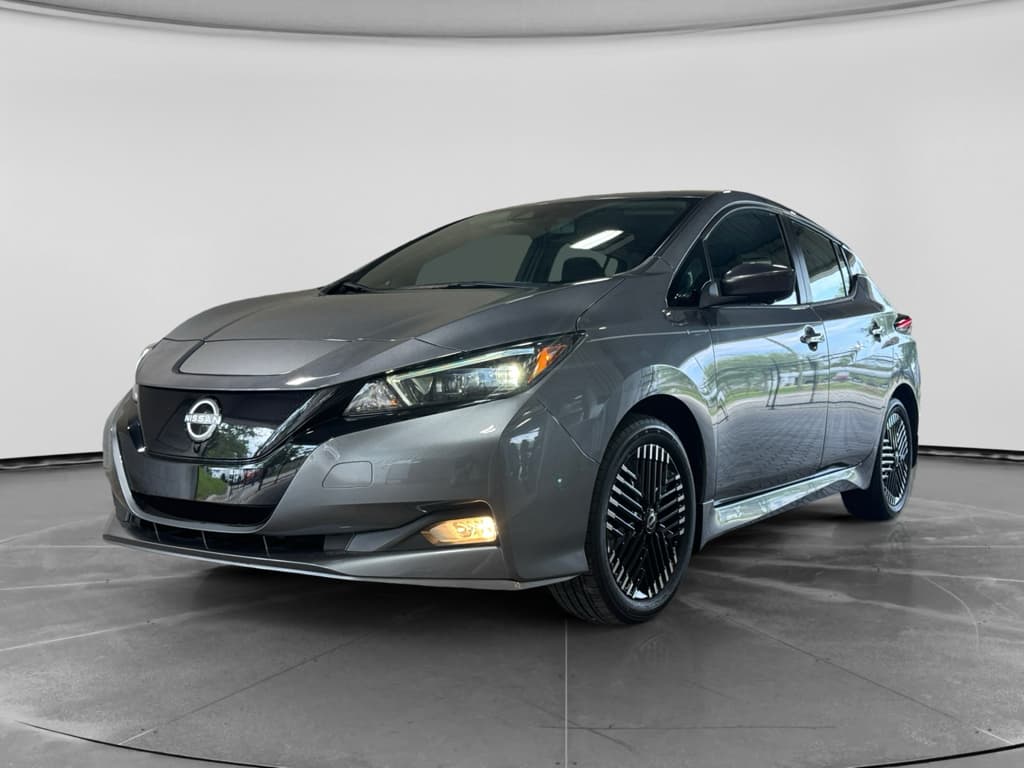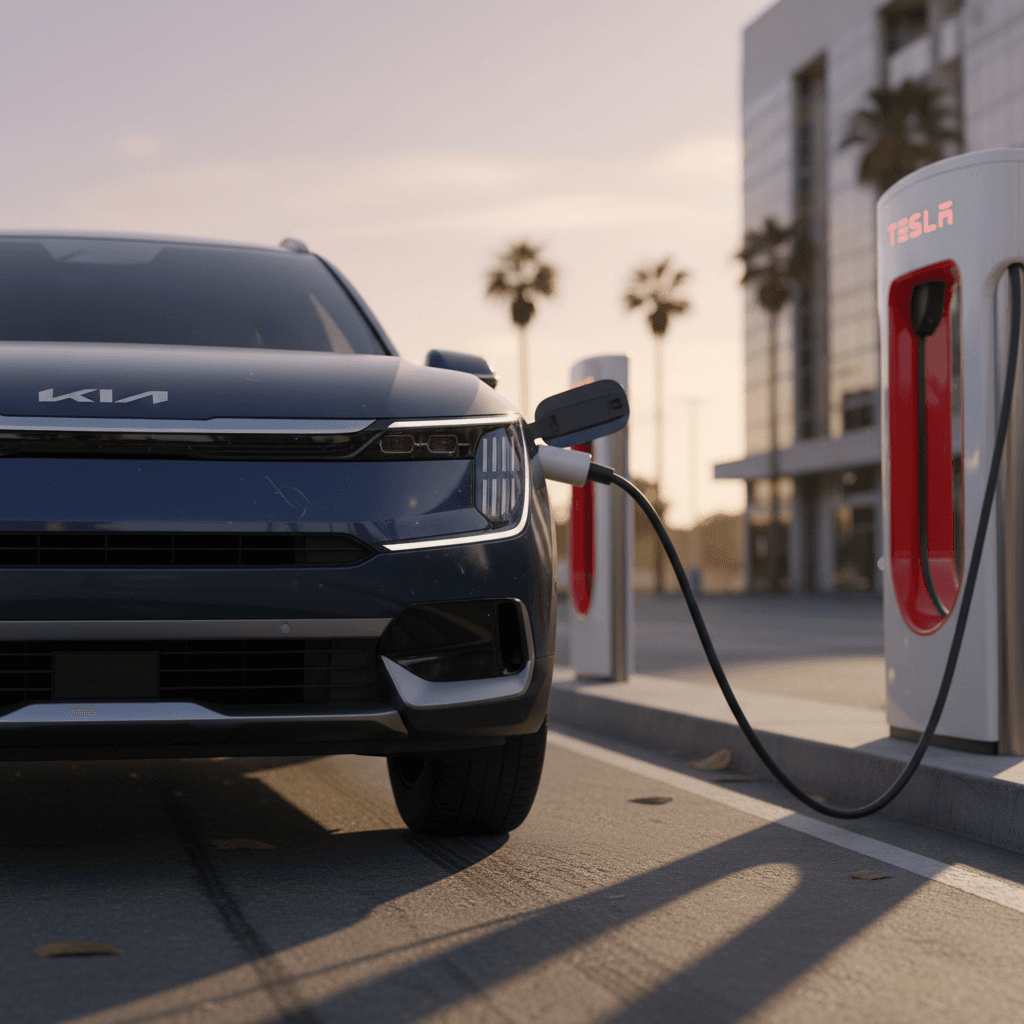
The phrase “CHAdeMO to CCS adapter” is often used for two different directions, which creates avoidable confusion. If your Nissan LEAF has a CHAdeMO inlet and you want to use a North American CCS1 station, the product must accept the station’s CCS1 connector and communicate with the car through CHAdeMO. That requires active electronics, unlike a simple physical plug converter; if you’re still sorting out AC and DC equipment, start with this guide to EV charging levels.
The adapter’s direction is the first thing to check
For a CHAdeMO-equipped car using a CCS1 station, you need an active CCS1-to-CHAdeMO adapter. “Active” means the adapter translates the electronic communication between two different DC fast-charging systems, it doesn’t merely rearrange electrical contacts. Products described only as “CHAdeMO to CCS” may be ambiguously labeled, so confirm which connector goes to the station and which side connects to the vehicle.
Adapter direction cannot be reversed
Your Nissan LEAF charging options
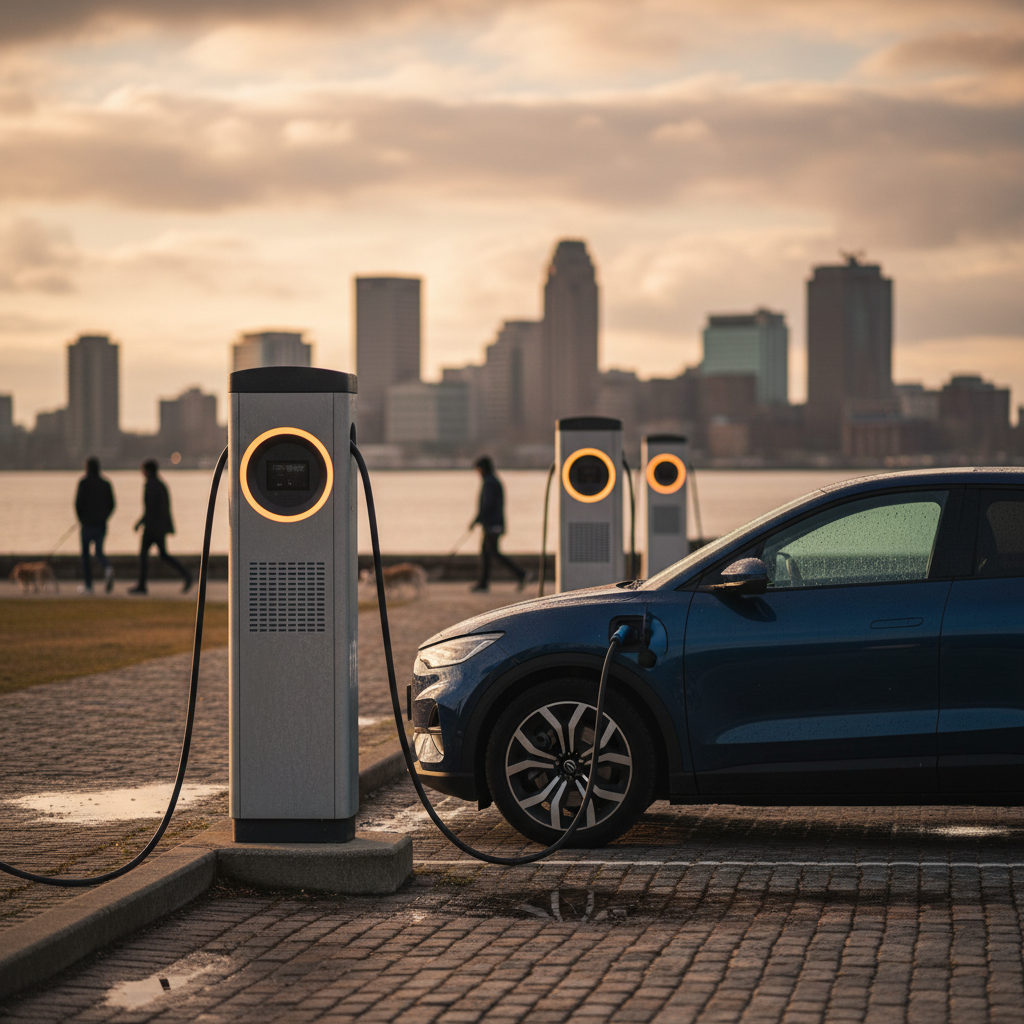
A compatible active adapter can expand your possible DC charging locations, but native CHAdeMO and routine Level 2 charging remain simpler choices. The right mix depends on the stations near your home and regular routes, not merely the connector count shown in a charging app.
Three practical charging paths
Compare connection simplicity with the limits you’ll need to manage.
| Option | Best use | Main benefit | Watch out |
|---|---|---|---|
| Native CHAdeMO station | Road-trip DC charging | Direct vehicle connection | Site availability varies |
| Active CCS1-to-CHAdeMO adapter | Expanding DC access | More station possibilities | Compatibility varies |
| Level 2 AC charging | Home and overnight | Simple routine charging | Not DC fast charging |
Availability and compatibility vary by vehicle and charging site.
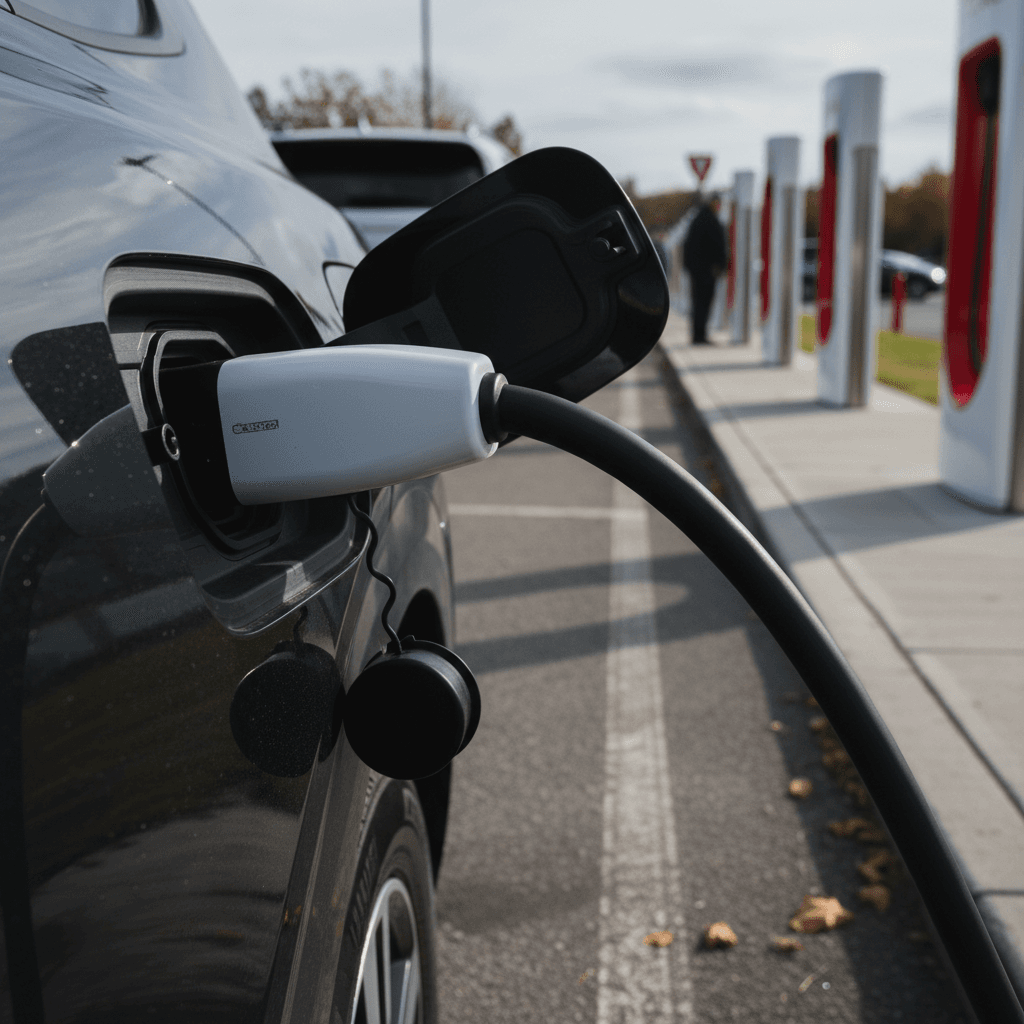
Why isn’t compatibility guaranteed?
Compatibility isn’t guaranteed because the car, active adapter, and charging station must complete the same electronic handshake. Vehicle software, adapter firmware, station hardware, and network rules can all affect whether a session starts and remains stable. An adapter also cannot make the LEAF accept energy faster than the limits imposed by the vehicle, station, battery conditions, or adapter itself.
Verify these points before buying
Correct direction
The CCS1 connector must be the charger side and CHAdeMO the vehicle side.
Exact vehicle support
Look for explicit compatibility with your LEAF’s model year and charging system.
Station compatibility
Check whether the manufacturer identifies supported networks, hardware, or known exceptions.
Firmware and support
Confirm how updates are installed and whether technical support remains available.
Safety documentation
Review operating limits, instructions, warranty coverage, and verifiable safety information.
Return policy
Choose terms that let you test the adapter on the stations you expect to use.
The connector is the easy part. Before relying on an adapter, confirm that the car, adapter firmware, and charger can complete the same handshake, and keep a backup charging plan.
What Recharged’s LEAF data adds to the decision
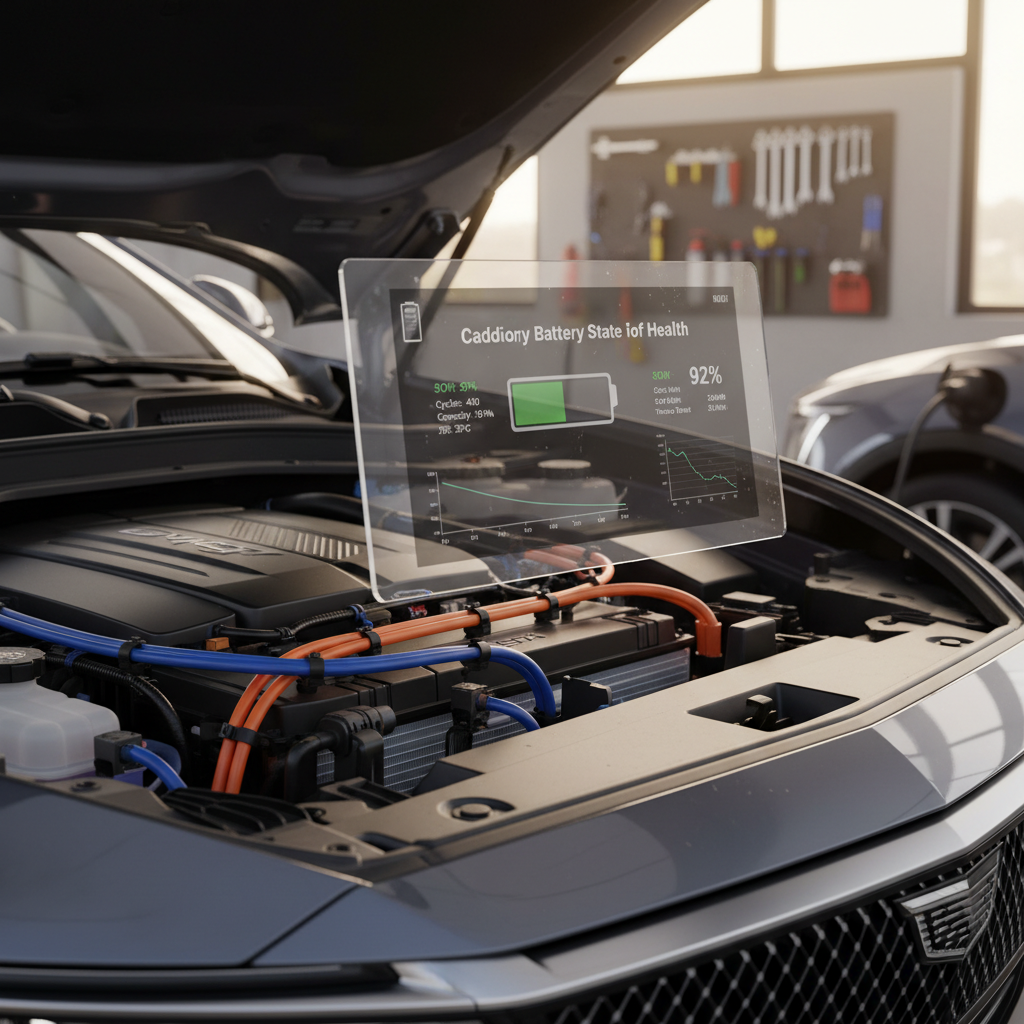
Recharged’s own Nissan LEAF data shows that battery condition and usable range matter more than the port alone. Across 36 Recharged Score inspections, tested remaining battery capacity averaged 90.7% of original capacity, with a median of 91.8%. Tested real-world range averaged 180 miles and had a median of 199 miles, although individual results ranged widely across the inspected vehicles.
Purchase price also affects whether an adapter makes economic sense. Across 22 Nissan LEAFs sold by Recharged during the trailing 12 months, buyers paid a median retail price of $13,849, with final retail prices ranging from $9,996 to $20,998. In the current inventory snapshot, Recharged had seven LEAFs listed from $16,996 to $23,998; evaluate any adapter alongside the car’s verified diagnostics, expected range, warranty terms, and purchase price rather than treating it as a substitute for a thorough used-EV battery check.
Every EV is battery-tested with a Recharged Score. Nationwide delivery.
CHAdeMO-to-CCS adapter FAQ
Recharged data
Used Nissan Leaf battery health
91%
avg remaining capacity
From Recharged battery inspections, not manufacturer estimates.
- Lowest
- 78%
- Median
- 92%
- Highest
- 97%
- Est. range
- 180 mi avg
- Cell balance pass
- 97%
- Quick charges
- 7 avg
- Slow charges
- 93 avg
Average cell imbalance: 12.5 mV
Based on vehicles Recharged tested
Recharged data
Recent Nissan Leaf sold prices
$13,849
median sold price
What buyers actually paid through Recharged, not list price.
- Lowest
- $9,996
- Average
- $14,169
- Highest
- $20,998
Monthly median sold price
Based on Recharged sales in the last 12 months
The bottom line
Treat an active CCS1-to-CHAdeMO adapter as a route-expander, not a universal charging guarantee. Confirm direction, vehicle support, station compatibility, update procedures, safety documentation, and return terms before buying. If you’re shopping for a used LEAF, pair those checks with verified battery health and a realistic assessment of the charging infrastructure on the routes you actually drive.
Instant offer, trade-in, or consignment. Pickup available.