A short list of EVs offered some form of two-way energy use in 2025, but their capabilities weren’t interchangeable. Some could support a properly equipped home, some could run tools and appliances, and others had hardware-dependent potential for grid services. Before shopping, understand the difference among vehicle-to-home, vehicle-to-load, and vehicle-to-grid charging.
The practical bidirectional EV list
The strongest candidates depended on whether you wanted whole-home backup or portable power. The table summarizes the main U.S.-market choices shoppers encountered in 2025, but capability can vary by model year, software, charging equipment, and installation. Treat it as a shortlist, not a substitute for checking the VIN, owner’s manual, and equipment requirements.
Bidirectional-capable EVs to compare
The useful distinction is what the vehicle can power and what additional equipment it needs.
| EV or model family | Primary capability | Required equipment | Used-buyer note |
|---|---|---|---|
| Ford F-150 Lightning | V2H and V2L | Ford home equipment | Confirm included hardware |
| Tesla Cybertruck | V2H and V2L | Powershare equipment | Verify home compatibility |
| Select GM EVs | V2H and V2L | GM Energy system | Check model-year support |
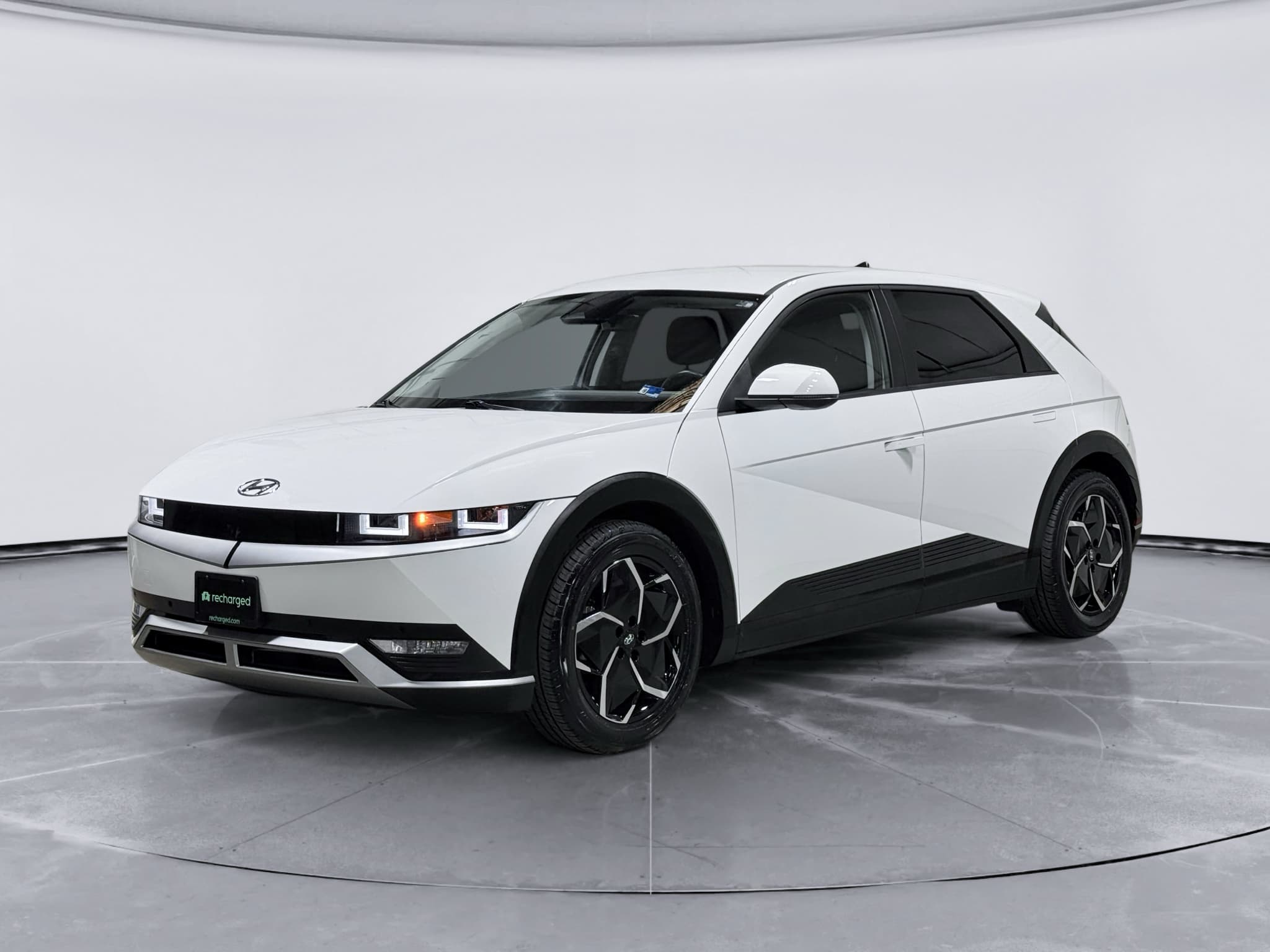
| Hyundai Ioniq 5 and 6 | Primarily V2L | Compatible V2L adapter | Not turnkey V2H |
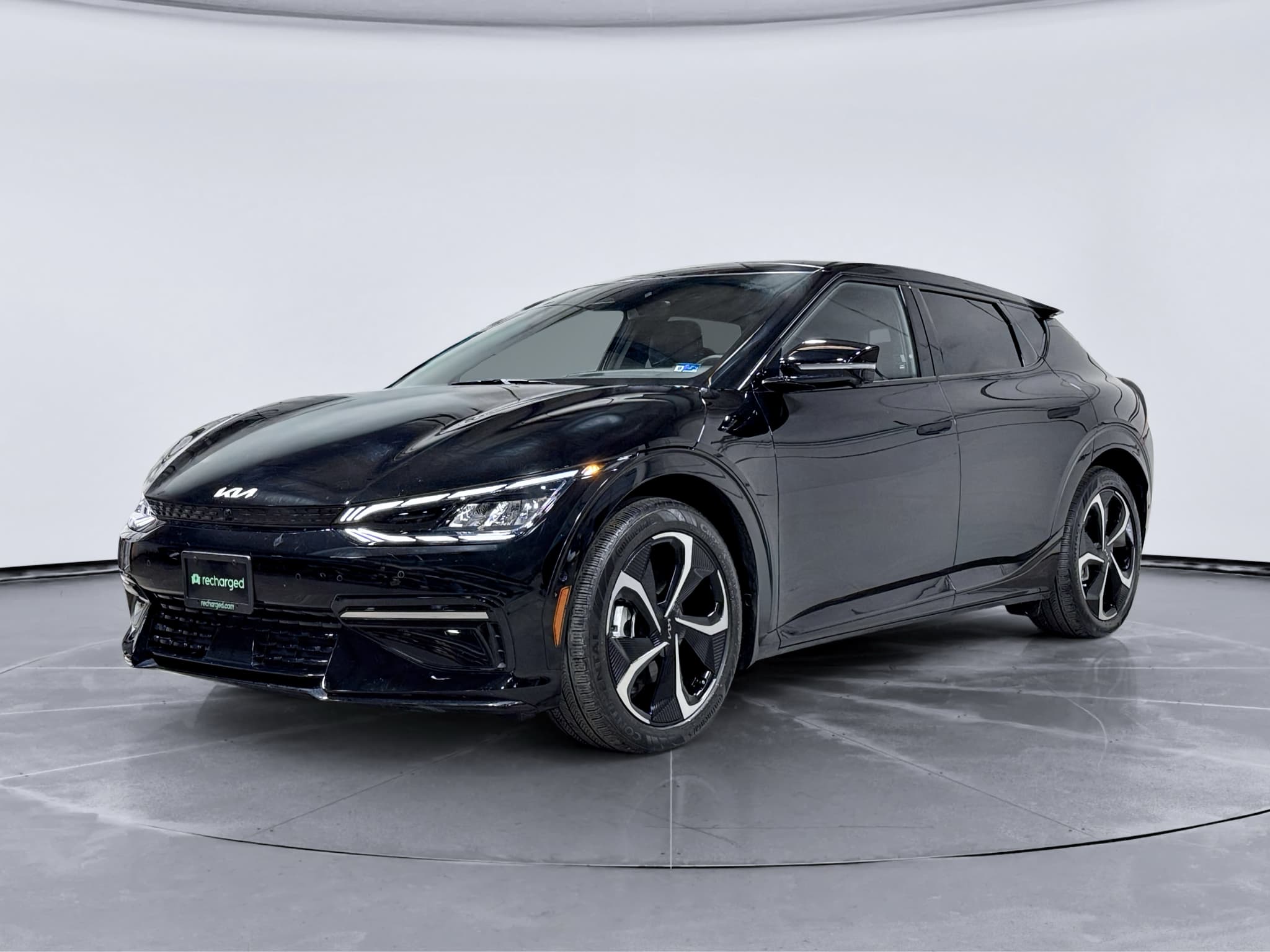
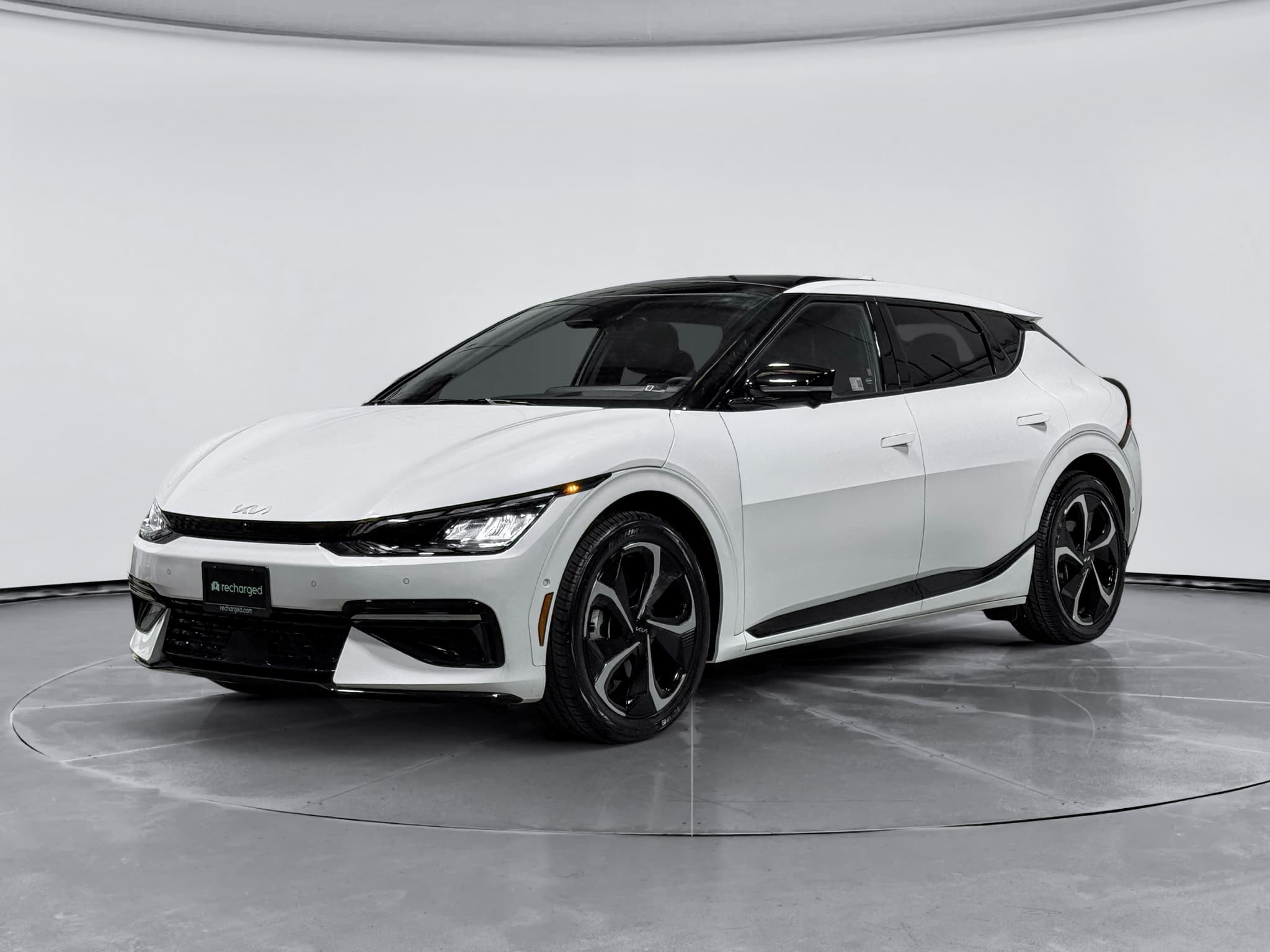
| Kia EV6 and EV9 | Primarily V2L | Compatible V2L adapter | Not turnkey V2H |
| Nissan Leaf | V2H or V2G potential | CHAdeMO-based equipment | U.S. setup can vary |
Capabilities may vary by model year, software, market, and home installation.
V2L is not the same as home backup
The F-150 is a great truck. Our buyers love it. It’s the number-one truck that we sell, especially in the extended-range configuration.
The F-150 Lightning is especially relevant because buyers often want both truck utility and accessible onboard power. Recharged’s team has also highlighted its numerous power connections in the bed, frunk, and cabin. If you’re considering one, use a dedicated used F-150 Lightning buying guide to separate vehicle equipment from the additional components needed for home backup.
Not every bidirectional feature does the same job
Bidirectional charging only means energy can flow out of the battery as well as into it; the destination determines what the feature can do. That distinction matters more than the marketing label, especially when you’re comparing used vehicles from different brands. If the charging terminology is unfamiliar, start with EV charging levels explained before evaluating two-way systems.
- Vehicle-to-load (V2L): The EV powers individual appliances, tools, camping equipment, or other loads through an outlet or adapter.
- Vehicle-to-home (V2H): The EV supplies a compatible home electrical system through dedicated charging, transfer, and energy-management equipment.
- Vehicle-to-grid (V2G): The EV can send energy to the electrical grid when supported by the vehicle, charger, utility, and local program.
- Vehicle-to-vehicle (V2V): One EV transfers energy to another compatible EV, usually as a limited-use charging option rather than a daily routine.
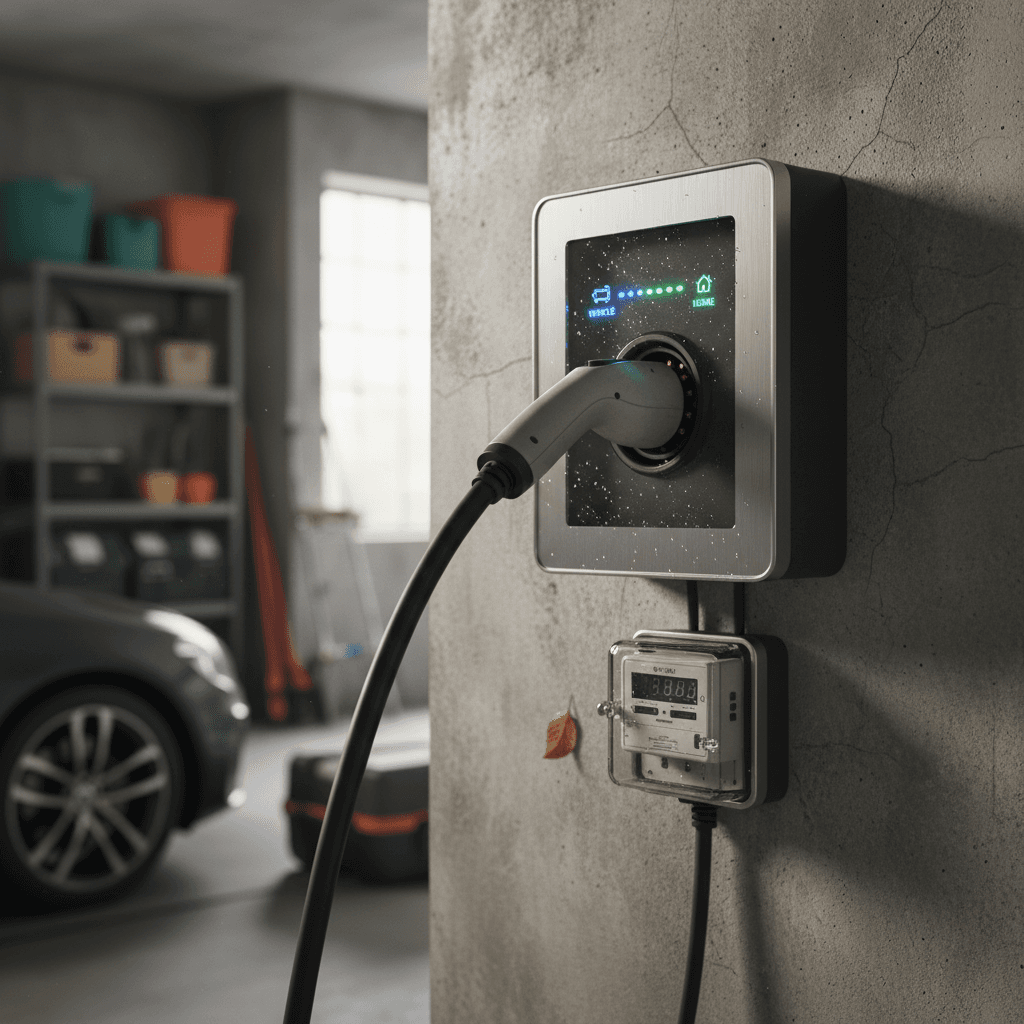
For most shoppers, V2L is the simplest feature because it can work through a supported outlet or adapter. V2H is more involved: you may need a compatible bidirectional charger, inverter, transfer equipment, electrical-panel work, permits, and utility approval. A conventional Level 2 charger cannot automatically become a bidirectional home-backup system; see the home EV charging guide for the basics of residential installations.
Recharged data
Used EV battery health
94%
avg remaining capacity
From Recharged battery inspections, not manufacturer estimates.
- Lowest
- 63%
- Median
- 95%
- Highest
- 100%
- Est. range
- 266 mi avg
- Cell balance pass
- 100%
- Quick charges
- 18 avg
- Slow charges
- 65 avg
Average cell imbalance: 7.3 mV
Based on vehicles Recharged tested
Recharged data
Used EV prices at Recharged
$30,997
median list price
Current list prices for matching inventory at Recharged.
- Lowest
- $12,996
- Average
- $34,803
- Highest
- $146,998
Average Recharged Score on these listings
4.8 / 5
Range
3.7 – 5.0
Based on available listings
Every EV is battery-tested with a Recharged Score. Nationwide delivery.
Battery condition still matters
Battery condition should carry as much weight as the bidirectional feature when you buy used. Across 2,242 Recharged Score battery inspections, tested remaining capacity averaged 93.9% of original capacity, with a median of 94.9%; median tested real-world range was 268 miles. These are fleetwide results rather than measurements limited to bidirectional models, but they show why a verified battery test is more useful than judging an EV by mileage alone.
Recharged also had 417 EVs listed when the current market snapshot was taken, with a median asking price of $30,997 and listings ranging from $12,996 to $146,998. That fleetwide range shows how widely used-EV budgets can vary, but price doesn’t confirm two-way charging support. The practical takeaway is to compare battery health, exact capability, and required hardware together rather than paying extra for a feature you can’t activate.
What should you verify on a used EV?
You should verify the exact vehicle and the external energy system separately before signing. A listing may accurately say an EV has onboard power while omitting that whole-home backup needs equipment that isn’t included with the vehicle. Use a battery report, equipment inspection, and written confirmation of compatibility to avoid that mismatch.
Used bidirectional EV checklist
Confirm the model year
Support can change between model years even when the model name and exterior look similar.
Check the VIN and software
Ask the manufacturer or an EV specialist to confirm the vehicle’s enabled charging and power-export functions.
Separate V2L from V2H
Determine whether the EV runs individual devices or can connect safely to a home electrical panel.
Inventory the accessories
Check for adapters, cables, mobile connectors, and any vehicle-specific discharge equipment.
Price the home hardware
Get an electrician’s quote for the charger, transfer equipment, panel work, permits, and installation.
Test battery health
Review verified remaining capacity and tested range rather than relying only on odometer mileage.
With a used bidirectional EV, the vehicle is only half the system. Confirm the battery, software, adapter or charger, and home installation before assuming the feature will work for your use case.
A Recharged Score Report addresses the battery side by documenting tested health and range. You should still confirm stationary hardware with the automaker, equipment provider, utility, and a qualified electrician. For a deeper look at diagnostics, read how to check used-EV battery health.
Instant offer, trade-in, or consignment. Pickup available.
Bidirectional charging FAQ
The bottom line
The best choice depends on whether you need portable appliance power or integrated home backup. Start with the F-150 Lightning, Cybertruck, and compatible GM EVs for V2H research; consider Hyundai and Kia models when practical V2L power is enough. On any used EV, confirm the exact vehicle configuration, verified battery health, included accessories, and total home-installation cost before you buy.