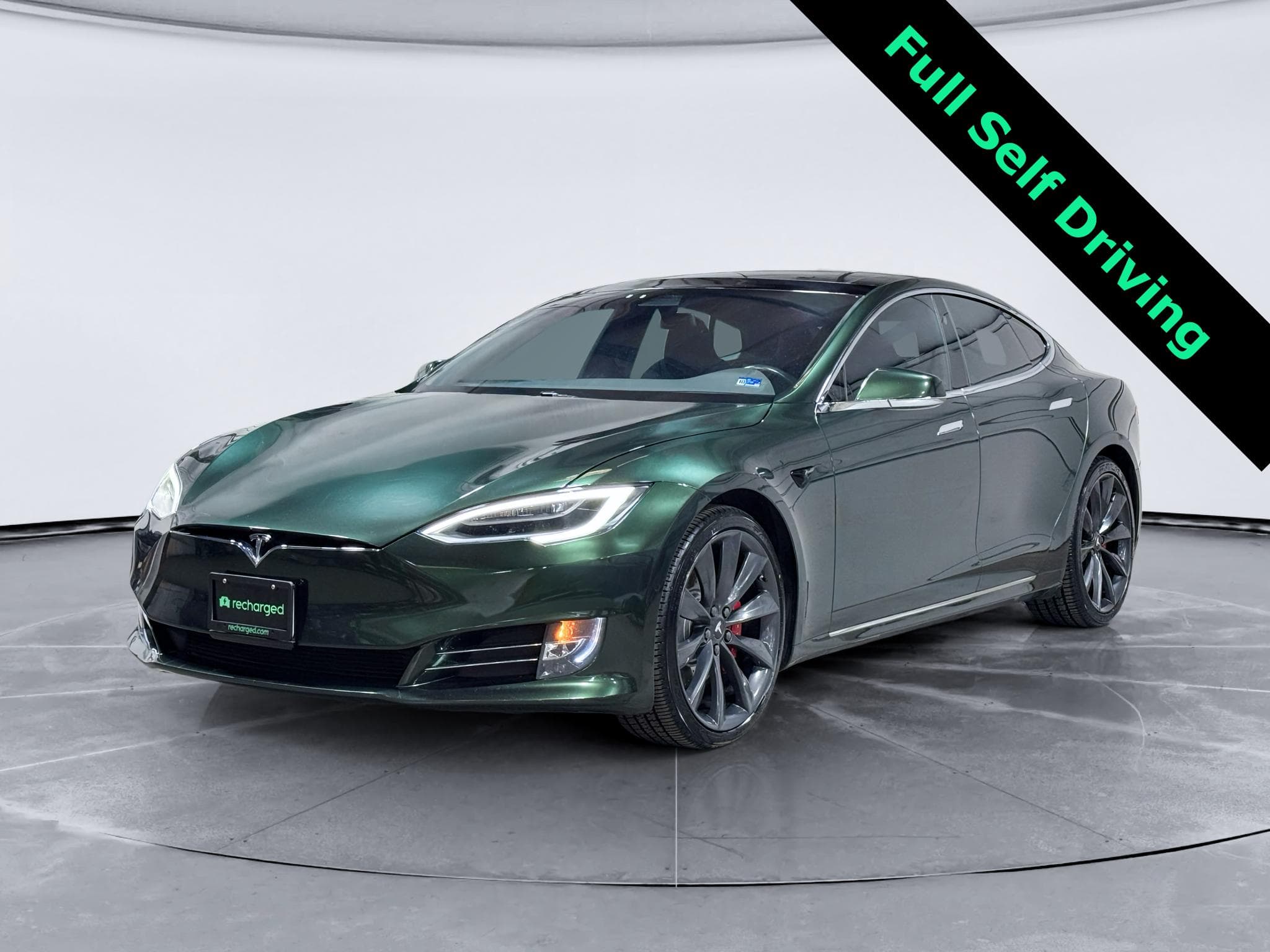
A loan doesn’t prevent you from selling your EV, but the lender’s lien must be resolved before ownership can transfer cleanly. Your first move is to request a payoff quote, which may differ from the balance shown in your account because it can include interest or lender fees through a specified date. Then compare that payoff with a written purchase offer, not an estimated retail value, to determine whether you have positive or negative equity. A dealer or EV specialist can usually coordinate this process directly with the lender.
How a financed EV sale works
The sale works by paying the lender first and directing any remaining equity to you. With an EV specialist such as Recharged, the payoff can be sent directly to your lender so the title or lien release goes to the appropriate buyer, while your positive-equity proceeds are paid separately. A private sale can follow the same basic structure, but you and the buyer must coordinate the payoff and title transfer with the lender. Procedures vary because some lenders and states use electronic titles while others use paper documents.
- Ask your lender for a dated payoff quote and payoff instructions.
- Get a firm purchase offer based on the EV’s actual condition, mileage, history, equipment, and battery health.
- Subtract the payoff from the offer to identify positive or negative equity.
- Choose a closing method that sends the required funds directly to the lender.
- Confirm how the lien release or title will reach the buyer.
- Remove your personal data, keys, connected accounts, and charging accessories before handoff.
For a financed EV, the cleanest closing is to verify the payoff with the lender, send that payoff directly, and pay the seller any remaining positive equity. That keeps the money and title moving through the correct channels.
Positive and negative equity determine your next move
If the offer exceeds your payoff, you have positive equity and receive the difference after the loan is satisfied. If the offer is lower, you have negative equity and must make up the shortfall before the lender will release its claim on the vehicle. You may be able to pay that amount from your own funds or, when replacing the EV, request approval to include it in a new loan. Rolling the shortfall into another loan makes the replacement more expensive and can leave you starting the next ownership cycle with additional negative equity.
Use the payoff quote, not the account balance
Where should you sell a financed EV?
The best selling route depends on whether you value a coordinated payoff, maximum possible gross price, or a one-transaction trade. Compare firm offers on the same day when possible, and evaluate the amount you will actually keep after the lender is paid. For more preparation guidance, see how to sell an electric car and the factors that affect EV trade-in value.
Ways to sell an EV that still has a loan
Compare the closing process as well as the offer amount.
| Selling route | Best for | Typical speed | Main trade-off |
|---|---|---|---|
| Recharged | EV-specific support | Fast to medium (days to weeks) | Offer below retail |
| Other dealer | Simple local transaction | Often fast | EV expertise varies |
| Trade-in | Buying a replacement | Often fast | Compare entire deal |
| Private buyer | Potentially higher gross | Variable | Harder payoff coordination |
Availability and timing depend on the lender, title system, vehicle condition, and chosen sale method.
What Recharged market data shows
Recharged’s own data shows active interest on both sides of the used-EV market. In its latest fleet snapshot, Recharged recorded 5,854 seller offer requests. Across 1,796 EVs sold at retail over the trailing 12 months, buyers paid a median of $27,297 and an average of $29,901.
Those retail figures are market evidence, not an estimate of what you will receive for your EV. A Recharged offer or trade-in amount lands below retail, typically by several thousand dollars, because the retail price also has to account for inspection, diagnostics, reconditioning, sales operations, and resale risk. Your model, mileage, history, condition, battery health, options, location, and lender payoff ultimately determine whether a particular offer leaves you with positive or negative equity.
Recharged data
Selling to Recharged
We're actively buying EVs
Final purchase amounts are set after inspection and review.
Based on Recharged purchase offers
Recharged data
Recent EV sold prices
$27,297
median sold price
What buyers actually paid through Recharged, not list price.
- Lowest
- $500
- Average
- $29,901
- Highest
- $129,998
Monthly median sold price
Based on Recharged sales in the last 12 months
Instant offer, trade-in, or consignment. Pickup available.
Get the documents and payoff details ready
A complete lender and vehicle file helps prevent avoidable closing delays. Ask the buyer exactly which documents it needs before arranging pickup or delivery, especially if the registration names more than one owner. If you’re unsure what affects the offer, review what your electric car is worth before accepting a price. Never hand over the EV based only on a payment screenshot or an unverified promise that someone will pay the lender later.
Financed-EV sale checklist
Current payoff quote
Request the exact payoff amount, expiration date, account reference, and payment instructions.
Lender contact details
Use contact information from your statement, lender portal, or official website, not details supplied by an unknown buyer.
Registration and identification
Make sure the registered owners and required identification match the lender and title records.
Firm written offer
Confirm the price, inspection conditions, pickup terms, and whether the buyer handles the payoff.
Equity plan
Know whether you will receive money or must provide funds to cover a shortfall.
EV accessories
Collect all keys, mobile charging equipment, adapters, cargo covers, and other items included in the deal.
Protect your personal and vehicle data before handoff
You should disconnect accounts and erase personal data only after saving anything you need and confirming the sale. EVs can retain home and work addresses, navigation history, garage information, Bluetooth devices, driver profiles, and app access. For a Tesla, the Recharged team recommends completing a factory reset and then using the Tesla app to remove the vehicle or transfer ownership; simply deleting the phone app isn’t enough. Follow the manufacturer’s instructions for other brands, and use a pre-sale EV preparation checklist before releasing the keys.
We regularly see Teslas arrive with the previous owner’s information still connected. A factory reset plus removal from the owner’s Tesla account helps protect saved addresses, navigation history, paired phones, and other personal information.
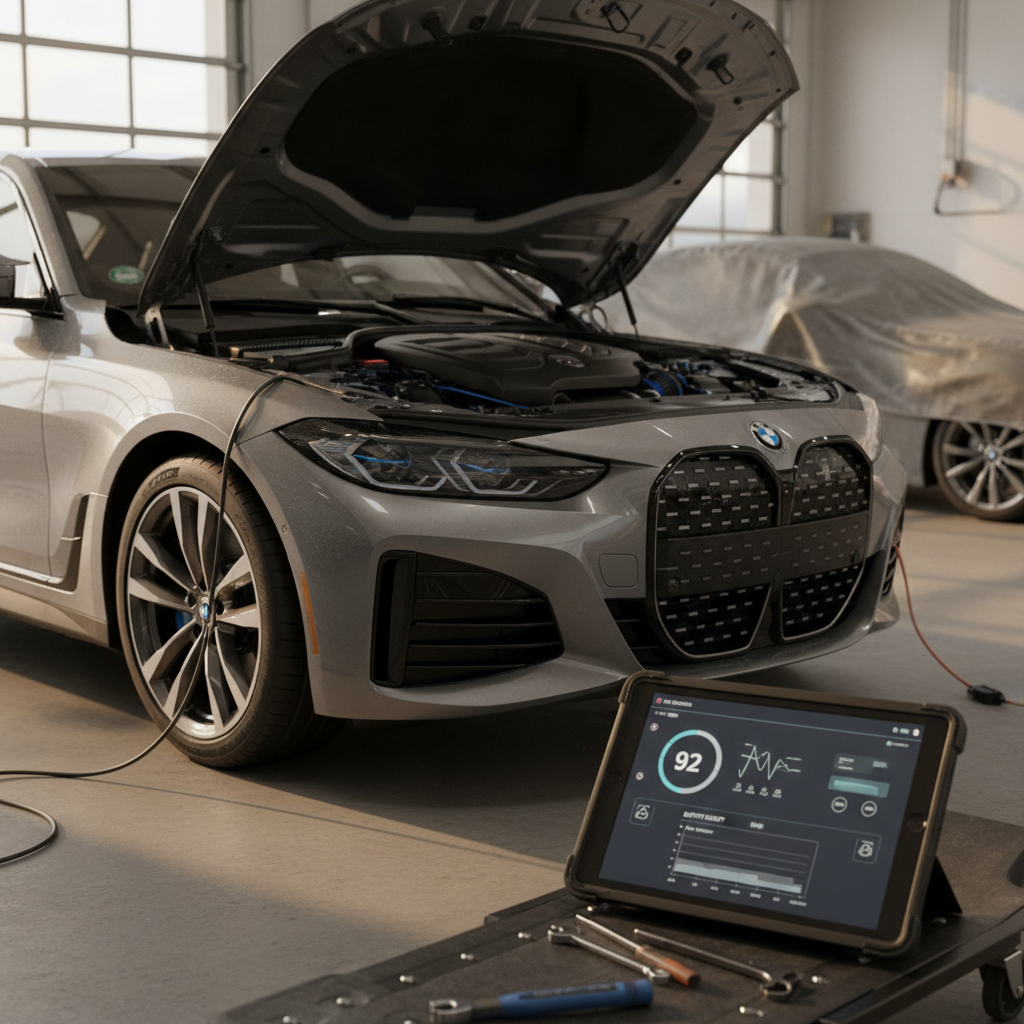
Every EV is battery-tested with a Recharged Score. Nationwide delivery.
Frequently asked questions about selling a financed EV
The bottom line
You can sell a financed EV as long as the lender is paid and the lien is handled correctly. Start with a dated payoff quote, compare it with a firm offer, and decide how you will receive positive equity or cover a shortfall. An EV-focused buyer can simplify lender communication, title routing, pickup, and payment, but you should still review every figure and closing instruction before handing over the vehicle.