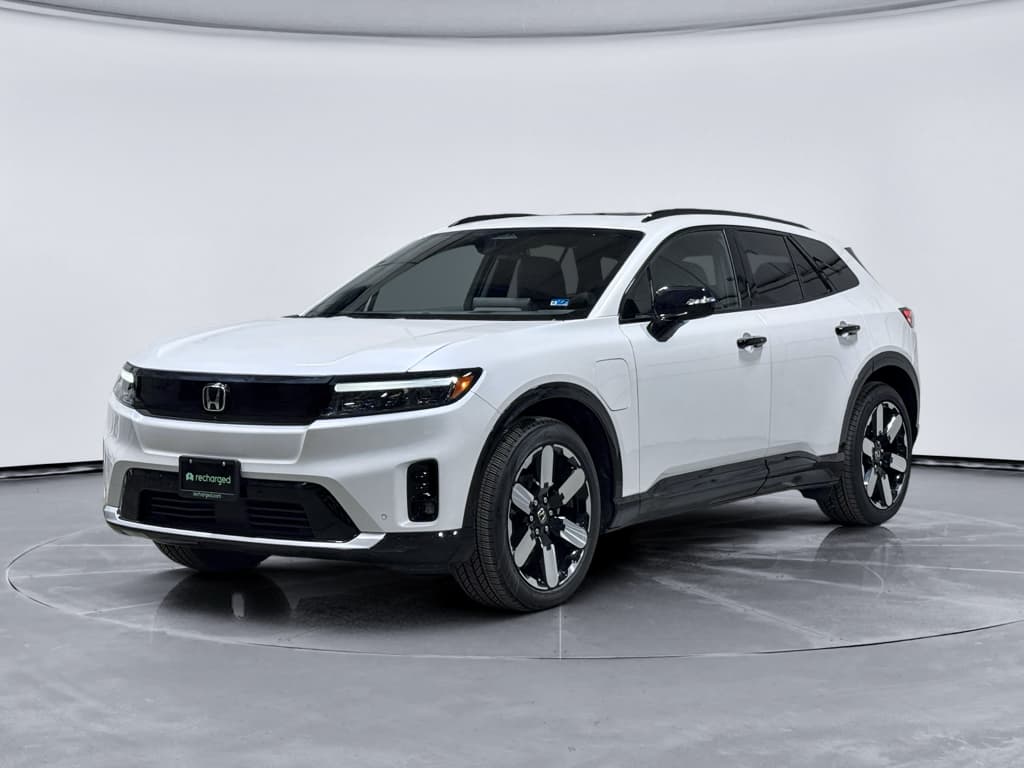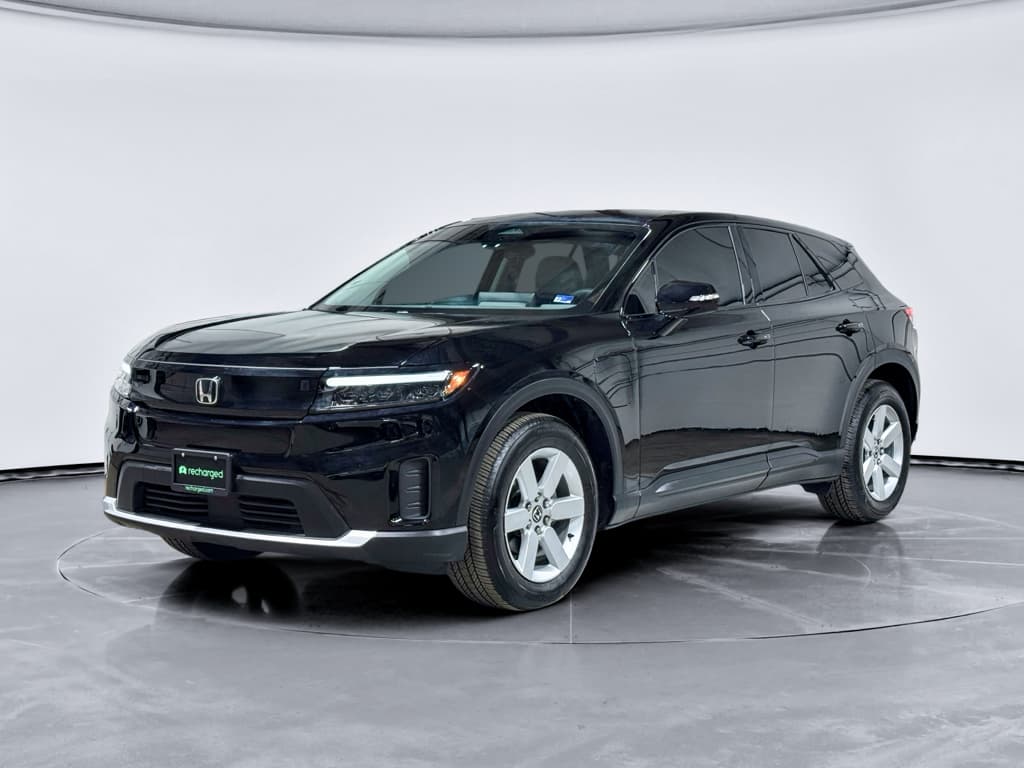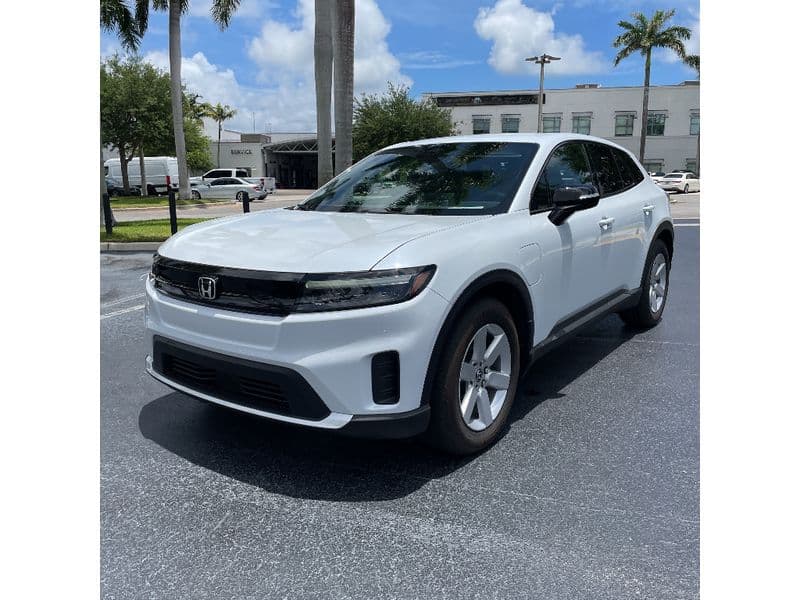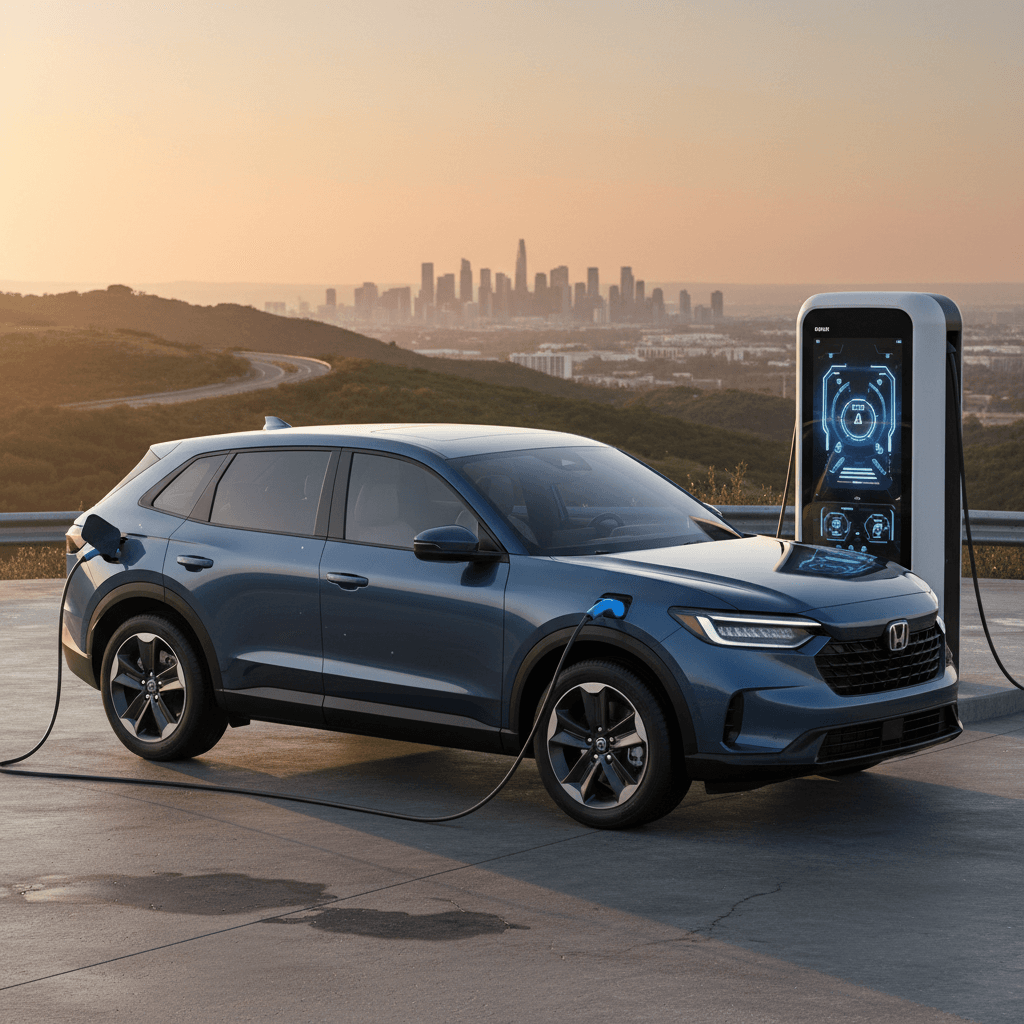
The 2026 Honda Prologue sits at an interesting crossroads: it’s Honda’s first mainstream long‑range EV, built on GM’s Ultium platform, and now significantly cheaper than when it launched. If you’re searching for a 2026 Honda Prologue buying guide, you’re probably wondering whether this midsize electric SUV is a smart bet versus a Tesla Model Y, Hyundai Ioniq 5, or even a used EV with some early depreciation already baked in.
Context: 2026 price cuts change the story
Should you buy the 2026 Honda Prologue?
Who the Prologue fits well
- You want a comfortable, quiet, traditional‑feeling SUV that just happens to be electric.
- You value Honda familiarity and dealer network more than cutting‑edge performance.
- You mostly charge at home and only fast‑charge on road trips a few times a year.
- You’d like a long wheelbase and roomy cabin, but don’t need huge cargo volume.
Who should look elsewhere
- You prioritize fast DC charging and use road‑trip fast chargers weekly.
- You want the lowest possible operating cost and a bulletproof fast‑charging network (think Tesla).
- You care more about cargo volume than rear‑seat comfort.
- You’re sensitive to depreciation and may be better served by a used Prologue value play instead.
Big‑picture take
2026 Honda Prologue at a glance
2026 Honda Prologue key numbers
Trims, pricing, and standard equipment
By 2026, Honda has simplified the Prologue lineup into three main trims, EX, Touring, and Elite, mirroring Honda’s usual gas‑SUV strategy. All ride on the same Ultium battery pack, but powertrain and equipment differ, and a 2026 price cut reshuffled the value equation.
2026 Honda Prologue trims overview
Approximate 2026 starting MSRPs (including destination) and highlight features. Always confirm current offers in your ZIP, since incentives and dealer discounts move quickly.
| Trim | Drive | Est. starting MSRP* | EPA range (mi) | Highlights |
|---|---|---|---|---|
| EX | Single‑motor FWD | Low $40,000s | ≈308 | Cloth seats, 19" wheels, Google built‑in, Honda Sensing, strong value spec. |
| Touring | Single‑motor FWD (AWD optional) | Mid $40,000s | ≈308 FWD / slightly lower AWD | Leather‑trimmed interior, Bose audio, more comfort features. |
| Elite | Dual‑motor AWD | Low–mid $50,000s | ≈283 | Standard AWD, 21" wheels, ventilated fronts, most luxury and tech. |
Use this as a directional guide; local pricing and equipment can vary.
Wheel size vs. range
- Every trim gets the same ~85 kWh usable battery on GM’s Ultium platform.
- EX and Touring can be had as front‑wheel drive, with dual‑motor AWD available on at least some configurations; Elite is AWD‑only.
- All Prologues come with Google built‑in (Maps, Assistant, Play), a large central touchscreen, and Honda Sensing active‑safety tech.
Range, battery, and real‑world efficiency
Underneath the Honda‑styled bodywork, the Prologue uses GM’s Ultium hardware: an ~85 kWh lithium‑ion pack on a ~400‑volt architecture and permanent‑magnet motors. That gives it competitive range on paper, but like all EVs, real‑world results depend heavily on how you drive and where you live.
What actually determines your Prologue’s range
EPA numbers are a starting point, not a guarantee.
Climate and seasons
Speed and terrain
Charging habits
How the Prologue’s efficiency compares
Charging: home setup and road‑trip realities
Charging is where a lot of EV ownership either shines or disappoints, and the 2026 Prologue is no exception. On paper, it supports up to roughly 11.5 kW AC charging and around 150 kW peak DC fast charging. In practice, the experience split is simple: home Level 2 is excellent, DC fast charging is merely okay.
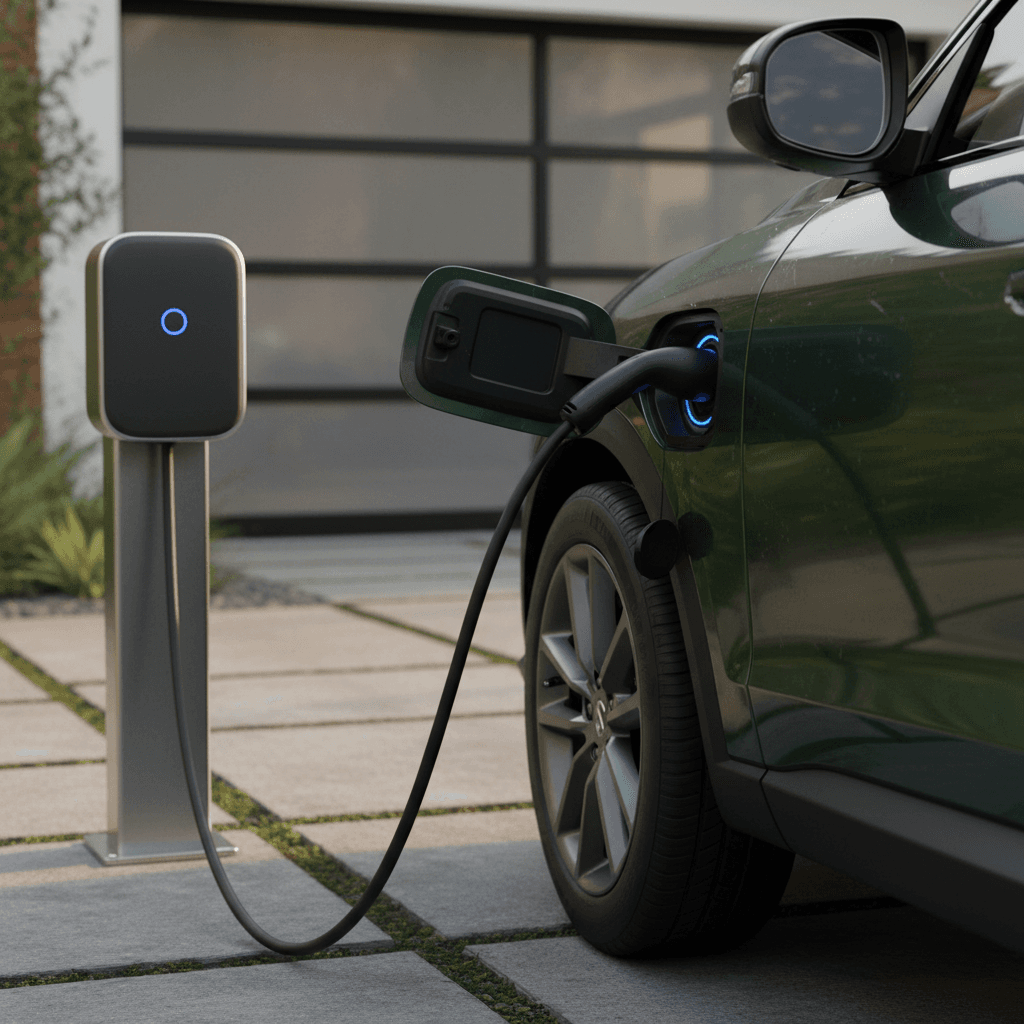
Home charging (Level 2)
- Onboard charger around 11.5 kW, translating to roughly 30–35 miles of range per hour on a 48‑amp Level 2 unit.
- Overnight full charge from 10–80% is straightforward, even on a typical 40‑ or 48‑amp home charger.
- If you can install 240 V at home, the Prologue is an easy daily‑driver EV.
Recharged can help you pair a used Prologue with the right home charging setup, and our articles on home EV charger installation cover what to know about panel capacity, permit timelines, and contractor quotes.
DC fast charging (road trips)
- Ultium pack is limited to about 150–155 kW peak, and it doesn’t hold that peak very long.
- On a strong 350 kW charger, budget roughly 30–35 minutes for a 20–80% session when conditions are ideal.
- Real‑world owner reports show significant variance depending on station quality, temperature, and whether you precondition the battery.
Fast charging works, but if your life is built around weekly 300‑mile runs, something like a Tesla or an 800‑V Hyundai/Kia product will feel less frustrating.
Road‑trip charging tips for Prologue owners
Don’t rely on fast charging as your primary fuel
Tech, safety, and driving experience
If you’re coming from a CR‑V or Pilot, the Prologue will feel both familiar and more modern. The steering and ride skew comfort‑oriented rather than sporty, noise levels are low, and the cabin layout is straightforward compared with some touch‑only EV competitors.
What it’s like to live with a Prologue
Strengths and compromises from the driver’s seat.
Google built‑in
Honda Sensing
Space and comfort
“Think of Prologue as a Honda‑grade interpretation of GM’s Ultium toolkit: comfortable, straightforward, and conservative rather than bleeding‑edge. That will appeal to a lot of buyers burned out on app‑first, beta‑forever car experiences.”
How the 2026 Prologue compares to rivals
Shopping a Prologue in 2026 inevitably means cross‑shopping Tesla, Hyundai/Kia, and maybe Volkswagen. Each takes a different approach to the midsize electric SUV problem.
Prologue vs key EV SUV rivals (high‑level)
How the Honda Prologue stacks up conceptually against popular EV SUVs. Exact specs vary by trim and model year, but these are the broad trade‑offs.
| Model | Strengths | Weak spots for 2026 buyer |
|---|---|---|
| Honda Prologue | Comfortable, familiar cabin; Honda brand and dealer network; competitive range; now‑lower pricing. | Average DC fast‑charging curve; cargo volume not best‑in‑class; early depreciation still higher than typical Honda gas SUVs. |
| Tesla Model Y | Excellent fast‑charging ecosystem; strong efficiency; constant software updates; huge 3rd‑party accessory ecosystem. | Spartan interior feel; ride quality and noise; service experiences vary, especially away from metro areas. |
| Hyundai Ioniq 5 / Kia EV6 | Very fast 800‑V DC charging; distinctive design; solid range; good tech for the money. | Dealer markups in some markets; rear visibility and headroom trade‑offs; some owners report infotainment quirks. |
| VW ID.4 | Often aggressively discounted; comfortable ride; decent cargo space. | Charging reliability tied closely to public networks; software and UI have been a mixed bag in earlier years. |
If you live on DC fast charging or obsess over cargo volume, the Prologue is not the segment benchmark, but for comfort‑first commuting with home charging, it holds its own.
When the Prologue is the right call
Ownership costs and resale value
Honda’s gas SUVs are famous for holding value; the Prologue has not followed that playbook, at least not yet. Early model years took a big depreciation hit, in part because pricing started high and early adopters bore the risk on a brand‑new EV program.
Energy and maintenance costs
- Electricity is usually cheaper per mile than gas, especially if you can charge off‑peak at home.
- No oil changes, fewer moving parts, and regenerative braking typically mean lower routine maintenance than a comparable gas SUV.
- You’ll still have tires, cabin filters, brake fluid, and software‑driven service campaigns to think about, this is not a zero‑maintenance appliance.
Depreciation reality check
- Guides show first‑generation Prologues losing 55–60% of value in roughly two years from original MSRP, reflecting both EV market volatility and initial pricing.
- Five‑year depreciation models for new Prologues still suggest much steeper value loss than a CR‑V or Pilot, though price cuts help.
- That’s bad news if you buy new and trade often, but very good news if you’re shopping used Prologues thoughtfully.
Recharged tracks real transaction data and publishes a Honda Prologue depreciation curve so you can see where you’re stepping into the cycle rather than guessing.
Lease vs. buy
New vs. used Honda Prologue: which makes more sense?
The 2026 Prologue is objectively a better deal than the same vehicle would’ve been in 2024 or early 2025: you’re getting largely the same hardware for thousands less. But because early used Prologues have already fallen hard in value, the most rational move for many buyers will be to compare a discounted new 2026 to a lightly used 2024–2025 example.
Why buy a new 2026 Prologue
- Full factory warranty start date and the latest software from day one.
- Potential access to new incentive structures or regional EV rebates.
- Clean slate on battery usage history, you’re not inheriting an unknown fast‑charging profile.
- Ability to spec exactly the trim, color, and options you want.
Why a used Prologue may be smarter
- Someone else has already eaten 30–50%+ of the initial depreciation, depending on model year and miles.
- You can cross‑shop multiple trims and model years for the same or less than a bare‑bones new EX.
- With the right diagnostics (like the Recharged Score), you can verify battery health and charging behavior instead of guessing.
Recharged specializes in used EVs. Every Prologue we list comes with a Recharged Score battery diagnostic, transparent range and charging expectations, and expert help on financing, trade‑ins, and nationwide delivery.
How to shop for a Prologue: smart checklist
2026 Honda Prologue buyer checklist
1. Be honest about your charging reality
Can you install or access reliable Level 2 charging at home or work? If not, think twice, or at least recognize that the Prologue’s middling DC fast‑charging curve will shape your experience.
2. Decide how much range you actually need
If your daily driving is under 60 miles, any Prologue trim has range to spare. For frequent 200+ mile drives, favor FWD trims on 19‑inch wheels and factor in winter penalties.
3. Test the driving position and cabin
Seat shape, visibility, and rear‑seat comfort are subjective. Spend real time in the driver’s seat and second row, and bring anyone who’ll ride with you regularly.
4. Compare total cost of ownership, not just price
Look beyond the monthly payment. Include electricity vs. gas, home charging install costs, insurance, and projected depreciation using tools like Recharged’s Prologue depreciation analysis.
5. Cross‑shop used with battery health data
A well‑priced used Prologue with a strong Recharged Score battery report can deliver nearly the same experience as new for thousands less. Don’t skip the diagnostics; EV batteries are too expensive to guess about.
6. Plan your exit strategy
If you tend to swap cars every 2–3 years, leasing or buying used can reduce your downside. If you hold vehicles 8–10 years, prioritize battery health, warranty coverage, and conservative charging habits.
Frequently asked questions about the 2026 Honda Prologue
2026 Honda Prologue FAQ
Bottom line: is the 2026 Prologue right for you?
The 2026 Honda Prologue is not the flashiest or quickest EV SUV, and its fast‑charging story is merely adequate. But with meaningful price cuts, solid range, a calm and familiar driving experience, and Honda’s dealer footprint behind it, it finally lands where it arguably should have started: as a rational, approachable EV for households that can charge at home.
If you want an appliance‑simple daily driver, don’t mind trading some charging speed for comfort and familiarity, and are prepared to own through the early, steeper part of EV depreciation, a new 2026 Prologue, especially in EX or Touring FWD form, can make sense. If you’re more value‑driven or range‑anxious about battery longevity, a used Prologue with a strong Recharged Score and transparent pricing may be the smarter hedge.
Either way, the key is to buy with eyes open: understand your charging reality, know how long you plan to keep the vehicle, and insist on data about the battery rather than just paint color and monthly payment. That’s where Recharged can tilt the odds in your favor, whether you end up in a Prologue or a different EV that better fits your life.