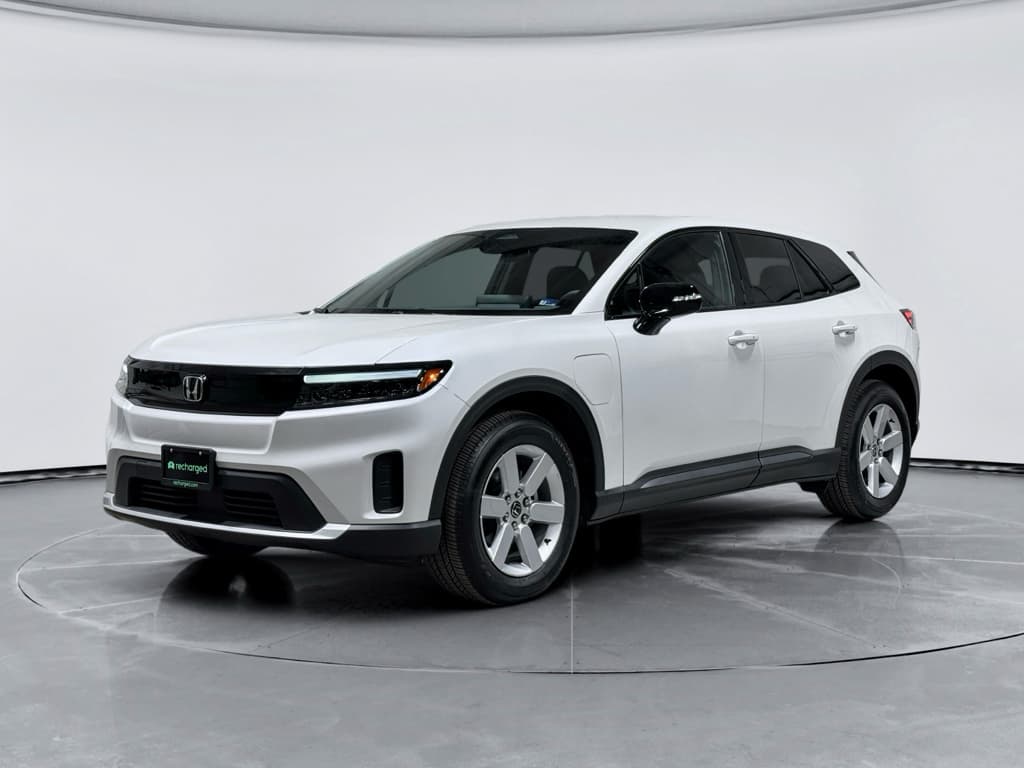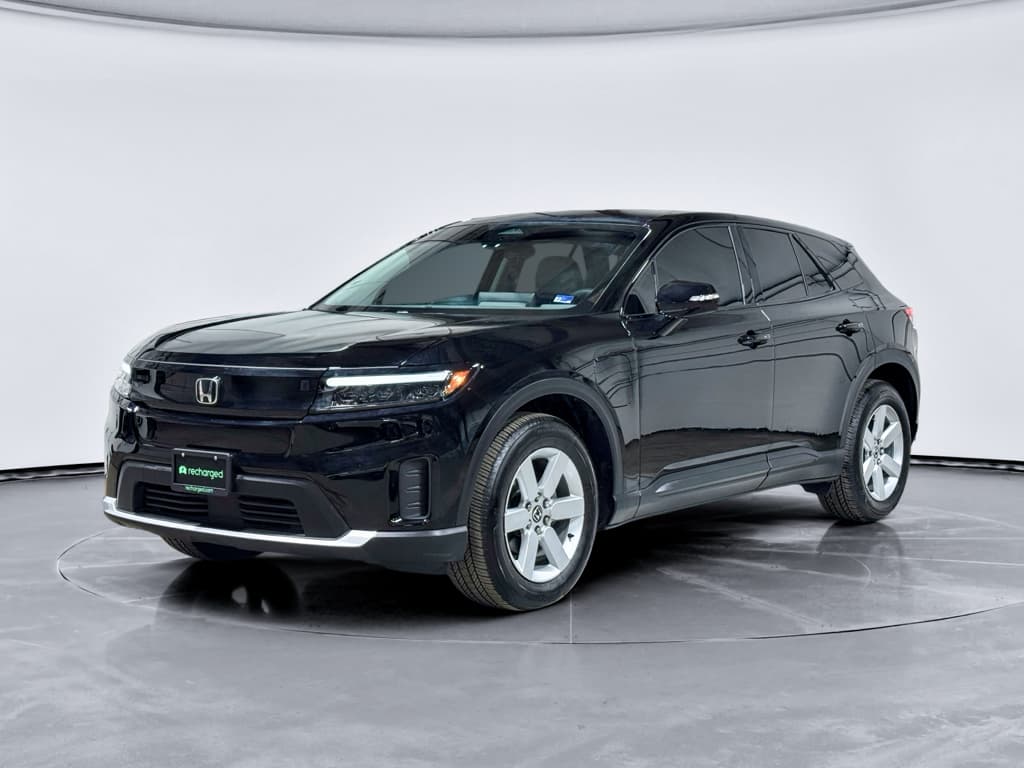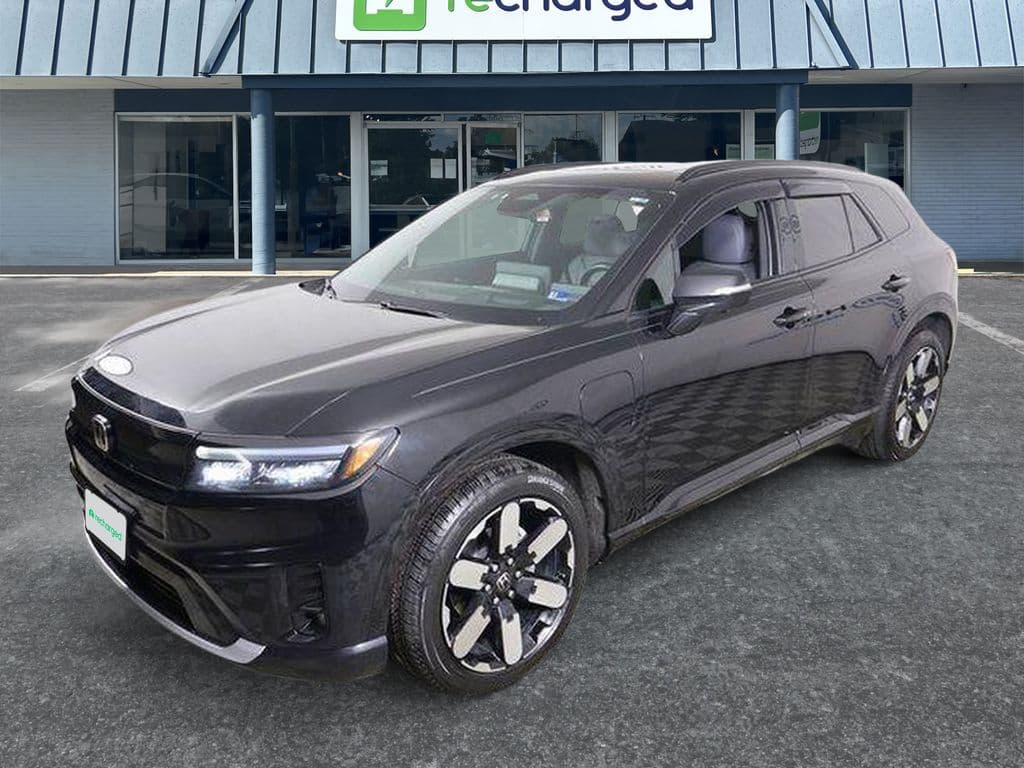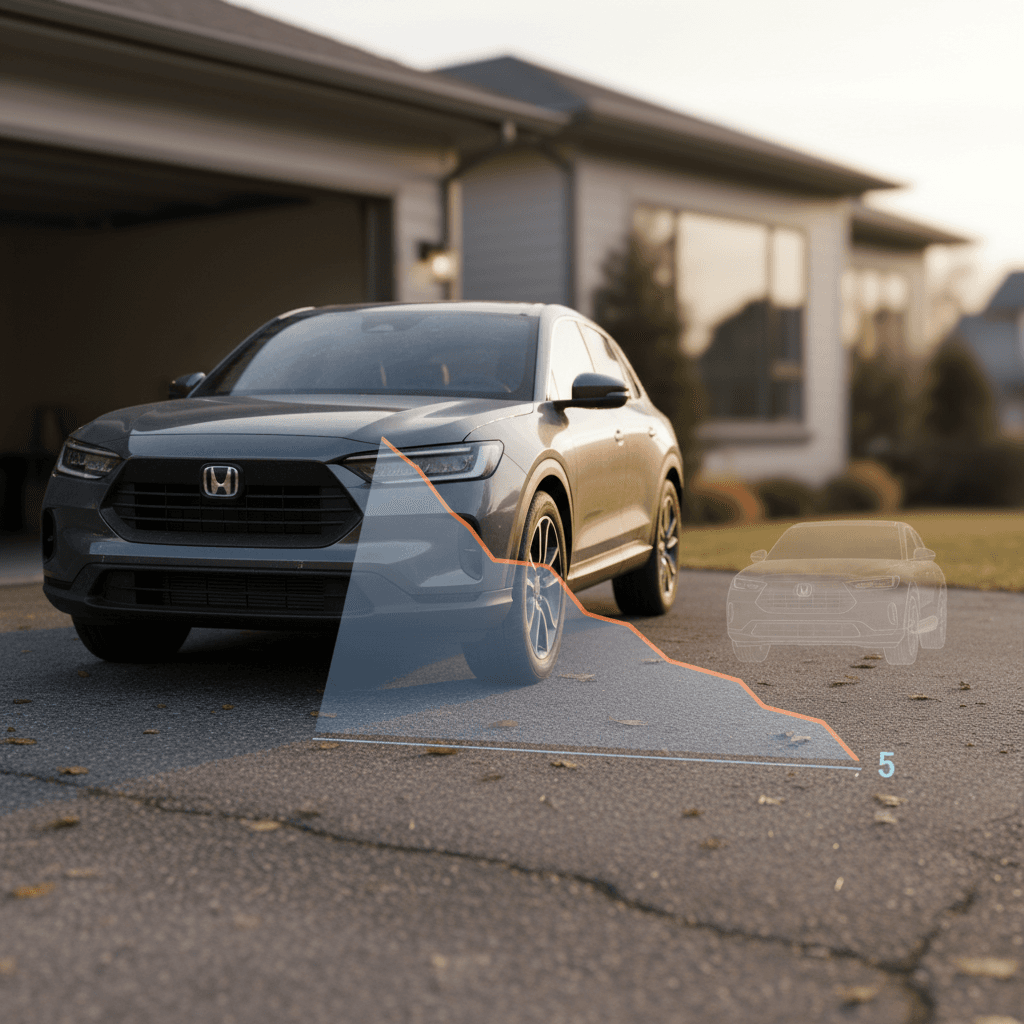
If you’re considering a Honda Prologue, or already watching one in your driveway, the big money question is simple: **what does the Honda Prologue depreciation curve look like over 5 years?** Early data from pricing guides and real‑world transactions shows the Prologue is depreciating faster than many gas SUVs, but in a pattern that’s becoming typical for non‑Tesla EVs. In this guide, we’ll unpack what’s happening, why values dropped so hard out of the gate, and what you can realistically expect your Prologue to be worth after 3–5 years.
Quick take
Why Honda Prologue depreciation matters in 2026
The Honda Prologue is Honda’s first mainstream all‑electric SUV in the U.S., roughly sized like a CR‑V but riding on a dedicated EV platform shared with the Chevrolet Blazer EV. It launched for the 2024 model year with MSRPs around the **high‑$40,000s to high‑$50,000s** before incentives. As with most new EVs, heavy discounts, lease incentives, and rapid technology change have made its *paper MSRP* less important than its true transaction and resale values.
At the same time, the wider EV market has gone through a reset. Studies of recent EV resale performance show **3‑year depreciation commonly in the 50–60% range** for many electric models, noticeably higher than popular gasoline crossovers. That broader context helps explain why Prologues are showing up on used lots today for prices that seem shockingly low compared with window stickers from just a year or two ago.
Sticker shock in reverse
Where Honda Prologue values are landing today
Because the Prologue is still new, the cleanest hard numbers we have come from pricing guides that have already built depreciation curves. For a 2024 Honda Prologue EX with an original MSRP around **$51,850**, published guides in early 2026 show current resale values in the low‑$20,000s, roughly **55–60% depreciation in about two years** of age and typical miles. That puts the Prologue among the faster‑depreciating 2024 SUVs, electric or otherwise.
2024–2025 Honda Prologue value snapshot (typical examples)
Those numbers can look brutal if you paid close to sticker. But they’re less surprising when you factor in the reality that many early Prologue buyers stacked **federal EV tax credits plus heavy discounts and subsidized leases**. In other words, even though the MSRP‑to‑resale gap is nearly $30,000 on some trims, the *effective* out‑of‑pocket loss for many first owners is thousands less.
Look at your effective price, not just MSRP
Projected 5‑year depreciation curve for the Honda Prologue
Because the oldest Prologues are only about two model years into their life cycle, any **5‑year Honda Prologue depreciation curve** is necessarily a forecast. But we can triangulate from: (1) current Prologue guide values, (2) observed EV SUV depreciation, and (3) historical Honda crossover behavior. The pattern that emerges is a classic EV "cliff‑then‑plateau" curve.
Illustrative 5‑year Honda Prologue depreciation curve (EX/Touring, typical miles)
These are example projections for a Prologue with a launch MSRP of $52,000, driven about 12,000 miles per year, in average condition. Real‑world values will vary by trim, incentives, and market conditions.
| Age / Year in Service | Estimated Depreciation from MSRP | Estimated Resale Value | What’s Happening in the Market |
|---|---|---|---|
| Year 0 (new) | 0% | $52,000 | MSRP at launch; heavy incentives may reduce your real cost |
| Year 1 | 25–30% | $36,000–$39,000 | Early used examples undercut new prices; buyers demand discounts vs. incentives on remaining new stock |
| Year 2 | 50–60% | $20,000–$26,000 | Current reality for many 2024s; EV price corrections and tech improvements weigh on values |
| Year 3 | 55–65% | $18,000–$23,000 | Curve starts to flatten as the Prologue’s market reputation and battery performance become clearer |
| Year 4 | 60–70% | $15,000–$21,000 | Older tech and newer EV competition cap upside, but good battery health slows further drops |
| Year 5 | 65–72% | $14,500–$18,000 | Vehicle is firmly a value‑oriented used EV; condition and battery state of health dominate pricing |
Depreciation tends to be steepest in years 1–3, then tapers as the market settles.
In dollar terms, that means a typical Prologue that *stickered* at $52,000 might be worth somewhere in the high‑teens after **5 years**, assuming normal mileage and no major accidents. Again, if you bought significantly below MSRP or captured a full tax credit, your personal loss will be less severe than those raw numbers suggest.

These are forecasts, not promises
How the Prologue compares to other electric SUVs
Zooming out, the Prologue isn’t an outlier so much as a case study in modern EV economics. Market‑wide analyses show **battery‑electric vehicles typically losing more value over 3–5 years** than similarly priced gas crossovers, with only a handful of models, usually Teslas and a few high‑demand outliers, holding value better than the EV average.
Honda Prologue vs other 5‑year depreciation patterns
Where the Prologue likely lands among EV and gas SUVs by year five
Mainstream gas compact SUV
Typical 5‑year depreciation: ~45–55%
Think CR‑V, RAV4, Rogue. Established demand, abundant buyers, slower tech change.
Mainstream non‑Tesla EV SUV
Typical 5‑year depreciation: ~60–75%
EV prices have corrected sharply as incentives, competition, and tech shifts reset used values.
High‑demand EV (e.g., Model Y/3)
Typical 5‑year depreciation: ~50–65%
Still steeper than gas in many cases, but stronger brand pull and charging advantage help values.
Based on where the numbers are landing now, the Prologue looks set to sit in the **middle of the non‑Tesla EV pack**: not a resale superstar, but not the worst offender either. Honda’s long‑term reliability reputation should help the curve flatten after year three, especially if the Prologue proves trouble‑free in real‑world use.
Factors that move your Prologue up or down the curve
The "average" 5‑year depreciation curve only tells part of the story. Individual Prologues can sit well above or below that line depending on **battery health, trim, equipment, and local demand**. Here are the variables that matter most.
Key value drivers for a Honda Prologue
Model year and software maturity
Early 2024 Prologues saw more aggressive discounting and some first‑year software complaints. Later 2025+ builds with improved range and refinement may retain value better, all else equal.
Trim, drivetrain, and options
All‑wheel drive, popular colors, and well‑equipped Touring/Elite trims usually draw more buyers in the used market, but can also suffer larger absolute dollar drops because they started higher.
Battery health and DC fast‑charging history
A Prologue with documented gentle fast‑charging habits and strong state‑of‑health readings will sit **above** the curve. Heavy DC fast‑charge use and repeated deep discharges can nudge it below.
Mileage and usage pattern
Around 12,000 miles per year is "normal" in pricing models. Low‑mileage commuter use or second‑car duty tends to support higher values; high‑miles ride‑share or delivery use does the opposite.
Accidents, repairs, and title status
Any accident history, especially involving structural repairs or airbags, drags value below the theoretical curve. Salvage or rebuilt titles can cut market value almost in half.
Local EV adoption and incentives
In some EV‑mature metro areas, used Prologues may command stronger prices than in regions where charging is sparse and EV adoption lags.
Battery uncertainty is what spooks many used‑EV buyers
Lease vs. buy: how incentives distort the curve
Much of the drama around Honda Prologue depreciation comes from the **gap between what different buyers effectively paid**. Many 2024–2025 Prologues were leased with massive factory support. Dealers passed through federal tax credits, stackable rebates, and subsidized money factors that put some drivers in $50,000‑MSRP SUVs for compact‑car lease payments.
How leases smooth depreciation pain
When you lease, the bank owns the depreciation risk. They set a residual value based on what they think the Prologue will be worth at lease‑end. If the market tanks harder than expected, as it has for several EVs, you simply turn in the car and walk away, having effectively "rented" those steep early years.
That’s why you see many lessees saying they’d never buy out their Prologue at the contracted residual: the real‑world market value is often thousands lower.
How cash and loan buyers feel the full impact
If you bought instead of leasing, especially early in the Prologue’s run, your balance sheet is absorbing the entire depreciation curve. Incentives softened the blow, but if you financed a large portion of MSRP, it’s possible to be **underwater** (owe more than the car is worth) for the first few years.
This isn’t unique to Honda, it’s become a pattern across many non‑Tesla EVs sold in 2023–2025.
When a lease still makes sense on a Prologue
7 ways to protect your Honda Prologue resale value
You can’t control macro forces like interest rates or tax policy, but you *can* influence where your specific Prologue sits relative to the average 5‑year curve. Here are practical moves that help preserve value.
- Document every service visit, software update, and tire rotation. A complete paper trail reassures used‑EV buyers who may be new to the technology.
- Keep charging habits moderate: avoid chronic 0–100% cycles and limit DC fast‑charging to road trips. Let the pack live most of its life between roughly 20–80% state of charge.
- Fix minor issues (TPMS sensors, cosmetic dings, windshield chips) before they compound. A clean, "ready to list" vehicle can appraise thousands higher than a deferred‑maintenance twin.
- Stay current on over‑the‑air updates and recalls, especially anything touching battery, thermal management, or drive systems.
- Consider adding a high‑quality all‑weather floor mat and cargo liner package early. It’s a small upfront cost that keeps interiors far fresher in the eyes of second owners.
- Avoid heavy aftermarket modifications that scare off mainstream buyers, especially wheel/tire setups that hurt range or non‑factory tint/wrap jobs.
- If you plan to sell around the 3–5 year mark, time your exit before a major announced refresh, new tax‑credit rules, or a flood of off‑lease Prologues hit the market.
Price with the curve, not against it
When buying a used Honda Prologue is a smart move
If you’re shopping today, the sharp front‑loaded depreciation that stings first owners is exactly what makes the **used Honda Prologue** compelling, especially in years 2–4 of its life cycle. By that point, somebody else has absorbed the cliff, and you’re stepping onto the flatter part of the curve.
The "sweet spot" for a used Honda Prologue
Where the depreciation curve works in your favor
2–4 years old, 20–45k miles
By this age, the biggest value drop is behind the Prologue, but it’s still young in EV terms. You’re getting a relatively modern battery, current safety tech, and Honda refinement at a meaningful discount vs. new.
Verified battery health and clean history
Look for a Prologue with a clean title, no structural accident history, and objective battery‑health data, not just a range guess from the dash. This is where platforms like Recharged can help separate great used EVs from risky ones.
From an economics perspective, buying a Prologue after someone else has burned off the first 40–50% of value, then driving it for another 5–7 years, can be one of the cheapest ways to run a nicely equipped electric SUV, assuming you verify battery condition and avoid problem histories.
How Recharged helps you price, buy, or sell a Prologue
This is exactly the problem space Recharged was built for: making **used EV ownership simple and transparent**. Whether you’re trying to understand your own Prologue’s place on the 5‑year depreciation curve or evaluating one as a used purchase, better data beats guesswork.
Why use Recharged for a Honda Prologue transaction?
Turn a confusing depreciation story into clear numbers and next steps
Recharged Score battery diagnostics
Every Prologue listed on Recharged comes with a Recharged Score Report that includes verified battery health, charge history patterns, and pricing relative to the broader EV market, so you’re not guessing how much life is left in the pack.
Fair, data‑driven pricing
Our pricing engine looks at real transaction data, condition, mileage, incentives history, and battery state of health. That helps sellers price competitively and buyers avoid overpaying for a Prologue that sits above (or below) the typical curve.
Modern, EV‑savvy retail experience
From remote shopping and nationwide delivery to financing, trade‑ins, and expert EV support, Recharged is built around electric vehicles only. You can even visit our Experience Center in Richmond, VA if you like to kick the tires in person.
Ready to find your next EV?
Browse VehiclesThinking about selling your Prologue?
Honda Prologue depreciation: FAQ
Frequently asked questions about Honda Prologue depreciation
The Honda Prologue’s 5‑year depreciation curve is a reality check on two things at once: how quickly the EV market is maturing, and how powerful incentives and early‑adopter dynamics can be. For first owners, the numbers can feel punishing if you think in terms of MSRP alone. For second owners, they turn a well‑equipped electric SUV into a surprisingly attainable, low‑running‑cost daily driver, especially if you buy with clear eyes about battery health and real‑world values. Whichever side of the transaction you’re on, grounding your decisions in data rather than optimism is the best way to make a Prologue work for your budget.