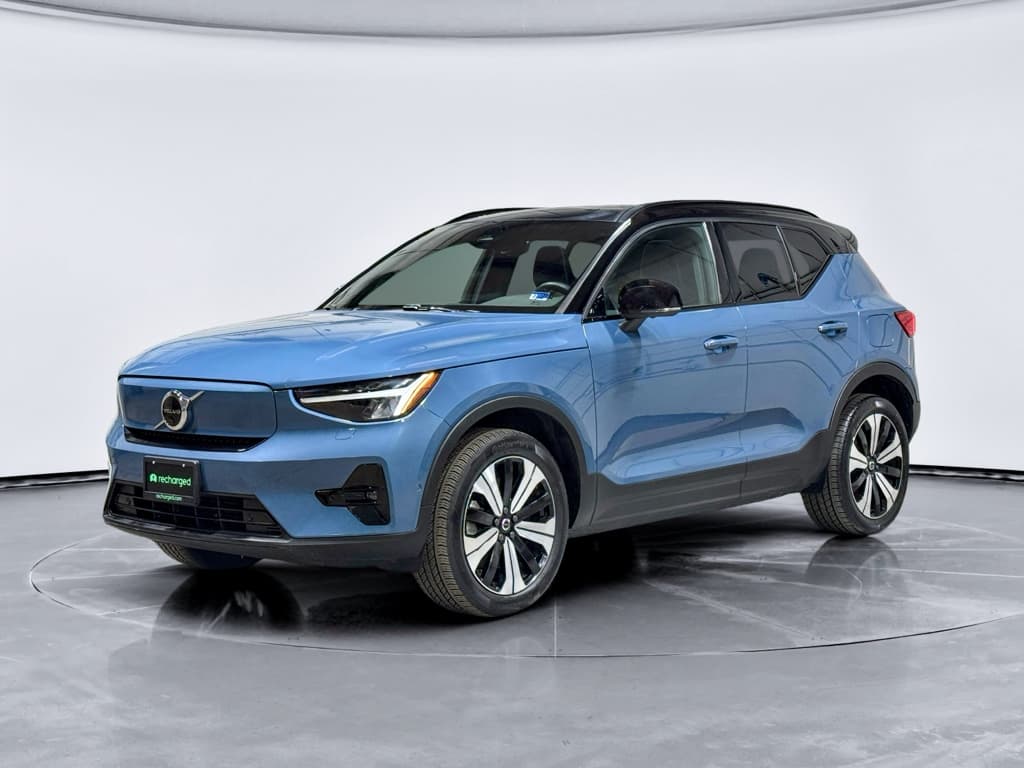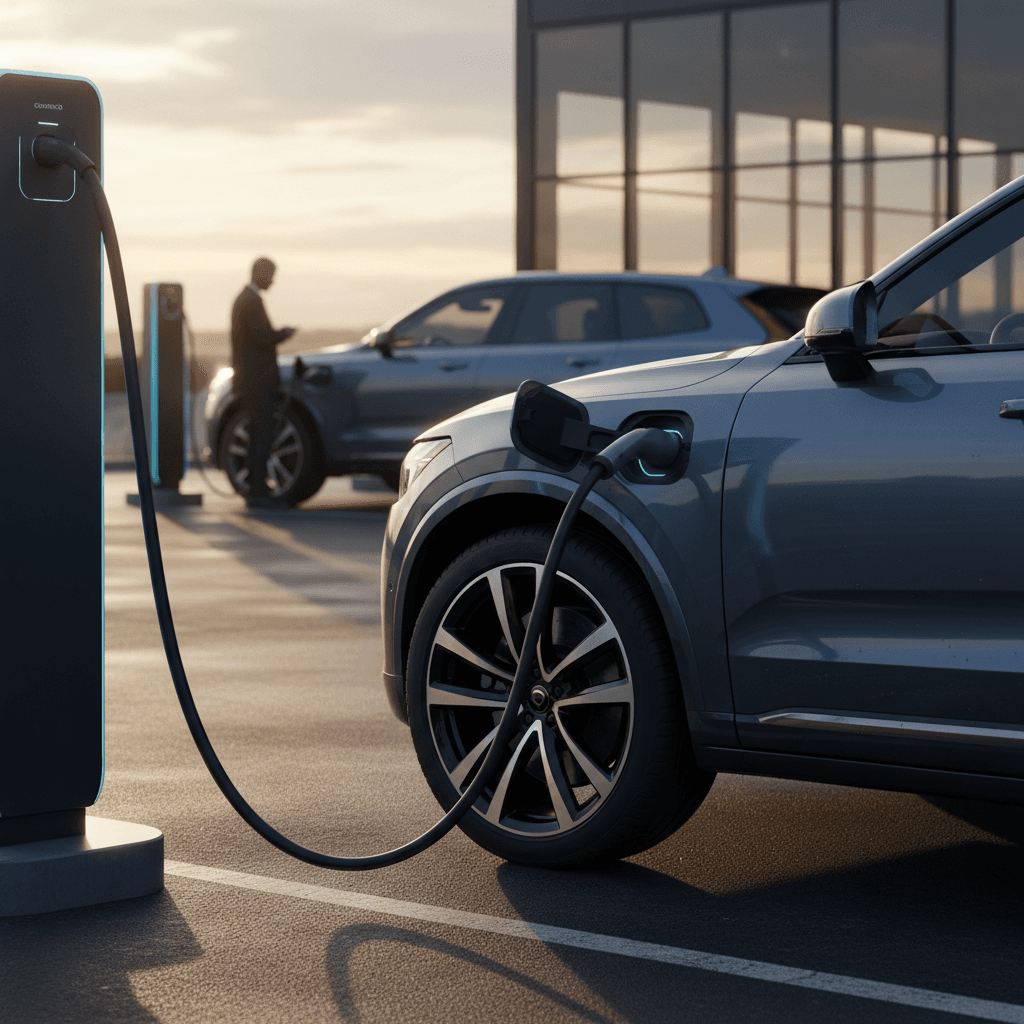
If you’re looking at Volvo’s big electric SUV, one of your first questions is naturally: how long does it take to charge a Volvo EX90? The answer depends a lot on where you plug in, your wall outlet, a 240‑volt home charger, or a high‑power DC fast charger, but once you understand the basics, planning daily driving and road trips becomes straightforward.
Quick answer
Volvo EX90 charging time at a glance
Volvo EX90 charging numbers at a glance
For context, the EX90’s 107 kWh usable battery is significantly larger than most compact and midsize EVs, which is why it can offer roughly 300 miles of real‑world highway range. The flip side is that filling such a big pack from low state of charge (SoC) will always take longer than topping up a smaller battery, no matter the brand.
Volvo EX90 battery and charging basics
Before you dig into exact charging times, it helps to understand what’s under the EX90’s skin and how it affects the stopwatch. All U.S.‑market EX90s share essentially the same big battery, but they don’t all charge in exactly the same way.
Key Volvo EX90 battery and charging specs
Numbers that drive your charge times
Battery size
The EX90 uses a large lithium‑ion pack around 111 kWh gross / 107 kWh usable. Think of usable capacity as your real "fuel tank" for daily driving and trip planning.
On‑board AC charger
The standard on‑board charger is rated at up to 11 kW, which is what you’ll see on a 48‑amp, 240‑volt home or public Level 2 station wired correctly.
2024–2025 EX90 (400‑volt architecture)
- Uses a 400‑V battery system.
- Supports up to 250 kW DC fast charging on paper.
- Volvo quotes roughly 30 minutes from 10–80% on a high‑power DC charger.
- Real‑world average speed over a full session is often closer to 120–150 kW, depending on conditions.
2026+ EX90 (800‑volt architecture)
- Upgraded to an 800‑V system for faster charging on the latest high‑power hardware.
- Can take advantage of newer 300–350 kW DC fast chargers.
- Volvo targets around 22 minutes from 10–80% when the charger and battery are in the sweet spot.
- On older 400‑V DC stations, it behaves more like the earlier EX90s.
Model‑year matters
Home charging: how long to charge a Volvo EX90
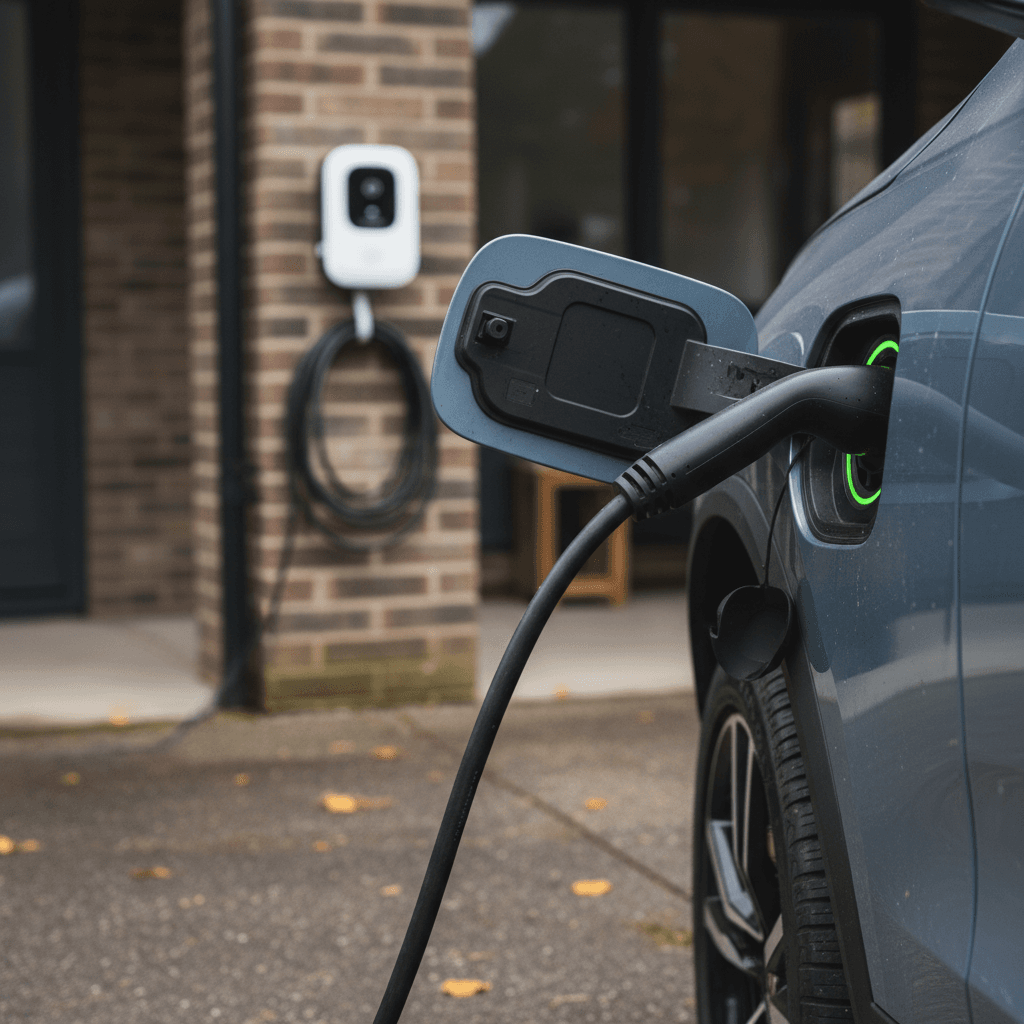
For most EX90 owners, home charging does 80–90% of the work. That’s where you should focus first when you’re thinking about how long it takes to charge. There are two main scenarios: using a standard household outlet (Level 1) and installing a 240‑V Level 2 charger.
Volvo EX90 home charging times (typical U.S. setups)
Approximate times for a 2024–2026 Volvo EX90 from various starting levels. Numbers are rounded and assume mild weather and a healthy battery.
| Home setup | Approx. power | 10–80% time | 20–80% time | Miles of range per hour* |
|---|---|---|---|---|
| 120‑V Level 1 outlet (15 A) | ~1.4 kW | ~50–55 hours | ~35–40 hours | 2–4 mi/hr |
| 240‑V dryer outlet (24–30 A) | ~5–7 kW | ~11–15 hours | ~8–11 hours | 12–20 mi/hr |
| 240‑V dedicated 40 A circuit (32 A delivered) | ~7.5 kW | ~10–12 hours | ~7–9 hours | 22–28 mi/hr |
| 240‑V dedicated 60 A circuit (48 A delivered, max) | ~11 kW | ~7–9 hours | ~5–7 hours | 30–35+ mi/hr |
Real‑world charging times will vary with temperature, elevation, and how efficiently you drive.
Level 1 is an emergency solution
Choosing the right home setup for your EX90
1. Estimate your daily miles
If you typically drive 30–60 miles a day, a 32‑amp Level 2 charger on a 40‑amp circuit will comfortably replenish your driving overnight.
2. Check your electrical panel capacity
A 48‑amp charger for the EX90 usually needs a 60‑amp breaker. Have a licensed electrician confirm your panel can handle the additional load safely.
3. Match the charger to the car
Because the EX90’s on‑board charger tops out at about 11 kW, there’s little benefit in buying a home EVSE rated far above 48 amps unless you plan to own a higher‑rate EV later.
4. Think about parking and cable length
Place the charger where the cable can comfortably reach the EX90’s charge port without stretching across walkways or tight garage corners.
Where Recharged fits in
Public Level 2 charging times for the EX90
Public Level 2 chargers, at workplaces, hotels, parking garages, and grocery stores, work essentially like a good home charger. The big differences are who’s paying and how long you plan to stay parked.
What to expect on public Level 2
Volvo EX90 on workplace, hotel, and destination chargers
Workplace charging
If you plug in to a 7–11 kW workplace charger for a full workday, your EX90 can usually go from low to nearly full during your shift, very similar to being plugged in all night at home.
Hotel / overnight
Arrive at a hotel with 15–30% remaining, plug into a typical Level 2 station, and you’ll almost always wake up to an EX90 at or near 100% by morning.
Errand top‑ups
A 1–2 hour grocery or mall stop on a 7 kW charger might add 20–40 miles of range, helpful, but not a replacement for home charging or DC fast charging on long trips.
Use apps to gauge payoff
DC fast charging: how long from 10–80%?
DC fast charging is what makes long‑distance road trips in a Volvo EX90 practical. This bypasses the on‑board AC charger and feeds high‑voltage DC power directly into the battery, limited mainly by the charger’s rating, the car’s maximum power, and the battery’s temperature and state of charge.
Volvo EX90 DC fast‑charging times (10–80%)
Approximate times on different charger types in good conditions. The 800‑V 2026+ EX90 can take advantage of the fastest units, while the 400‑V models are limited by their 250 kW ceiling.
| Charger type | Max station power | 400‑V EX90 (’24–’25) | 800‑V EX90 (’26+) | Notes |
|---|---|---|---|---|
| Low‑power DC (50 kW) | 50 kW | ~80–90 min | ~80–90 min | Both are capped by the station, not the car. |
| Mid‑power DC (100–150 kW) | 100–150 kW | ~40–55 min | ~35–50 min | Good option on older corridors; still much quicker than Level 2. |
| High‑power DC (200–250 kW) | 200–250 kW | ~30–35 min | ~28–32 min | Ideal for 400‑V EX90; strong for 800‑V as well. |
| Ultra‑fast DC (300–350 kW) | 300–350 kW | ~30–35 min | ~22–25 min | Only the 800‑V EX90 can fully exploit these speeds. |
Actual times depend on battery temperature, station quality, and how busy the site is.
Why 10–80% is the reference point
- On a strong 200–250 kW charger in good weather, expect roughly 30–35 minutes from 10–80% on a 400‑V EX90 and closer to 22–25 minutes on an 800‑V EX90 that can hit higher peak speeds.
- Pushing from 80–100% on DC can easily add another 30–40 minutes on top of that, for relatively little extra range.
- On 50 kW "legacy" DC stations, you’re looking at well over an hour for the same 10–80% window, regardless of EX90 version.
Real-world scenarios: commutes, errands, and road trips
Spec sheets are helpful, but what most drivers really care about is how long charging takes in everyday life. Here are a few common Volvo EX90 scenarios and about how long you’ll spend plugged in.
How long to charge a Volvo EX90 in common situations
Three snapshots of daily life with a big‑battery SUV
Daily commuter
Scenario: 40–50 miles of mixed driving per weekday.
Charging: Plug into a 48‑amp Level 2 every night.
Time: In practice, you’re adding back your daily use in 1–2 hours. The car can sit plugged in longer and simply stop once it hits your set limit (for example, 80%).
Weekend family errands
Scenario: You start Saturday at 60%, run errands, and come home at 30%.
Charging: Plug into Level 2 in the late afternoon.
Time: Getting from 30–80% on a 7–11 kW charger typically takes 3–5 hours, easily handled before bed.
Interstate road trip
Scenario: You drive your EX90 on a 600‑mile day.
Charging: Start at 90–100%, then fast‑charge from about 10–20% back to 60–70% two or three times.
Time: Expect roughly 25–35 minutes per stop on strong DC fast chargers, so about 1–1.5 hours total charging across the whole day.
How this compares to a gas stop
Factors that change your Volvo EX90 charging time
Two different EX90 owners can plug into the same charger and see very different times. That doesn’t always mean something is broken; a handful of variables have outsized impact on how long your Volvo EX90 takes to charge.
- Battery temperature: A cold pack (after sitting outside in winter) will accept power more slowly, especially at the start of a DC fast‑charge session.
- State of charge when you plug in: Starting at 10–20% will charge noticeably faster than starting at 50–60%, because the car tapers power as it fills.
- Charger rating and condition: A busy or aging DC charger may deliver well below its advertised power, which stretches out your session.
- Shared power at sites: Some stations split power between stalls, so your EX90 may charge slower if another EV is plugged into a paired unit.
- Software and hardware health: Like any new EV, the EX90 has had its share of early charging‑module hiccups. If your times are dramatically below expectations across many chargers, have a dealer check for bulletins and updates.
When "slow" becomes a problem
Tips to minimize Volvo EX90 charging time
You can’t change physics, the EX90’s big battery will always need a certain amount of time to fill, but you can stack the deck in your favor with a few simple habits.
Practical ways to reduce EX90 charging time
Precondition the battery before DC fast charging
Use the in‑car navigation to route to a fast charger so the EX90 can warm (or cool) the battery ahead of arrival. A properly conditioned pack hits higher peak power sooner and finishes faster.
Arrive low, leave around 60–80%
On road trips, it’s usually quicker overall to stop more often and charge from 10–60% or 15–70% than to push from 20–90% in one long, slow session.
Install a right‑sized Level 2 at home
A professionally installed 40–60 amp circuit with a modern Level 2 unit is the single biggest quality‑of‑life upgrade for EX90 ownership. It turns charging into a background task instead of an errand.
Use station ratings and recent check‑ins
Apps that show station power and recent user experiences can help you choose a healthy 150–350 kW site instead of rolling the dice on a neglected 50 kW unit.
Avoid charging to 100% daily
For daily use, setting a charge limit around 70–85% keeps sessions shorter and is kinder to the battery long‑term. Save 100% charges for big trip departures.
Thinking about a used EX90?
Charging time and battery health on a used EX90
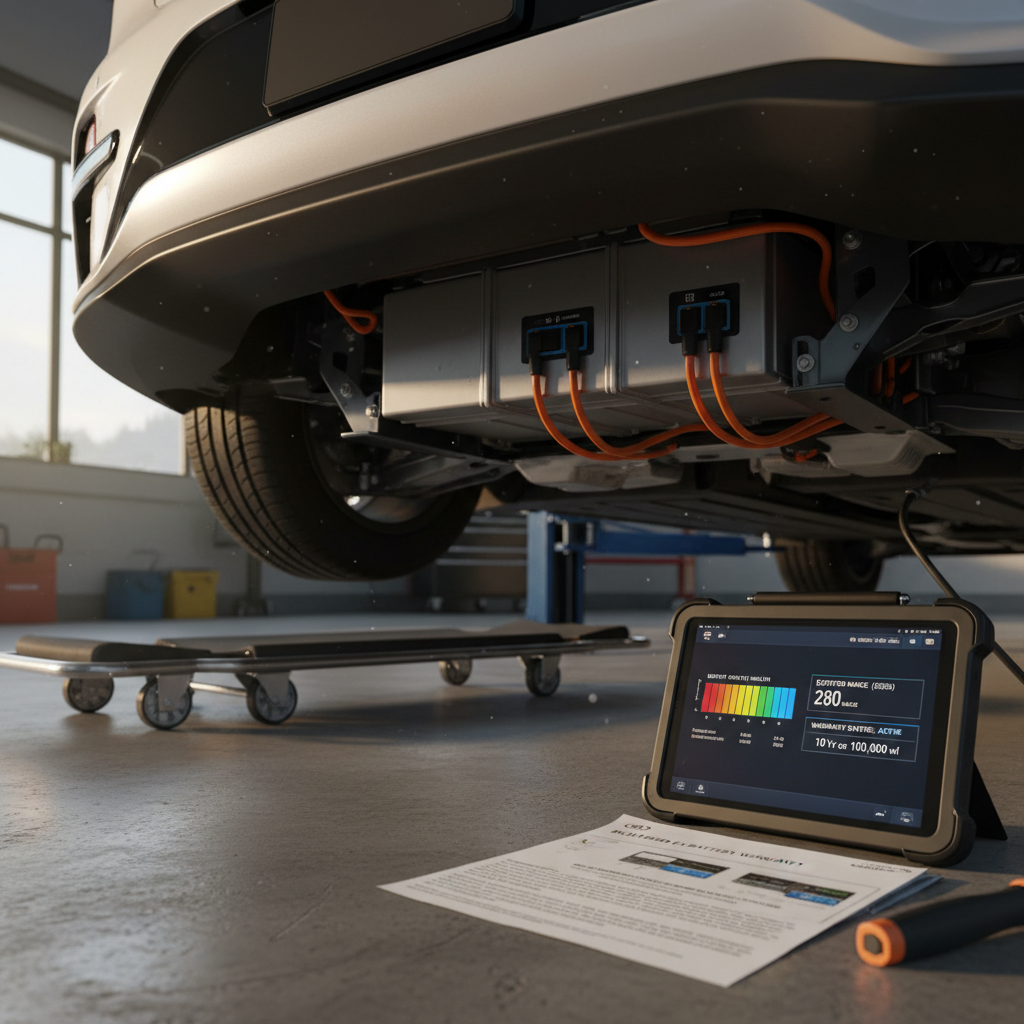
Charging times and battery health are closely linked. As an EX90 ages and accumulates DC fast‑charge miles, you may see slight changes in how quickly it charges, just as you’d see slight range changes. That’s normal, but there are red flags to watch for when you’re considering a used example.
Healthy, expected behavior
- Level 2 charging power roughly matches the station’s rating up to 11 kW.
- DC fast‑charge peak power is within shouting distance of other owners’ experiences for the same station type.
- 10–80% times are in the same ballpark as the tables earlier in this article.
- Range estimates feel consistent with a 100+ kWh battery, even if not brand‑new.
Potential problem signs
- EX90 refuses to charge at multiple unrelated Level 2 or DC stations.
- 10–80% DC sessions routinely take far longer than an hour on 150+ kW chargers.
- Range estimates have collapsed well below what you’d expect for the odometer reading.
- Repeated charging fault messages or a history of AC/DC module replacements without a clear resolution.
If you’re buying privately, you won’t get the same visibility into pack health that you do with a gasoline compression or leakdown test on an engine. That’s where a third‑party check helps. Recharged’s Recharged Score uses diagnostics and data to give you an objective picture of battery health and charging behavior on the specific EX90 you’re considering.
FAQ: Volvo EX90 charging times
Frequently asked questions about Volvo EX90 charging time
Bottom line: how long it really takes to charge an EX90
Once you unpack the numbers, how long it takes to charge a Volvo EX90 is less mysterious than it first appears. With a right‑sized Level 2 charger at home, you’ll wake up to a full battery every morning and rarely think about charging at all. On road trips, plan on roughly 25–35 minute fast‑charge stops every few hours of highway driving, and a bit quicker still if you’re in a 2026+ 800‑V EX90 and can tap the newest ultra‑fast stations.
If you’re considering a used Volvo EX90, charging time is a great lens for evaluating whether the SUV fits your life, and whether a specific example has been cared for. At Recharged, every EV includes a Recharged Score battery health report, transparent pricing, financing options, and nationwide delivery, so you can focus on how the EX90 will fit your commute and road‑trip plans, not on guessing about its battery and charging behavior.