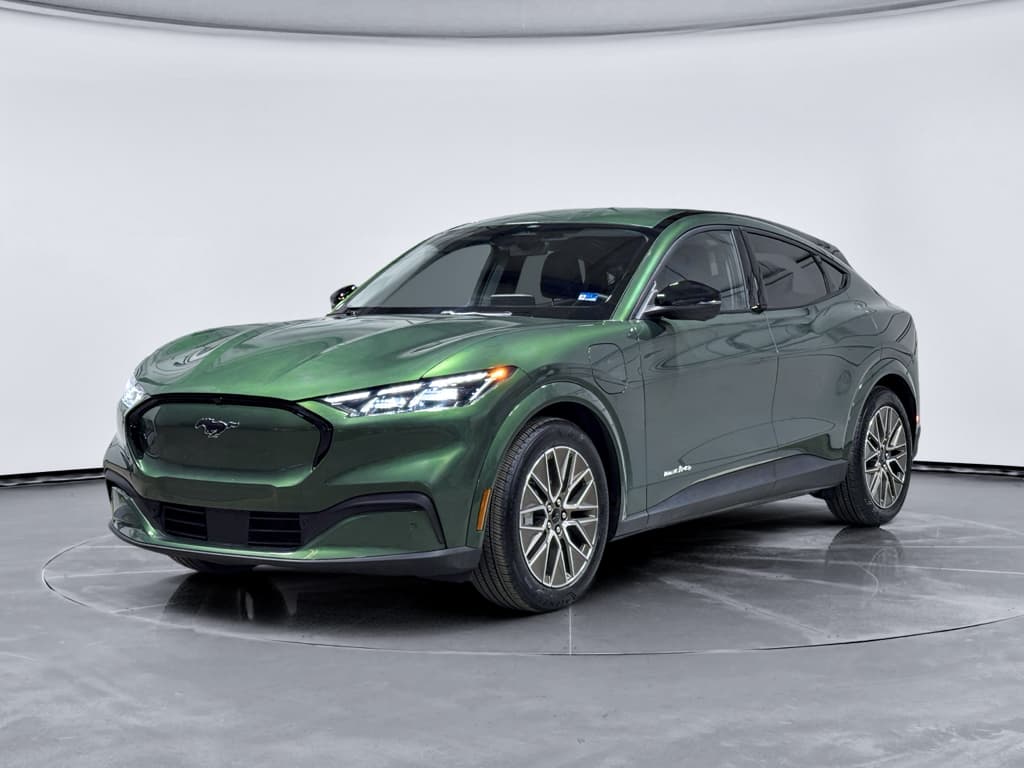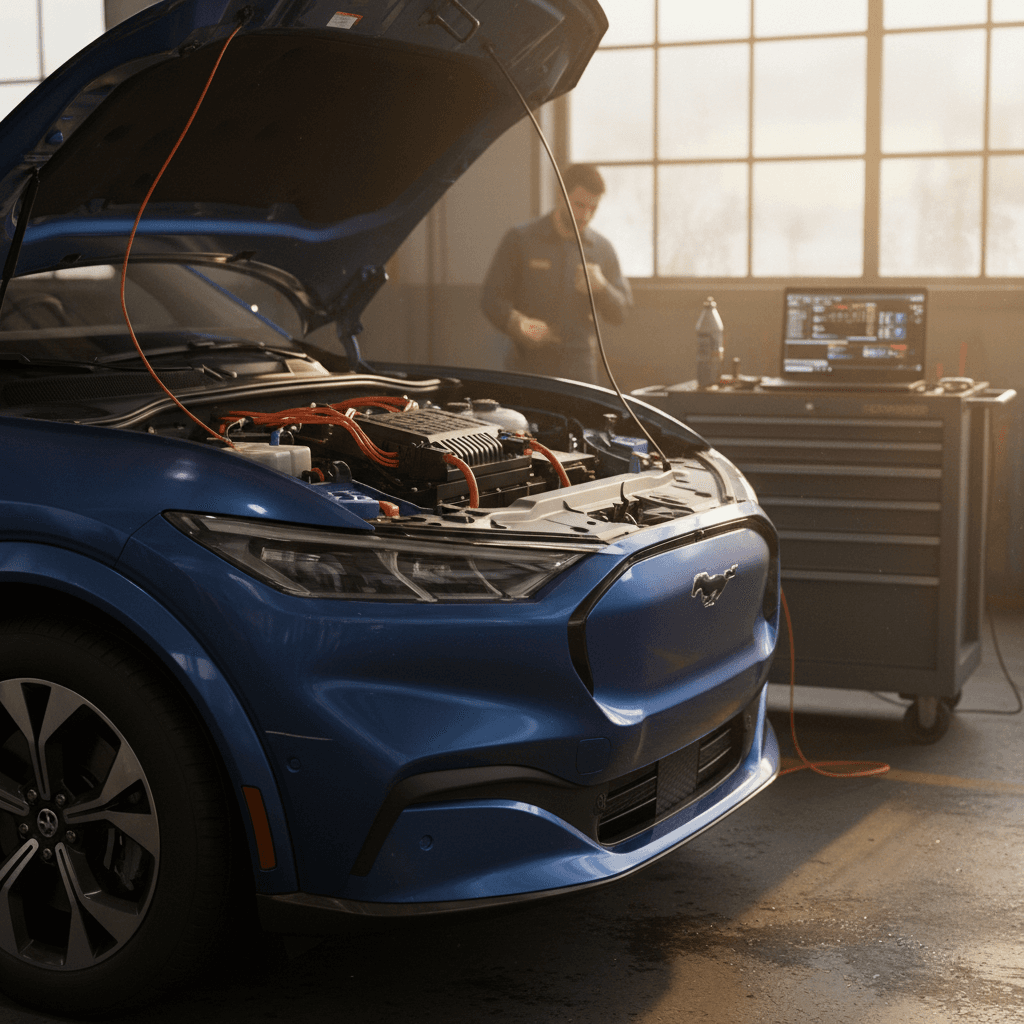
If you’re eyeing a 2026 Ford Mustang Mach-E, new or used, you’ve probably heard about earlier Mach-E recalls, charging glitches, and software headaches. This guide walks through the most likely 2026 Ford Mustang Mach-E problems and fixes, how they connect to earlier model-year issues, and what you can do to avoid surprises, especially if you’re shopping used.
Why focus on 2026 now?
Overview: How worried should you be about 2026 Mach-E problems?
Mustang Mach-E reliability picture going into 2026
The 2026 Mach-E isn’t a blank slate. It’s a refinement of a model that launched for 2021 and has since gone through multiple recalls tied to the high‑voltage battery hardware, 12‑volt (low‑voltage) systems, and door latches, along with plenty of software updates. That’s both good and bad news: many problems are known and have documented fixes, but you do need to be intentional about software, service history, and how you charge and drive the car.
Quick rule of thumb
What problems from earlier Mach-E years carry into 2026?
Ford has revised hardware and software several times, but much of the 2026 Mustang Mach-E’s electrical architecture and drivetrain are evolutions of the 2021–2025 models. That means some problem patterns from earlier years are still relevant when you’re evaluating a 2026:
- High‑voltage battery contactor and junction box issues that can trigger power‑loss warnings, especially after hard DC fast‑charging or repeated hard acceleration.
- Charging behavior quirks, such as slow DC fast‑charging, charge sessions stopping unexpectedly, or trouble reaching 100%, that usually trace back to software, thermal management, or EVSE compatibility, not the battery pack itself.
- 12‑volt battery drains that can create a cascade of odd behaviors, from locked doors to dead screens.
- Door‑latch problems and electronic latch behavior linked to power loss and earlier recall campaigns.
- Infotainment and driver‑assist glitches, including frozen screens, camera delay, and BlueCruise behavior under certain conditions.
Don’t assume "new year" means "new problems"
High‑voltage battery and charging issues
The Mach-E’s high‑voltage battery pack and charging system are the heart of the vehicle, and the focus of several past recalls and investigations. For 2026 buyers, the risk isn’t that every car will have battery trouble, but that when issues do surface, they can be disruptive and expensive if not handled early.
Common battery and charging complaints on Mach-E (and what they mean on 2026)
Most are manageable if you understand what’s behind them
Sudden power loss or "Service Vehicle Soon"
On earlier Mach-E years, overheated high‑voltage battery contactors or junction box components could trigger warnings, limit power, or prevent the car from starting. Ford issued recalls and updated software to reduce stress on these parts.
On a 2026 Mach-E, you’re less likely to see this if:
- All HV system recalls have been completed
- DC fast‑charging isn’t abused (back‑to‑back 10–100% sessions)
- Software is current and thermal limits respected
Slow DC fast‑charging or stuck around 80%
Many owners report the Mach-E charges more slowly than EPA numbers might suggest, especially in cold weather or after the battery warms up.
This usually isn’t a "defect" but the car protecting battery life:
- Charge speeds taper aggressively as you approach 80%
- The pack limits power when cold or very hot
- Public chargers themselves can be inconsistent
For 2026, expect behavior similar to late‑build 2024–2025 cars.
DC fast‑charge won’t start or session drops
On all years, this is often:
- A communication issue between the station and the car
- Software that needs to be updated
- Thermal or state‑of‑charge limits
With a 2026 Mach-E, rule out public charger faults first, then check for outstanding updates or technical service bulletins (TSBs) if the issue repeats at multiple stations.
When a battery or charging issue is serious
Owner fixes that actually help
- Use DC fast‑charging strategically. Save it for trips, not daily commuting, and unplug after 80–85% on long runs unless you truly need more range.
- Keep daily charge limits around 70–85%. That sweet spot reduces long‑term battery stress while still giving you plenty of range.
- Warm or cool the pack before fast‑charging. Use preconditioning where available or drive for 15–20 minutes before plugging into a DC fast charger in very cold weather.
What a shop or dealer should check
- Scan for HV battery, junction box, and DC‑DC converter codes.
- Confirm all battery‑related recalls and TSBs are applied.
- Evaluate cell balance and state of health (SOH) using Ford‑level diagnostics.
- Inspect high‑voltage connectors and charge port for corrosion or heat damage.
If you’re buying a used 2026 Mach-E through Recharged, this type of diagnostic work feeds directly into the Recharged Score, so you’re not guessing about battery or charging health.
Low‑voltage battery and door-latch safety recalls
One of the most consequential Mach-E issues isn’t the big traction battery, it's the humble 12‑volt battery and the electronics it powers. On earlier model years, unexpected 12‑volt discharge could leave owners with locked doors and no easy way into the car, prompting a large recall covering 2021–2025 Mach-E SUVs. That recall addresses how the electronic latches behave when the 12‑volt system drops below a threshold and is directly relevant background for a 2026 shopper.
How low‑voltage problems show up on the Mach-E
What 2026 owners need to watch for
Dead or weak 12‑volt battery
Symptoms include:
- Keyless entry not working
- Vehicle won’t "wake up"
- Strange warning lights or error messages
On a 2026 Mach-E, repeated 12‑volt failures can still happen if:
- The car sits for long periods unplugged
- Telematics or accessories draw power continually
Doors won’t unlock after power loss
Earlier recall campaigns focused on a scenario where the electronic latches stayed locked after the 12‑volt system collapsed, potentially trapping occupants or blocking entry.
By the 2026 model year, vehicles should ship with corrected logic, but used cars may still rely on owners to confirm recall completion.
Safety impact and fix
The safety concern is real: you need reliable e‑latches in an emergency.
Good news: the official fix is typically a software update and, in some cases, updated components. It’s handled under recall at no cost when performed at a Ford dealer.
Simple ways to protect the 12‑volt system
Software, infotainment, and BlueCruise issues
The Mach-E is a rolling computer, and software is both a strength and a pain point. Many early frustrations, frozen screens, flakey Apple CarPlay or Android Auto connections, and camera delays, have improved with OTA updates, but you should still expect the occasional glitch on a 2026 Mach-E.
Typical Mach-E software & driver-assist complaints
These patterns from earlier years can still inform what you watch for on a 2026.
| Issue | Likely Cause | Home Fixes | When to See a Dealer |
|---|---|---|---|
| Infotainment screen freezes or reboots | Sync software bug or corrupted cache | Soft reset the system, power‑cycle the car, install pending OTA updates | If freezes become frequent or screen stays black |
| Wireless CarPlay / Android Auto drops | Phone OS updates, Bluetooth conflicts, vehicle firmware | Delete and re‑pair phone, use USB cable, check for updates on both sides | If no devices connect reliably after updates |
| Rear camera delay or black screen | Camera software bug, older recall software | Install latest software, avoid shifting quickly between R and D repeatedly | If image is consistently delayed or missing |
| BlueCruise behavior feels inconsistent | Changing mapping data, lane markings, weather and light conditions | Understand that hands‑free areas and performance vary; keep eyes on road | If you get repeated driver‑assist fault messages or warning chimes |
Software issues are annoying, but most are fixable without hardware replacement.
A note on BlueCruise and safety investigations
On a 2026 Mach-E, the best defense is simple: keep the car updated. Declining OTA updates or blocking the car from Wi‑Fi can lock you into older firmware that retains bugs long since fixed on other vehicles.
Brakes, tires, and ride‑quality complaints
Compared with its software and battery headlines, the Mach-E is mechanically straightforward. Still, owner forums and reliability data call out a few recurring complaints that may persist into 2026, especially on higher‑performance versions:
- Fast tire wear, particularly on GT and performance‑oriented trims with sticky rubber and heavy curb weight. Aggressive driving and lots of torque at low speeds chew through tread quickly.
- Brake noise or rust film on rotors due to heavy regenerative braking and light friction‑brake use in daily driving. The brakes themselves are generally robust but may squeal or look rusty if not exercised.
- Ride firmness on some wheel/tire packages, especially large‑diameter wheels with low‑profile tires that transmit more impact harshness over broken pavement.
How to keep running costs in check
2026 Mustang Mach-E recalls and investigations
By April 2026, recalls affecting the Mustang Mach-E have largely targeted 2021–2025 vehicles for issues like battery contactors, door latches tied to low‑voltage power loss, and rear camera software. A 2026 Mach-E may still be added to future campaigns as issues emerge, especially because the underlying platform carries forward, but you’re not walking into a model year already laden with its own unique mechanical defects.
How to check a 2026 Mach-E for recall and campaign status
1. Run a VIN recall search
Use Ford’s official recall lookup or the NHTSA recall search tool and enter the full VIN. Look for open campaigns related to the Mustang Mach-E; pay particular attention to anything referencing the high‑voltage battery system, door latches, or camera software.
2. Ask for a printed service history
Whether you’re at a Ford dealer or a used‑EV retailer, ask for a printout showing completed recalls and major warranty repairs. This helps you see if an individual car was part of earlier battery or software remedies.
3. Confirm software is current
In the vehicle, visit the settings menu and check for pending updates. If several updates are waiting, or if the car hasn’t been updated in many months, budget time to bring everything current before you judge its behavior.
4. Look for patterns, not one‑offs
One or two completed recall entries on a history report are normal for a modern EV. What you don’t want is a pattern of repeated battery or charging repairs without a clear resolution.
How Recharged handles Mach-E recalls
Ready to find your next EV?
Browse Vehicles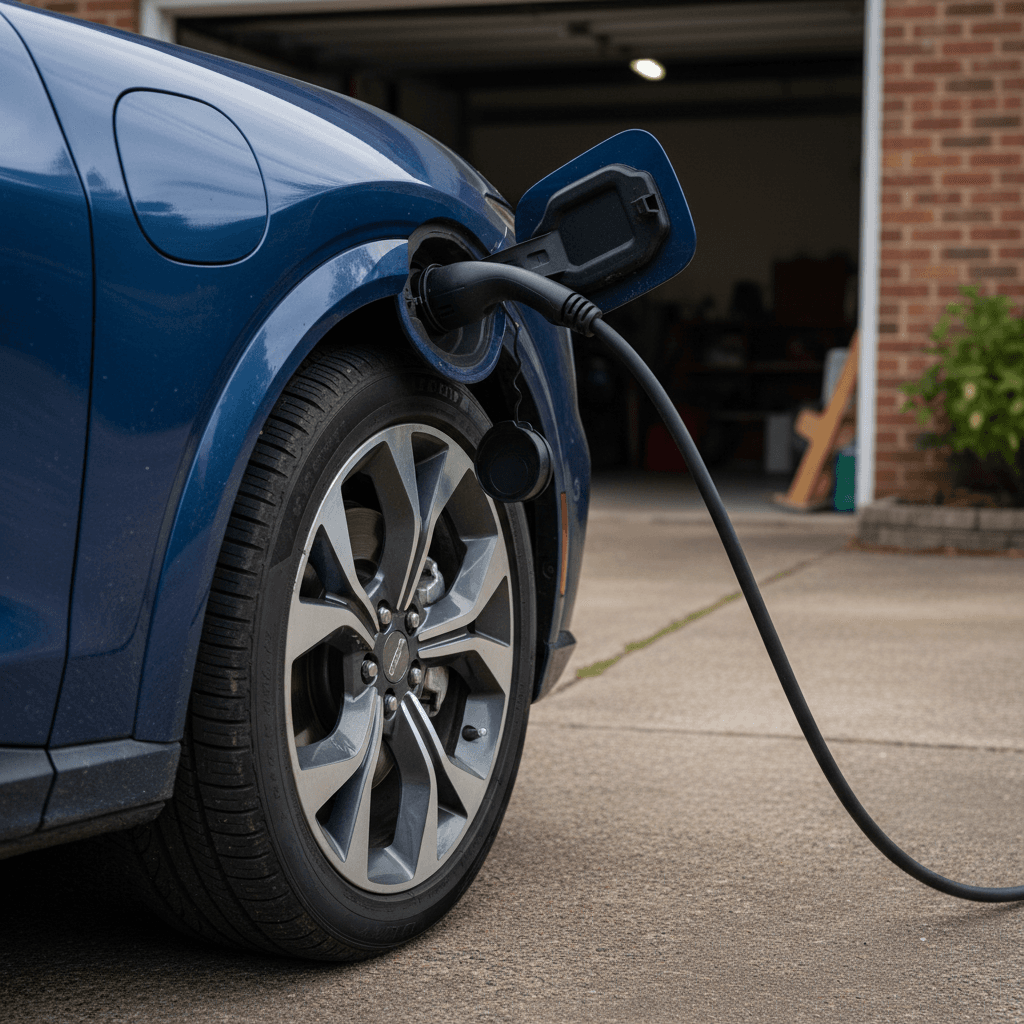
Owner fixes and preventive maintenance that actually help
You can’t control every software bug or future recall, but as an owner, or a savvy used‑EV shopper, you can tilt the odds in your favor. These steps make a real difference on 2026 Mach-E reliability, especially around the battery and charging system.
High‑impact habits for a healthier 2026 Mach-E
Set a sensible daily charge limit
For most drivers, setting the Mach-E to stop between 70–85% for daily use balances range with long‑term battery health. Save 100% charges for road trips and use them sparingly.
Avoid back‑to‑back DC fast‑charge marathons
High‑power DC fast‑charging heats the pack and stresses components. On long trips, aim for shorter sessions, say 10–80%, with some driving between, instead of multiple 0–100% blasts in a row.
Keep the car updated
When the Mach-E prompts for an over‑the‑air update, don’t ignore it. Many contactor, charging, and infotainment issues have been substantially improved via software.
Watch for early warning signs
Take seriously any repeat warning messages about the high‑voltage battery, charging faults that occur across multiple stations, or doors behaving oddly after a low‑battery event. Early attention often prevents bigger failures.
Treat the 12‑volt battery as a wear item
Have the 12‑volt battery tested annually after year three, and replace it proactively if you see marginal results. A weak 12‑volt battery can masquerade as all sorts of "mystery" problems.
Shopping a used 2026 Mach-E: what to check before you buy
Because 2026 is still a relatively fresh model year, most examples you’ll see in the used market will have low mileage and remaining factory warranty. That’s good news, but it doesn’t mean every car is equal. How the previous owner charged, drove, and updated the Mach-E can matter more than odometer readings alone.
Questions to ask the seller
- How was the car charged day‑to‑day? Home Level 2 with modest charge limits is ideal. A diet of constant DC fast‑charging is less appealing.
- Have you ever had HV battery or charging warnings? Listen for mentions of "won’t DC fast‑charge," "Service Vehicle Soon," or repeated dealer visits.
- When was the last software update installed? A vague answer is a cue to check the car yourself and assume some catch‑up may be required.
Inspections that matter most
- Battery health report. Ask for objective state‑of‑health data rather than a simple "looks fine."
- Level 2 and DC fast‑charge test. If possible, observe the car on both. Look for reasonable charge speeds and stable behavior.
- Road test with driver‑assist active. Confirm that lane‑keeping, adaptive cruise, and BlueCruise (if equipped) work as expected without constant fault messages.
Buying through a platform like Recharged means these checks are built into the process, and our Recharged Score lays out battery and charging health in plain language.
How the Recharged Score helps on Mach-E
FAQ: 2026 Ford Mustang Mach-E problems and reliability
Common questions about 2026 Mach-E problems and fixes
Bottom line: Is the 2026 Mustang Mach-E a good bet?
The 2026 Ford Mustang Mach-E arrives with a mixed but improving legacy. You’re not buying an unproven first‑year EV, and many early problems, especially around high‑voltage hardware and software, have been identified and addressed. At the same time, you’re still dealing with a complex, software‑rich platform that depends on good charging habits, regular updates, and careful long‑term ownership.
If you approach a 2026 Mach-E with clear eyes, checking battery health, charging performance, recall history, and software status, it can be a rewarding and practical electric SUV. And if you’d rather not decode all of that yourself, buying through Recharged gives you a Recharged Score report, EV‑specialist support, and nationwide delivery on carefully vetted used EVs, including the Mustang Mach-E.