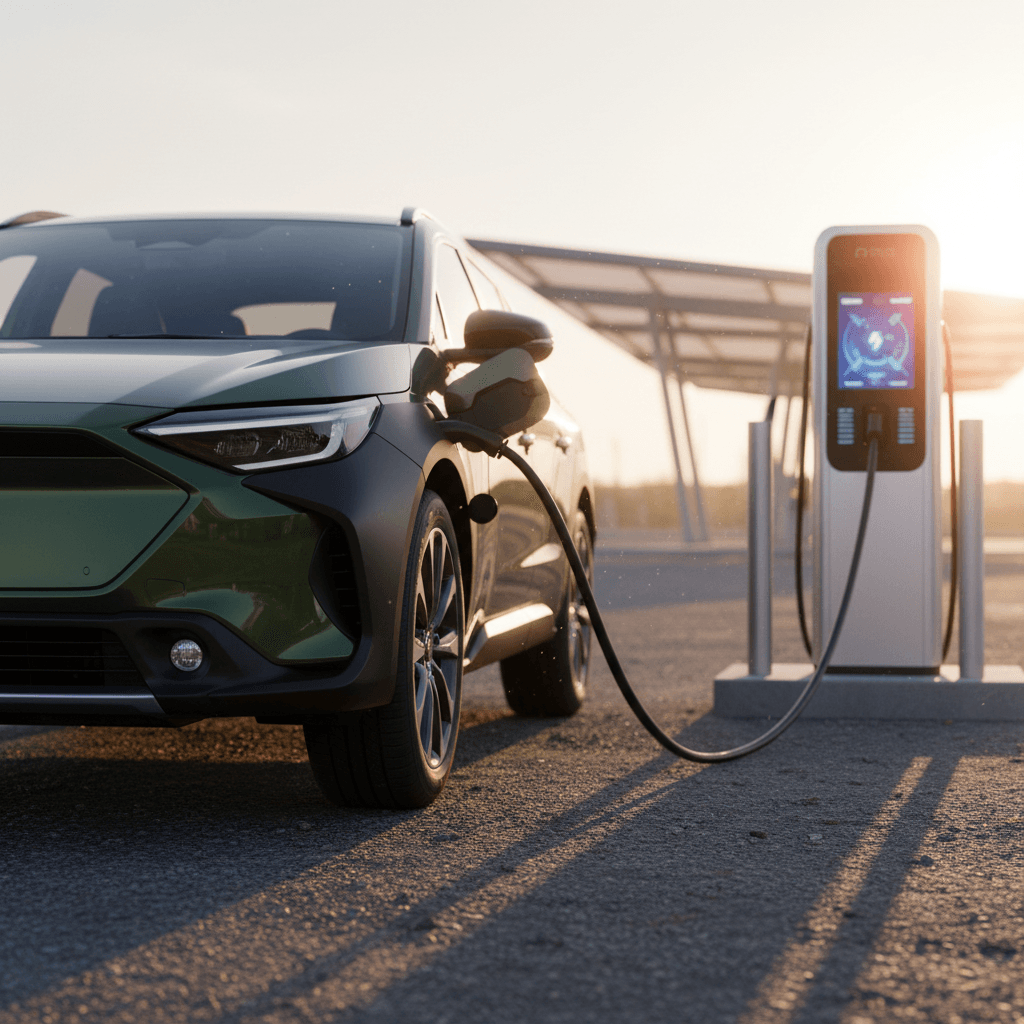
If you own or are eyeing a Subaru Solterra, you probably love the idea of all-wheel drive, ground clearance, and Subaru’s outdoorsy vibe. But how does it actually handle a real road trip, highway speeds, winter temps, and long stretches between chargers? That’s where the Subaru Solterra road trip story gets complicated.
At a glance
Who this Subaru Solterra road trip review is for
Which Solterra driver are you?
Road-trip expectations vary a lot depending on how you use your EV.
Weekend adventurer
Long-haul traveler
Mostly city, occasional trip
This review focuses on how the Subaru Solterra behaves on long highway drives and what you should plan for if you fall into any of those groups, especially if you’re comparing it to other used EVs on Recharged.
Quick take: Is the Subaru Solterra good for road trips?
Solterra road-trip reality in numbers (typical early-model AWD)
Honest verdict
Solterra range on the highway: What you can really expect
On paper, early Subaru Solterra models land around the mid‑200s for EPA range. In the real world, highway driving at 70–75 mph, with cargo, passengers, and climate control, tells a different story.
Early Solterra (2023–2025 AWD)
- Battery: ~72 kWh gross, ~64 kWh usable.
- EPA range: roughly 220–230 miles depending on trim.
- Typical highway leg in mild weather: 140–170 miles between fast charges if you start near 90% and arrive around 15–20%.
- Aggressive 75 mph driving or headwinds: Think more like 120–150 miles per leg.
Updated 2026 Solterra
- Battery & tuning updates: More efficient, with upper trims now advertised close to 285–288 miles of range.
- Practical highway leg: 170–200 miles between fast charges in good conditions is more realistic.
- NACS port: Direct access to Tesla Superchargers improves route flexibility but doesn’t change physics, high speed and cold still cut range.
Range planning rule of thumb
DC fast charging: How slow is “slow”?
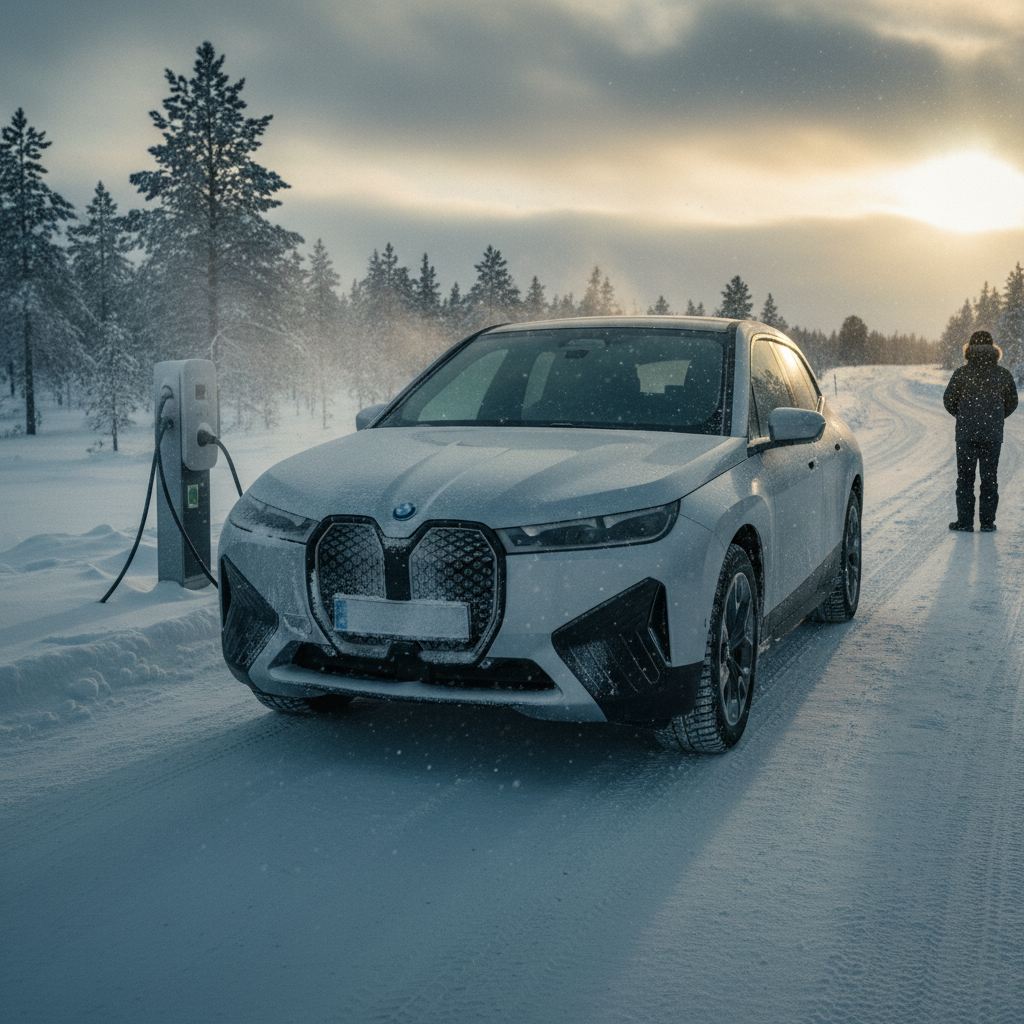
The Solterra’s biggest road‑trip asterisk is DC fast‑charging behavior Approximate real-world experiences owners commonly report. Your numbers will vary by temperature, charger quality, and exact model year. For planning, think in minutes on the charger, not just the theoretical kW rating. Subaru buyers often live where winter is real. The Solterra’s dual‑motor AWD and traction are strong suits, but cold weather exposes its range and charging weaknesses faster than in some competitors. In freezing temps at highway speeds, it’s common to see your effective range drop into the <strong>110–150 mile</strong> usable window on an early AWD Solterra if you keep a buffer. If your first fast charge of the day is after two hours of gentle highway driving in sub‑freezing temps, don’t be shocked to see <strong>30–40 kW</strong> instead of the headline number. Heated seats and steering wheel are efficient. Cranking cabin heat to 72–74°F on Eco helps, but short trips between stops still keep the pack cold. Climbing into mountains, strong headwinds, and wet or slushy pavement can all drag your winter freeway efficiency down closer to <strong>2.0–2.5 mi/kWh</strong>. In deep winter, design your charging plan around <strong>100–130 mile hops</strong>, even if the nav says you can stretch farther. With the right approach, you can make a Solterra road trip work, provided you treat planning as a first‑class task, not an afterthought. Here’s a framework you can adapt for your routes. Be honest about how far you want to drive each day. With an early Solterra, <strong>300–400 mile days</strong> are reasonable; 500–600 mile days are doable but will feel slow and stop‑heavy, especially in winter. Decide whether your route can lean heavily on <strong>Tesla Superchargers</strong> (with NACS access on 2026+ or an adapter) or if you’ll rely on CCS networks like Electrify America, EVgo, and regional providers. Combine a route planner (like A Better Routeplanner, some in‑car navs, or Google Maps with charging overlays) with a community app like <strong>PlugShare</strong> to check recent check‑ins and reliability. On early Solterras, try to arrive around <strong>10–20%</strong> and unplug in the <strong>60–70%</strong> range to avoid the slowest part of the charging curve. That usually means more, but shorter, stops. For each planned DC fast charge, identify at least one backup within <strong>15–25 miles</strong>. Avoid relying on single‑stall chargers at dealerships or small businesses when you can choose a site with 4+ stalls. In winter or remote areas, charging from <strong>15% to 85%</strong> at one stop can make sense when the next reliable charger is sparse. Yes, the top end will be slow, treat it as a meal break, not a quick splash. The Solterra’s road‑trip experience changes noticeably depending on what year you own and which networks your route offers. Different years, different charging realities. While charging speed draws most of the criticism, living with a Solterra on the highway isn’t all downside. Subaru and Toyota built a chassis that feels planted and predictable, with familiar Subaru ride quality and a high driving position. How it actually feels to spend a full day behind the wheel. If you’re considering a used Solterra, or already own one and want to road‑trip with confidence, the limiting factor isn’t just battery health. It’s the combination of usable range, DC charging behavior, and charging network access along your favorite routes. On a test drive, reset the trip computer and drive 20–30 miles at your normal highway speed. Note the <strong>mi/kWh</strong>. Multiply by the usable pack (about 64 kWh on early cars) to see if your realistic range matches your expectations. If possible, take the car from around <strong>20% to 70%</strong> on a reputable DC charger. Time the session and watch the kW numbers. This gives you a sense of how your particular car behaves. Ask whether the car has received <strong>charging and battery‑related updates</strong>. Some early vehicles benefitted from software tweaks that modestly improve behavior. Map out your common long drives and identify where fast chargers already exist. A Solterra that’s painful on one route could be perfectly fine on another with better infrastructure. When you buy through <strong>Recharged</strong>, every used EV includes a <strong>Recharged Score battery health report</strong>, so you can see how much usable capacity remains before you depend on it for long trips. This is the decision point for many owners: do you road‑trip in the Solterra you already have, or rent a different vehicle for the handful of long hauls you do each year? Viewed strictly through a road‑trip lens, the Subaru Solterra is a solid everyday EV with road‑trip caveats. Early models can absolutely cover long distances, but they do it with more stops, longer waits at DC fast chargers, and less margin for error, especially in winter, than many newer rivals. The 2026 update improves that picture, particularly for drivers who can lean on Tesla Superchargers. If your primary use case is commuting, local errands, and weekend adventures within a few hundred miles, the Solterra’s all‑wheel drive confidence and Subaru character may outweigh its highway compromises. If your life is built around fast, frequent 400–700 mile days, you may be happier in a different EV, or renting one for those rare long hauls. Either way, going in with clear expectations and a solid charging plan turns a Solterra road trip from a potential horror story into a manageable, sometimes even enjoyable, way to see the miles go by. And if you’re still deciding which EV to trust for your next long drive, Recharged can help you compare used options side by side, with verified battery health data and expert guidance so your next big trip starts with the right car.Typical DC fast-charging behavior on a road trip
Scenario State of Charge (SoC) window Observed power range Approx. time to charge Good use case Warm day, early Solterra 10% → 80% Peaks ~70–90 kW briefly, then tapers toward 30–40 kW 40–60 minutes Best-case long road-trip stop Cold day, early Solterra 15% → 70% Often 25–50 kW, more tapering 45–70 minutes Realistic winter stop, especially first charge of the day 2026 Solterra, warm conditions 10% → 80% Higher sustained kW, advertised ~150 kW peak on some trims 30–40 minutes (when everything lines up) More competitive with newer EVs Above 80% SoC (any year) 80% → 100% Tapers hard, can feel like Level 2 speeds 45–90+ minutes for the last 20% Generally not worth it on the road Where the frustration comes from
Winter road trip performance in the Solterra
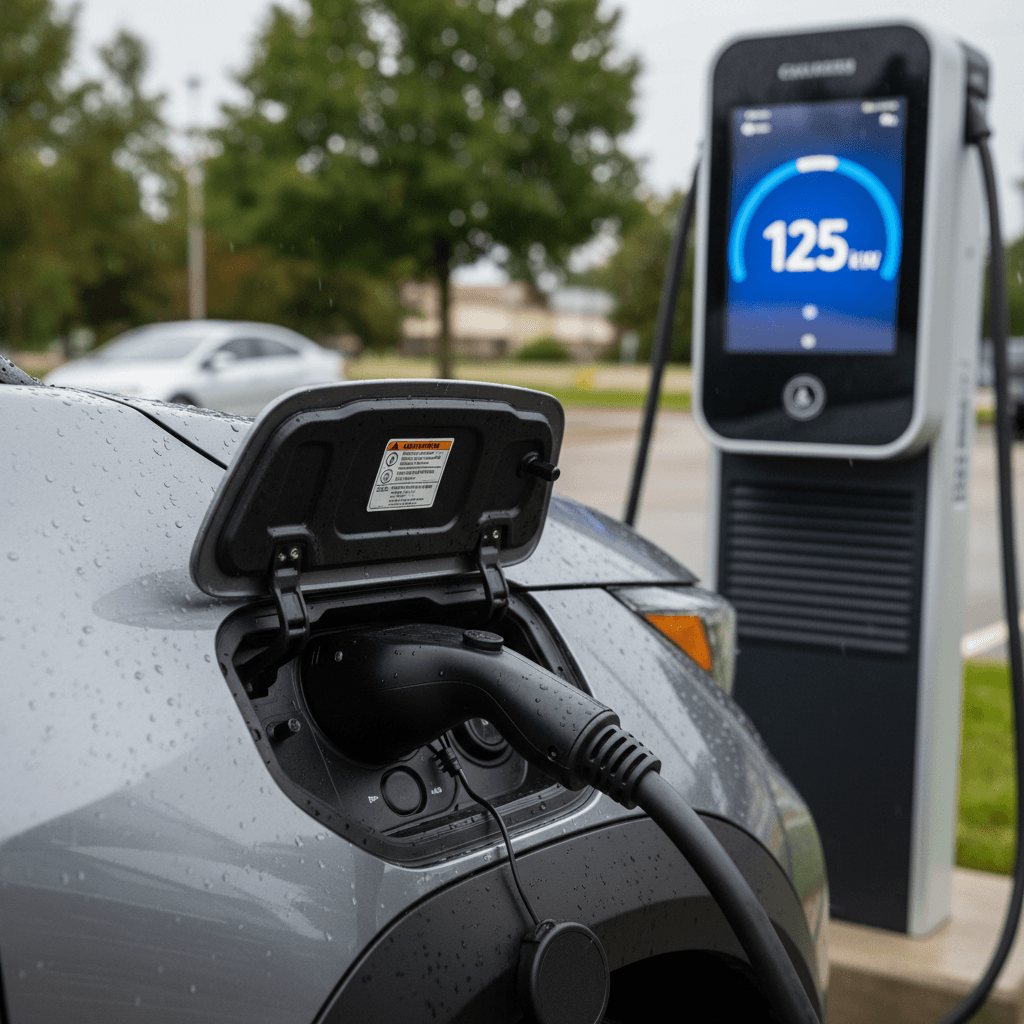
Winter Solterra road-trip realities
Expect 20–40% less range
Charging is slower when the pack is cold
Climate control matters
Terrain and wind stack the deck
Plan conservative legs
Where the Solterra shines in winter
Planning a Solterra road trip, step by step
Step-by-step Solterra trip planning
1. Define your daily mileage target
2. Choose your fast-charging backbone
3. Use at least two planning tools
4. Aim for 10–70% charging windows
5. Build in backups
6. Front-load your range in tough weather
Book hotels with Level 2 when you can
Charging network strategy: Tesla vs everyone else
How Solterra owners should think about charging networks
2023–2025 Solterra (CCS only)
2026+ Solterra (NACS/Tesla access)
Don’t assume a charger works because the map says so
Comfort and driving experience on long drives
Solterra road-trip pros and cons (beyond charging)
Road-trip positives
Minor annoyances
Road-trip drawbacks
Used Subaru Solterra: What road‑trippers should check
Road-trip checklist for a used Solterra
Confirm real-world highway efficiency
Test at least one DC fast charge
Review software and recall history
Look at your typical routes
Check battery health data
How Recharged helps Solterra road-trippers
Should you road trip a Solterra or rent something else?
When the Solterra is good enough
When renting may be smarter
Don’t forget the “opportunity cost”
FAQ: Subaru Solterra road trip questions answered
Common Subaru Solterra road trip questions
Bottom line: Is the Subaru Solterra the right road trip EV for you?