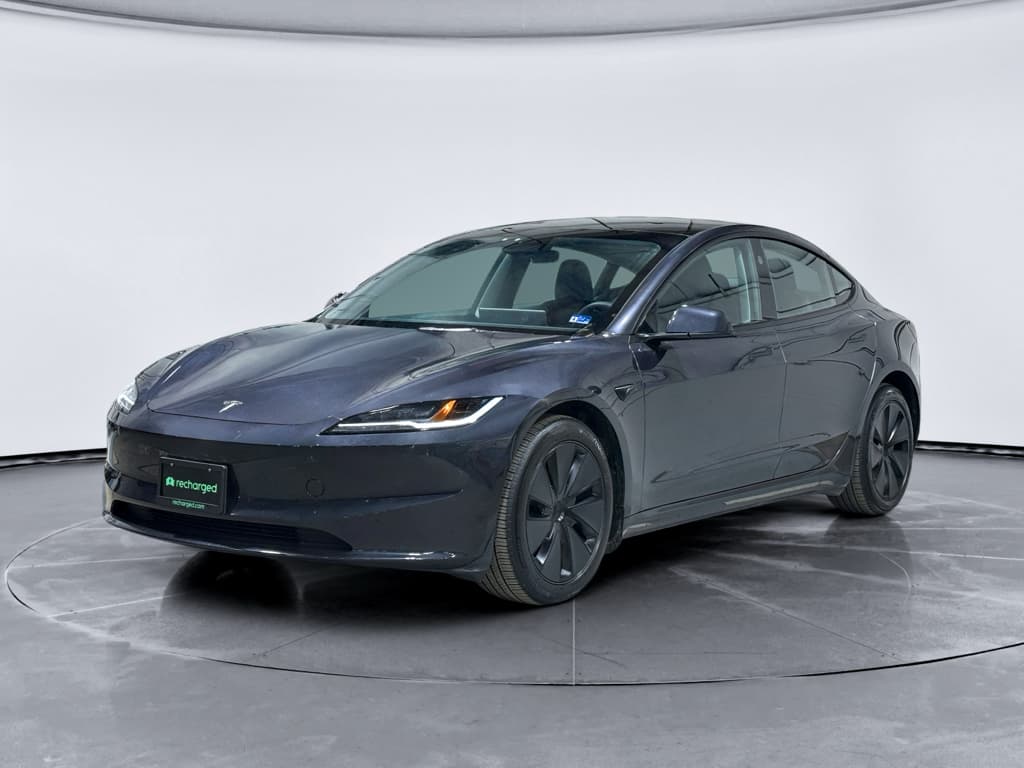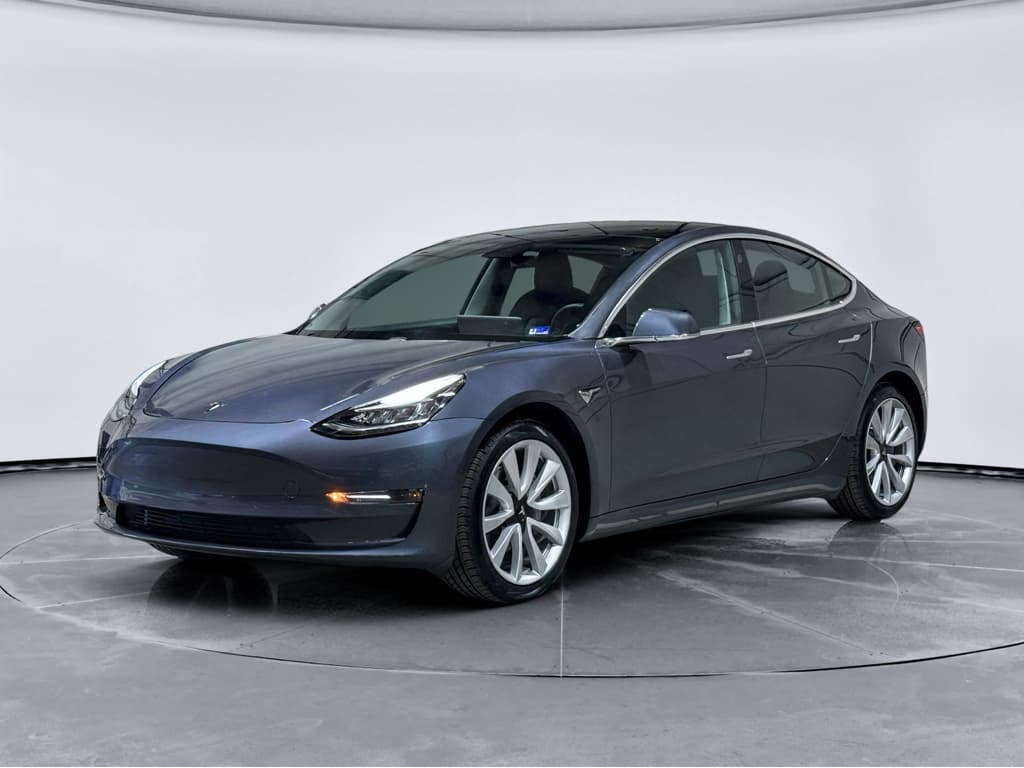
If you’re eyeing a 2023 Tesla Model 3, you’re not alone. It’s one of the most sought‑after used EVs on the market, quick, efficient, and relatively affordable. But how does 2023 Tesla Model 3 reliability really stack up once the showroom shine wears off? In other words: is this a smart used buy, or a high‑voltage headache waiting to happen?
The short version
2023 Tesla Model 3 reliability at a glance
2023 Model 3 reliability snapshot
On paper, the 2023 Model 3 sits in a curious place. Broadly, Tesla’s brand‑level reliability has improved in recent years, climbing into the top 10 in some reliability rankings, even as industry‑wide EV reliability still lags gas cars. At the same time, technical inspection data out of Europe has flagged Model 3 defect rates that are worse than average for 2–3‑year‑old vehicles, pointing to issues like suspension wear and build defects rather than catastrophic battery failures.
So the story is nuanced: the 2023 Model 3 is not a Toyota Camry in a battery costume. But it’s also not a fragile tech toy. It’s a generally robust EV with a few repeating weak spots and a service model that can be brilliant or exasperating, depending on your ZIP code.
How reliable is the 2023 Model 3 according to owners?
Let’s start with what matters most: people who’ve actually lived with the car.
- On major owner‑review platforms, the 2023 Model 3 typically scores around 4.6–4.8 out of 5 for reliability, with about 90% of reviewers saying they’d recommend it.
- Long‑term Model 3 survey data shows high satisfaction with the powertrain and battery, even as owners grumble about minor quality issues and service delays.
- Compared with many other EVs, the Model 3’s electric drive system is considered a relative strong point; most frustrations are around the human bits, trim, paint, tech glitches, and customer service.
What owners love
What owners complain about
Strengths: Where the 2023 Model 3 tends to hold up
Core reliability strengths of the 2023 Model 3
The electric drivetrain is the hero; the rest of the car is usually along for the ride.
Electric motor & inverter
The permanent‑magnet motors and inverter hardware have proven robust across multiple Model 3 years. Catastrophic drive‑unit failures are rare, and most cars rack up miles with nothing more than software updates.
Battery pack durability
Real‑world data from earlier Model 3s suggests modest degradation, often around 5–10% loss of range over the first 100,000 miles when reasonably cared for. The 2023 car uses an evolution of that same architecture.
Charging hardware
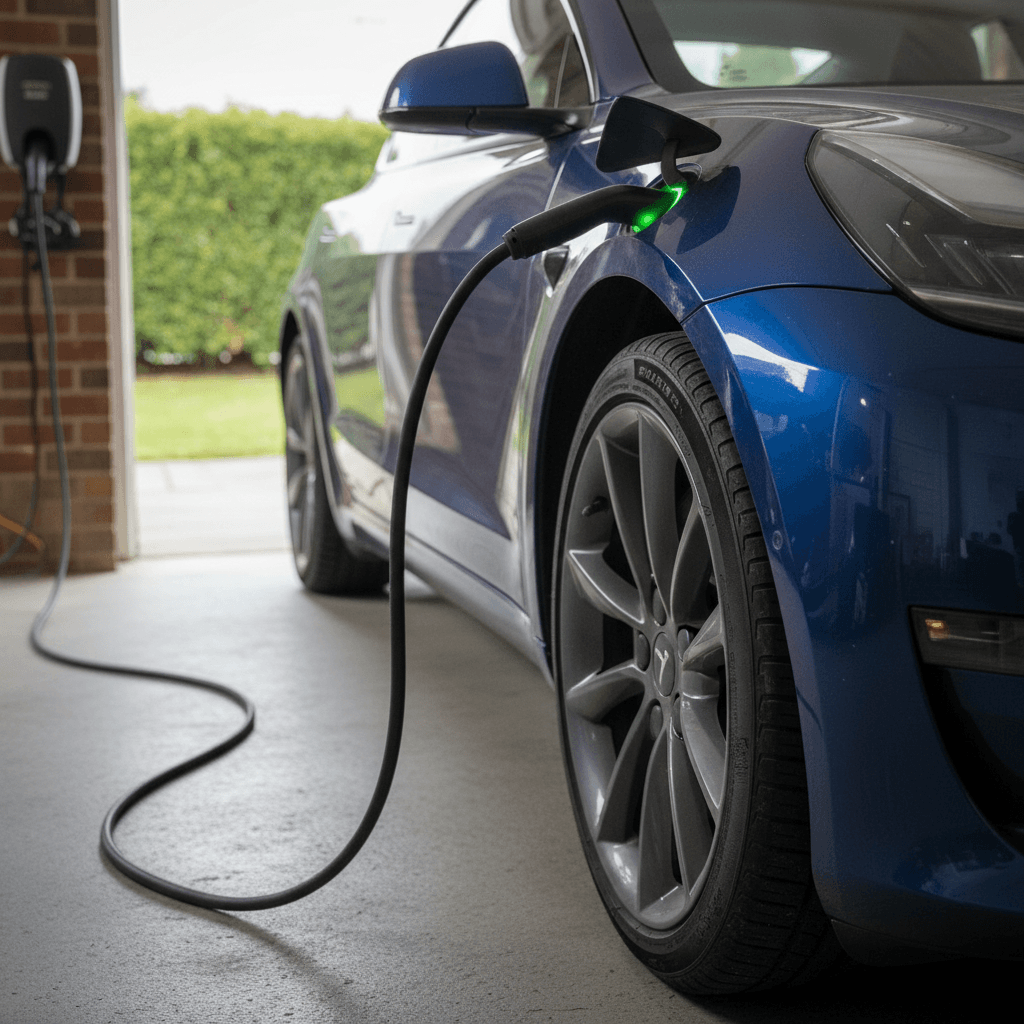
The onboard charger, charge port, and DC fast‑charge capability are generally solid. Issues do crop up (sticking charge doors, occasional charge‑port faults), but they’re not systemic failure points on 2023 cars.
The quiet hero of the 2023 Model 3 is its simplicity. No transmission with a dozen clutches, no timing chains, no exhaust, no oil changes. The main wear items are mundane, tires, wiper blades, cabin air filters, and the big‑ticket components tend to either work or very obviously not work, usually under warranty.
Common 2023 Model 3 issues to watch for
If you’re shopping a used 2023 Model 3, you’re not trying to predict whether electrons still work in the future. You’re trying to avoid someone else’s science experiment. Here are the problem patterns that show up most often.
Typical 2023 Model 3 reliability trouble spots
Not every car will have these issues, but these are patterns you’ll see repeatedly in owner reports and inspection data.
| Area | Typical issue | How it shows up | When it appears | Rough impact |
|---|---|---|---|---|
| Exterior & glass | Paint chips, thin clearcoat, windshield chips | Sandblasted front bumper, small rust spots in chips, frequent glass repairs | Often within first 1–3 years, especially in harsh climates | Cosmetic, but can get expensive to fix properly |
| Suspension & alignment | Premature control‑arm or bushing wear, misalignment | Clunks over bumps, uneven tire wear, steering pulling left/right | Frequently by 20k–40k miles on rough roads | Accelerated tire wear, potential safety concern if ignored |
| Interior trim | Rattles, creaks, loose panels | Buzzing over rough pavement, vibration noises near dash or doors | Any time; often noted within the first year | Annoying rather than dangerous |
| Climate system | Heat pump quirks, noisy fan, inconsistent cabin temp | Slow heating in cold weather, fan whine, fogged windows | Common in colder regions, 1–3 years in | Comfort issue; can become a safety concern in extreme weather |
| Electronics & sensors | Random warnings, camera issues, door handle misbehavior | Lane‑assist temporarily unavailable, phantom alerts, intermittent camera | Intermittent; often fixed with software or sensor replacement | Annoying; sometimes affects driver‑assist availability |
| Brakes | Corrosion on rotors due to heavy regen use | Pulsation, grinding or rust ring on rotors after sitting | More common on low‑mileage city cars | Usually fixable with cleaning or rotor replacement |
Use this as a starting list for questions and pre‑purchase inspections.
Don’t ignore suspension noise
Battery, range, and drivetrain longevity
Reliability is usually a code word for, “Will the battery die on me?” With the 2023 Model 3, the answer so far is: almost certainly not anytime soon, assuming normal use and charging habits.
- Most Model 3 packs in the wild, going back to 2018–2020 builds, show slow, predictable degradation, rather than sudden failure, when charged reasonably (mix of home Level 2 and occasional DC fast charging).
- Tesla’s warranty on 2023 Model 3 batteries typically covers 8 years and 100,000–120,000 miles with a minimum 70% capacity retention, depending on configuration.
- Motor and drive‑unit failures are rare headlines at this point; these cars are quietly stacking six‑figure mileages without major powertrain drama.
Range reality check for a 2023 Model 3
Where owners do vent, it’s less about batteries dying and more about range anxiety in winter and charging behavior. Cold‑weather range drops of 20–30% are absolutely normal in any EV. The key question when you’re buying used is not “how many miles on the odometer?” but “how has this battery been treated?”, fast‑charged 100% every day, or mostly babied on a home Level 2 charger.
Software, screens, and tech: brilliant and occasionally flaky
The 2023 Model 3’s entire personality is software‑forward: one giant screen, touch‑everything interface, over‑the‑air updates every few weeks. That’s magical when it works and mildly infuriating when it doesn’t.
The good
- Over‑the‑air fixes often resolve minor bugs without you ever visiting a service center.
- The infotainment stack is fast and responsive by car standards, with map, audio and app features owners genuinely enjoy.
- Driver‑assist systems can improve over time as Tesla refines tuning and detection.
The not‑so‑good
- Software updates occasionally introduce new quirks, random infotainment reboots, laggy cameras, or changed behavior in Autopilot.
- Voice commands and automatic wipers remain frequent sources of owner complaint.
- If the central screen fails, you lose access to most controls until it’s repaired.
Tech tip for test drives
Service experience, recalls, and what that means for you
Tesla’s reliability story is inextricable from its service story. The same vertically integrated system that gives you seamless charging and app‑based controls also means there’s no independent dealer network lobbying for your repair dollars.
What to expect from Tesla service
Spoiler: the mobile vans are great. Getting an appointment can be the hard part.
Mobile service is a bright spot
Tesla’s mobile technician fleet can handle a surprising number of jobs at your driveway, from minor suspension work to trim fixes and some electronics issues. Owners rate this experience highly when it’s available in their area.
Delays & communication
On the other side of the ledger: appointment lead times and communication can be frustrating. Many owners report long waits for body and glass work and slow responses through the app.
Recalls & software updates
Tesla leans heavily on software‑based recalls, pushing fixes over the air rather than bringing cars into shops. For hardware‑based recalls, you’ll schedule via the app just like any other repair.
Recent recall context
If you’re coming from a traditional luxury brand, Tesla service can feel odd: fewer pleasantries, more app notifications. The flip side is that many issues simply don’t require a shop visit at all. The 2023 Model 3 is mechanically simple, and when you pair that with disciplined maintenance, it can be a low‑drama car to own.
How the 2023 Model 3 compares to other EVs and gas cars
2023 Model 3 reliability vs typical alternatives
High‑level comparison; individual models will vary, but this is the general landscape.
| Vehicle type | Typical reliability picture | Biggest headaches | Upside |
|---|---|---|---|
| 2023 Tesla Model 3 | Above‑average owner‑reported reliability for an EV; powertrain strong, trim and service less so | Build quality quirks, suspension wear, tech glitches, service communication | Excellent efficiency, simple powertrain, OTA updates, strong charging network |
| Other compact EV sedans/SUVs | Often below average; many first‑ or second‑gen EV platforms still maturing | Battery/charging bugs, infotainment crashes, early drivetrain issues | More traditional interiors and dealer service networks |
| Comparable gas compact sedan | Generally better long‑term reliability today, especially from Toyota/Honda | Engines and transmissions eventually need real money, more regular maintenance | Cheaper to repair in some cases, huge service network, no charging anxiety |
Use this to calibrate expectations, not every EV is a paragon of reliability yet.
“EV reliability, as a class, still trails the best gas cars. But among EVs, Tesla’s mature drivetrain and software ecosystem make the Model 3 one of the safer bets, as long as you go in with open eyes about build quality and service.”
Used 2023 Model 3 buyer’s reliability checklist
Buying a 2023 Model 3 used isn’t about finding the perfect car; it’s about finding the right history. Here’s how to tilt the odds in your favor.
Reliability checks before you buy a 2023 Model 3
1. Pull a detailed history report
Look for accident records, repeated repair visits, or lemon‑law buybacks. A lightly used one‑owner car with clean history is ideal. Multiple body repairs can hint at alignment and suspension issues down the road.
2. Inspect tires, wheels, and alignment
Uneven tire wear on the inner edges, curb‑rashed wheels, or a steering wheel that doesn’t track straight can point to suspension or alignment problems, common enough on pothole‑ridden roads.
3. Check panel gaps, glass, and water leaks
Walk the car, paying attention to consistency of gaps around doors and trunk. Inspect the windshield and glass roof for chips or cracks, and check carpets and trunk for dampness after rain.
4. Stress‑test the software & screen
On the test drive, cycle through navigation, cameras, audio, HVAC, and driver‑assist. Note any freezing, reboots, or persistent alerts. A healthy 2023 should feel snappy and drama‑free here.
5. Verify battery health and charging behavior
Look at the displayed estimated range at 80–90% charge and compare it to original EPA numbers. Ask how the car has been charged (mostly home Level 2 vs. daily DC fast charging) and try a quick charge session if possible.
6. Confirm warranty and recall status
Check remaining basic and battery/drive‑unit warranty coverage by in‑service date and mileage. Run the VIN through NHTSA and ask for documentation that any open recalls have been completed.
How Recharged can help
FAQ: 2023 Tesla Model 3 reliability questions, answered
Frequently asked questions about 2023 Model 3 reliability
So, should you buy a 2023 Tesla Model 3 used?
If you want an electric car that feels genuinely modern, won’t brutalize your monthly budget, and has real‑world range for American life, the 2023 Tesla Model 3 sits right in the sweet spot. Its reliability record isn’t flawless, but the fundamentals, the battery, motors, and charging ecosystem, are strong. The weak points are fixable: careful inspection for suspension and alignment issues, a realistic attitude toward trim and tech quirks, and a willingness to live with an app‑first service model.
For many shoppers, that trade‑off is absolutely worth it. A well‑vetted 2023 Model 3 can deliver years of quiet, low‑maintenance driving and software‑powered improvements you’ll never see in a gas car. If you’d like a second set of eyes on a specific car, or want to see 2023 Model 3s that have already passed expert battery and condition checks, Recharged can help you compare options, arrange financing or trade‑in, and deliver the right car to your driveway.