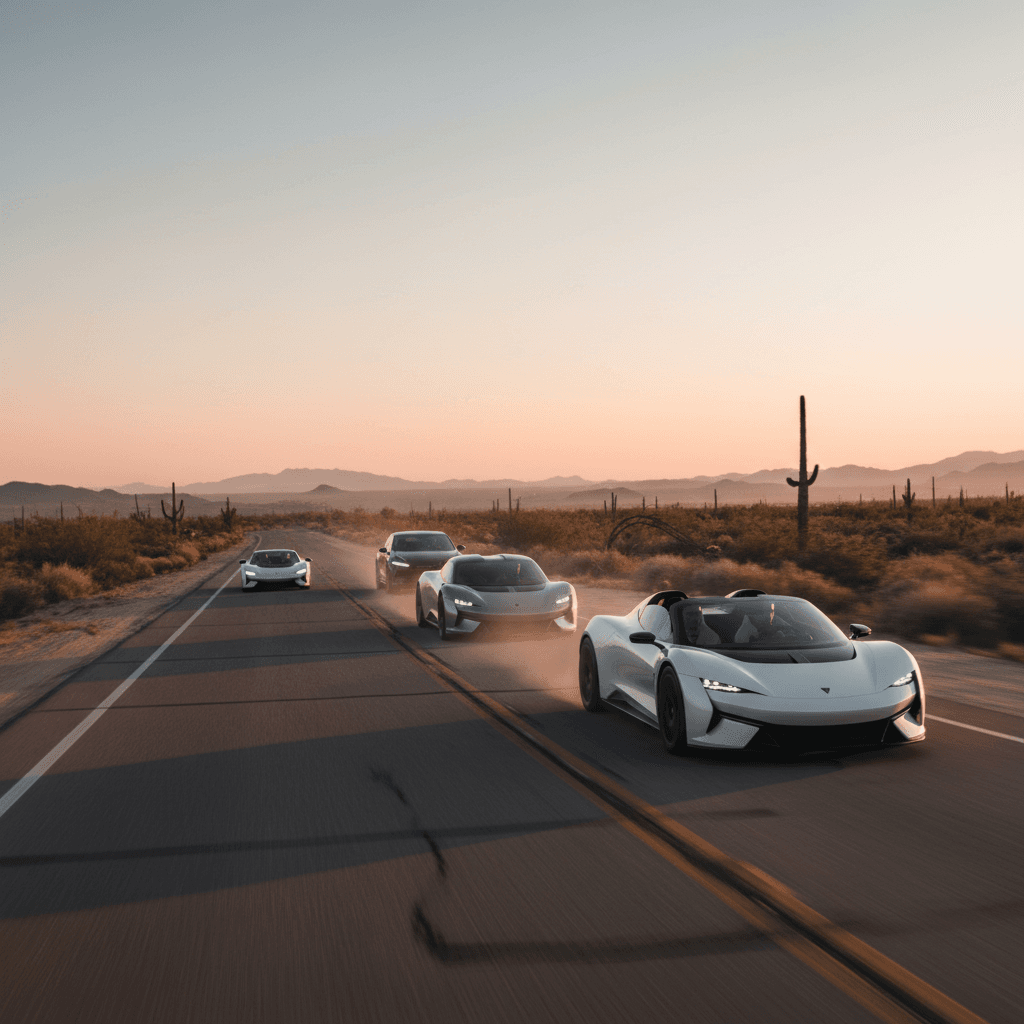
Ask ten car nerds what the fastest electric car 2026 is and you’ll get ten different answers. Are we talking top speed? 0–60 mph? Quarter‑mile? Nürburgring lap times? In 2026, EVs are bending the rules so hard that “fastest” depends very much on how you measure it, and what kind of driver you are.
Fast doesn’t mean one thing anymore
What “fastest electric car 2026” actually means
For decades, the bar‑room argument was simple: whoever had the highest top speed owned the fastest car. Electric vehicles blew that up. Today, the Rimac Nevera, BYD’s Yangwang U9, Porsche’s Taycan Turbo GT and Xiaomi’s SU7 Ultra each wear some kind of “fastest” crown, but for very different reasons.
Four ways to measure the fastest electric car
Same cars, very different scoreboards
Top speed
How fast it goes, flat‑out, usually on a long test track. Great for headlines, useless on your commute.
0–60 mph
How violently it launches from a stop. This is what your neck and passengers actually feel.
Quarter‑mile
Classic drag‑strip measure. Combines traction, power and gearing into one eye‑watering number.
Lap time
How quickly it laps a circuit like the Nürburgring. Tests power, grip, brakes and chassis balance.
Beware of marketing numbers
Fastest electric car 2026 by top speed
If you judge purely by how fast an EV can howl down a straight, as of early 2026 the headline belongs to a Chinese hypercar: BYD’s Yangwang U9 Track Edition/Xtreme.
Top‑speed monsters: 2026 electric hypercars
There are a few important caveats here. The Yangwang U9 Track Edition’s record was set in a controlled test environment and is effectively a track special, still based on a production car, but not the one you’re going to see parallel‑parked at the grocery store. The Rimac Nevera, by contrast, is a fully homologated, road‑legal car sold to customers worldwide, which is why many purists still call it the “real” fastest production EV by top speed.
Top speed vs reality
Quickest electric cars: 0–60 mph and quarter‑mile kings
Ask any EV owner and they’ll tell you: it’s the launch that hooks you. Instant torque. No gearshifts. Just a long, silent punch in the kidneys. If we crown the fastest electric car 2026 by how violently it leaves the line, the Rimac Nevera family still sits at the top of the heap.
Fastest‑accelerating electric cars in 2026
Approximate manufacturer or independently verified figures, where available.
| Model | 0–60 mph (sec) | Quarter‑mile (sec) | Top speed (mph) | Notes |
|---|---|---|---|---|
| Rimac Nevera / Nevera R | ~1.7 | Low 8s | 258 | Guinness‑verified 0–60 runs; also a 0–249–0 mph record holder. |
| Chevrolet Corvette ZR1X (hybrid) | ~1.7 | 8.6–8.7 | ~200+ | Not fully electric but uses a powerful e‑axle; shows how blended powertrains can launch. |
| Aspark Owl | ~1.7–1.9 | 9s est. | ~249 | Low‑volume Japanese hyper‑EV, built in Italy. |
| Tesla Model S Plaid | ~1.9–2.1 | 9.2–9.4 | 200 | Mass‑produced sedan that can embarrass superbikes off the line. |
| Porsche Taycan Turbo GT | ~2.1 | ~10.0 | 190+ | Track‑focused Taycan with drag‑race party tricks. |
| Lucid Air Sapphire | ~1.9–2.0 | 9s | 200+ | Three‑motor powertrain aimed squarely at Model S Plaid buyers. |
These aren’t commuter appliances, they’re physics experiments with license plates.
Street vs spec sheet
Track weapons: fastest EVs on a road course
Straight‑line numbers make great TikToks, but racetracks tell you whether an EV’s brakes, suspension and cooling can keep up. That’s where cars like the Porsche Taycan Turbo GT and Xiaomi SU7 Ultra shine.
Nürburgring and major‑circuit EV benchmarks
Selected lap records and headline times for electric performance cars.
| Car | Lap / Circuit | Lap time | What it means |
|---|---|---|---|
| Xiaomi SU7 Ultra | Nürburgring Nordschleife | ~7:05 and below | Mass‑produced EV holding or contesting the record for fastest four‑door electric car around the ‘Ring. |
| Rimac Nevera | Nürburgring Nordschleife | 7:05.298 | Record‑setting run for a production EV hypercar; remarkable for a heavy grand‑tourer. |
| Porsche Taycan Turbo GT | Various circuits | Sub‑7:10 at ‘Ring (pre‑series) | Porsche’s testing has put the hottest Taycan in supercar company on Europe’s toughest track. |
| Yangwang U9 | Nürburgring Nordschleife | 7:17.9 (unofficial) | Chinese hyper‑EV showing serious pace as its maker eyes European bragging rights. |
Lap times change fast as manufacturers chase bragging rights, but these runs give you a flavor of what’s possible.

Why track times matter for you
Fast electric cars you can actually buy and live with
Hyper‑EVs make headlines, but most drivers shopping in 2026 want something that seats four, doesn’t cost seven figures, and won’t make their insurance agent faint. The good news? You don’t need 250 mph to own a genuinely quick electric car.
Real‑world fast EVs you’ll actually see on the road
Quick, practical and (relatively) attainable, especially on the used market
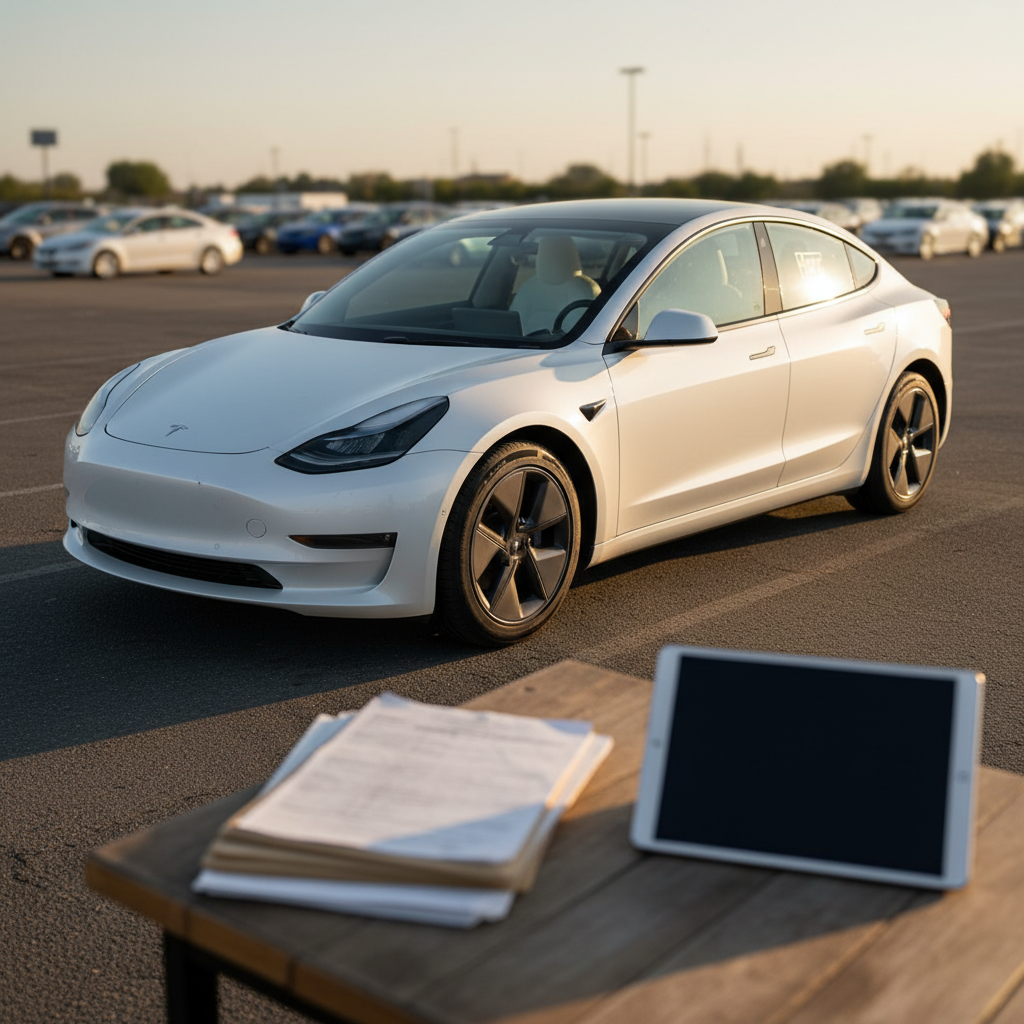
Tesla Model 3 Performance
Why it feels fast: Sub‑3.5‑second 0–60 launches, rear‑biased AWD and a low seating position give you that sports‑sedan hit without supercar pricing.
Used bonus: Earlier Performance models often appear thousands below new MSRP on the used market.
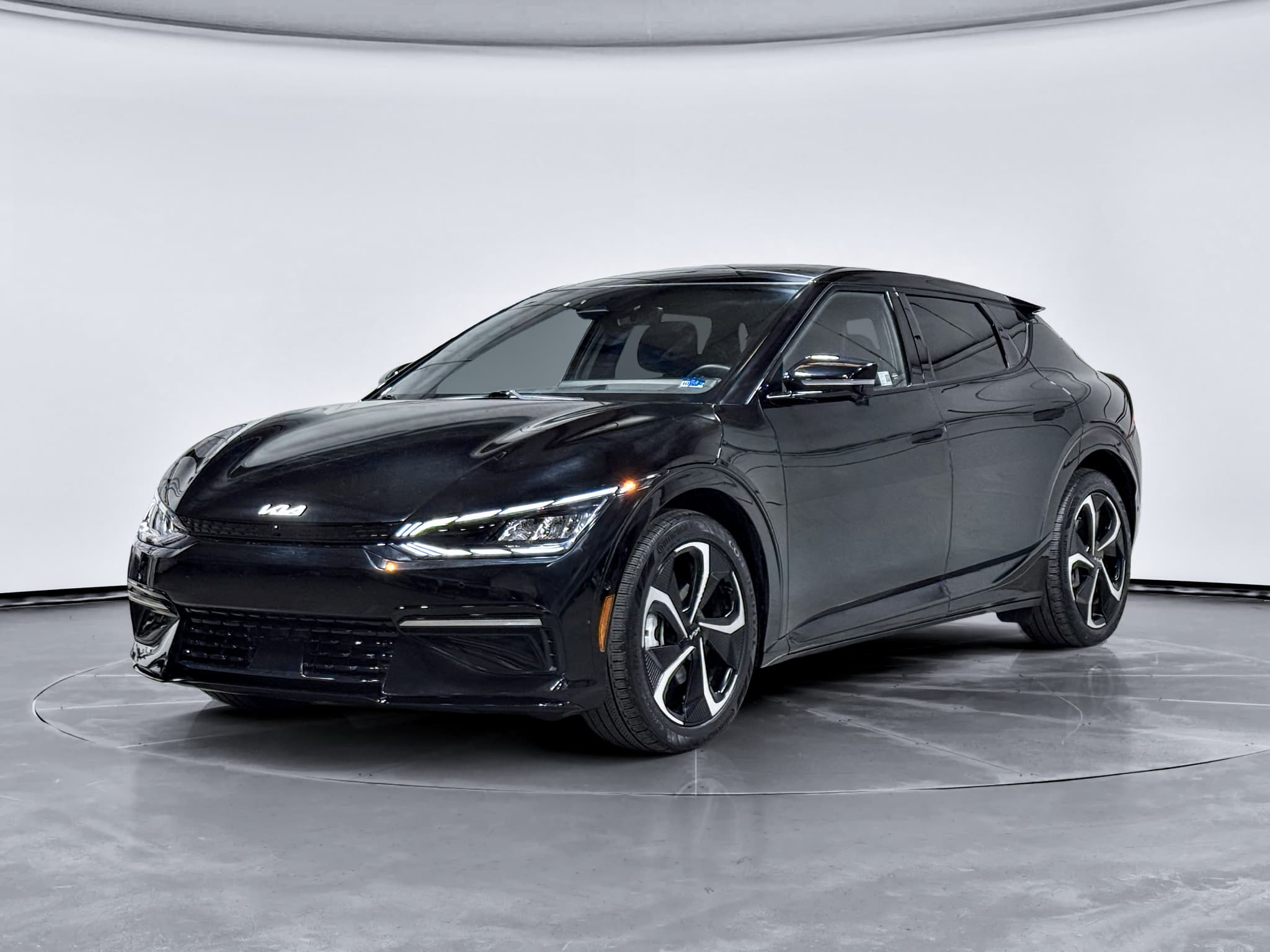
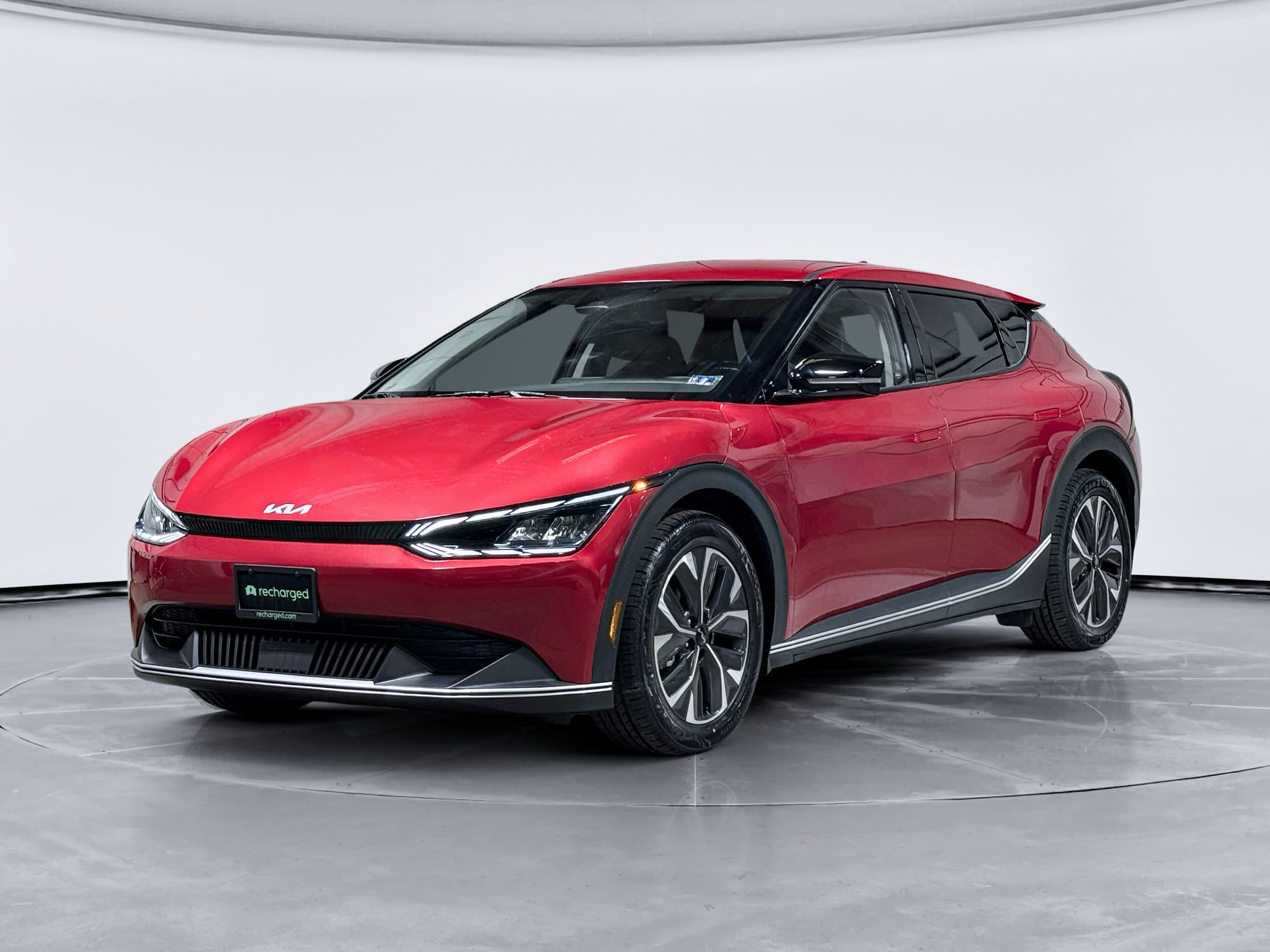
Hyundai Ioniq 5 N / Kia EV6 GT
Why it feels fast: Hot‑hatch attitude with drift modes and track‑ready brakes. 0–60 around 3.2 seconds, wrapped in a family‑friendly body.
Used bonus: Enthusiast EVs depreciate; that’s your opportunity if you buy carefully.
Porsche Taycan & Audi e‑tron GT
Why it feels fast: Immediate throttle response and repeatable launches. Even non‑Turbo trims feel seriously quick in the real world.
Used bonus: Luxury EVs take some of the steepest early depreciation, perfect hunting ground for value‑minded speed freaks.
On the used side, you’ll also find plenty of Tesla Model S Plaid, early Lucid Air performance trims, and dual‑motor crossovers that hit 60 mph in the mid‑3‑second range. They won’t win a YouTube drag race with a Rimac, but they’ll swallow a freeway on‑ramp in one long, satisfying whoosh.
Where Recharged fits in
How fast is “fast enough” in an EV?
Here’s the honest truth from years of testing: anything that does 0–60 mph in under 6 seconds feels plenty quick in daily traffic. Under 4 seconds moves into “I really need to pay attention to my license” territory. Under 3? That’s superbike country, and you’ll use maybe 30% of that ability on public roads, if that.
EV speed vs the gas cars you remember
- 8–9 sec 0–60: Old family sedans, base crossovers.
- 6–7 sec: V6 Camry, GTI, warm hatch territory.
- 4–5 sec: Classic V8 pony cars, BMW 3 Series with a good engine.
- 3–4 sec: Yesterday’s supercars; C8 Corvette, 911 Carrera S.
How many seconds do you really need?
If your current car takes 7–8 seconds to hit 60, a 5‑second EV will feel like you turned the world’s gravity down. A 3‑second EV will make passengers ask you not to do that again. Think about who rides with you and how often you actually floor it.
For most drivers, the sweet spot is a 4–5‑second family EV: instant response, easy passing, without the constant worry you’re traveling at triple the limit.
Test‑drive with your passengers in mind
Should you buy a used performance EV?
Shopping used is where the fastest electric cars of 2026 become remotely attainable. But high‑performance EVs ask a little more of their batteries, brakes and tires than your average commuter pod. That doesn’t mean you should avoid them, it just means you should shop like an engineer, not a fan club president.
Used fast EV checklist
1. Start with battery health
High‑power launches and frequent DC fast charging can stress a pack over time. Look for a documented <strong>battery health report</strong> (like the Recharged Score) and compare remaining capacity against what the car had when new.
2. Look for software and thermal updates
Manufacturers often push updates to improve cooling and power delivery. Make sure the car is on current software and ask whether any thermal‑management campaigns or recalls were completed.
3. Inspect brakes and tires closely
Fast EVs chew through consumables. Uneven tire wear, cheap replacement rubber or deeply grooved rotors can hint at hard track use or aggressive driving.
4. Check charging history if possible
A car that lived at a DC fast charger may show more battery wear than one mostly charged at Level 2 at home. When possible, ask the seller or review connected‑car reports for patterns.
5. Budget for insurance and tires
A bargain on a used Taycan Turbo or Model S Plaid can be wiped out by supercar‑level insurance or $2,000 tire replacements every 15,000 miles. Run quotes and get tire prices before you fall in love.
6. Prefer transparent, EV‑savvy sellers
A seller who shrugs at battery questions is a red flag. Platforms built around EVs, like <strong>Recharged</strong>, are designed to surface this information up front so you’re not guessing.
Performance modes and degradation
How Recharged can help you shop for a fast EV
If you’re hunting for the fastest electric car that still makes sense in your driveway, you want two things: speed and clarity. Speed, you can feel from the driver’s seat. Clarity is harder, unless someone has already done the homework for you.
Why performance‑minded buyers like shopping with Recharged
Fast EVs, minus the guesswork
Recharged Score battery report
Every car on Recharged comes with a Recharged Score, a verified look at battery health and pack performance. That’s critical when you’re eyeing a high‑output EV that’s lived a hard life.
Fair market pricing & financing
Fast EVs can depreciate quickly; we track the market so you don’t have to. You’ll see transparent, fair pricing and financing options that fit real‑world budgets.
Trade‑in & nationwide delivery
Have a gas performance car to trade or an older EV to move on from? Recharged can value your trade, set up consignment or instant offers, and deliver your next car to your driveway, no dealer games.
Ready to find your next EV?
Browse VehiclesYou can shop entirely online, lean on EV‑specialist support when you have questions, and if you’d rather kick the tires in person, visit the Recharged Experience Center in Richmond, VA to see how a fast EV fits your life.
Fastest electric car 2026: FAQ
Frequently asked questions about the fastest electric cars in 2026
Bottom line: what the fastest electric car in 2026 means for you
In the record books, the fastest electric car 2026 is a knife fight between exotic hyper‑EVs: Yangwang’s U9 Track Edition for top speed, Rimac’s Nevera for all‑round acceleration and Guinness‑certified stunts, and a swarm of Taycans, Teslas and Xiaomis clawing at Nürburgring lap times.
On your street, the story is simpler. Any modern EV that hits 60 in under 6 seconds is a quick car. Under 4 seconds, it’s genuinely wild. The trick isn’t finding the absolute fastest EV, it’s finding the right fast EV: one whose speed you can enjoy, whose battery you trust, and whose price and upkeep don’t keep you awake at night.
That’s where Recharged comes in. Our used EV marketplace pairs exciting cars with clear data, battery health via the Recharged Score, fair pricing, trade‑in options, financing, nationwide delivery, and EV‑savvy humans who can talk you through life with a performance EV. When you’re ready to stop reading about the world’s fastest electric cars and start driving one that actually fits your life, you’ll know where to look.