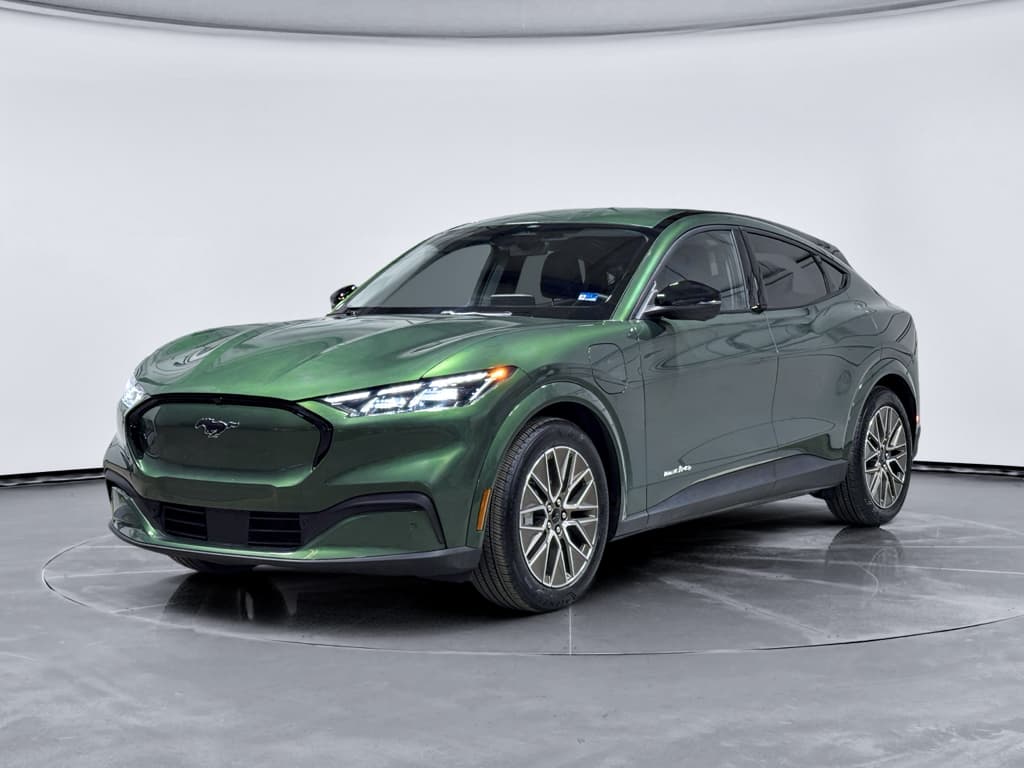
If you’re eyeing a 2025 Ford Mustang Mach-E, you’ve probably heard two very different stories: glowing reviews about performance and comfort, and grumbling about recalls and weird warning lights. The truth, as usual, lives in the middle. In this guide, we’ll unpack the **2025 Ford Mustang Mach-E reliability rating**, the issues Ford has already had to fix, how the battery is holding up, and what all of that means if you’re shopping new or used.
Quick take
2025 Ford Mustang Mach-E reliability rating at a glance
2025 Mustang Mach-E reliability snapshot
Independent survey data for the 2025 Mach‑E paints a familiar picture: **mechanicals and battery hardware are generally solid**, while **electronics, software, and convenience features** drag the score down. Think of it as a great EV wrapped in an occasionally fussy suit of software.
- Owner surveys and third‑party ratings put the Mach‑E’s reliability in the **average to slightly below‑average** range for EVs.
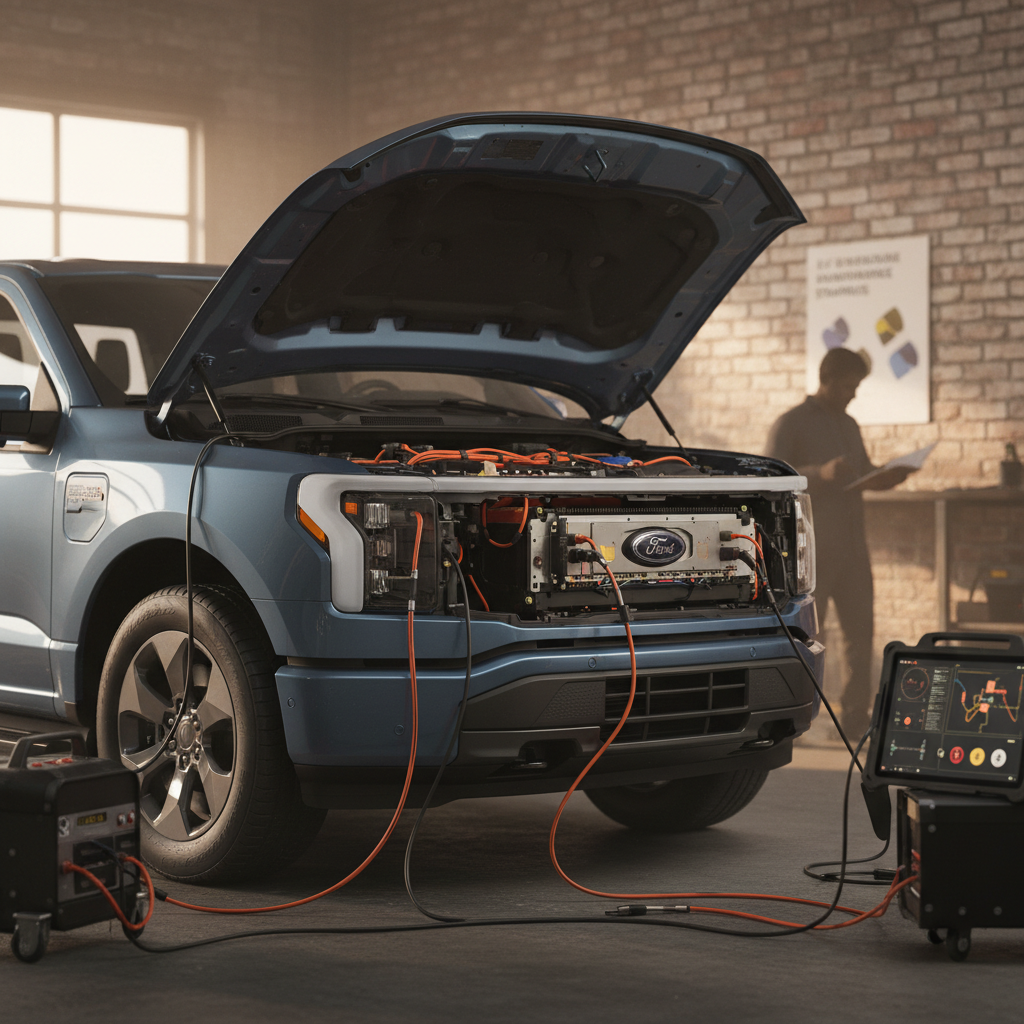
- Most serious hardware issues (high‑voltage battery junction box, early 12‑volt problems) are concentrated in 2021–2022 builds.
- 2025 models still see **software‑related recalls** (door latches, rear camera, parking module), but those are fixable with updates rather than major parts swaps.
How the 2025 Mustang Mach-E reliability rating is calculated
When you see a **reliability rating** for the 2025 Ford Mustang Mach‑E, it’s rarely one person’s opinion. It typically blends three buckets of information:
What goes into a Mach-E reliability score?
Three inputs that matter more than marketing claims
Owner survey data
Large organizations survey hundreds of thousands of owners about:
- How often their car goes back to the dealer
- What actually broke (or glitched)
- How long repairs took and if they stuck
Repair & recall history
Analysts look at:
- Technical Service Bulletins (TSBs)
- Safety recalls and field fixes
- Patterns in warranty claims over time
Design & complexity
New powertrains, first‑year tech, and heavy software dependence can all increase risk until the bugs are worked out.
The Mach‑E is still a **first‑generation EV platform** for Ford, and that alone tends to keep reliability ratings from climbing into “rock‑solid” territory. The upside: by the 2025 model year, Ford has already lived through several rounds of fixes on earlier cars, and many of those lessons show up as improved parts, updated software, or both.
How to read a "mid-pack" score
2025 Mustang Mach-E strengths: what’s going right
Reliability isn’t just a list of what breaks. It also includes what **doesn’t** break. On the 2025 Mach‑E, several core systems are proving robust:
Core reliability strengths on the 2025 Mach-E
Where the engineering is already paying off
Electric motors & driveline
Mach‑E drive units have a good reputation so far. Motor failures are rare compared with some early EV competitors, and day‑to‑day drivability is strong.
High-voltage battery durability
Real‑world reports show **modest degradation** when cars are charged and stored reasonably. Catastrophic battery failures are uncommon and covered under Ford’s EV component warranty.
Brakes & basic hardware
Regenerative braking means friction brakes do less work; many owners see **very slow pad and rotor wear**. Suspension and steering complaints are low compared with software issues.
For many owners, the daily experience is drama‑free: charge at home, drive, repeat. When problems do crop up, they’re more likely to be **annoying than catastrophic**, a stuck software update, a glitchy camera, or a door latch that doesn’t behave as designed.
Known issues & recalls that affect 2025 Mach-E reliability
Here’s where the story gets more complicated. Even though many early problems were tied to 2021–2022 builds, several **recalls reach forward into 2024 and 2025** and shape how reliable a 2025 Mach‑E feels in real life.
Major Mach-E issues and recalls shoppers should know
Not every recall applies to every 2025 Mach-E, but all are worth checking before you buy.
| Issue | Model years affected | Symptom/Risk | Typical fix |
|---|---|---|---|
| High-voltage battery junction box (HVBJB) contactors | Primarily 2021–2022 | Loss of power or "Stop Safely Now" messages under high load | Software and/or component updates; newer builds use revised parts. |
| 12-volt battery discharge & charging faults | Mostly 2021–early 2023 | No‑start conditions, warning messages, repeated low‑voltage alerts | Software updates and, in many cases, 12‑volt battery replacement. |
| Door latch software fault (could trap rear passengers) | 2021–2025 | Rear doors may stay locked after the front occupant exits, especially risky for children in back. | Software update at dealer to correct latch logic. |
| Rearview camera image failure or delay | 2021–2023 (select 2025s via broader Ford recall) | Camera image may freeze, delay, or fail; increases backup crash risk. | Over‑the‑air (OTA) or dealer software update. |
| Park module roll‑away risk | 2024–2026 Mach-E | Vehicle may not reliably hold in Park if the integrated module fails. | Park module software update at the dealer. |
Always run a VIN lookup on NHTSA.gov or with a Ford dealer to confirm open recalls on a specific car.
Do NOT ignore recalls on a used Mach-E
- Ask the seller for a printed **Ford Oasis/recall report** or service history showing completed campaigns.
- Run the VIN through the NHTSA recall lookup and Ford’s own site before you travel to see a car.
- If a recall is open but parts or software aren’t available yet, factor that downtime into your decision, or walk away if it’s safety‑critical.
Battery reliability and warranty coverage
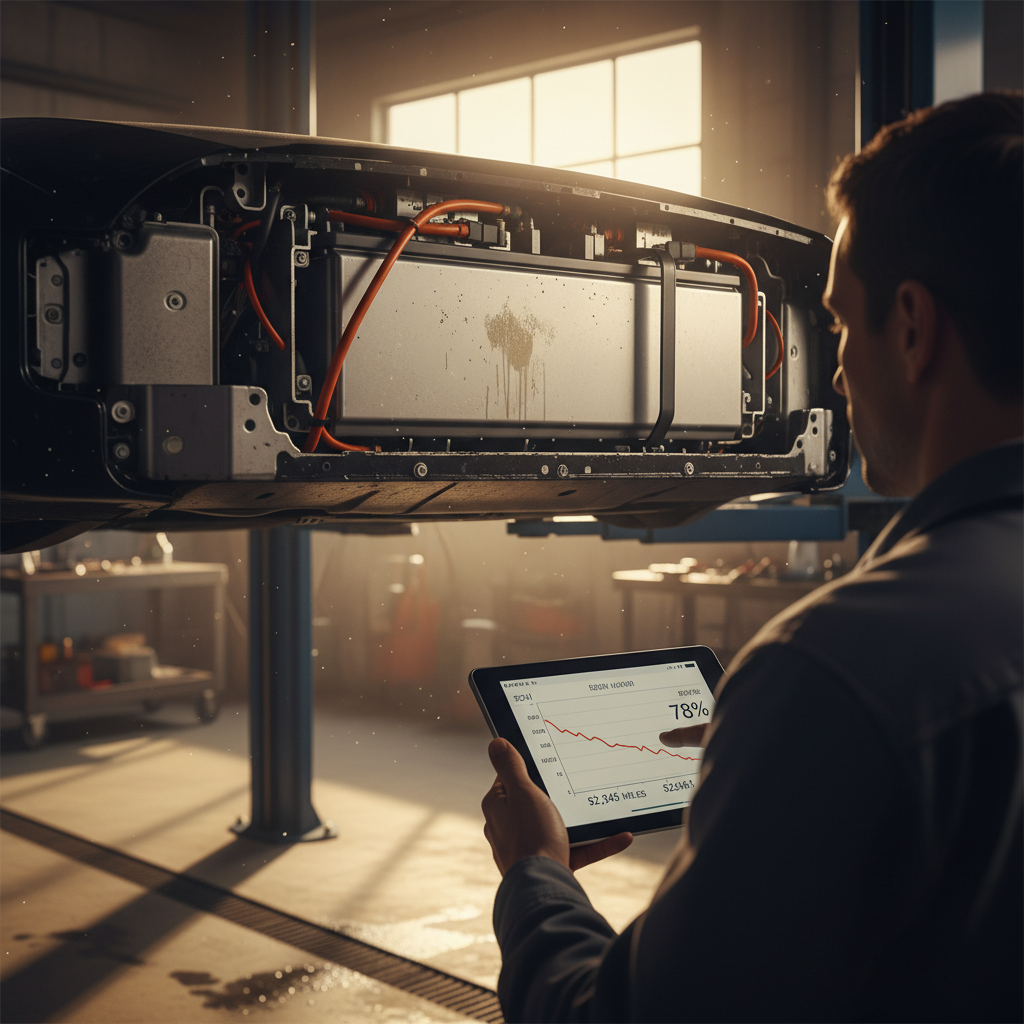
The big, expensive question with any used EV is the battery. On the Mustang Mach‑E, **most of the headline‑grabbing issues have been about control hardware and software, not the cells themselves**. That’s important context if you’re worried about long‑term ownership.
- Ford backs the Mach‑E’s **high‑voltage battery and electric drive components** for **8 years/100,000 miles** in the U.S., whichever comes first.
- If the pack drops below roughly **70% of original usable capacity** during that window because of defects, Ford can repair or replace it under warranty.
- Day‑to‑day range loss tends to be **gradual and modest** when owners avoid constant DC fast charging and extreme states of charge.
Battery vs. battery controls
Where does that leave the 2025 Mach‑E? By this point, Ford has refined the high‑voltage hardware and pushed multiple software updates. For a typical driver doing a healthy mix of home Level 2 charging and the occasional road‑trip fast charge, the **2025 pack looks like a reasonably safe long‑term bet**, especially with warranty coverage in your back pocket.
Ownership costs: how reliability hits your wallet
EVs flip the script on traditional maintenance. You don’t have oil changes or spark plugs, but you do have **software updates, high‑voltage diagnostics, and out‑of‑warranty electronics** to consider. On the Mach‑E, here’s how reliability patterns tend to show up on your bank statement:
Where the Mach-E saves you money
- Fewer wear items: No oil, fewer fluids, and less brake wear thanks to regenerative braking.
- Predictable service: Annual checks and tire rotations can be bundled; many owners see only 1–2 paid visits in the first three years.
- Battery warranty cushion: Catastrophic high‑voltage failures are rare and usually covered inside 8 yrs/100k miles.
Where reliability can cost you
- Dealer downtime: Multiple software‑driven recalls mean more days without your car, even when repairs are free.
- Out‑of‑warranty electronics: Cameras, sensors, and infotainment hardware can be pricey once basic coverage expires.
- Battery replacement later in life: A full Mach‑E pack replacement can run **five figures** at retail, which is why warranty coverage and verified battery health matter so much.
How Recharged helps you budget
Used 2021–2024 vs. 2025 Mach-E: which is safer to buy?
If you’re shopping used, you might be deciding between a **cheaper 2021–2022 Mach‑E** with more miles and a **newer 2024–2025** that still carries most of its warranty. Reliability history should be a big part of that choice.
Earlier Mach-E vs. newer Mach-E: reliability patterns
What changes as the model years roll on
2021–2022 Mach-E (early builds)
- Most affected by **HVBJB contactor issues** and some 12‑volt battery quirks.
- Higher chance of having gone through **multiple recalls** already.
- Can still be a good buy if all campaigns are completed, battery health is verified, and price reflects the extra risk.
2023–2025 Mach-E
- Benefit from **revised hardware and updated software**.
- Still see software‑centric recalls (door latches, park module, cameras), but fewer reports of catastrophic battery‑power loss.
- Often carry more remaining warranty and show **smoother day‑to‑day reliability** in owner reports.
Smart play for most shoppers
Inspection checklist for shopping a used Mustang Mach-E
Whether you’re cross‑shopping new against used or hunting for the best 2025 Mach‑E deal, a structured inspection will tell you more than any star rating. Use this checklist as a starting point:
10 reliability checks before you buy a Mach-E
1. Run a full recall and TSB check
Use the VIN on NHTSA’s site and Ford’s owner portal, and ask the seller for dealer printouts. You want proof that major campaigns, especially high‑voltage and park‑module issues, are closed.
2. Verify high-voltage battery health
Look for an independent battery health report or a platform like Recharged that measures **usable capacity** rather than guessing from the dash gauge.
3. Ask about charging behavior
Confirm the car can charge normally at both home Level 2 and DC fast chargers without repeated fault codes or aborted sessions.
4. Inspect 12-volt battery history
On earlier model years, ask if the 12‑volt battery has been replaced and when. A fresh 12‑volt and recent software updates are a good sign.
5. Test all doors and latches
Lock and unlock the car multiple times, from inside and outside. Pay special attention to rear doors on 2021–2025 cars covered by the latch recall.
6. Check every camera and sensor
With the car in reverse and in drive, verify that the rear camera, 360° view (if equipped), and parking sensors behave normally without freezing or error messages.
7. Look for warning lights and stored codes
During a long test drive, watch for “Stop Safely Now,” powertrain faults, or battery‑system warnings. If possible, have a shop or marketplace like Recharged scan for stored trouble codes.
8. Evaluate OTA update history
Ask the owner or dealer to show the software version and update history. A car that hasn’t taken updates in years may be overdue for a big round of fixes.
9. Inspect tires and brakes
Uneven tire wear or pulsation under braking can indicate alignment or suspension issues, not common, but worth catching before you negotiate price.
10. Confirm remaining warranty
Have the dealer or seller confirm in writing how much **basic, powertrain, and EV component** warranty remains. It matters for long‑term peace of mind.
How Recharged evaluates Mustang Mach-E reliability
With a vehicle like the Mach‑E, promising, but not trouble‑free, you want more than a quick test drive and a handshake. That’s where Recharged’s process comes in if you’re shopping used.
What Recharged checks on every Mustang Mach-E
Beyond a basic used-car inspection
Deep battery diagnostics
We don’t just look at the dash range estimate. The Recharged Score Report includes detailed battery health measurements so you know how much usable capacity remains.
Recall & warranty verification
Our team pulls factory records to confirm which **recalls and campaigns** are completed, what’s still open, and how much warranty is left, then rolls that into pricing.
Fair market pricing
Mach‑E reliability history, completed recalls, mileage, and battery health all feed into our pricing tools so you’re not overpaying for a car that still has homework to do.
Ready to find your next EV?
Browse VehiclesFrom search to delivery, EV‑first support
2025 Ford Mustang Mach-E reliability FAQ
Common questions about 2025 Mustang Mach-E reliability
Bottom line: should you worry about 2025 Mach-E reliability?
If you’re looking at the **2025 Ford Mustang Mach-E reliability rating** and wondering whether to bail out or lean in, here’s the straight answer: this is **not** a perfect first‑gen EV, but it’s also not the horror story headline threads might make it out to be. The powertrain and battery hardware have matured, many of the worst early bugs are behind it, and what remains is mostly the kind of software and electronics fussiness that comes with any tech‑heavy vehicle.
Your job as a shopper is to **separate the good cars from the neglected ones**. That means: verify recall completion, demand real battery‑health information, and buy from a seller who can show, not just tell, you the car’s story. If you’d rather skip the detective work, Recharged was built for exactly this moment in the EV market, especially for used Mach‑Es. Get the data, trust the diagnostics, and let the reliability rating be a guide, not a deal‑breaker.