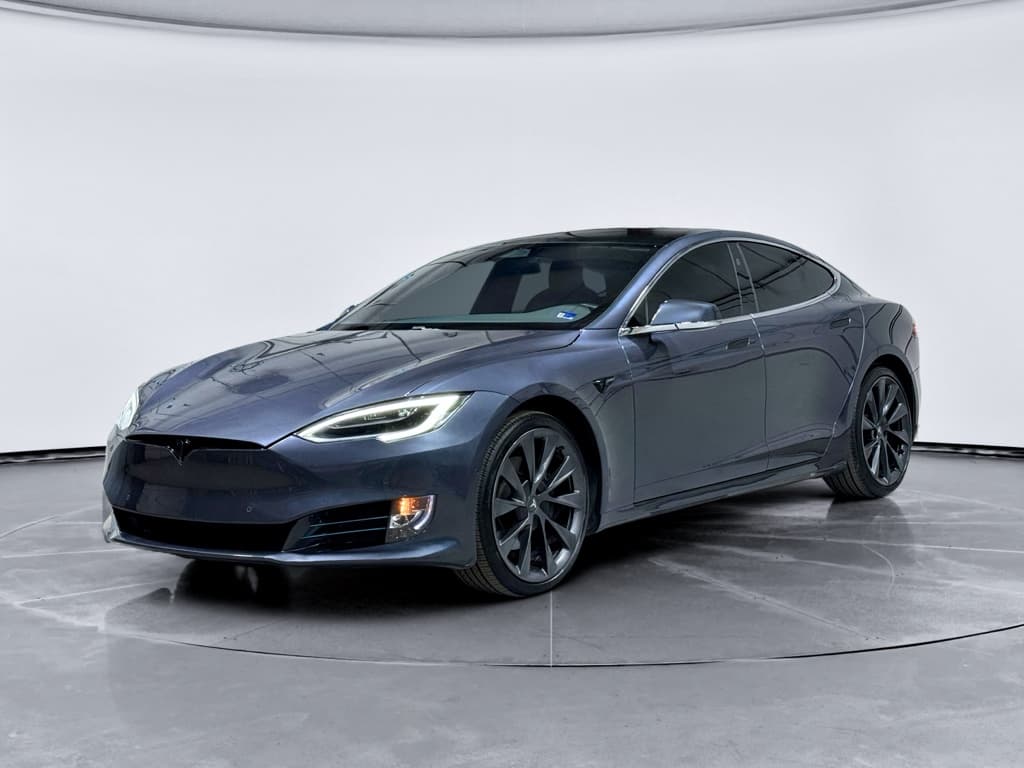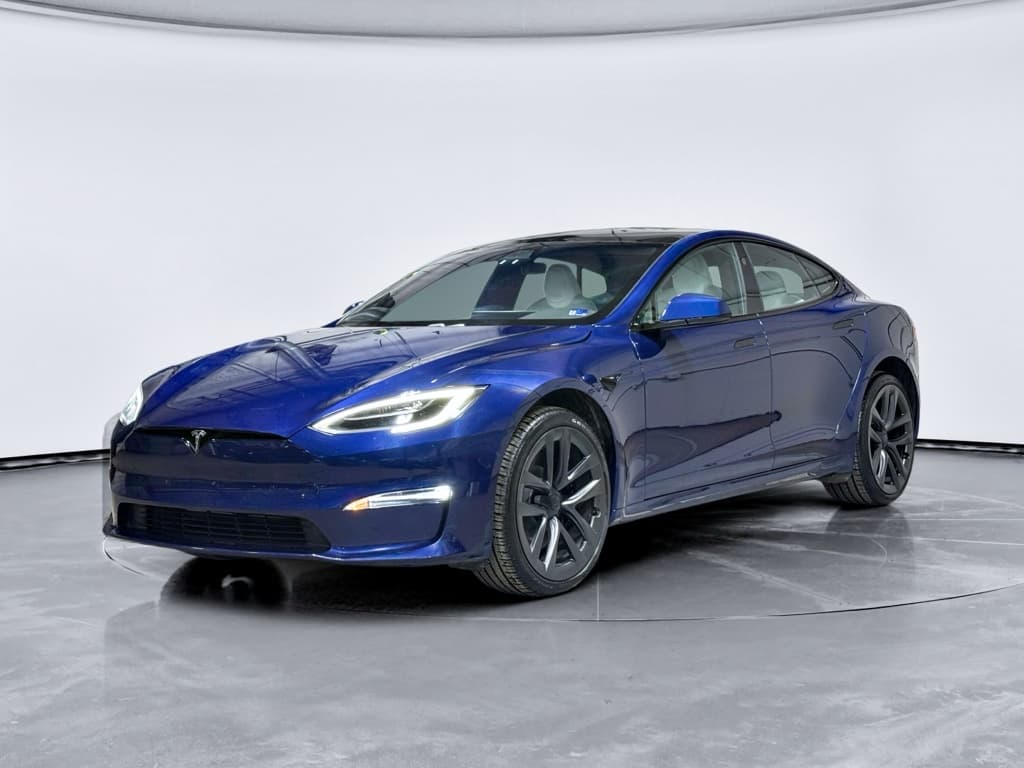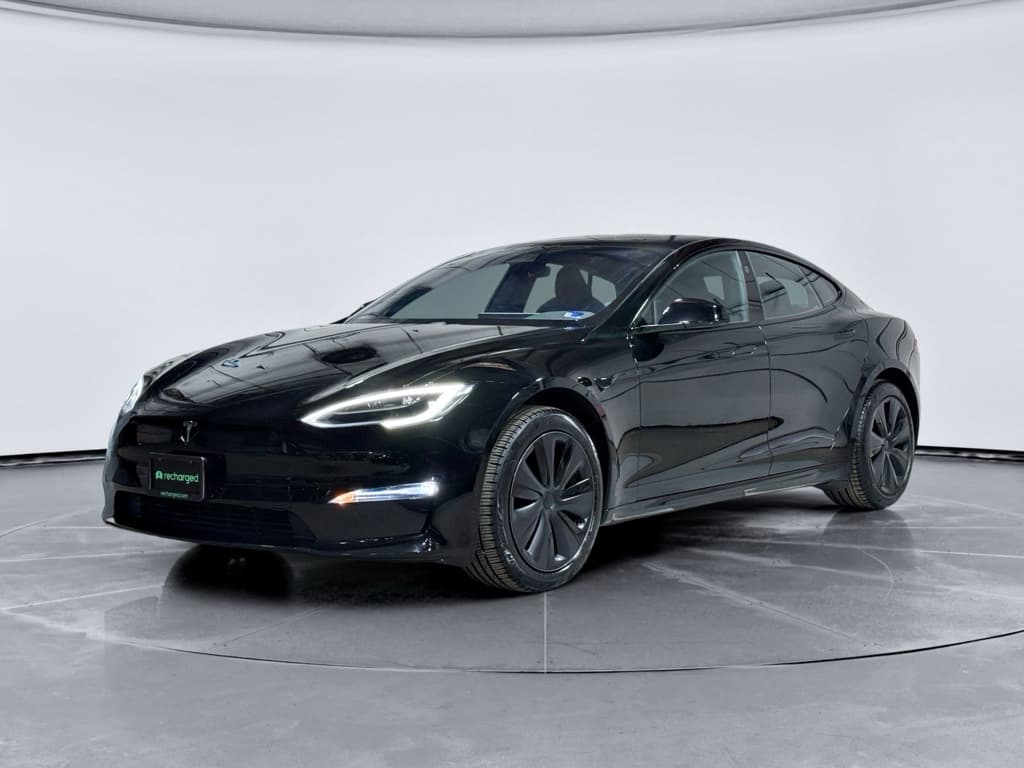
If you’re looking at a Tesla Model S, you already know it’s fast. The real question is whether it can handle Costco runs, strollers, skis, dogs, and cross‑country road trips. This guide breaks down Tesla Model S cargo space dimensions, trunk, frunk, seats-up and seats-folded, so you know exactly what will fit before you buy, especially if you’re shopping used.
Quick take
Overview: Model S cargo space at a glance
Tesla Model S cargo numbers (approximate)
The precise cargo number you’ll see on spec sheets varies a bit by model year and how Tesla counts the under‑floor wells and side pockets. But in broad strokes, any Model S gives you roughly mid‑20s cubic feet with the rear seats up and north of 60 cubic feet with them folded. That’s wagon‑level practicality wrapped in a sleek liftback body.
Tesla Model S cargo space dimensions by generation
Tesla has subtly reshaped and re‑packaged the Model S over the years. If you’re hunting on the used market, it helps to separate early cars from the refreshed models.
Approximate Tesla Model S cargo specs by era
High‑level cargo volumes for common Model S generations. Exact numbers vary slightly by year and option packages.
| Generation / years | Seats up (rear) | Max seats folded | Frunk | Notes |
|---|---|---|---|---|
| Early Model S (2012–2016) | ~26 cu ft | ~58–60 cu ft | Small–medium | Optional rear‑facing jump seats ate into some trunk depth |
| Pre‑refresh (2017–2020) | ~26 cu ft | ~60+ cu ft | Small–medium | Slight trim and liner changes, similar usable space |
| Refresh (2021+ Long Range / Plaid) | Mid‑20s cu ft | ~61–63 cu ft | Small | Revised hatch opening and interior; broadly similar capacity |
Use these numbers as directional; always test‑fit bulky items if cargo space is mission‑critical.
Specs vs reality
Trunk and frunk dimensions: what actually fits
Rear trunk area
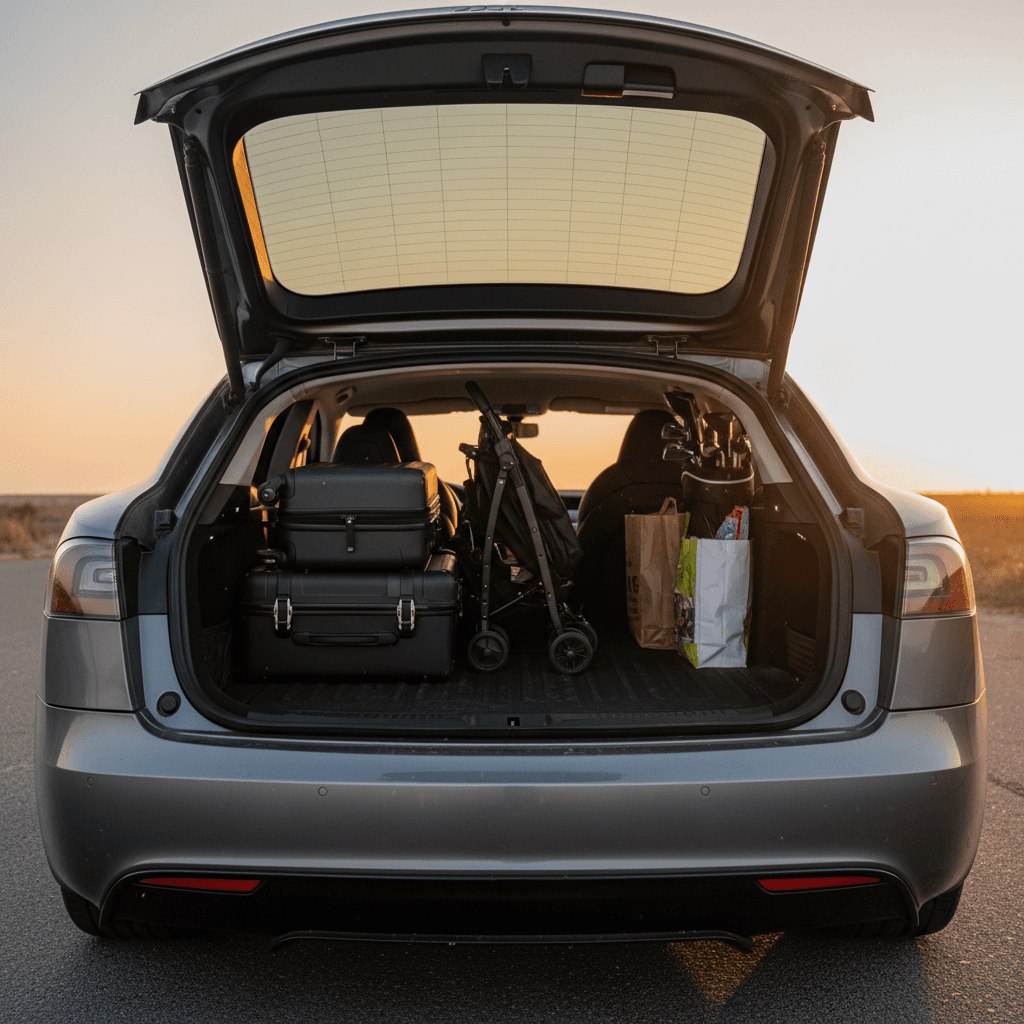
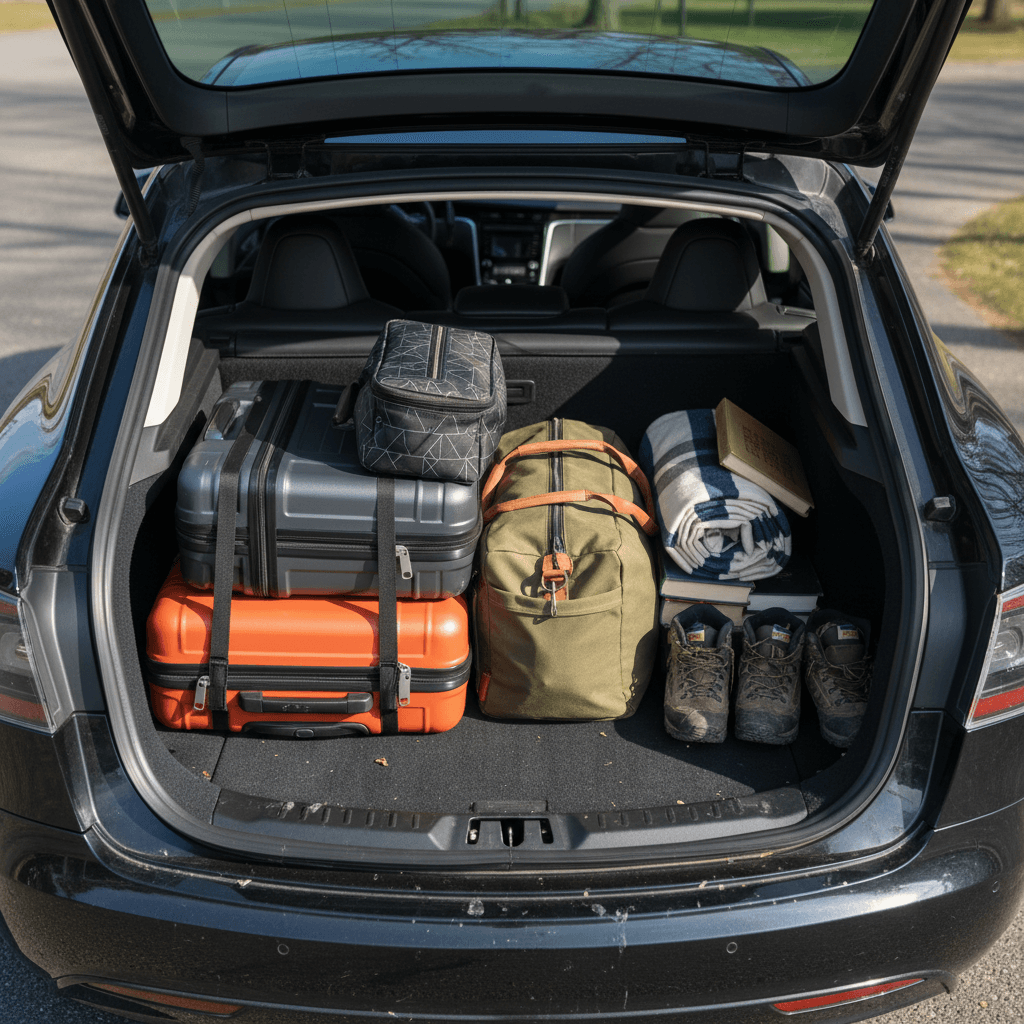
The Model S’s party trick is the huge rear hatch. The opening is wide and tall compared with a conventional sedan trunk, and the rear seats fold almost flat. Rough real‑world observations:
- Width between wheel wells: roughly fits a standard golf bag sideways.
- Depth (seats up): 3–4 full‑size rolling suitcases stacked and laid flat.
- Height to parcel shelf: enough for carry‑on bags stacked two high.
- Under‑floor well: deep bin for charging cables, tools, or a soft duffel.
Front trunk (frunk)
The frunk is the Model S’s secret storage drawer. It’s not huge, but it’s usefully square and great for keeping messy or valuable items separate.
- Good for: a backpack, grocery bags, camera gear, or a week’s worth of charging cables.
- Less ideal for: strollers or hard‑sided check‑in suitcases, they’re usually too tall.
- Pro move: keep your charging kit and roadside items up front so the rear stays clean for luggage and people.
Seats up vs. seats folded: how much room do you gain?
With the rear seats in place, the Model S behaves like a generous luxury sedan. Fold them down and it turns into a low‑roof cargo van.
Model S cargo: everyday vs. max‑capacity
Think in scenarios, not just cubic‑foot numbers.
Daily life (seats up)
In everyday mode you can comfortably fit:
- 4–5 carry‑on roller bags
- Or 3 full‑size checked bags + soft items
- Plus groceries tucked in the under‑floor bin
Max haul (seats folded)
With the second row down, the Model S swallows:
- Flat‑packed furniture boxes
- Skis, snowboards, or bikes (front wheel off)
- Camping gear for a family road trip
Kids & cargo mix
Folding just a single rear seat section (60/40 split) lets you:
- Keep a child seat installed
- Carry a stroller or long items
- Still have room for a couple of suitcases
Test the fold
Model S vs. other EVs: cargo space comparison
On paper, the Tesla Model S lives in a strange neighborhood: luxury sedans, big EV crossovers, and the occasional wagon. In practice, its hatchback design gives it more usable space than most sedans, but less overall volume than the largest SUVs.
How Tesla Model S cargo space stacks up
Approximate manufacturer‑quoted numbers for seats‑up and max cargo volumes. Always check specific years and trims when comparing.
| Model | Body style | Seats up (rear) | Max seats folded | Notable trait |
|---|---|---|---|---|
| Tesla Model S | Large hatchback | Mid‑20s cu ft | ~60+ cu ft | Low roof, long load floor |
| Tesla Model 3 | Compact sedan | ~19 cu ft | Low‑40s cu ft | Smaller opening, tighter trunk |
| Tesla Model Y | Compact SUV | ~30 cu ft | ~70+ cu ft | Taller, more vertical space |
| Hyundai Ioniq 5 | Compact crossover | ~27 cu ft | ~59–60 cu ft | Boxier cargo area |
| Mercedes EQE Sedan | Luxury sedan | ~16 cu ft | N/A (trunk) | Traditional sedan opening |
| Audi e‑tron / Q8 e‑tron | Midsize SUV | ~28–29 cu ft | ~56–60 cu ft | Taller but similar max volume |
The Model S lives in the gray zone between sedan and SUV, often enough space, without committing to a tall crossover.
The sweet spot
Real-world use cases: road trips and family duty
On the road, cargo space is as much about shape as it is about size. The Model S’s long wheelbase and low, flat floor make it especially good at swallowing long, awkward items that stump traditional sedans.
- Road trips for four adults: Expect everyone to get one full‑size suitcase plus a personal item, with extra room for a cooler or duffels.
- Young family duty: A stroller, diaper bag, and two suitcases will ride comfortably behind the second row; overflow can live in the frunk.
- Outdoor toys: Snowboards, skis, and even surfboards can slide down the center with a section of seat folded.
- Dogs: Many owners run a cargo liner and let medium‑to‑large dogs ride in the rear hatch area with the parcel shelf removed.
Cargo and safety
Practical packing tips for Tesla Model S owners
Smart ways to use Model S cargo space
1. Use the under‑floor bin first
Stash heavy, dense items like tools, chargers, and bottled drinks in the deep under‑floor well. It keeps the main floor flat and lowers the center of gravity for better stability.
2. Reserve the frunk for essentials
Think of the frunk as a glovebox on steroids: charging adapters, emergency kit, first‑aid supplies, and a small backpack live happily up front, out of the way but easy to access.
3. Go soft, not hard
Soft duffel bags and collapsible totes conform to the Model S’s hatch shape better than hard suitcases. You can stack and stuff them into corners instead of wasting air space.
4. Fold in sections
Because the rear seat is split, you can fold only part of it for skis, a stroller, or lumber while keeping at least one passenger or child seat installed in the back.
5. Watch the glass roof
Panoramic glass looks great, but you don’t want hard edges or sharp objects pressing against it. Keep tall, rigid items centered and padded if they come near the headliner.
6. Don’t block rear visibility
The Model S’s rear window is already on the small side. If you’re loading to the roof, use your mirrors religiously and consider the backup camera your new best friend.
Road‑trip hack
Buying a used Model S: what to check in the cargo area
Cargo space isn’t just about volume, it’s also a window into how the car’s been treated. A quick inspection of the trunk, frunk, and seats can tell you a surprising amount about a used Model S’s life story.
Inspect the trunk and hatch
- Check the trim and carpet: Deep gouges, torn liners, or missing plastic panels can hint at heavy cargo use or previous damage.
- Look for water stains: Moisture marks or moldy smells in the trunk floor or under‑floor bin can suggest a leaking hatch seal.
- Test the power liftgate: It should open and close smoothly, with no grinding or popping. Misalignment could indicate a rear‑end repair.
Check the seats and frunk
- Fold and unfold the rear seats: Make sure the latches engage properly and the seatbacks sit flush; uneven gaps may suggest bent hardware.
- Verify frunk fit and finish: The frunk lid should close easily and sit even with adjacent panels. Look for bent latches or overstuffing damage.
- Confirm all covers are present: Under‑floor panels, side cubbies, and cargo tie‑down points should be intact.
How Recharged helps
Frequently asked questions about Model S cargo space
Model S cargo space: your questions, answered
Bottom line: is the Tesla Model S big enough?
If you think of the Tesla Model S as a stretched luxury sedan, the cargo space will surprise you, in a good way. You get wagon‑like versatility with EV refinement, enough room for most families’ road trips, and a frunk that quietly soaks up the odds and ends that normally clutter a trunk. If you regularly haul bikes upright, tall crates, or a week’s worth of camping gear for six, a dedicated SUV still makes sense. But for shoppers who want long‑distance range, serious performance, and real everyday practicality in one package, a well‑chosen used Model S is hard to beat.
If you’re ready to see how Model S practicality fits your life, you can explore used inventory on Recharged, review each car’s Recharged Score Report for battery health and condition photos, value your trade‑in, and arrange nationwide delivery, all without setting foot in a showroom.