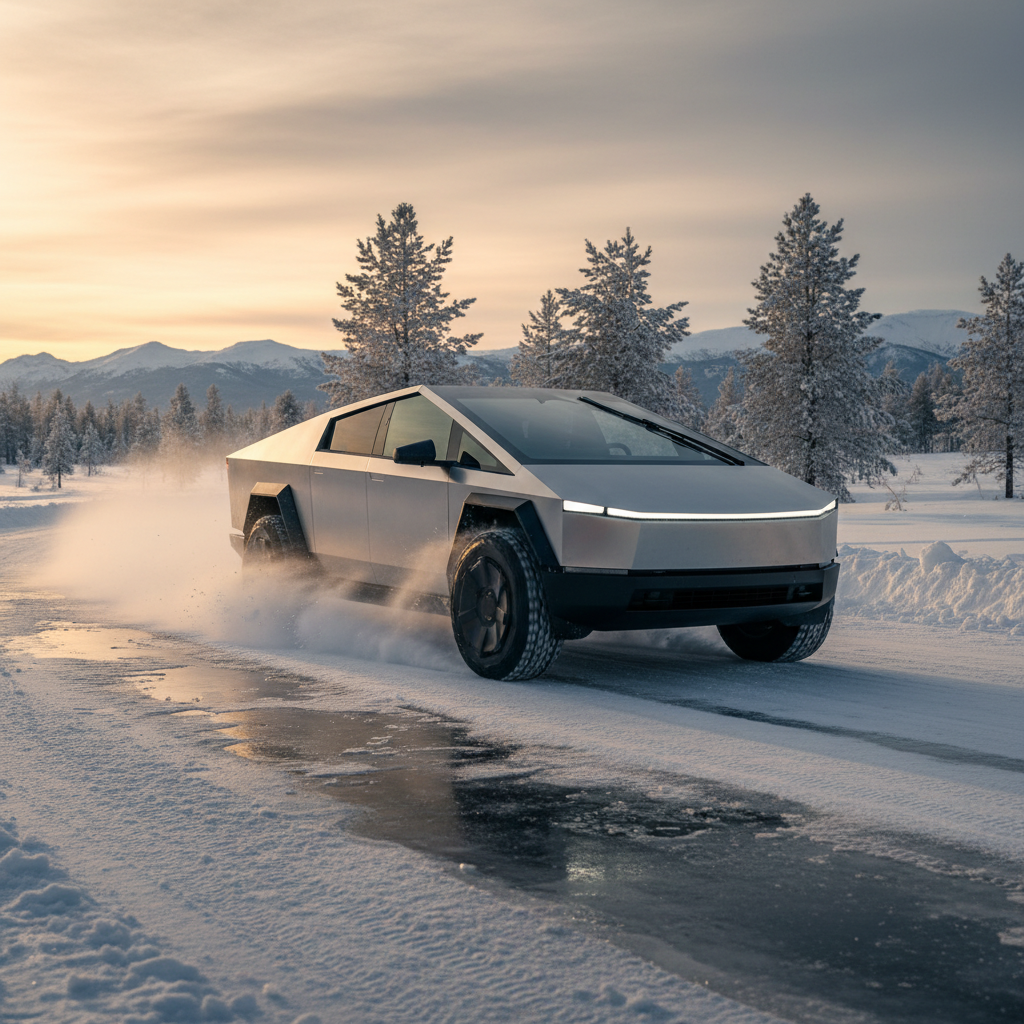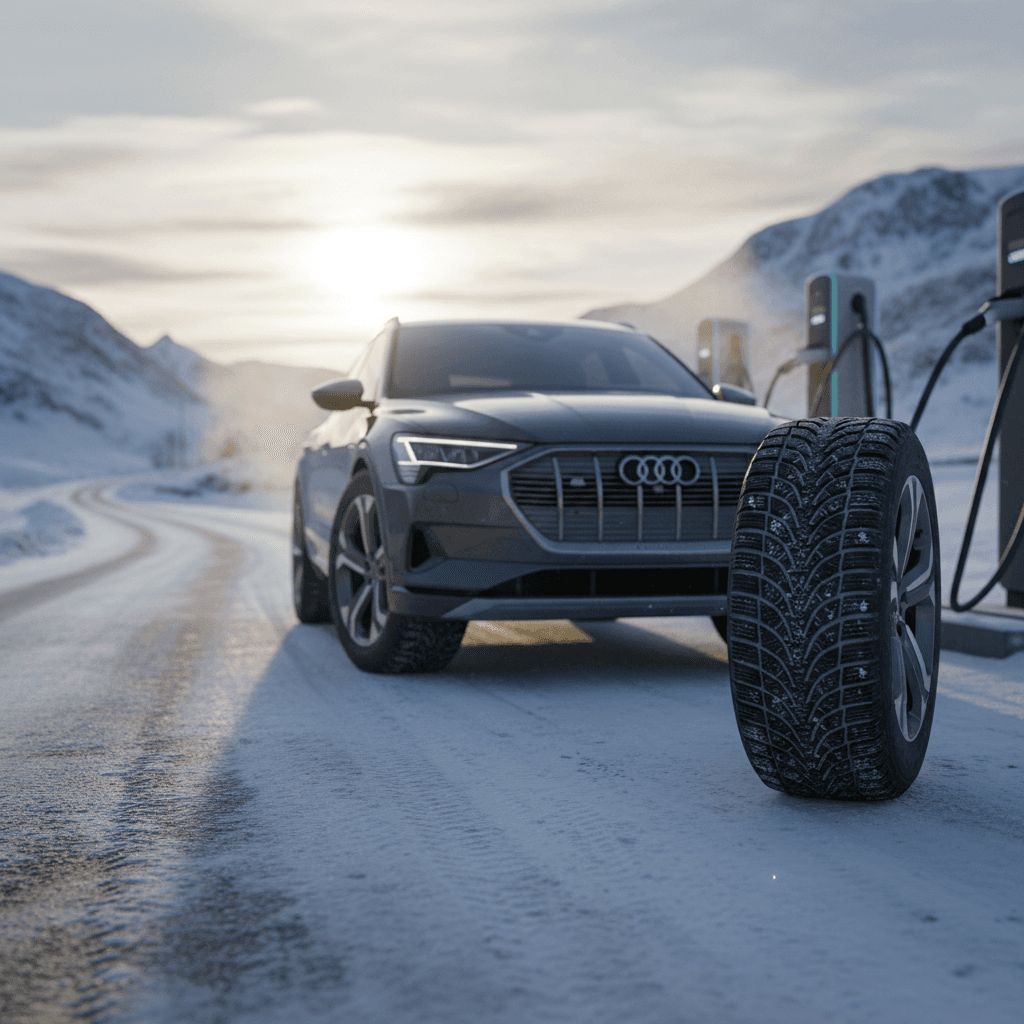
Here’s the thing about winter tires for electric vehicles: they’re not optional kit for snowbelt overachievers. If you live where the temperature spends months below 45°F, they’re the difference between a confident, drama‑free winter and white‑knuckle stops at every intersection. EVs add their own complications, heavier curb weights, instant torque, and the ever‑present question: what does this do to my range?
Quick answer
Why winter tires matter for electric vehicles
Electric vehicles are both better and worse in winter. Better, because the center‑of‑gravity is low and the torque is surgically precise. Worse, because they’re heavy, those battery packs can easily add 800–1,200 pounds over a similar gas car. On ice, that extra mass is momentum you’ll have to somehow get rid of when the light turns red.
- EVs are heavier than comparable gas cars, so they need more grip to stop in the same distance.
- Instant torque makes it easy to spin the tires if traction is marginal.
- Regenerative braking can unsettle the car on slick surfaces if the tires are overwhelmed.
- Cold rubber hardens and loses grip unless it’s designed for low temperatures.
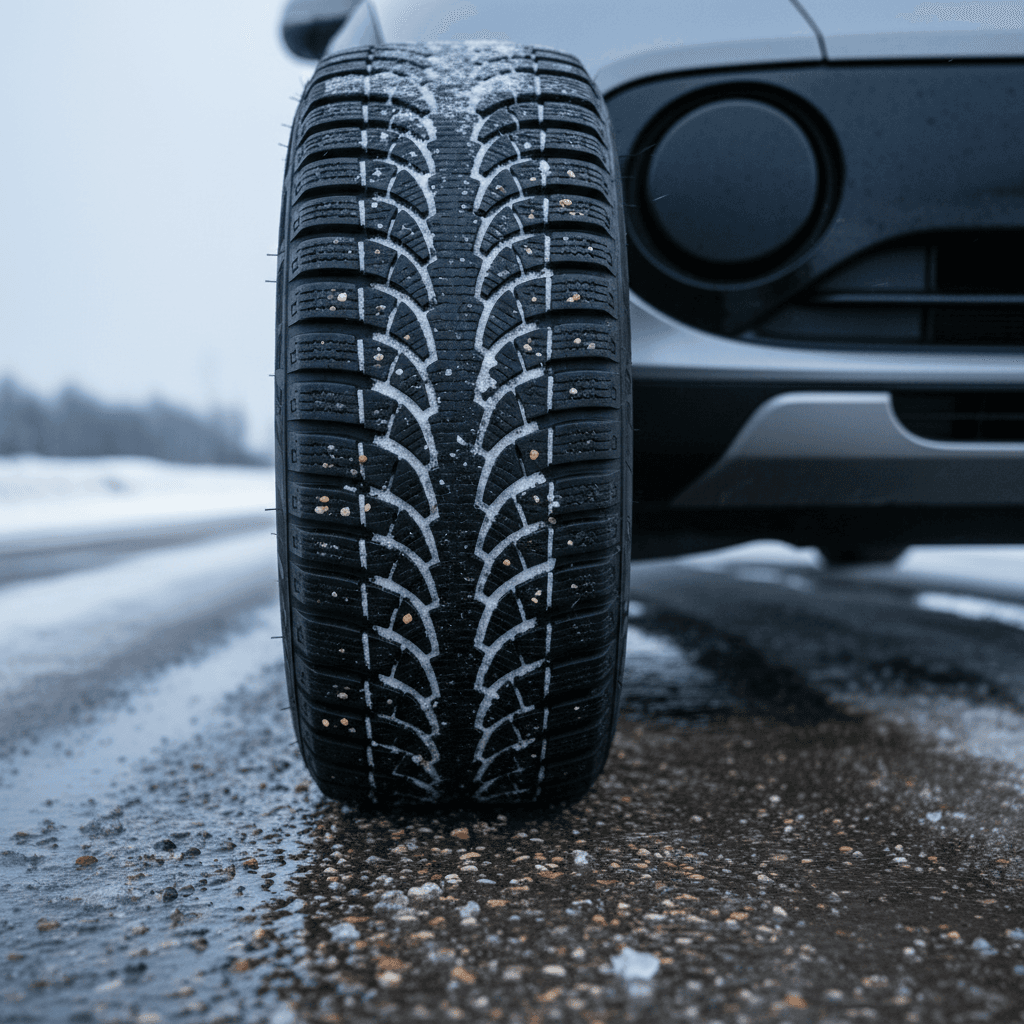
A good winter tire doesn’t magically rewrite the laws of physics, but it changes the equation in your favor: softer cold‑weather rubber, aggressive siping (all those tiny slits in the tread blocks) and compounds that stay flexible even when your driveway looks like the dark side of the moon.
How winter conditions hit EV range
Before we talk tread patterns, let’s talk electrons. In winter, your EV loses range for a whole stack of reasons that have nothing to do with tires: cold batteries are less efficient, cabin heating draws real power, and fast‑charging speeds fall off. Independent testing and fleet data routinely show 20–30% range loss for many EVs around freezing, sometimes more in deep cold.
What winter really does to EV range
The important nuance: tires are usually a smaller part of that range hit than temperature and heating. But the wrong winter tire, heavy, noisy, high rolling resistance, can make a bad situation worse. The right winter tire, designed with EVs in mind, helps you claw back some efficiency while actually letting the car use its chassis and brakes to their full potential.
Do winter tires actually reduce EV range?
There’s a persistent myth that mounting winter tires instantly nukes your EV range. The reality is subtler. Yes, old‑school, chunky winter tires can increase rolling resistance and slightly reduce efficiency. But modern EV‑friendly winter tires are engineered specifically to keep that penalty small while still delivering serious grip.
Older or generic winter tires
- Heavy, blocky tread patterns.
- High rolling resistance, tuned for grip above all else.
- Noticeable whine on the highway.
- Can trim a few percentage points off your range vs. good all‑seasons.
EV-optimized winter tires
- Low rolling‑resistance compounds to preserve range.
- Extra load ratings for heavy battery packs.
- Noise‑optimized tread patterns for quiet cabins.
- Often designed specifically with EVs and hybrids in mind.
Range vs. safety: choose your compromise
What makes a good winter tire for EVs
The tire industry has read the room. Nearly every major brand now offers winter tires positioned as EV‑ready or explicitly EV‑specific. Instead of memorizing model names, it helps to understand the design priorities that matter most for electric vehicles.
Key priorities when picking winter tires for an EV
You’re not just buying "snow tires", you’re buying a system that has to work with batteries, regen and silence.
Higher load capacity
Low rolling resistance
Quiet operation
Secondary but important factors
If you’re choosing among several good options, these details break the tie.
Road mix
Wet & slush performance
Tread life
Top winter tire technologies to know
If you skim winter‑tire marketing copy, you’ll drown in trademarked compounds and branded siping geometries. Underneath the poetry, a few ideas really matter, especially for electric vehicles.
Common winter tire tech terms, decoded
What the jargon on the sidewall actually means for your EV.
| Term | What it means | Why it matters for EVs |
|---|---|---|
| 3PMSF symbol | Three‑Peak Mountain Snowflake marking for severe snow service. | Tells you the tire has passed a minimum level of winter grip testing, essential for genuine snow/ice performance. |
| EV / EV‑specific marking | Some tires carry EV badges or unique EV versions ("R5 EV", "ElectricDrive"). | Typically tuned for heavier weights, lower noise and reduced rolling resistance. |
| Silica-rich compound | Rubber infused with silica to stay flexible in the cold. | Improves grip on cold wet pavement and helps maintain predictable handling. |
| Foam-lined tread | Acoustic foam layer inside the tire. | Knocks down the high‑frequency "winter hum" that’s very obvious in quiet EV cabins. |
| Multi‑sipe tread blocks | Dense network of small slits in the tread. | Creates thousands of biting edges for ice grip while keeping the carcass reasonably stiff for stability. |
Look for the mountain‑snowflake (3PMSF) symbol to confirm true severe‑winter performance, not just "all‑weather" marketing.
Standout EV‑friendly winter tire lines
Studded vs. studless winter tires for electric vehicles
You can start a bar fight at a Scandinavian ski lodge by asking whether studded or studless tires are better. EVs complicate the question because they’re quiet and heavy, so you notice the downsides of studs more: noise, vibration, and sometimes reduced efficiency.
Studded winter tires
- Metal studs bite into glare ice, especially useful on untreated rural roads.
- Can dramatically shorten stopping distances on polished ice and hardpack.
- Loud, with a distinct drone at city speeds and a grind at highway speeds.
- Often restricted or banned on some roads and states due to pavement wear.
- Typically a bit worse for rolling resistance and efficiency.
Studless winter tires (friction tires)
- Rely on advanced compounds and siping instead of metal studs.
- Quieter, smoother and generally more efficient for EVs.
- Outstanding in cold dry and snowy conditions; modern designs are strong on ice too.
- No legal concerns and easier on pavement and parking garages.
- Best match for most EV drivers who stick to plowed roads and highways.
Check the law before you stud
Picking the right winter tires for your EV
You don’t have to become a tire engineer to make a smart choice. What you do need is an honest look at your climate, your driving and your car. A rear‑drive Tesla in Minneapolis is living a different life than an all‑wheel‑drive Hyundai Ioniq 5 in North Carolina.
Smart checklist for choosing EV winter tires
1. Map your winter reality
How many truly snowy days do you see? Are roads plowed quickly, or do you spend mornings on packed snow and refrozen slush? City commuters on well‑maintained roads can prioritize low noise and efficiency; rural drivers may want maximum deep‑snow and ice grip.
2. Confirm size and load rating
Start with the size and load index on your door jamb and owner’s manual. EVs often require <strong>XL or reinforced</strong> tires. Do not downsize the load rating just to save money.
3. Decide on studded vs. studless
If your world is steep, icy back roads and rarely‑salted hills, studs might be worth the noise. If you mainly run plowed freeways and city streets, a premium studless winter is almost always the better EV match.
4. Look for EV‑friendly cues
Search for patterns like "EV", "Electric", "Elect" or acoustic‑foam versions in a model line. Read up on whether that tire is known for low rolling resistance and quiet operation in EV use.
5. Consider wheel size and sidewall
Dropping from 20‑inch style wheels to a 19‑ or 18‑inch winter setup, where compatible, buys you more sidewall. That usually means better ride comfort and more predictable grip on broken, icy pavement.
6. Buy from a shop that understands EVs
Ask how they lift and support EVs, whether they know the correct jack points, and if they’re familiar with tire pressures and rotation schedules for electric cars.
Where Recharged fits in
Driving and charging tips on winter tires
Mounting winter tires is only half of the winter‑driving story. The way you use the car, how you accelerate, how you charge, how you manage regen, matters just as much. The goal is simple: keep the contact patch happy, keep the battery warm, and don’t ask the car to do superhero tricks on physics‑limited surfaces.
- Precondition while plugged in. Use your app or in‑car scheduler to warm the cabin and battery before you leave, especially on very cold days.
- Dial back regenerative braking on slick roads. Many EVs let you reduce regen strength; use a lower setting until you’re confident in grip levels.
- Use Eco or Snow modes. These typically soften throttle response and adjust traction‑control mapping to reduce wheelspin.
- Favor heated seats and steering wheel over blasting the cabin heater when range is tight, they use less energy.
- Check tire pressures monthly. Cold air drops PSI; under‑inflated tires hurt range and make steering feel mushy.
- Clear snow and ice from wheel wells and around the tires. Packed snow can interfere with steering and ABS/traction control.
Don’t test physics with one‑pedal driving
Winter tires and buying a used EV
Used EV shoppers often obsess over battery degradation charts and forget the four palm‑sized patches of rubber that actually keep the car out of the ditch. That’s a mistake. The wrong tires can make a great EV feel clumsy and fragile in winter; the right setup can make an older car feel downright confidence‑inspiring.
Questions to ask the seller
- Is there a dedicated winter wheel-and-tire set included?
- How old are the winter tires (check the DOT date code)?
- Have they been stored indoors and off the car in warm months?
- What brand and model are they, generic or a known winter performer?
How Recharged can help
Every vehicle on Recharged comes with a Recharged Score battery health report and transparent photos, so you can see tread depth and wheel condition clearly. Our EV specialists can walk you through:
- How current tires will affect winter range and ride.
- Whether downsizing wheels for winter makes sense for that model.
- Ballpark costs for a proper winter setup in your region.
Winter tires for EVs: FAQ
Frequently asked questions about winter tires for electric vehicles
The bottom line on winter tires for electric vehicles
An electric vehicle on the wrong tires in deep winter is like a downhill ski racer in dress shoes: all the hardware, none of the grip. The good news is that the tire industry has caught up with the EV moment. Choose a true winter tire with the three‑peak mountain snowflake symbol, sized and load‑rated correctly for your car, and tuned for low noise and rolling resistance, and your EV becomes the confident, sure‑footed winter tool it was always meant to be.
If you’re also deciding which EV to trust in the snow, that’s where Recharged comes in. Every used EV we list includes a Recharged Score battery‑health report, transparent pricing and specialists who understand how winter driving, tires and charging habits play together. That way, when the first real storm hits, you’re not wondering whether you bought the wrong car, you’re just wondering why everyone else is still stuck at the bottom of the hill.