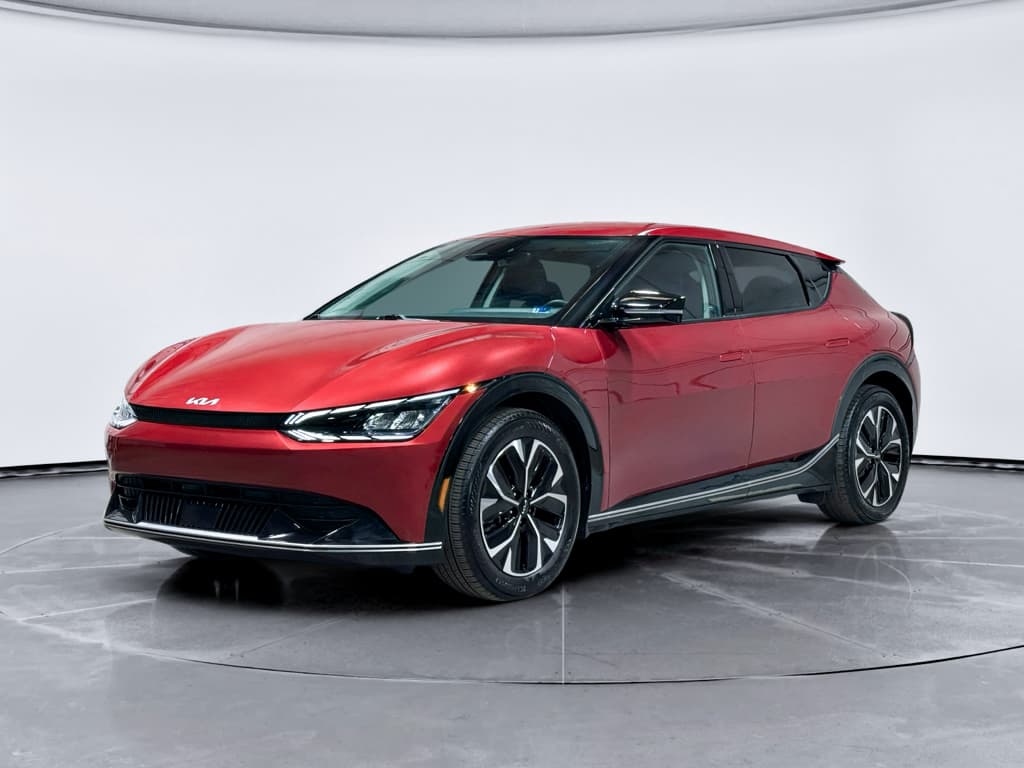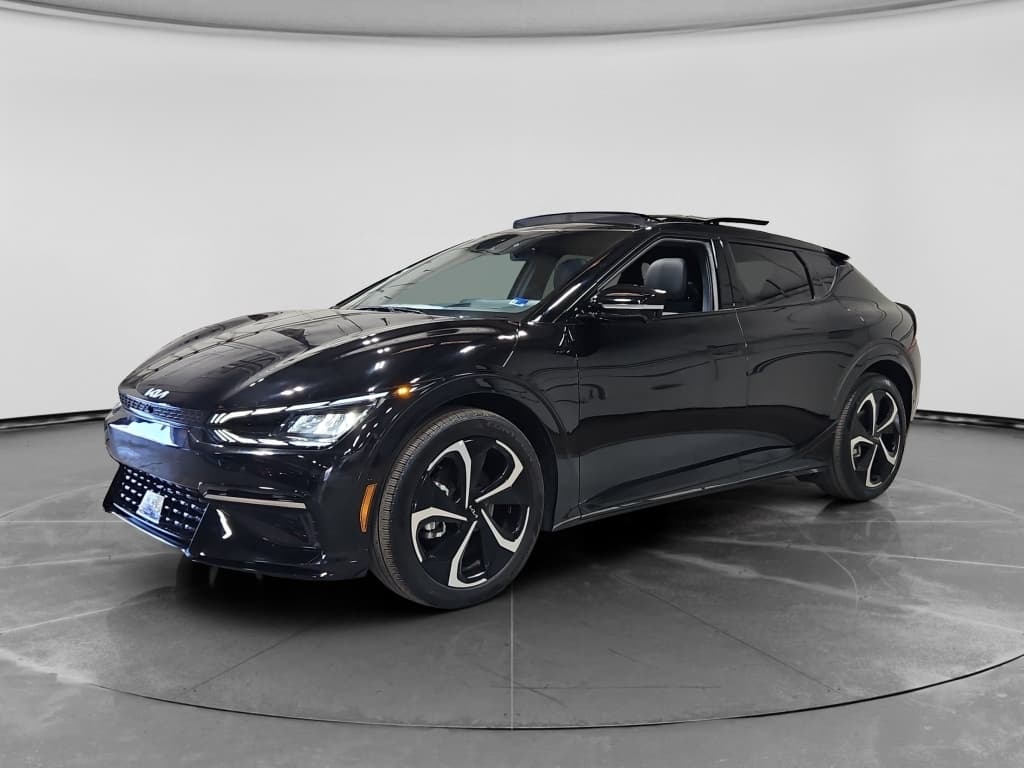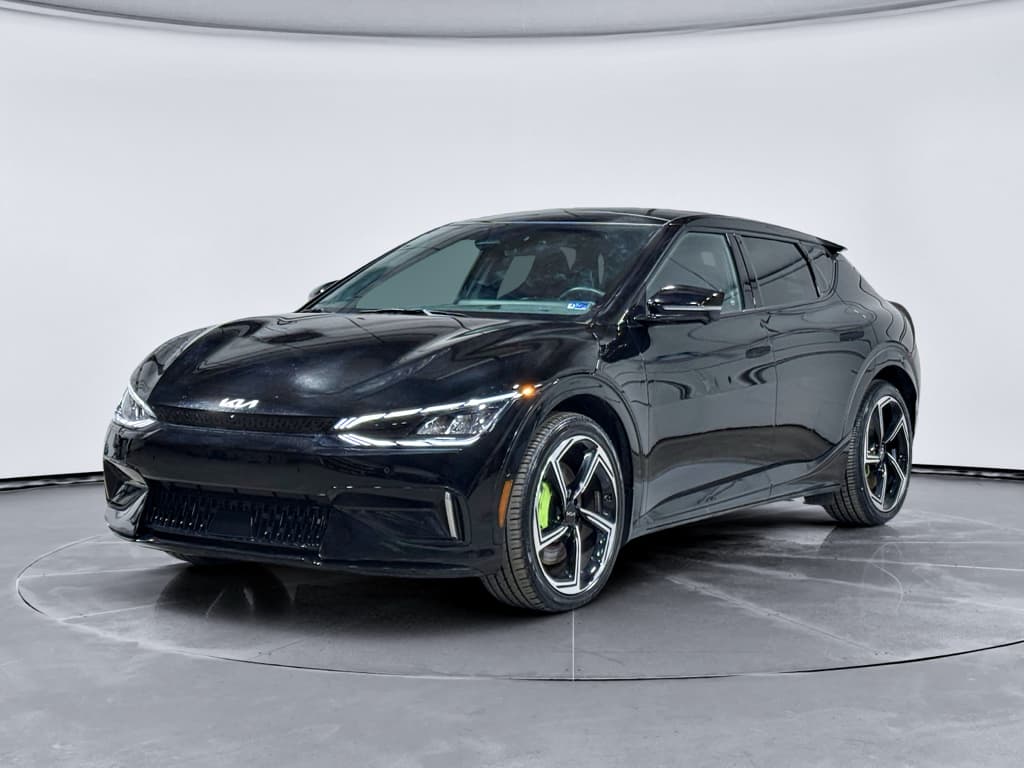
If you’re shopping for a used Kia EV6 or tracking your own car’s safety record, a clear 2026 Kia EV6 recalls list is essential. The twist is that, as of April 2026, the real story isn’t a long list of brand‑new 2026‑only recalls, it’s how earlier EV6 issues (especially electrical and software‑related) carry forward into today’s cars and into the used‑EV market.
Key context for 2026 shoppers
2026 Kia EV6 recalls at a glance
Kia EV6 recall picture as of April 2026
When people search for a “2026 Kia EV6 recalls list,” they’re usually trying to answer three questions: Is my car safe to drive? What recalls apply to my specific VIN? And does this model have a pattern of problems I should worry about? The answers depend on both official NHTSA/Kia recall campaigns and how well prior fixes have held up in the real world.
Does the 2026 EV6 have any unique recalls yet?
As of early April 2026, there is no widely documented, EV6‑only federal safety recall that targets the 2026 model year the way the big Integrated Charging Control Unit (ICCU) campaign did for 2022–2024 cars. That said, two things are important:
- Kia continues to roll out over‑the‑air (OTA) software updates for the EV6, including a 2025 campaign aimed at improving protection for a pre‑charge resistor in some 2025 EV6s. Those OTA updates look and feel a lot like recalls from the owner’s perspective, even when they’re coded as “service campaigns.”
- A 2026 instrument‑panel software recall (campaign SC361) applies to several Kia models, and includes EVs built on similar electronics. For affected vehicles, a failed digital cluster can erase speed, warning lights, and tire‑pressure information until software is updated.
- Future 2026‑specific EV6 recalls are still possible, recall data tends to lag production. That’s why you should rely on your VIN, not just model year headlines.
Don’t assume “no news” means “no recalls”
Major Kia EV6 recalls (2022–2025) that still matter in 2026
If you’re shopping used in 2026, “2026 Kia EV6 recalls list” really means, “What’s the full recall story on the EV6 platform so far?” Here are the big campaigns owners and buyers should know about, even though some are officially tied to earlier model years.
Core Kia EV6 recall campaigns relevant in 2026
This table summarizes the most important EV6 recall families that shape the model’s reputation and what to verify on any car you’re considering.
| Recall area | Approx. model years | Typical symptoms | Main fix | Why it matters in 2026 |
|---|---|---|---|---|
| ICCU / 12-volt charging failure (electrical system) | 2022–2024 EV6 | Check EV System warnings, 12‑volt battery repeatedly dying, possible limp mode or loss of drive power | ICCU software update and/or replacement, related fuses and 12‑volt battery replaced as needed | Largest EV6 recall so far; tells you how Kia handles high‑profile EV defects and whether prior fixes were done on your used EV6. |
| Instrument‑cluster / display software (FMVSS 101, 138) | 2025–2026 across several Kia models, potentially including EVs | Digital cluster goes blank or loses speed, warning lights, or TPMS info | OTA or dealer software update to instrument‑panel control unit | Affects your ability to see critical safety information; relevant if you see intermittent blank screens. |
| Parking brake / driveshaft‑related recall (limited build range) | Small batch of 2023 EV6 | Parking brake or driveline issues under certain conditions | Replacement of affected hardware (e.g., driveshaft) plus updated calibration | Shows up as a line item on some 2023s; important but relatively narrow in scope. |
| Pre‑charge resistor software protection (service campaign) | Certain 2025 EV6 builds | Potential damage to a resistor when the car is shut off in Neutral or unusual conditions | PDC (Power‑net Domain Controller) software updated, often via OTA | Not labeled a classic safety recall, but it’s still a reliability and drivability update you want completed. |
Exact dates and campaign IDs vary by build date and market; always verify against NHTSA and Kia’s recall lookup using your VIN.
Look beyond the word “recall”
How to read a 2026 Kia EV6 recalls list by VIN
The only accurate 2026 Kia EV6 recalls list for your car is the one attached to its 17‑digit Vehicle Identification Number (VIN). Here’s how to pull it together and make sense of it.
Step‑by‑step: check your EV6 recall status
1. Find your VIN
Locate the 17‑digit VIN at the base of the windshield on the driver’s side, on the driver‑door jamb label, or in your registration/insurance documents.
2. Search NHTSA’s recall tool
Go to NHTSA’s recall lookup and enter your VIN. This returns <strong>open safety recalls</strong> that still need to be completed on that specific EV6.
3. Check Kia’s own recall & campaign portal
Use Kia’s official owner site to check the VIN for both <strong>recalls and service campaigns</strong>, including certain OTA fixes that may not appear as classic safety recalls yet.
4. Cross‑check dealer service history
Ask a Kia dealer for a printout of the vehicle’s warranty and recall history. You’re looking for completed ICCU repairs, cluster software updates, and any high‑voltage or driveline work.
5. Verify dates and mileage
On each recall or campaign line, note when the repair was completed and at what mileage. A very recent ICCU replacement, for example, may put you in better shape than an older fix.
6. Save documentation for resale
Keep copies of recall repair orders with your vehicle file. Buyers and dealers increasingly look for a clean, well‑documented recall history on used EVs.
Good news on cost
What 2026 EV6 owners should do right now
Even if your 2026 EV6 doesn’t yet show any open recalls, it pays to be proactive. Early software fixes, quick responses to warning lights, and clean documentation can make the difference between a short dealer visit and weeks of downtime if something fails.
Practical steps for current EV6 owners in 2026
Reduce your risk and headaches long before a recall notice lands in your mailbox.
Keep OTA updates turned on
Many EV6 fixes and improvements now arrive over the air.
- Leave Kia Connect active.
- Accept updates promptly, especially if they mention charging, the cluster, or the electrical system.
- Note update dates in your records.
Take 12‑volt warnings seriously
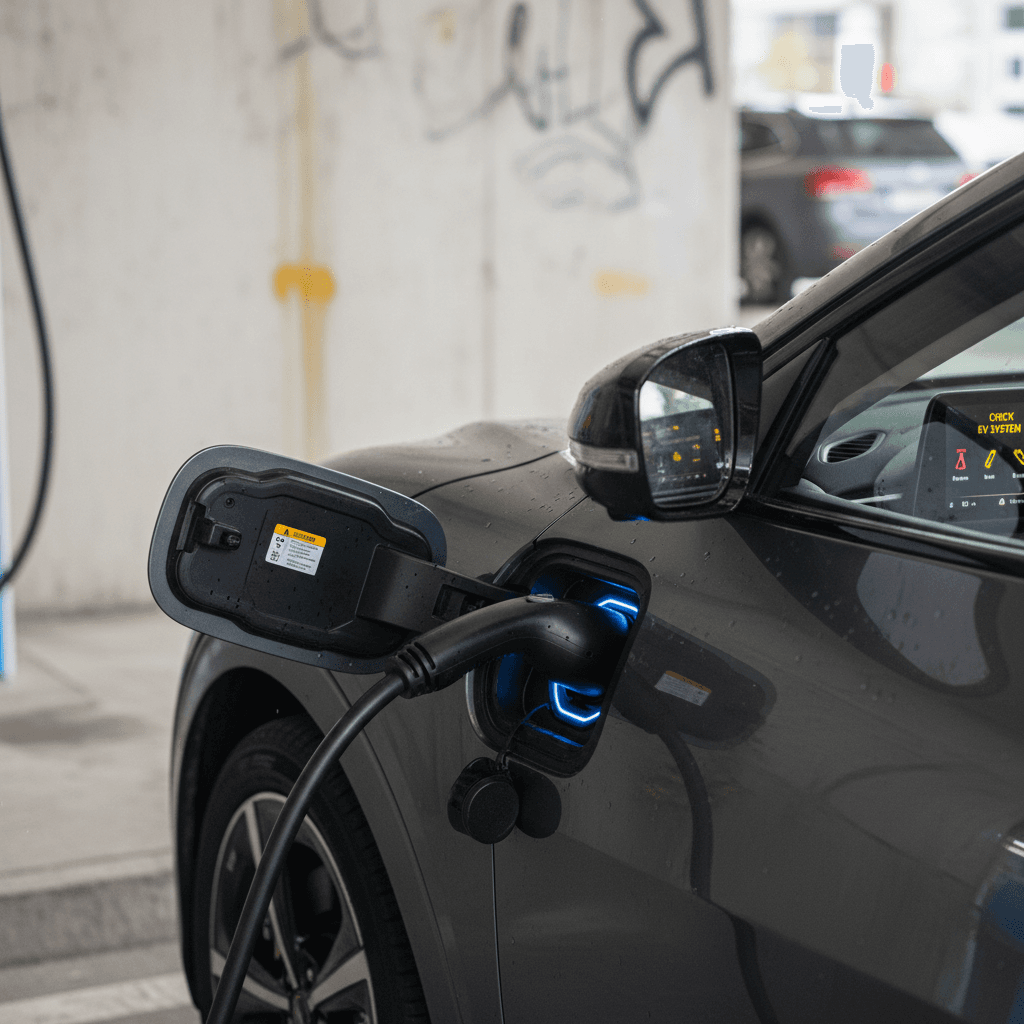
Repeated “Check 12V battery” messages or strange power‑down behavior aren’t just inconveniences, they may signal an ICCU‑related problem.
Don’t keep driving for weeks hoping it goes away. Schedule a diagnostic visit and mention any open campaigns.
Build a simple service log
Use a notes app or spreadsheet to track:
- Dates and mileage of every recall or campaign.
- Battery or ICCU replacements.
- Cluster or infotainment software updates.
This will make future warranty or resale conversations much easier.
When to stop driving and call for a tow
Buying a used Kia EV6 in 2026: recall and reliability tips
Used EV6s are increasingly attractive in 2026 thanks to dropping prices, strong performance, and long high‑voltage battery warranties. The recall history, especially the electrical system campaigns, doesn’t make the EV6 a bad used buy, but it does mean you should be selective and methodical.
1. Focus on recall completion, not recall count
A 2022–2024 EV6 with multiple recall lines in its history isn’t automatically a red flag. What matters is whether every relevant recall and service campaign has been completed and whether the car has behaved normally since.
Ask the seller or dealer for service records showing ICCU work, cluster updates, and any battery or driveline repairs.
2. Ask targeted reliability questions
- How many times has the 12‑volt battery been replaced?
- Has the car ever lost drive power or gone into limp mode?
- Have there been repeat visits for the same electrical issue?
- Any current warning lights or intermittent display glitches?
Honest answers to these questions often matter more than the marketing line on the window sticker.
Used EV6 recall & condition checklist for 2026
Confirm all open recalls are closed
Run the VIN through NHTSA and Kia’s portals. Any open safety recalls should be completed before you sign, or written into the purchase agreement as a condition of sale.
Review ICCU / 12‑volt history
Look for documentation of the ICCU recall repair, any subsequent hardware replacements, and whether 12‑volt battery failures have stopped afterward.
Inspect for warning lights at startup
With the car in READY mode, check that the cluster shows a full self‑test and that no persistent warning lights remain, especially relating to the EV system, charging, or TPMS.
Test DC fast charging and Level 2
If possible, plug into a DC fast charger and a Level 2 station to confirm the car charges normally and doesn’t throw charging‑system errors or unexpectedly stop the session.
Check range estimates vs. spec
On a full charge, compare the indicated range with EPA estimates for that trim. Big gaps don’t necessarily mean a bad battery, but they do warrant a closer look at driving history and battery health.
Get independent or marketplace‑backed diagnostics
Whenever possible, use a third‑party seller that provides a structured EV health report, like the <strong>Recharged Score</strong>, rather than relying solely on a seller’s word.
Recharged Score: how we check EV6 battery and recall status
At Recharged, we see the Kia EV6’s recall story as one more data point, not a verdict. Every EV6 we list comes with a Recharged Score Report that goes beyond a basic Carfax‑style check.
What Recharged looks at on a used Kia EV6
A structured approach to battery health, recall status, and fairness on price.
Verified high‑voltage battery health
We use battery‑specific diagnostics and real‑world data where available to understand how the EV6’s pack is aging, not just what the dashboard reports.
This helps you spot cars that have been fast‑charged hard or driven in unusually harsh conditions.
Recall & campaign completion check
We review each vehicle’s recall and service‑campaign status, focusing on ICCU repairs, cluster and charging software updates, and any high‑voltage interventions.
You see which issues have been addressed and where follow‑up with Kia might be smart.
Fair‑market pricing & support
Because Recharged is built around used EVs, including the EV6, our pricing tools factor in recall history, warranty coverage, and real‑world reliability, not just mileage and trim.
If you have questions, our EV specialists can walk you through the report before you buy.
Ready to find your next EV?
Browse VehiclesWant help comparing two EV6s?
FAQ: 2026 Kia EV6 recalls and safety
Common questions about the 2026 Kia EV6 recalls list
Bottom line on the 2026 Kia EV6 recalls list
The phrase “2026 Kia EV6 recalls list” can be misleading. The real story in April 2026 is that the EV6’s recall record is anchored in 2022–2024 electrical and software issues, especially ICCU‑related 12‑volt failures and digital‑cluster quirks, that still shape how you should shop and own today.
If you’re already in an EV6, stay ahead of the curve by keeping OTA updates enabled, reacting quickly to warning lights, and confirming that all campaigns are complete. If you’re shopping used, don’t be scared off by the existence of recalls; treat them as a roadmap. Focus on cars with documented fixes, clean recent behavior, and healthy batteries. And if you’d rather not decode all of that alone, a Recharged Score Report on a used EV6 packages battery health, recall status, and fair‑market pricing into one place so you can make a confident decision.