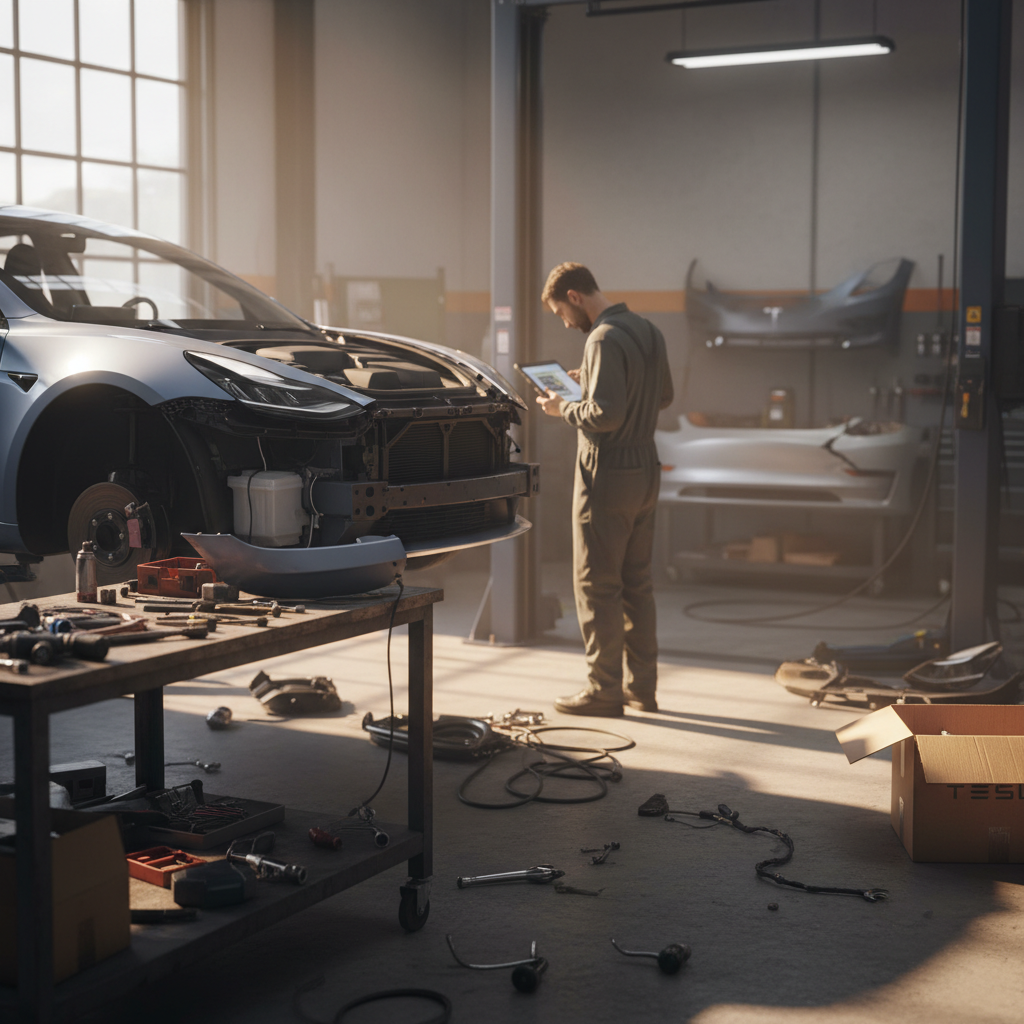
If you’re shopping for or already driving a Volvo EX90, you’ve probably heard that electric SUVs need far less maintenance than gas models. That’s true, but your Volvo EX90 maintenance schedule is still critical for safety, warranty coverage, and long-term resale value, especially if you plan to keep the vehicle or trade it in later.
Quick takeaway
Why EX90 maintenance still matters for an EV
The EX90’s dual-motor electric drivetrain eliminates dozens of traditional service items, no oil, spark plugs, timing belts, or exhaust system. But it still relies on mechanical components and fluids that wear over time: suspension parts, tires, brakes, coolant for the battery and power electronics, and gear oil in the drive units. Regular maintenance keeps those parts in shape and gives technicians a chance to spot issues before they become expensive.
- Protects your high-voltage battery by keeping cooling systems in good condition
- Maintains safe stopping distances with healthy brakes and tires
- Supports warranty compliance by following Volvo’s prescribed service intervals
- Helps preserve resale value, maintenance records are a big plus for used buyers
EV ownership tip
Volvo EX90 maintenance schedule at a glance
Volvo publishes detailed service plans by model and market, but for planning purposes you can think of the EX90 in roughly 10,000–20,000-mile service blocks, with time-based backstops. Below is a simplified, owner-friendly view that aligns with how most EVs in this segment are scheduled in the U.S. Always confirm specifics with your Volvo service booklet or dealer.
Approximate Volvo EX90 maintenance intervals
Use this as a planning guide. Follow your owner’s manual and in-car reminders for exact timing.
| Mileage / Time | Primary focus | Typical actions |
|---|---|---|
| Every 10,000–12,000 miles or 12 months | Basic inspection & tires | Multi-point inspection, tire rotation, fluid checks, software check |
| Every 20,000–24,000 miles or 2 years | Cabin air & brakes | All of the above plus cabin air filter, more detailed brake inspection |
| Every 30,000–40,000 miles | Cooling system & driveline checks | Inspect battery/power electronics cooling circuits, check drive units and suspension |
| Every 3 years (time-based) | Brake fluid | Replace brake fluid; inspect hoses and lines |
| Every 60,000–75,000 miles | Deeper system inspection | Alignment check, more detailed suspension and steering exam, driveline fluid inspections |
| As needed | Tires, 12V battery, wiper blades, alignment | Replace based on wear, age, and climate conditions |
Mileage or time, whichever comes first, will trigger most of these services.
Check your manual
Key Volvo EX90 service intervals explained
Every 10,000–12,000 miles or 12 months: Inspection and tires
For many EX90 owners, the annual visit will be light. It’s mostly about inspection and tires, plus any software updates that aren’t delivered over the air.
- Visual inspection of underbody, suspension, and driveline
- Check tires for tread depth, wear pattern, and damage
- Tire rotation (often front-to-back or cross pattern, depending on wear)
- Check wiper blades, exterior lighting, and washer fluid
- Verify operation of safety systems and sensors
- Scan for diagnostic trouble codes in high-voltage and ADAS systems
High mileage? Visit sooner
Every 20,000–24,000 miles or 2 years: Filters and brakes
Around the two-year mark, the maintenance visit typically adds a few items that impact comfort and safety.
- Replace cabin air (pollen) filter; if equipped, inspect any air-quality or charcoal filters
- More detailed brake inspection, including pad thickness and rotor condition
- Parking brake function check
- Inspect steering components and wheel bearings
- Check coolant levels for battery, inverter, and on-board charger circuits
Every 3 years: Brake fluid service
Even though EVs use regenerative braking and often see less friction-brake wear, the brake fluid still absorbs moisture over time. Moisture lowers boiling point and can corrode internal components. That’s why many manufacturers, including Volvo on recent EVs, recommend replacing brake fluid every few years based on time, not mileage.
- Flush and replace brake fluid with the specified grade
- Inspect flexible brake hoses, hard lines, and calipers
- Check for signs of corrosion around fittings and connections
Don’t skip brake fluid changes
Around 60,000–75,000 miles: Deep-dive inspection
By the time an EX90 passes 60,000 miles, technicians will look more closely at suspension, alignment, and driveline components, especially on heavier three-row EVs.
- Check for play in ball joints, control arms, and tie-rod ends
- Inspect bushings and mounts for cracking or excessive movement
- Evaluate shocks/struts for leaks or degraded performance
- Check for abnormal tire wear that might indicate misalignment
- Inspect drive unit seals and, if specified, check fluid condition
EV-specific maintenance for the Volvo EX90
Where the EX90 really differs from a gas XC90 is in its high-voltage battery, cooling systems, and electronics. You don’t schedule “battery service” like an oil change, but those components are monitored and supported throughout the vehicle’s life.
Core EV systems that still need attention
These don’t require constant work, but they do benefit from periodic checks.
High-voltage battery
Cooling circuits
On-board charger & charge port
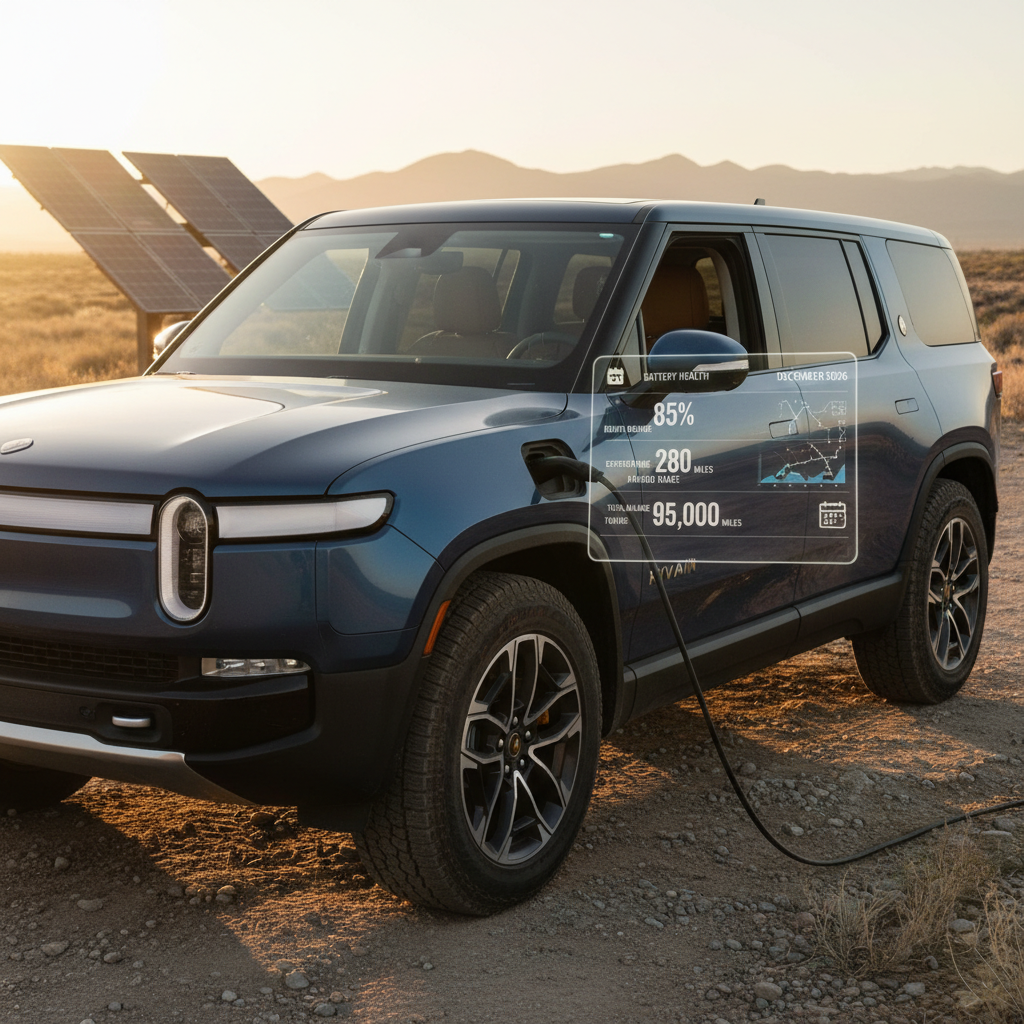
Battery health & resale value
Wear items: tires, brakes, and fluids
If you’re budgeting for EX90 ownership, most of your out-of-pocket maintenance will be tires, brake components, and a handful of fluids. The SUV’s weight and instant torque make tire management especially important.
Typical wear-item expectations for a three-row EV SUV
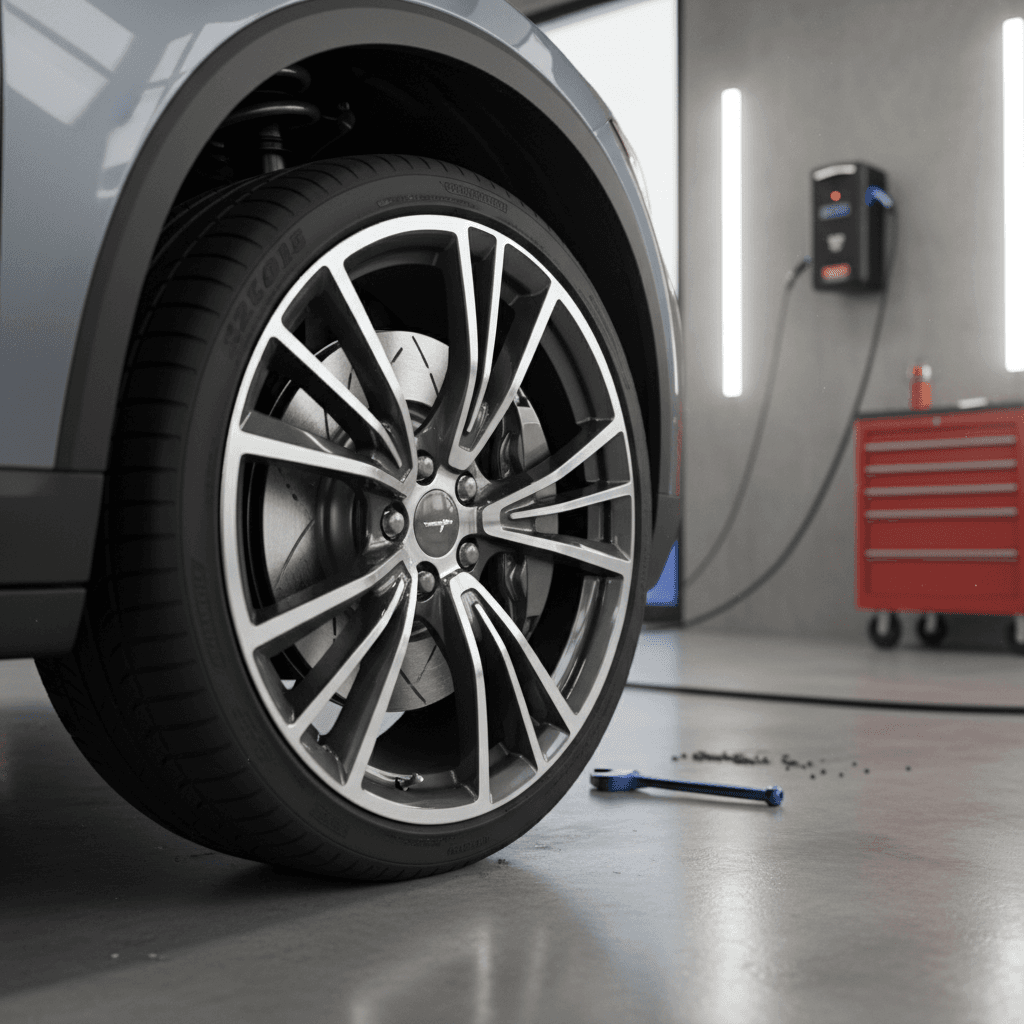
Tires: rotations, alignments, and replacements
The EX90’s curb weight and dual-motor setup work tires hard. Plan on regular rotations, typically every 10,000–12,000 miles, and keep an eye on alignment, especially after hard impacts with potholes or curbs.
- Rotate on the same schedule as your basic service visits
- Ask for a tread-depth report to track wear across all four tires
- Consider EV-rated tires that can handle weight and torque while minimizing noise
- Don’t delay alignment checks if you notice pulling, vibration, or uneven tread wear
Brakes: less wear, but not “maintenance-free”
Regenerative braking means friction pads may last much longer than on a comparable gas SUV, but they still corrode and wear, especially in cold or coastal climates. Short city trips where regen does most of the work can allow rotors to rust if they’re not occasionally cleaned up by friction braking.
Cold-climate tip
Fluids beyond brake fluid
The EX90 still has specialized fluids in its drive units and cooling circuits. These aren’t typically changed every year, but they’re checked at major service milestones or if a fault code suggests trouble.
- Coolant for the battery and power electronics
- Gear oil in the front and rear drive units (if specified for inspection or replacement)
- Washer fluid, which you’ll likely top off yourself between visits
Software updates and diagnostics
Volvo leans heavily on over-the-air (OTA) software updates, which the EX90 can receive while parked and connected. Still, service visits are a chance to ensure all modules are up to date and that the vehicle’s advanced driver-assistance systems (ADAS) are functioning correctly.
Over-the-air at home
- Infotainment improvements and bug fixes
- Charging and range estimation tweaks
- Occasional feature additions or interface changes
In-shop diagnostics
- Scanning for stored or pending fault codes
- Calibration of cameras, radar, and lidar if needed
- Investigating intermittent issues you’ve noticed while driving
ADAS and camera care
Maintenance costs and warranty considerations
With no engine oil changes and fewer moving parts, total scheduled maintenance on a Volvo EX90 should be lower than on a similarly sized gas SUV over the first several years. But EV parts can be specialized, and skipping service can be costly if it affects warranty coverage or leads to premature wear.
How maintenance connects to cost and coverage
Think long-term: your EX90 is a major asset.
Lower routine costs
Warranty alignment
Resale & trade-in value
Where Recharged fits in
Ready to find your next EV?
Browse VehiclesMaintenance tips when buying a used Volvo EX90
Because the EX90 is new to the market, early used examples will mostly be low-mileage leases and first-owner vehicles. That makes maintenance history and battery health even more important to review, you’re seeing the first years that set the tone for the SUV’s entire life.
Used Volvo EX90 maintenance checklist
1. Pull the service history
Ask for digital or stamped records from Volvo dealers or independent shops. You’re looking for evidence of annual inspections, tire work, and brake fluid replacement on time.
2. Verify open recalls and campaigns
Make sure any software or hardware recalls and service campaigns have been completed. These are often done at no cost but can be a hassle later if ignored.
3. Inspect tire and brake condition
Uneven tire wear can hint at alignment or suspension issues. Thin pads or rusty rotors may indicate mixed driving patterns or skipped brake maintenance.
4. Ask about charging habits
Frequent DC fast charging or consistent 100% charging won’t automatically disqualify a vehicle, but a balanced mix of home AC charging and moderate fast charging is ideal for long-term battery health.
5. Get an independent EV inspection
Before buying privately, consider a pre-purchase inspection with an EV-savvy shop. At Recharged, our inspections and battery diagnostics are built into the process.
6. Plan your first post-purchase service
Even if the car just had a visit, schedule a baseline inspection at your preferred shop. It creates a starting point for your own maintenance records.
FAQ: Volvo EX90 maintenance schedule
Frequently asked questions about Volvo EX90 maintenance
Bottom line on Volvo EX90 maintenance
The Volvo EX90 may be a high-tech, three-row electric SUV, but its maintenance schedule is straightforward: yearly inspections, regular tire rotations, a brake fluid change every few years, and periodic deep-dive checks on suspension and cooling systems. Skipping those visits might not bite you right away, but it can erode safety, warranty protection, and future resale value.
If you’re already an owner, treat the schedule as a roadmap, not a burden, most visits will be quick and comparatively light on parts. If you’re evaluating a used EX90, look closely at service records and battery health. That’s exactly what Recharged bakes into every listing through our Recharged Score Report, helping you shop used EVs with the same confidence you’d expect from a new-car showroom.