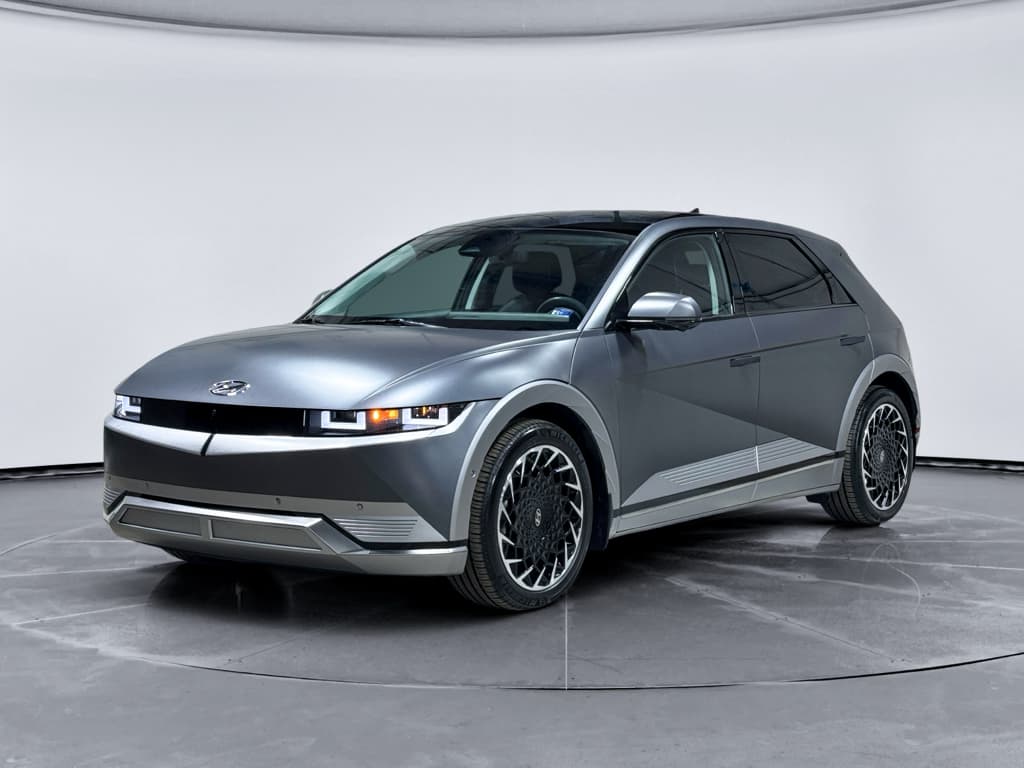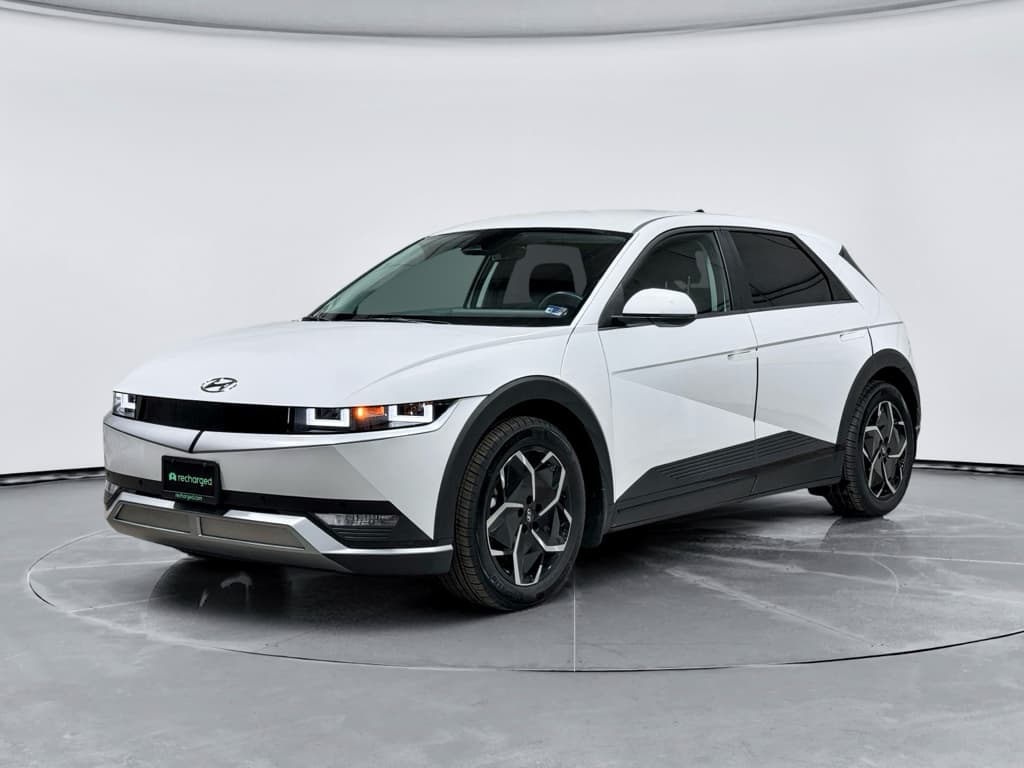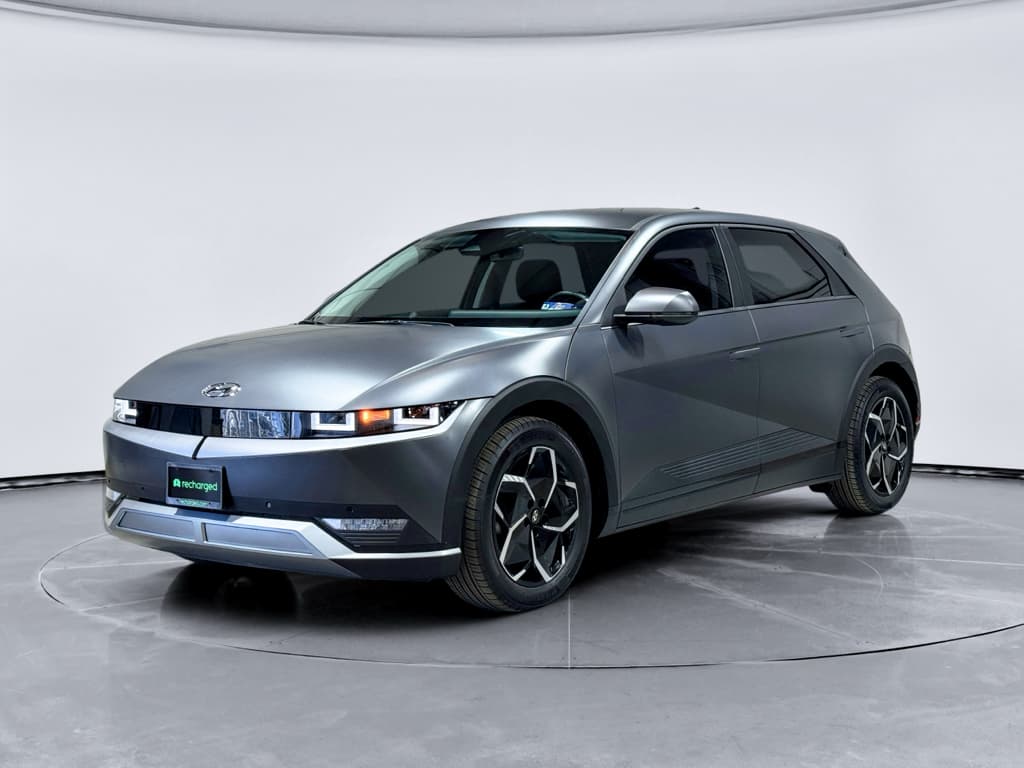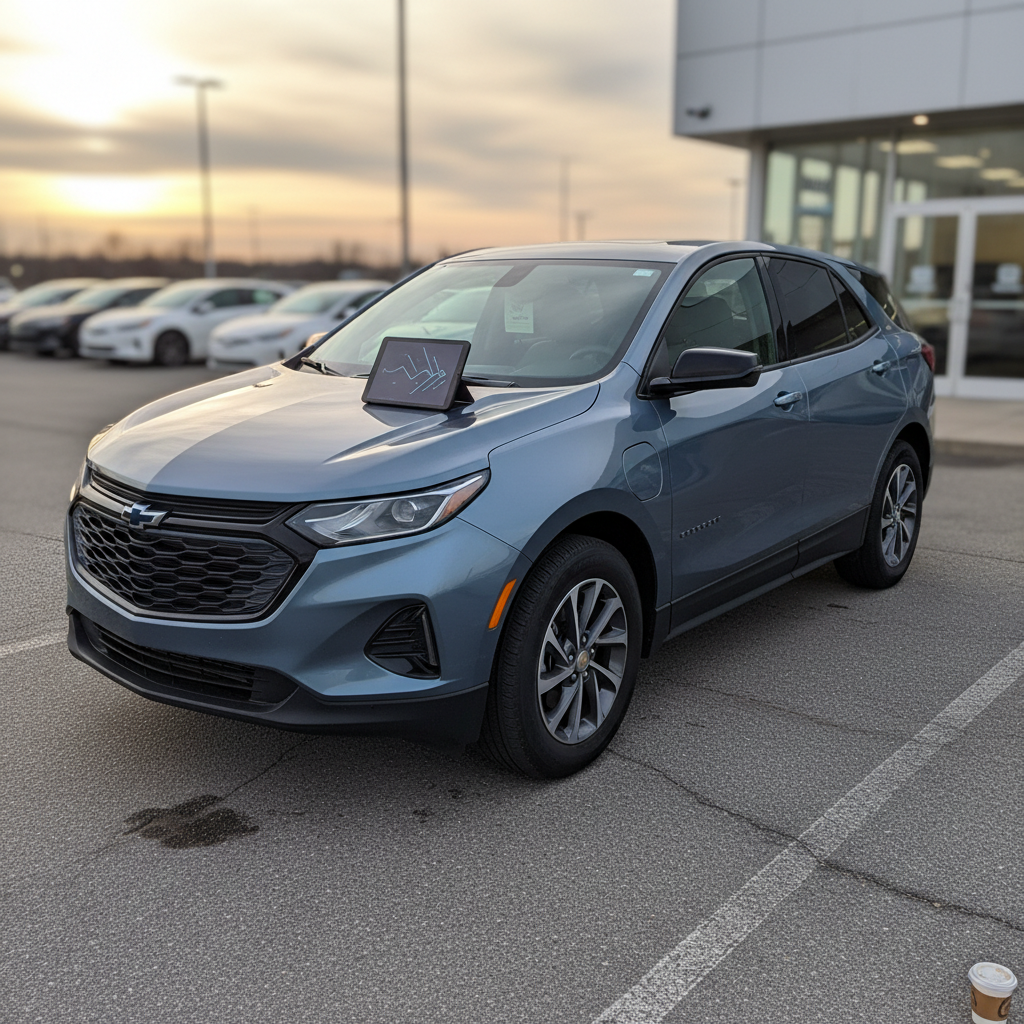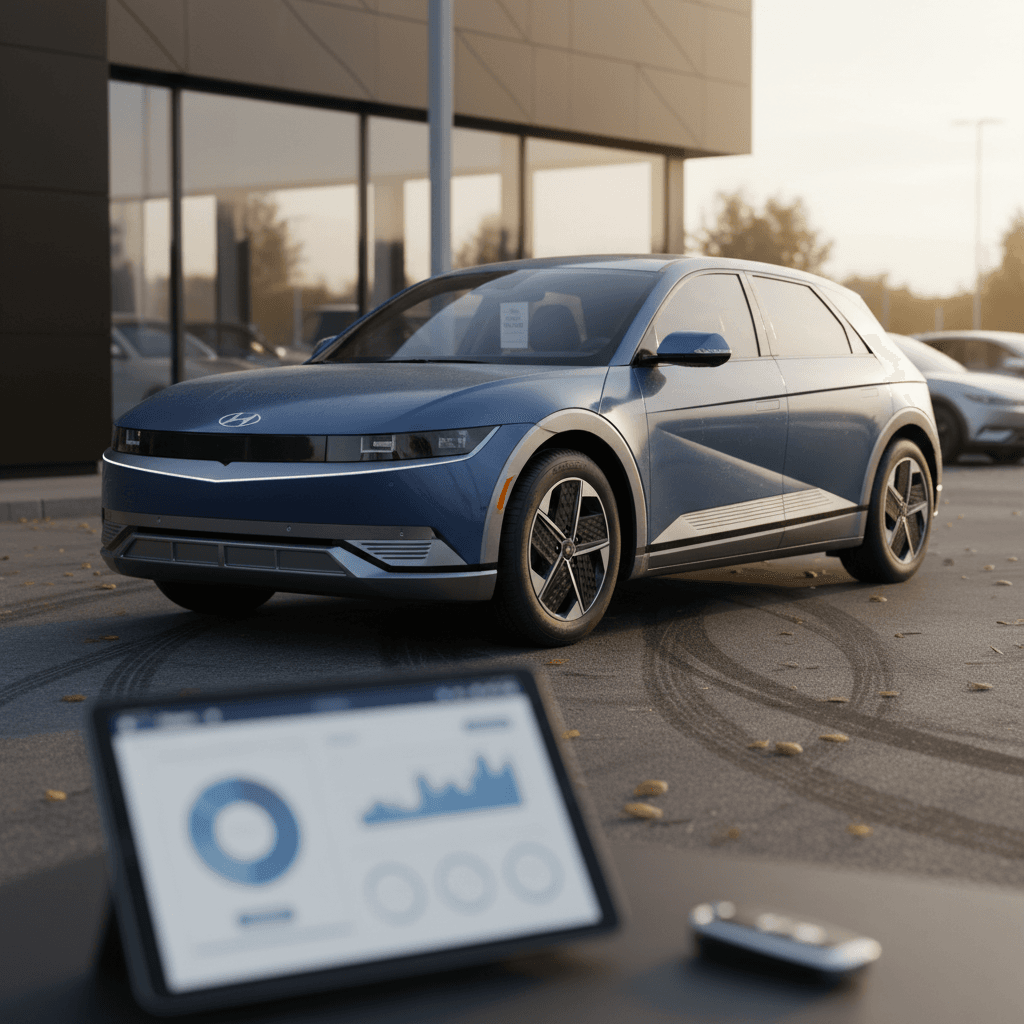
Shopping a used Hyundai IONIQ 5 vs Chevy Equinox EV pits one of the most established electric crossovers against one of the newest Ultium-based SUVs. Both promise family-friendly space, solid range, and modern tech, but they deliver those things in very different ways, and that matters a lot when you’re buying used.
Context: availability on the used market
Overview: Used IONIQ 5 vs Equinox EV
Think of the Hyundai IONIQ 5 as the proven early adopter, excellent charging speeds, a strong warranty, and a track record in the real world. The Chevy Equinox EV is the newer, more range-focused entry built on GM’s Ultium platform, aiming to bring long-range EV ownership closer to mainstream pricing.
- IONIQ 5: 2022-on sale in the U.S., lots of real-world data, more trim variety, especially on the used market.
- Equinox EV: Arrived later, but brings standout range (up to about 319 miles FWD) and a familiar Chevy SUV feel.
- Both: Two-row, five-passenger crossovers sized for families, commuting, and light road trips.
Used EV mindset
Quick take: which electric SUV fits you?
At-a-glance verdict for used shoppers
Match the SUV to the way you actually drive
Choose a used Hyundai IONIQ 5 if…
- You care most about fast charging and future-proof access to Tesla’s NACS network.
- You want longer EV experience data and strong Hyundai warranties backing a used purchase.
- You like a more design-forward, almost concept-car cabin with a smooth ride.
- You plan frequent DC fast charging and want to minimize stop time.
Choose a used Chevy Equinox EV if…
- You prioritize maximum driving range per charge (FWD trims near 300+ miles).
- You prefer a traditional SUV feel and Chevy’s infotainment ecosystem.
- Your typical use is longer highway runs with fewer charging sessions.
- You’re comfortable with a newer EV platform that’s still building a track record.
Key specs at a glance
Hyundai IONIQ 5 vs Chevy Equinox EV: core numbers (typical U.S. trims)
Approximate U.S. specs for popular 2024–2025 configurations. Always confirm exact specs on the specific used vehicle you’re considering.
| Spec | Used Hyundai IONIQ 5 (typical SE/SEL/Limited RWD/AWD) | Used Chevy Equinox EV (typical 2LT/2RS FWD/AWD) |
|---|---|---|
| Battery capacity | ~77.4 kWh pack on most non-base trims | Ultium pack (~85 kWh usable, varies by year/trim) |
| EPA range (RWD/FWD) | Up to ~303 miles (larger pack RWD) | Around 319 miles (FWD trims with larger battery |
| EPA range (AWD) | Roughly 260 miles | Around 280 miles (dual-motor AWD) |
| Max DC fast charge | Up to ~239–250 kW on most trims | Up to ~150 kW (varies by trim/software) |
| 0–60 mph (quicker trims) | As quick as mid-4s sec (dual-motor) | Around mid-5s to low-6s sec (AWD, est.) |
| Seating | 5 passengers | 5 passengers |
| Cargo (rear seats up) | ~26 cu ft | ~26–27 cu ft |
| Cargo (rear seats folded) | ~58.5 cu ft | ~57.2 cu ft |
| DC charge 10–80% (ideal conditions) | Around 18–20 minutes at 250–350 kW DC | Closer to 30–35 minutes at 150 kW DC |
| Tow rating | Light towing on some trims; often not rated for heavy loads | Up to about 1,500 lbs on equipped trims |
Specs vary by trim, model year, and drive type; treat these as common reference points, not absolutes.
Verify your exact trim
Range and efficiency: Equinox wins on miles, IONIQ wins on speed
On paper, the Chevy Equinox EV usually delivers more miles per charge, especially in front-wheel-drive form. The Hyundai IONIQ 5, meanwhile, counters with respectable range and much faster charging, which can matter more if you road trip or quick-charge often.
Hyundai IONIQ 5 range
- Standard Range models use a smaller ~58 kWh battery with EPA range around 220 miles.
- Most used U.S. IONIQ 5s have the larger ~77.4 kWh pack with up to about 303 miles of EPA range in rear-wheel drive form.
- Dual-motor AWD trims sacrifice some range (roughly 260 miles) but deliver punchy acceleration.
In day-to-day use, many owners report real-world ranges close to EPA numbers if they use Eco/Normal modes and moderate highway speeds.
Chevy Equinox EV range
- GM tuned the Ultium-based Equinox EV to be a range standout among compact electric SUVs.
- Front-wheel-drive trims with the larger Ultium battery are quoted around 300+ miles of range, with many references to roughly 319 miles.
- Dual-motor AWD versions trade some range (around 280 miles) for all-weather traction and stronger performance.
If your priority is stretching each charge to the max, especially on longer commutes, the Equinox EV FWD likely has the edge.
How to think about used-EV range
Charging and road-trip ability
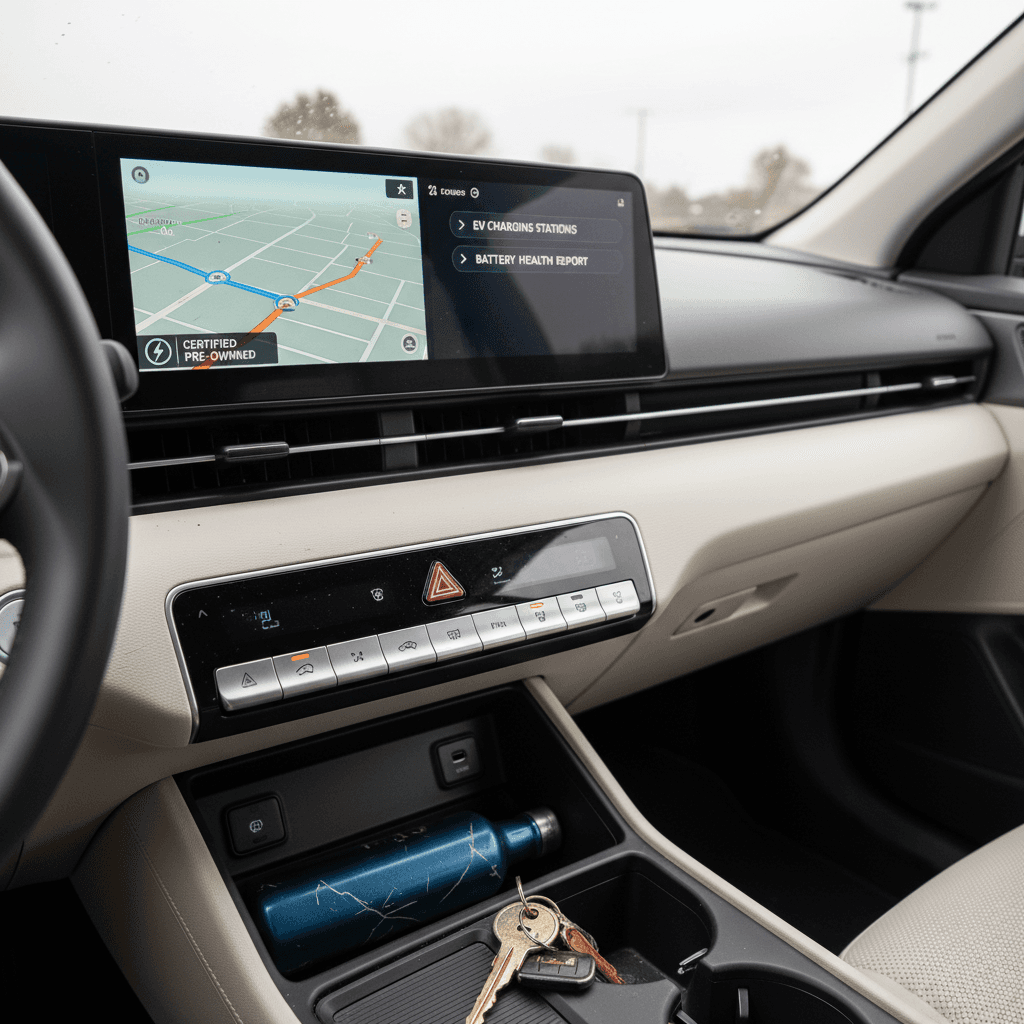
Charging is where the used Hyundai IONIQ 5 vs Chevy Equinox EV comparison gets interesting. The IONIQ 5 rides on Hyundai’s E-GMP platform, known for ultra-fast charging. The Equinox EV leverages GM’s Ultium tech, which prioritizes range and efficiency but usually charges a bit slower at peak.
Charging comparison: what you’ll feel day to day
Assuming you have home Level 2 and occasional DC fast charging access
Home charging
- Both SUVs are happy on a 240V Level 2 charger.
- Expect roughly 7–10 hours for a full charge from low state of charge for either.
- For home use, they’re effectively a tie, your charger amperage and electric rates matter more than the badge.
Public DC fast charging
- IONIQ 5: among the fastest-charging used EVs, often 10–80% in about 18–20 minutes at a 250–350 kW station.
- Equinox EV: DC peak around 150 kW; expect 10–80% more in the 30–35 minute range.
- If you road trip often, the difference in stop length is meaningful.
Network access & plugs
- IONIQ 5: increasingly supports the North American Charging Standard (NACS), opening Tesla Superchargers on newer builds/adapters.
- Equinox EV: also moving toward NACS, but roll-out timing and adapter support can vary by model year.
- On the used market, always ask: Can this VIN use Tesla Superchargers yet, and how?
Ask specifically about NACS/Tesla access
Space, comfort, and practicality
Both of these SUVs are sized right in the sweet spot for many U.S. families: big enough for five and a Costco run, small enough to park easily and feel nimble in city traffic. The IONIQ 5 leans more futuristic and lounge-like inside, while the Equinox EV feels like a familiar Chevy crossover that just happens to be electric.
Hyundai IONIQ 5 practicality
- Wheelbase is long for the class, which creates outstanding rear legroom.
- Flat floor and sliding rear bench offer flexible passenger/cargo trade-offs.
- Cargo space is very competitive: roughly 26 cu ft behind the second row and about 58.5 cu ft with seats folded.
- Cabin design is open and airy, with light colors and lots of glass available.
If you frequently carry adults in the back or use child seats, the IONIQ 5’s rear legroom and wide-opening doors are an everyday advantage.
Chevy Equinox EV practicality
- Traditional SUV proportions, slightly taller stance, and a bit more ground clearance than the Hyundai.
- Similar cargo space: roughly 26–27 cu ft seats up and just over 57 cu ft seats folded.
- No front trunk (frunk); that space is used for power electronics.
- Cabin layout will feel familiar if you’re coming from a gas Equinox or similar compact SUV.
For shoppers who want an EV that “just feels like a normal SUV,” the Equinox EV nails that brief.
Parking and maneuverability
Tech, features, and driving experience
Tech and driver-assistance have become make-or-break features in used EVs. Here, both the IONIQ 5 and Equinox EV deliver large screens, robust safety suites, and app connectivity, but they feel distinct behind the wheel.
Driving feel and tech: what stands out
How each SUV behaves once you’re actually in the driver’s seat
Hyundai IONIQ 5 feel
- Quieter, more refined ride with a slightly softer suspension tune.
- Dual-motor versions are genuinely quick, 0–60 mph in the mid-4s seconds for some trims.
- Regenerative braking is adjustable and can be set to near one-pedal driving.
- Hyundai’s Highway Driving Assist and lane-centering are well-reviewed by owners.
Chevy Equinox EV feel
- More familiar Chevy steering and ride tuning, comfortable but slightly more conventional.
- Ultium platform delivers smooth power delivery; AWD adds confident acceleration.
- Regen settings may be less granular than Hyundai’s but still allow near-one-pedal modes.
- Chevy Safety Assist and Super Cruise (where equipped) can be a big draw for highway commuters.
Infotainment & UX
- IONIQ 5: twin 12.3-inch displays in most trims, clean UI, good EV-specific info screens.
- Equinox EV: new-generation GM infotainment, Google built-in on many models, strong app ecosystem.
- Both: smartphone integration, connected services, and over-the-air updates play a growing role in feature set and resale appeal.
“For used EV shoppers, software support is now as important as hardware. The cars that keep getting meaningful updates will usually hold value better.”
Warranty, battery health & depreciation on the used market
Every used EV story is really a battery story. You’re buying a giant, expensive energy pack wrapped in a nice SUV. That makes warranty coverage, degradation history, and independent health checks central to your Hyundai IONIQ 5 vs Chevy Equinox EV decision.
Why warranties matter more with used EVs
Hyundai IONIQ 5: warranty & depreciation
- Often carries a longer factory warranty window than many rivals, especially on the powertrain and battery.
- Early EV price swings mean depreciation can look steep on paper, but that’s a win if you’re buying used.
- Plenty of 2022–2023 models are now off-lease, giving you a wide selection of mileages and trim mixes.
When you shop a used IONIQ 5, you’re often getting strong warranty backup plus proven fast-charging performance at a price far below original MSRP.
Chevy Equinox EV: warranty & depreciation
- Ultium batteries are typically covered around 8 years/100,000 miles, and basic warranties are shorter than Hyundai’s.
- Because the Equinox EV is newer, its depreciation curve is still forming; early used prices may remain closer to new for a while.
- Fewer used units means less data, but also less downward pressure from oversupply, at least initially.
If you’re an early used buyer, focus on build date, software update history, and any warranty repair records to gauge long-term confidence.
Don’t guess on battery health
Ownership costs, incentives, and long-term value
Operating costs for either a used IONIQ 5 or Equinox EV will almost always undercut a comparable gas SUV. Electricity is cheaper than gasoline on a per-mile basis in most U.S. regions, and both EVs have far fewer moving parts to service. But there are still differences worth noting.
Key cost questions to answer before you decide
1. How will you charge most of the time?
Home Level 2 charging is the biggest cost win. If you mostly rely on DC fast charging, the IONIQ 5’s speed can reduce session time and potential fees, but frequent fast charging also adds stress to any battery, make sure prior use wasn’t all DC.
2. What incentives apply to used EVs in your state?
Some U.S. buyers can stack federal used EV credits with state or utility incentives. Check whether the specific VIN and transaction structure qualify before comparing monthly payments.
3. What’s your expected annual mileage?
If you drive 8,000–10,000 miles a year, depreciation may matter more than slight energy-cost differences. If you’re a 20,000-mile-a-year driver, the Equinox’s extra range margin might translate into fewer charging sessions and time saved.
4. How long do you plan to keep the SUV?
A longer ownership horizon (7–10 years) makes remaining battery warranty and long-term software support especially important. Hyundai’s longer warranties and the Equinox’s newer Ultium tech approach this from different angles.
Where Recharged fits in
Ready to find your next EV?
Browse VehiclesHow to choose between a used IONIQ 5 and Equinox EV
By this point, you’ve seen that there’s no universal “winner.” You’re aligning two good electric SUVs with your specific habits, budget, and risk tolerance. Use this simple framework to make a confident call.
Decision roadmap: match the SUV to your use case
Daily commuter & occasional road-tripper
You drive 40–80 miles most weekdays and 2–4 long trips a year.
IONIQ 5: Great fit if you prize fast DC charging and want to minimize time at stations during those road trips.
Equinox EV: Strong alternative if you’d rather stretch each leg farther and stop less often, even if stops are longer.
Family-hauler & school-run duty
You mostly stay in-town, haul kids, and run errands.
Range: Either SUV has more than enough for typical days.
IONIQ 5: More lounge-like, spacious-feeling cabin, especially nice for taller rear passengers.
Equinox EV: Feels like a familiar Chevy family SUV; easier transition if you’re coming from a gas Equinox or Traverse.
Snow-belt or poor-road driver
You see lots of winter weather or unpaved roads.
AWD trims of both SUVs are compelling for traction.
IONIQ 5: AWD plus strong stability systems; ride tuned more for comfort than ruggedness.
Equinox EV: Slightly more SUV-like stance; check for all-weather packages and wheel/tire setups on the used example you’re eyeing.
Budget-conscious used buyer
Payment and long-term value are critical.
IONIQ 5: More used supply and steeper early depreciation often mean <strong>stronger deals</strong> today, with generous warranty coverage remaining.
Equinox EV: Being newer, may hold prices closer to new for a while; you’re paying a slight premium for extra range and a newer platform.
FAQ: Used Hyundai IONIQ 5 vs Chevy Equinox EV
Frequently asked questions
Bottom line: who should buy which?
If you’re choosing between a used Hyundai IONIQ 5 vs Chevy Equinox EV, you’re already looking in the right segment. The IONIQ 5 shines with ultra-fast charging, generous warranty coverage, and a more mature used market that often yields better deals. The Equinox EV fights back with standout range and a familiar Chevy SUV feel wrapped around GM’s newer Ultium platform.
Pick a used IONIQ 5 if you want a proven, quick-charging EV with strong remaining warranty and lots of real-world data behind it. Lean toward a used Equinox EV if maximum range per charge and a more conventional SUV experience matter most, and you’re comfortable being an early adopter of GM’s latest EV tech.
Whichever way you’re leaning, backing up your choice with real battery health data, transparent pricing, and EV-expert support will matter more than a few miles of quoted range. That’s exactly what Recharged is built to deliver, so you can spend more time enjoying electric miles and less time worrying about what’s happening inside the pack.