You don’t pick a Volvo EX30 the way you pick a T-shirt size. The difference between EX30 Core vs Plus vs Ultra isn’t just a few toys; it’s how much tech, comfort, and semi-autonomy you’re signing up for, and how much you’ll pay now and at resale time.
Quick take
Why the Volvo EX30 trim decision matters
The EX30 is Volvo’s baby EV: compact footprint, big torque, and pricing that undercuts a Tesla Model Y. In a segment where every dollar is doing burpees in your monthly payment, choosing between Core, Plus and Ultra can swing thousands of dollars in MSRP, without touching the battery or basic performance. That makes the trim decision less about raw power and more about daily experience and long‑term value.
If you’re shopping new, you’re juggling MSRP, options and interest rates. If you’re shopping used, you’re also betting on which trim will age better: which features future buyers will still pay for, and which will feel like yesterday’s gadget drawer. That’s where Recharged’s focus on verified battery health and trim-aware pricing becomes your best friend.
Volvo EX30 Core vs Plus vs Ultra at a glance
Volvo EX30 essentials (all trims)
- Core – Entry model, same Single Motor Extended Range powertrain, smaller wheels, cloth interior, standard Volvo safety.
- Plus – Core’s powertrain with nicer materials, Harman Kardon sound, more convenience tech, and key comfort upgrades.
- Ultra – Plus equipment plus full-fat driver assistance: 360° camera, Park Pilot Assist, Pilot Assist highway system, and the most advanced parking aids.
Volvo EX30 Core vs Plus vs Ultra: key differences
High-level view of how the EX30 trims stack up on price, comfort, and tech. Exact pricing will vary by market, incentives, and whether you shop new or used.
| Trim | Typical starting MSRP (new, US) | Audio | Wheels | Roof & Glass | Driver Assistance Highlights |
|---|---|---|---|---|---|
| Core | Around mid-$30Ks when first announced; later cars often priced higher and may be limited in some markets | Standard 8-speaker system | 18" alloy wheels | Fixed roof (no panoramic glass) | Full Volvo safety suite, basic lane-keeping and collision avoidance |
| Plus | Around low-$40Ks depending on motor and options | Harman Kardon premium soundbar, 14 speakers | 19" alloy wheels | Panoramic glass roof | Adds digital key, power tailgate, wireless charging, more comfort tech |
| Ultra | Typically just above Plus; Twin Motor Performance and Cross Country Ultra cost more | Same Harman Kardon system as Plus | 19" or 20" wheels depending on package | Panoramic glass roof | Adds 360° camera, Park Pilot Assist (self-parking), Pilot Assist highway driving support |
Use this as a directional guide, then confirm final pricing and equipment on the specific car you’re considering, especially in the used market.
Note on 2026 U.S. availability
Powertrain, battery and range: what actually changes?
Single Motor Extended Range (RWD)
- Output: about 268 hp and 253 lb‑ft
- Drive: Rear‑wheel drive
- Battery: 69 kWh (gross), usable capacity in the mid‑60 kWh range
- EPA range: up to roughly 261 miles on 19" wheels in ideal conditions
- 0–60 mph: low‑5‑second bracket in many markets; brisk but not brutal
This is the standard powertrain in most Core and Plus examples, and in some Ultra cars outside North America.
Twin Motor Performance (AWD)
- Output: about 422 hp and 400 lb‑ft
- Drive: All‑wheel drive with a motor on each axle
- Battery: Same 69 kWh pack
- EPA range: slightly lower than the RWD car thanks to extra power and weight
- 0–60 mph: ~3.4 seconds – the quickest Volvo ever sold
Available on Plus and Ultra, this is the version that turns the cute EX30 into a pocket rocket, at the cost of some range and tire life.
Efficiency reality check
Crucially, Core vs Plus vs Ultra doesn’t decide your battery. It decides what’s wrapped around it. When you’re evaluating a used EX30 at Recharged, focus on two layers: the Recharged Score battery report (how healthy the pack is) and then the trim (how livable the car feels).
EX30 Core: what you get, and what you give up
The EX30 Core is the car Volvo advertises in the fine print when they say “starting from.” It’s the stripped‑back but not cheap interpretation of the EX30 idea: same essential performance, smaller wheels, simpler materials.
Volvo EX30 Core: value play, not penalty box
Best if you care more about range and price than toys.
Core strengths
- Lowest price of entry into an EX30, especially in earlier model years.
- Same 69 kWh battery and basic safety structure as pricier trims.
- Smaller 18" wheels can ride better on rough pavement and may eke out a bit more real-world range.
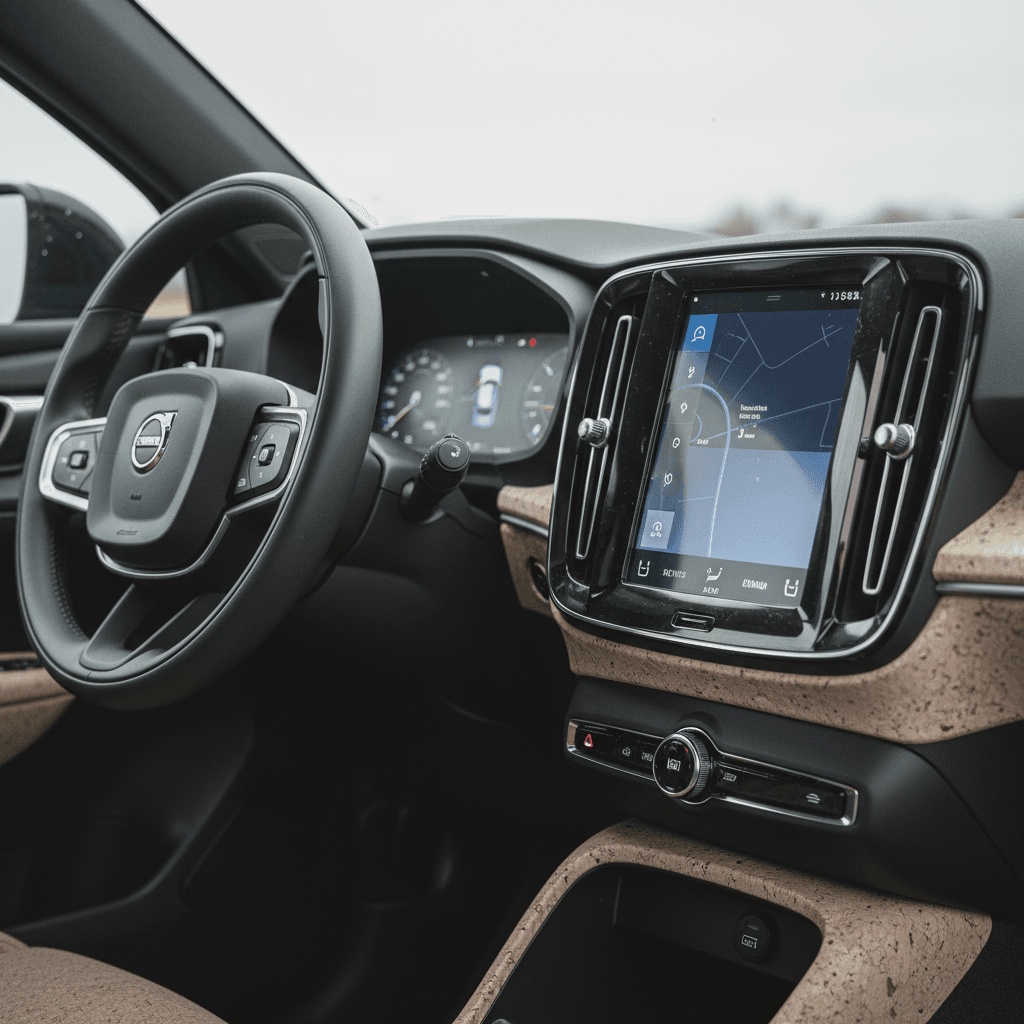
- Standard Google‑based infotainment, wireless Apple CarPlay, and typical Volvo active‑safety features.
Core compromises
- No Harman Kardon soundbar, just a conventional audio setup.
- Cloth upholstery and manually adjustable seats; the cabin feels intentional but less special.
- Typically no panoramic glass roof, which many buyers expect in a premium EV.
- Fewer convenience touches: no power tailgate on many Core cars, fewer ambient lighting and comfort features.
Watch your expectations
- Want the cheapest path into an EX30 and are happy with a simpler cabin.
- Prioritize range, efficiency and tire costs over power and gadgets.
- Plan to keep the car a long time and don’t care as much about future shopper “wow” factor.
EX30 Plus: the real-world sweet spot
The EX30 Plus is where the car starts feeling like the Scandinavian design object Volvo shows in the commercials. Think of Plus as the trim that aligns the EX30’s interior with its price tag.
Volvo EX30 Plus: where the EX30 feels premium
Big upgrades in sound, ambiance, and everyday convenience.
Harman Kardon soundbar
Glass and light
Daily usability
Why Plus is often the best value
- Want the full EX30 design experience, soundbar, glass roof, nicer materials, without going all‑in on Ultra.
- Care about comfort and perceived quality more than bleeding‑edge driver assistance.
- Plan to resell after a few years and want a spec that will photograph and show well in listings.
EX30 Ultra: max tech, max assistance
Ultra is where Volvo empties the ADAS toolkit into the EX30. The cabin doesn’t change radically from Plus, same vibe, same headline audio, but the camera and sensor count jumps, and so does the car’s ability to take the edge off tight parking garages and long commutes.
Volvo EX30 Ultra: tech heavy, not just trim jewelry
If you like gadgets that actually do things, this is your playground.
360° camera
Park Pilot Assist
Pilot Assist
Don’t overbuy ADAS you won’t use
- Regularly drive in dense urban environments where parking and low‑speed maneuvering are stressful.
- Do a lot of highway miles and want the most advanced assistance Volvo offers in this size class.
- Are the tech-forward early adopter in your friends group, and you know you’ll actually use the features you’re paying for.
Which Volvo EX30 trim should you buy?
Budget-conscious or first EV
If you’re stretching to get into an EV at all, a well‑specced Core can be a smart move, especially if you find one with options like heated seats and key convenience extras.
On the used market, a Core with a strong Recharged Score battery report might be the best cost‑to‑range ratio you’ll find in a premium-badge EV.
Most buyers, most of the time
If you want your EX30 to feel special every single morning, focus on Plus. The soundbar, glass roof, and nicer materials do more for your mood than another tenth off the 0–60 time.
Plus trims also tend to photograph better and tick more of the boxes that second owners look for, which can help resale value.
Tech and city driving junkies
Urban parallel-parking, claustrophobic garages, long solo highway runs, if that’s your life, Ultra earns its keep. Park Pilot Assist and 360° cameras are the difference between a shrug and a late‑night wheel repair.
On a used EX30, Ultra’s extra sensors and cameras are worth double‑checking in a test drive to ensure everything still feels tight and glitch‑free.
How to test-drive trims back‑to‑back
Buying a used Volvo EX30 Core, Plus or Ultra
The EX30 is still relatively fresh, but early cars are already entering the used market, particularly demo units and early adopters trading for larger EVs. That makes trim choice even more nuanced: the price gap between a used Core and a used Plus or Ultra can shrink enough that the nicer car becomes a better deal.
Used EX30 shopping checklist by trim
1. Start with battery health, not just mileage
Regardless of Core, Plus or Ultra, an EX30 lives or dies by its pack. A <strong>Recharged Score Report</strong> gives you a third‑party view into battery health and fast‑charging history, so you’re not guessing how hard the previous owner pushed it.
2. Verify ADAS and camera systems on Ultra
On an Ultra, spend time in a parking lot testing Pilot Assist, Park Pilot Assist, and the 360° camera. Make sure guidance lines are stable, cameras are clear, and there are no phantom alerts.
3. Listen for rattles on Plus/Ultra glass roofs
Panoramic roofs can add creaks or squeaks on rough roads. A short drive over broken pavement will tell you if the extra glass and lighter structure are still screwed together like a Volvo should be.
4. Inspect wheels and tires by trim
Core’s smaller wheels are cheaper to replace and more pothole‑resistant. Plus and Ultra wheels look great but are easier to curb. Check for bends, chips and mismatched tires, especially on Twin Motor Performance cars.
5. Check that digital key and infotainment are updated
For Plus and Ultra, confirm that the digital key feature and Google‑based infotainment are updated and responsive. OTA (over‑the‑air) updates can fix a lot, but only if the previous owner actually installed them.
Where Recharged fits in
Feature checklist: Core vs Plus vs Ultra
Volvo EX30 feature matrix by trim
Equipment can vary by market and model year, but this matrix captures the typical pattern across Core, Plus and Ultra.
| Feature | Core | Plus | Ultra |
|---|---|---|---|
| 69 kWh battery, DC fast charging | Yes | Yes | Yes |
| Single Motor Extended Range (RWD) | Standard | Standard | Available / market‑dependent |
| Twin Motor Performance (AWD) | No | Optional | Optional / standard on some Cross Country Ultra |
| 18" alloy wheels | Standard | No | No |
| 19" alloy wheels | Optional / market‑dependent | Standard | Standard |
| Panoramic glass roof | Rare / optional | Common | Standard |
| Harman Kardon soundbar audio | No | Standard | Standard |
| Cloth upholstery, manual front seats | Standard | No | No |
| Upgraded materials, ambient lighting | Limited | Standard | Standard |
| Power tailgate | Usually no | Standard | Standard |
| Digital phone key | No | Standard | Standard |
| Wireless phone charging pad | No | Standard | Standard |
| 360° surround camera | No | No | Standard |
| Park Pilot Assist (self‑parking) | No | No | Standard |
| Pilot Assist highway driving support | No | No | Standard |
| Full Volvo safety suite (AEB, lane‑keeping, etc.) | Standard | Standard | Standard |
Always cross‑check the specific car’s window sticker or build sheet, especially on used EX30s, where packages and running changes can blur trim lines.
How to use this matrix
FAQ: Volvo EX30 Core vs Plus vs Ultra
Frequently asked questions about EX30 trims
Bottom line: match the EX30 trim to your life
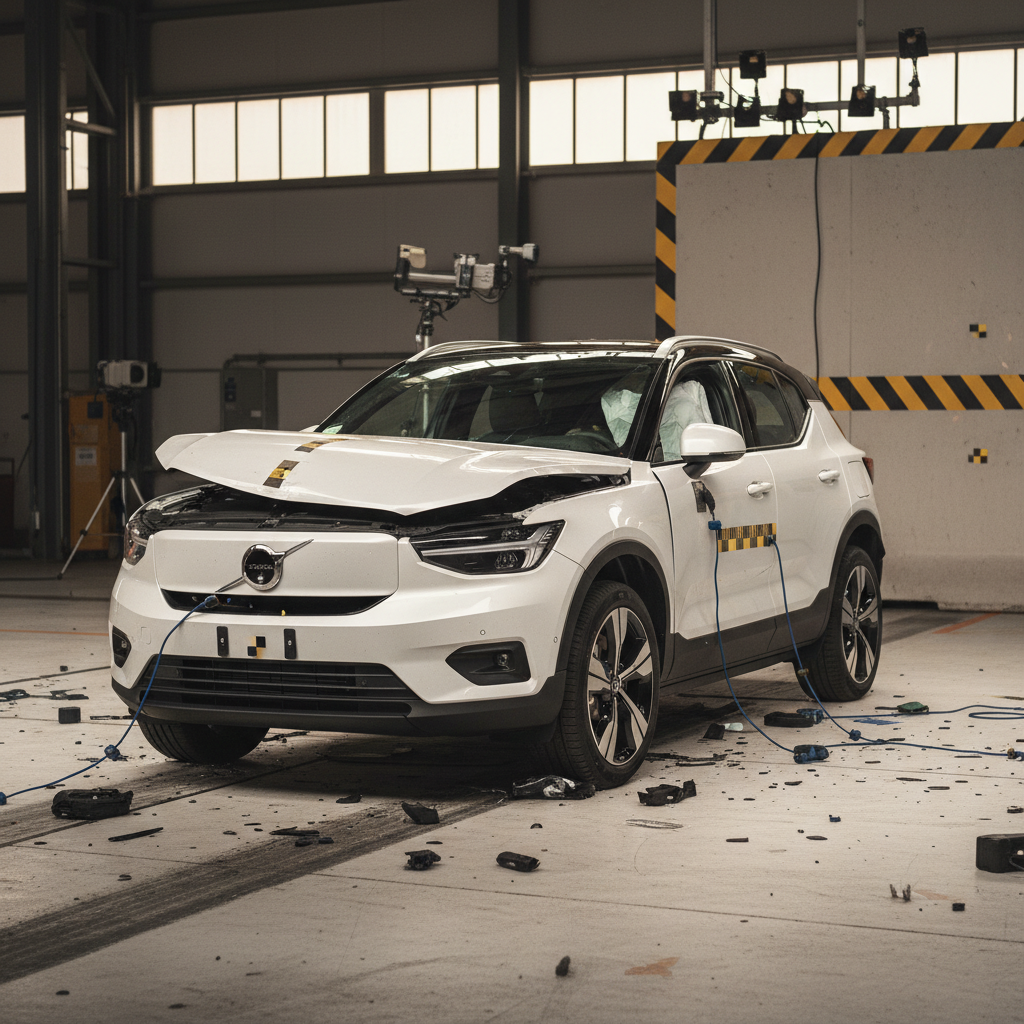
The Volvo EX30 is one of the rare EVs where the base car already has the right bones: strong crash structure, a sensible battery size, and a user interface that doesn’t require a PhD. Core, Plus and Ultra simply decide how polished, how cosseting, and how semi‑autonomous that experience becomes.
If you’re chasing the lowest possible payment, a clean Core with solid battery health may be all the EX30 you actually need. If you want your compact EV to feel like a boutique hotel lobby, Plus is the move. And if your daily grind involves urban parking combat and long, boring highway slogs, Ultra earns its asking price in reduced stress and bent‑wheel avoidance.
Whichever trim you end up with, buying through Recharged means you’re not gambling on the biggest unknown in any used EV: its battery. You get a Recharged Score Report, expert guidance from EV specialists, financing, trade‑in support, and door‑to‑door delivery. That way, the hardest part of choosing a Volvo EX30 is whether you want Core, Plus or Ultra, not whether the car you’re buying will still feel fresh and capable five years from now.